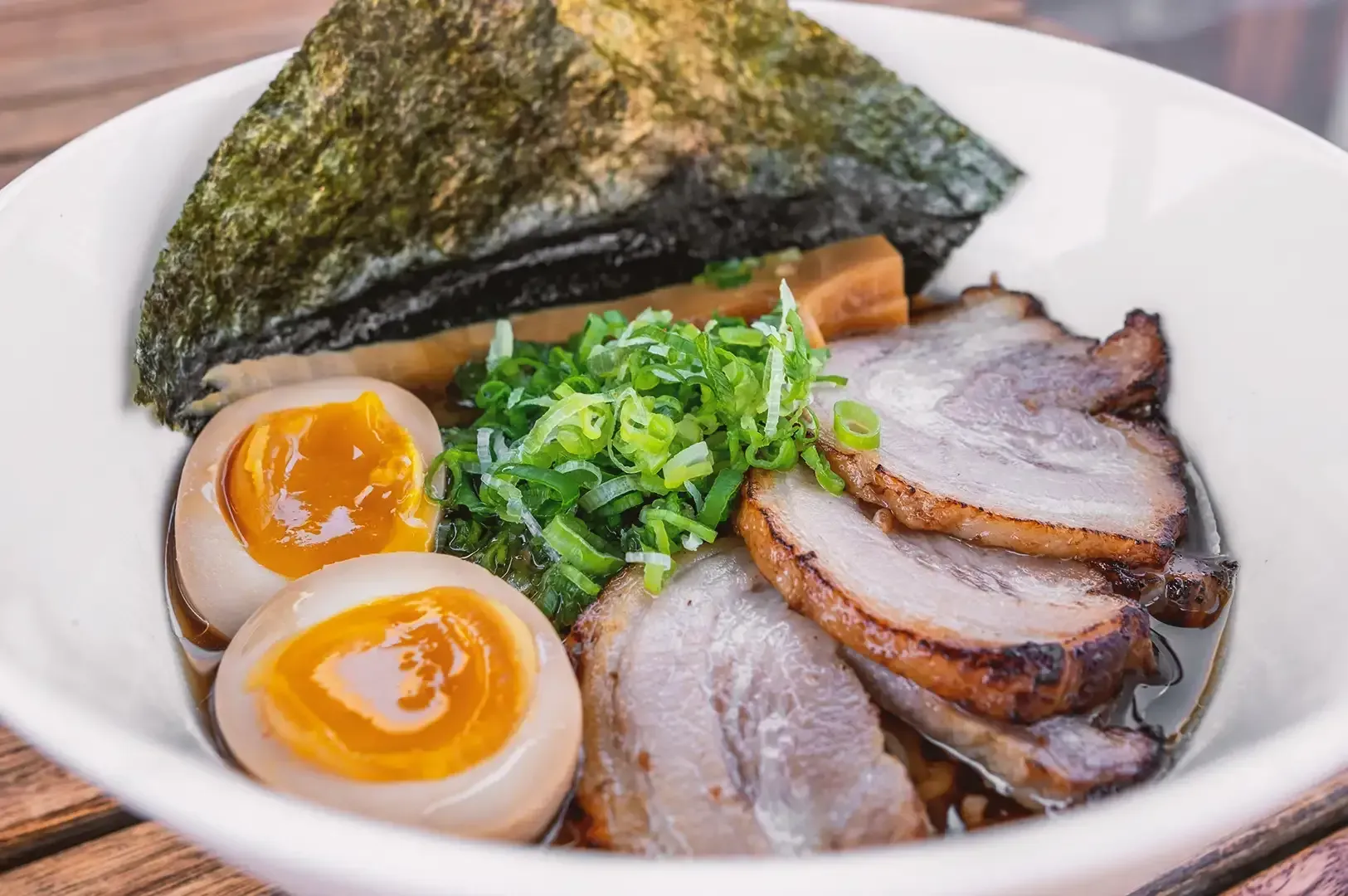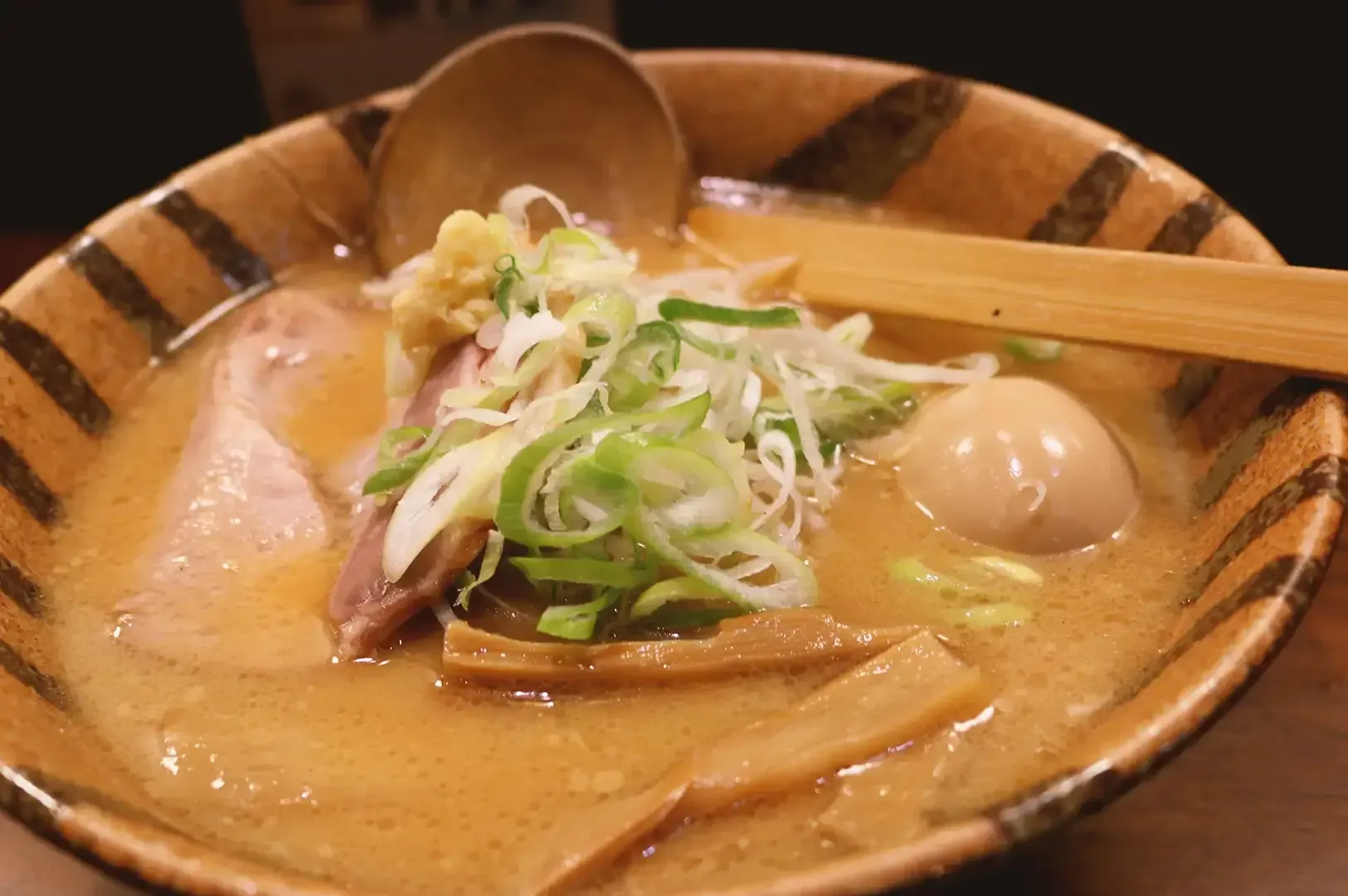
What Makes Ramen Ramen? Inside a Recipe for Ramen Noodles and Noodle Soup
I'll be honest with you: for the longest time, I thought ramen was just noodles in soup. Then I actually started cooking it at home here in Singapore, and I realised I'd been missing the whole point. Ramen isn't one thing. It's a careful balance of noodles, flavorful broth, seasoning, and toppings, and every part has a job to do.
If you've ever slurped a bowl and wondered what actually makes ramen, ramen, this guide is for you. I'll walk you through what sets ramen noodles apart, how the broths differ, and how to build a proper bowl at home without needing a fancy kitchen. Along the way, I'll share the mistakes I made so you don't have to.
Let's get into it.
What Makes Ramen Noodles Unique in Homemade Ramen
Here's the thing that surprised me most when I first started paying attention: ramen noodles aren't just thin spaghetti. They're built differently on purpose.
Ramen noodles are typically made from wheat flour, water, salt and kansui; some recipes also include egg. Kansui is an alkaline solution that gives ramen noodles their springy texture and characteristic colour. It gives them their distinct yellow colour and that springy, chewy texture that holds up in hot broth.
That chewy texture matters more than you'd think. When you cook ramen noodles right, they stay firm and bouncy, catching the flavorful broth as you lift them. Without kansui, you'd basically have plain wheat noodles, and the dish wouldn't feel like ramen at all.
This is also the big difference in the classic ramen vs udon debate. Udon noodles skip the egg and kansui entirely, using just wheat flour, salt, and water. That's why udon comes out thick, white, and dense, while ramen stays thin, yellow, and springy. If you've cooked frozen udon before, you'll know that heartier bite. Ramen is a lighter, quicker cook.
Pro tip: In Singapore, you'll find fresh ramen noodles at Japanese grocers and larger supermarkets, and they're worth seeking out. Fresh noodles give you the best chewy texture. But if you can only find instant ramen or even rice noodles, that's completely fine. Just toss the seasoning packet and use the noodles on their own with your homemade broth..
B. Miso Ramen: Matching Bold Flavours With Smoky Seafood
Miso ramen brings a different kind of depth. Fermented soybean paste gives the broth a savoury, slightly salty complexity, layered with stronger umami notes and often a swirl of chili oil or a base of soy sauce. It is hearty and full-bodied, the sort of bowl that lingers.
The Four Types of Ramen Broth You Should Know: Including Miso Ramen and Soup Base
If the noodles are the body of ramen, the flavorful broth is the soul. And this is where things get really fun, because there isn't just one style.
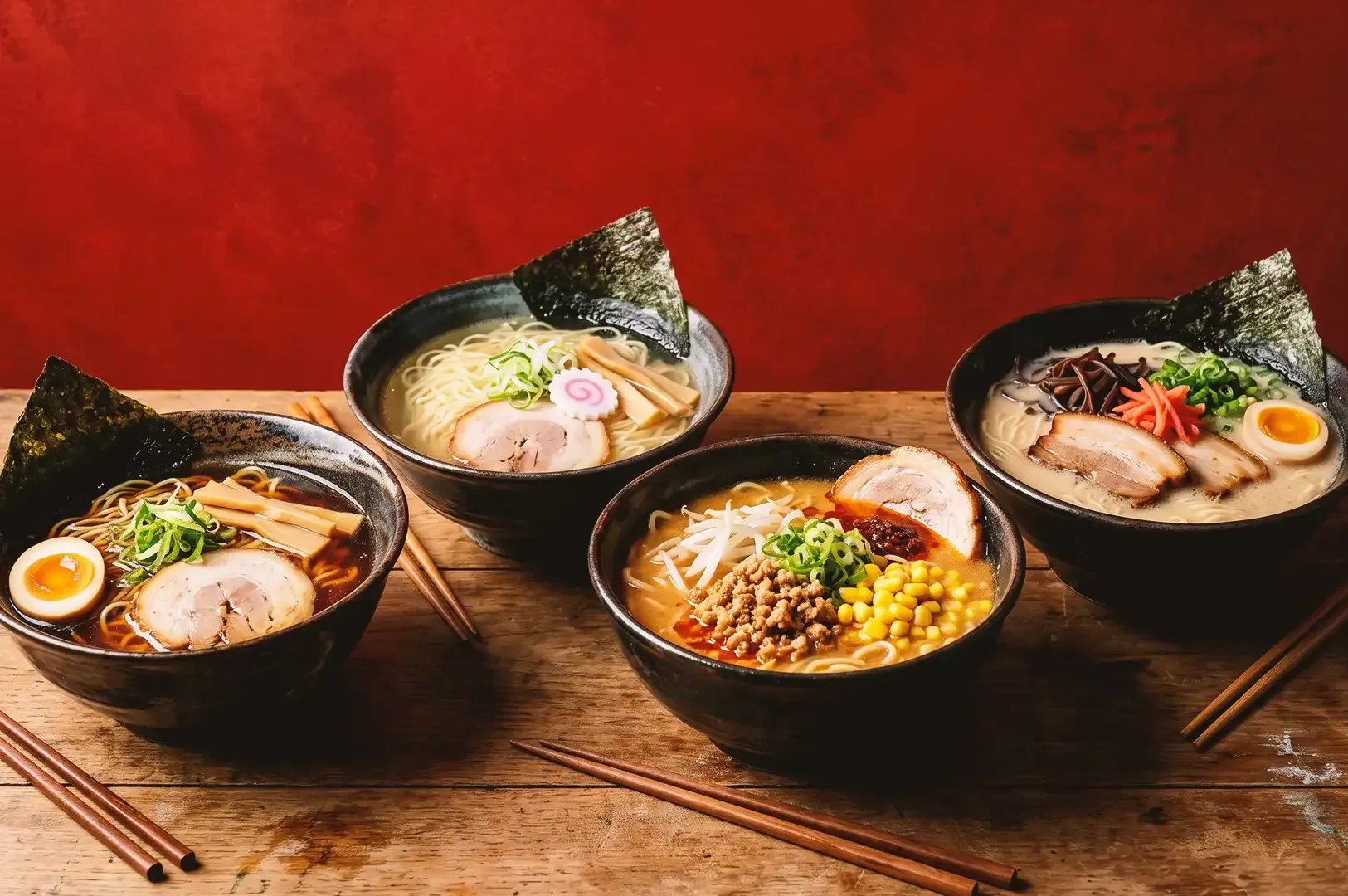
There are four common ramen styles you’ll see often: shoyu, shio, miso and tonkotsu. Shoyu, shio and miso mainly describe the seasoning, while tonkotsu describes a pork-bone stock. Once you understand them, ordering (or cooking) becomes so much easier.
Shoyu ramen is built on a soy sauce base. It's savoury, well-rounded, and clear in colour. This was my gateway ramen, and I still think it's the friendliest place to start.
Shio ramen is seasoned primarily with salt and is often, though not always, lighter in flavour and appearance.
Miso ramen leans on fermented soybean paste like white miso for deep, hearty umami flavor. It's rich and warming, perfect for a rainy Singapore afternoon when you want something with body.
Tonkotsu ramen is the creamy one. Pork bones simmer for hours until the broth turns thick, milky, and luxurious. It's the heaviest of the bunch, and the most indulgent.
Insider knowledge: You don't have to simmer pork bones for a whole day to get a satisfying bowl at home. A good chicken broth base, boosted with the right seasonings like garlic cloves, garlic powder, dried mushrooms, and soy sauce, gets you deeply flavorful results in a fraction of the cook time. I'll show you exactly how below.
To learn more on the difference of shoyu, shio and Miso ramen, check this article we made: How to Tell Tonkotsu, Shoyu, Miso & Shio Ramen Noodle Apart
3. Light Ramen And Traditional Sushi: Keeping Flavours Delicate
An Easy Ramen Recipe for Homemade Ramen with Dried Shiitake Mushrooms and More Flavor
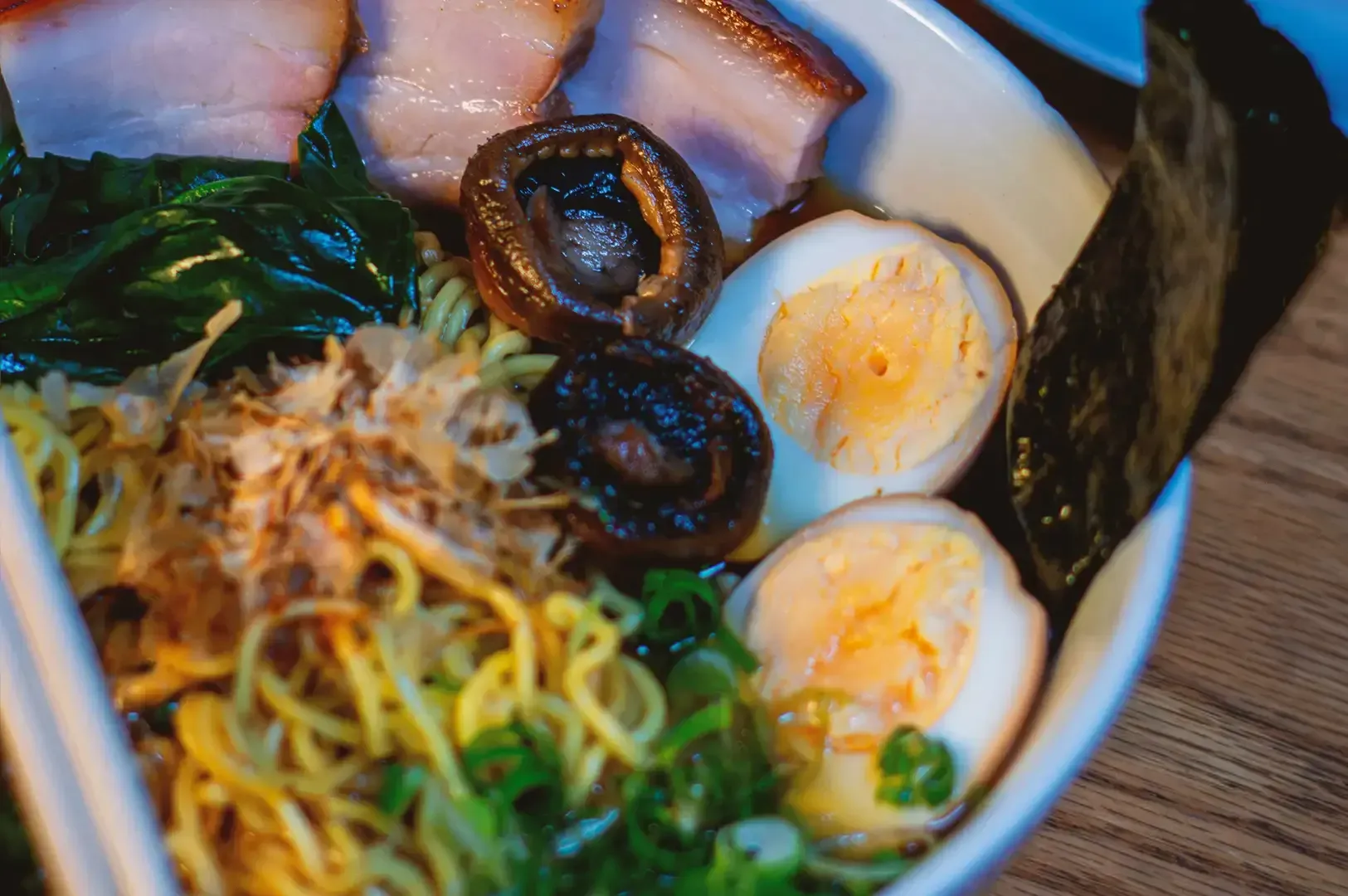
Now for the part you came for. This is my go-to easy ramen recipe for homemade ramen, and it's genuinely doable on a weeknight. It leans on a shortcut broth built around chicken broth, so you skip the multi-day effort while still getting real depth.
Here's what you'll want to gather:
- Ramen noodles (fresh ramen noodles if you can find them, or instant ramen or rice noodles with the seasoning packet discarded)
- Chicken broth (store-bought stock is completely fine)
- Dried shiitake mushrooms or fresh mushrooms
- Garlic cloves and garlic powder
- Soy sauce and rice vinegar
- White miso paste
- Sesame oil
- Eggs for a boiled egg or soft boiled ramen egg
- Toppings: fresh spring onions (also called spring onions), bean sprouts, baby bok choy, sesame seeds, dried seaweed
- Optional but lovely: a spoonful of chili garlic sauce or red pepper flakes for an extra kick.
This isn't fussy food. It's honest, comforting noodle soup you can pull together in under an hour, with a prep time that fits right into your busy schedule.
Easy Homemade Chicken Ramen, Step by Step Dinner Method
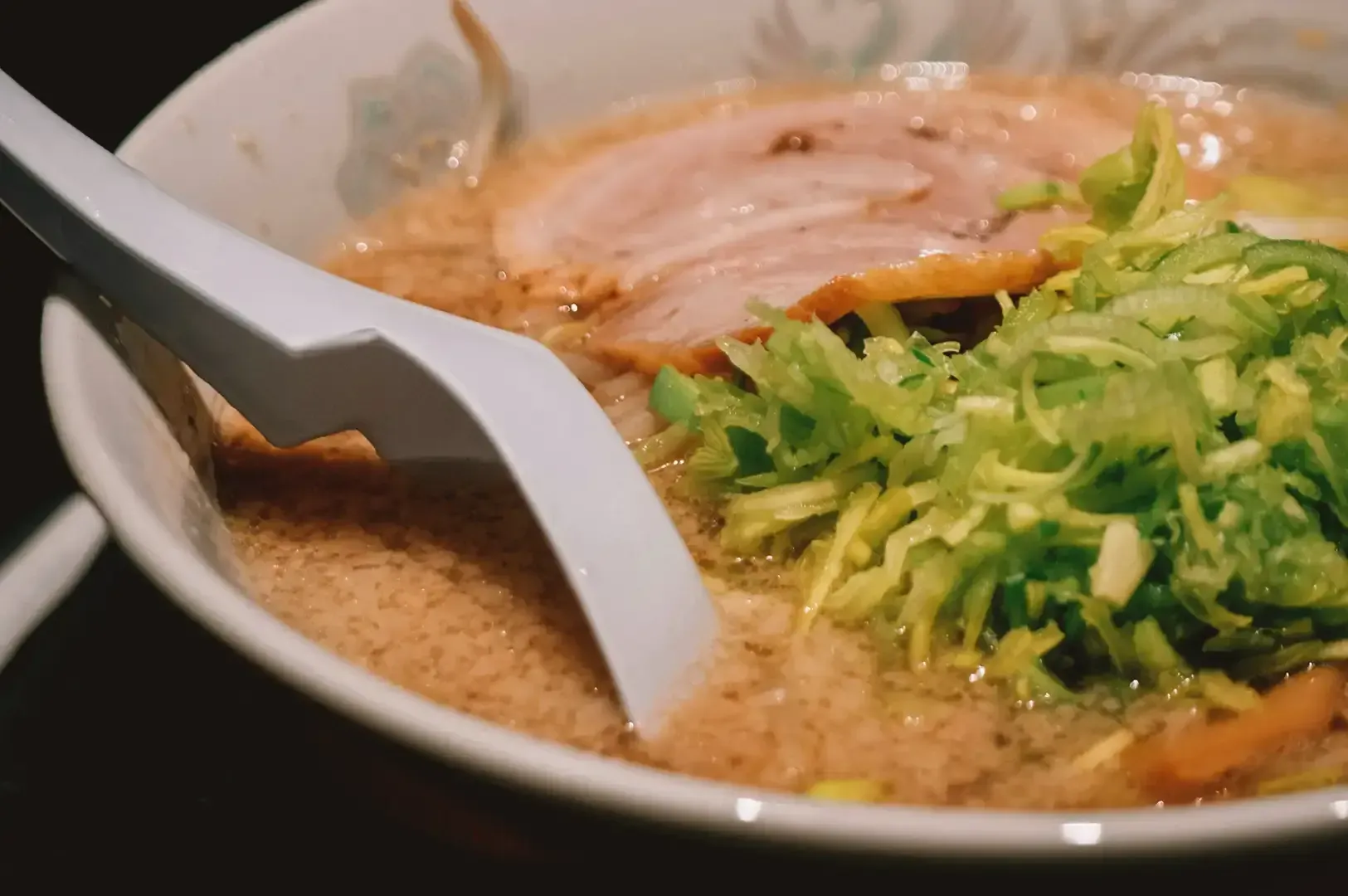
Let me break down my easy homemade chicken ramen so you can follow along. In my experience, the order of operations and cook mode makes all the difference, so take it one step at a time.
Step 1: Build your flavorful broth base.
Heat a little sesame oil or little oil in a pot over
medium heat. Add your grated garlic cloves and garlic powder, and stir-fry for a minute or two until fragrant. This is where a lot of your flavor starts, so don't rush it.
Step 2: Add liquid and dried shiitake mushrooms.
Pour in your chicken broth, then drop in the
dried shiitake mushrooms. Bring everything to a gentle simmer over
medium heat and let it cook for about 10 minutes. The dried mushrooms add a savory, earthy umami flavor that makes the broth taste like you worked much harder than you did.
Step 3: Season to taste with white miso and soy sauce.
Stir in a spoonful of white miso paste and a good splash of soy sauce. Taste as you go. This is the step people rush, and it's exactly why some homemade ramen ends up bland. Keep adjusting until the broth tastes rich and full, not watery.
Step 4: Make your boiled egg or ramen egg.
For a soft-centred ramen egg, use pasteurized eggs if available, especially when serving pregnant people, young children, older adults or anyone immunocompromised. Then plunge them into an ice bath to stop the cooking. Peel carefully, and you'll get a jam-packed, golden brown, jammy center. A proper ramen egg is one of life's small joys.
Step 5: Cook the noodles separately.
Cook your ramen noodles or instant noodles separately in a pot of boiling water until just tender, usually only a minute or two for fresh noodles or about 3 minutes for dried noodles. Cooking them apart from the broth keeps them from going soft and mushy.
Step 6: Prepare the chicken topping.
You can use shredded chicken from a rotisserie chicken or cook chicken breasts yourself. For a golden brown finish, pan-fry the chicken skin side down over
medium high heat with a little oil. Cook the chicken until the thickest part reaches 74°C / 165°F, then slice or shred it. Slice or shred the chicken and set aside.
Step 7: Assemble your ramen bowls.
Divide the noodles into four bowls, ladle over the hot flavorful broth, then arrange your fresh veggies, fresh spring onions, shredded chicken, and boiled egg halves. Sprinkle with dried seaweed and either
hot sauce or red pepper flakes for that
medium heat kick that many absolutely love.
That's it. Real chicken ramen, made in your own kitchen with a prep time that won't slow you down.
Common Mistakes to Avoid for More Flavor
I've made every one of these, so learn from my stumbles instead of your own.
Cooking the noodles in the broth. It's tempting to save a pot, but ramen noodles release starch and keep cooking in hot soup. They turn soft and sad fast. Cook them separately and combine right before serving.
Under-seasoning the flavorful broth. This is the number one reason homemade ramen disappoints. Chicken broth alone tastes flat. You need the layers: garlic and ginger, dried shiitake mushrooms, white miso, soy sauce, and a splash of rice vinegar. Taste and adjust until it sings.
Overcooking the boiled egg. A hard boiled egg is fine, but a jam-packed, golden brown, jammy soft boiled egg is what makes a ramen egg special. Set a timer for 6 minutes and use that ice bath.
Ignoring the toppings. Toppings aren't just decoration. Fresh spring onions add freshness, bean sprouts bring crunch, and baby bok choy gives you something green and tender. They make the whole bowl feel complete.
Frequently Asked Questions
What's the difference between ramen and udon?
The ramen vs udon question comes down to the noodles. Ramen noodles typically use wheat flour, water, salt and kansui, while udon is generally made from wheat flour, water and salt. Udon uses just wheat flour, salt, and water, making it thick, white, and chewy. Both are wonderful noodle soup options, they're just built for different moods.
Can I use instant ramen for a homemade bowl?
Absolutely. Just discard the seasoning packet and use the noodles with your own flavorful broth. Instant noodles are convenient and cook quickly, and nobody will know the difference once you've built a proper broth around them.
Where do I find dried shitake mushrooms in Singapore?
Most supermarkets and Chinese grocers stock dried shitake, often near the dried goods. They keep for ages in your pantry and are one of the easiest ways to add umami flavour to any broth.
How do I get a perfect ramen egg every time?
Start with eggs from the fridge, boil for exactly 6 minutes, then transfer straight to an ice bath. The ice stops the cooking and gives you that jam-packed, golden brown, jammy centre. For extra flavour, marinate the peeled boiled egg in soy sauce for a few hours.
Is homemade ramen healthier than instant?
It can be. When you make your own, you control the salt and can load up on fresh veggies and fresh spring onions. Instant ramen is convenient, but building your own dish lets you add more flavor and fresh ingredients.
Do I need special noodles?
Fresh ramen noodles give the best texture, but they're not essential. If you can't find them, instant ramen noodles or rice noodles work perfectly well. The broth and toppings do most of the heavy lifting anyway.
Go Make Yourself a Bowl of Japanese Ramen
Here's what I want you to take away: ramen isn't intimidating once you understand its parts. The noodles get their character from wheat flour, egg, and kansui. The flavorful broth carries the soul, whether that's shoyu, shio, miso ramen, or tonkotsu. And the toppings pull it all together.
You don't need a restaurant kitchen or a full day of simmering. With chicken broth, dried shiitake mushrooms, white miso, and a properly cooked boiled egg, you can build a ramen bowl you'll be genuinely proud of.
So this weekend, give it a try. Cook the noodles with care, season your broth until it tastes amazing, and top it however makes you happy. Once you make ramen at home a few times, you'll wonder why you ever thought it was hard.
Grab your pot, switch to cook mode, and go make yourself a bowl. You've got this.
After a long simmer making of Ramen noodles, sometimes the aroma just does not stop there, it needs a pair. Which is why ramen is best paired with combos, find out more on what combos you can try through this comprehensive guide.
Recent Posts