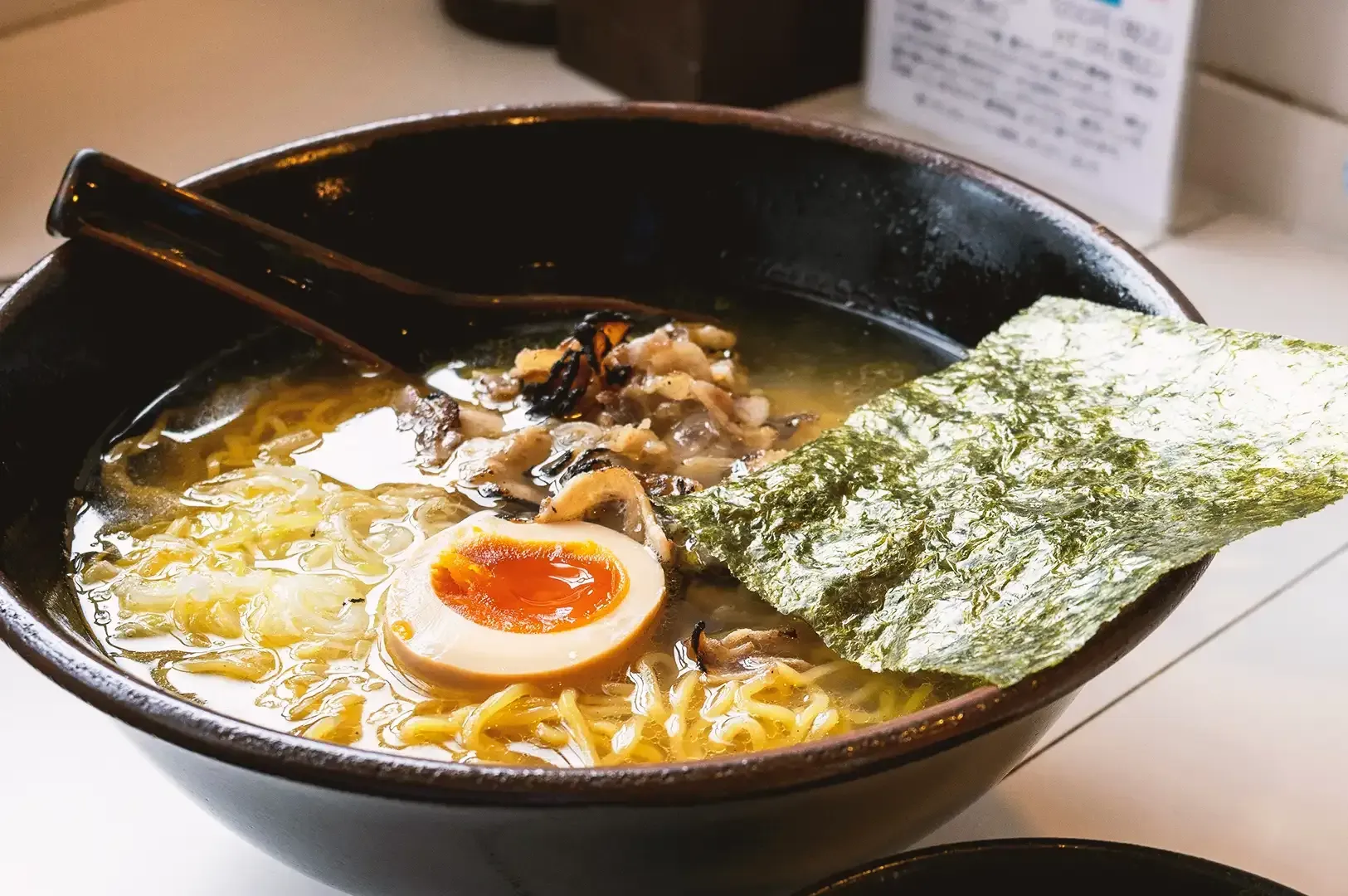
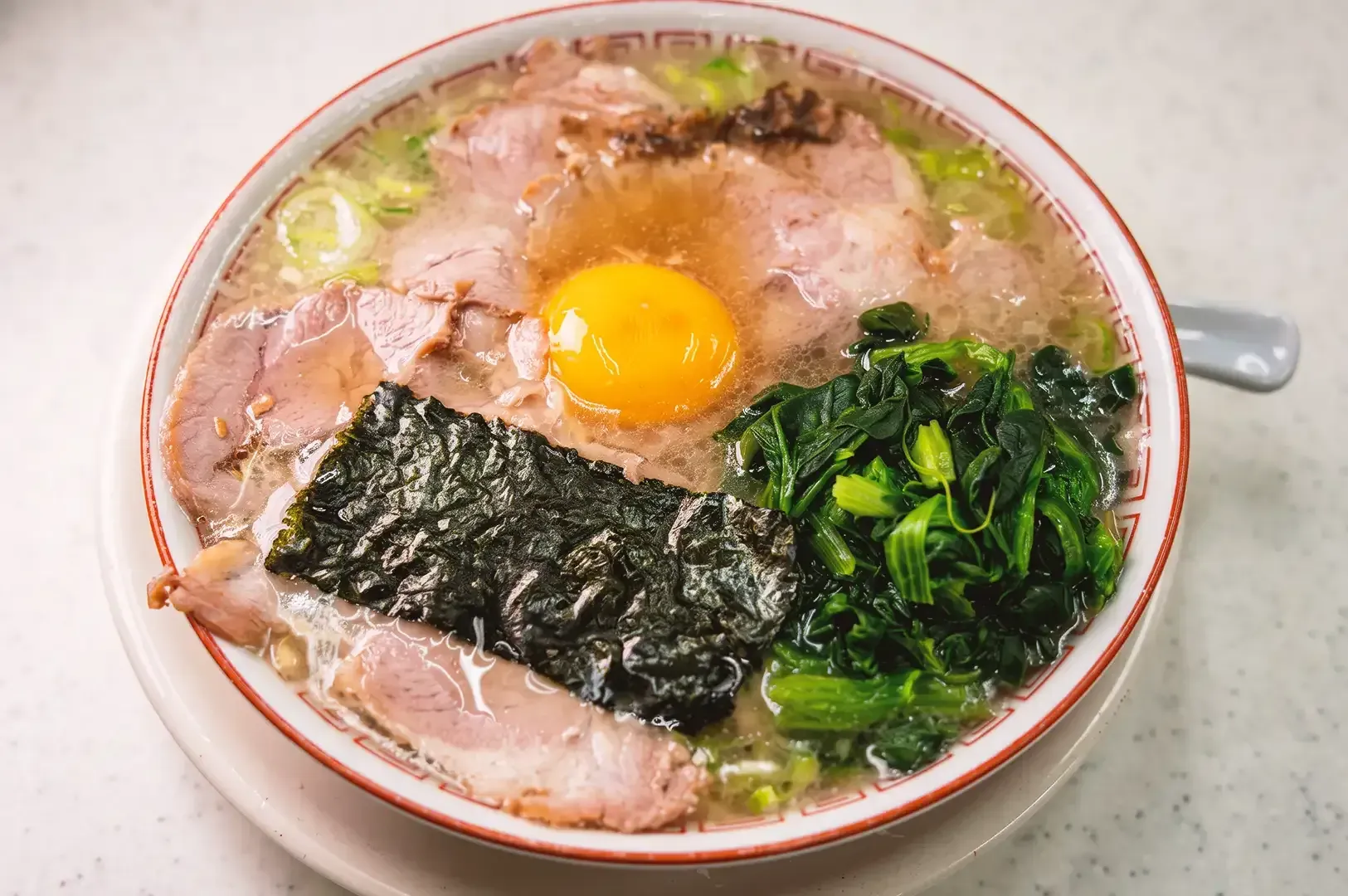
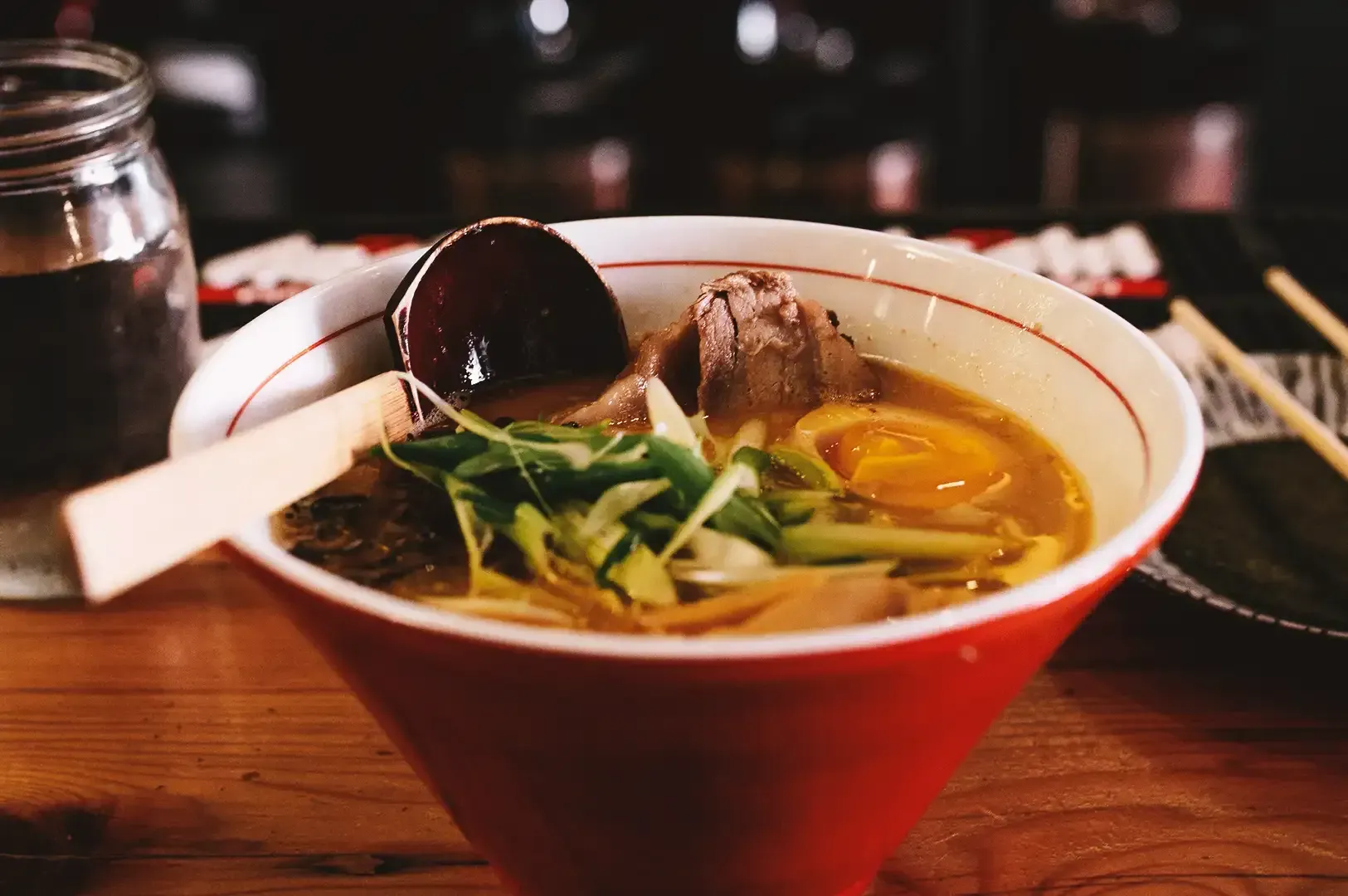
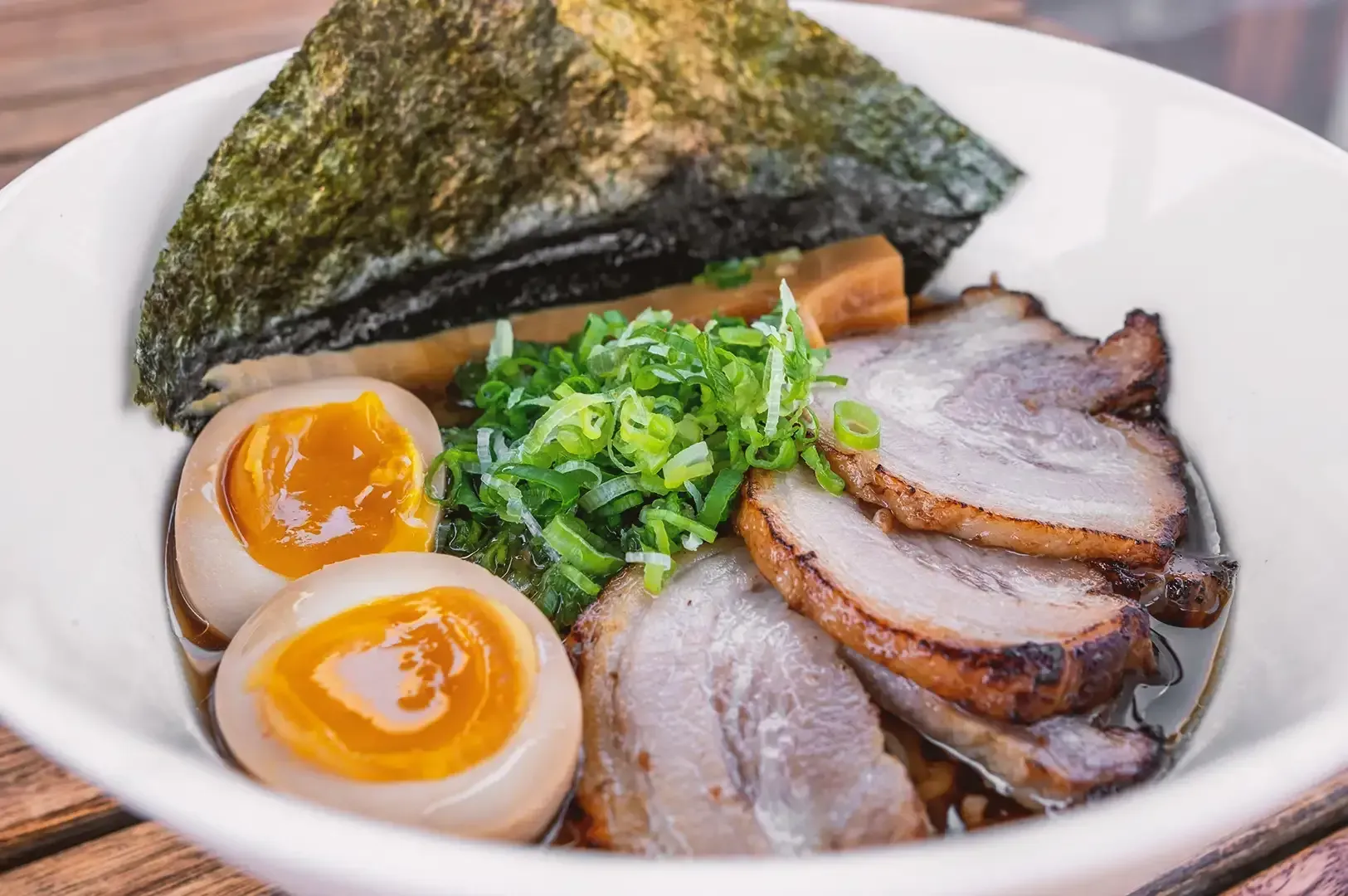
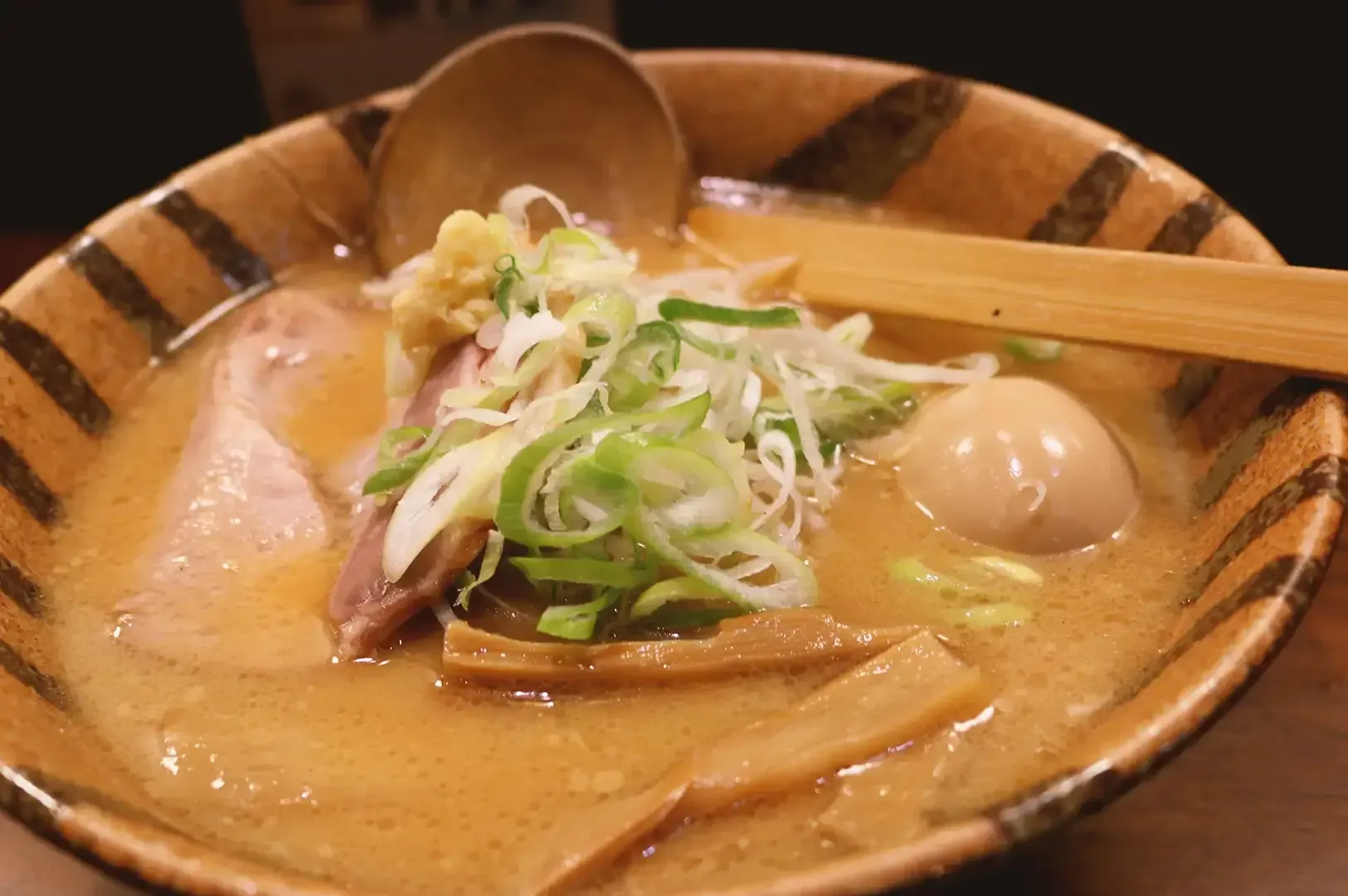
I've noticed something about the moment just before I order ramen. My stomach is ready, but my brain freezes. The menu stretches on, and the questions keep coming. Which broth? How firm should the noodles be? How rich, how spicy, how much garlic? Do I want the extra egg, the extra chashu, the extra everything?
By the time I've answered them all, I find myself oddly tired. And I haven't taken a single slurp.
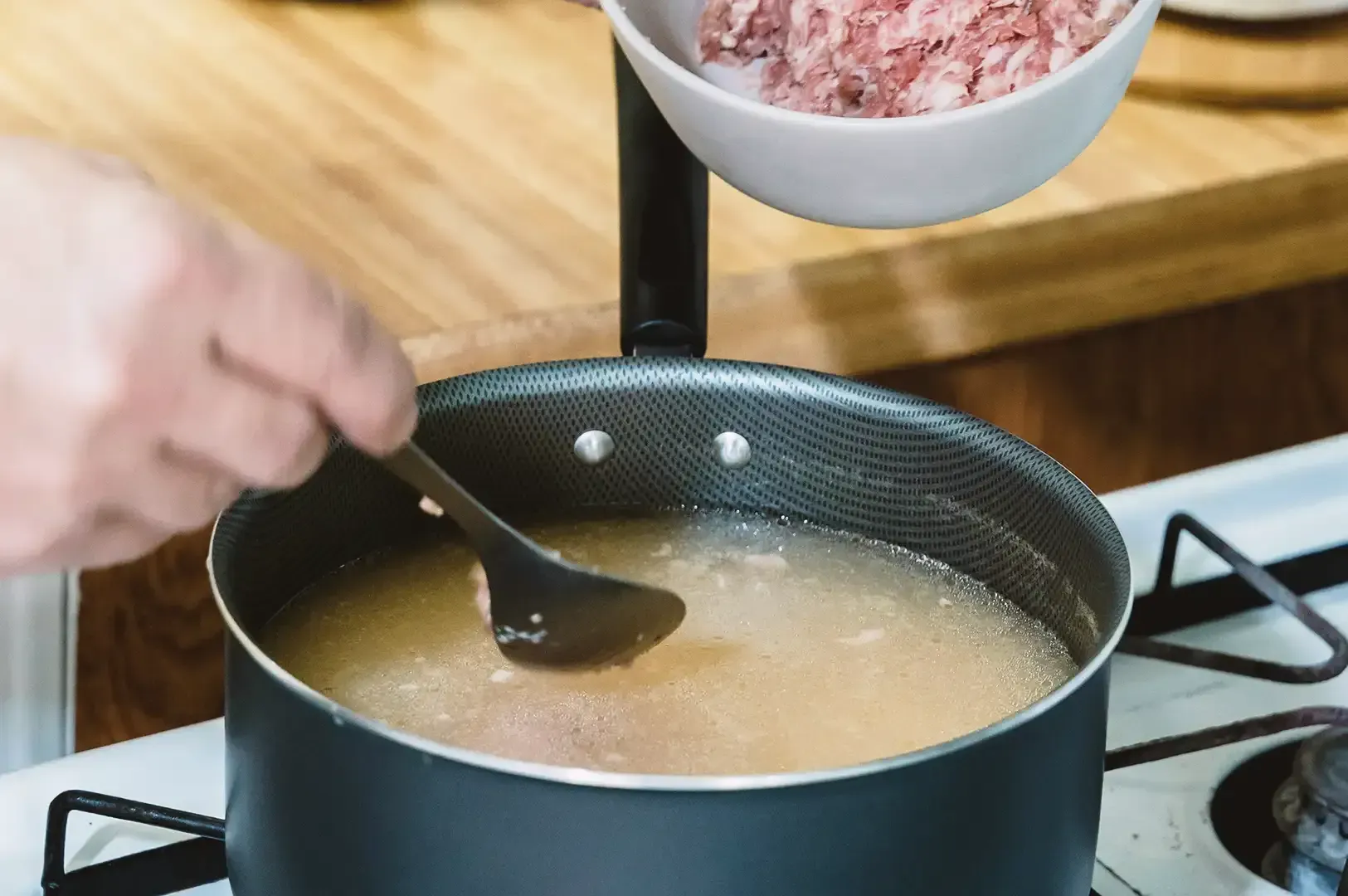
I want to be fair here, because I love what this complexity represents. Ramen is a craft built on obsession. Someone spent hours, maybe days, coaxing body out of bones or balancing a tare until it tasted just right.
When a menu lets me pick between shio, shoyu, miso, and
tonkotsu, it's showing me that care. Choosing noodle firmness or broth richness is a way of saying my preferences matter. That's generous, and I don't take it for granted.
But somewhere along the way, generosity started to feel like homework.
The terminology alone can stop people in their tracks. Words like kaedama, ajitama, or kotteri are part of ramen's beauty, yet if no one explains them, they can make a first-timer feel like an outsider.
Add spice scales that climb in numbers, topping lists that run longer than the main menu, and ordering screens or tick-box sheets that leave no room for a quick question. Suddenly a bowl meant to comfort you is asking you to prove you know what you're doing.
I miss the feeling of simply trusting the bowl.
There's a quiet pleasure in letting the kitchen lead. The person behind the counter knows how their broth behaves, which noodle carries it best, and how much fat brings it to life. Sometimes the most honest version of a ramen is the one served the way its maker intended, before any of us start adjusting it.
None of this means customization is wrong. For people with allergies, dietary needs, or a fierce love of extra garlic, options are a gift. And for regulars who've tasted every variation, fine-tuning is half the fun.
I just wonder if we could make room for both. A short "house recommendation" at the top of the menu. A quick note explaining the unfamiliar words. A friendly nudge that says, "Not sure? Start here."
Because
ramen was never meant to be a test. It's warmth in a bowl, steam on your face, noodles that taste even better when you're not overthinking them.
Next time I sit down, I might just point to the first bowl on the menu and say, "This one, please." Maybe you could try it too.