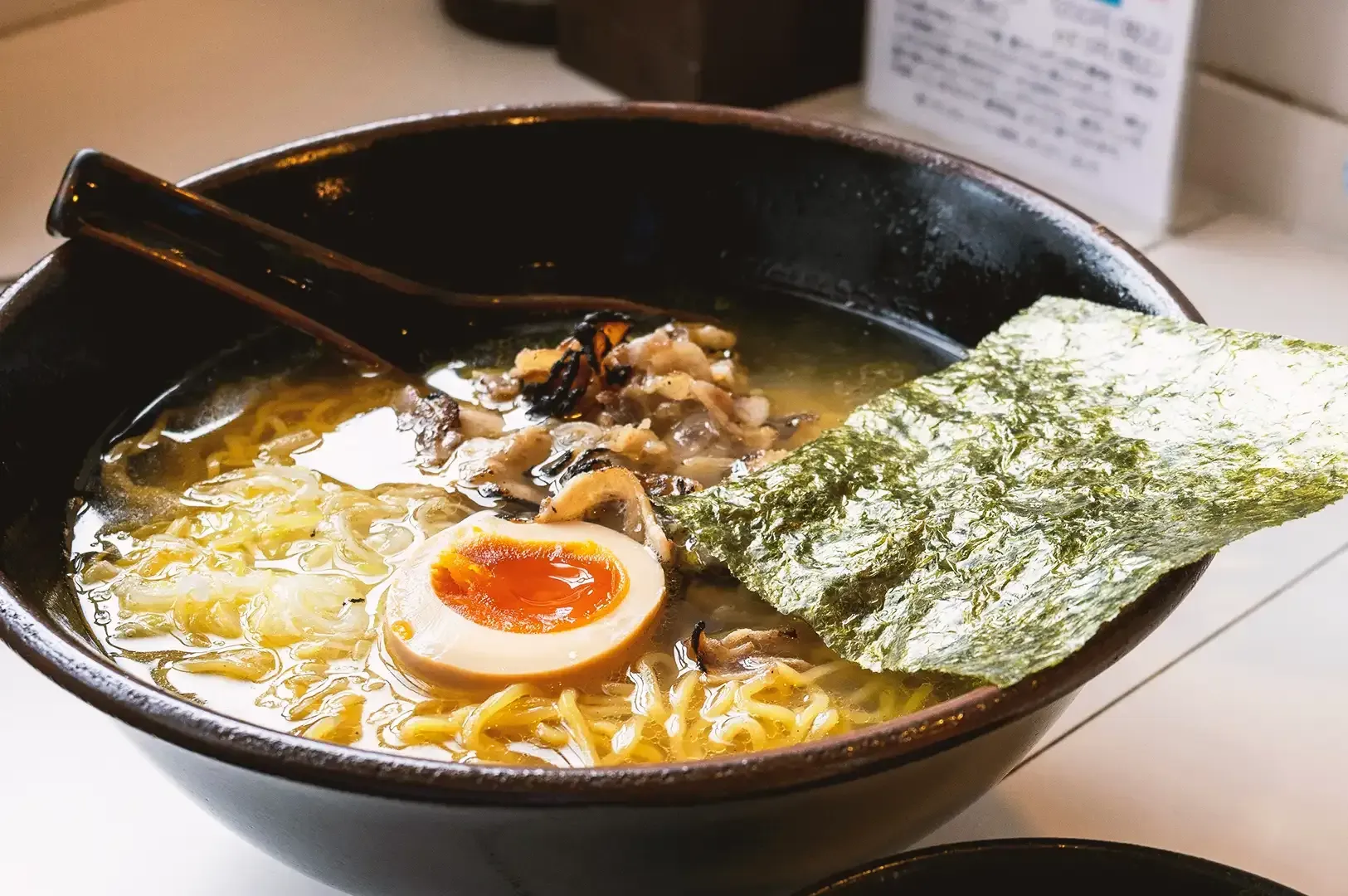
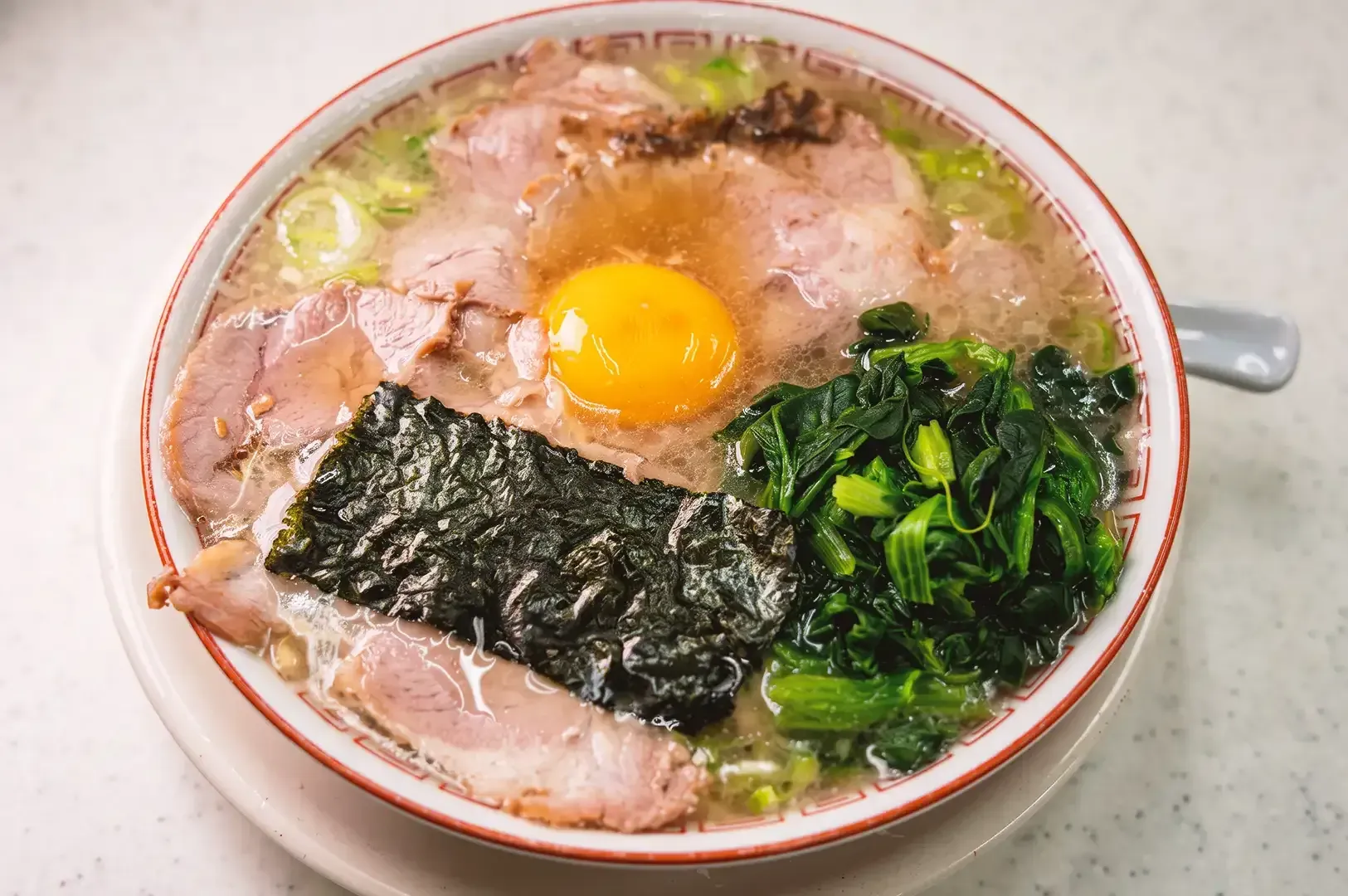
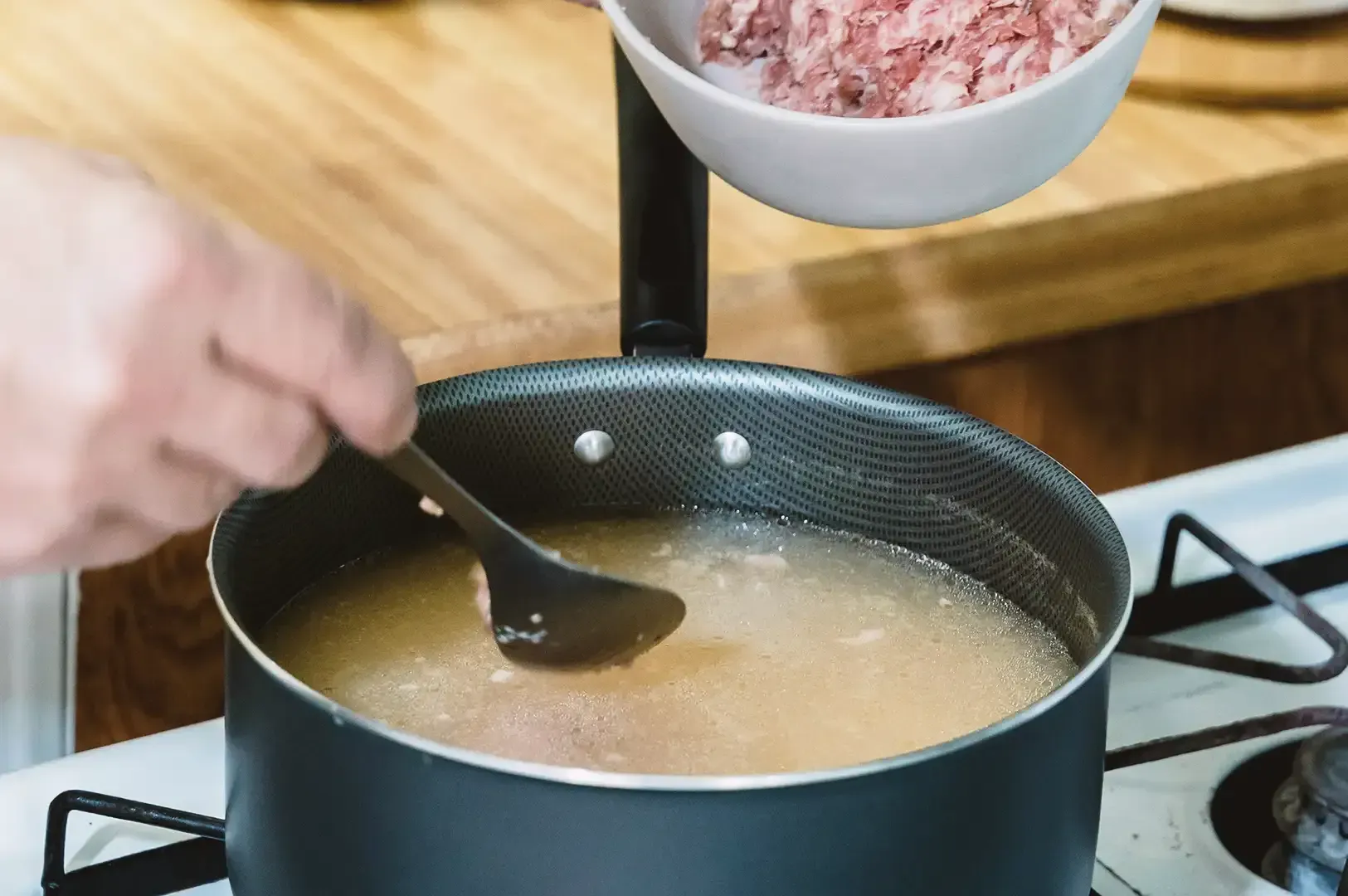
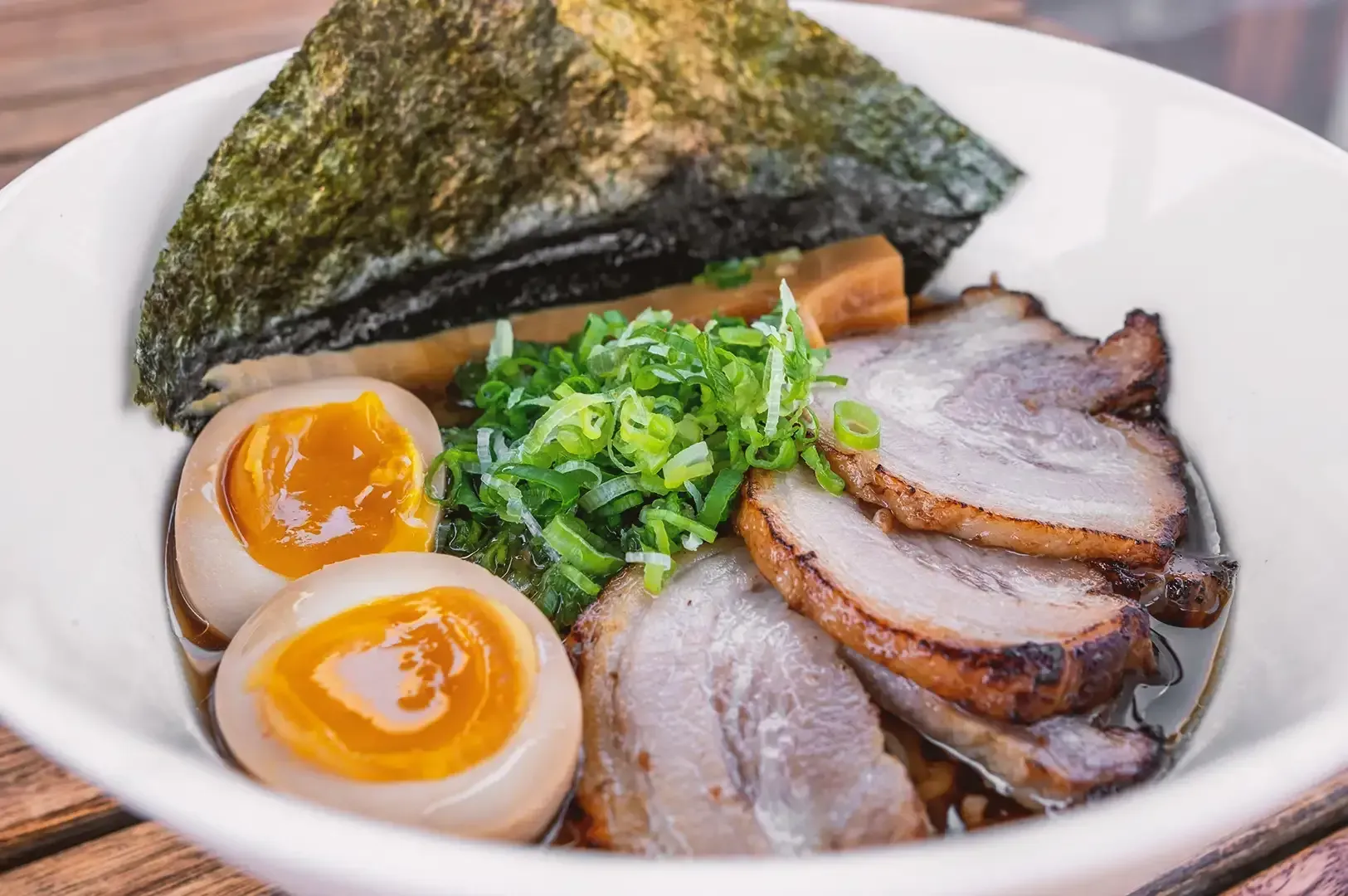
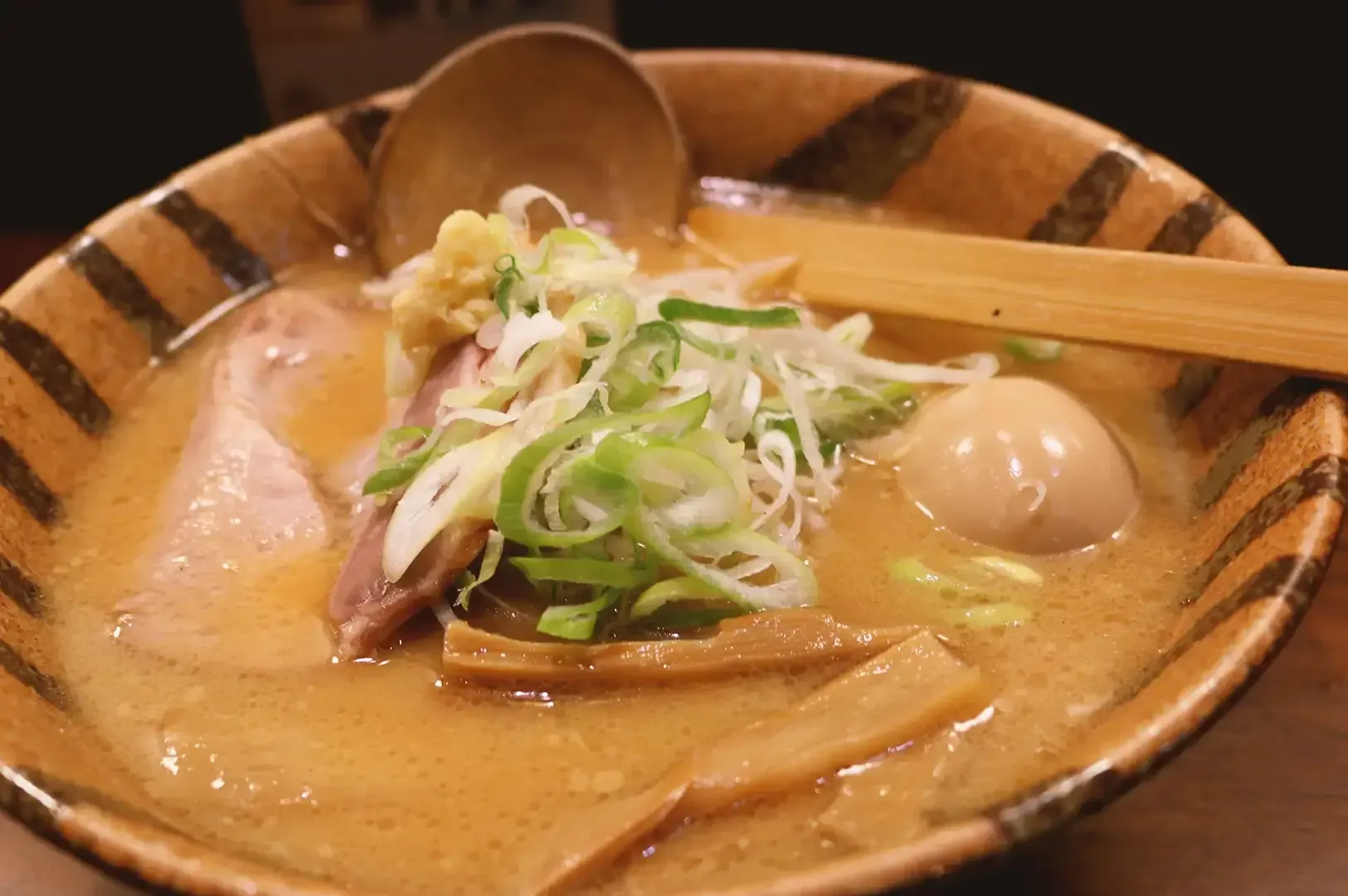
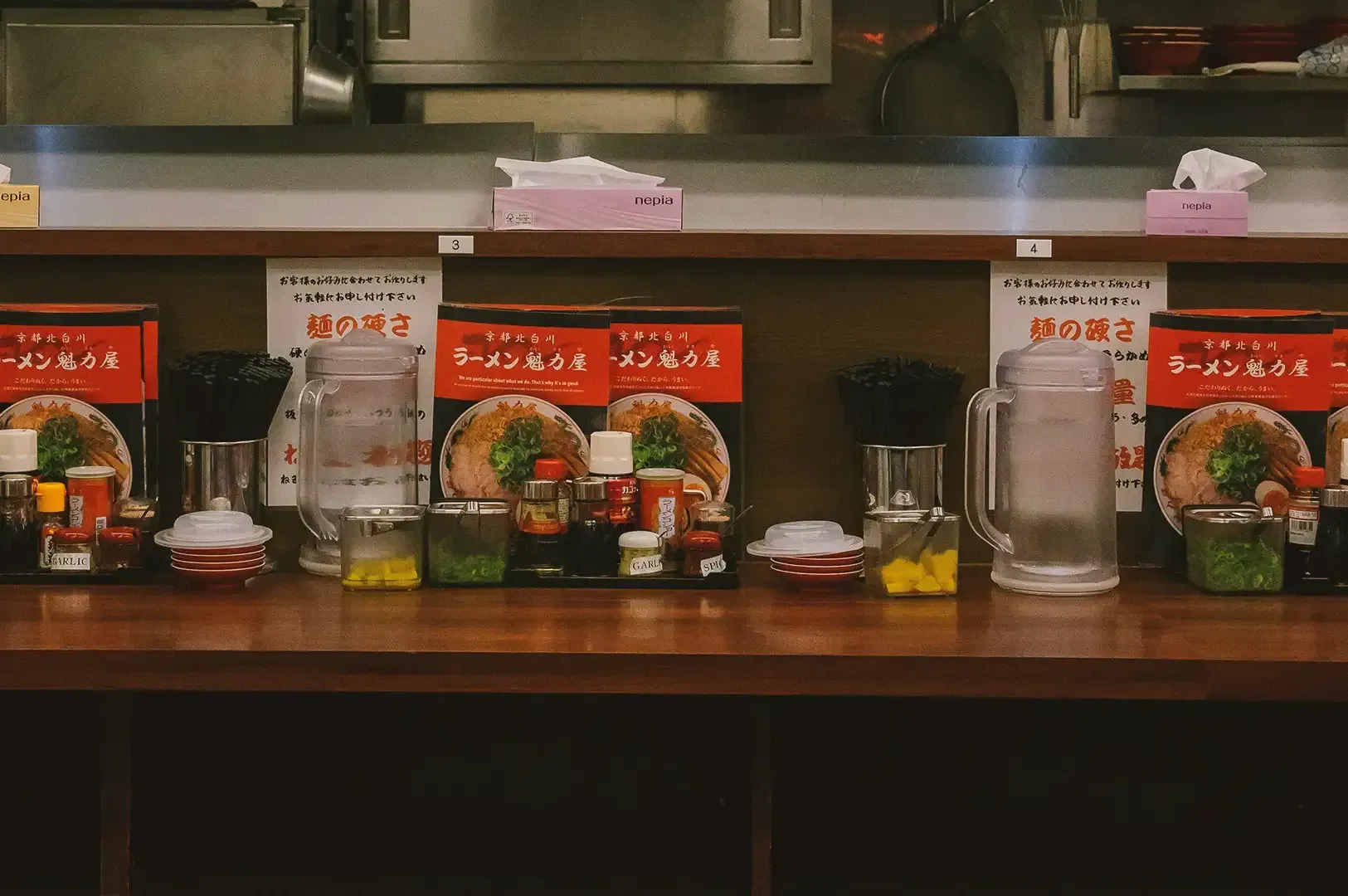
The order sheet sits on the counter, and a pencil is already waiting beside it. Broth strength: light, medium, rich. Garlic: none, a little, a lot. Noodles: soft, regular, firm, extra firm. Before the first sip, the bowl has become a form to fill out.
Ichiran made this format famous, and I understand why people love it. There's something thoughtful about a kitchen asking how you like things. For many diners, it's the first time a ramen shop has felt like it was listening.
So I want to say this first: choice isn't the enemy. For someone with an allergy, a dietary need, or a low tolerance for spice, options can decide whether they eat comfortably or not at all. Noodle firmness preferences are real. So is the small joy of ordering kaedama, an extra serving of noodles, when you've saved just enough broth.
Still, I've started to wonder what we lose when every bowl becomes a build-your-own project.
A good bowl of ramen is a set of decisions someone has already made. The thickness of the noodle is chosen to carry a particular broth. The tare is balanced against the fat.
A clear shio soup might be paired with thin, straight noodles because anything heavier would bury it. When I swap three elements and double a fourth, I may still get something tasty. But it's no longer quite the bowl the cook designed. It's a remix.
Then there's the kitchen itself. Every extra option adds another variable to track during a busy service. Consistency, the quiet backbone of any great ramen shop, gets harder to protect when no two orders look alike.
And there's us, the diners. Too many choices can turn a simple craving into a small test. I think most of us have felt that flicker of doubt: am I ordering this right? Is there a "correct" combination I'm missing? Comfort food shouldn't come with homework.
Where I land is somewhere in the middle. I love customization that protects people and respects real preferences, like allergy swaps, spice levels, and noodle firmness. I'm less sure about menus that hand over every decision, as if the kitchen has no opinion of its own.
Maybe the best approach is a confident default with a few thoughtful doors left open. Let the bowl arrive as intended, then let me adjust from there.
Ramen is beautiful partly because it can be made my way. Sometimes, though, the better pleasure is trusting that someone already found a way worth tasting first.