How to Tell Tonkotsu, Shoyu, Miso & Shio Ramen Noodle Apart
A few years ago, I stood in line outside a popular ramen noodle joint in Tanjong Pagar, overwhelmed by the menu options: Tonkotsu? Shio? Shoyu? Miso? I just wanted "the yummy pork one" but ended up ordering Shio by mistake. If you've ever felt the same menu anxiety or heard friends mention "Hakata style" without knowing what it means, this concise guide is for you. Living in Singapore, we enjoy some of the best ramen noodle dishes outside Japan, so let's make sure you get exactly what you crave.
Ramen noodles have become a global sensation, loved for their rich broth, chewy texture, and endless variations. Whether you prefer the creamy tonkotsu pork broth, the savory soy-based shoyu, the bold miso, or the delicate shio, understanding these flavors will help you order like a pro. This guide will also touch on how to prepare ramen noodle dishes at home, including tips on broth stock, seasoning, and toppings like soft boiled eggs and dried seaweed.
If you’re new to instant noodles or looking to explore authentic ramen, knowing the differences between these classic types is essential. Plus,
we’ll share insights on noodle textures, cooking techniques, and how to best enjoy your ramen meals. Dive in and discover the amazing world of ramen noodle soups, perfect for any occasion or craving.
Tonkotsu: The Creamy Heavyweight with Rich Broth
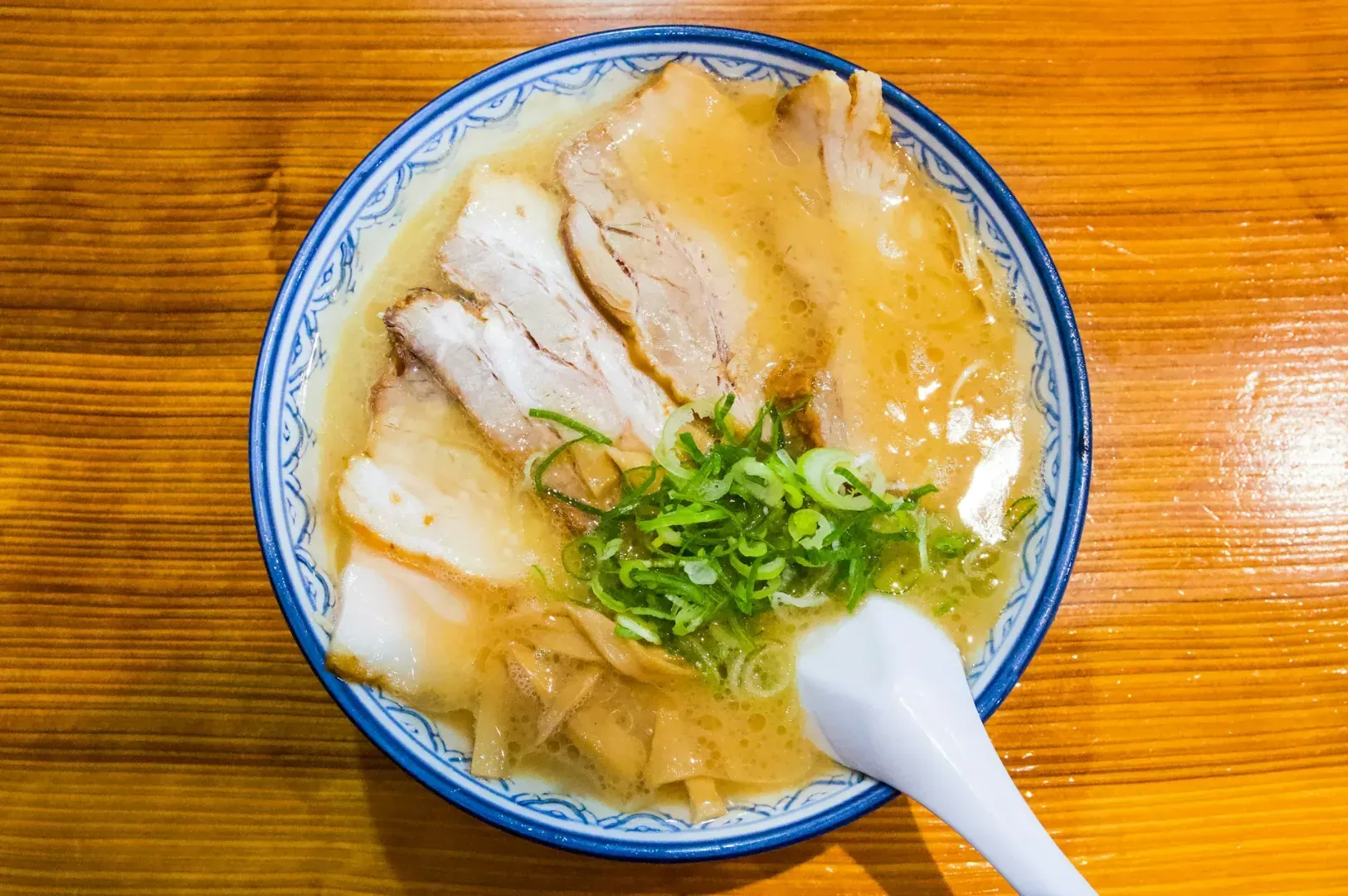
“Tonkotsu” means “pork bones.” The broth is made by boiling pork bones for 12 to 24 hours until marrow, fat, and collagen break down, turning the soup opaque and milky white. This broth is rich in saturated fat, thick, and coats your tongue—a true comfort food.
Best for: Those who love heavy, hearty, and savory flavors. If you enjoy rich dishes like Lor Mee or Laksa, Tonkotsu is your go-to.
Downside: It can be cloying and heavy, sometimes leaving you feeling stuffed.
Insider Tip: A layer of fat film on top is a sign of high-quality collagen.
Where to try in Singapore:
- Ippudo: I love their Classic Shiromaru Motoaji, known for its rich and creamy tonkotsu broth paired with perfectly cooked thin noodles. Their attention to detail shows in the flavorful broth stock simmered for hours, garnished with sliced pork, soft boiled eggs, and dried seaweed.
- Ramen Keisuke Tonkotsu King: This place is famous for offering free-flow hard-boiled eggs and marinated beansprouts as garnishes. I enjoy their hearty tonkotsu ramen with a broth that has a deep umami flavor and silky texture. They prepare their broth carefully using pork bones and other ingredients simmered in a large pot to extract maximum flavor.
- Santouka Ramen: I find their mild yet flavorful tonkotsu broth delightful. Santouka uses a slow-cooked broth stock that is light but full of flavor, paired with slightly thicker noodles and traditional toppings such as pickled plums and bamboo shoots.
These ramen shops are some of my favorite spots in Singapore to experience authentic tonkotsu ramen. Each offers a distinctive broth flavor, noodle texture, and garnishes that showcase the diversity of this beloved dish. Whether I’m craving a creamy, rich broth or something lighter with a subtle umami kick, these places always satisfy my ramen cravings.
Shoyu: The Nostalgic Classic with Umami Soy Sauce Broth
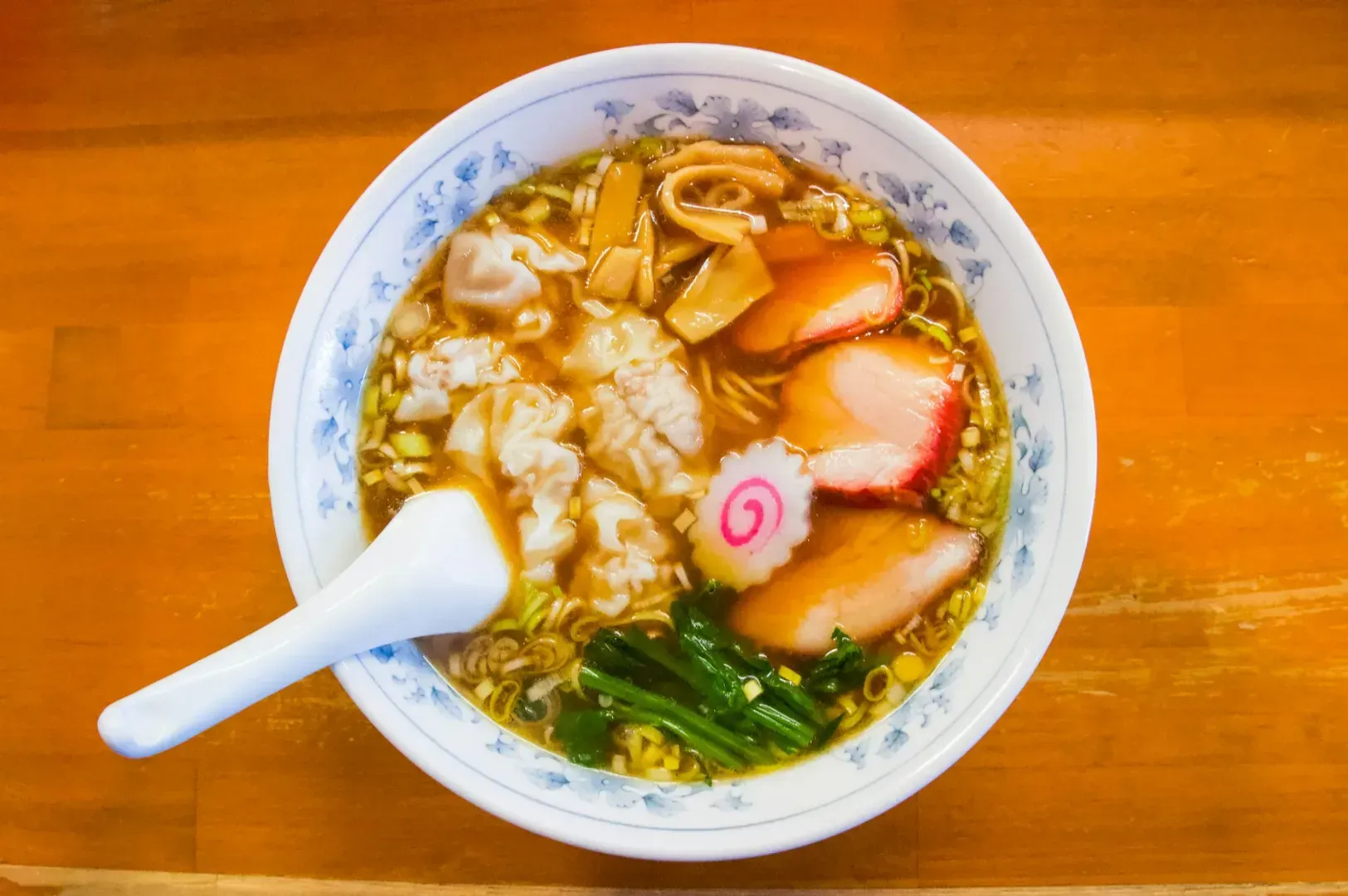
“Shoyu” means soy sauce, but the broth is more complex than just soy sauce flavor. It’s usually a clear, brown broth based on chicken or vegetable stock, seasoned with a tare sauce made from soy sauce and other seasonings. Originating in Tokyo, Shoyu ramen offers a savory, slightly tangy, umami-rich taste without the heaviness of Tonkotsu.
Best for: Those wanting flavor without heaviness—ideal for a quick lunch.
Downside: Cheap soy sauce can make it overly salty and one-dimensional.
Pro Tip: Shoyu ramen usually comes with curly, springy noodles that scoop up the broth well.
Where to try in Singapore:
- Sanpoutei Ramen: Known for its sardine-based stock adding smoky depth and rich umami flavour to the broth, making it a standout Shoyu ramen experience.
- Brothers Ramen: Offers a robust and hearty Shoyu blend crafted by Singaporean brothers, featuring a perfectly balanced broth stock simmered with chicken and soy sauce, enhanced with traditional seasonings.
Shoyu ramen broth usually blends soy sauce, chicken broth, and other flavors like garlic and ginger, gently simmered in a skillet or pot to bring out a deep, savory taste. The noodles are medium-thin and wavy, giving just the right texture to soak up all that umami goodness. You’ll often find toppings like sliced pork, soft boiled eggs, dried seaweed, and fresh veggies such as spinach or corn, which add extra layers of flavor and a bit of nutrition too.
Making Shoyu Ramen at Home
For those interested in making Shoyu ramen at home, I’ve found many recipes that guide you through preparing the broth stock using chicken, soy sauce, and a mix of seasonings, simmered over medium-high heat. Using quality chicken broth or stock cubes helps me achieve a rich base quickly. I always cook the noodles separately in boiling water and add them to the broth just before serving to keep their ideal texture.
Shoyu ramen is a super versatile dish that you can easily customize with all sorts of toppings and seasonings. That’s why it’s a favorite among ramen lovers who enjoy a
perfect balance of sweet, salty, and umami flavors. Whether you’re grabbing a bowl at your favorite restaurant or making it yourself at home, Shoyu ramen delivers a comforting, satisfying experience with every delicious slurp.
Miso: The Bold Winter Warmer with Savory Broth
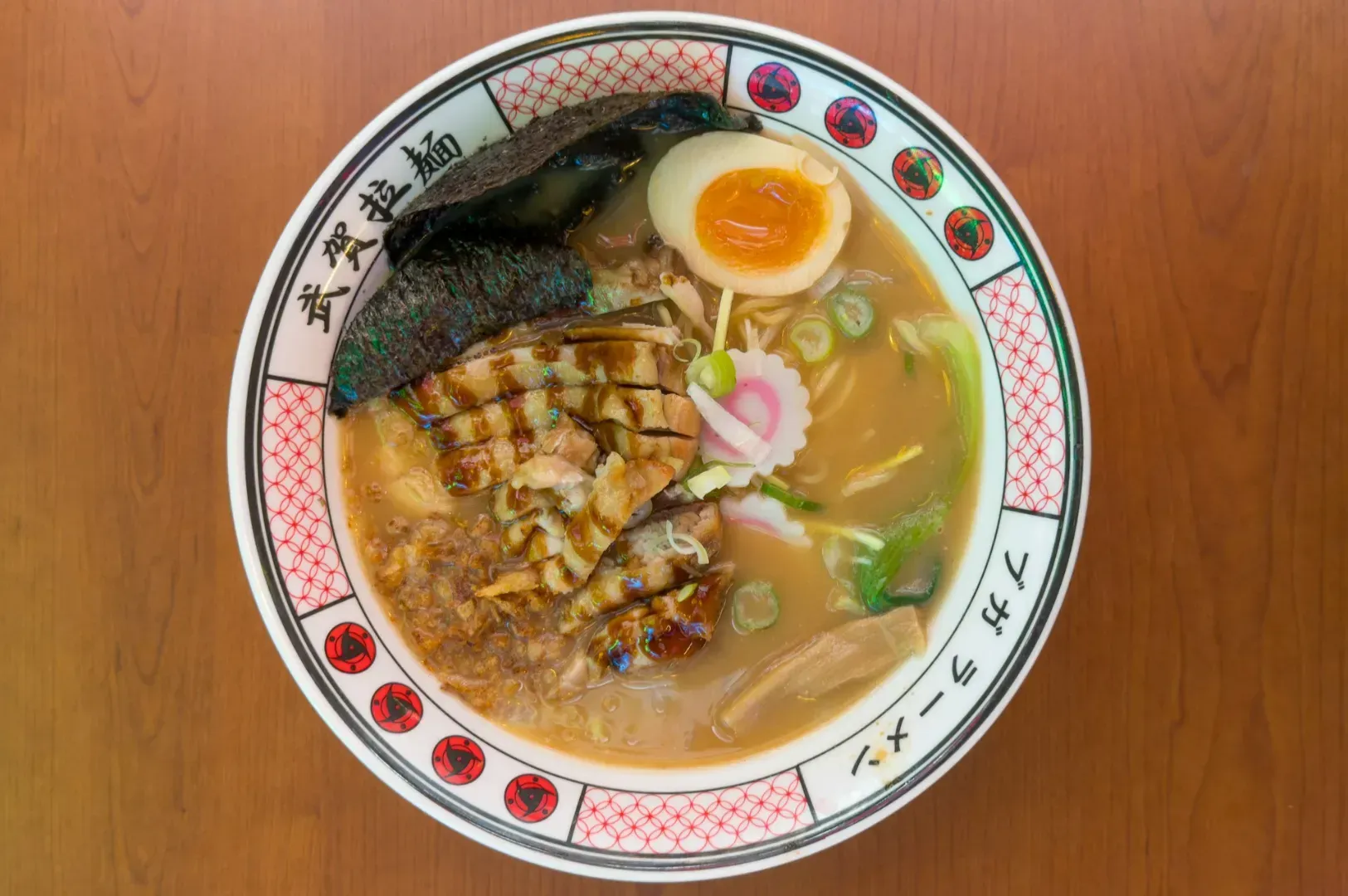
Originating from Hokkaido, Miso ramen features a broth flavored with fermented soybean paste, giving it a thick, nutty, slightly sweet, and savory character. It’s darker and opaque like Tonkotsu but distinct in flavor.
Best for: Flavor chasers who enjoy bold, fermented, and spicy flavors.
Downside: Can be very salty due to miso's natural saltiness.
My Personal Tip: Stir-fried vegetables like bean sprouts, cabbage, and carrots are standard toppings, adding a “wok hei” aroma.
Where to try in Singapore:
- Sapporo Ramen Miharu: Authentic Hokkaido broth that perfectly captures the bold, hearty flavors of miso ramen. When I first tried this place, I was blown away by the rich, savory broth that had just the right balance of sweetness and umami. The thick, curly ramen noodles were made with traditional wheat flour and kansui, soaking up every bit of that delicious soup.
- Dosukoi: Known for its Miso Butter Corn Ramen, this spot is a personal favorite of mine, especially on chilly days. The combination of creamy miso broth with sweet corn and a pat of melting butter creates a comforting, indulgent bowl that warms you from the inside out.
Shio: The Salty Purist with Delicate Broth
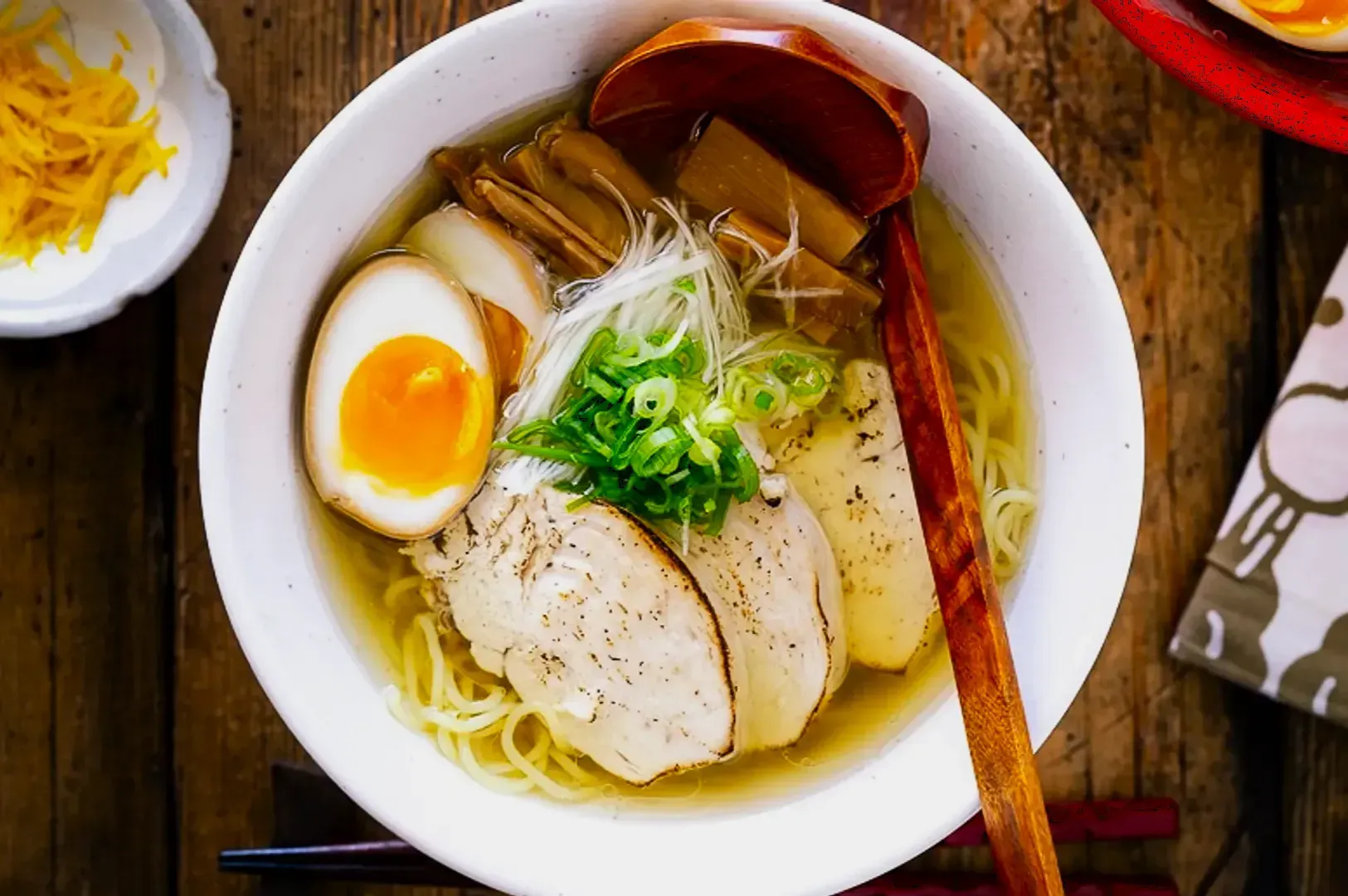
“Shio” means salt. This is the oldest ramen style with a pale, yellowish, transparent broth seasoned with sea salt, usually chicken or fish-based. The clear broth lets the quality of the stock shine.
Best for: Purists and seafood lovers who want to taste the broth’s essence.
Downside: It’s unforgiving—if the broth stock isn’t perfect, the ramen tastes bland.
Pro Tip: Pairs beautifully with seafood toppings like scallops or clams.
Where to try in Singapore:
- Hokkaido Ramen Santouka: Signature Shio ramen with pickled plum. I love how the delicate, salty broth perfectly balances with the tangy pickled plum, creating a refreshing and clean taste that keeps me coming back for more.
- Konjiki Hototogisu: Features clam stock and white truffle oil. Every time I visit, the luxurious aroma of white truffle oil combined with the rich clam stock feels like a gourmet treat, making this Shio ramen stand out as an unforgettable experience.
Noodle Quality: The Unsung Hero
The noodles are crucial. Good ramen noodles are made from high-protein wheat flour and kansui, an alkaline mineral water that gives them a springy, chewy texture and a subtle eggy note. This is why instant ramen noodles and brands like Nissin are so addictive.
Cooking technique matters: a gentle simmer in boiling water with medium-high heat yields firm noodles that hold up in broth. Overcooking leads to soggy noodles. Remember, noodles continue cooking in hot broth, so timing is key.
Noodle texture pairs with broth style: thin, straight noodles suit rich Tonkotsu; thick, curly noodles work with hearty beef or curry ramen; flat, wide noodles are great with stir-fried vegetables and mushrooms.
Toppings like dried seaweed, eggs, corn, and butter add umami, richness, and sweetness, enhancing the ramen experience.
How to Avoid "Ramen Regret": Quick Decision Guide
- Hungover or need comfort? Go Tonkotsu for grease and carbs.
- On a first date? Choose Shoyu or Shio for lighter, cleaner flavors.
- After the gym? Pick Miso for hearty protein and carbs.
- Late-night snack? Shoyu is lighter and easier to digest.
Common Rookie Mistakes with Instant Ramen and Broth
- Assuming “Spicy” is a broth type: Usually just Tonkotsu or Miso with chili oil added.
- Letting the bowl sit: Noodles get soggy as they keep cooking in hot broth. Eat promptly.
- Afraid to slurp: Slurping cools noodles and spreads flavor—make noise with pride.
FAQ: Your Ramen Questions Answered
Q: No pork? Many Shoyu and Shio broths use chicken broth. Check if tare or toppings contain pork. Halal options exist, e.g., Ichikokudo Hokkaido Ramen.
Q: Wrong noodle firmness? Order noodles Hard to avoid sogginess as they soften in broth.
Q: Is it rude not to finish soup? Not at all. Broth is high in sodium and saturated fat; finishing noodles and toppings is enough.
Q: What is "Kaedama"? A noodle refill without extra broth; order when halfway done.
Final Thoughts
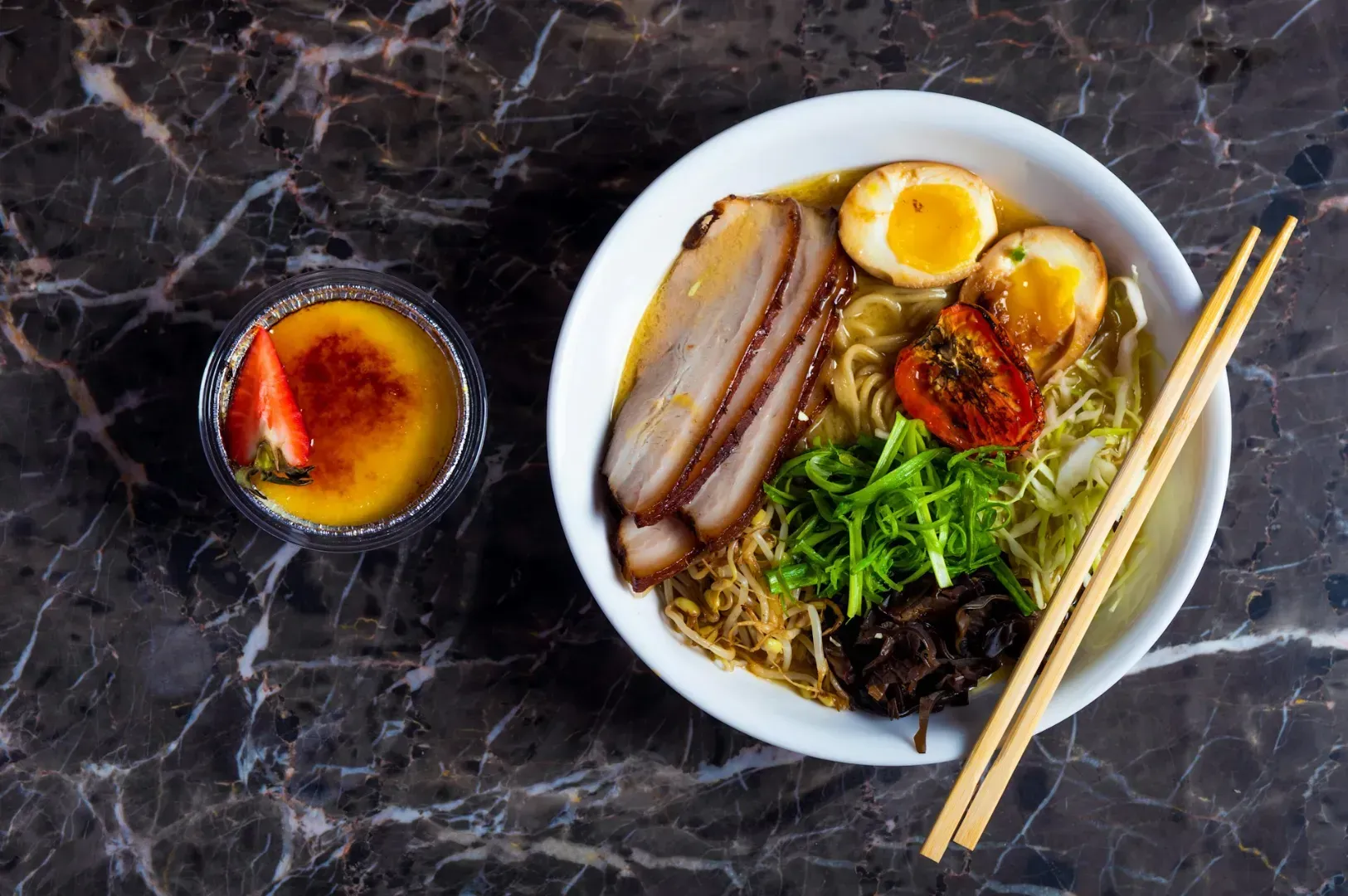
Ramen is a diverse universe. Understanding the differences between Tonkotsu, Shoyu, Miso, and Shio has helped me order with confidence and enjoy every bowl fully. There’s no “best” ramen, only the right bowl for my mood. So I say, go forth, slurp loudly, and savor the adventure of Singapore’s vibrant ramen noodle scene alongside me.
Are you hyped up about noodle broth and ramen scenes in Singapore? Visit Mensho Tokyo Singapore Review: Hype, Precision, and Next-Level Broth for an enthusiastic insights.
Recent Posts