The Art of the Dip: Best Tsukemen Singapore Has to Offer
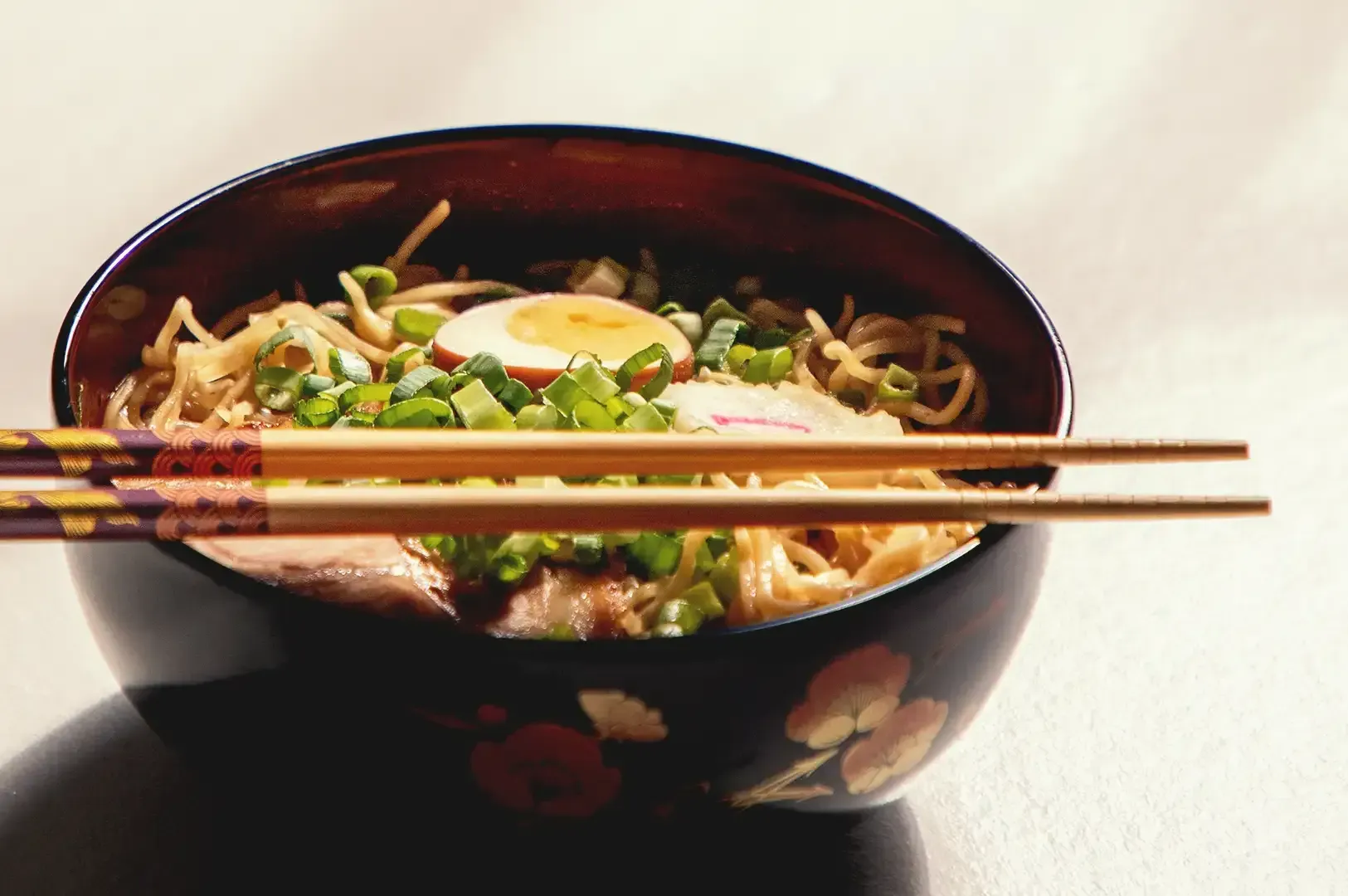
Tsukemen, a popular dish in Japanese cuisine, has quietly become one of my favourite little obsessions in Singapore's ramen scene. If you've never tried it, tsukemen ramen is a unique style of dipping noodles where the noodles and dipping broth are served in a separate bowl rather than together like standard ramen.
Typically served
cold or at room temperature, tsukemen noodles are noticeably
thicker and
chewier than regular ramen noodles, providing an enjoyable noodle texture that holds up well when dipped into the hot soup. I've tried all of these
notable ramen spots, and each one gave me something different. This guide will help you choose based on
noodle chew,
broth style,
toppings (including
pork belly and other toppings),
price, nearest MRT, and the kind of mood you're in.
1. MENSHO X (Raffles Place) - Best for Refined Tsukemen Ramen with Aromatic Dipping Sauce
Nearest MRT: Raffles Place
Signature item: Toripaitan Tsukemen with a creamy chicken-based dipping broth
Best for: First-timers who want something polished and fragrant.
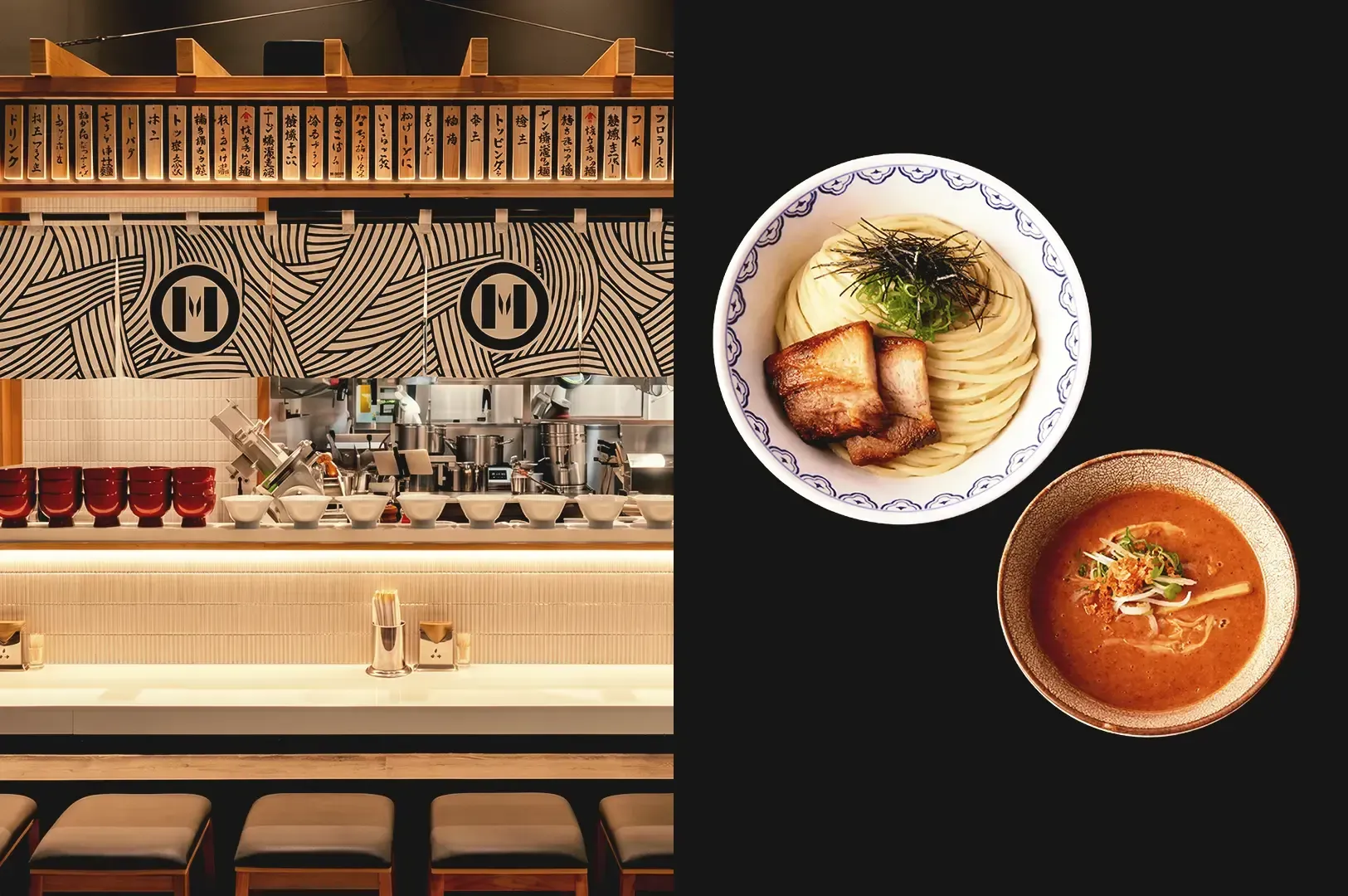
MENSHO X is where I send anyone who wants tsukemen dishes that feel a little elevated. It sits right in the heart of the CBD, so it's an easy stop after work or a weekend wander.
What stood out to me was the balance between the hot soup and the cold, thick noodles. The noodles’ chewy texture perfectly complemented the rich broth, which had a silky, creamy mouthfeel and a subtle yuzu aroma that brightened each bite. The broth’s warmth contrasted beautifully with the cool noodles, creating a harmonious interplay of temperatures and flavors. The whole dish felt clean and considered, never muddy. At around $22 per bowl, it's my go-to when I want tsukemen that tastes refined rather than rowdy.
What makes it different: The yuzu-kissed toripaitan dipping broth sets MENSHO X apart, blending creamy chicken richness with a bright citrus lift you won't find at most dipping ramen spots in Singapore. The broth’s slightly viscous texture coats the noodles beautifully, enhancing every slurp.
For a more detailed slurp-worthy reading, be sure to check our article on Mensho Tokyo Singapore Review
2. Menya Musashi (VivoCity) - Best for Customising Your Dipping Broth
Nearest MRT: HarbourFront
Signature item: Tsukemen set with choice of White (tonkotsu), Black (garlic oil), or Red (spicy) dipping sauce
Best for: Diners who love choosing their own flavour intensity
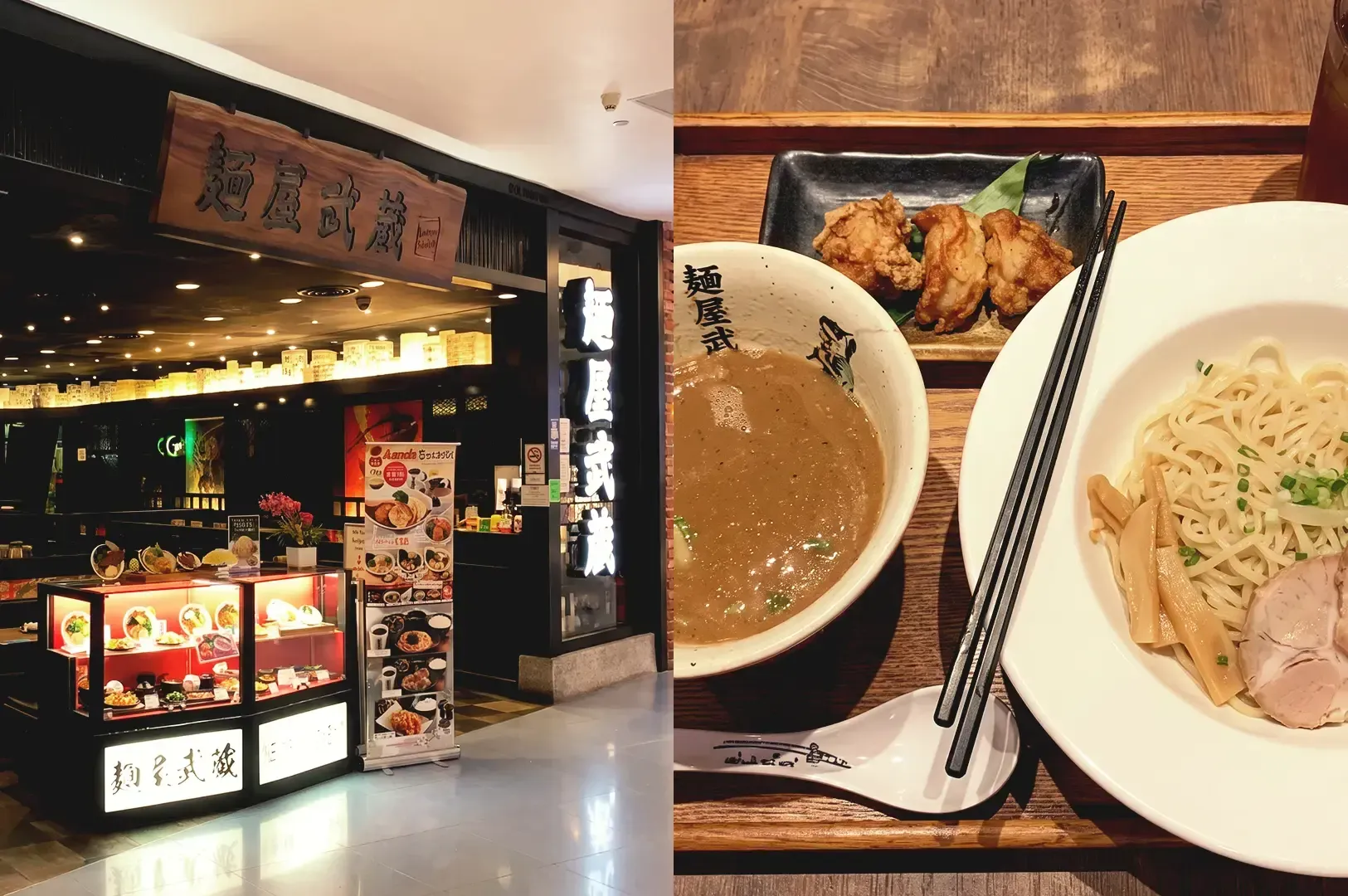
Menya Musashi was one of my earliest tsukemen loves, and it's still a solid, crowd-friendly pick. Tucked inside VivoCity, it’s perfect before a movie or a lazy Sentosa day.
The noodles arrive al dente and plentiful, with a firm, springy bite that holds up beautifully when dipped into the rich broth. Each strand has a satisfying chewiness that invites slow savoring. The pork belly slices are tender and juicy, their savory fat melting on the tongue and providing a luscious contrast to the broth’s umami depth.
The bamboo shoots add a subtle crunch, while the nori lends a delicate oceanic aroma that lingers pleasantly with every bite. The dipping broth itself is aromatic and flavorful, with layers of savory miso and soy, enhanced by hints of garlic and spice depending on your choice of White, Black, or Red broth. The warmth of the broth contrasts perfectly with the noodles’ cool texture, creating a harmonious balance that makes each mouthful memorable.
The overall meal feels hearty yet balanced, making it a satisfying and comforting experience for any tsukemen enthusiast.
What makes it different: Menya Musashi is one of the rare tsukemen spots where you can select your dipping broth style, allowing for a personalised flavour experience. The White broth is a rich miso broth with a deep umami flavour, while the Black and Red options add layers of garlic and spice.
3. Sanpoutei Ramen - Best for Bold, Fishy Dashi Broth Lovers
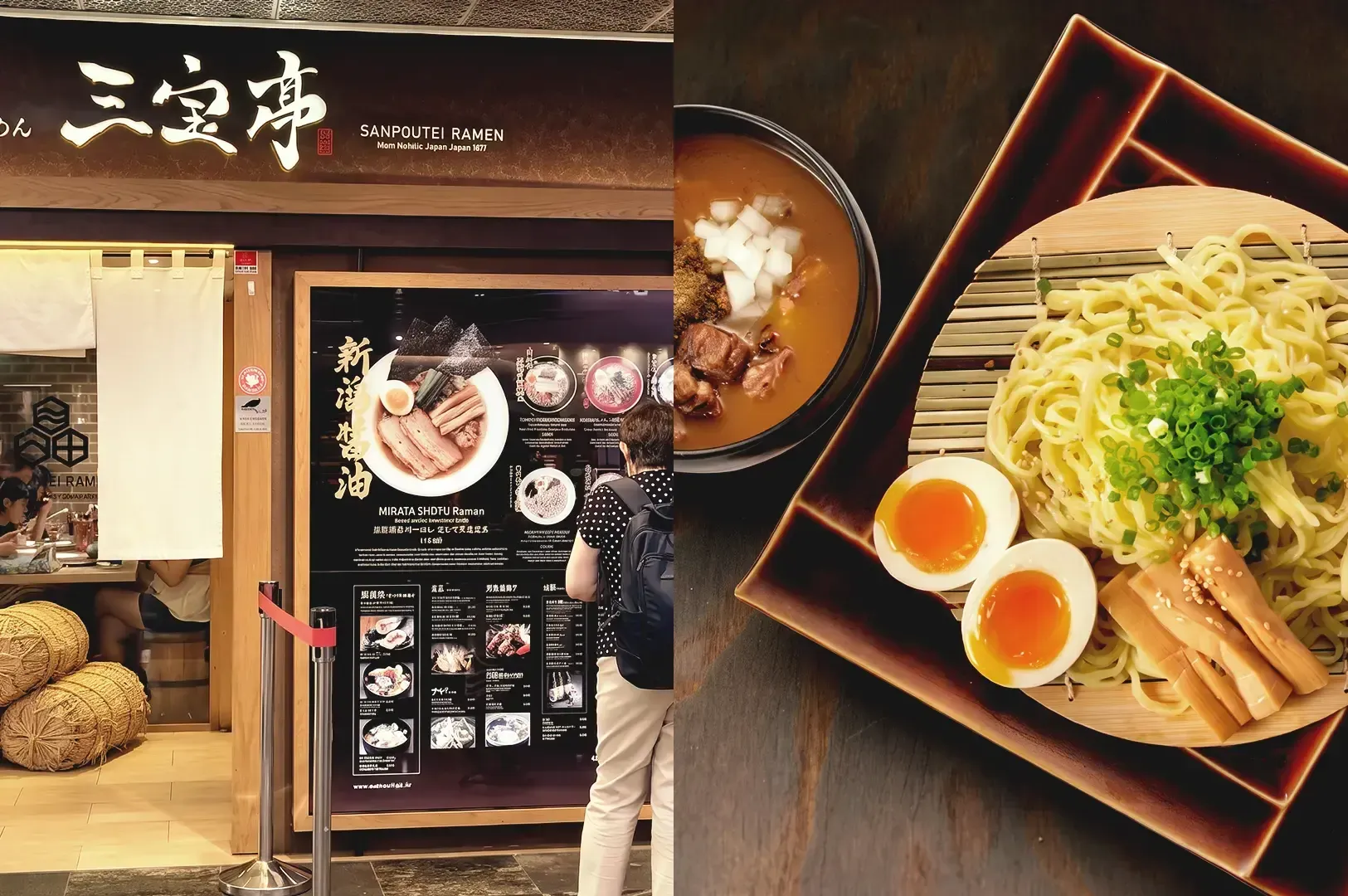
Nearest MRT: Orchard
Signature item: Sardine-forward tsukemen with complex oceanic undertone
Best for: Adventurous eaters who love a strong seafood punch
Sanpoutei Ramen is usually known for its elegant shoyu and miso ramen, but its tsukemen dishes surprised me in the best way. This is where I go when I want a dipping broth with real personality.
The dipping broth is thick and slightly viscous, packed with umami and an earthy depth from mushrooms and miso. Its rich, concentrated flavor bursts with layers of savory notes, evoking the essence of oceanic dashi combined with a subtle hint of vinegar that cuts through the richness. The noodles are cooled in cold water immediately after cooking, preserving their springy texture and preventing them from becoming soggy.
After eating, you can enjoy the traditional soup wari by adding hot water or dashi broth to the remaining sauce, turning it into a comforting miso soup to drink. This final step warms the soul, mellowing the intense flavors into a soothing finish that lingers pleasantly, leaving you with a satisfying sense of completion.
The signature sardine-forward tsukemen dish is priced at approximately S$22, offering a bold seafood experience at a reasonable cost.
What makes it different: While most Singapore tsukemen shops lean on pork or chicken, Sanpoutei dives deep into dashi broth made from sardines and other seafood, delivering a broth so intensely fishy and savoury it feels closer to a bold French fish soup than anything else on this list.
4. Tsuta - Best for Truffle-Kissed Elegance in Japanese Dishes
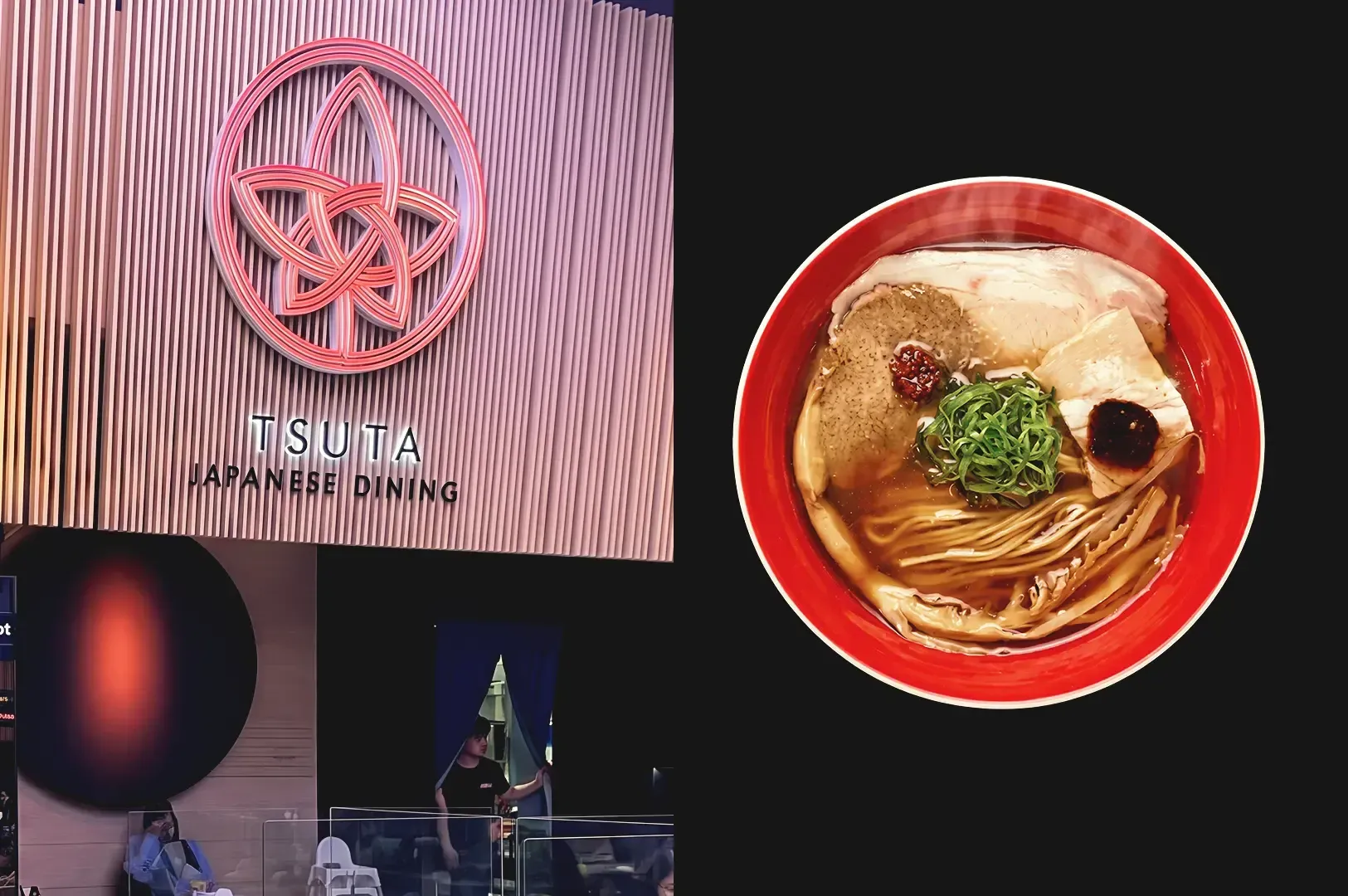
Nearest MRT: Somerset
Signature item: Shoyu-based tsukemen ramen with truffle notes
Best for: Diners who want an aromatic, upscale bowl
Tsuta arrives with a big reputation, and its dipping options carry that same refined character. This is tsukemen for a slightly special lunch.
The noodle texture is springy and firm, perfectly prepared to carry the dipping broth’s subtle flavours. Each bite delivers a satisfying chew that resonates with the wheat’s natural nuttiness, enhanced by a delicate al dente snap.
The pork belly slices are tender and well-seasoned, melting smoothly on the tongue with a gentle umami richness that complements the elegant broth. The broth itself is a symphony of clean soy notes layered with an intoxicating truffle aroma that wafts enticingly with every slurp, leaving a lingering earthiness that deepens the experience.
The dish is served with nori and other toppings that add layers of flavour and texture, from the slight crispness of the seaweed to the soft, savory menma, creating a harmonious balance that delights the palate and invites slow, appreciative savoring.
Price: Approximately S$24 per bowl, reflecting its premium ingredients and Michelin-starred quality.
What makes it different: Tsuta brings a Michelin-pedigree sensibility to dipping noodles, pairing a clean, layered soy sauce dipping sauce with a delicate truffle fragrance that elevates the whole experience without leaning into heaviness the way most tsukemen broths do.
5. Ramen Keisuke Tori King - Best for Chicken-Based Tsukemen Dipping Sauce
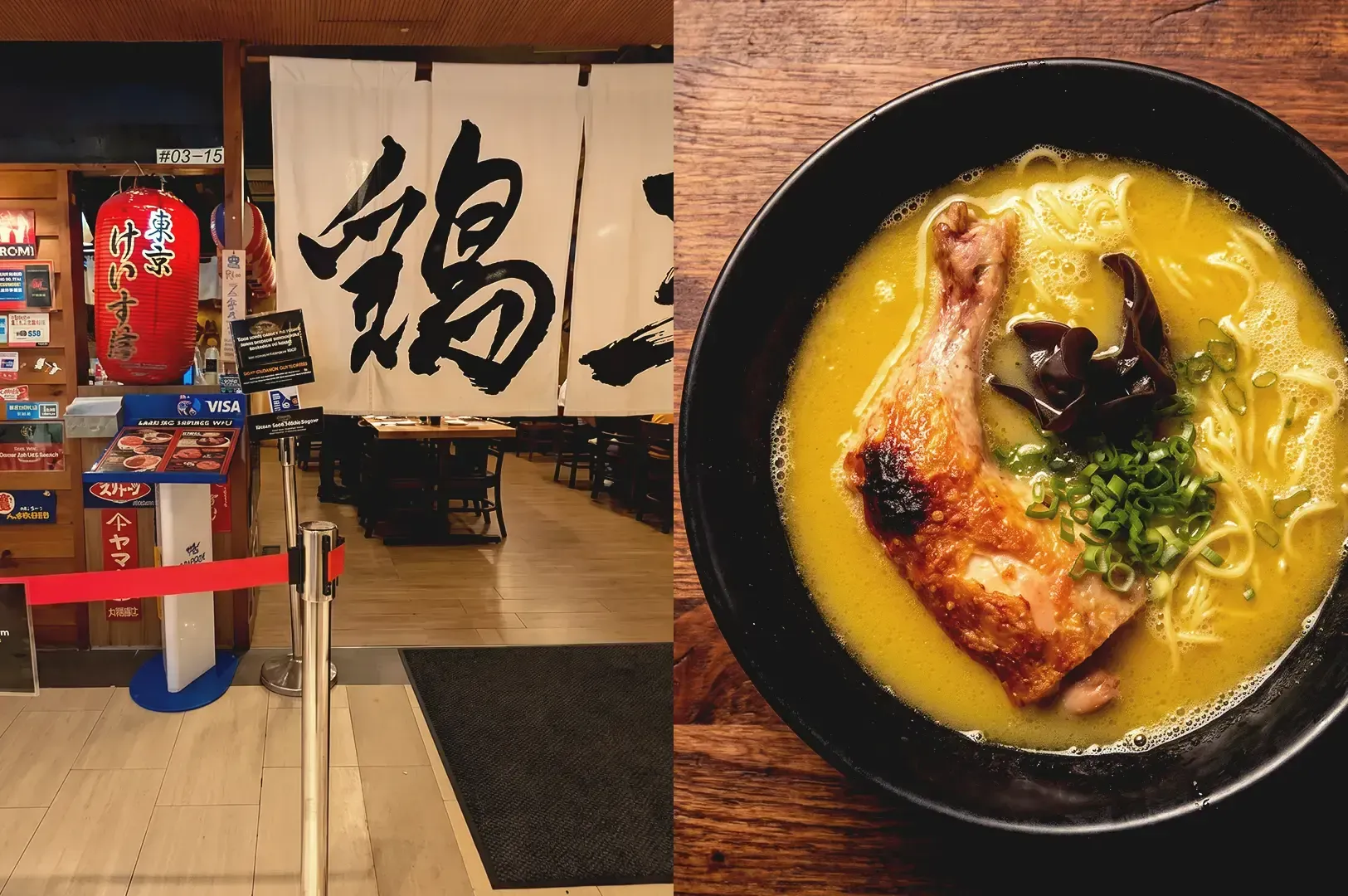
Nearest MRT: Tanjong Pagar
Signature item: Tori (chicken) tsukemen
Best for: Diners who prefer a lighter but still rich chicken dip
Keisuke is a household name for good reason, and the Tori King branch leans into deep, chicken-based flavour. It's cheerful, casual, and easy to love.
The broth is hot and slightly viscous, luxuriously coating the thick noodles with a smooth, velvety feel that teases the palate with every dip. The aroma of simmered chicken and subtle hints of ginger and garlic wafts invitingly from the bowl, promising warmth and comfort.
The noodles are thick and satisfyingly chewy, offering a delightful springiness that resists just enough to engage your bite fully. Each strand captures the broth's rich essence, delivering bursts of savory goodness with every mouthful. The tender chicken meat, replacing pork belly, is juicy and succulent, its mild sweetness balancing the broth’s umami depth perfectly, providing a comforting protein experience that feels both hearty and light.
Price: Approximately S$20 for the signature Tori tsukemen.
What makes it different: Ramen Keisuke Tori King builds its tsukemen entirely around chicken, offering a golden, deeply savoury dipping broth that feels lighter than pork-based versions but no less satisfying in flavour or body.
6. Marutama Ramen - Best for Creamy Miso Broth Depth
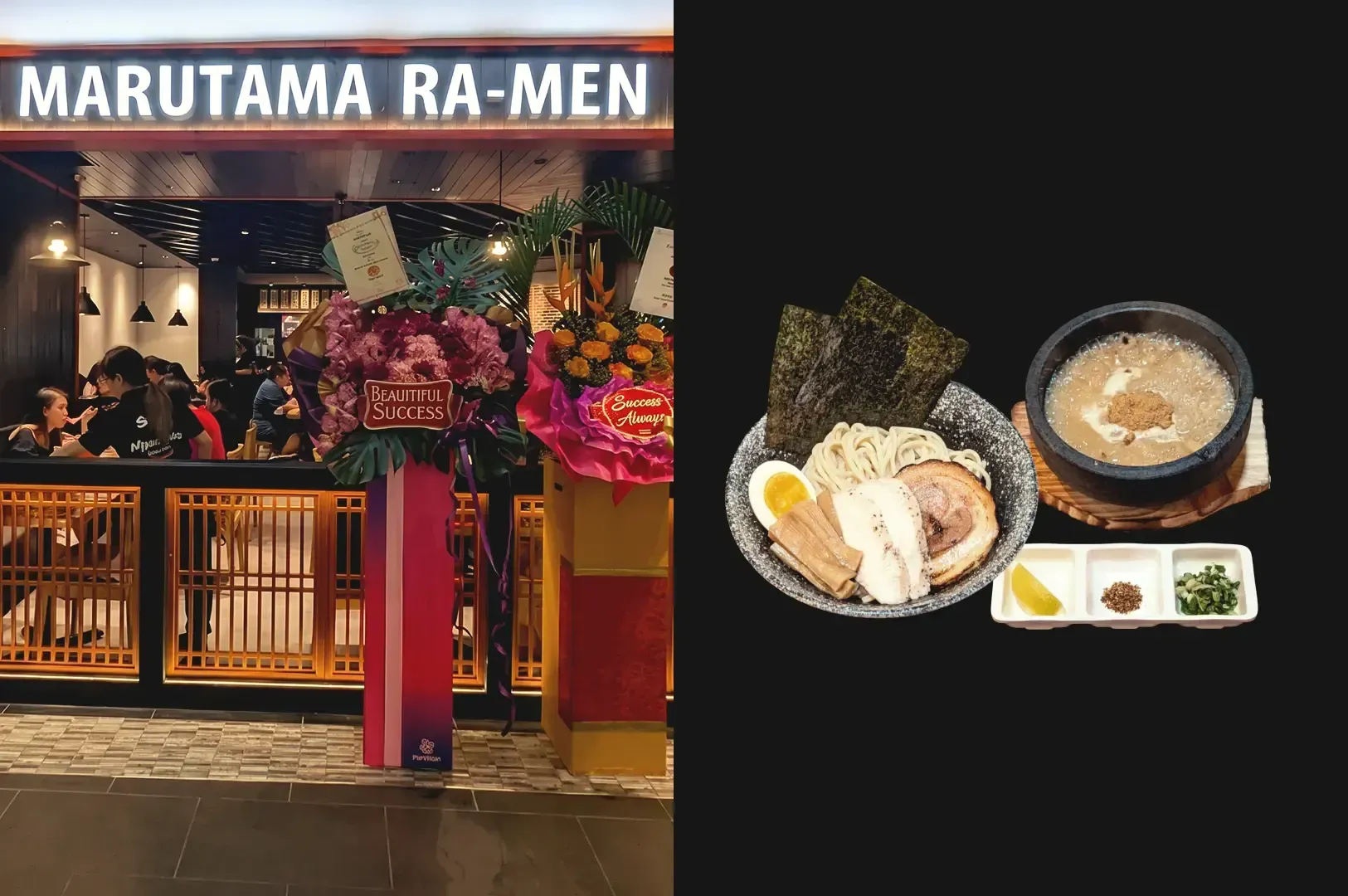
Nearest MRT: Clarke Quay
Signature item: Chicken-based tsukemen with a creamy miso soup finish
Best for: Diners who love a velvety, umami-rich dip
Marutama built its name on a silky chicken broth, and its dipping style carries that same smooth soul. I always leave here feeling quietly content, the warm, savory aroma wrapping around me like a comforting embrace.
The miso broth has an earthy depth and a slightly viscous texture that clings luxuriously to the noodles. The tsukemen noodles are thick and springy, with a satisfying chew that resists just enough to keep each bite lively. The dish is topped with tender slices of pork belly that melt in your mouth, along with crispy nori and crunchy bamboo shoots, adding layers of texture and umami complexity to every mouthful.
What makes it different:
Marutama is one of the few Singapore ramen shops to build its entire identity around chicken rather than pork, and that philosophy carries into its tsukemen: a glossy, velvety dipping broth.
7. Ichikokudo - Best for Everyday Value Dipping Noodles
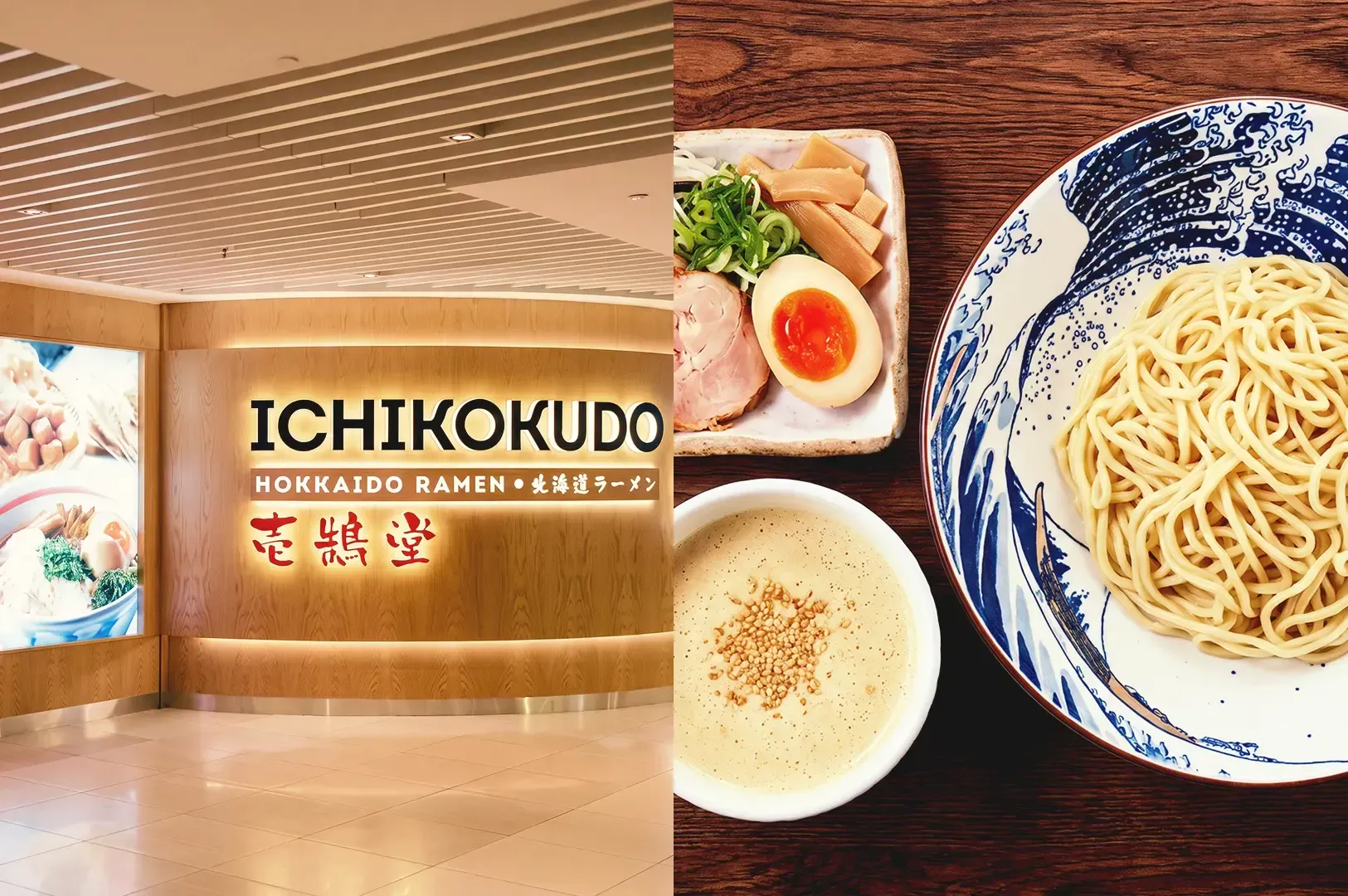
Signature item: Tonkotsu-based tsukemen
Best for: Casual, budget-friendly dipping cravings
Ichikokudo is the reliable neighbourhood favourite, with outlets dotted around the island. It's where I go when I want good tsukemen without a fuss or a queue.
The broth is salty and rich, designed to balance the plain noodles with a deep umami warmth that lingers on the palate. The thick, chewy noodles have a satisfying springiness, each bite releasing a gentle wheat aroma.
The tender pork belly melts softly with a hint of savory sweetness, while the bamboo shoots add a crisp, earthy contrast. The dish is served with a separate bowl of dipping sauce and a small bowl of miso soup for a comforting, savory finish.
What makes it different: Ichikokudo stands out for its island-wide accessibility and no-fuss approach, making it one of the easiest places in Singapore to get a solid, honest tonkotsu dipping broth without hunting for a specific neighbourhood or dealing with a long queue.
8. Ramen Champion - Best for Trying Several Styles of Tsukemen DishesR
Nearest MRT: Bugis
Signature item: Dipping ramen from rotating stalls
Best for: Groups and indecisive diners who want variety
Ramen Champion is a food-hall concept, which makes it a playground for the curious. When I can't decide what I want, this is where I end up.
The noodle texture is consistently springy and thick across stalls, and the dipping sauces range from pork-heavy to miso broth to seafood-based dashi. The casual, buzzy atmosphere makes it fun rather than fussy, ideal when everyone in your group wants something slightly different.
What makes it different: Ramen Champion is the only spot on this list where you're not tied to a single shop's style, since its rotating stall format lets you sample dipping broths from multiple ramen concepts under one roof, making it the best place in Singapore to explore tsukemen variety in a single visit.
Tsukemen vs. Ramen: A Flavor and Texture Showdown
| Feature | Tsukemen | Ramen |
|---|---|---|
| Serving Style | Noodles and dipping broth served separately | Noodles served submerged in broth |
| Noodle Temperature | Typically cold or at room temperature | Served hot |
| Noodle Thickness | Thicker and chewier ("mochi-mochi" texture) | Usually thinner and softer |
| Broth Concentration | Double or triple the concentration of ramen broth; thick and viscous | Lighter, soup-like consistency |
| Broth Flavor | Intense, salty, often with pork fat, soy sauce, and dried fish powder | Balanced, less concentrated |
| Common Toppings | Pork belly, nori, menma, ramen egg | Similar toppings but served in broth |
| Popularity | Gained popularity in Japan during 1970s-80s; specialty in other countries | Widely popular globally |
Find the Dip That Fits You: Exploring Tsukemen and Miso Ramen in Singapore
Here's what all this slurping taught me: the best tsukemen Singapore offers isn't one single bowl. It's spread across these spots, each with its own personality. Some are refined and citrusy, others fishy and bold, a few creamy and comforting like miso ramen and miso soup.
Whether you're dipping thick tsukemen noodles into hot soup or enjoying a bowl of miso ramen with tender pork belly, Singapore's ramen scene offers a delicious, diverse experience that celebrates
the art of Japanese dishes with every bite.
Recent Posts