
We Might Be Overrating Tonkotsu

May 12, 2026
Dot Icon

Look at any popular noodle shop menu, and you will see it front and center. Tonkotsu reigns supreme in the global culinary landscape. We have collectively placed this milky, pork-heavy broth on a towering pedestal. For many people, it is the only style they ever order when craving Japanese comfort food.


The widespread appeal makes perfect sense. Dedicated chefs boil pork bones for countless hours to extract every ounce of fat and marrow. This intense process creates a thick, creamy soup that feels incredibly luxurious. Those first few spoonfuls bring a rush of savory warmth that wraps around you like a heavy winter blanket.


Yet, we need to have an honest conversation about the overall dining experience. That beautiful richness often turns into a heavy burden halfway through your meal. The intense concentration of rendered fat quickly coats your palate and dulls your tasting senses. Every subsequent bite starts to taste exactly the same as the last.

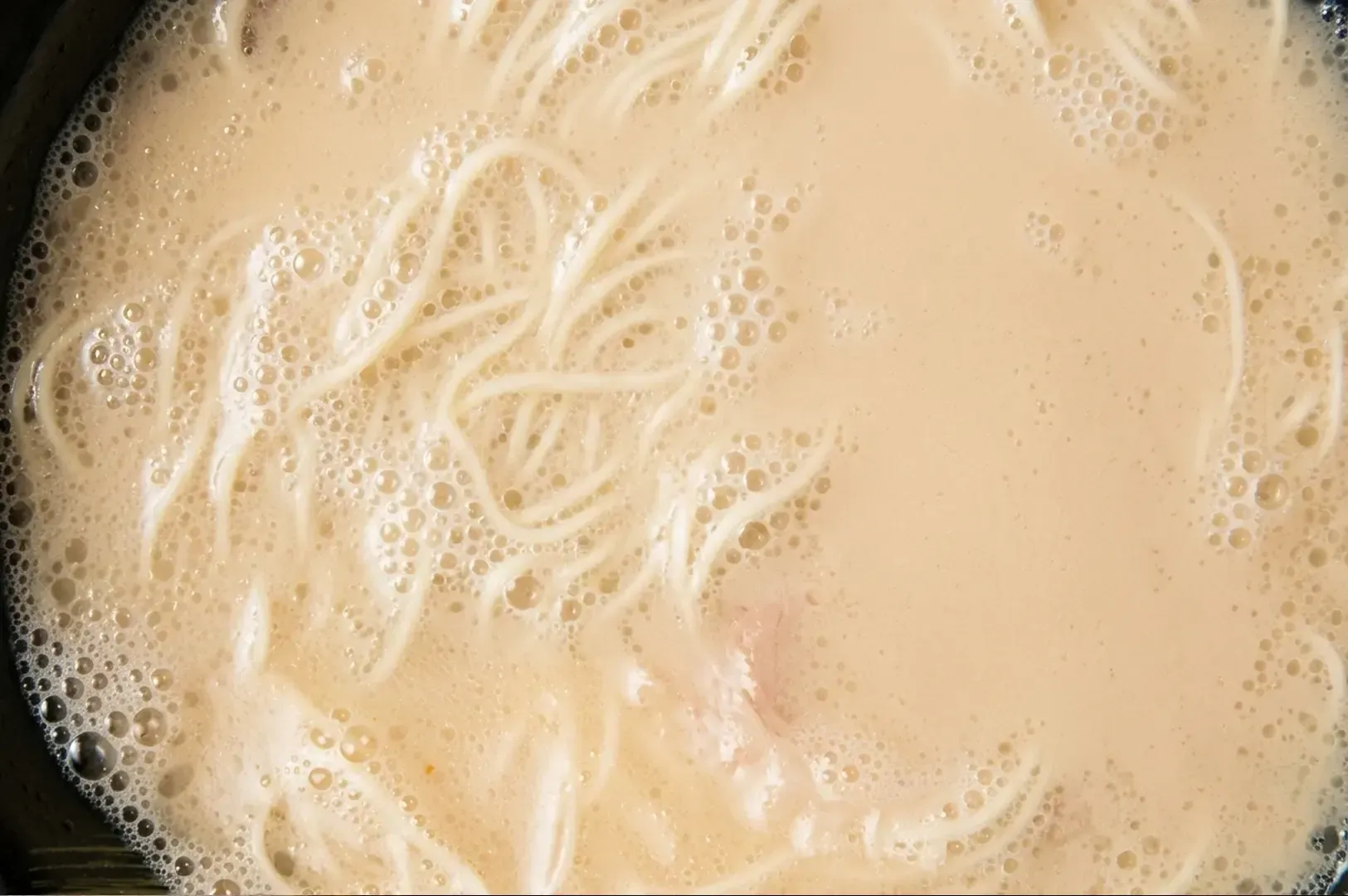
Close-up top-down view of rich, milky Tonkotsu broth with noodles visible underneath

Instead of feeling nourished and energized, you frequently leave the table feeling completely weighed down. The sheer density of the milky soup overshadows the subtle textures of the fresh ingredients. The delicate crunch of bamboo shoots and the sharp bite of scallions completely drown in the rich liquid. Eating a massive bowl transforms from a simple pleasure into a physical endurance test.


By obsessing purely over this one specific style, we accidentally ignore a massive world of delicate flavors. A clear, deeply toasted shoyu broth provides remarkable complexity without triggering a food coma. A gentle shio base allows the natural sweetness of the chewy wheat noodles to take center stage. These lighter broths showcase a level of culinary precision that heavy pork fat often masks.


Tonkotsu will always remain a wonderful, hearty treat for those freezing winter nights. However, it simply does not need to dominate our menus and our minds quite so heavily. The next time you sit down at a warm wooden counter, look past the usual heavy pork options. Give a lighter, clearer broth a genuine chance, and you might just discover that less truly is more.

Recent Posts

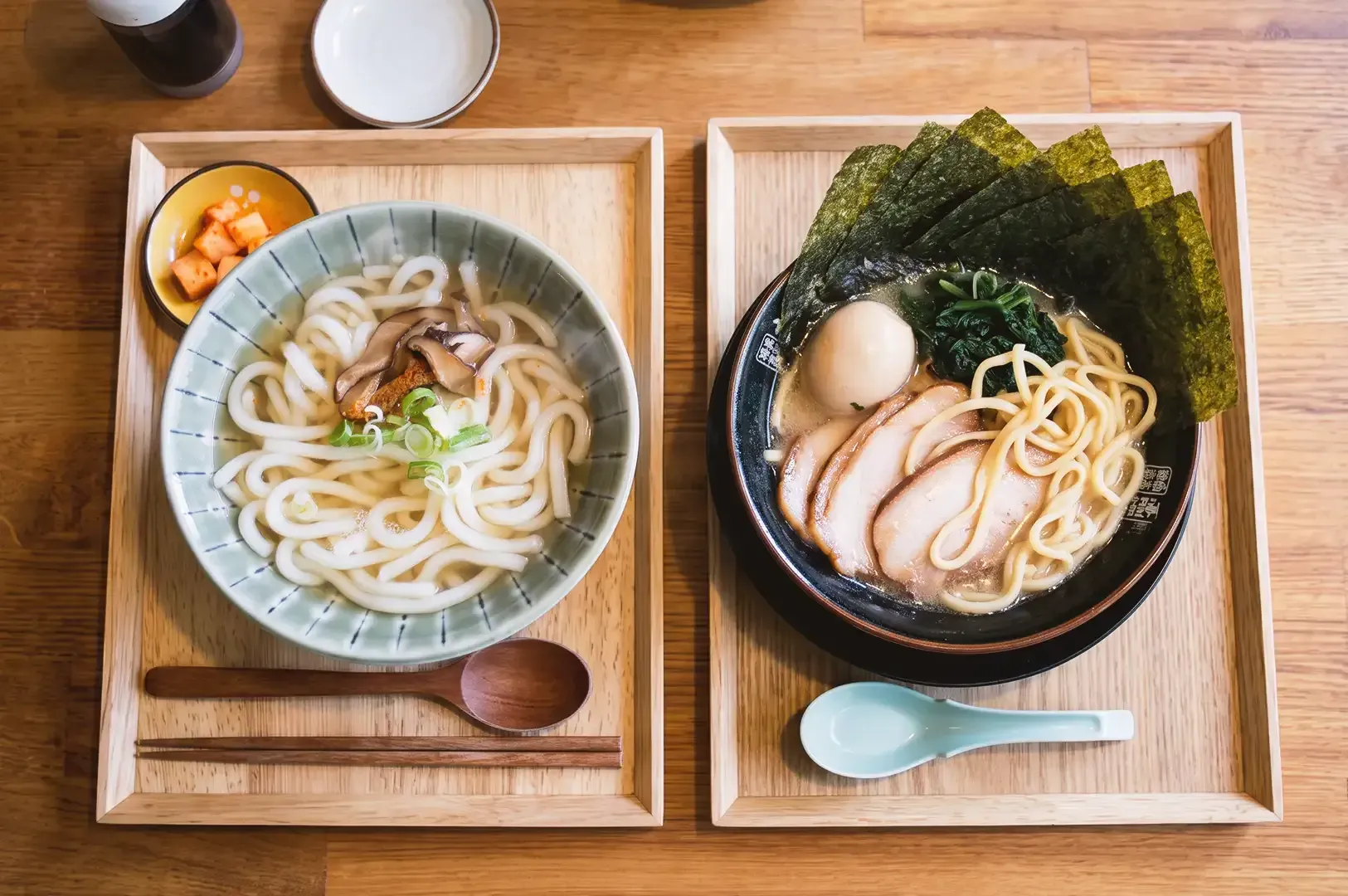
Side by side serving of udon noodles on the left and ramen noodles on the right
By Jillian Garzia • October 8, 2026
Discover the distinct flavors and textures of ramen and udon. Learn how to choose the perfect noodle for your next dish. Read the article now!
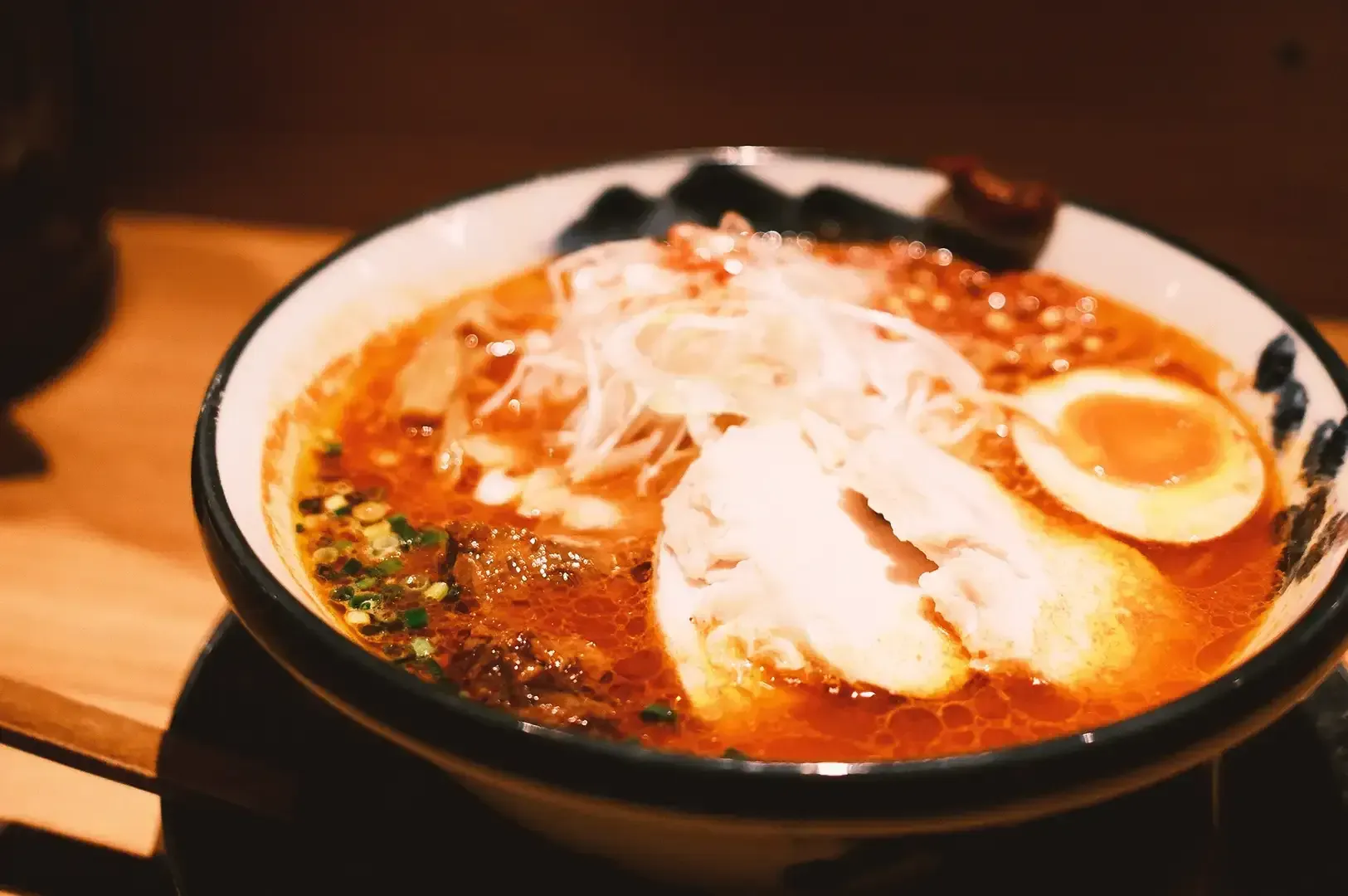
Bowl of ramen with egg, pork meat, shredded vegetable and bits of spring onions on a rich broth
By Chloe C.L • October 7, 2026
A first-person take on why chain ramen can beat indie ramen on consistency, sourcing, and value, and why "independent" doesn't always mean better.
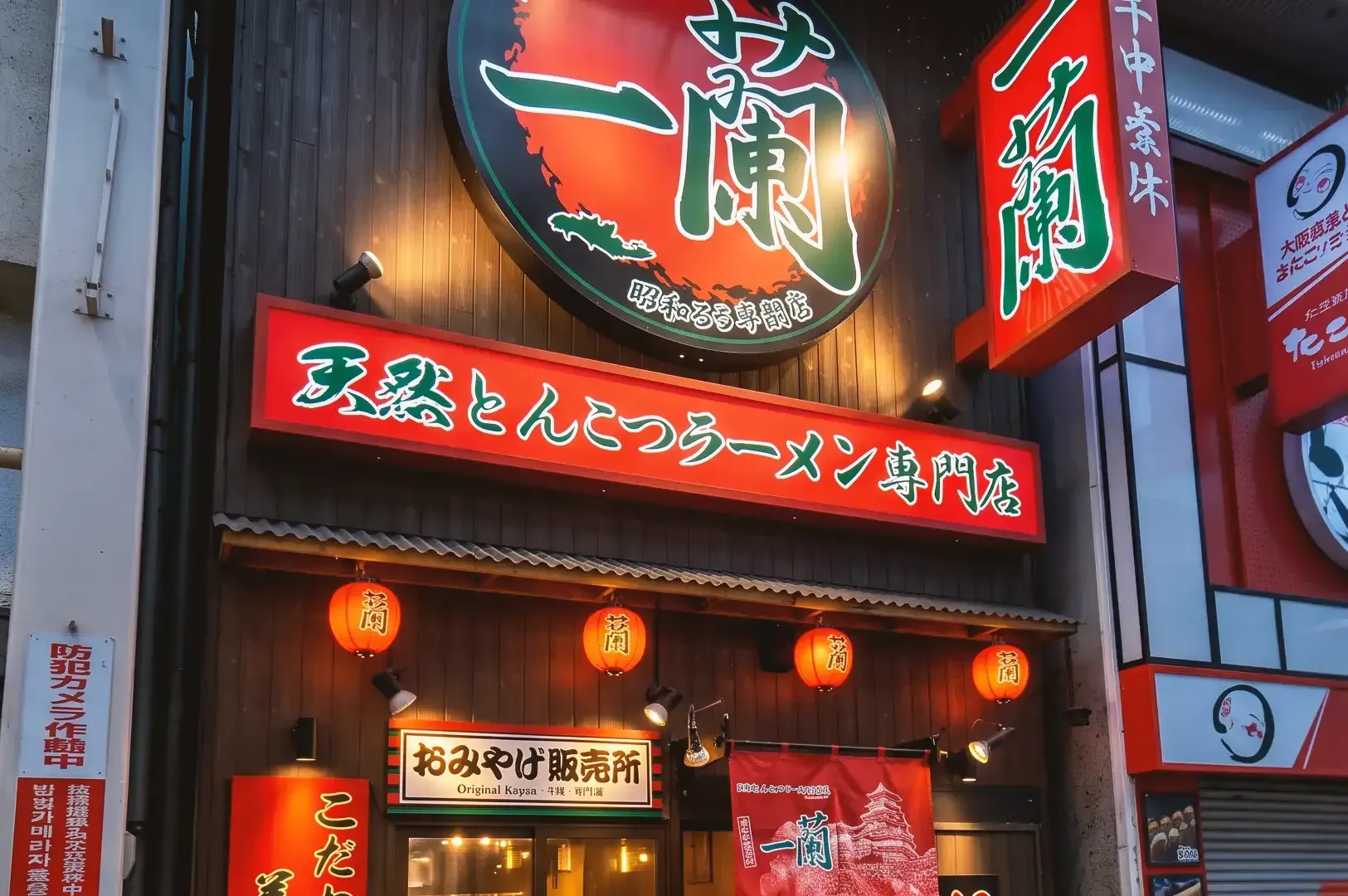
Storefront of Ichiran Ramen Dotonbori with displayed red signages with green japanese writings
By Chloe C.L • October 5, 2026
My honest Ichiran ramen Dotonbori review: rich tonkotsu broth, private booths, customizable bowls, and tips for visiting this Osaka icon.
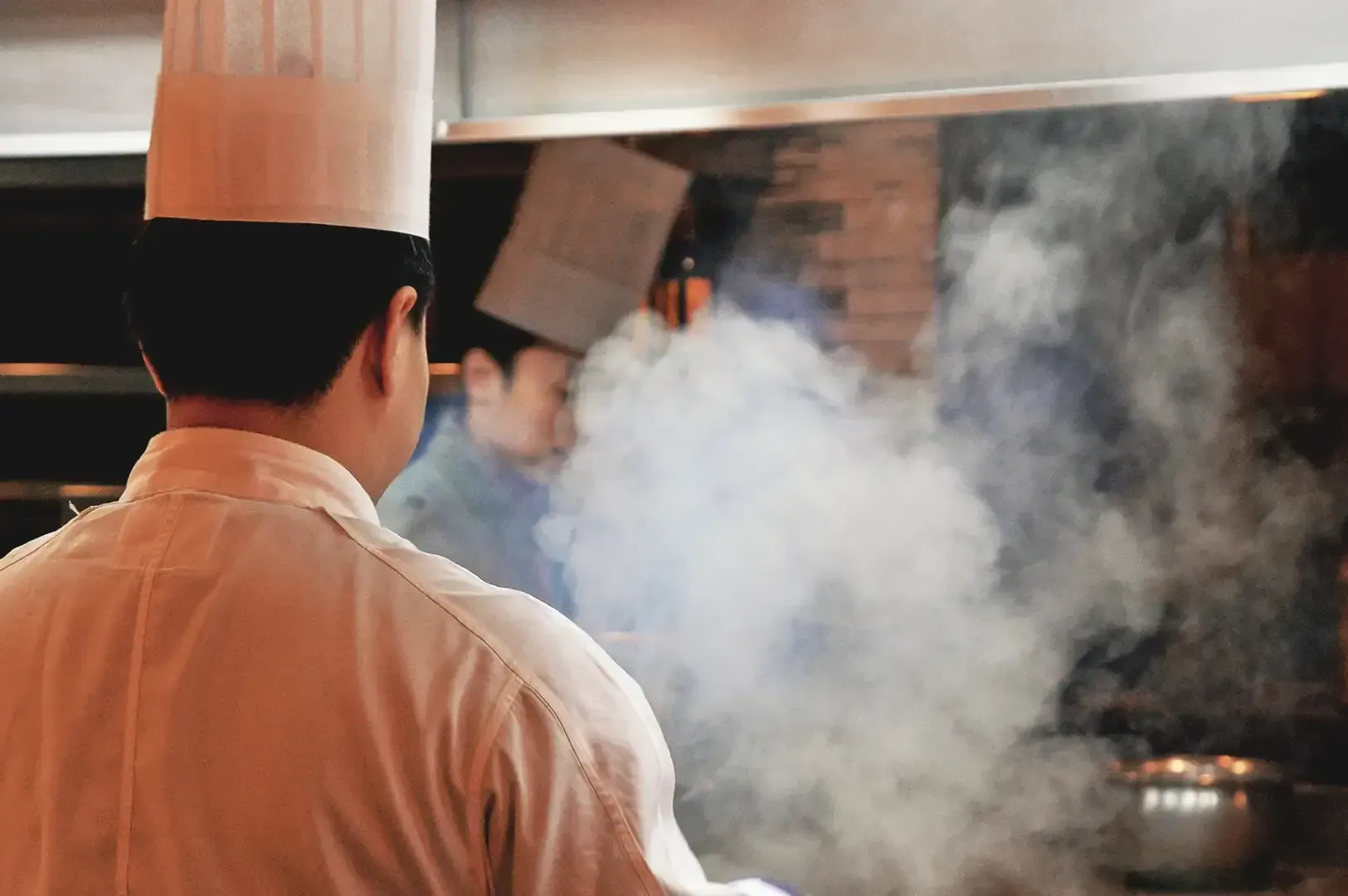
A male chef facing backwards in kitchen area with visible smoke from cooking pan
By Jillian Garzia • October 2, 2026
An honest look at why "Chef's Special" ramen may be a margin strategy, and why you should judge the bowl, not the label.
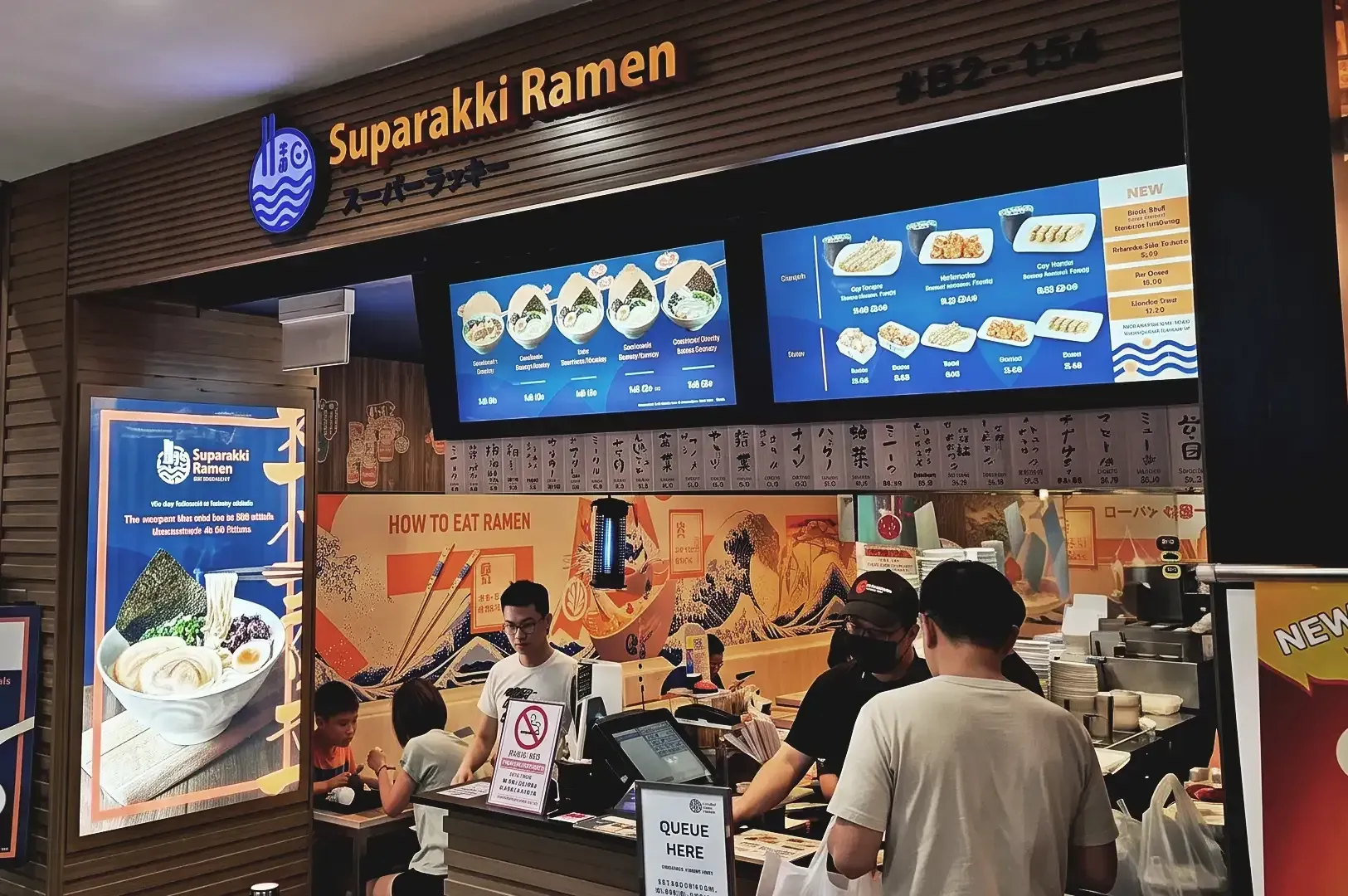
Suparakki Ramen storefront with LED screen displayed menu and peek of interior occupied by customers
By Chloe C.L • October 1, 2026
My honest Suparakki Ramen review, from the Dry Truffle Ramen to the tonkotsu gyokai ramen. Affordable, collagen-rich bowls in Yishun.
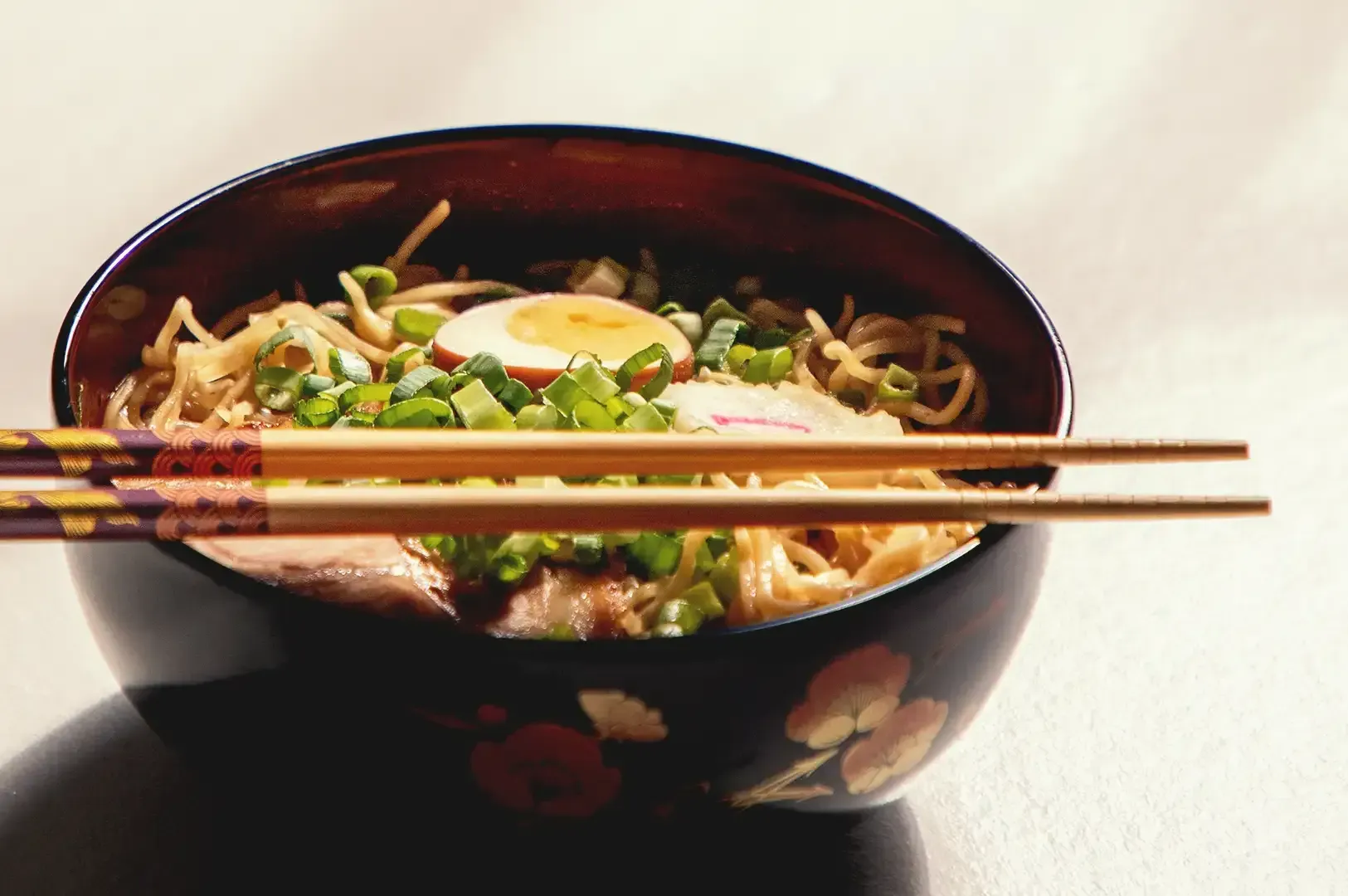
Ramen noodles with egg and pork meat garnished with spring onions in a black bowl with chopsticks
By Best Ramen Team • September 30, 2026
A first-person reflection on how ramen evolved beyond Japan, embracing new cultures and flavors as a gift of exchange, not a loss.