Hokkaido’s Shoyu Ramen with a Signature Lard Cap: Discover Asahikawa Ramen
The winter wind in Hokkaido carries a biting chill that cuts straight through your heaviest coat. When the temperature drops well below freezing and snow piles high along the sidewalks, your body instinctively craves warmth. You pull back the heavy wooden door of a local noodle shop, stepping inside to a narrow room filled with the comforting hum of boiling pots. You take a seat at the counter and order a bowl of Asahikawa ramen, a delicious specialty of this central Hokkaido city.
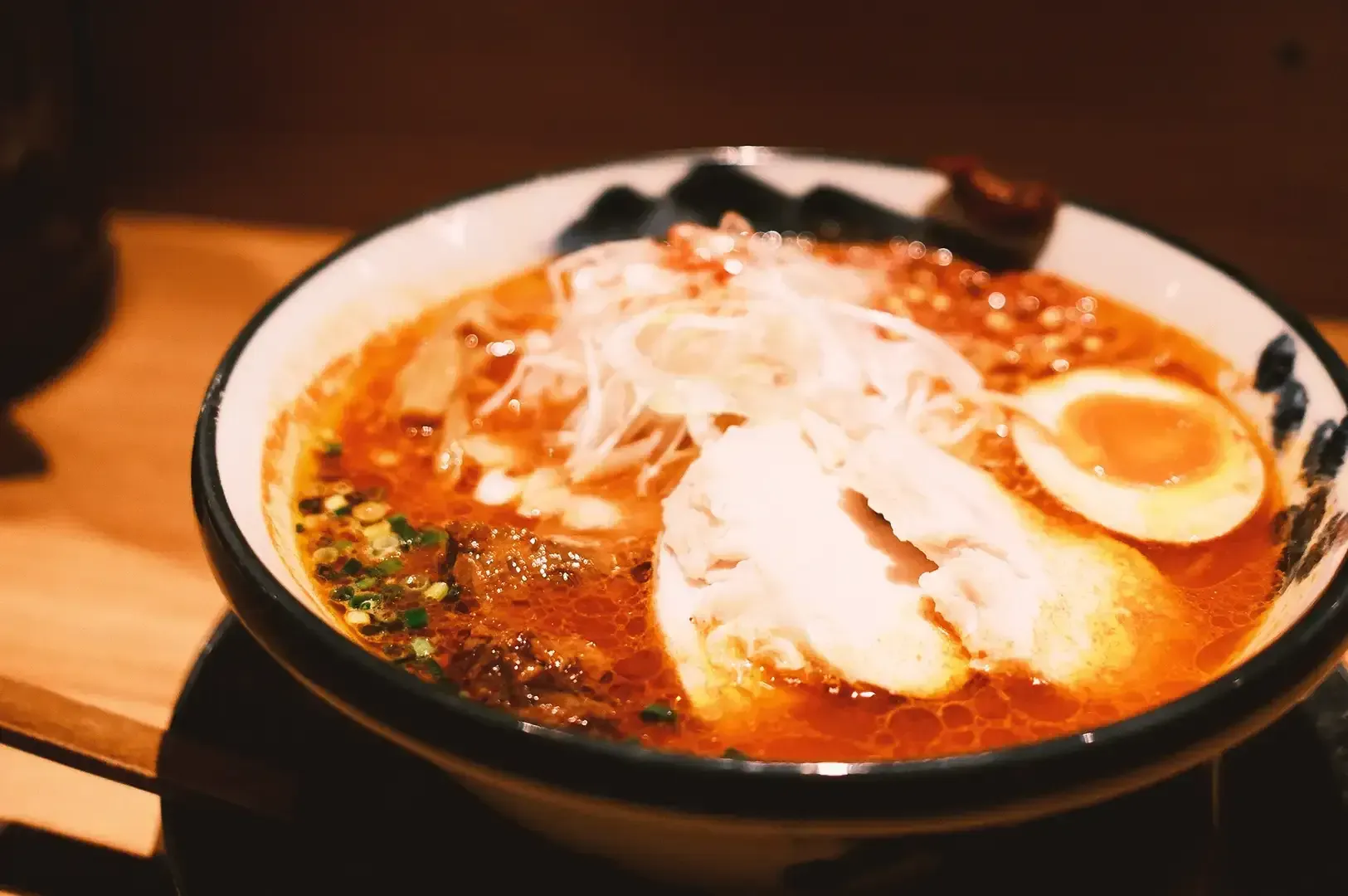
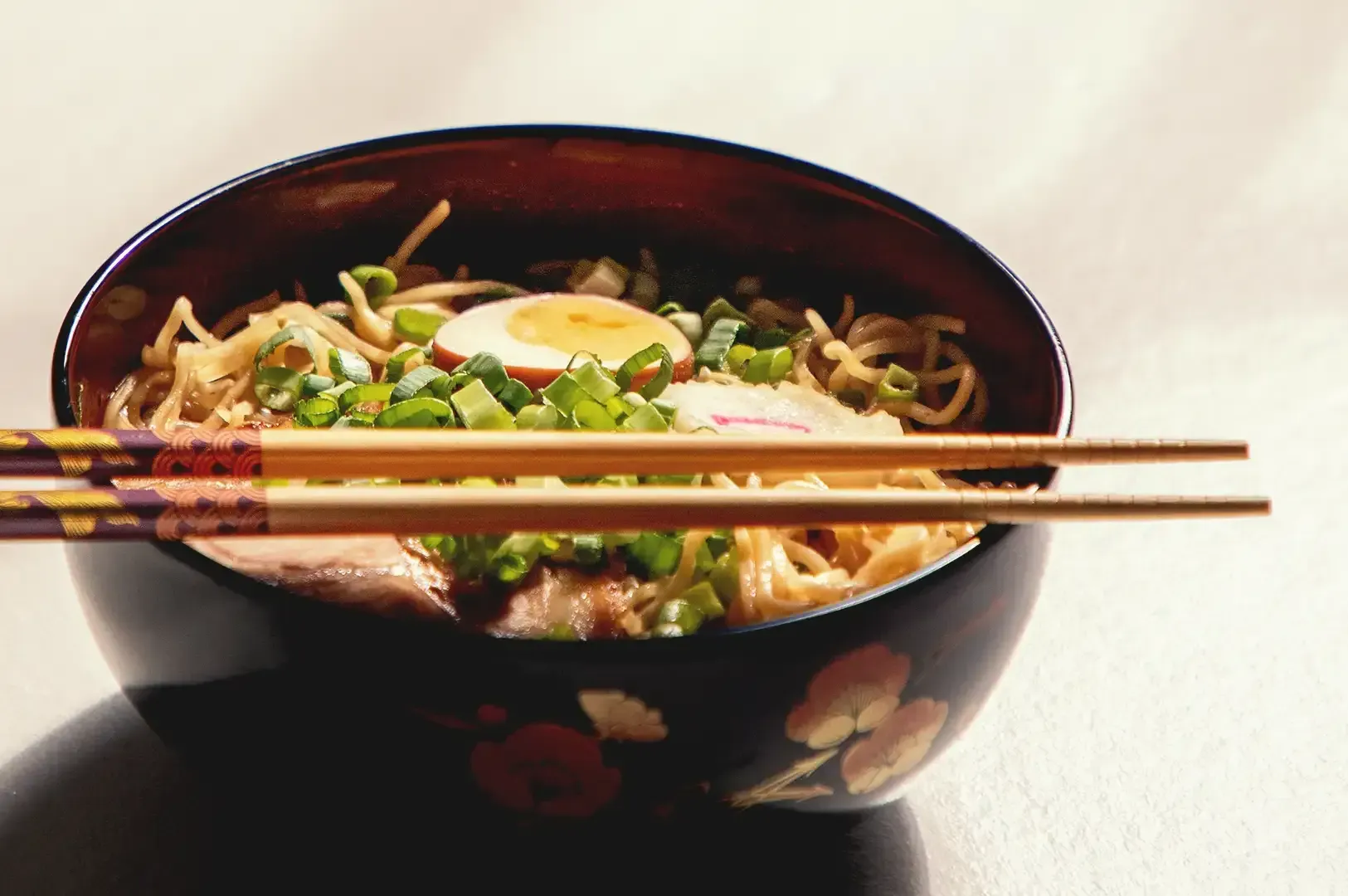
When the heavy ceramic dish finally lands in front of you, something curious happens. There is almost no steam rising from the surface. Instead, you are greeted by a glossy, golden layer of lard floating perfectly across a dark soy sauce (shoyu) broth. You dip your wooden spoon in, breaking that shimmering surface. Immediately, a thick cloud of savory, oceanic, and pork-scented steam erupts upward. You take your first sip, and the liquid is blisteringly hot, sending an instant wave of restorative heat right down to your toes.
This is the magic of
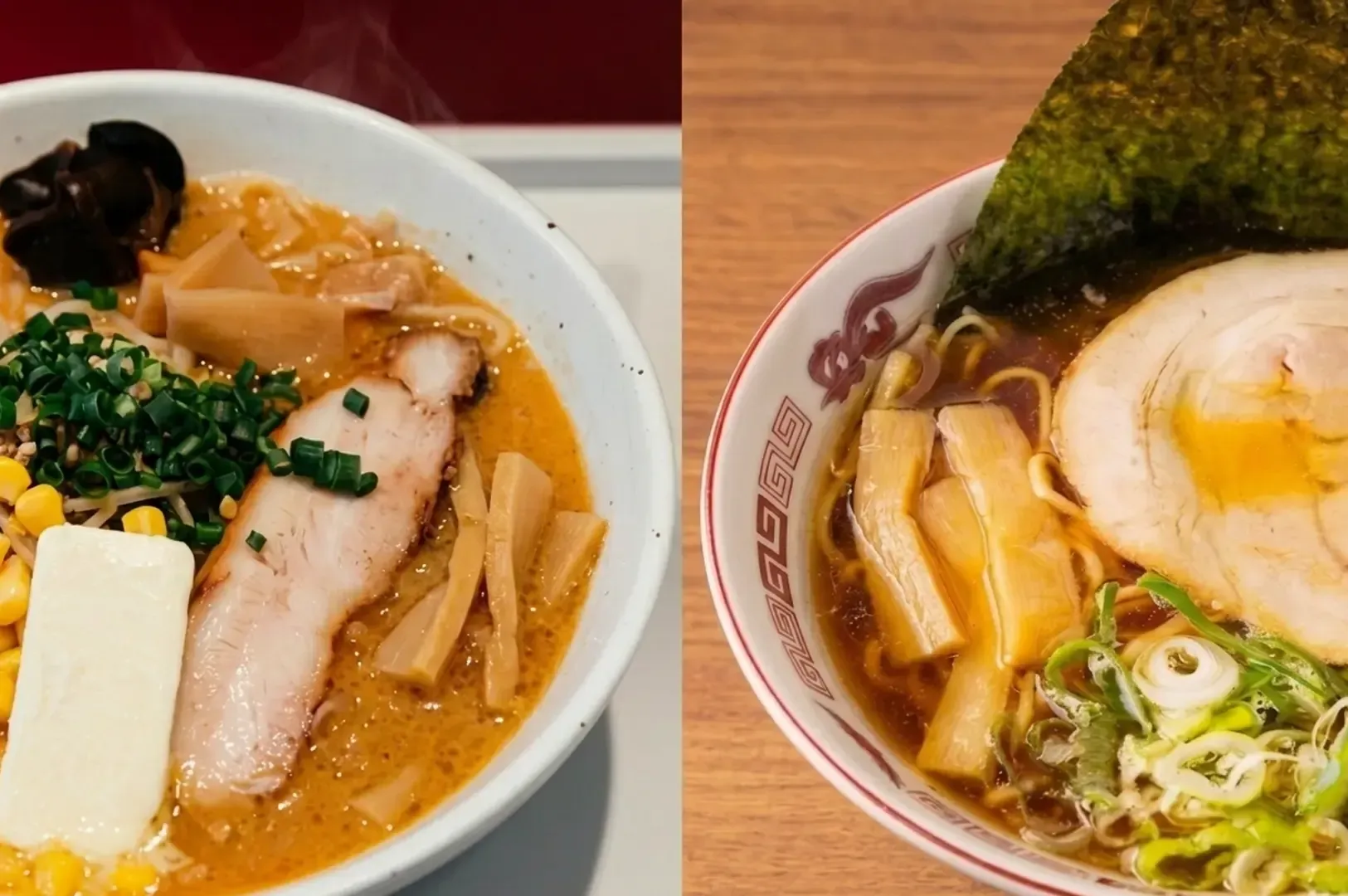
Asahikawa ramen. While the rich, corn-topped miso bowls of Sapporo often dominate the global spotlight of Hokkaido ramen, the inland city of Asahikawa perfected a completely different approach to cold-weather comfort. By engineering a deeply layered
shoyu broth and sealing it with a brilliant "lard cap," local chefs created a culinary masterpiece that defines regional Japanese cooking.
Asahikawa Ramen and Hokkaido Ramen: Born from the Deep Winter Freeze
To understand why this specific style of noodle soup exists, you have to look at the geography and climate of its birthplace. Asahikawa sits in a valley in central Hokkaido, completely surrounded by mountains. This inland location makes it one of the coldest cities in all of Japan. During the peak of winter, temperatures routinely plunge to brutal lows, often well below freezing, which means locals need something truly hearty to keep warm.
Decades ago, Asahikawa was a bustling hub for agriculture, logging, and rail transport. The hardworking people spent long, cold hours outdoors in harsh conditions. When it was finally time to eat, they craved a meal that would not only warm them up but also provide enough energy to power through the day. A lukewarm bowl of soup simply wouldn’t cut it, it had to be piping hot, rich, and satisfying.
This need for warmth and sustenance shaped the creation of Asahikawa ramen. The chefs crafted a soup that could withstand the cold and keep its heat, while delivering bold, layered flavors that comfort the soul. It’s no surprise that the city’s ramen culture blossomed here, with recipes passed down and perfected over generations, making Asahikawa ramen a beloved symbol of resilience and culinary ingenuity in Hokkaido.
What really makes this ramen stand out is its unique double broth, a clever blend of seafood-based soup with a rich mix of pork, chicken, and vegetable stock, all flavored with soy sauce tare. Paired with medium-thin, curly noodles that soak up every bit of that delicious broth, each bowl feels like a warm hug on a freezing day. Trust me, once you try it, you’ll understand why locals swear by it.
The Engineering of the Abura no Futa: Lard Layer to Keep Soup Hot
To solve the problem of soup cooling too quickly in the freezing air, chefs developed the "abura no futa" (the lard cap). By rendering a generous amount of pork fat and allowing it to float on top of the dark broth, they created a natural thermal blanket.
This insulating layer of oil seals the heat inside the bowl. It prevents the soup from evaporating and dropping in temperature, ensuring that your last bite of noodles is just as steaming hot as your first. But the lard cap does more than just trap heat. It dramatically alters the mouthfeel of the dish. As the savory fat coats your lips and tongue, it provides a luxurious, heavy richness that perfectly balances the sharp, salty punch of the soy sauce below.
What’s truly fascinating is how this simple technique reflects the ingenuity born out of necessity in Asahikawa’s harsh winters. The lard cap isn’t just about keeping the soup hot; it’s a clever way to add depth and texture to the ramen experience. When you sip through that layer, you get a velvety smoothness that makes every mouthful feel indulgent, almost like a warm hug in a bowl.
If you ever find yourself at a local ramen shop in Asahikawa, watch how the chefs carefully ladle the broth and then gently spoon the lard over the top. It’s a small act but one that speaks volumes about the care and tradition behind every bowl.
Personal tip: When eating Asahikawa ramen, try to savor the first few sips through the lard cap to fully appreciate its richness before mixing the broth. This way, you get to enjoy the contrast between the silky fat layer and the bold, savory soup beneath, a truly memorable experience!
Asahikawa Ramen Village and Famous Ramen Shops: A Destination for Ramen Lovers
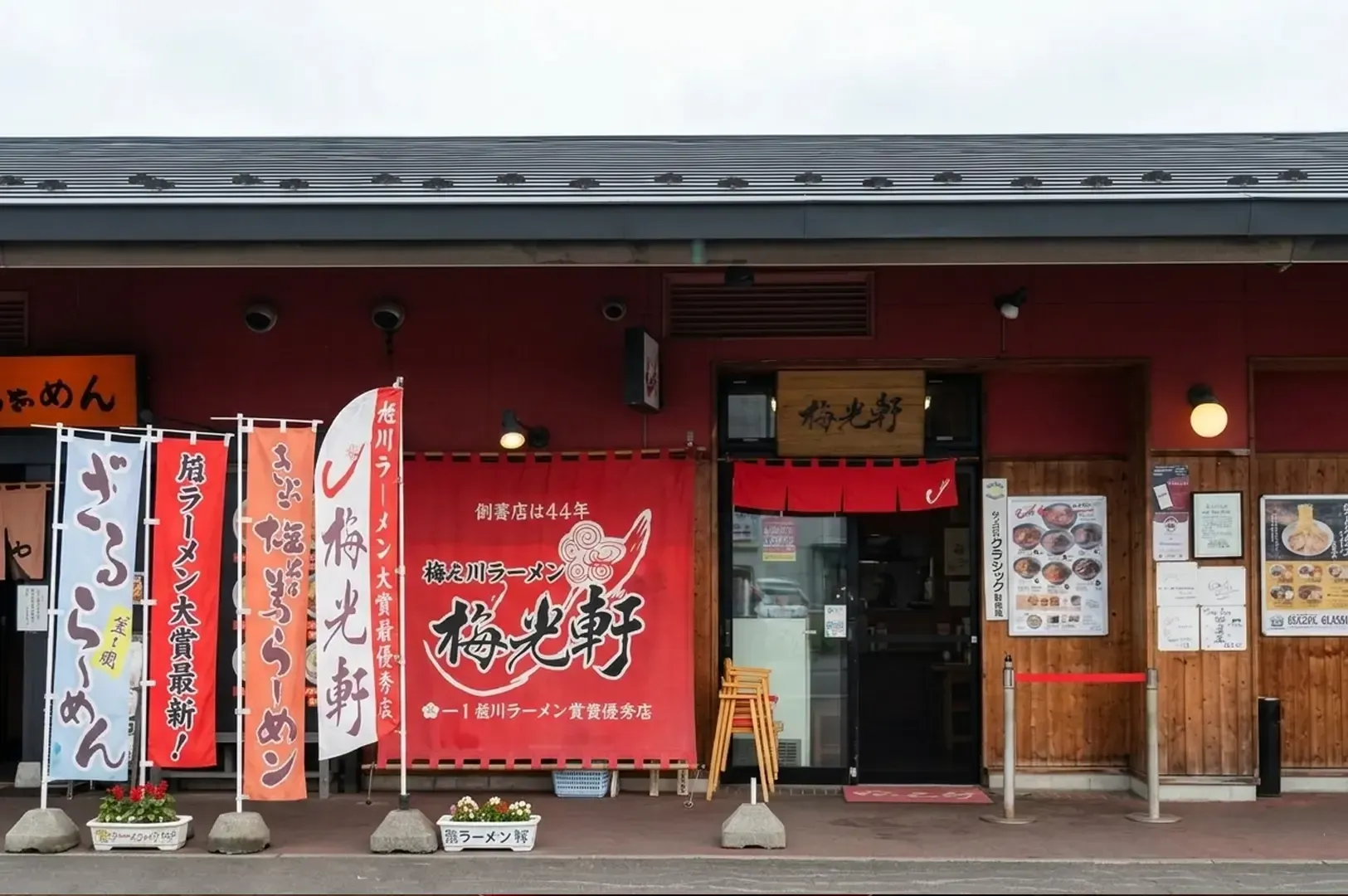
If you are planning a trip to Asahikawa, the Asahikawa ramen village is a must-visit site. Located just a short drive from JR Asahikawa Station, this ramen village gathers some of the city's most famous ramen shops under one roof. Visitors can sample a variety of Asahikawa ramen styles, including signature shio ramen and the classic shoyu-based bowls.
The ramen village features famous ramen shops that have perfected the complex double broth, a rich blend of pork bone, chicken bones, seafood dashi, kelp, and dried fish, creating a broth layered with umami and bold flavor. Many shops serve noodles that are medium-thin, curly, and wavy, designed to hold the rich soup and lard perfectly.
The Asahikawa ramen village is a popular destination for locals and visitors alike seeking to enjoy authentic Hokkaido ramen in a convenient setting. The facilities inside the ramen village are well-equipped to handle the evening crowds, making it a perfect stop after visiting attractions like the nearby Asahiyama Zoo, famous around the globe for its innovative animal enclosures.
JR Asahikawa Station and Asahikawa Station: Gateway to the City and Ramen Culture
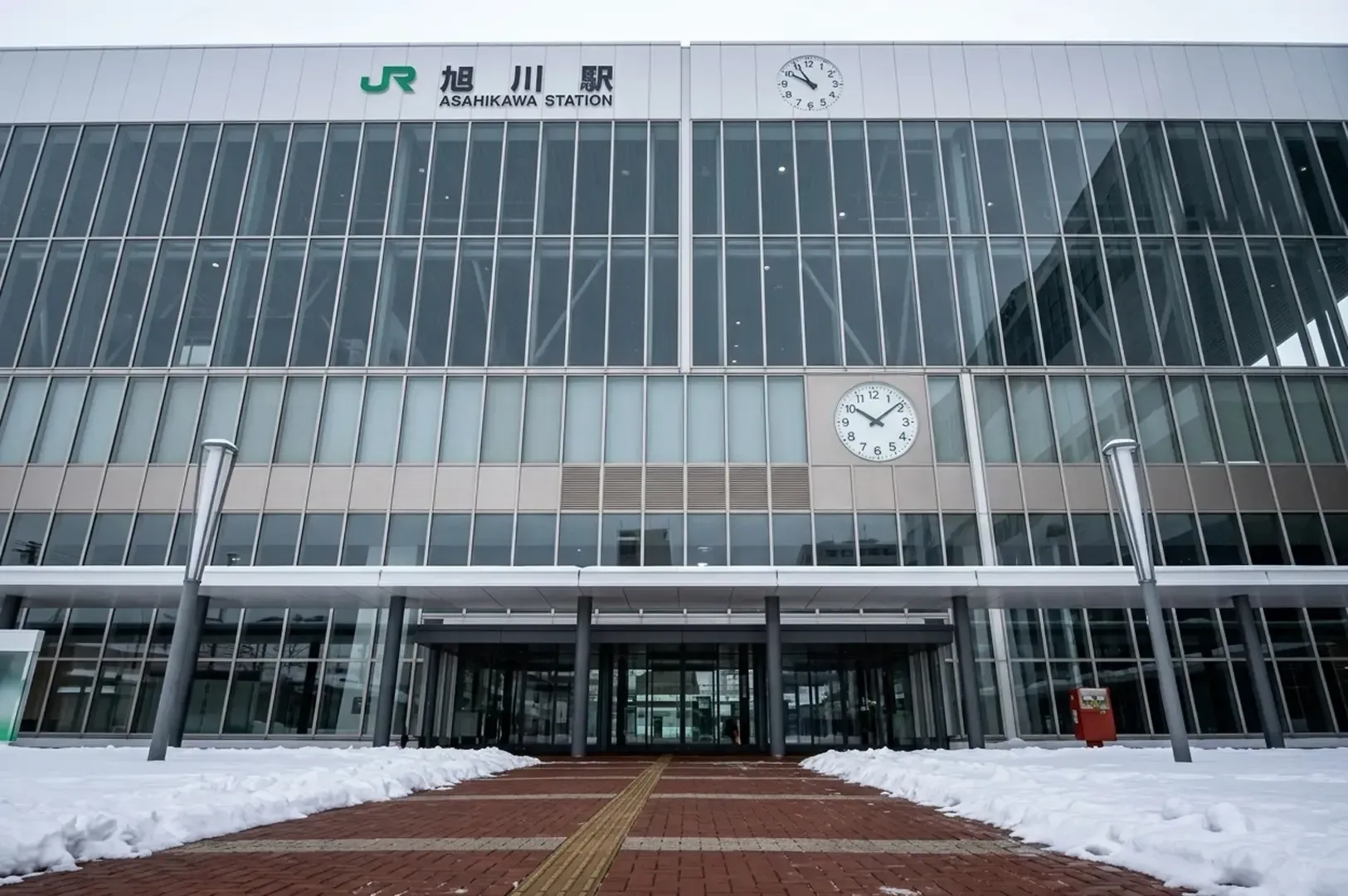
JR Asahikawa Station is the main transportation hub for the city, right in the heart of it all, making it super easy to get to the ramen village and other local spots. Before heading out, I always check the JR Asahikawa Station website for the latest schedules and travel tips, it’s a handy way to plan your trip smoothly.
What’s really exciting is that the area around the station is packed with ramen shops, each putting their own spin on the classic Asahikawa ramen. Whether you’re after a small cozy spot serving tender chashu pork and crunchy bamboo shoots or a bigger place with bold, rich broths, you’re in for a treat. If you love ramen, the neighborhood around Asahikawa station is honestly a paradise you don’t want to miss.
The Perfect Noodles: Curly and Wavy Noodles to Match the Rich Broth
You cannot put just any noodle into a boiling hot, fat-capped bowl of soup and expect it to survive. The intense heat would quickly turn a standard noodle into a soft, unappetizing mush.
To combat this, Asahikawa ramen features a very specific type of noodle. They are typically medium-thin, highly wavy, and made with a remarkably low hydration level. Because the dough contains less water, the noodles actively absorb the dark, flavorful soup as they sit in the bowl.
The crinkled, curly texture is entirely intentional. As you lift a cluster of noodles with your chopsticks, those jagged curves pull the rendered lard and the dark shoyu broth up together. Every single bite delivers the perfect ratio of chewy wheat, rich fat, and savory liquid.
Asahiyama Zoo and Other Attractions: Enjoy Nature and Ramen in Asahikawa

While Asahikawa ramen is a major draw, the city also offers plenty of other attractions. The Asahiyama Zoo is located nearby and is famous worldwide for its innovative enclosures that allow visitors to observe animals in naturalistic settings. After a day spent enjoying nature and wildlife, visitors often seek out a bowl of rich, delicious Asahikawa ramen to satisfy their appetite.
Travelers can explore the city by car or on foot, stopping by ramen shops to sample the local specialty and enjoy the warm, comforting broth that has made
Asahikawa a destination on the ramen map of Japan.
Setting the Record Straight: What Makes Asahikawa Ramen Unique in the World of Hokkaido Ramen
Because regional Japanese foods are so nuanced, diners often misunderstand exactly what makes Asahikawa ramen unique.
The most common mistake is comparing it directly to Tokyo-style shoyu ramen. While both utilize a soy sauce base, a Tokyo bowl is typically delicate, clear, and focused on a clean finish. Asahikawa is unapologetically rustic. The heavy presence of the lard cap and the aggressive punch of the dried seafood and pork bone broth give it a muscular, hearty profile that Tokyo styles rarely aim for.
Another misconception is that all Hokkaido noodles must taste like the Sapporo style. Sapporo relies on the heavy, fermented sweetness of roasted miso paste to provide comfort.
Asahikawa proves that you can achieve that exact same level of winter warmth using the sharp, clear saltiness of soy sauce and the brilliant thermal engineering of pork fat.
Enjoying Your Bowl: Tips for Visitors Seeking the Best Asahikawa Ramen Experience
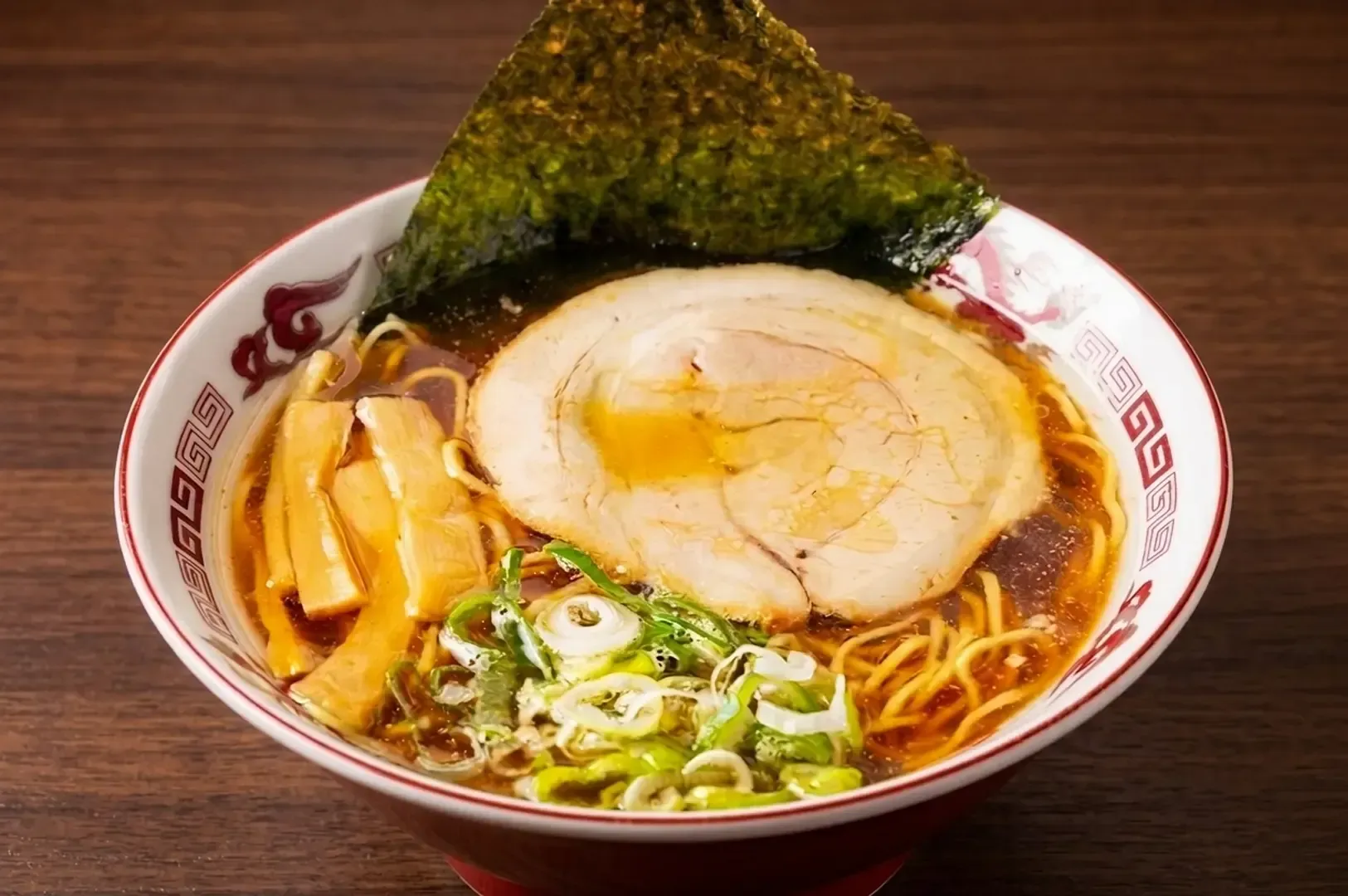
When you visit Asahikawa, be sure to check the ramen village page online to plan your visit. Many ramen shops serve their bowls with classic toppings like tender chashu pork, bamboo shoots, fresh vegetables, and occasionally unique local ingredients such as fatty pork or offal.
Notice the bold flavors and the complex layers of broth as you enjoy each spoonful. The soup's umami comes from a careful balance of dashi made from seafood, chicken bones, pork bone, and kelp. The saltiness (shio) and soy sauce (shoyu) flavors combine to create a delicious, satisfying experience.
Visitors seeking to sample the signature shio ramen will find it available at several famous ramen shops, including those in the ramen village and near JR Asahikawa Station. Whether you come by car or train, this city offers a ramen experience that is both rich in history and bold in flavor.
Taste the world of Asahikawa ramen, where every bowl tells the story of a city, its nature, and its people. Whether enjoyed inside a cozy ramen shop or sampled at the ramen village, this style of Hokkaido ramen is a must-try on any Japan trip.
Grab a bowl and enjoy
6 Soup Curry Ramen Bowls Every Ramen Lover Should Try for a more distinct ramen knowledge and insights.
Recent Posts