The Overlooked Coastal Style with Seafood Notes: Onomichi Ramen
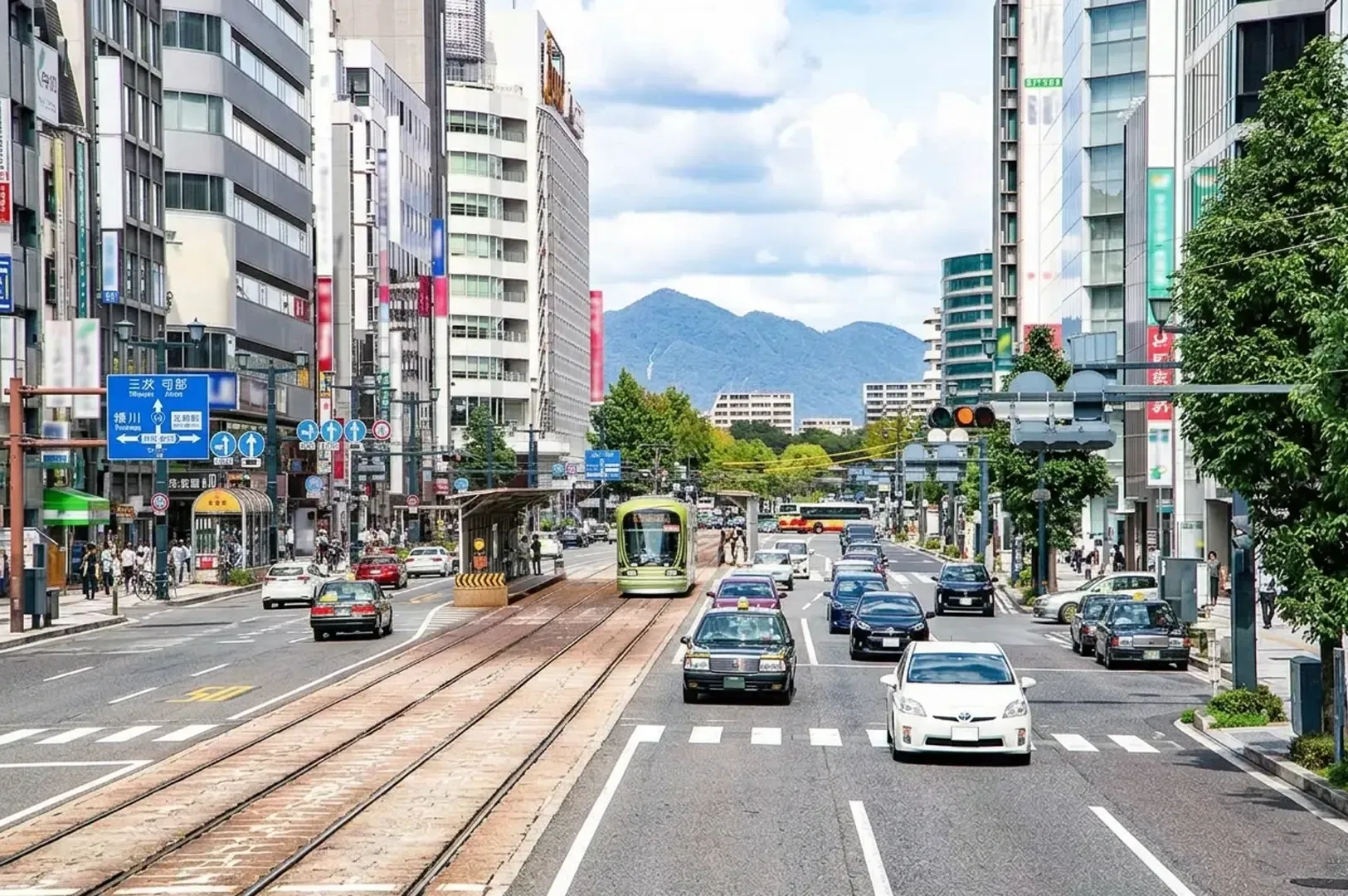
Picture this: you step off a tiny train and BAM, salty sea air hits your face like a wake-up call. Fishing boats clank rhythmically in the harbor of this port city called Onomichi, nestled in Hiroshima Prefecture, sprawling up the hillsides like it’s got nowhere urgent to be. Cats everywhere, narrow alleys that twist and climb, it’s almost too picturesque to take seriously. But then you catch that smell. Toasted soy sauce mixing with bubbling chicken and small fish soup stock, drifting down from somewhere near the water. Onomichi’s location facing the Seto Inland Sea and its history as a port city have brought influences from China, including Chinese immigrants and culinary traditions, which played a role in the development of Onomichi ramen.
Here’s the thing about ramen hunting: everyone chases the heavy hitters. You’ve got your creamy Fukuoka tonkotsu that hits like a freight train, your rich Hokkaido miso that wraps you in a butter-scented hug. These styles own restaurant menus worldwide, and for good reason, they’re bold, they’re immediate, they make a statement. But sitting right there on the coast, practically invisible to the global ramen scene, is this complex little gem that plays by completely different rules.
Ramen itself is a dish with Chinese origins, and Onomichi ramen reflects the cross-country evolution of ramen, blending Japanese and Chinese influences.
Onomichi
style ramen takes delicate ocean flavors from the Seto Inland Sea and crashes them into hearty pork fat richness.
The Flavorful Soup Base Inspired by the Seto Inland Sea

Want to understand why this ramen tastes like nowhere else? Look at where it comes from. Hiroshima Prefecture has front-row seats to the Seto Inland Sea, and that water is absolutely loaded with tiny, intensely flavorful small fish. Local fishers haul up these incredible little sardines called iriko, plus an abundance of fresh clams, mussels, and other seafood that pack serious umami punch.
In a working port city, waste isn’t an option. So decades back, local chefs began to create their dashi soup stock by combining chicken bones and small fish from the Seto Inland Sea, especially dried sardines known as niboshi, which are a key ingredient. This process results in a clear soy sauce-based broth made from dashi, often topped with pork back fat, that just sings with depth and complexity. Add their local soy sauce, a rich shoyu with serious depth, and suddenly you’ve got this seafood-forward broth that tastes like the ocean decided to get cozy with the land.
Chefs create the distinct Onomichi ramen flavor by following traditional recipes that carefully balance seafood and pork elements, ensuring each bowl delivers the signature harmony of salt, earth, sea, and soy. The salt and the earth, the sea and the soy, it all just clicks together in this perfect harmony that makes you understand why locals and visitors alike get obsessed with Onomichi ramen.
Onomichi Ramen Maruboshi: A Delicious Example of the Style

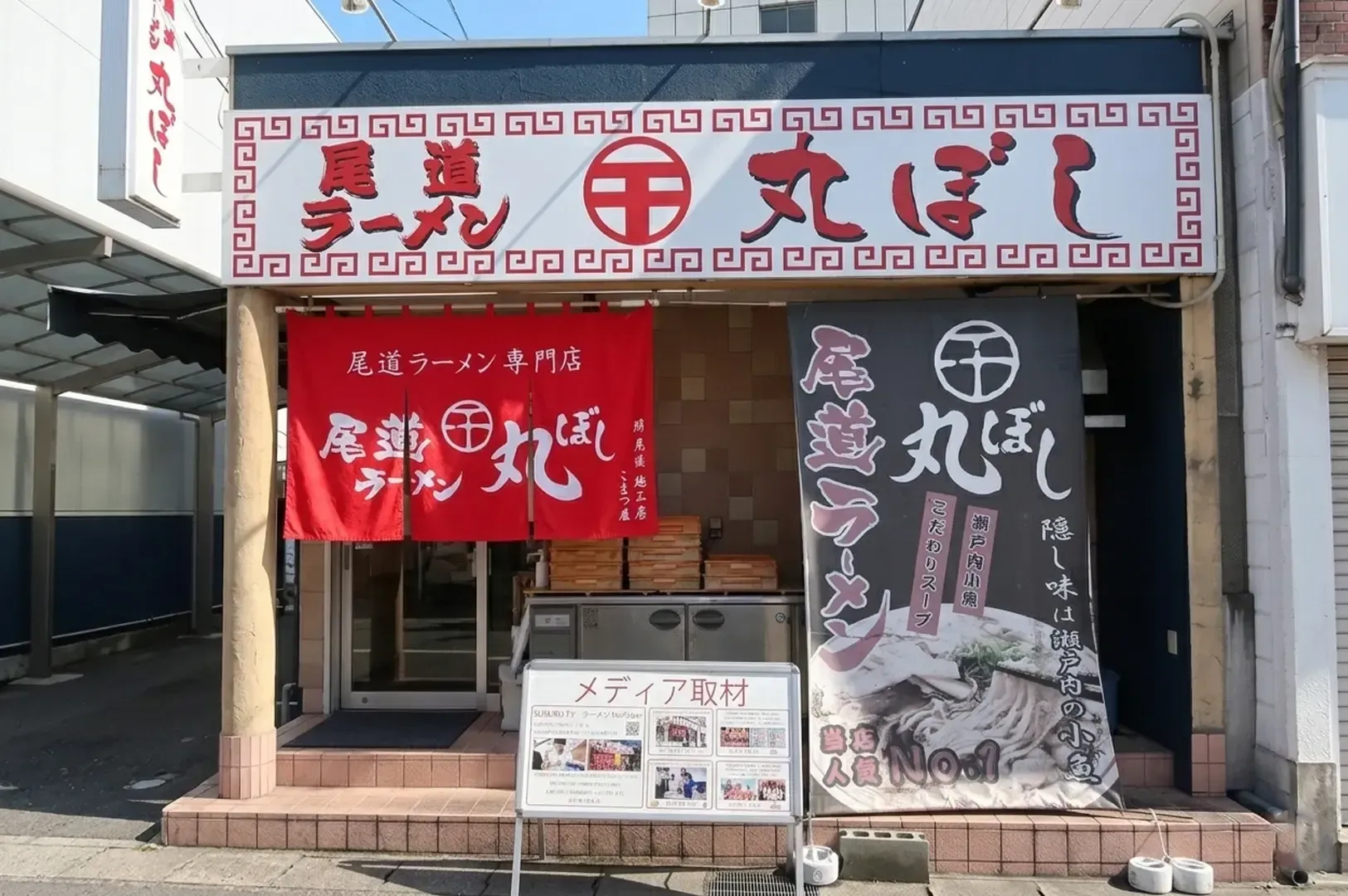
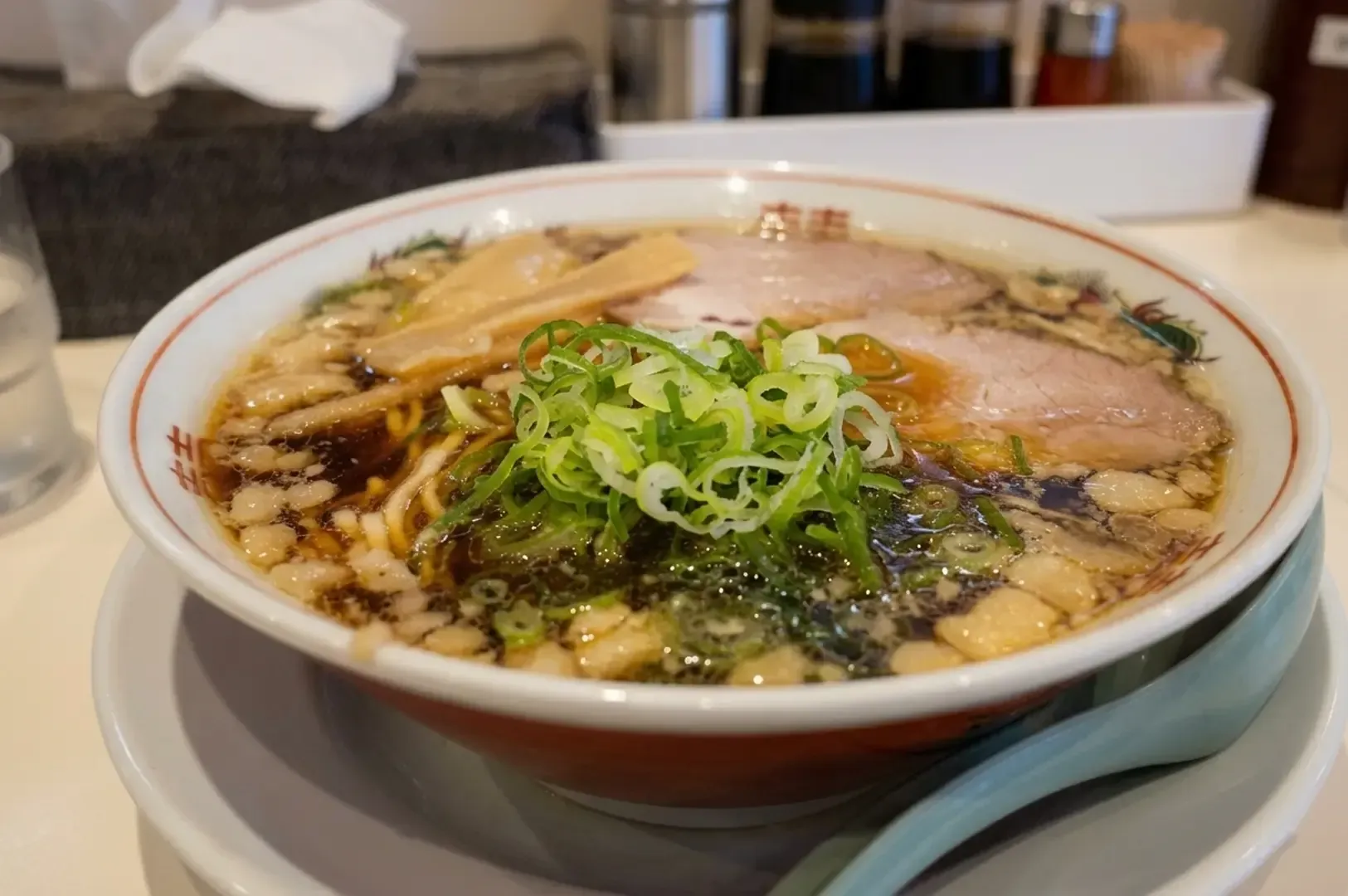
Among the many shops that serve this style, Onomichi Ramen Maruboshi stands out as a must-visit restaurant. Known for its piping hot bowls packed with flavor, Maruboshi’s ramen noodles are flat and medium-thick, with a tender texture that soaks up the broth beautifully. Their soup base is a clear soy sauce dashi that’s both rich and fresh, covered generously with pork fat that melts in your mouth.
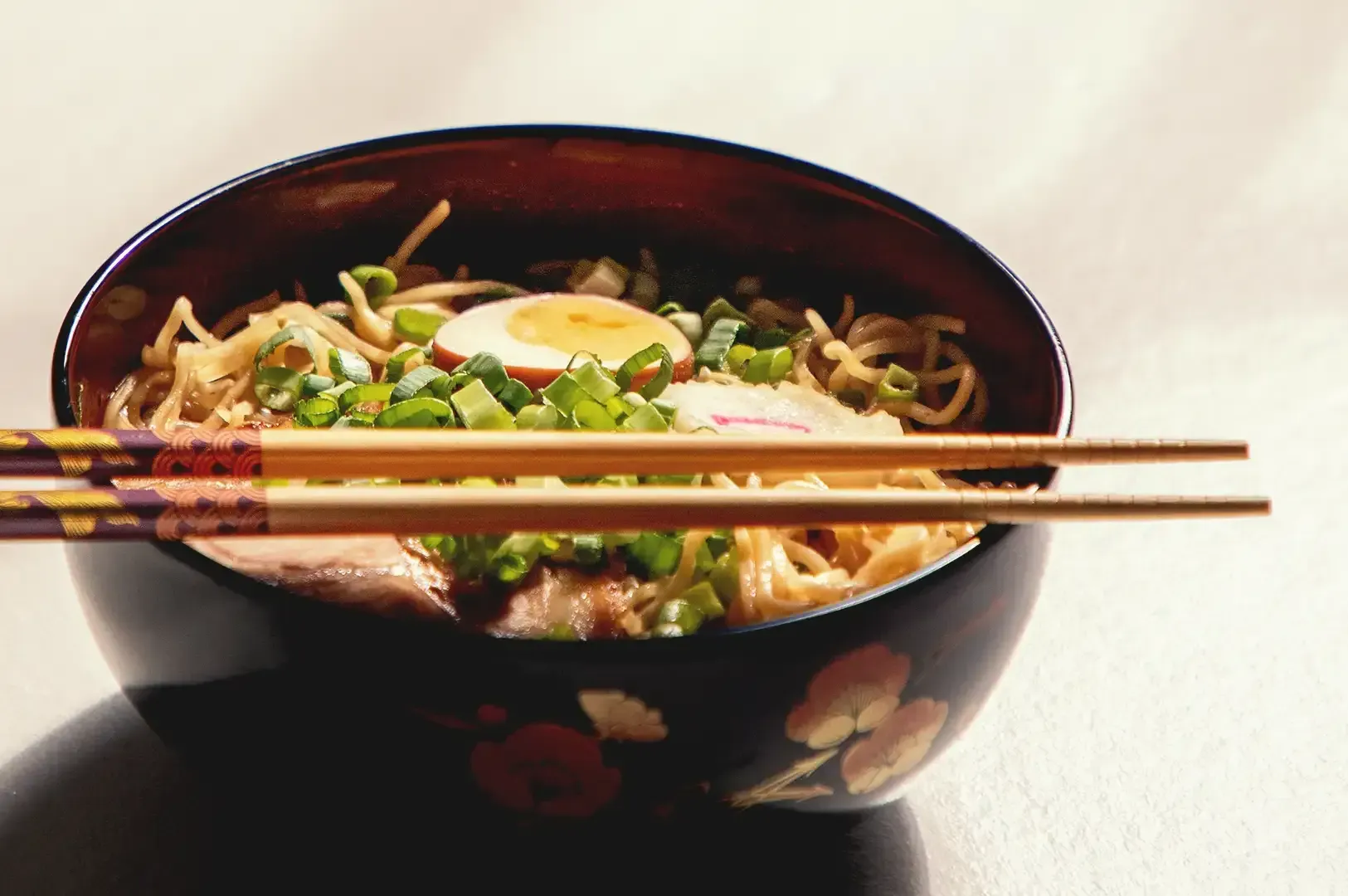
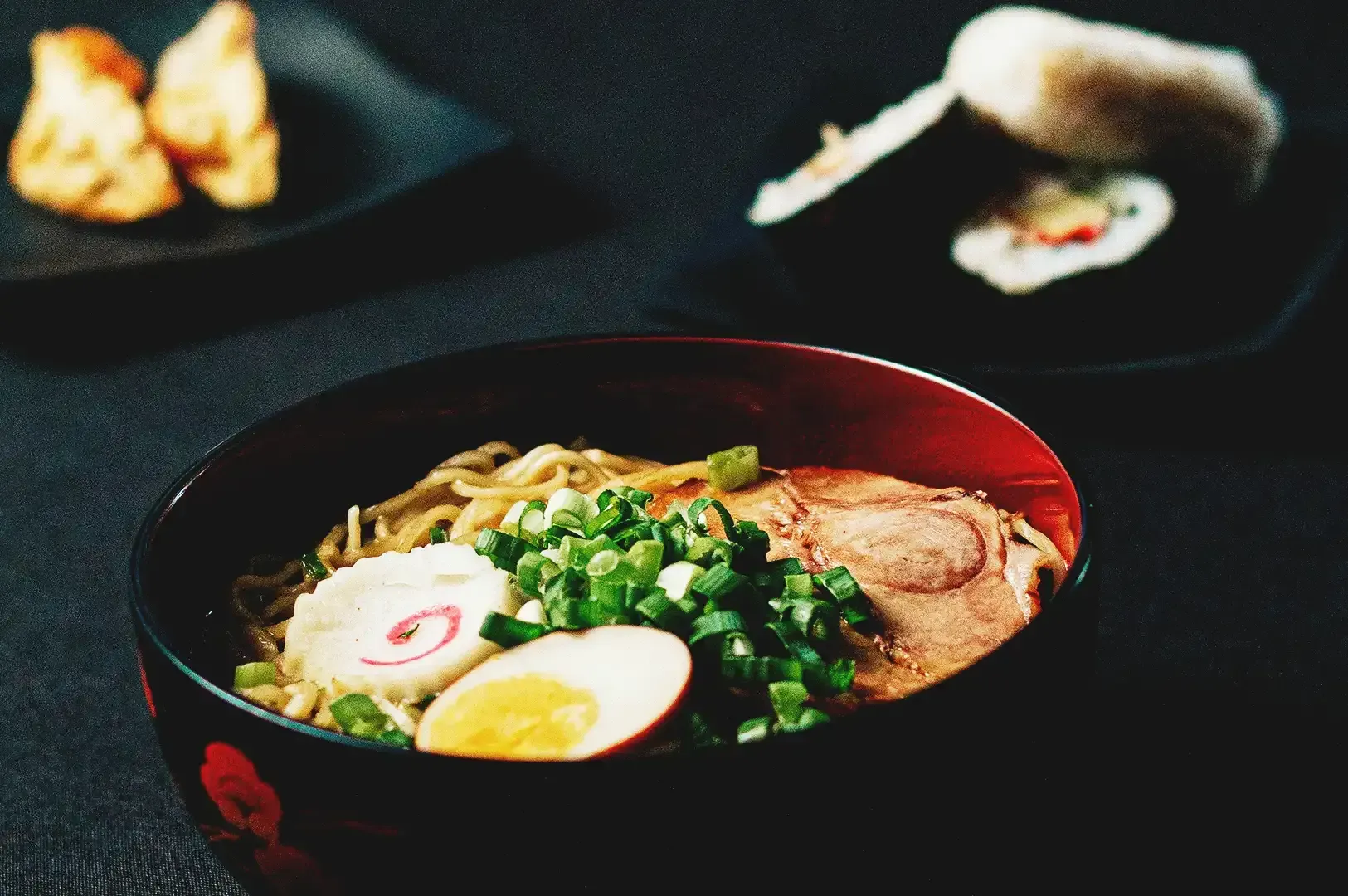
The toppings here focus on three types of classic ingredients: thin slices of tender chashu pork, crunchy bamboo shoots (menma), and fresh green onions. Occasionally, mushrooms and vegetables are added to enhance texture and balance. Many traditional ramen shops in Japan, including those serving Onomichi ramen, are cash-only establishments, so be sure to bring some yen with you. Each spoonful delivers a bit of the delicious umami-packed broth, pork fat richness, and the satisfying chew of the noodles.
What I love most about Maruboshi is how every ingredient feels thoughtfully placed, like the chashu melts just enough to complement the broth without overpowering it, and the bamboo shoots add a delightful crunch that keeps things interesting. It’s not just a meal; it’s a comforting experience that feels like a warm hug from the sea and the land.
What I Observed: If you ever find yourself wandering the streets of Onomichi, seeking something truly authentic and soul-satisfying, this bowl of ramen will welcome you like an old friend.
The Magic of Ramen Noodles and Pork Fat in Onomichi Style Ramen

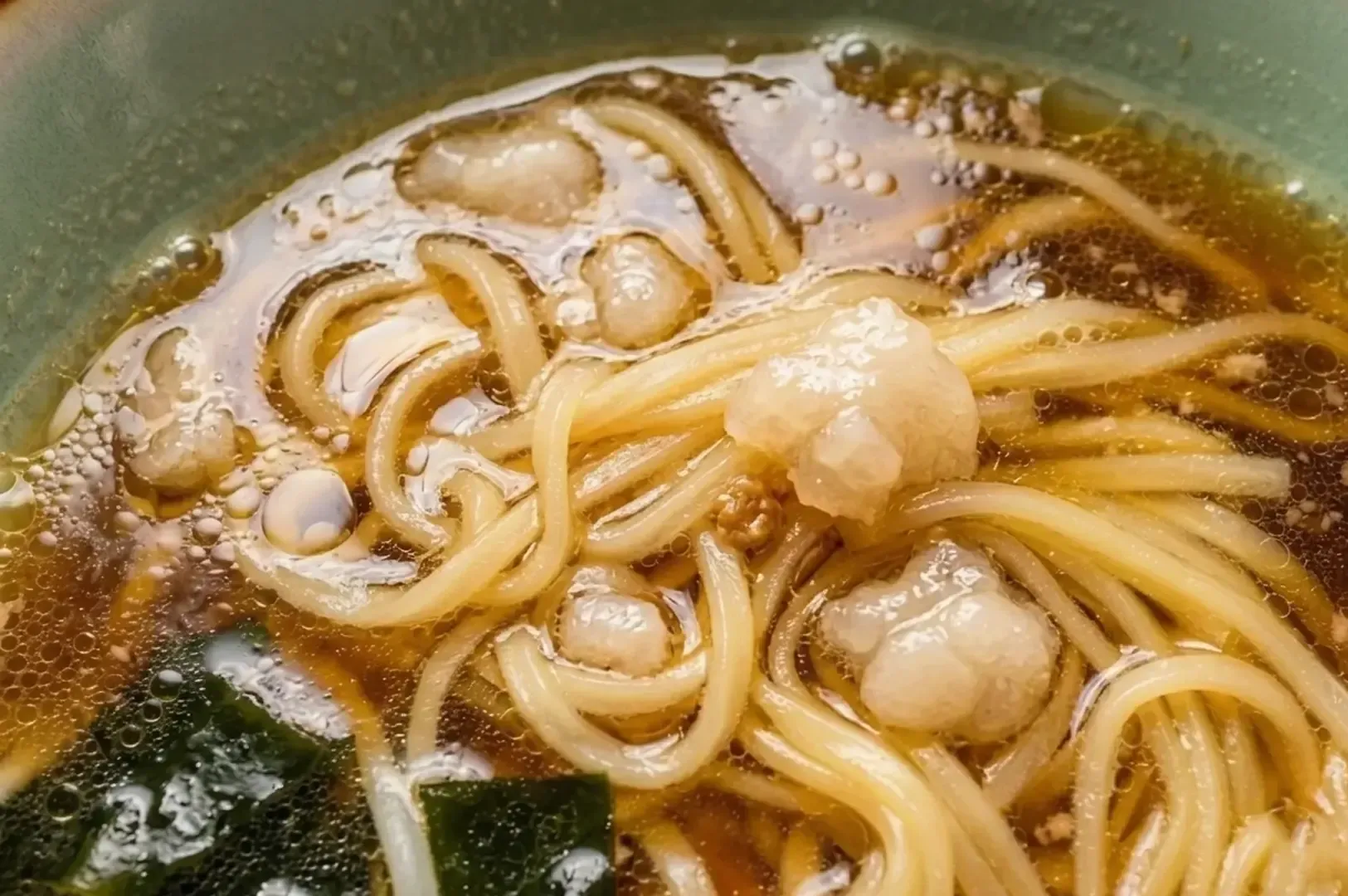
If Onomichi ramen stopped at delicate fish and chicken soup, it would be lovely but maybe not legendary. The real magic happens when your bowl arrives, and you spot those little white jewels floating on the dark, clear surface.
These are chunks of pork back fat, known as seabura in Japanese. At first, adding rich pork fat to a light seafood broth might sound crazy, but trust me, this is where Onomichi ramen truly shines. The pork fat is boiled until tender, and it melts the moment it touches your tongue, adding a subtle sweetness and a luxurious mouthfeel that transforms the entire dish. The broth remains clear and light, so the fat enhances rather than overwhelms, keeping the soup piping hot from the first slurp to the last drop. It’s a brilliant balance of indulgence and practicality.
The flat, slightly wavy ramen noodles are made to soak up every bit of this delicious broth. Their texture is perfectly soft yet firm enough to hold the rich flavors of the pork fat and the classic toppings like chashu pork, bamboo shoots, and green onions.
Thanks to the skillful chefs behind Onomichi ramen, this combination creates a perfect harmony of flavors and textures. Every bite is packed with depth, a satisfying balance of seafood, pork, and soy sauce flavors that makes Onomichi ramen a truly unforgettable experience.
Insider Tip: If you really want to up your Onomichi ramen game, don’t hesitate to ask for an extra spoonful of seabura on top. That extra pork belly richness amps up the broth’s flavor and keeps your bowl warm longer, perfect for savoring every last delicious drop.*
Onomichi Ramen’s Place in Hiroshima City and Beyond

With flavors this incredible, you might wonder why Hiroshima ramen, including Onomichi ramen, stays somewhat under the radar outside Japan. The answer lies in its complexity versus accessibility.
Over the past two decades, global ramen trends have favored extreme, immediately recognizable flavors. Thick tonkotsu broths are marketing gold, they hit you with intense, creamy richness that needs no explanation. Clean Tokyo-style broths appeal to refined lunchtime crowds seeking something light and elegant.
Onomichi ramen lives in a fascinating middle space that demands more from your palate. You need to appreciate the slightly bitter dried sardine notes dancing alongside rich pork fat and the savory soy sauce soup base. Replicating this overseas is tough, sourcing quality ingredients like iriko from the Seto Inland Sea, balancing the pork fat, and perfecting the broth ratios takes serious dedication from chefs. That’s why many shops in Hiroshima City and the surrounding prefecture treasure and protect this local style, with some even selling souvenir ramen noodles and soup bases in grocery stores for fans to cook at home.
Diners at Bakudanya can customize the heat level of their dipping sauces, allowing for a truly spicy experience tailored to individual preferences. When it comes to noodles, ramen noodles are often compared to pasta for their chewy texture and careful preparation, while the sauces used in tsukemen play a crucial role in enhancing the overall flavor of the dish.
Why You Should Visit and Taste Onomichi Ramen

We’re living in a golden age of food hunting. Diners want stories, geography, and the taste of place in their meals. This is exactly why Onomichi ramen deserves a spot at the top of your ramen hit list.
Eating Onomichi ramen is like experiencing the art of Japanese cuisine in a bowl. The chewy flat noodles, melting pork fat, and bright green onions cut through the rich soy sauce broth, keeping your palate engaged and guessing. Every spoonful delivers a different ratio of soup, fat, and ocean flavor. It never gets monotonous or heavy despite the pork fat richness. It’s working-class comfort food that accidentally achieved fine-dining flavor sophistication.
Next time you’re at a serious ramen restaurant, scan that menu differently. Skip the familiar heavy pork bowls everyone already knows. Ask about regional styles, seafood-forward broths, or anything with seabura. And if you ever visit Hiroshima Prefecture, make the call to step off the bullet train in Hiroshima City, catch the local line down to the port city of Onomichi, and find a bustling shop covered in toasted soy and dried fish aromas.
Order a steaming bowl of Onomichi ramen, embrace the rich pork fat floating on top, and taste what the Seto Inland Sea has been quietly perfecting while the rest of the ramen world chased bigger, louder flavors.
For a more deep dive into ramen discoveries and contents, click and visit
Savor the Best Japanese Curry Singapore: Must-Try Curry Rice and Ramen Combos
Recent Posts