The Power of Simplicity: Why Marutama’s Minimalist Ramen Noodles Approach Works
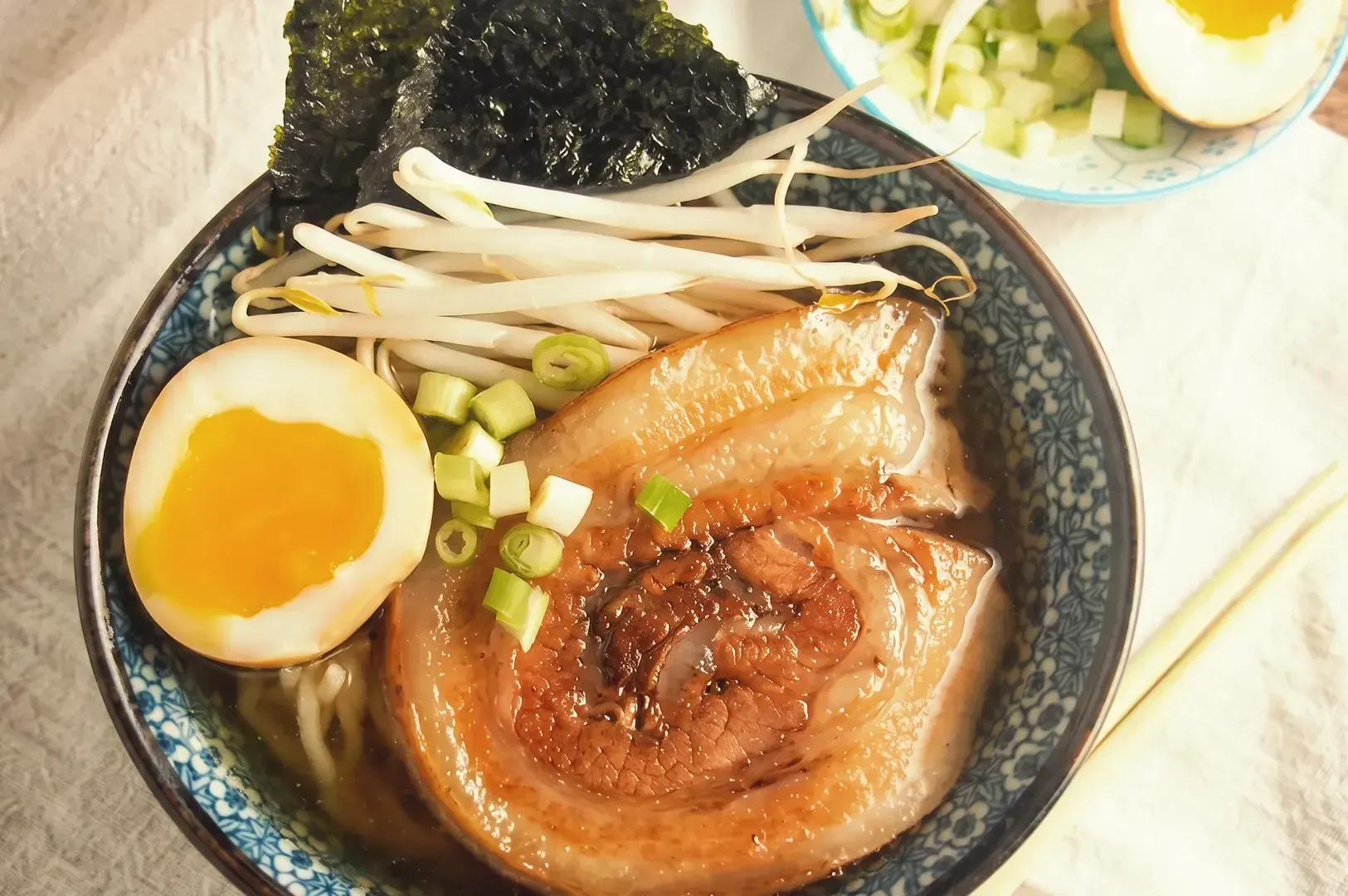
I’ve seen those viral food photos too, the massive bowls of noodles buried under a mountain of toppings. You might spot three types of braised pork, an entire sheet of roasted seaweed, a handful of bamboo shoots, sweet corn, a pat of butter, and a perfectly oozing soft boiled egg. These bowls are undeniably beautiful and incredibly fun to look at. But when I finally pick up my chopsticks and dig in, the experience can quickly become overwhelming. The delicate balance of the flavorful broth gets lost in the noise of a dozen competing flavors.
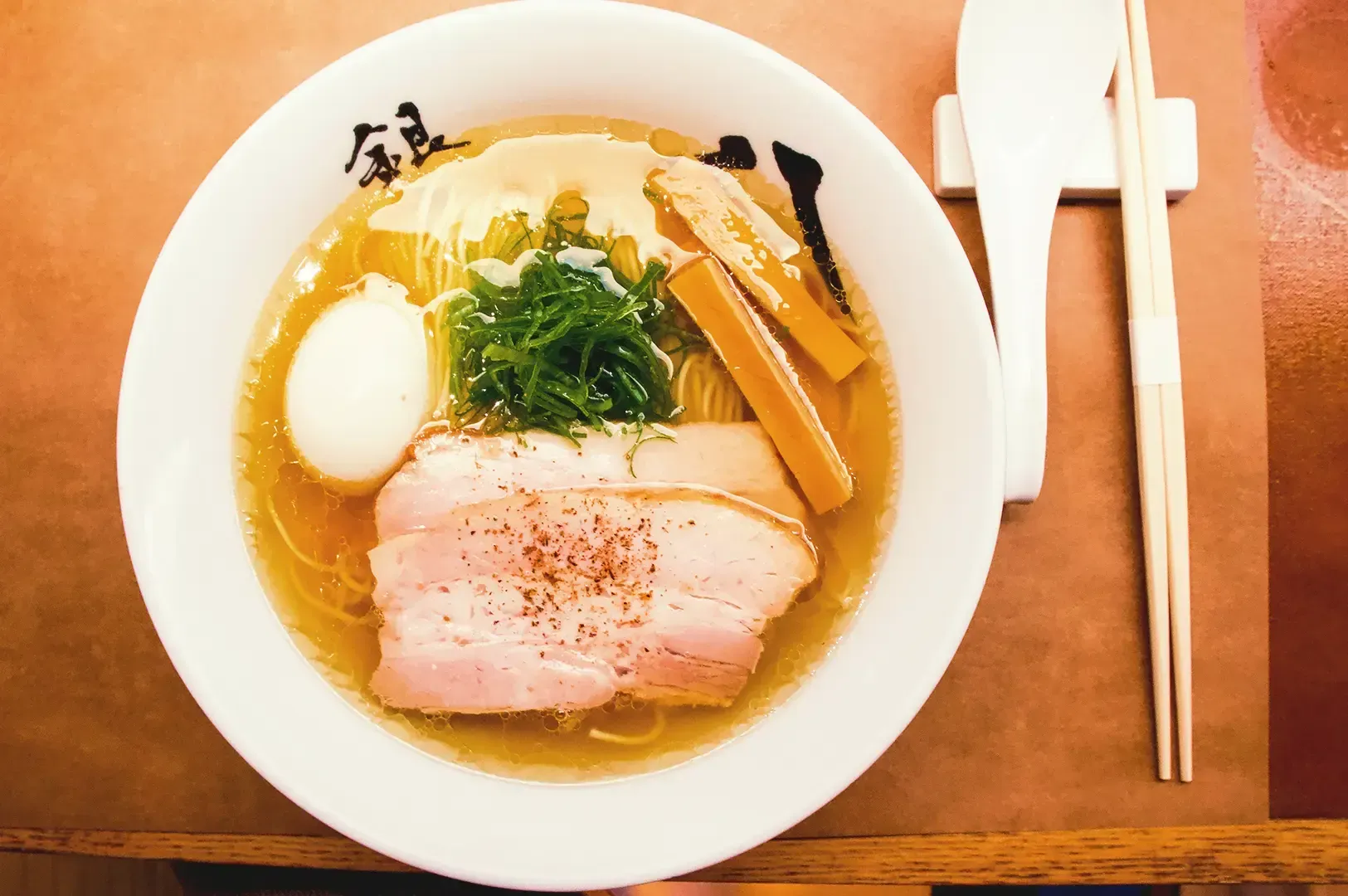
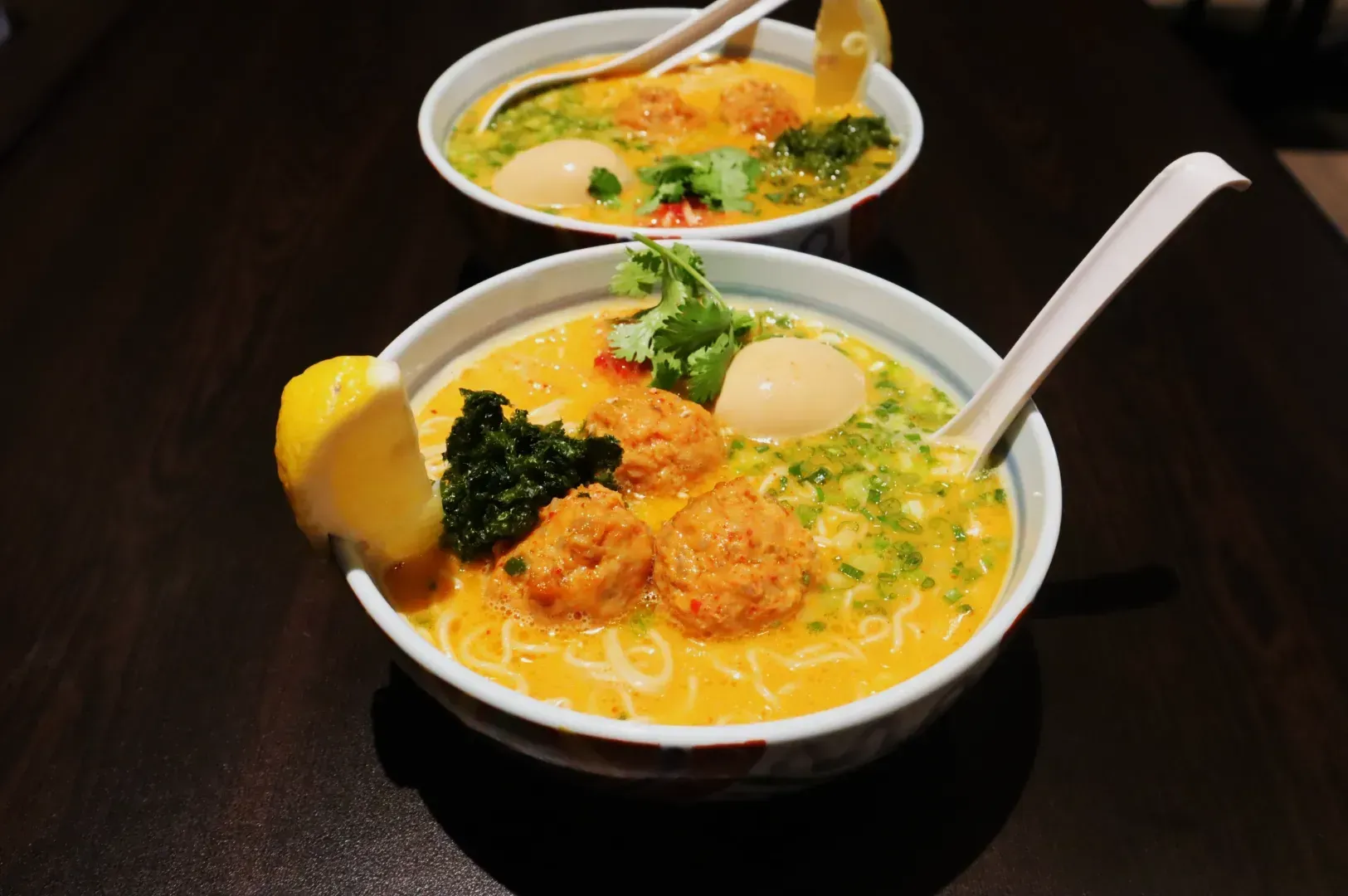
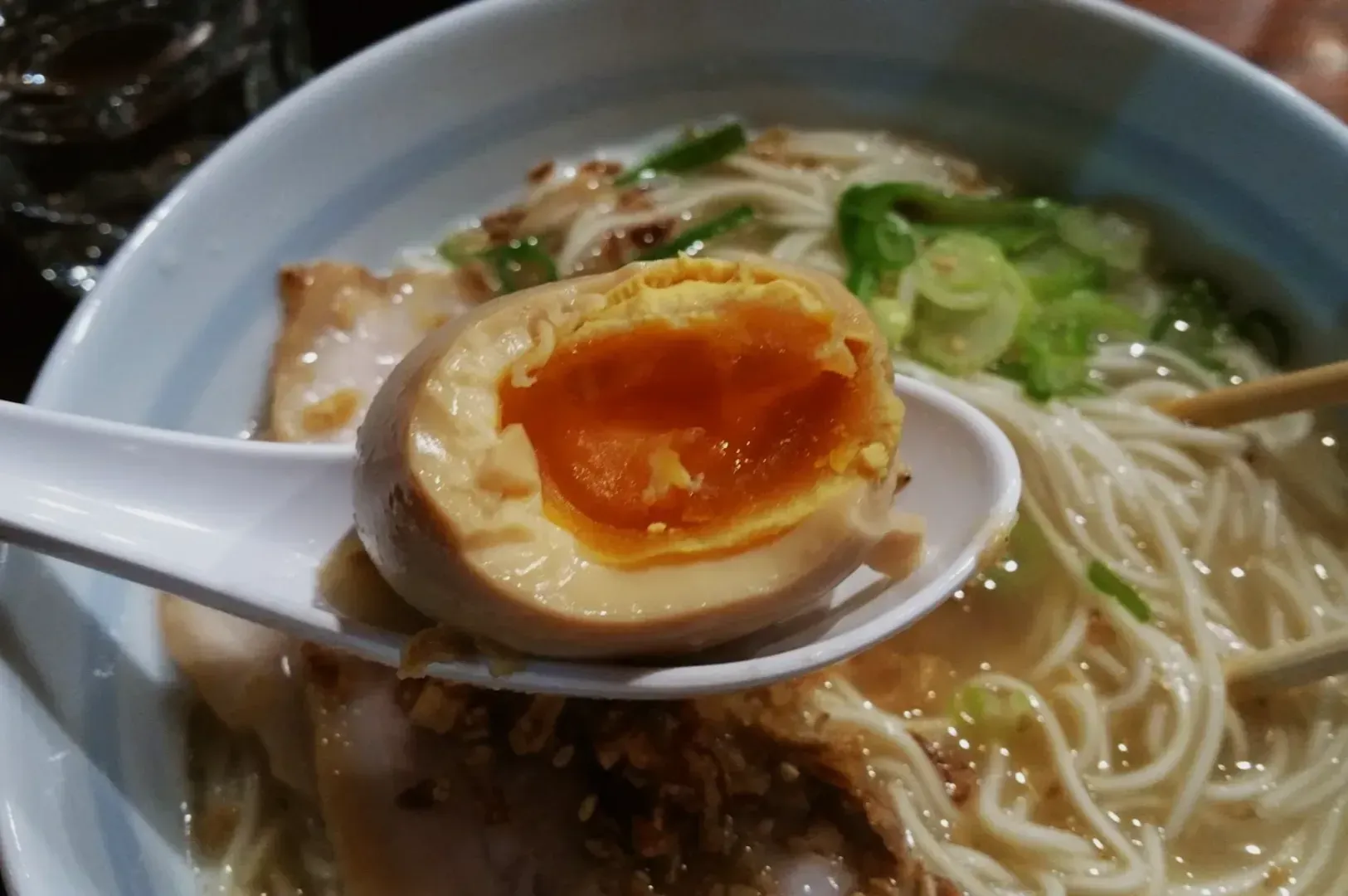
That’s why I appreciate a completely different philosophy of cooking. When I order a bowl of Marutama ramen, the visual experience is strikingly different. The bowl arrives looking almost bare. I see a pool of creamy, opaque chicken broth. Beneath the surface, a neat fold of ramen noodles waits. A scattering of fresh green onion brightens the top, alongside perhaps a single, unassuming slice of shredded chicken or rotisserie chicken, and their famous soft boiled egg. It’s a quiet, confident presentation.
This exact restraint is what makes
minimalist ramen so deeply compelling to me. By stripping away the excess distractions, the kitchen forces me to pay attention to the absolute fundamentals of the craft.
The Bravery of Simple Ramen Recipe Done Right
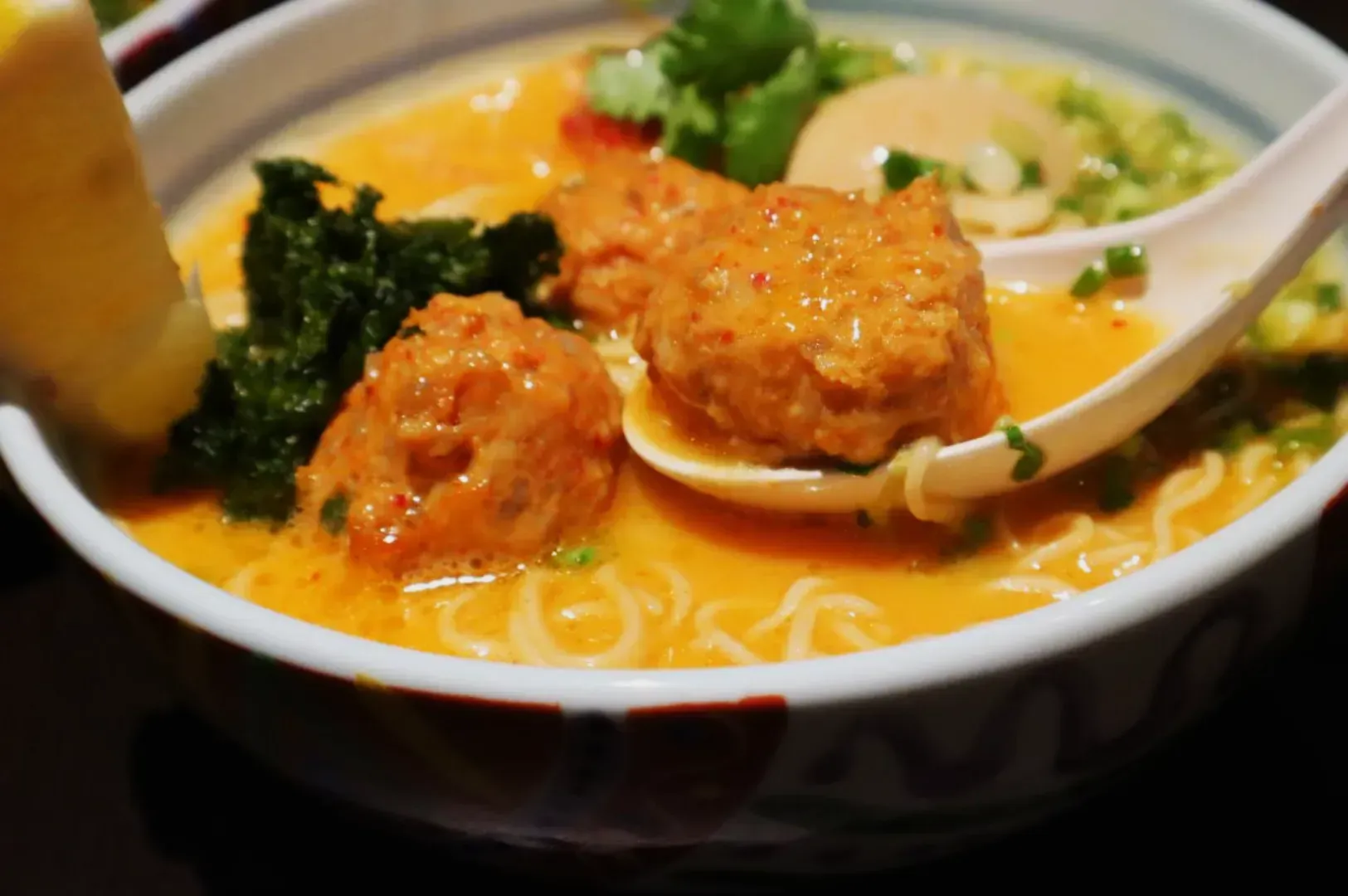
In the culinary world, I’ve learned there’s a well-known truth. When you have fewer ingredients on the plate, there’s nowhere to hide your mistakes. If a chef masks a mediocre ramen broth with spicy chili oil, heavy garlic paste, and a dozen salty toppings like chili flakes or a seasoning packet, the diner might never notice the flaws. The bold additions hijack the palate.
Creating simple ramen done right requires a tremendous amount of vulnerability and skill. A minimalist bowl demands flawless execution. Every single component must be perfect because every component commands my full attention. Marutama embraces this philosophy wholeheartedly. They understand that true luxury in food often comes from extreme focus rather than endless variety. When I take my first sip of their signature flavorful broth, I immediately taste the results of this brave approach. It’s an exercise in culinary purity.
The Science and Soul of Chicken Ramen Broth
To understand why Marutama commands such respect among serious noodle enthusiasts like me, I have to look closely at their foundation. While many popular shops rely on heavy, pork-based tonkotsu broths, Marutama takes a different path. They specialize in a pure chicken ramen broth, specifically a style known as tori paitan.
Making this soup requires immense patience and precise ramen broth technique. The kitchen staff boils massive amounts of chicken bones over a rolling, aggressive medium high heat for many hours. This violent boiling process is completely intentional. The intense heat breaks down the natural collagen found in the bones, cartilage, and connective tissues. As the collagen breaks down, it transforms into gelatin. This gelatin then emulsifies with the natural fats of the chicken, suspending them permanently in the water.
The final result is a thick, creamy, and visually opaque soup. It carries the deep, comforting essence of a classic chicken roast but features the luxurious, coating mouthfeel of a heavy cream. However, unlike pork broths that can sometimes leave me feeling sluggish and overly full, this chicken broth remains surprisingly light on the stomach. It delivers maximum umami without the heavy, greasy aftermath.
Personal take: I find this approach to be a refreshing change. The clarity and purity of the chicken broth allow me to savor each sip without feeling weighed down. It’s a broth that invites you to slow down and appreciate the craft behind it, a true testament to the art of minimalist ramen.
Building Flavor from the Ground Up in Your Homemade Ramen
A great bowl of ramen is never just a simple soup. It’s a carefully engineered architecture of flavors. Even in a minimalist setting, the interplay between these hidden layers dictates the entire eating experience.
The Crucial Role of Tare, Seasoning, and Aroma Oil
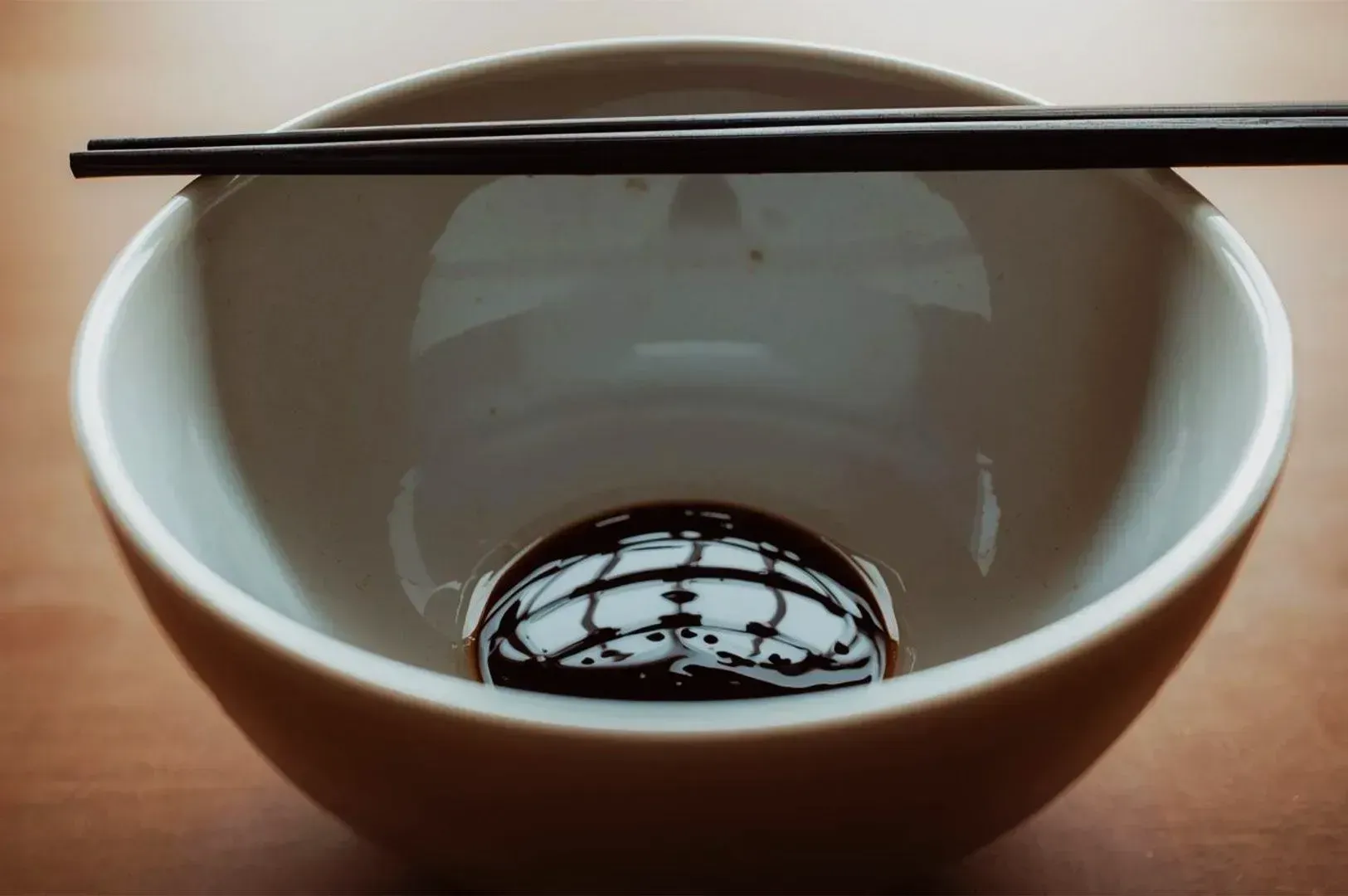
The secret weapon in any ramen bowl is the tare. This is the highly concentrated seasoning base resting at the very bottom of the bowl before the kitchen pours the hot soup over it. The tare provides the necessary salt, acidity, and deep umami required to bring the unseasoned chicken broth to life. In a minimalist bowl, the balance of this tare must be meticulously calibrated. If it’s too salty, it destroys the subtle sweetness of the chicken. If it’s too weak, the bowl tastes flat and uninspired.
Equally important is the aroma oil floating on the surface of the soup. Fat carries flavor. When the hot soup hits the bowl, it warms the aroma oil, often toasted sesame oil or sesame oil, releasing fragrant, volatile compounds into the air. Before the spoon even reaches my lips, my olfactory system registers these deeply toasted, savory notes. This invisible layer of scent primes my brain for the rich flavors about to follow.
Noodles and Toppings: Texture and Structure in Minimalist Ramen
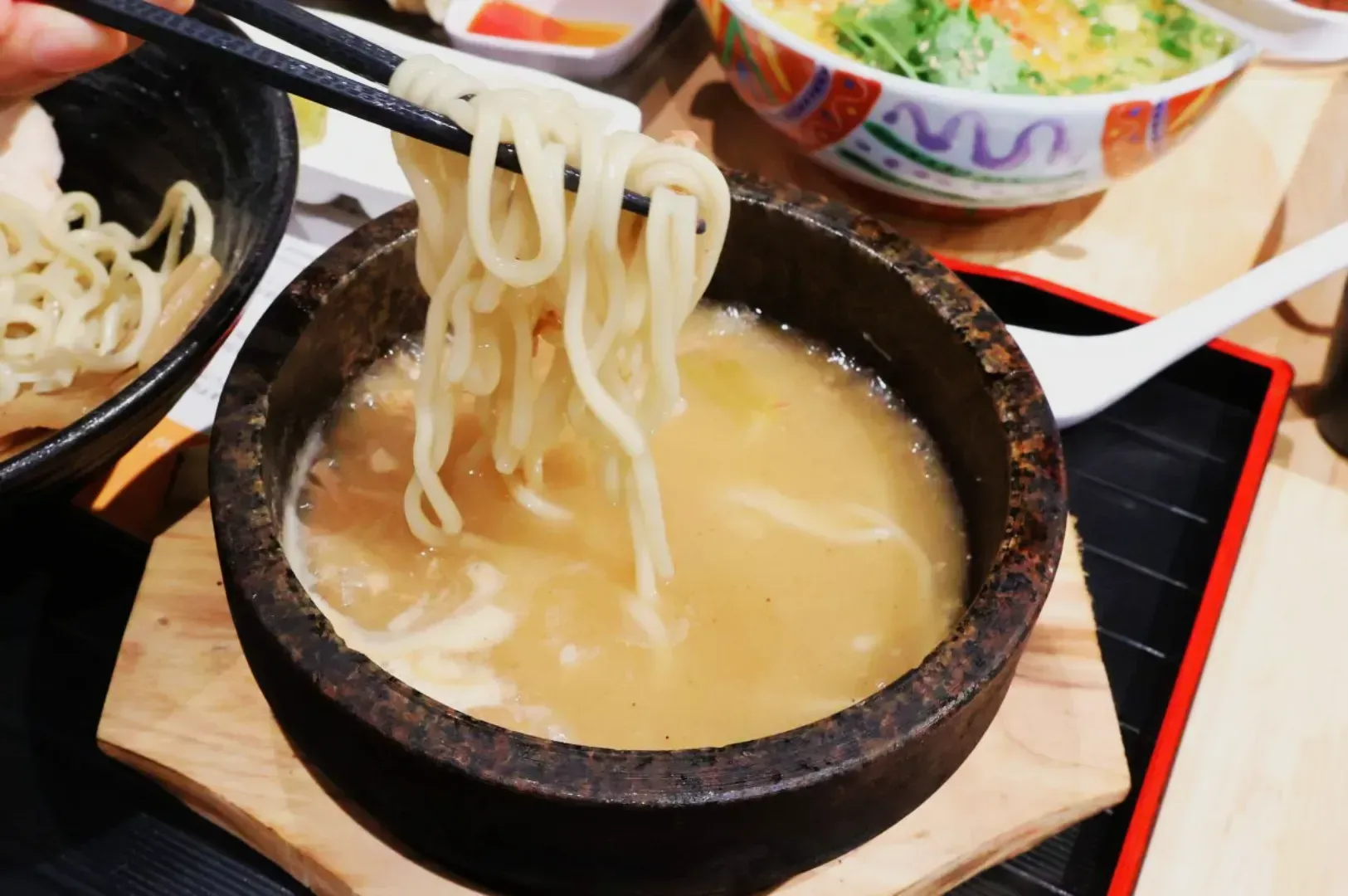
I often think of noodles not just as a vehicle for the soup, but as the structural core of the dish. When the broth is this refined and focused, the noodles must offer a perfect textural counterpoint.
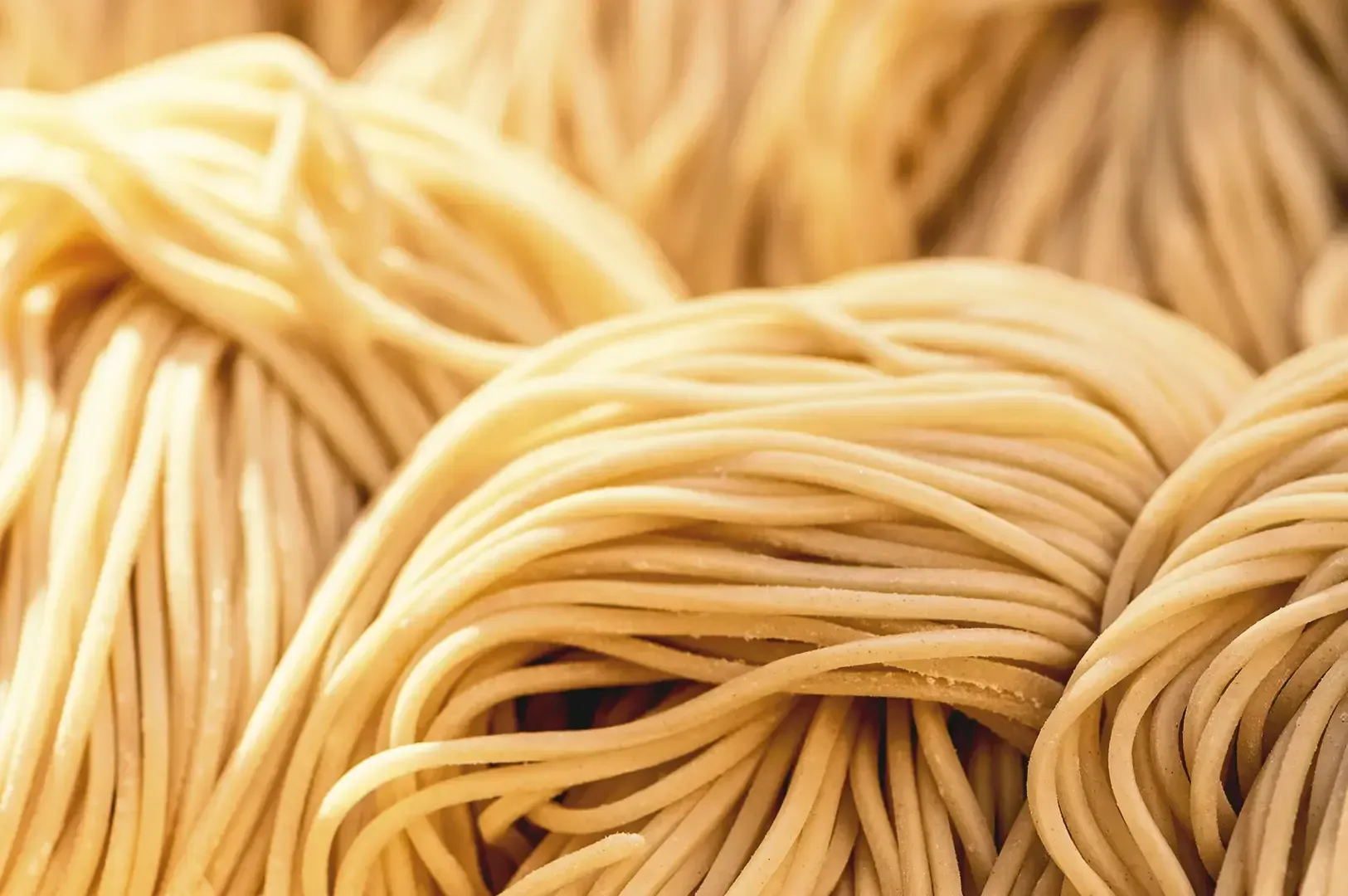
Marutama uses relatively thin, slightly wavy ramen noodles. This specific shape and thickness are chosen for a very deliberate reason. The high surface area of the wavy strands catches and holds the thick, gelatinous chicken broth beautifully. When I slurp the noodles, I’m simultaneously drinking the soup.
Furthermore, the chew of the noodle is paramount. In Japanese, this firm, springy texture is highly prized. It provides a satisfying resistance against my teeth, forcing me to chew deliberately. This physical engagement slows down my eating pace just enough to let me fully register the complex flavors unfolding in my mouth. The wheat flavor of the noodles also acts as a subtle, sweet canvas that balances the savory weight of the soup.
Minimalist ramen toppings are carefully chosen to complement without overpowering. Fresh veggies like bok choy, shredded carrots, shiitake mushrooms, spinach, and leafy greens add color and texture. A sprinkle of sesame seeds or red pepper flakes can add a delicate crunch or a hint of heat. The soft boiled egg adds richness, while a dash of soy sauce or a drizzle of chili oil can add more flavor. I like to add shredded chicken or rotisserie chicken for protein, or sometimes shrimp for a seafood twist.
From my own experience: this minimalist approach not only highlights the quality of each ingredient but also transforms the act of eating ramen into a mindful, almost meditative ritual. Each bite feels intentional, allowing me to savor the harmony of textures and flavors in a way that more cluttered bowls often don't permit.
How I Make This Recipe: Easy Homemade Ramen at Home
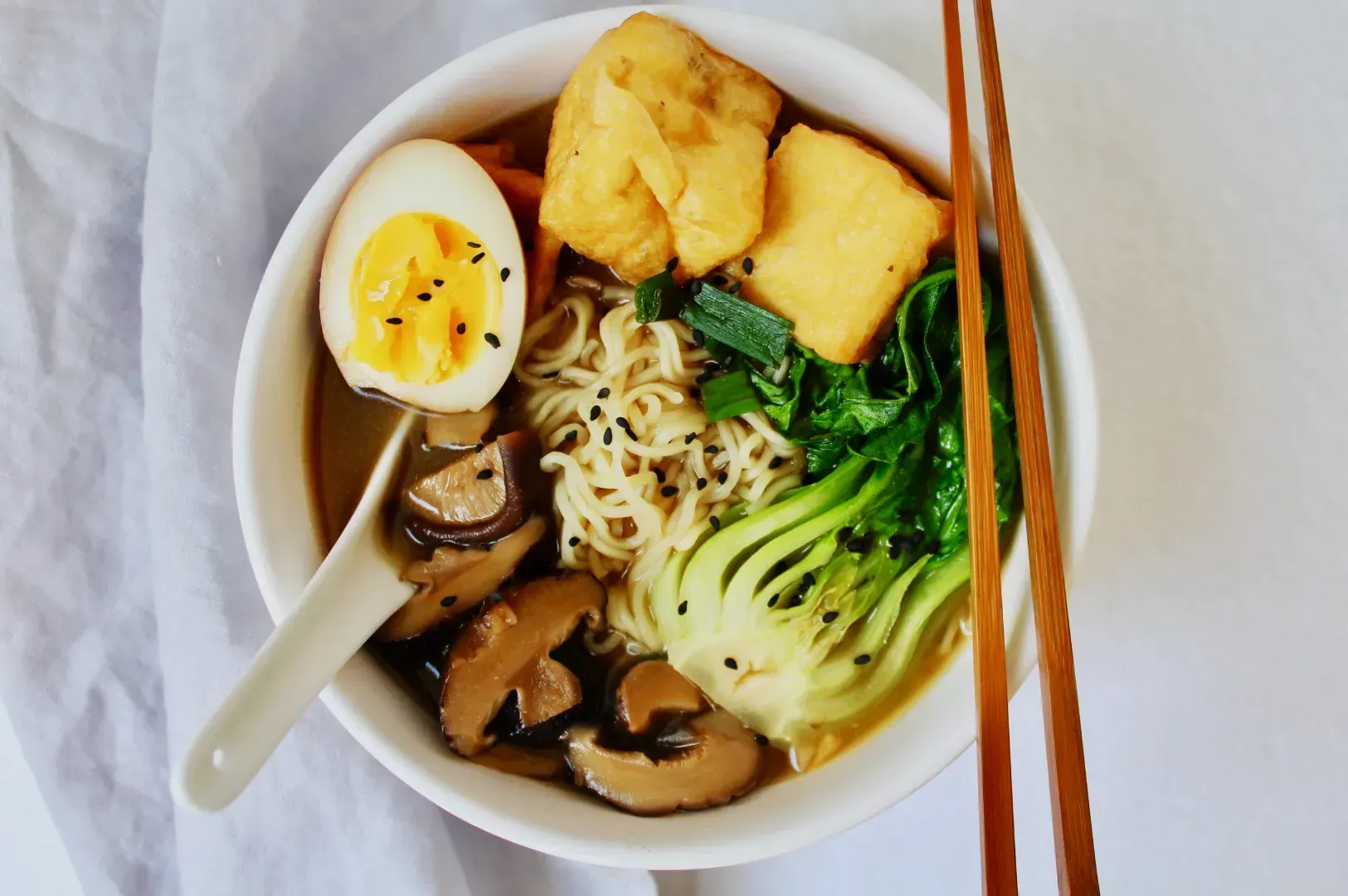
If you want to make this recipe yourself, you can easily prepare a great bowl of ramen at home with ingredients from your local grocery store. Using a pot on medium heat, I simmer chicken broth with garlic, ginger, dried mushrooms or shiitake mushrooms to build a flavorful broth base. I add fresh veggies like bok choy and shredded carrots, and cook ramen noodles or rice noodles until tender but firm.
For a quicker meal prep, I use store bought rotisserie chicken or shredded chicken to add protein without extra cook time. I avoid the seasoning packet from instant ramen for a more authentic, flavorful broth.
Instead, I season with soy sauce, toasted sesame oil, and chili flakes or red pepper flakes for a tasty balance.
I cook the noodles separately or in the broth, stirring occasionally. I use medium heat to simmer and reduce heat as needed to prevent overcooking. Then I serve immediately in a large bowl with my chosen toppings, garnished with green onion and sesame seeds.
If you want to explore more about Marutama ramen, just visit
A Subtle Yet Memorable Bowl Awaits at Marutama Ramen Singapore
Equipment Notes for Making Easy Homemade Ramen
You don’t need fancy equipment to make this great recipe. A simple pot or stockpot with a lid, a stove set to medium or medium high heat, and basic utensils like a ladle and chopsticks or tongs will suffice. If you have a
cook mode setting on your electric cooker, I recommend using it to control simmering and boiling stages precisely to
prevent overcooking.
Instant Ramen: A Quick Alternative with More Flavor
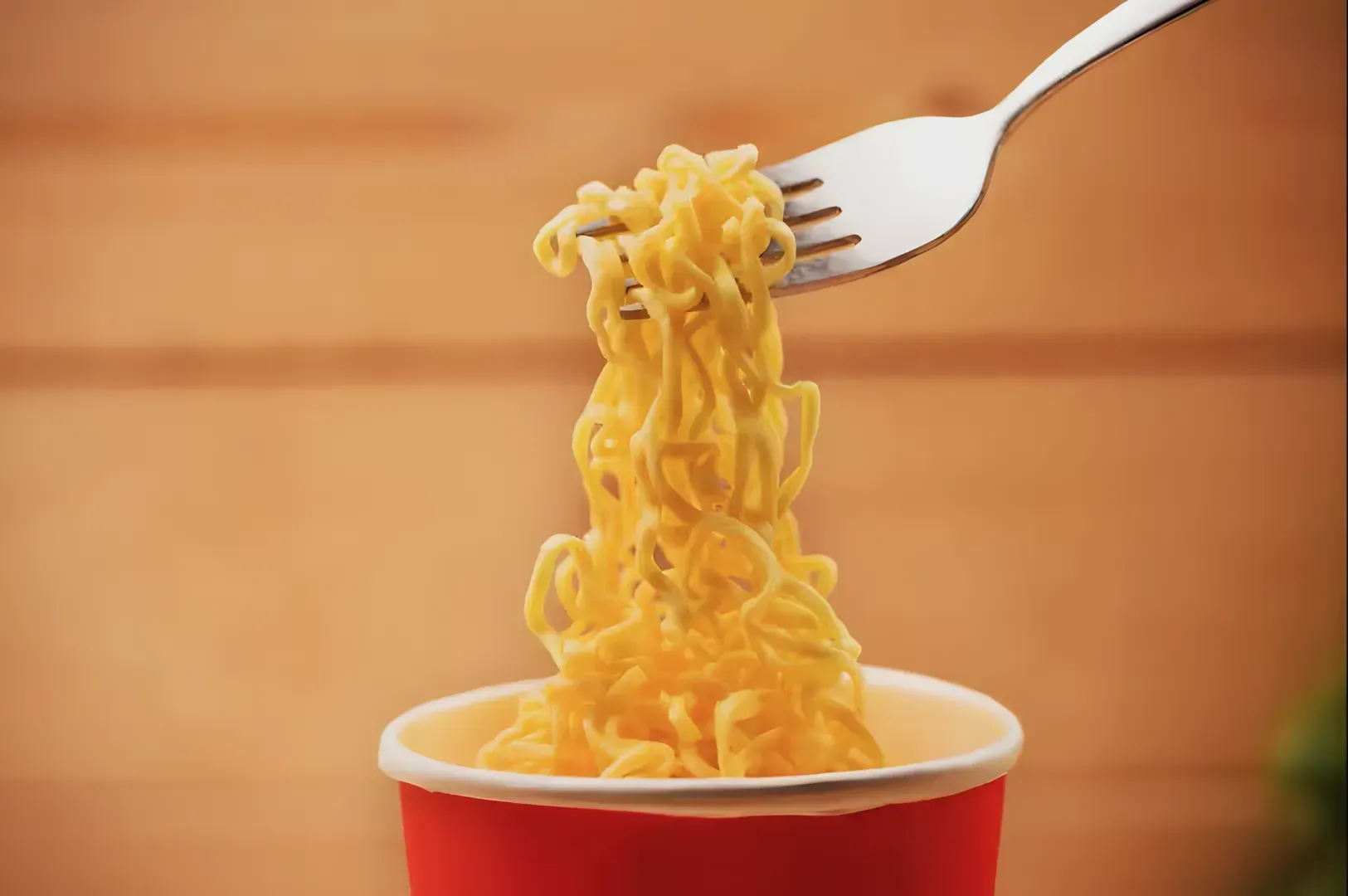
While instant noodles and seasoning packets offer convenience, they often lack the depth of a homemade ramen broth. However, I like to elevate instant ramen by adding fresh veggies, shredded chicken or rotisserie chicken, a soft boiled egg, and a drizzle of toasted sesame oil or chili oil. I toss in some shiitake mushrooms, spinach, or bok choy to add texture and nutrition.
This quick dinner method is super easy and perfect for busy nights or meal prep. I just boil water on medium high heat, cook the instant noodles according to package instructions, add my toppings, and serve immediately in a large bowl.
Conclusion and Featured comment
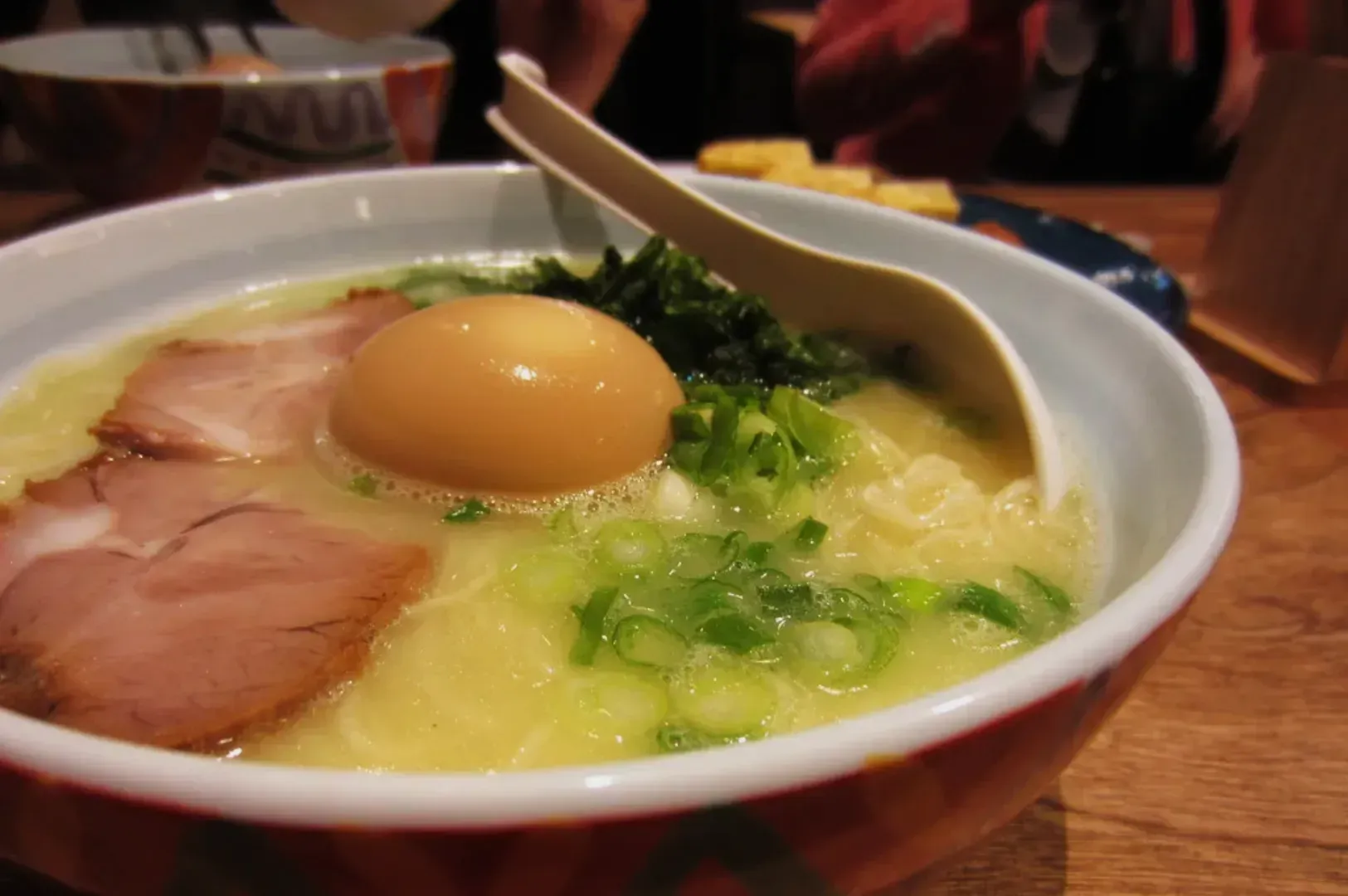
Thank you so much to everyone who has tried making this minimalist ramen recipe at home! The balance of flavorful broth, chewy ramen noodles, and fresh veggies creates a tasty, comforting meal that truly celebrates simplicity. Adding touches like toasted sesame oil and chili flakes enhances the flavor even more.
I encourage you to keep experimenting with toppings such as shredded carrots, green onion, leafy greens, and
shiitake mushrooms to personalize this recipe. Embracing a
minimalist approach allows the core ingredients to shine, delivering a deeply satisfying ramen experience that is both nourishing and delicious.
Recent Posts