What Makes Mazesoba So Addictive? A Dry Ramen Noodles.
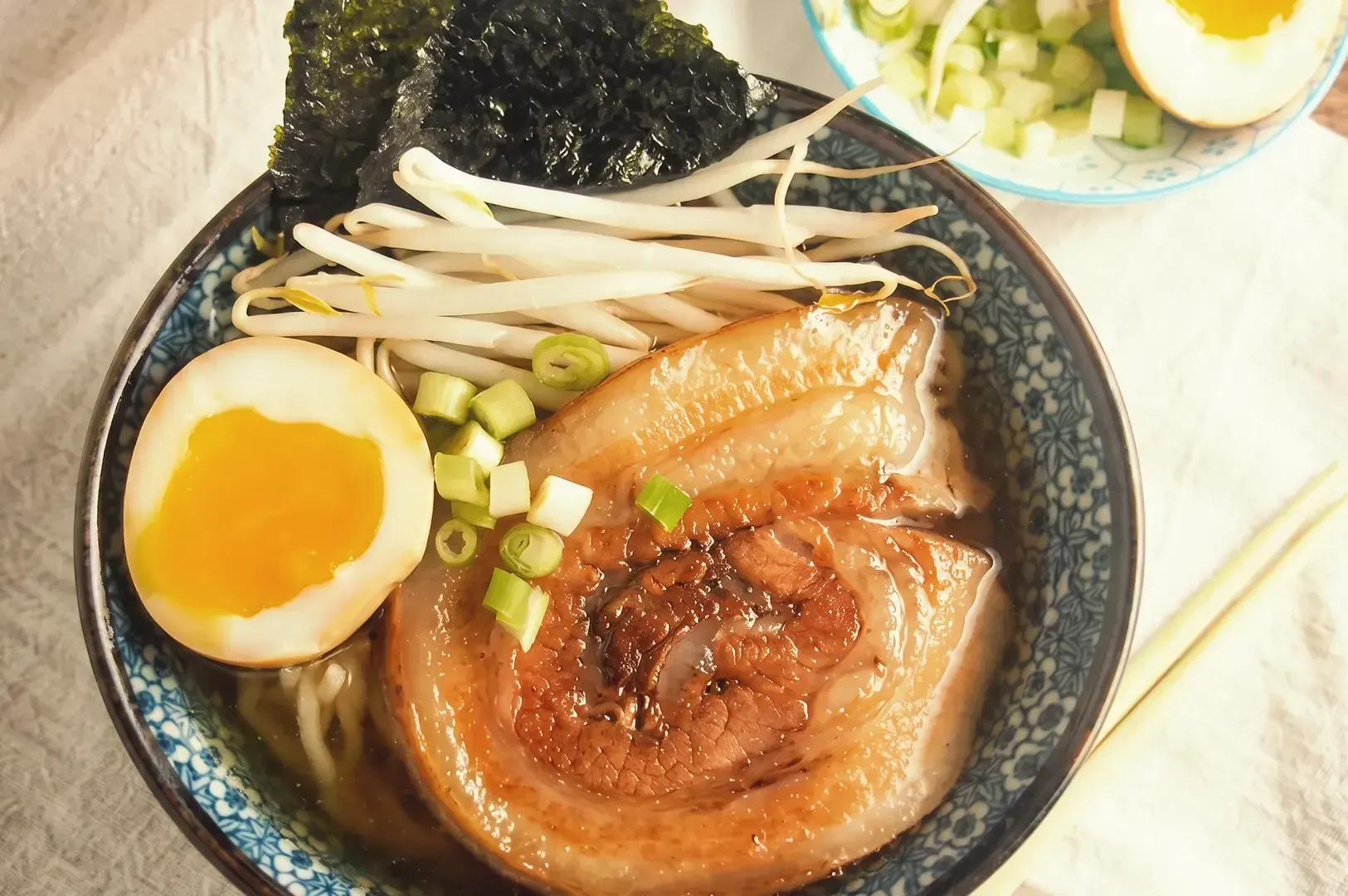
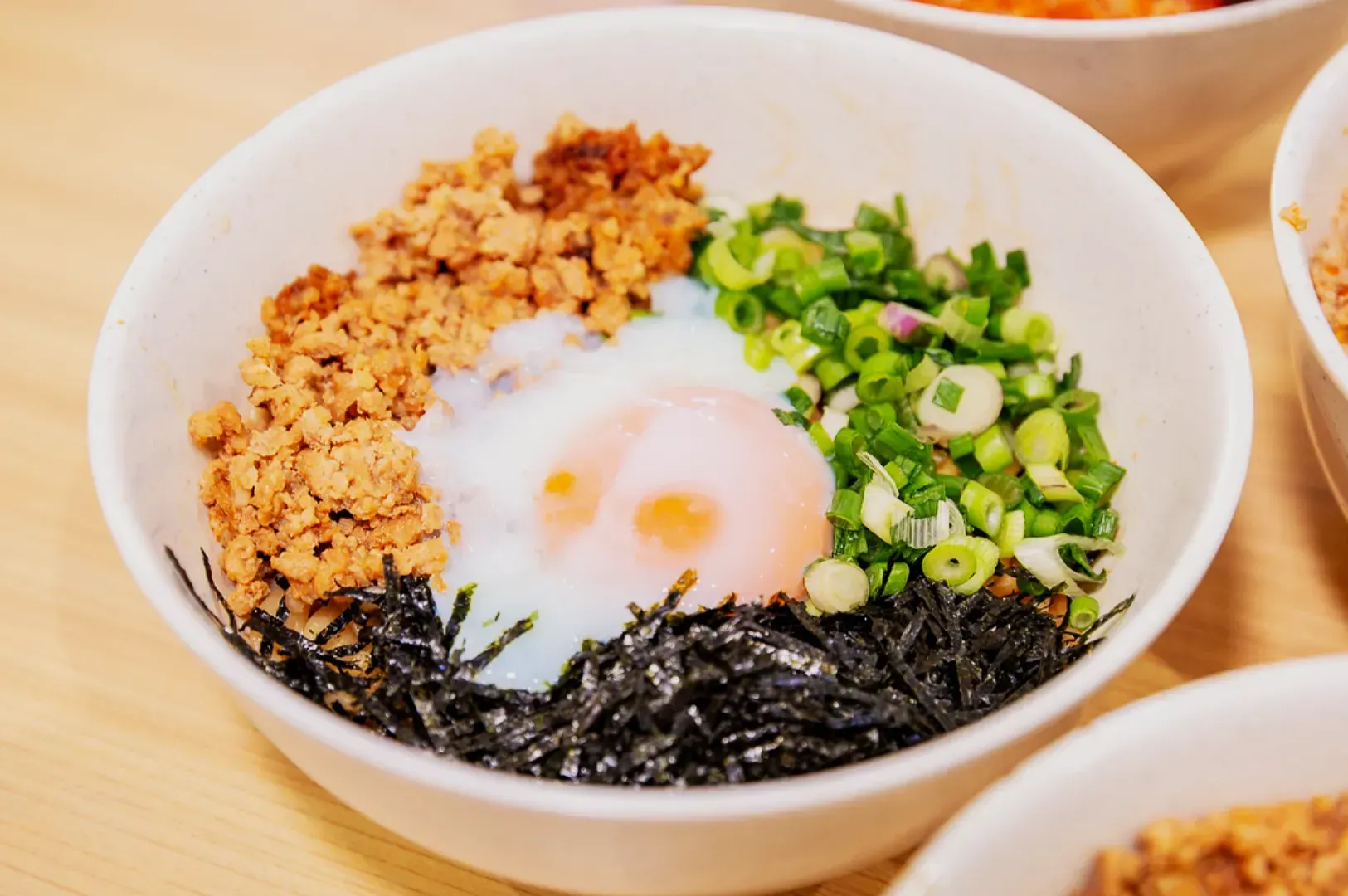
The heavy ceramic bowl lands on the table with a soft thud. There is no steam rolling off a deep pool of simmering broth. Instead, a colorful, precise mosaic of ingredients waits in perfect formation. A pristine, golden yellow egg yolk rests right in the center. You plunge your chopsticks straight into the middle, breaking the yolk, and drag the thick dry noodles up from the bottom.
Suddenly, a thick cloud of hot, savory steam rushes upward. The intoxicating smell of toasted sesame, roasted garlic, and rich pork oil fills the air. This sensory explosion is the exact moment you understand the obsession.
The Story Begins: History and Origins of Mazesoba
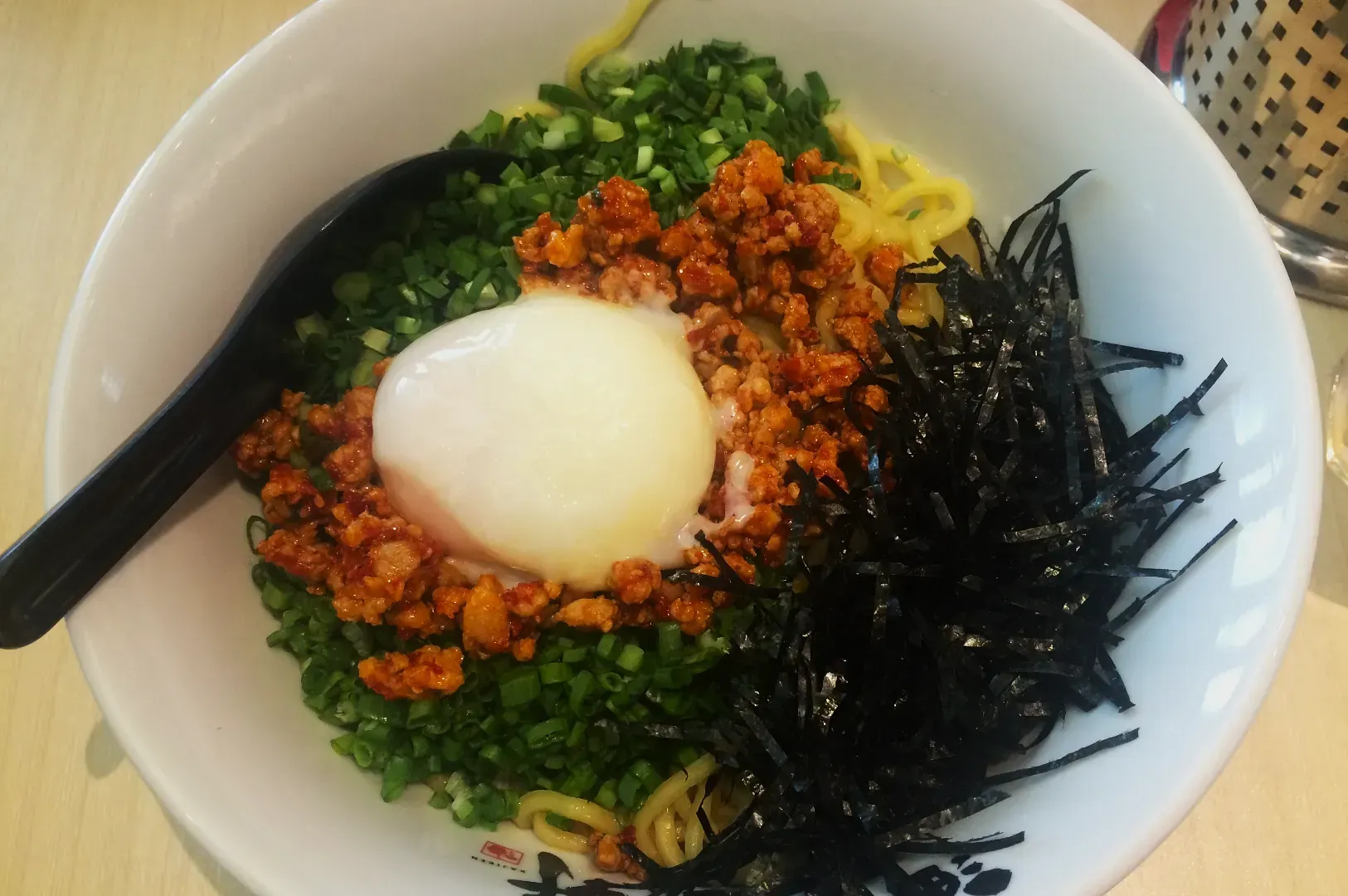
Mazesoba burst onto the scene in the early 2000s, and honestly? It completely flipped what we thought we knew about noodle bowls. Picture this: innovative chefs across Japan were getting restless with the same old ramen routine, so they decided to shake things up in the boldest way possible. The Fukuoka region sparked this revolution, mazesoba, those incredible dry noodles that ditch the broth entirely and dare you to experience something completely different.
No swimming pools of soup here; instead, these beauties get tossed with concentrated sauce and killer toppings that let every single ingredient absolutely sing. It's ramen's confident cousin who shows up to the party and changes everything.
Word spread like wildfire, and suddenly everyone was obsessed, not just across Japan, but friends everywhere started texting about their latest mazesoba discoveries. Then came the game-changer: instant versions hitting store shelves, turning our kitchens into experimental playgrounds where we could perfect our technique without leaving home. Here's the thing though, timing is everything with these noodles. Cook them just right and you get that perfect chewy resistance that makes your chopsticks work for every satisfying bite.
Each pack brings its own personality with unique sauce blends and toppings that let you customize the experience exactly how you want it. Over time, mazesoba evolved from this exciting newcomer into something we genuinely can't live without, a rich, versatile obsession that keeps surprising us with new ways to fall in love with it all over again.
What Are Dry Ramen Noodles and Their Rise in the Food World?
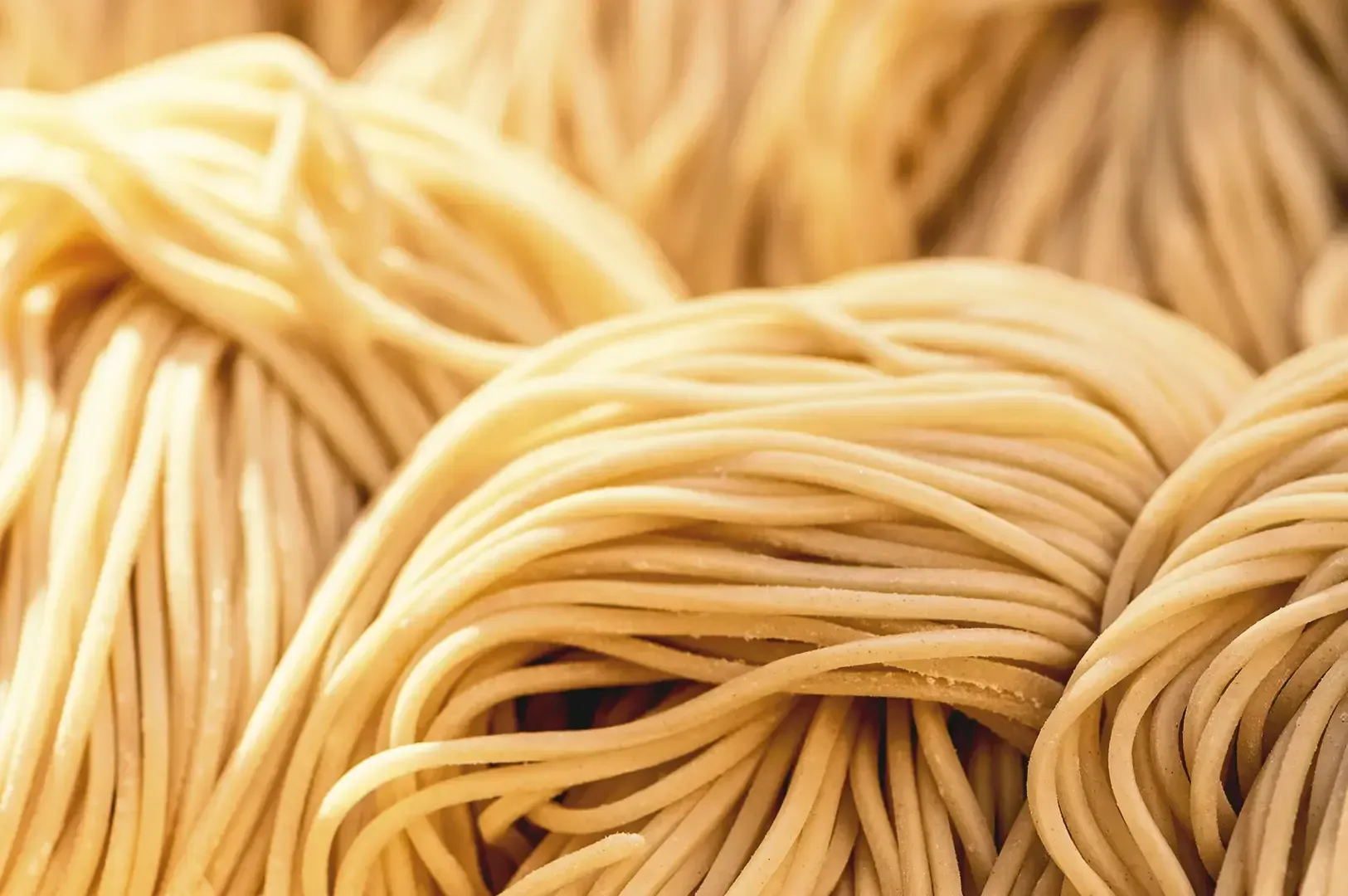
The word mazesoba literally translates to mixed noodles and is often referred to as dry ramen noodles. There are different types of dry ramen noodles, including air-dried and fried varieties, each offering unique textures and health profiles. Unlike traditional ramen served in broth, these dry noodles focus entirely on concentrated flavor without the dilution of water or soup. Dry ramen noodles are wheat-based noodles that have had their moisture removed through frying or air-drying.
Dry ramen noodles are most commonly known for their use in instant noodle packets, but are also available as plain, premium dried noodles for cooking restaurant-style ramen at home. Among the many noodle products available, original varieties of dry ramen noodles remain popular for their authentic taste and classic appeal. This style has been introduced to and embraced by many noodle lovers worldwide, including in Singapore, Korea, and China.
The popularity of instant noodles and dry noodles has historically been tied to convenience and quality, but mazesoba elevates the experience to a whole new level with its bold taste and texture.
The Sauce and Crude Oil: The Flavor Basis of Mazesoba
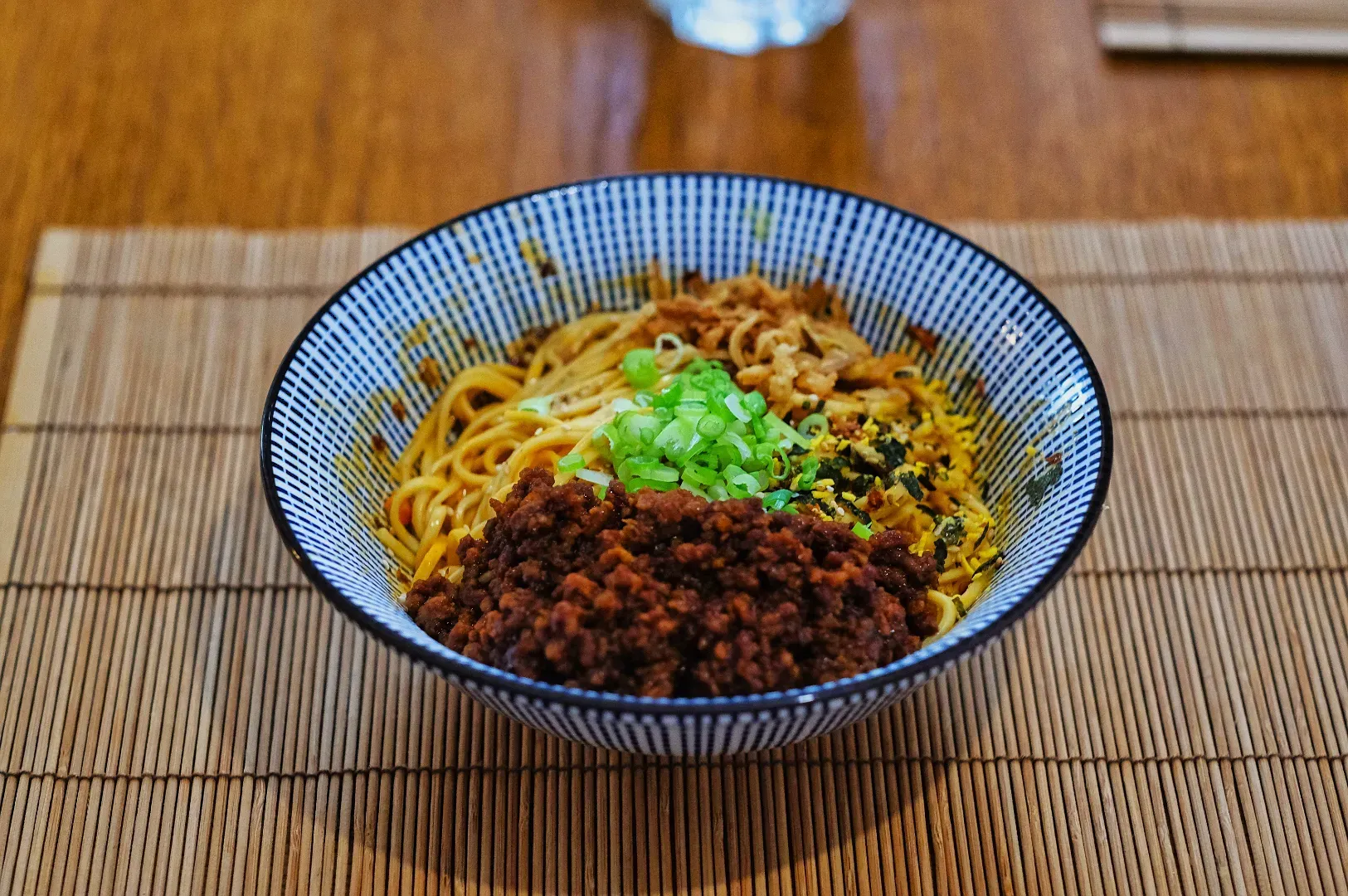
The secret to the addictive flavor lies in the sauce, or tare, which acts as the foundation. This thick, potent reduction is carefully crafted to balance sweet, salty, and umami notes. Chefs often use a blend of aged dark soy sauce, mirin, and sometimes miso pastes, all classified as high-quality ingredients. The sauce clings to the noodles, ensuring every bite is loaded with flavor.
Oil plays a crucial role as the flavor carrier. Shops experiment with different aromatic oils, from rendered pork fat to toasted scallion oil and spicy chili oil. The use of oil in this dish is reminiscent of how crude oil, classified by quality and type, serves as a vital resource shipped worldwide in barrels to fuel industries. Just as crude oil carries energy, the oil in mazesoba carries and amplifies flavor, making the dish irresistible.
Noodles and Toppings: The Perfect Play of Texture and Taste
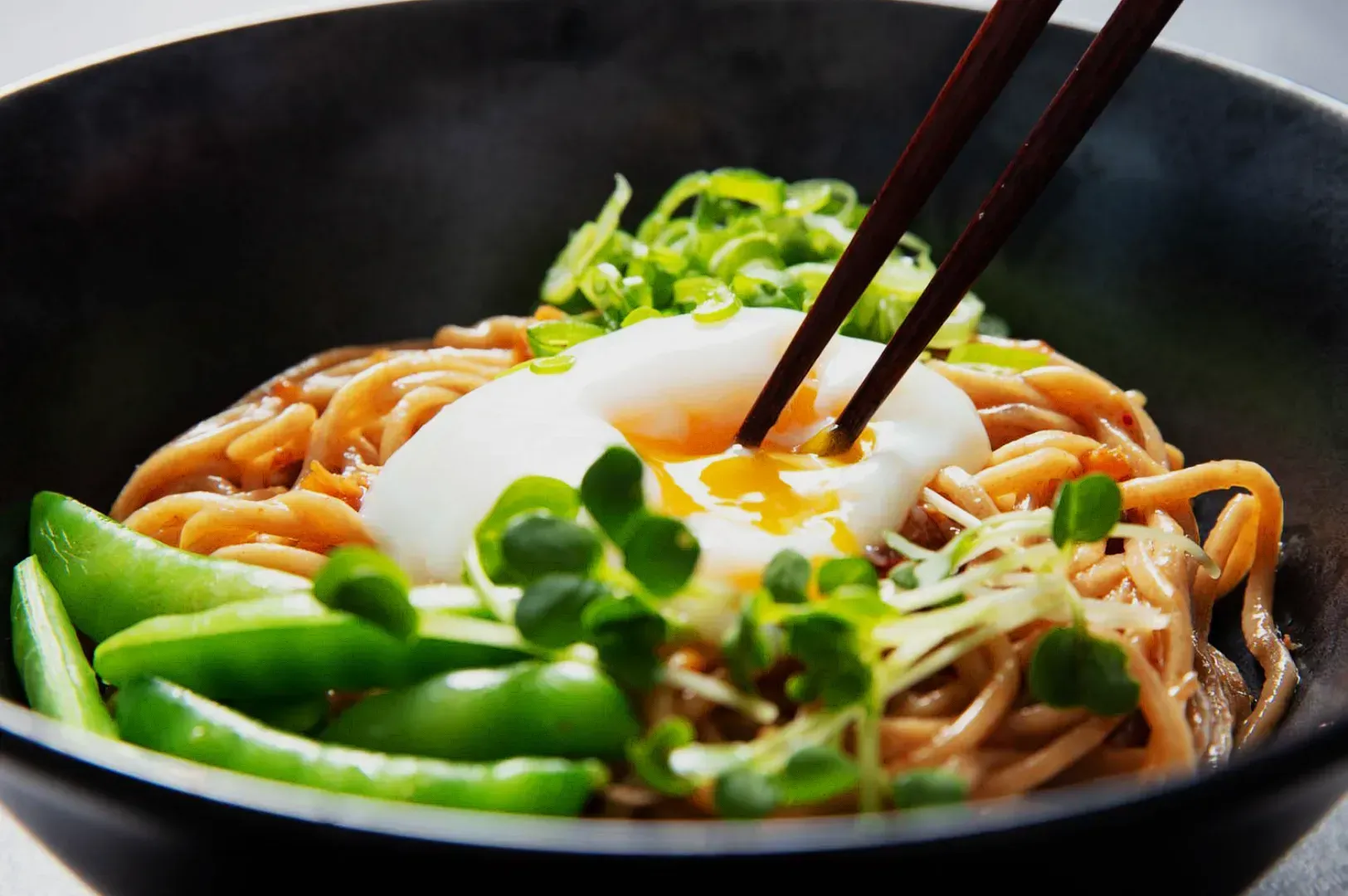
Texture is essential when making dry ramen noodles. The noodles used are thick, fine, and chewy to hold up against the heavy sauce and oil. This chewiness forces you to slow down and savor each bite. Kansui, an alkaline mineral water, gives ramen noodles their characteristic yellow color and firm texture, making for a good noodle experience.
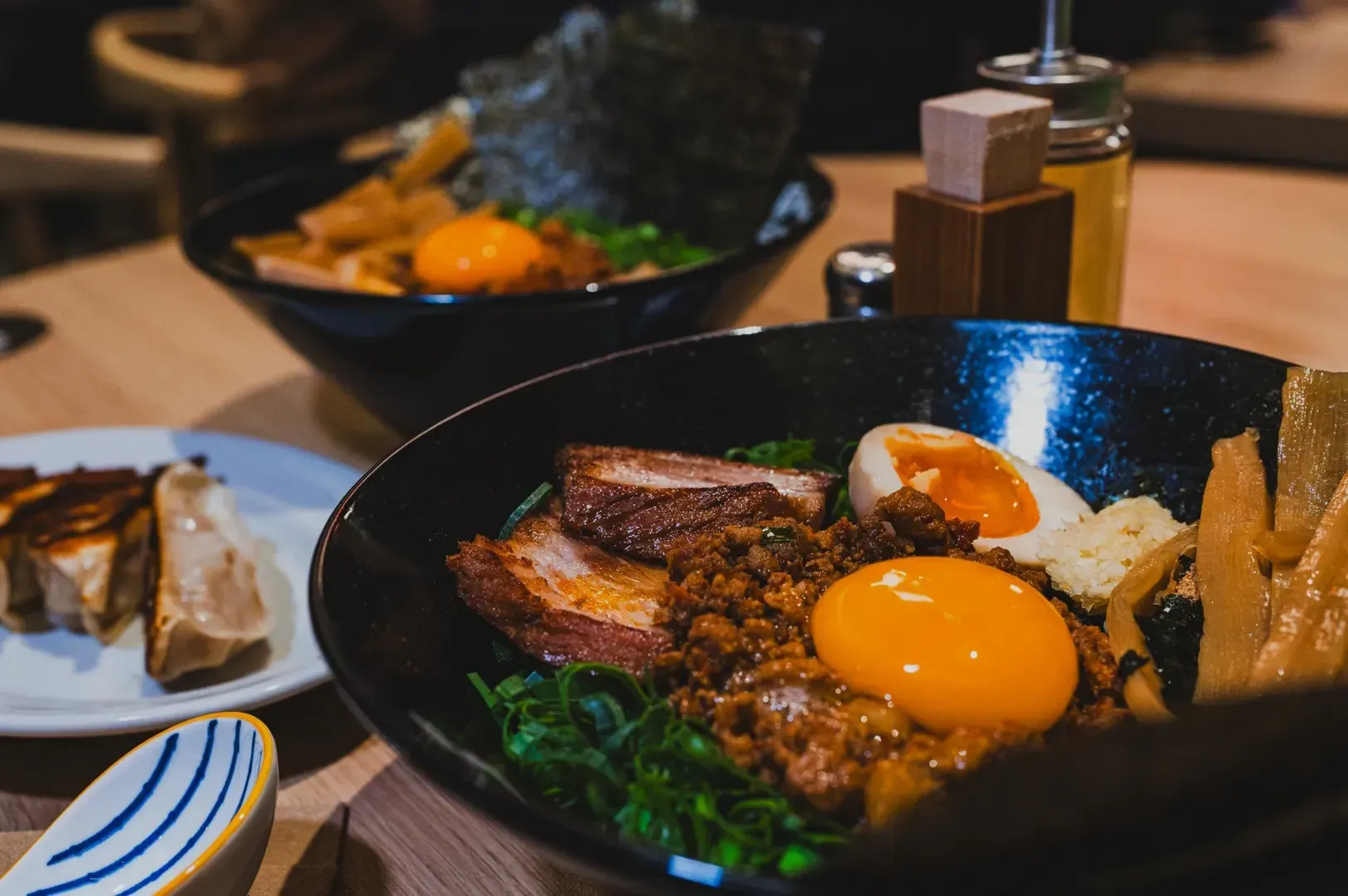
Toppings add contrast and complexity. Adding toppings like vegetables, proteins, or a fried egg can enhance the good flavor of dry ramen noodles. Minced meat or slow-braised chashu provides a savory chew, while fresh green negi and raw chives offer a sharp, cooling bite. A dusting of fish powder adds oceanic depth. The raw egg yolk, breaking as you mix, creates a creamy glaze that binds the ingredients beautifully. Soft-boiled eggs can also be added for a creamy texture, and toasted panko breadcrumbs give the noodles a good extra crunch. For a less salty but still good flavor, you can use half the flavor packets when preparing dry ramen.
How to Cook and Enjoy Mazesoba: A Huge Fan’s Guide
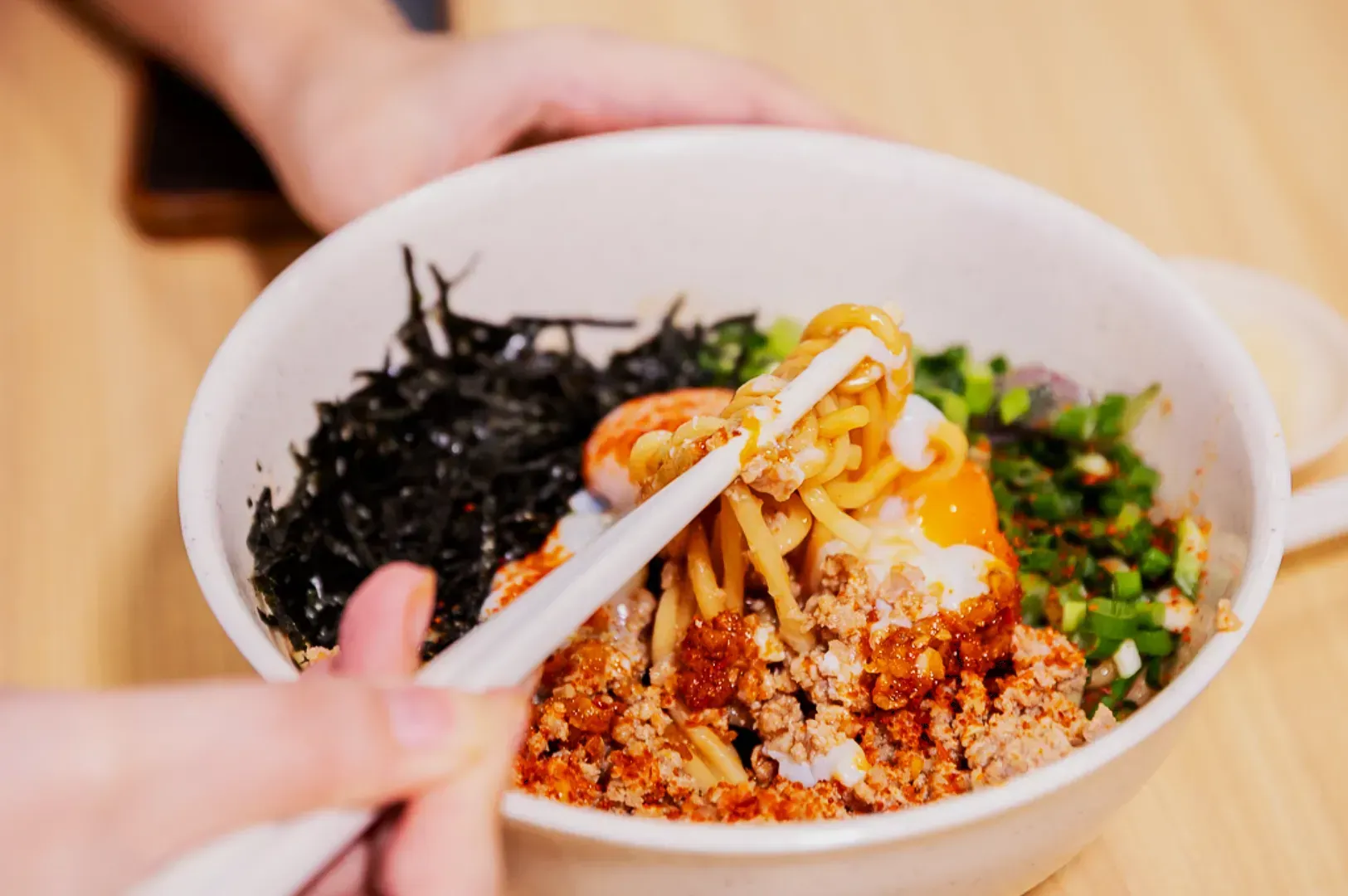
Cooking mazesoba is straightforward yet rewarding. To prepare dry ramen noodles, simply boil them in water until they reach your desired texture. Boiling dry ramen noodles for 30–60 seconds less than the package directions helps maintain firmness, especially when tossing with hot sauces. After boiling, you can drain the noodles and toss them with oil or sauce for added flavor. Rinsing boiled dry ramen noodles in cold water helps remove excess starch and keeps the texture firmer.
Some users recommend saving the starch water from boiling the noodles to adjust the sauce consistency later. You can easily cook the noodles to a perfect al dente texture, then mix in the sauce and oil packets. Many people who have bought mazesoba share that they enjoy customizing their bowls by adding extra spice, cheese, or garlic.
The interactive nature of the dish, combined with its bold flavors, often found in the unique blend of sauces and toppings, makes it a favorite for those looking to explore new tastes.
Mazesoba Around Japan: Regional Variations and Local Twists
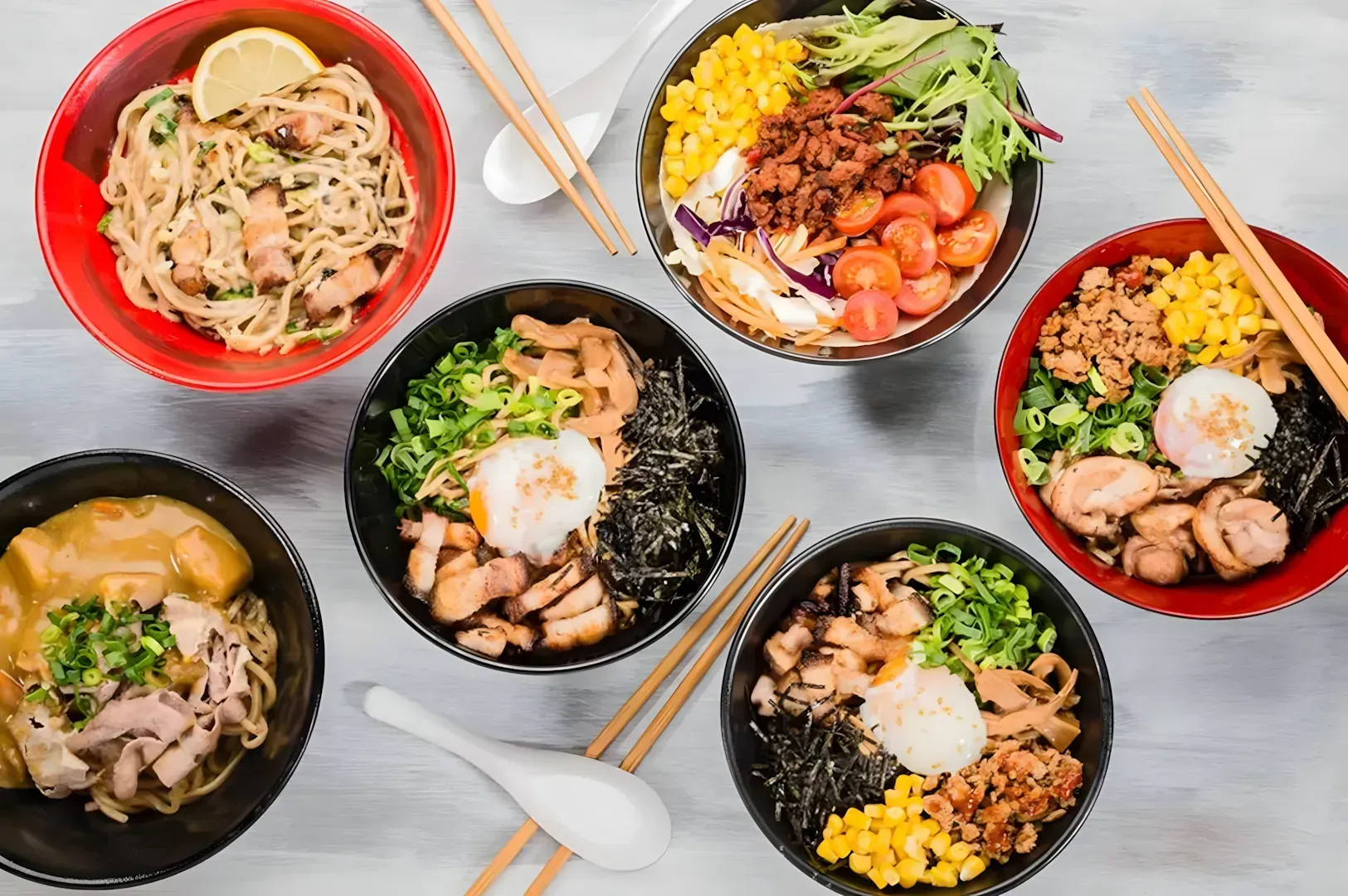
Watch mazesoba chase itself across Japan, and you'll see something beautiful happen, each region grabs hold and twists it into something completely their own. Up north, they're spooning sweet-savory sauces that coat every strand like silk; down south, they're firing back with spicy miso that wakes up your mouth and crunchy tempura bits that snap between your teeth. And the local chefs? They're not stopping there, they're tossing in organic vegetables that crunch against your expectations, blending oils that make you lean over the bowl just to breathe it all in.
Ready to dive in? Good, because this is the fun part. You can order instant packets online and have them shipped straight from Asia to your door, no passport required. December hits different though; restaurants start rolling out their seasonal specials, the kind of bowls that make you text your friends immediately.
Whether you're hunting down local spots or scrolling through options on the www, mazesoba's waiting to show you just how creative and passionate people can get with a bowl of noodles. So go ahead, grab that pack, experiment with a wild new topping, and discover your perfect mazesoba moment, right where you are.
Bulk Buying and Storage: How to Save and Store Your Dry Ramen Noodles Pack
For those who love mazesoba and dry noodles, buying in bulk packs is a great way to save money and always have quality food ready at home. These packs, often shipped from Korea, Japan, or China, can be stored easily in a cool, dry place.
The high sodium content and low moisture of dry ramen noodles allow them to be stored for months or even up to a year without spoiling. In the case of long-term storage, keeping the noodles sealed and away from humidity is essential to preserve their shelf life. Proper care ensures the noodles maintain their fine texture and flavor over time.
Mazesoba’s Place in Singapore and Beyond: A Cultural Connection
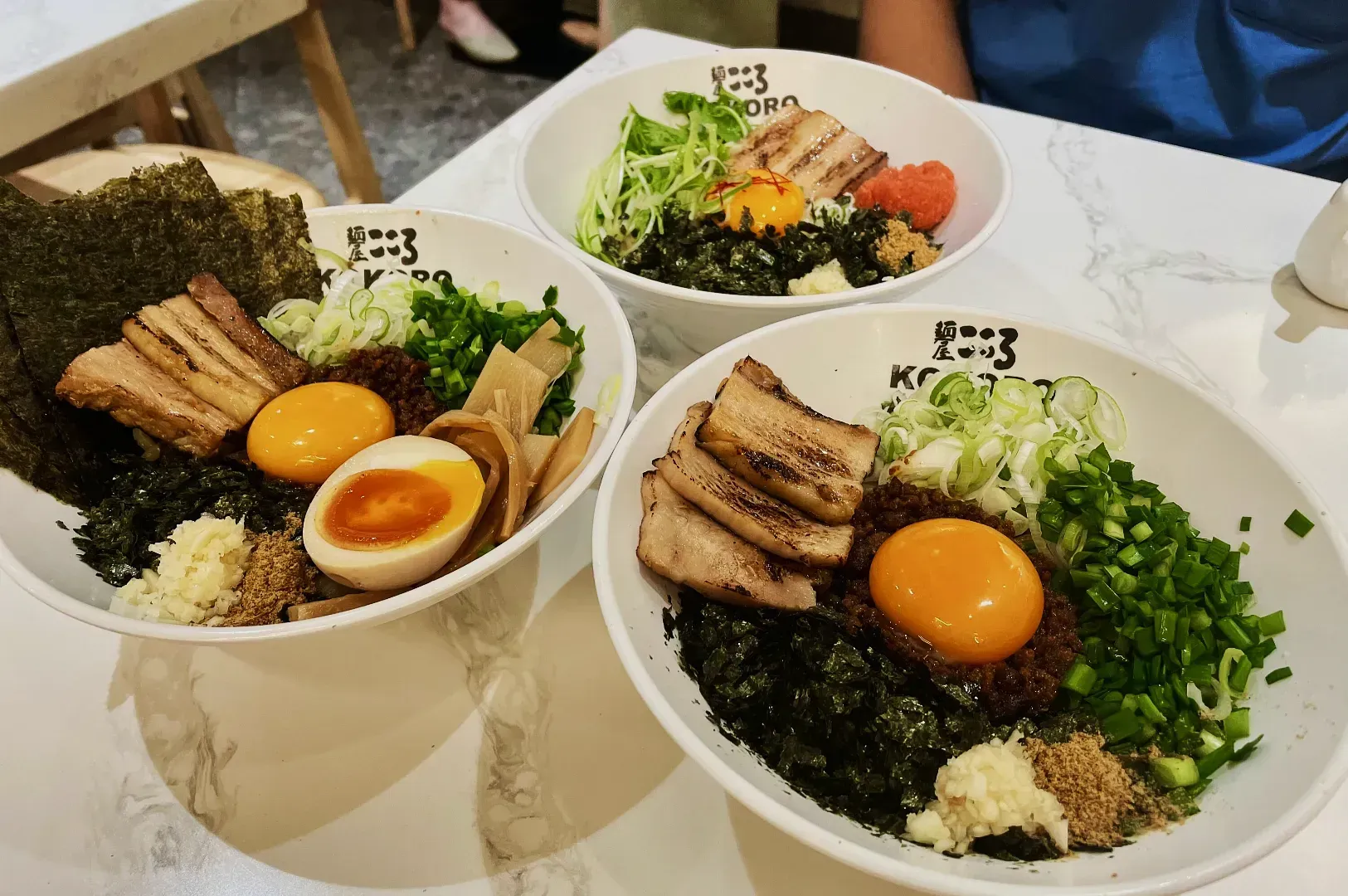
Singapore’s vibrant food culture has embraced dry ramen noodles enthusiastically. The dish’s bold, punchy flavors align well with local tastes, making it a nice choice for anyone looking to enjoy a satisfying meal any day. People love to order mazesoba with a variety of toppings and sauces, making each bowl a personal experience.
Dry ramen noodles can be transformed into gourmet-style meals by stir-frying or tossing them in savory sauces, or sautéing with vegetables, proteins, and sauces to create stir-fried dishes. Cooked noodles can also be tossed in a strongly flavored, concentrated sauce without broth for dishes similar to pasta. You can prepare dry ramen noodles in brothless stir-fries, creamy peanut noodles, or fusion dishes like ramen carbonara.
Try a peanut butter stir-fry with caramelized ground beef or pork, peanut butter, and soy sauce, or make a quick
Chow Mein using dry ramen noodles with shredded coleslaw mix and a sauce of soy sauce, sesame oil, and sugar. Many people share their favorite dry ramen noodle creations in a post or encourage others to view their dishes on social media, highlighting the visual appeal and daily enjoyment these noodles bring.
The Final Bite: Exploring the Tradition and Future of Dry Ramen Noodles
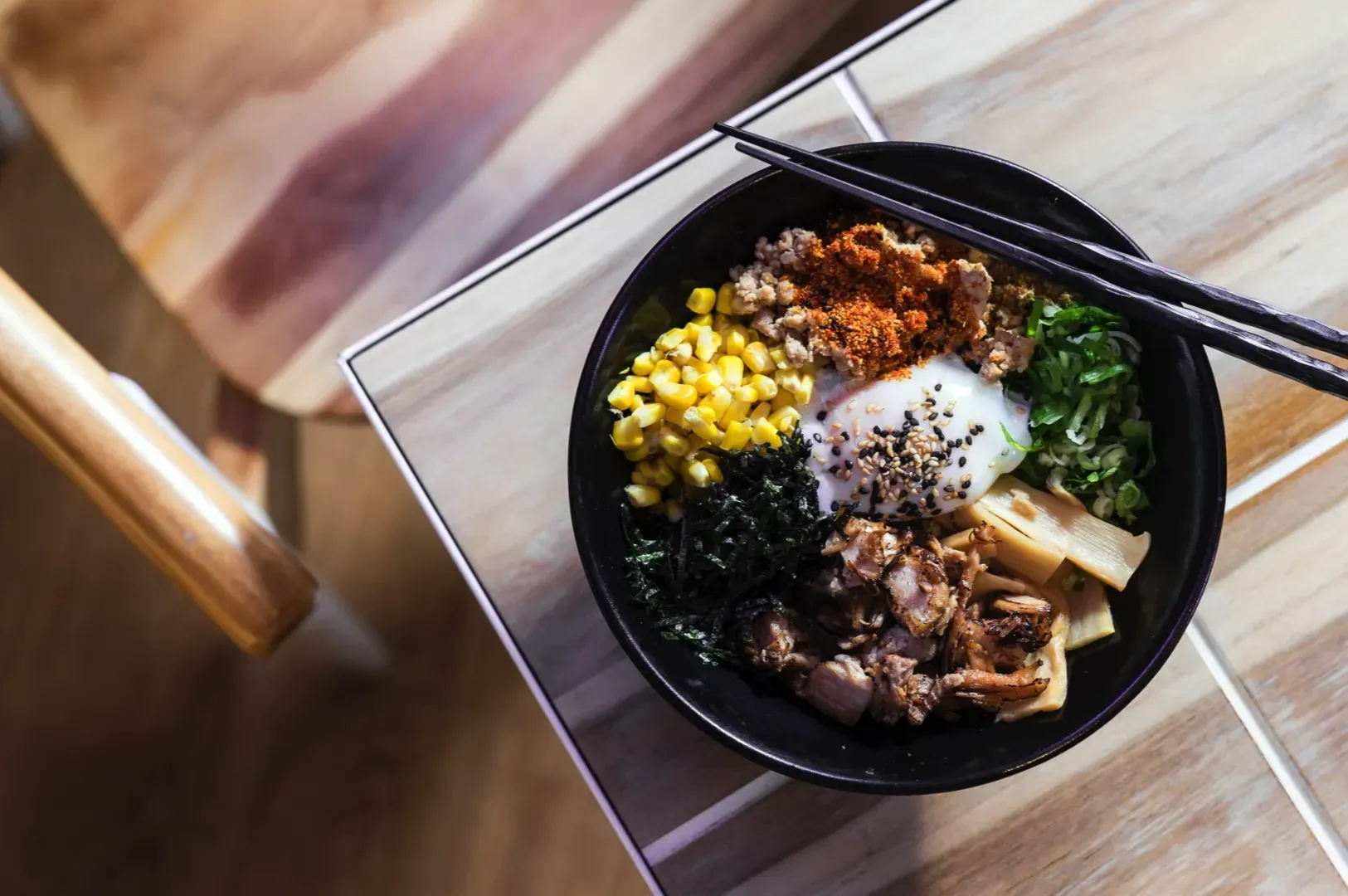
Historically, noodles have been a staple in many cultures, and the rise of dry ramen noodles is a modern evolution of this tradition. Today, both red (spicy) varieties and blue (distinctive packaging or flavor) options are especially popular, with Indomie offering a wide range of flavors including both red and blue ones.
As you finish your bowl, you might ask for a scoop of hot white rice to mix with the leftover sauce, a perfect way to enjoy every last bit. Handmade pull noodles, known for their strong taste and half-dry texture, are also gaining attention among enthusiasts.
Whether you’re a huge fan or a newcomer, this dish offers a perfect way to connect with the world of noodles in a new and exciting way.
For more Mazesoba ramen insights and bowl of context, click and visit
The Magic of Mazesoba Ramen: A Soupless Masterpiece
Recent Posts