The Magic of Mazesoba Ramen: A Soupless Masterpiece
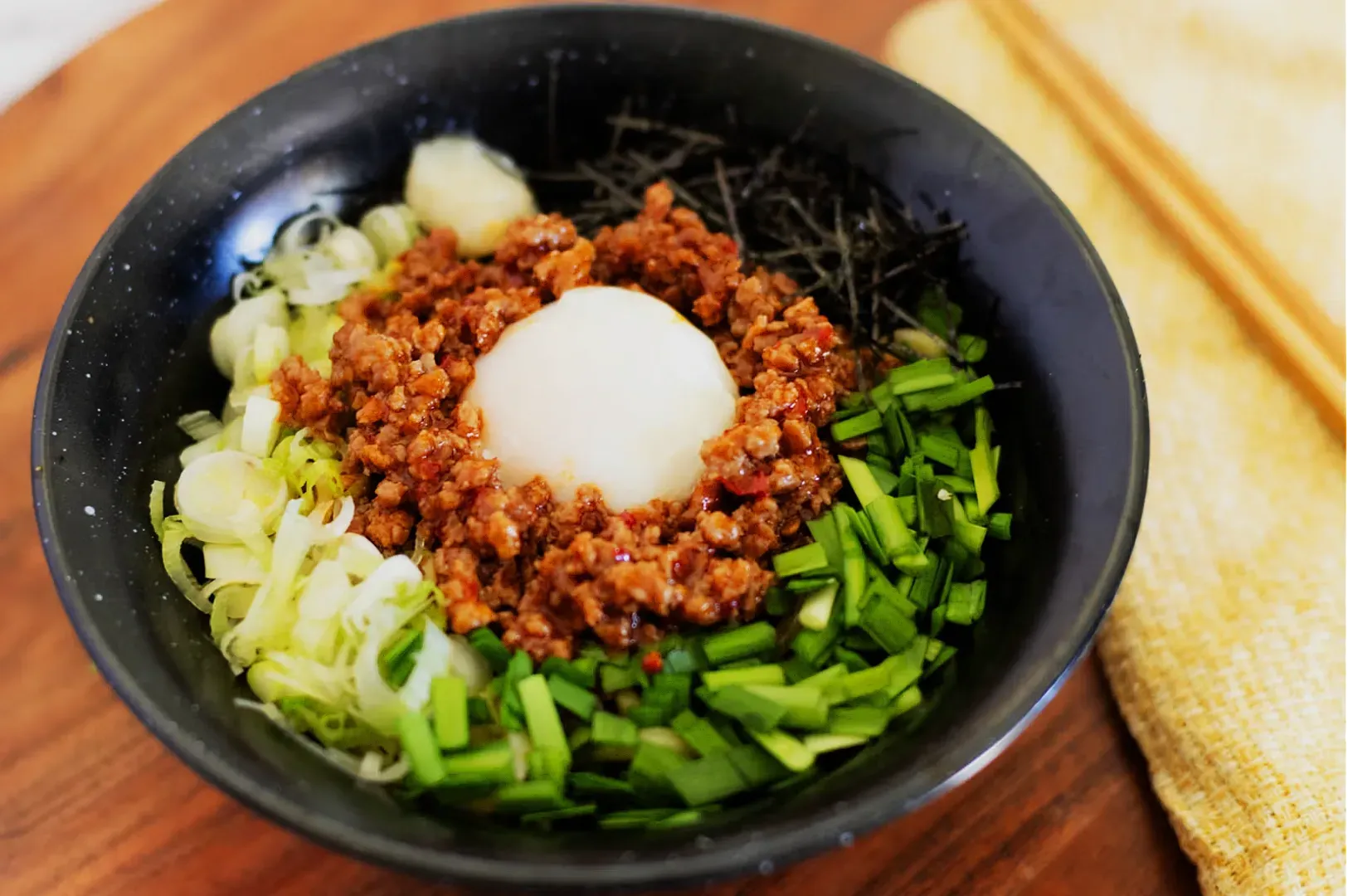
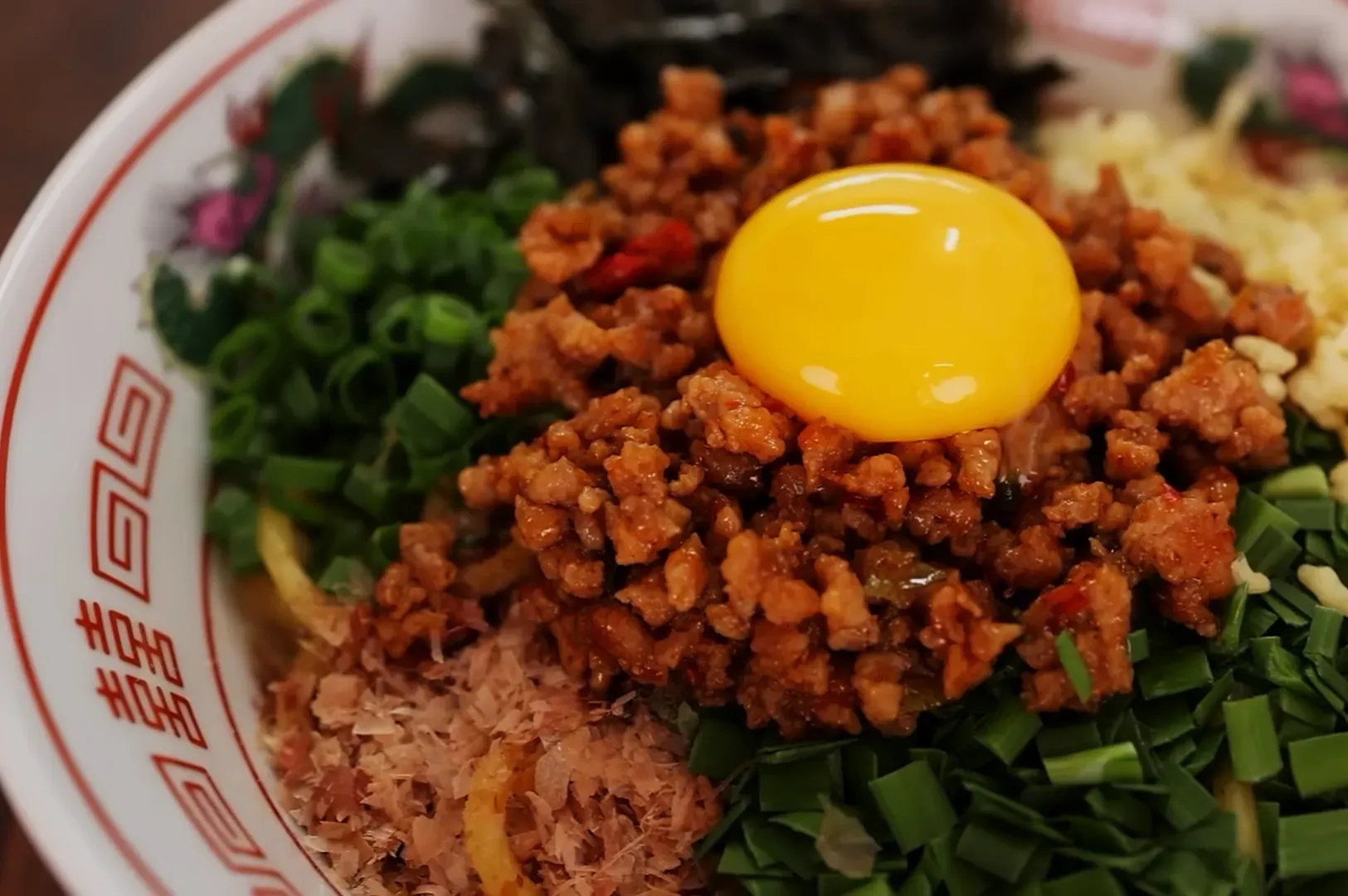
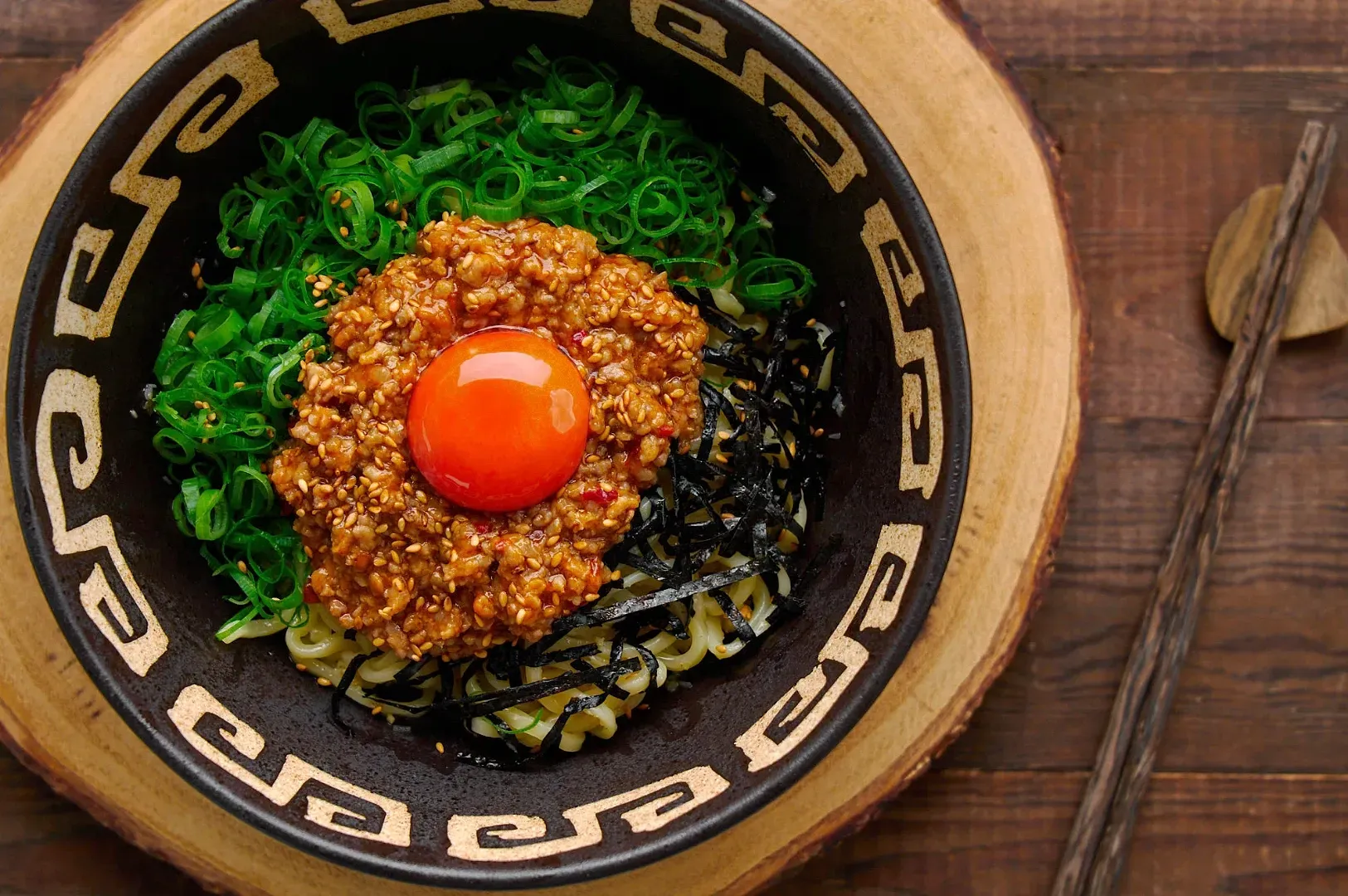
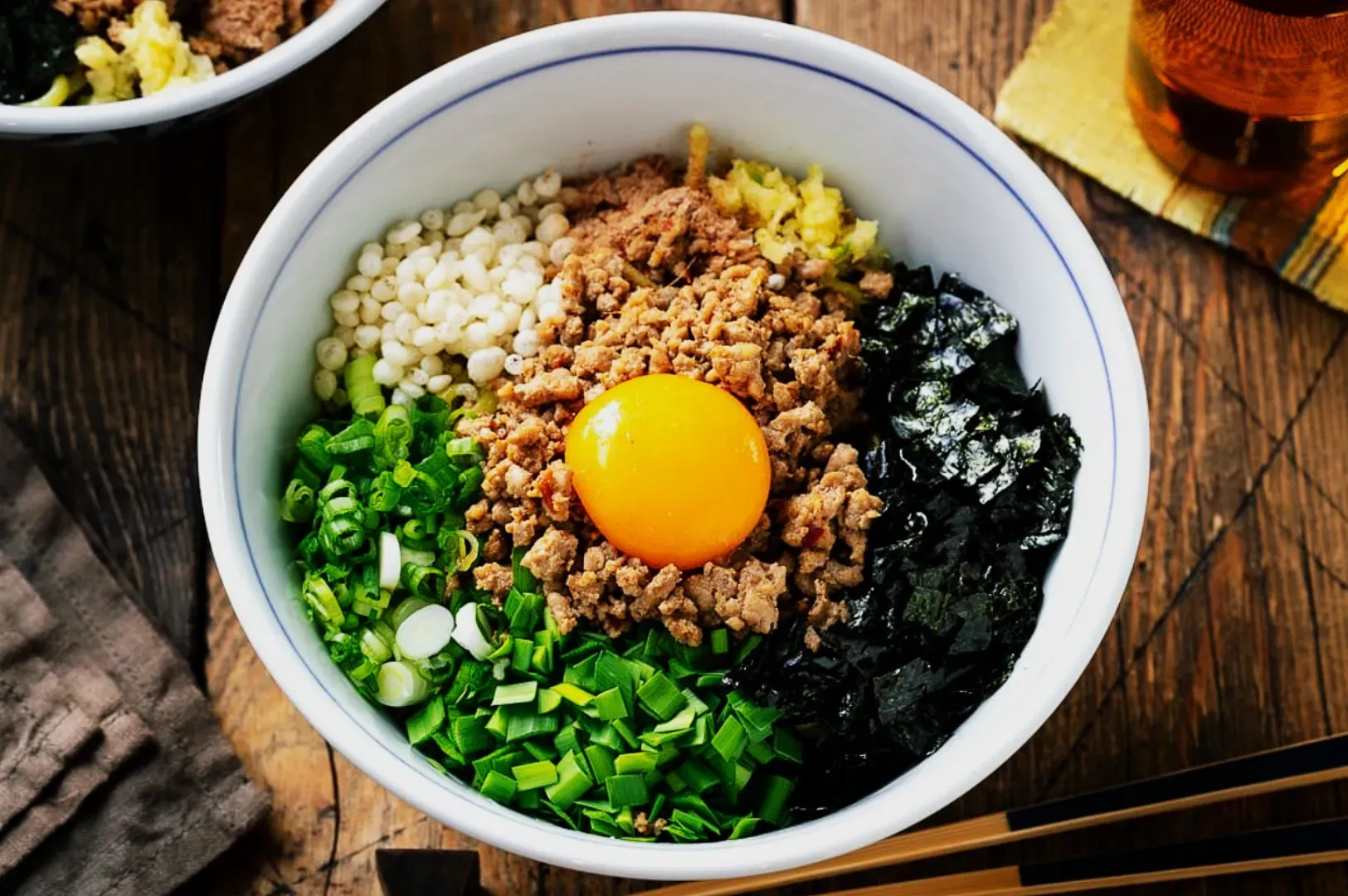
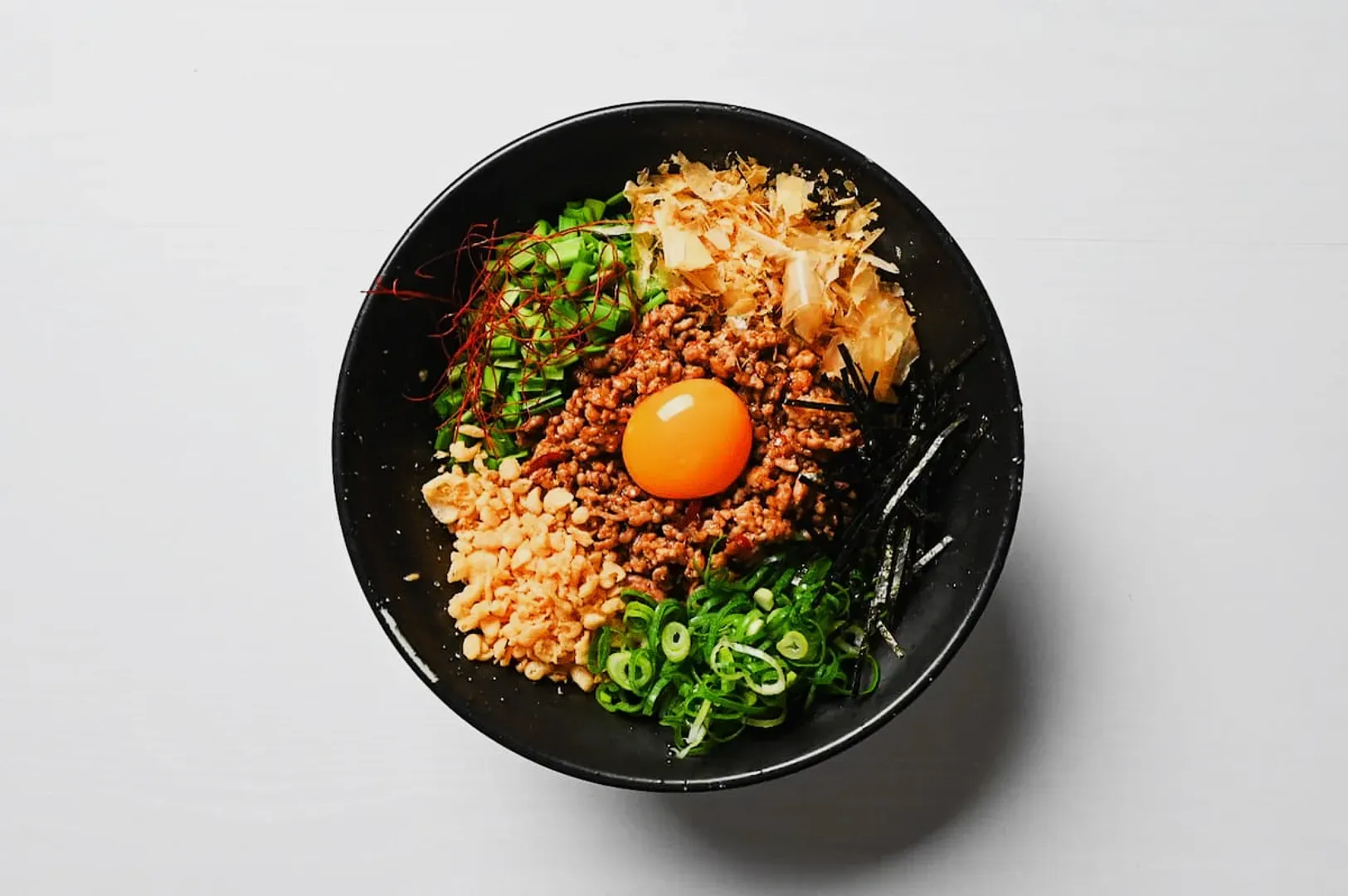
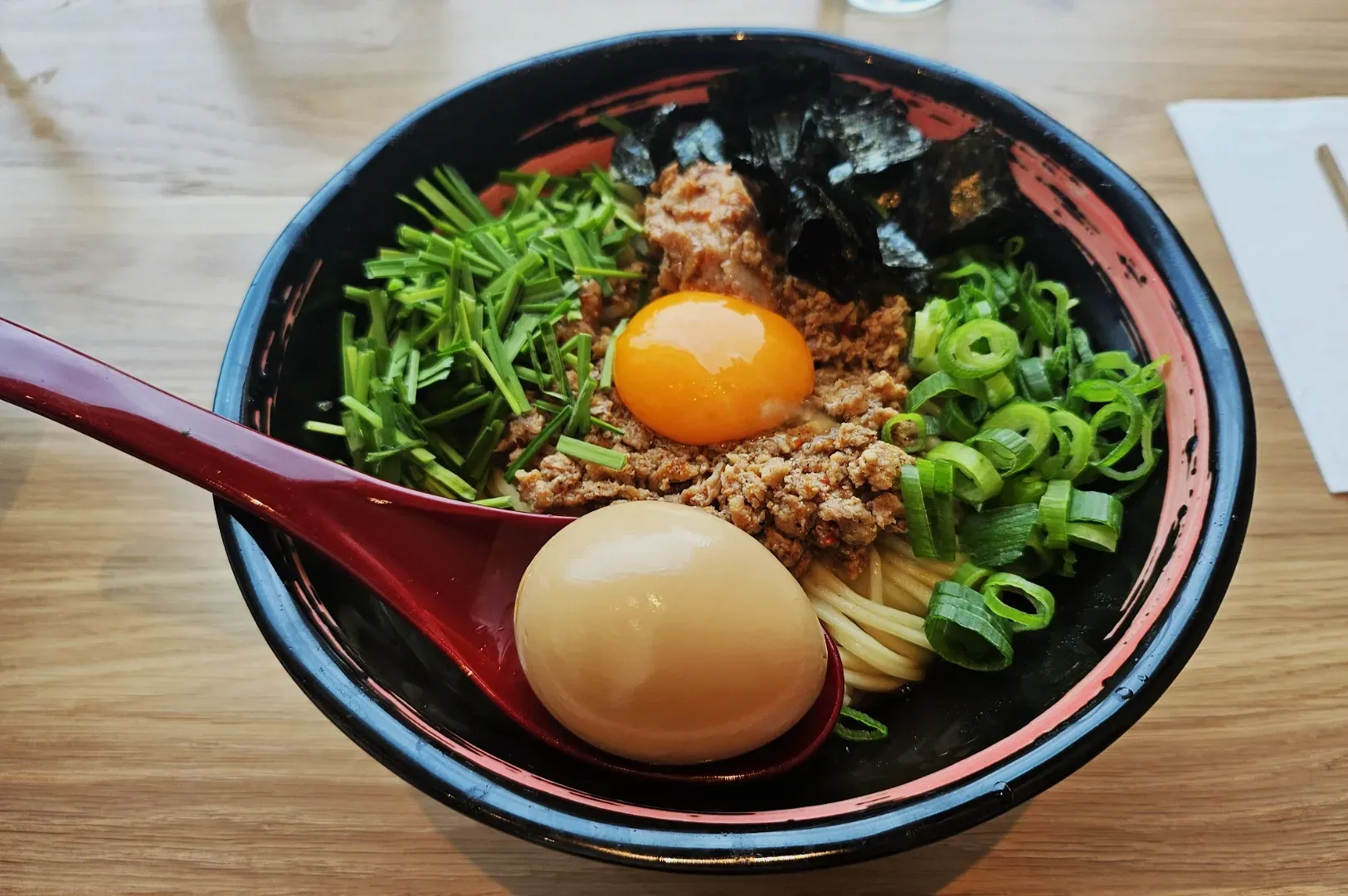
I still remember the moment a heavy ceramic bowl landed on the wooden counter with a soft thud. Steam rose from the thick ramen noodles, carrying the sharp scent of minced garlic, toasted sesame oil, and rich soy sauce. But there was no broth. Instead, I faced a vibrant mountain of toppings. A neat pile of emerald green onions and garlic chives sat next to finely chopped nori seaweed. A savory pork mixture of ground pork and dried bonito flakes formed a ring around the center. Right in the middle, resting perfectly like a golden crown, was a gleaming raw egg yolk.
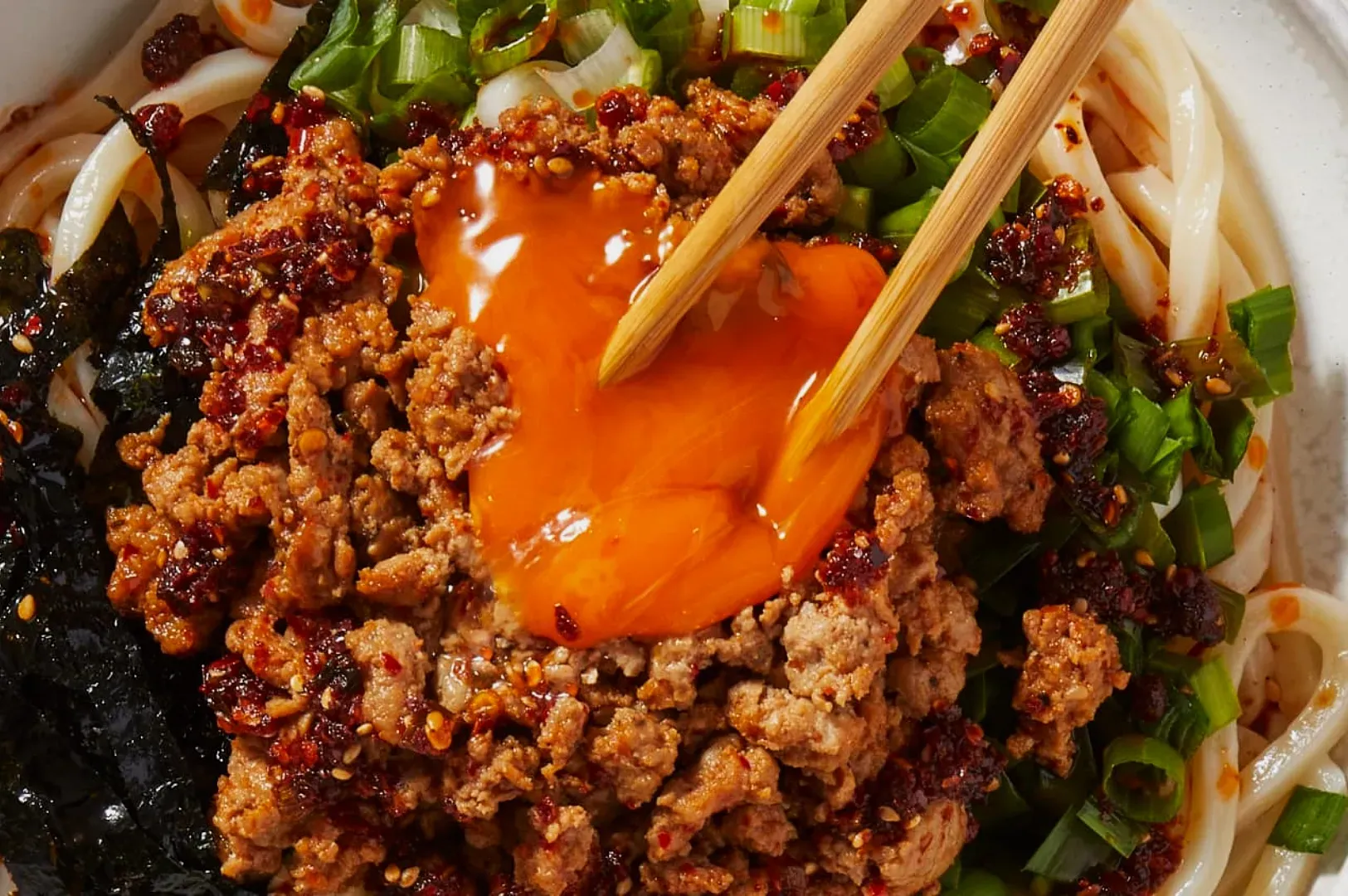
I watched a diner next to me crack his chopsticks apart and plunge them directly into the center of the bowl, breaking the runny yolk. With rapid, vigorous motions, he tossed the
thick chewy noodles from the bottom up. The bowl rang with a rhythmic, wet slapping sound as the egg,
chili oil, and soy sauce emulsified into a rich, creamy coating. This was the sensory thrill of eating
mazesoba ramen, a beloved
Japanese brothless ramen noodle dish.
What is Mazesoba Ramen? A Japanese Brothless Ramen Noodle Dish

To understand this dish, I look at its name. "Maze" translates to mix, and "soba" refers to the noodles. Put simply, mazesoba means mixed noodles, a soupless variety of ramen that originated in Nagoya city. It’s a dry style noodle dish served without broth. Instead of a deep pool of pork or chicken broth, the noodles are dressed in a highly concentrated sauce base featuring soy sauce, oyster sauce, and sesame oil, flavored with garlic, ginger, and black pepper.
The origins of mazesoba ramen fascinate me. While brothless noodles have existed in various forms for decades, the modern mazesoba explosion often traces back to Nagoya city. Chefs at a specialty noodle shop called Menya Hanabi created a spicy, bold variation known as Taiwan style mazesoba or Taiwan ramen. It featured a savory ground pork mixture with spicy minced meat, raw egg yolk, minced garlic, and chili oil.
This was a happy accident born from the owner wanting a good soup broth but failing to achieve it. When part-time workers suggested serving the seasoned pork mixture with boiled noodles, the dish was born. It quickly became a Nagoya specialty dish and a local sensation. From Nagoya and Tokyo, the trend leaped across borders. Today, I’ve seen dedicated mazesoba shops in cities from Los Angeles to London and everywhere in between.
The Bowl's Architecture: Thick Ramen Noodles and Other Toppings

Every great bowl of mazesoba ramen relies on a specific architecture. Because there is no broth to hide behind, all the ingredients must pull their weight.
The foundation is the sauce base. This thick, intensely savory sauce sits hidden at the bottom of the serving bowls. Next comes the aroma oil, usually sesame oil, which coats the noodles and carries flavor across your palate. The noodles themselves are crucial. Mazesoba ramen typically uses thick chewy noodles with a strong bite to stand up to the heavy sauce and vigorous mixing.
Then come the other toppings. A classic bowl features a generous handful of
green onions and
garlic chives for a fresh bite. You will usually find
nori seaweed and a dusting of
bonito flakes
for deep umami. The savory
pork mixture, made from ground pork cooked in a pan over medium heat with soy sauce, oyster sauce, ginger, and black pepper, adds richness. Finally, the raw egg yolk or sometimes a poached egg binds everything together, creating a creamy texture.
Why Mixing is the Point, Not Just a Step in This Noodle Dish

Mixing your food is not just a preliminary chore here. For me, it’s the defining ritual of the meal. When I break the runny yolk and drag the hot noodles through the sauce base and oil, a culinary reaction happens. The heat of the noodles slightly cooks the egg, emulsifying the fats and liquids into a silky, luxurious sauce. The bonito flakes, green onions, and pork fat fold into this mixture.
Every strand of noodle becomes coated in a complex, deeply savory glaze. The first bite hits me with a massive, concentrated wave of umami that a traditional soup simply cannot replicate.
Mazesoba vs Ramen vs Abura Soba vs Tsukemen: Understanding the Differences

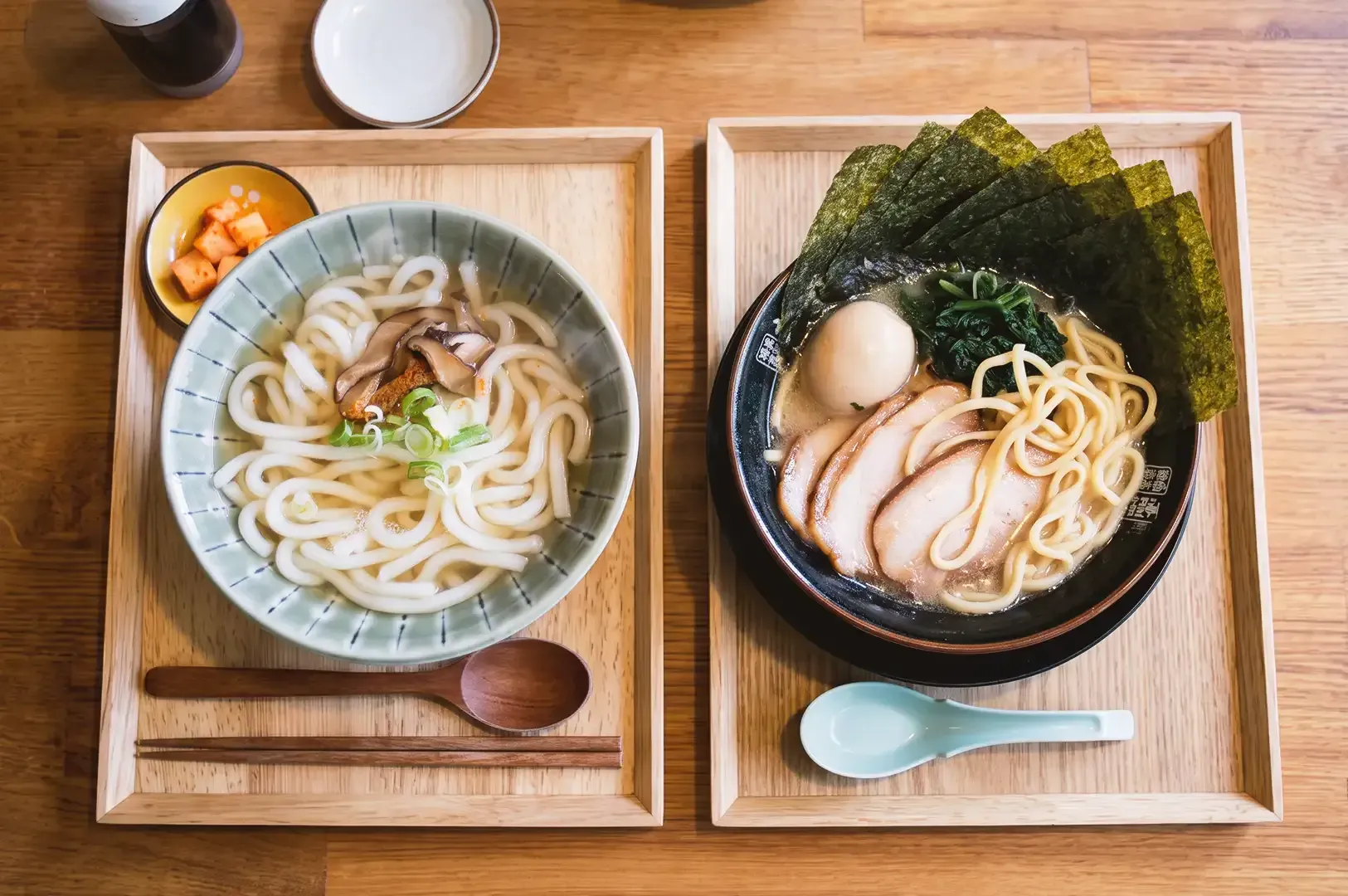
The world of Japanese noodles can feel confusing, but I find the distinctions quite simple. Traditional ramen is defined by its broth. Whether it is a cloudy pork tonkotsu or a clear chicken shoyu, the soup is the main event.
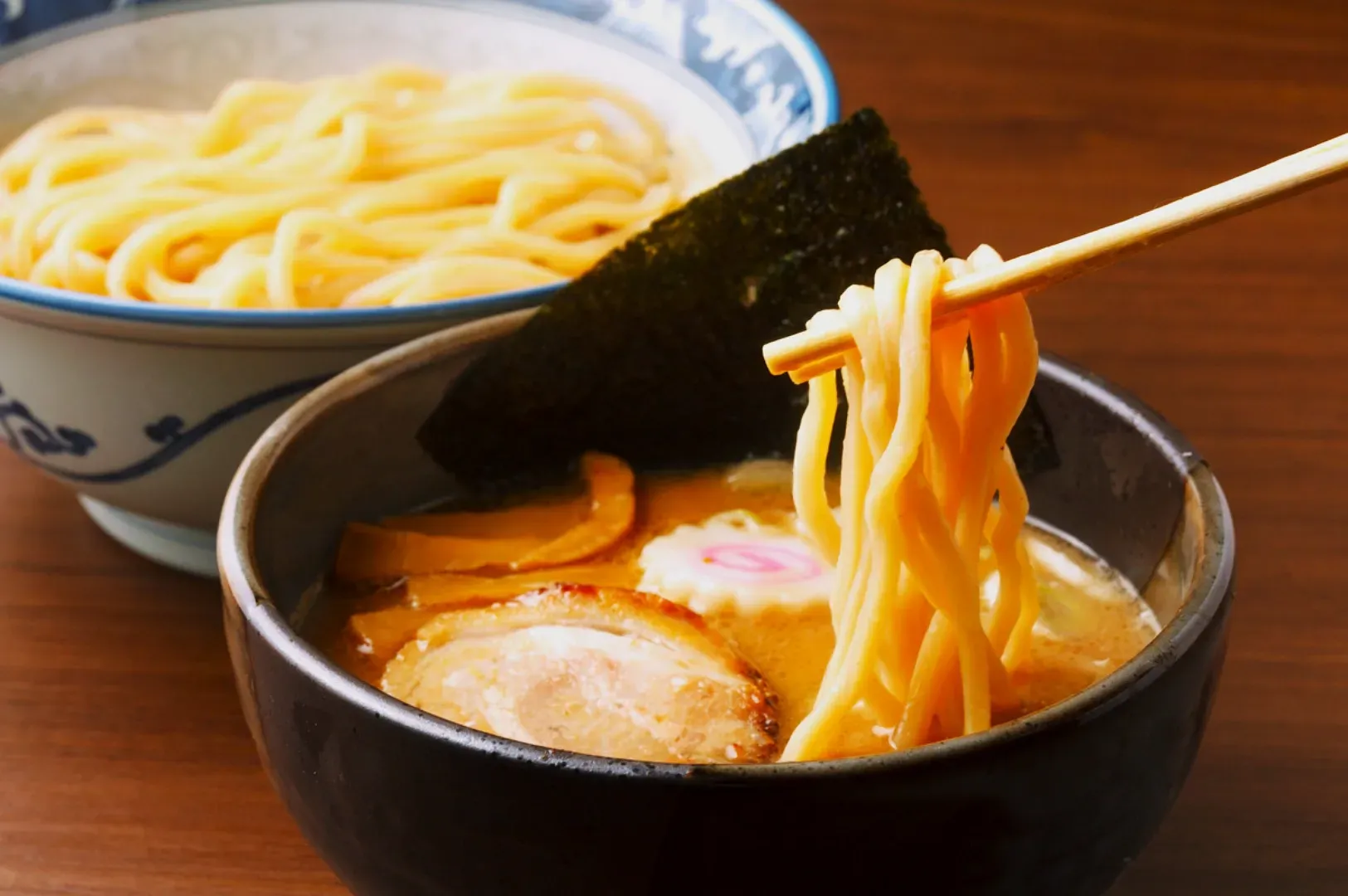
Tsukemen is dipping ramen. The noodles are served cold on one plate, while a hot, highly concentrated broth sits in a separate bowl. You dip a few strands at a time before eating.
Abura soba, which translates to oil noodles, is the closest relative to
mazesoba ramen. Many people, including myself, use the terms interchangeably. However, abura soba tends to be a bit simpler. It relies heavily on just the oil, tare, and a few basic toppings.
Mazesoba ramen is usually the louder, more aggressive cousin. It features a wider array of other toppings, explosive flavor combinations, and a heavy emphasis on the mixing process.
The Sauce Base and Flavor Spectrum of Mazesoba Ramen

Because mazesoba ramen is not bound by traditional broth rules, chefs have a massive canvas for creativity. The flavor spectrum is incredibly wide.
I’ve encountered classic shoyu bowls that taste earthy and comforting. Some shops specialize in intensely spicy bowls loaded with chili oil and numbing Sichuan peppercorns. Others offer bright, citrusy yuzu variations that cut through the richness of the pork fat. Garlic lovers like me can order bowls buried under mountains of freshly minced garlic.
The
sauce base often includes
soy sauce,
oyster sauce,
sesame oil, and
chili oil, balanced with
ginger and
black pepper. This combination lends the dish its signature bold
umami flavor, which
flavors rely heavily on the savory pork mixture and toppings.
How to Enjoy the Best Mazesoba Ramen: Tips from the Pros

Eating mazesoba ramen is an interactive sport. To truly appreciate the dish, I’ve learned you need to pace yourself and customize the bowl as you eat.
First, mix it immediately after the bowl arrives. Don’t let the noodles sit. The boiled noodles need to be hot to properly emulsify the egg and oil. Toss everything aggressively for at least twenty seconds.
Second, embrace the table condiments. A great mazesoba journey happens in three acts. I eat the first third of the bowl exactly as it is. For the second third, I add half a small bowl of chili oil or spicy garlic paste. Mix again. This wakes up your palate with a new layer of heat.
For the final third, I grab the vinegar. Most shops provide a small bottle of kelp or apple vinegar on the table. I splash a little over my noodles. The acidity cuts right through the heavy fats, completely refreshing the dish for those final bites.
Finally, I never leave the leftover sauce behind. When I finish my noodles, I usually have a puddle of rich, meaty sauce sitting at the bottom of the bowl. I catch the server’s eye and ask for "oi-meshi." This is a complimentary small scoop of white rice. I drop the rice into the bowl, mix it with the leftover sauce, and enjoy the ultimate savory finale.
Cooking Mazesoba Ramen at Home: All the Ingredients and Steps

When I make the best mazesoba ramen at home, I start by cooking the ground pork mixture in a pan over medium heat. I add minced garlic, ginger, soy sauce, oyster sauce, and black pepper, cooking until the meat is no longer pink.
Meanwhile, I boil the thick ramen noodles according to package instructions. After draining, I toss them with sesame oil to prevent sticking.
I assemble the dish by placing the savory pork mixture on top of the noodles in serving bowls. Then I add other toppings such as green onions, garlic chives, dried bonito flakes, nori seaweed, and a raw egg yolk or poached egg in the center.
Before eating, I mix everything well to enjoy the full flavor experience.
Substitutes and Variations: Customize Your Mazesoba Ramen

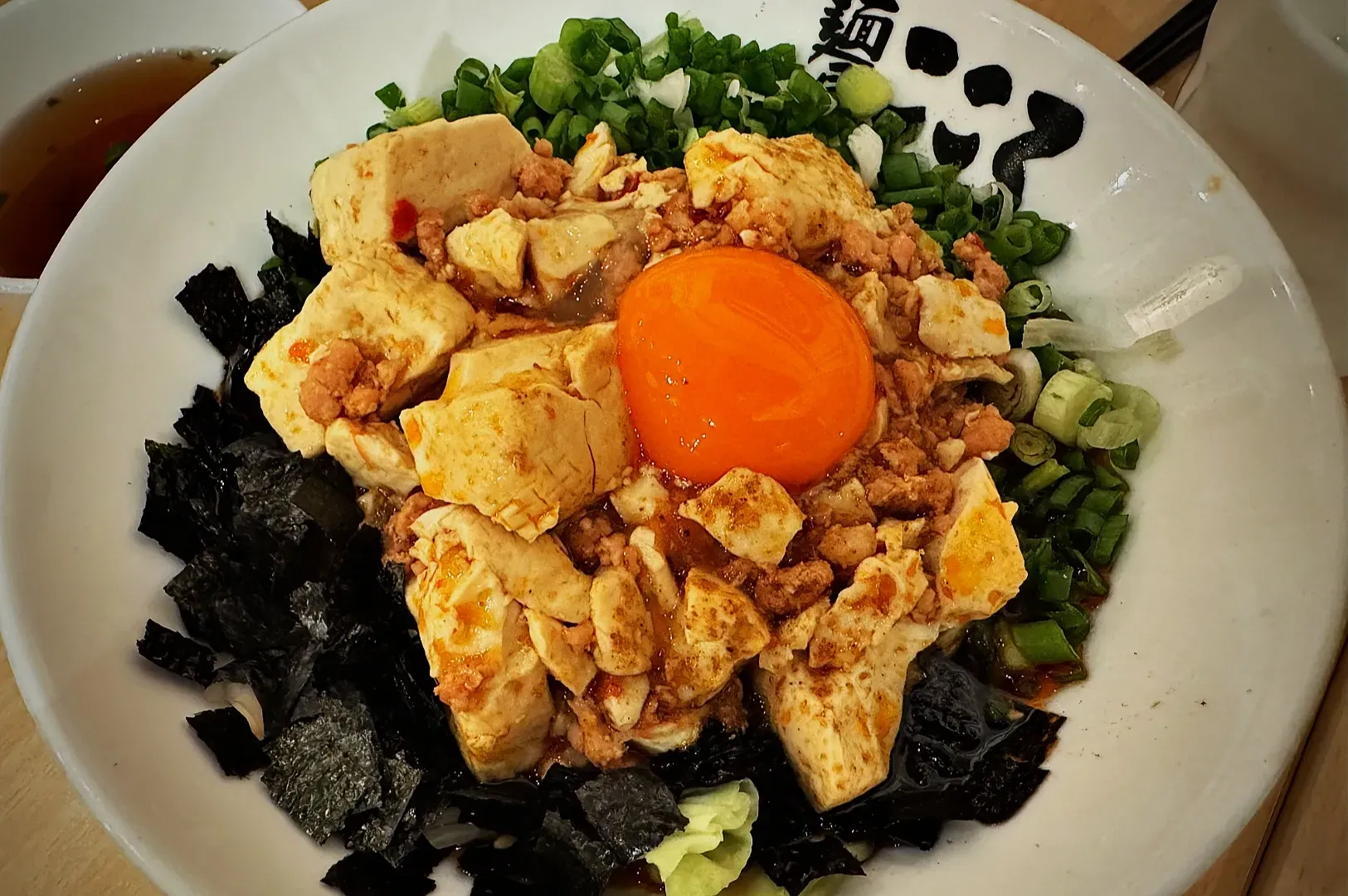
If I want to substitute the ground pork, I often use tofu or meat crumbles for a vegetarian version. I also experiment with other ingredients like different types of chili oil or adding more black pepper for extra heat.
Sometimes
mazemen is used interchangeably with
mazesoba ramen, especially outside Japan, allowing chefs like me to put our own spin on this
brothless ramen noodle dish.
Storing Leftovers and Final Thoughts

I store leftovers in an airtight container in the refrigerator for up to 3 days and reheat gently before serving. Mazesoba ramen is a perfect example of how a simple noodle dish can deliver complex flavors and textures without broth. Its origins as a Nagoya specialty dish and its rise to global popularity show the power of innovation in Japanese cuisine.
If you want more ramen varieties, combos, and exploration, just click and visit
Savor the Best Japanese Curry Singapore: Must-Try Curry Rice and Ramen Combos
Recent Posts