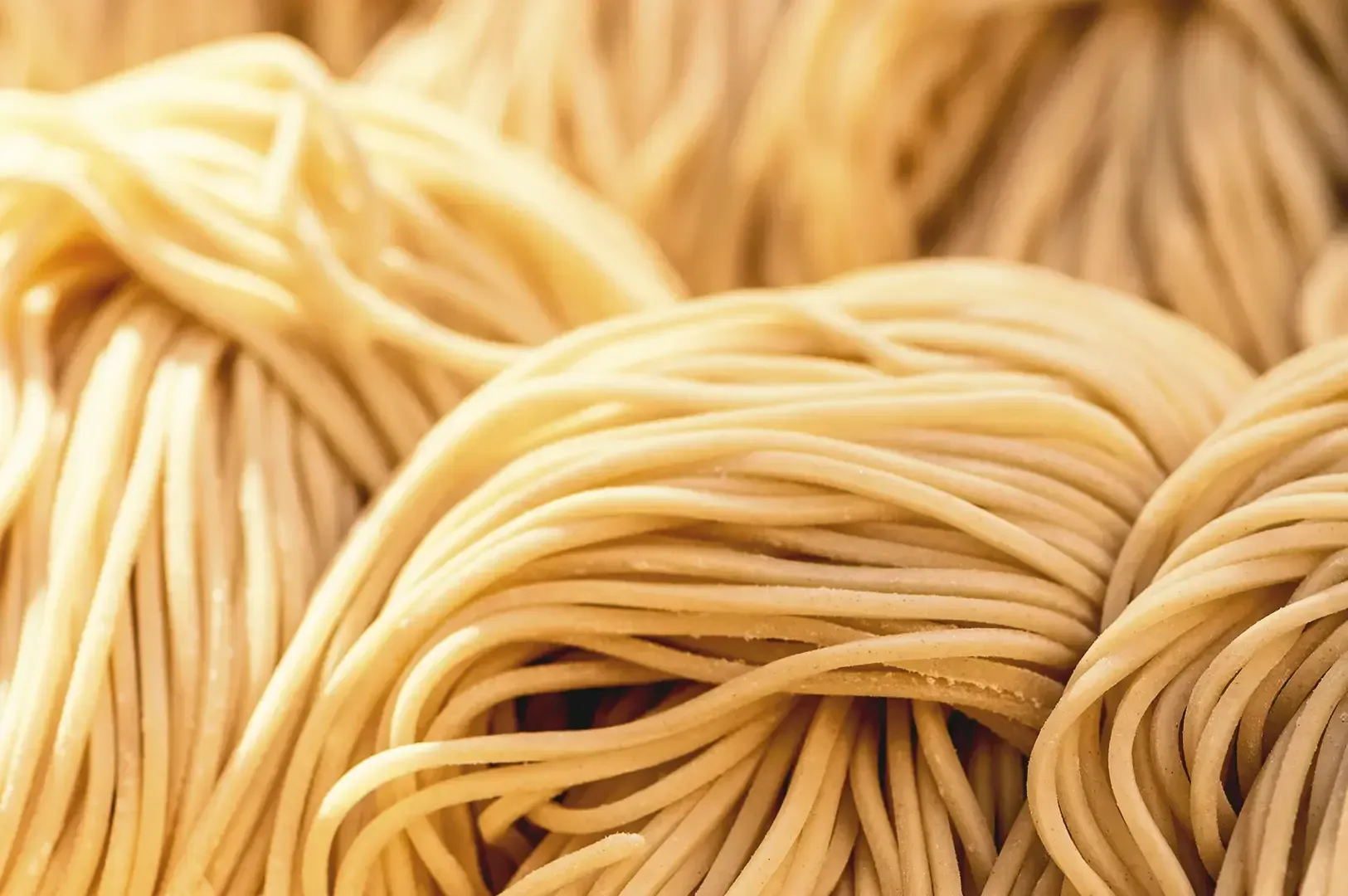
Curry Rice & Ramen Combos Savoring Best Japanese Curry Singapore
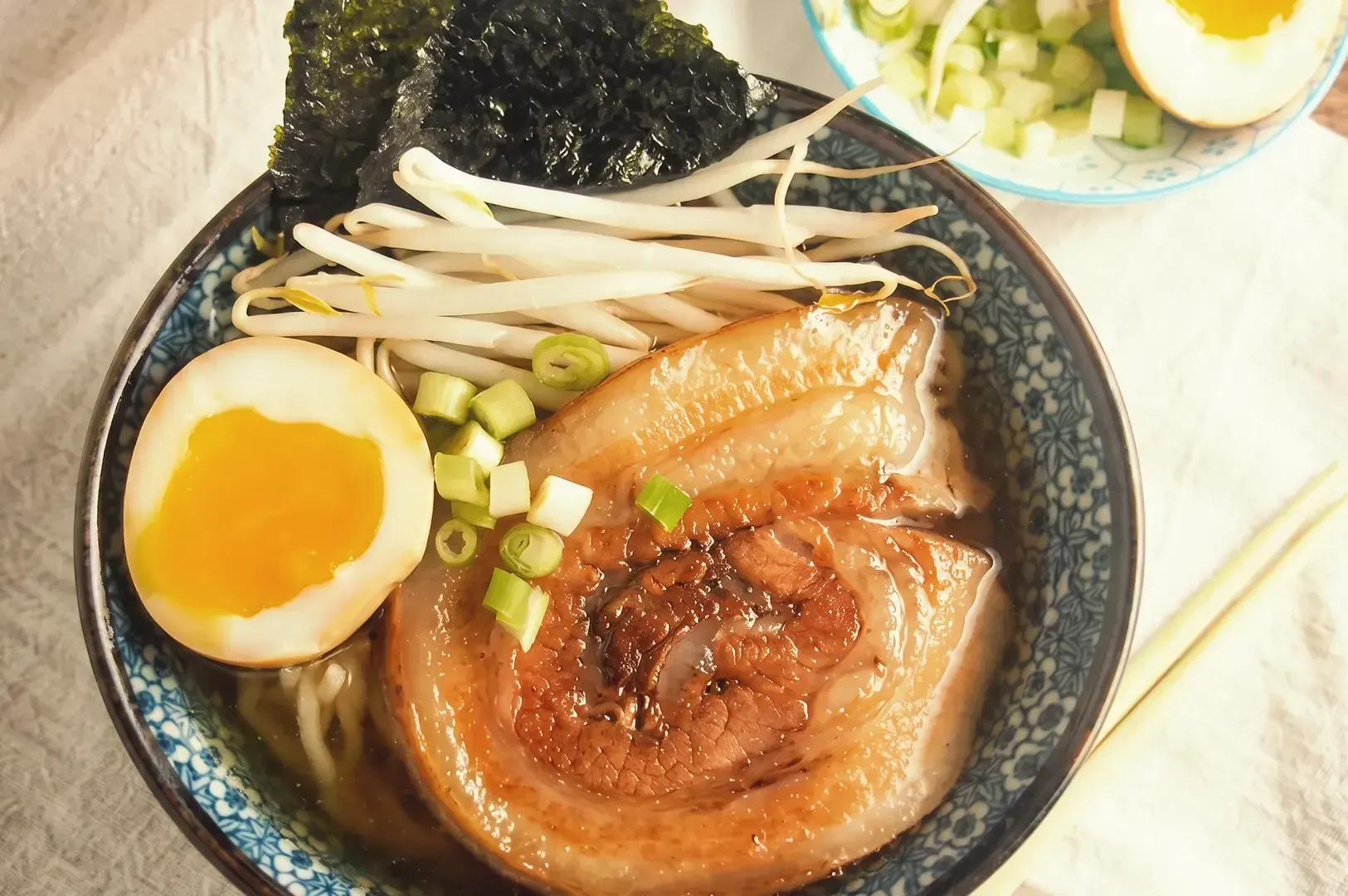
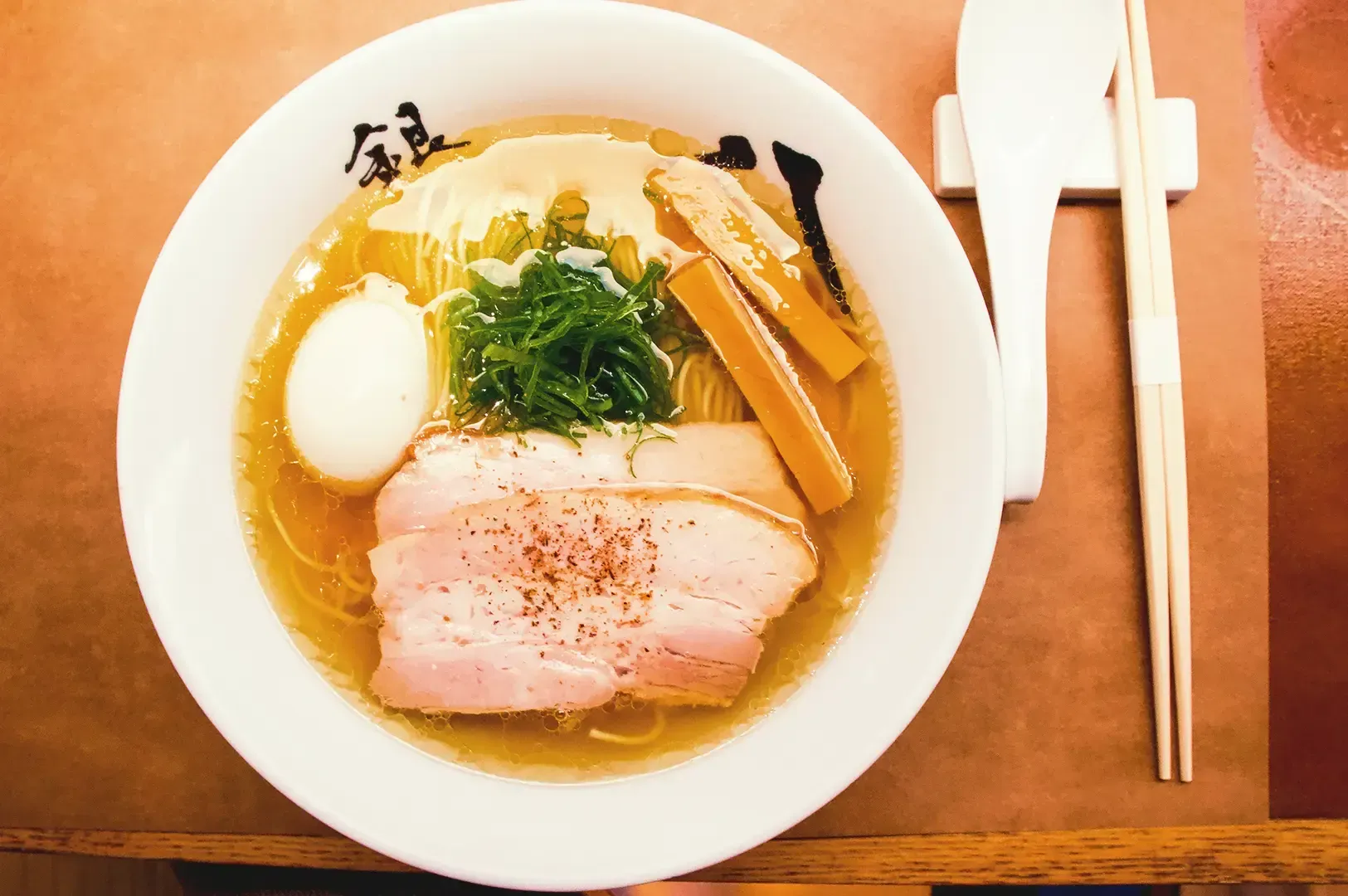
There are two dishes that hold a special place in my heart, two titans of Japanese cuisine that never fail to deliver a wave of pure satisfaction: a rich, savory bowl of ramen and a plate of sweet, spicy Japanese curry rice. For the longest time, I treated them as separate pleasures, distinct cravings to be satisfied on different days. Choosing between them often felt like an impossible decision. Ramen offered that deep, soupy comfort, while curry rice provided a thick, hearty embrace over a bed of fluffy rice.
But what if you didn’t have to choose?
Driven by my own insatiable curiosity, I went on a quest to find the most satisfying Japanese curry and ramen combinations across the island. I wanted to see who was doing it right, who was pushing the boundaries, and who was creating a plate of food so good it would make you wonder why you ever kept these two dishes apart. Here are the combos that you absolutely need to try.
Best Japanese Curry Singapore: Soup Curry by Ki-setsu and the Broth-Led Japanese Curry Experience
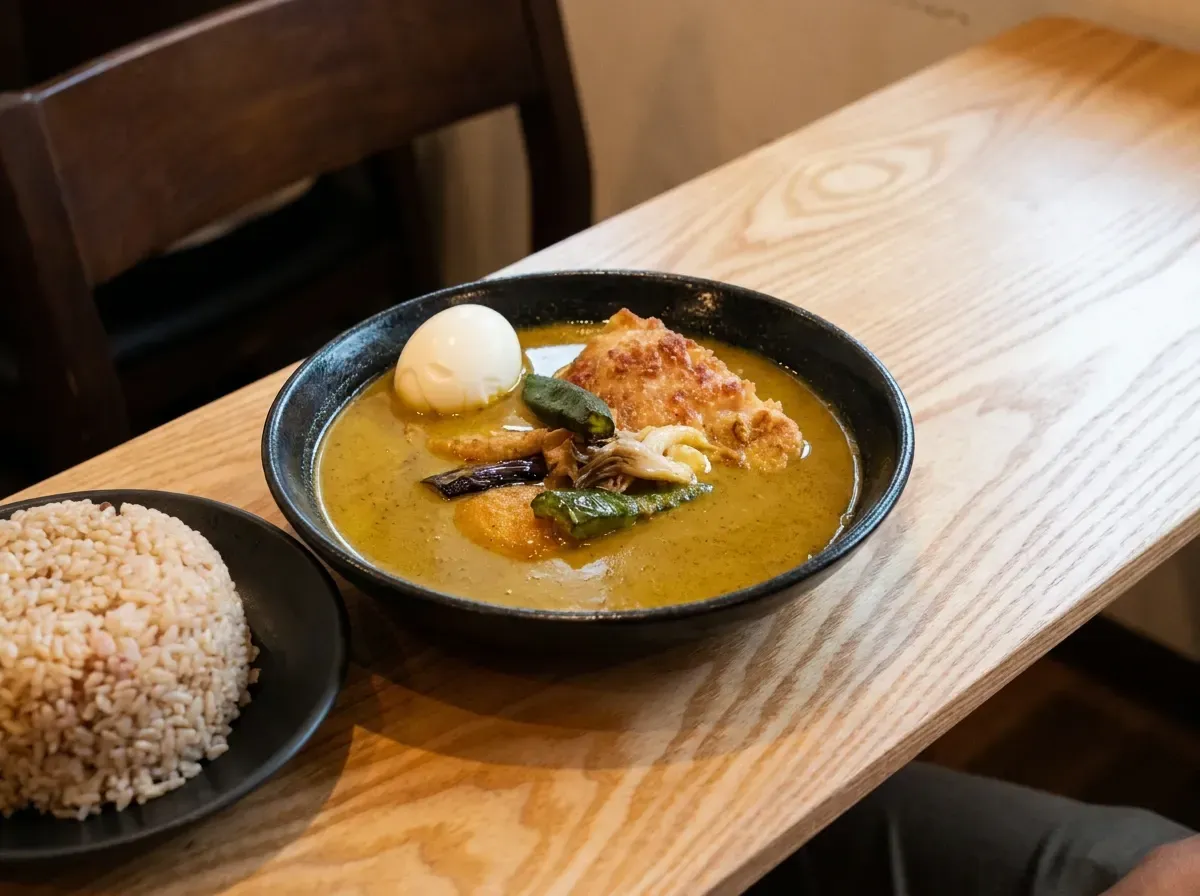
There is no ramen here. No noodles hiding at the bottom of the bowl. Normally, that would be enough for me to leave a restaurant off a ramen-adjacent list. But Soup Curry by Ki-setsu makes that boundary surprisingly messy.
If Japanese curry rice, chicken katsu curry rice, or a pork cutlet covered in thick curry sauce is your usual reference point, Hokkaido soup curry works differently. The upcoming Fortune Centre restaurant serves Chicken and Vegetable Soup Curry at S$14.80, with seasonal flash-fried vegetables and rice kept deliberately separate from the aromatic curry broth. There is no crispy katsu soaking beneath Japanese curry sauce here. Instead, the broth gets the kind of attention ramen drinkers already understand.
The Combo Experience
The “combo” here is not curry plus ramen. It is Japanese curry spices + broth logic + rice + vegetables and protein. You can taste the broth alone, bring rice into the equation a little at a time, then move between chicken and vegetables. Compared with familiar katsu curry rice, Monster Curry-style plates or the richer curry experience at places such as Maji Curry, this feels less like sauce meeting rice and more like a bowl assembled bite by bite.
- Why it works: Ramen lovers already know that broth can carry the identity of an entire meal. Soup curry applies that same idea to Japanese curry, with spices, vegetables and rice interacting without being blended into one uniform plate.
- What to order: Start with the Chicken Soup Curry for the fuller meal. Choose the Vegetable Soup Curry if you want to pay more attention to the broth, spice and contrasting vegetable textures.
Soup Curry by Ki-setsu is still preparing to open, so this is a preview rather than a bowl already tested against Singapore's best Japanese curry spots. But that is exactly why it belongs here: it shows that the connection between ramen and curry does not require noodles at all. Sometimes, the bridge is simply the broth.
Monster Curry: Japanese Curry Meets Actual Curry Ramen
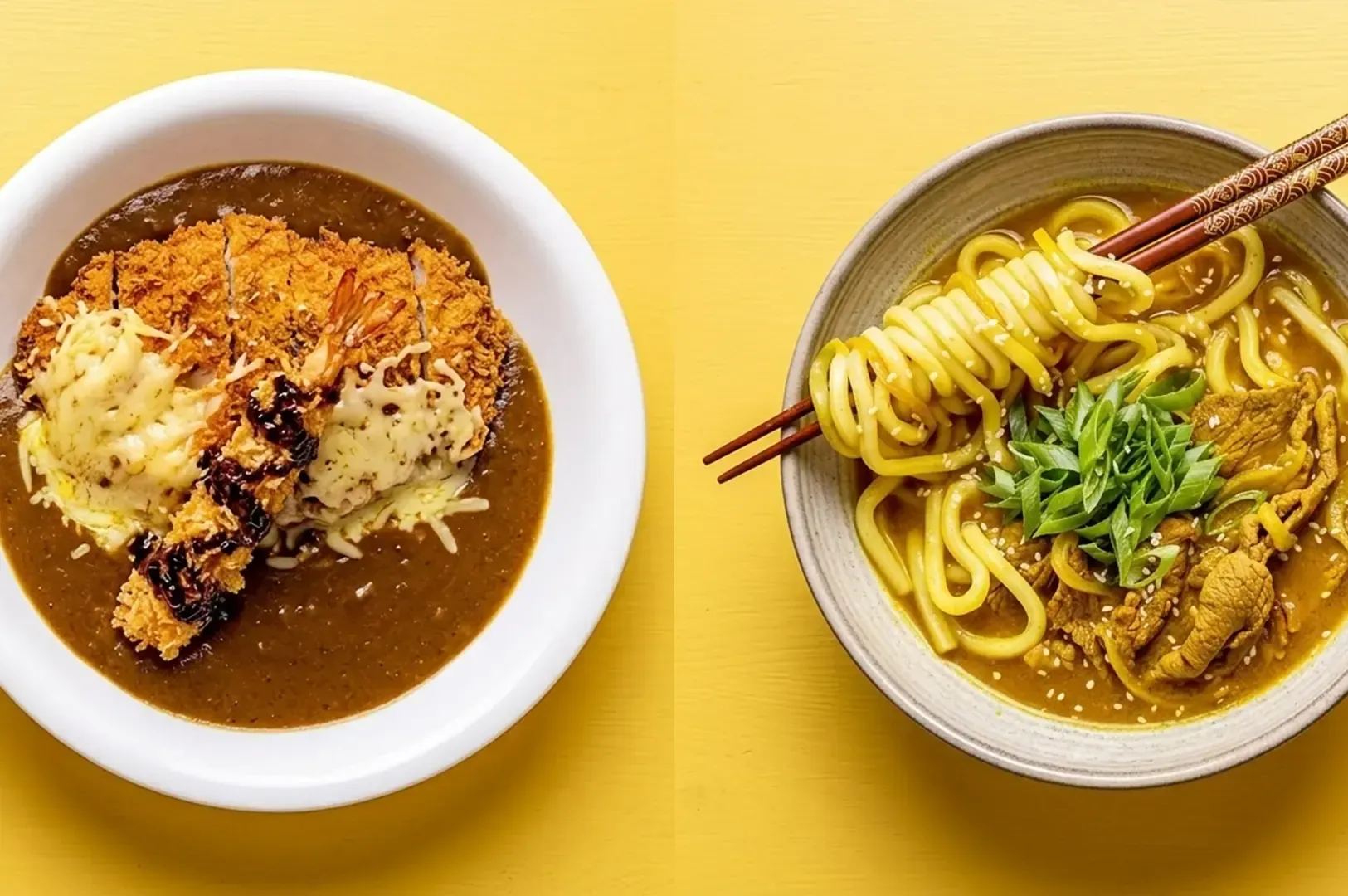
Monster Curry has built a name for itself with its massive plates and its famously spicy "monster" hot sauce. Their tagline, "Challenging All Eaters," is no joke. But beyond the spectacle, they offer a surprisingly thoughtful menu that allows for some fantastic curry and noodle interplay.
The Combo Experience
Monster Curry no longer needs a creative workaround to belong on this list. It now serves actual
Curry Ramen, which makes the crossover between Japanese curry and ramen much more literal. The broth uses the brand’s signature
demi-glace curry profile, while ramen egg, corn, black fungus, bamboo shoots and spring onion bring the bowl firmly into ramen territory.
Their curry is unique because it comes in five levels of spice level, including a spicy chilli padi option for those who want an extra kick. I usually go for level two or three, which provides a pleasant warmth without overpowering the other flavours.
- Why it works: Unlike a curry-rice restaurant borrowing ramen terminology, Monster Curry now combines its established Japanese curry flavour directly with ramen. The noodles give the demi-glace curry a completely different job from simply coating fluffy rice.
- What to order: Start with the Pork Katsu & Curry Ramen Set if crispy pork is part of the appeal. The Chicken Katsu version works for diners who usually gravitate towards chicken katsu curry, while the standalone Curry Ramen keeps the focus on the broth.
- My personal take: This is probably the most straightforward curry-and-ramen experiment on the list. No imaginary pairing required. It takes the oversized, customisable
Monster Curry experience and puts that familiar richness into an actual noodle bowl.
Yoshinoya Singapore: Japanese Curry Rice and Ramen on the Same Menu
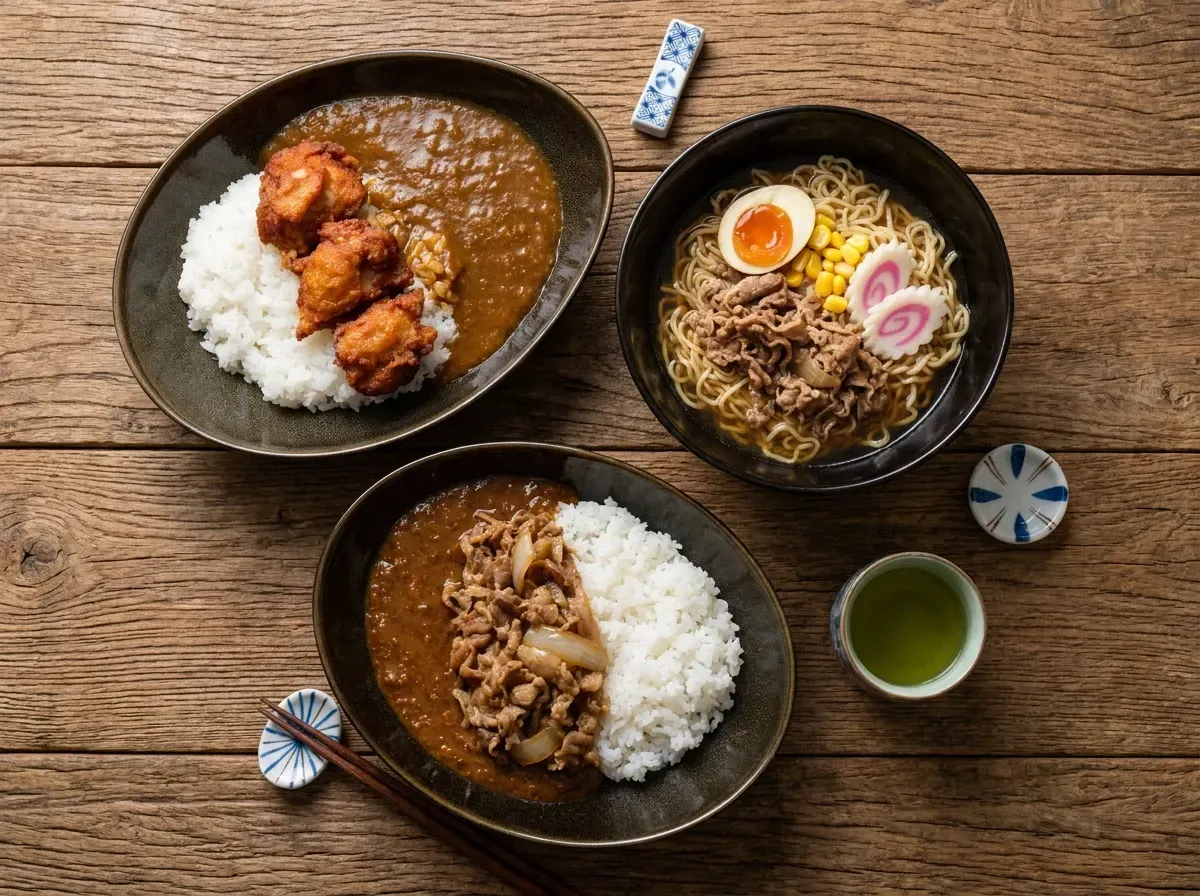
I’ll admit, Yoshinoya was not the first place that came to mind when I started thinking about the best Japanese curry Singapore options. Gyudon, yes. Curry and ramen together? That caught me off guard.
But their menu actually makes this pairing remarkably easy. There is Beef Curry Rice, Karaage Curry Rice, Ebi Curry Rice and even Beef & Karaage Curry Rice on one side, while the ramen section covers Shoyu Beef, Shoyu Karaage, Tori Paitan Beef and Tori Paitan Karaage. No imaginary combo. No walking to another restaurant afterwards.
The Combo Experience
My pick would be the Karaage Curry Rice with a Shoyu Beef Ramen if sharing with someone. The curry gives you that thick, familiar Japanese curry sauce over rice with crispy chicken, while the shoyu bowl changes the pace with noodles and a lighter soy-based broth.
Want something richer? Swap in the Tori Paitan ramen. Want seafood instead? The Ebi Curry Rice gives curry lovers another route without defaulting to pork katsu or chicken katsu every time.
- Why it works: Both dishes are familiar Japanese comfort food, but they satisfy in completely different ways. Curry rice is dense and sauce-led; ramen gives you broth, noodles and a different rhythm between bites.
- What to order: Karaage Curry Rice (S$8.90) with Shoyu Beef Ramen (S$9.50) for sharing, or keep it simple with one dish if you are dining solo.
- My personal take: This is not the most elaborate curry experience on the list, and that is exactly why it works. Yoshinoya feels like the practical option when two cravings show up at once and nobody wants to turn dinner into a research project.
Coco Ichibanya: The Global Standard for Japanese Curry Rice
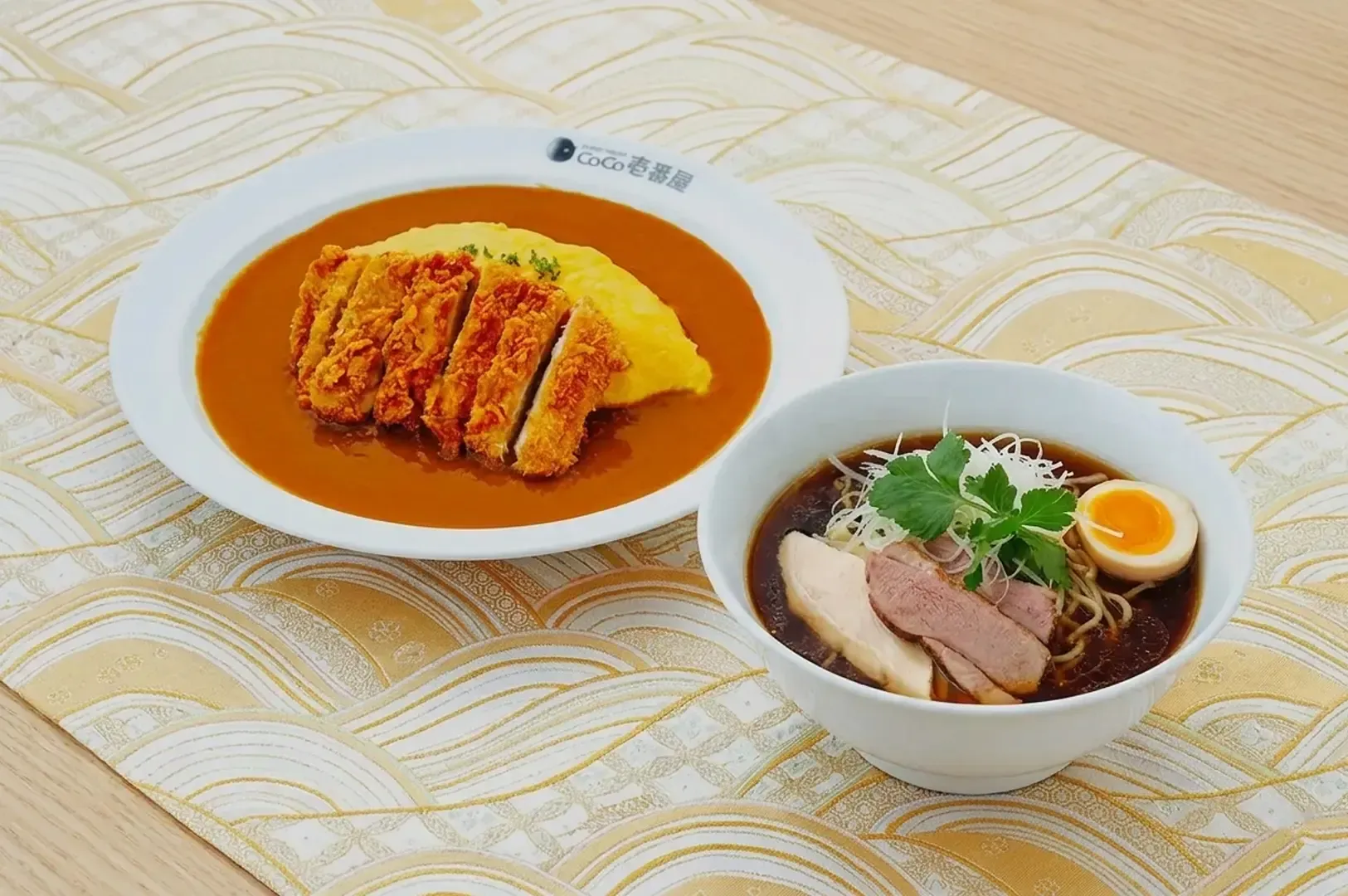
I used to think CoCo Ichibanya needed a bit of creative interpretation to fit a curry-and-ramen list. Apparently, the menu has solved that problem for me. It still does not serve traditional ramen, but there is now an actual Curry Noodles section, which feels considerably less forced than pretending an omelette sauce counts as broth.
The Combo Experience
The Pork Cutlet & Cheese Curry Noodles are probably where I would start. You get noodles, minced pork, half a soft-boiled egg and leeks, then a crispy pork cutlet and cheese on top. There is also a Fried Shrimp Curry Noodles option, plus Chicken Cutlet & Vegetable and Pork Shabu & Eggplant versions. The familiar CoCo curry suddenly has a different job here: instead of coating fluffy rice, it has to cling to noodles.
That is what makes the comparison fun. CoCo's regular menu is still built around highly customisable Japanese curry rice, with pork cutlet, chicken cutlet, seafood, vegetables, omelettes and plenty of toppings. You can adjust the spice level and build something relatively simple or completely overdo it. Both approaches are valid.
- Why it works: The same Japanese curry profile behaves differently with noodles than it does with rice, giving curry lovers an easy way to compare two formats without leaving the restaurant.
- What to order: Try the Pork Cutlet & Cheese Curry Noodles if you want the richest version, or Fried Shrimp Curry Noodles for something a little less predictable.
- My personal take: CoCo Ichibanya has always been the place I associate with choice. Now that choice extends beyond deciding how much rice or spice you want. Curry noodles make the crossover with ramen culture much easier to understand, even if purists will correctly point out that this still is not a traditional ramen bowl.
Japan Rail Cafe: A Cultural Journey Through Japanese Curry
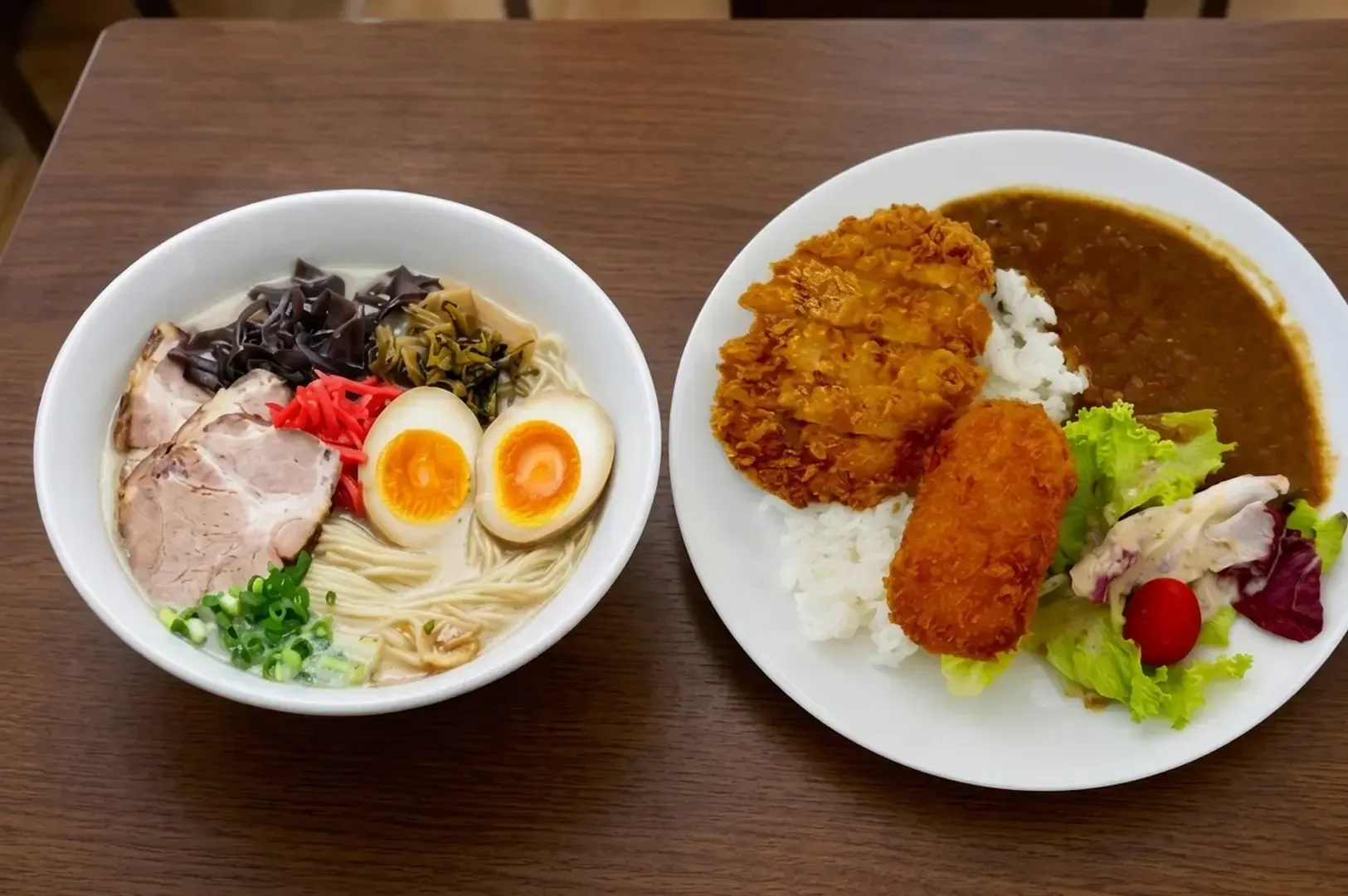
Operated by the East Japan Railway Company (JR East), Japan Rail Cafe offers more than just a satisfying meal; it provides an authentic taste of Japanese cuisine and culture in Singapore. This restaurant serves as a cultural ambassador, offering Japanese curry dishes that reflect different regions of Japan.
The Combo Experience
At Japan Rail Cafe, you can try the famous Watashino Curry Rice, a dish made with a black pepper base and a blend of various spices. Their menu also features a Seafood Curry and other Japanese curry rice options that highlight quality ingredients and authentic flavours.
- Why it works: The restaurant's unique setting and carefully curated menu allow diners to eat while learning about Japanese culture. The curry dishes are mild yet rich, with a perfect balance of sweet and savory notes.
- What to order: Try the Watashino Curry Rice for its authentic taste or the Seafood Curry for a delightful variation.
For curry lovers who appreciate cultural context along with great food, Japan Rail Cafe is a must-visit. The blend of authentic taste and educational experience makes it stand out.
Kuro Kare: The Japanese French Singaporean Restaurant with 36-Hour Black Curry
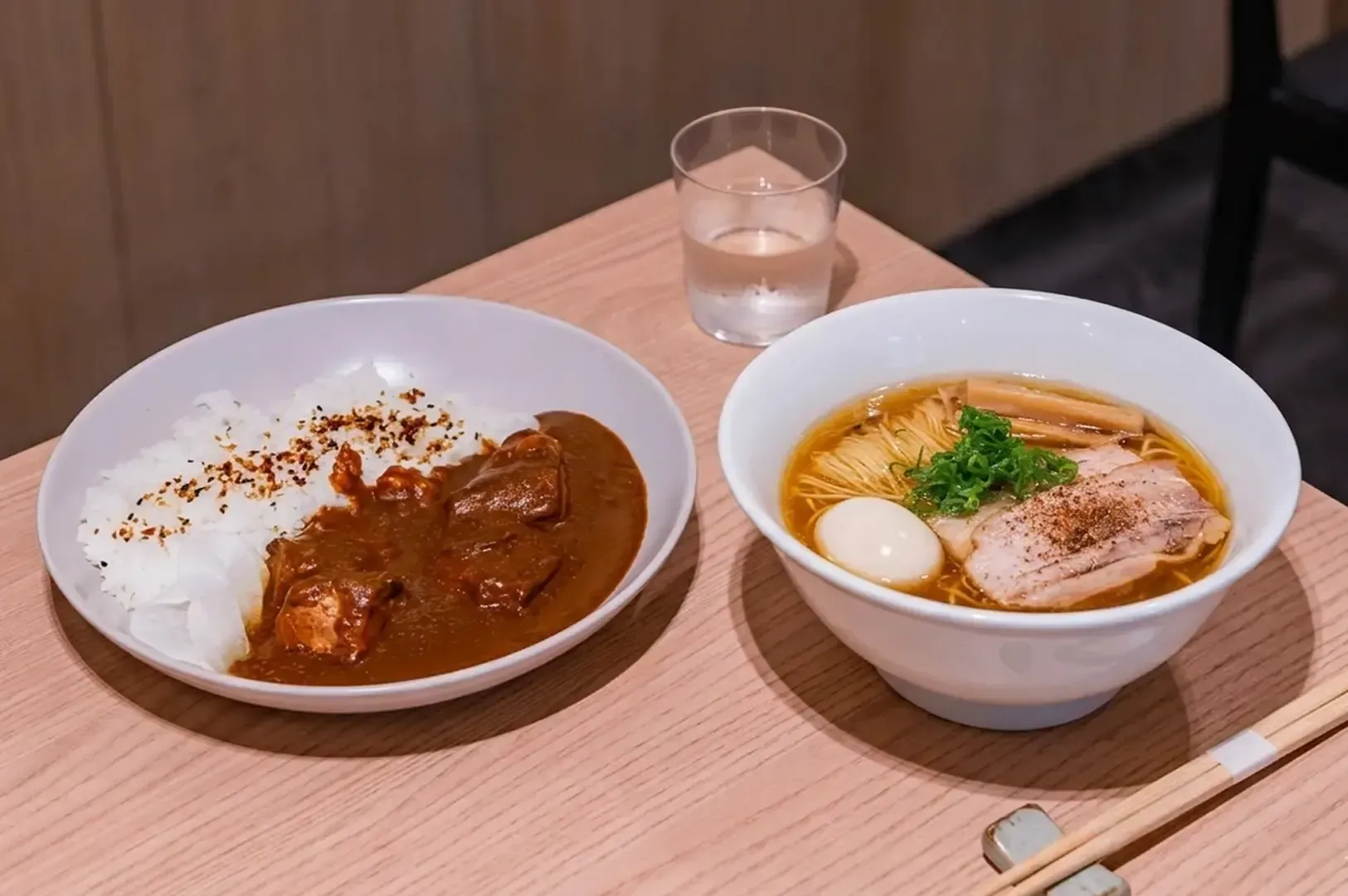
Kuro Kare is one of those places where the curry itself does most of the talking. Now at Havelock II, the restaurant is run by the former team behind fine-dining restaurant Fleurette, bringing some of that technical mindset into a much more casual format. It offers a unique take on Japanese curry with its signature
black curry, a rich and deeply savory dish that stands apart from the usual sweet and mild Japanese curry rice. This Japanese French Singaporean restaurant uses a blend of 25 spices and slow cooked for over 36 hours to develop its bold flavours.
The Combo Experience
Their menu features dishes served with premium proteins like thinly sliced Australian ribeye and Spanish pulled pork, creating a satisfying meal that blends Japanese curry tradition with fine dining techniques.
- Why it works: Kuro Kare provides curry lovers with an intense, umami-rich experience that contrasts with typical Japanese curry dishes. The use of quality ingredients and slow cooking elevates the flavours.
- What to order: Iberico Pork Katsu Curry if you want the full crispy-meat-and-black-curry contrast; Kuro Fried Chicken Curry for something more straightforward.
- My personal take: Kuro Kare is for the days when mild, familiar curry feels a little too predictable. No ramen gimmick needed. The black curry has enough personality on its own.
Maruhachi Donburi & Curry: Coffee-Shop Katsu Meets White Curry Udon
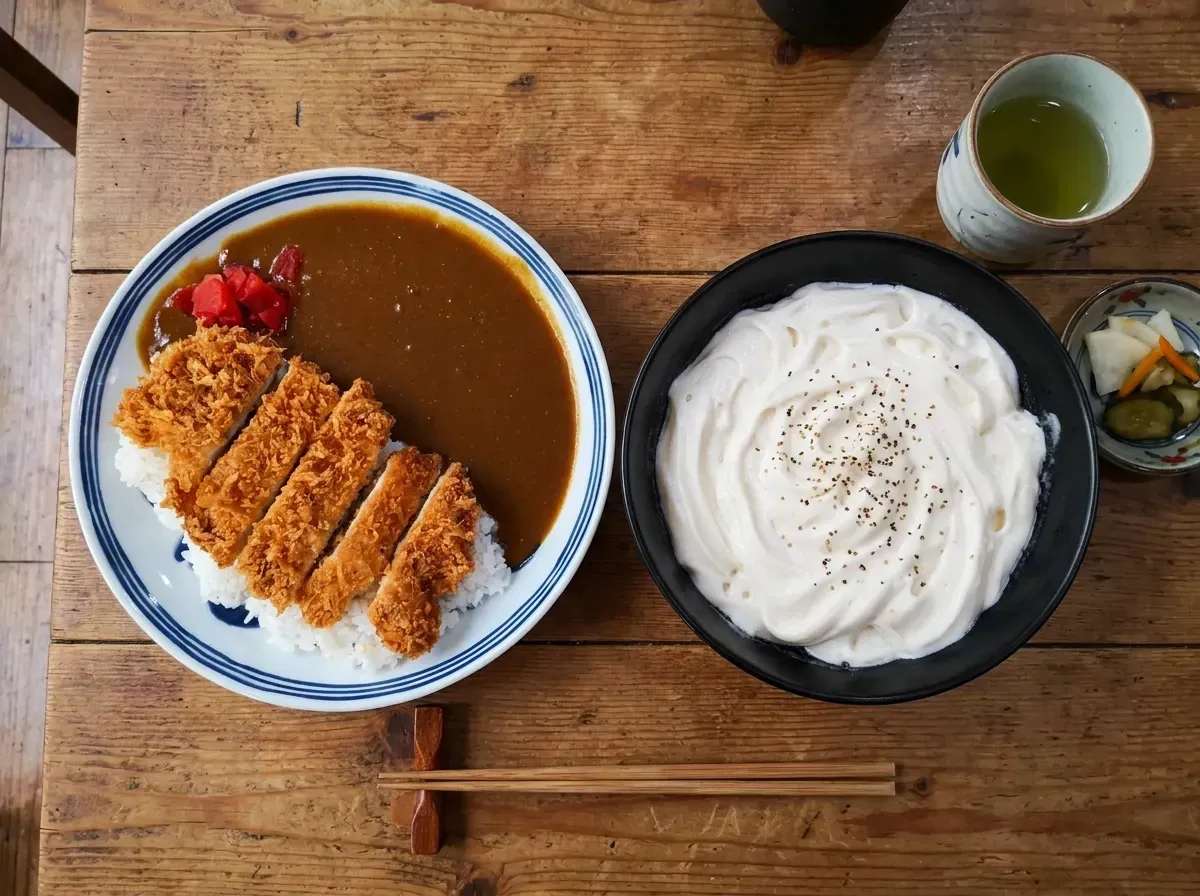
Maruhachi is exactly the kind of Japanese curry place I like finding in a neighbourhood coffee shop. No elaborate setup, no big occasion attached to it. I ordered the Pork Katsu Curry Rice first, and what stayed with me was the contrast: crisp breading, tender pork, plenty of rice, and curry thick enough to cling to every bite without completely drowning the katsu.
Then there is the Hokkaido White Curry Udon, which gives Maruhachi a much better reason to be on this list. It is not ramen, and I am not going to pretend otherwise. But the thick udon noodles work surprisingly well with the creamier curry, especially when you add pork katsu and get that crunchy-soft contrast in the same mouthful.
The Combo Experience
Trying both formats makes the difference obvious. Curry rice feels heavier and more familiar. The white curry udon is softer, creamier and much more noodle-led.
- Why it works: Maruhachi combines affordability with quality, making it a favorite among diners looking for a satisfying meal in a casual setting.
- What to order: Start with the Pork Katsu Curry Rice for the classic experience, then try the Pork Katsu White Curry Udon if you want something different.
- My personal take: This is the kind of place I like having in a list like this. Nothing needs to be dressed up as a special-occasion meal. You get fried katsu, curry, rice or udon, and prices that still make sense for an everyday lunch.
Gochi So Shokudo: Premium Japanese Curry with Iberico Pork
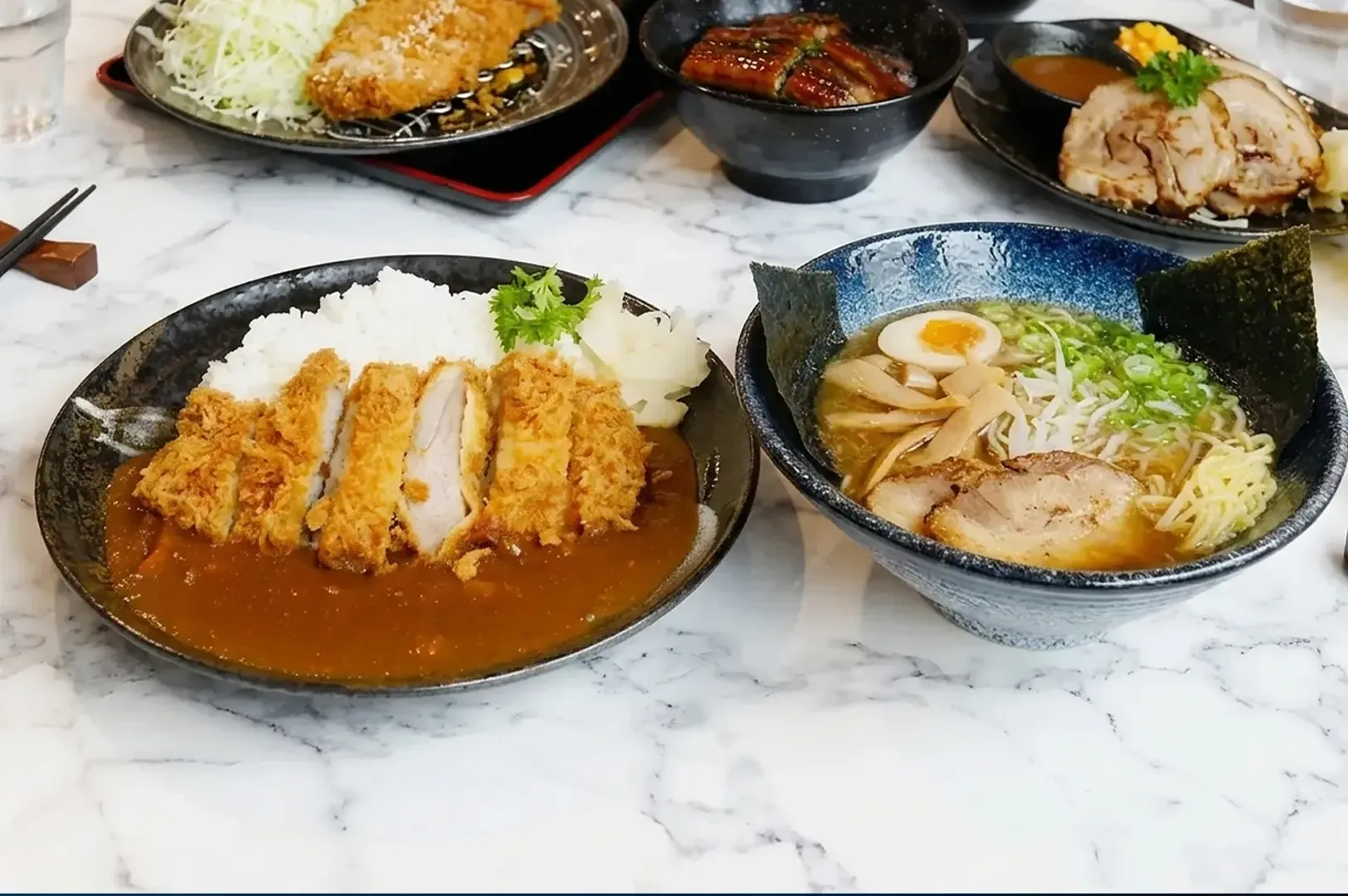
Gochi So Shokudo is a restaurant renowned for its premium Japanese curry dishes featuring Iberico pork. Their collar Mille Feuille Katsu Curry and Bellota Loin Katsu Curry showcase quality ingredients and refined flavours.
The Combo Experience
The rich curry sauce complements the tender pork cutlets, making each dish a satisfying meal for curry lovers who appreciate restaurant-quality Japanese cuisine.
- Why it works: The combination of premium pork, expertly cooked katsu, and flavorful curry sauce elevates classic Japanese curry rice to a gourmet level.
- What to order: Collar Mille Feuille Katsu Curry or Bellota Loin Katsu Curry.
- My personal take: Gochi So Shokudo is perfect for diners who want to enjoy the best Japanese curry rice in a restaurant setting with top-tier ingredients.
Signature Curry Recommendations: Must-Try Japanese Curry Dishes in Singapore
When exploring the best Japanese curry Singapore has to offer, certain signature dishes stand out for their unique flavors and satisfying textures. Here are some must-try curry recommendations that showcase the diversity and richness of Japanese curry cuisine.
Pork Cutlet Omelette Curry
A beloved classic, the pork cutlet omelette curry combines a crispy breaded pork cutlet with a fluffy omelette, all drenched in rich, flavorful curry sauce. This dish offers a delightful blend of textures—the crunch of the cutlet, the softness of the omelette, and the hearty curry gravy. Many Japanese curry restaurants in Singapore, including Coco Ichibanya and Maji Curry, feature this dish as a highlight on their menus.
Monster Curry’s Overloaded Curry Burger
For those seeking a bold twist on traditional Japanese curry, Monster Curry’s signature overloaded curry burger is a must-try. This innovative creation layers juicy meats, including pork cutlet and chicken katsu, with fluffy buns and their famous demi-glace curry sauce. Served with sides like fries and iced lemon tea, it’s a flavorful and filling option that has gained a loyal following in Singapore’s curry scene.
Kuro Kare’s Black Curry
Kuro Kare offers a unique take on Japanese curry with its signature black curry, slow-cooked for over 36 hours using a blend of 25 spices. This rich, deeply savory curry is paired with premium proteins such as thinly sliced Australian ribeye or Spanish pulled pork, creating a gourmet experience that stands out from typical Japanese curry dishes.
Frequently Asked Questions About Japanese Curry and Ramen Combos
What makes Japanese curry and ramen a good combination?
Japanese curry's rich, thick sauce pairs well with the light, savory broth of ramen. The contrast balances flavors and textures, offering a satisfying and varied dining experience.
Can I customize spice levels in curry and ramen combos?
Yes, many restaurants like Monster Curry and Coco Ichibanya allow you to customize spice levels and toppings, so you can tailor your meal to your preference.
Are there places in Singapore that serve both curry rice and ramen together?
While most places specialize in either curry or ramen, some spots like Go-Go Curry offer curry rice alongside ramen options, and nearby ramen restaurants complement the curry experience.
Is it common to find curry dishes paired with udon or other noodles?
Yes, dishes like Chicken Katsu Curry Udon at Monster Curry show that pairing curry with thick noodles is a popular and delicious variation of the combo.
Your Next Culinary Adventure Awaits
So, the next time you find yourself torn between these two Japanese culinary giants, remember that you no longer have to choose. Head out and explore these incredible combinations for yourself. Whether you prefer a balanced pairing or a full-on flavor explosion, there is a perfect curry and ramen combo waiting for you in Singapore.
For a more diverse cultural Singapore Ramen exploration, visit
Bestramen.com
Recent Posts