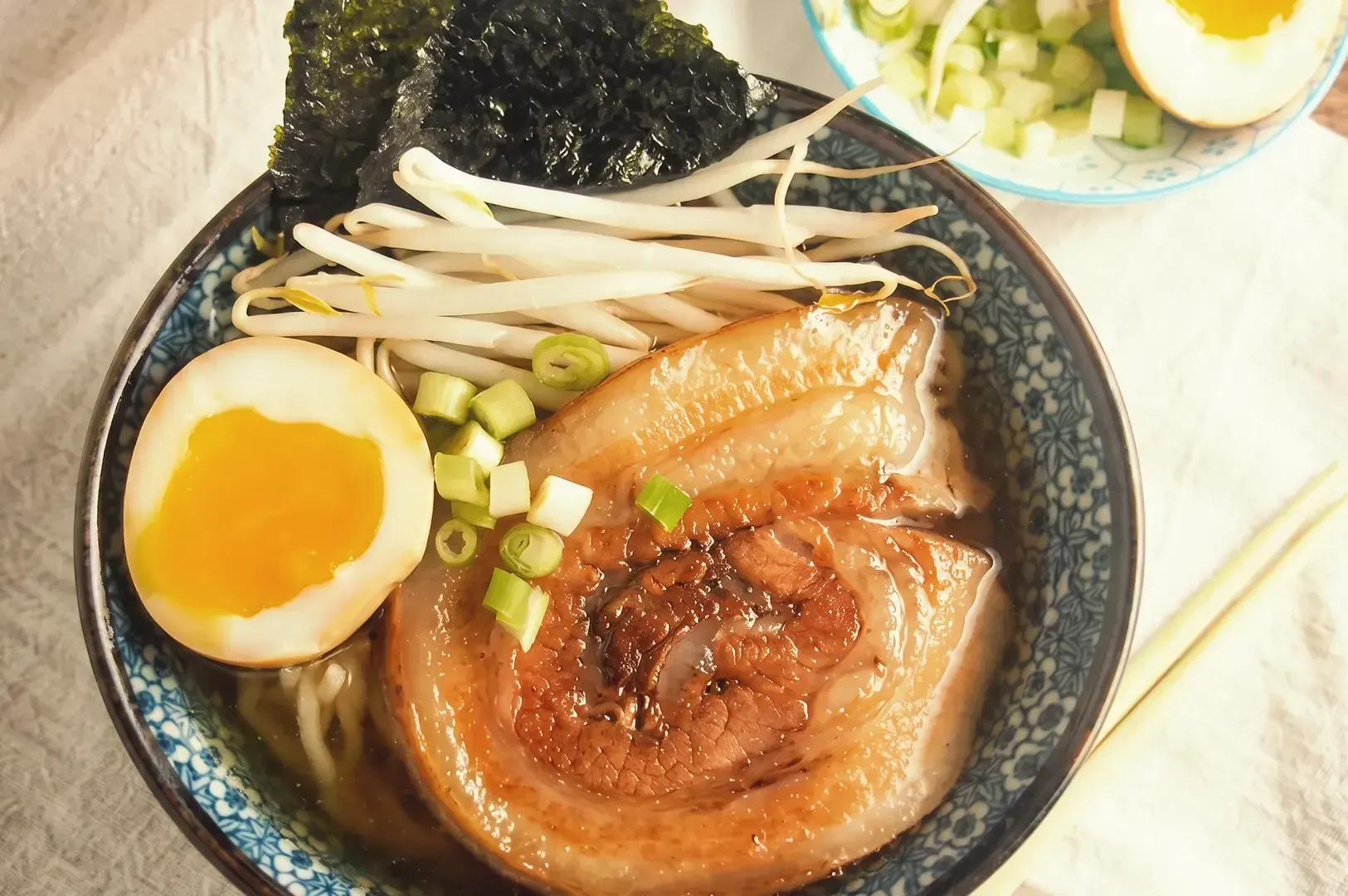
Sitting at a crowded wooden counter late on a Tuesday night, the scene around me is a beautiful study in contrasts. To my left, a man in a sharp but wrinkled suit rapidly slurps his tonkotsu, his briefcase tucked neatly between his feet. To my right, two university students in oversized hoodies are sharing a side of gyoza, laughing softly over the savory steam of their spicy miso bowls. The air is thick with the scent of roasted pork fat, toasted garlic, and warm soy sauce. Watching this shared experience makes me wonder: who exactly is this global comfort food for?
Decades ago, the answer was remarkably simple.
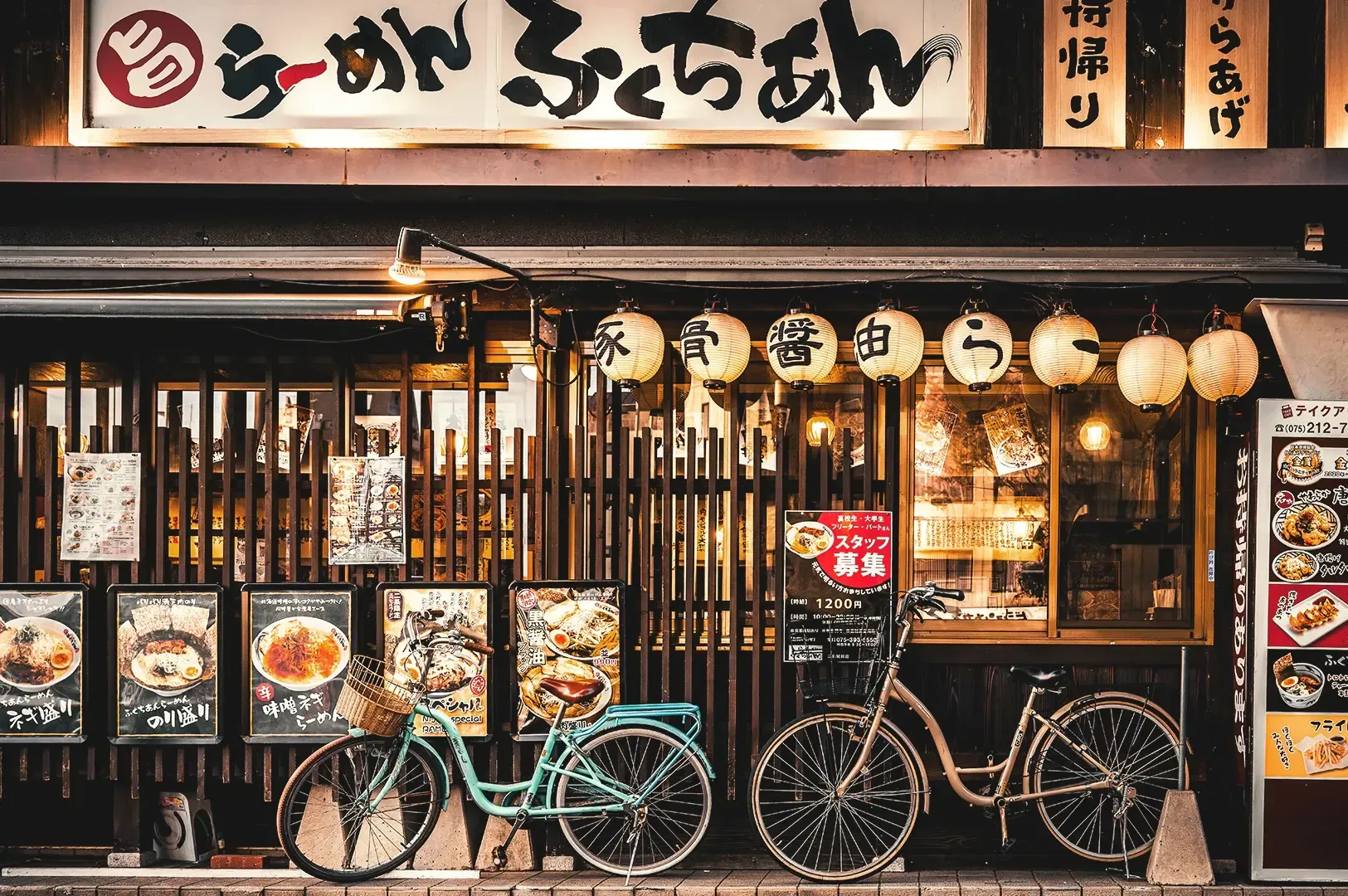
Ramen was the ultimate fast food
for the Japanese salaryman. It was a cheap, hot, and incredibly calorie-dense meal designed specifically to fuel long, exhausting workdays. You ate it quickly, often standing up or hunched over a tiny street stall, right before catching the last train home.
It was pure utility in a bowl. But somewhere along the line, the narrative shifted completely. These steaming bowls crossed oceans and cultural boundaries, transforming from a quick utilitarian fix into a celebrated global phenomenon.
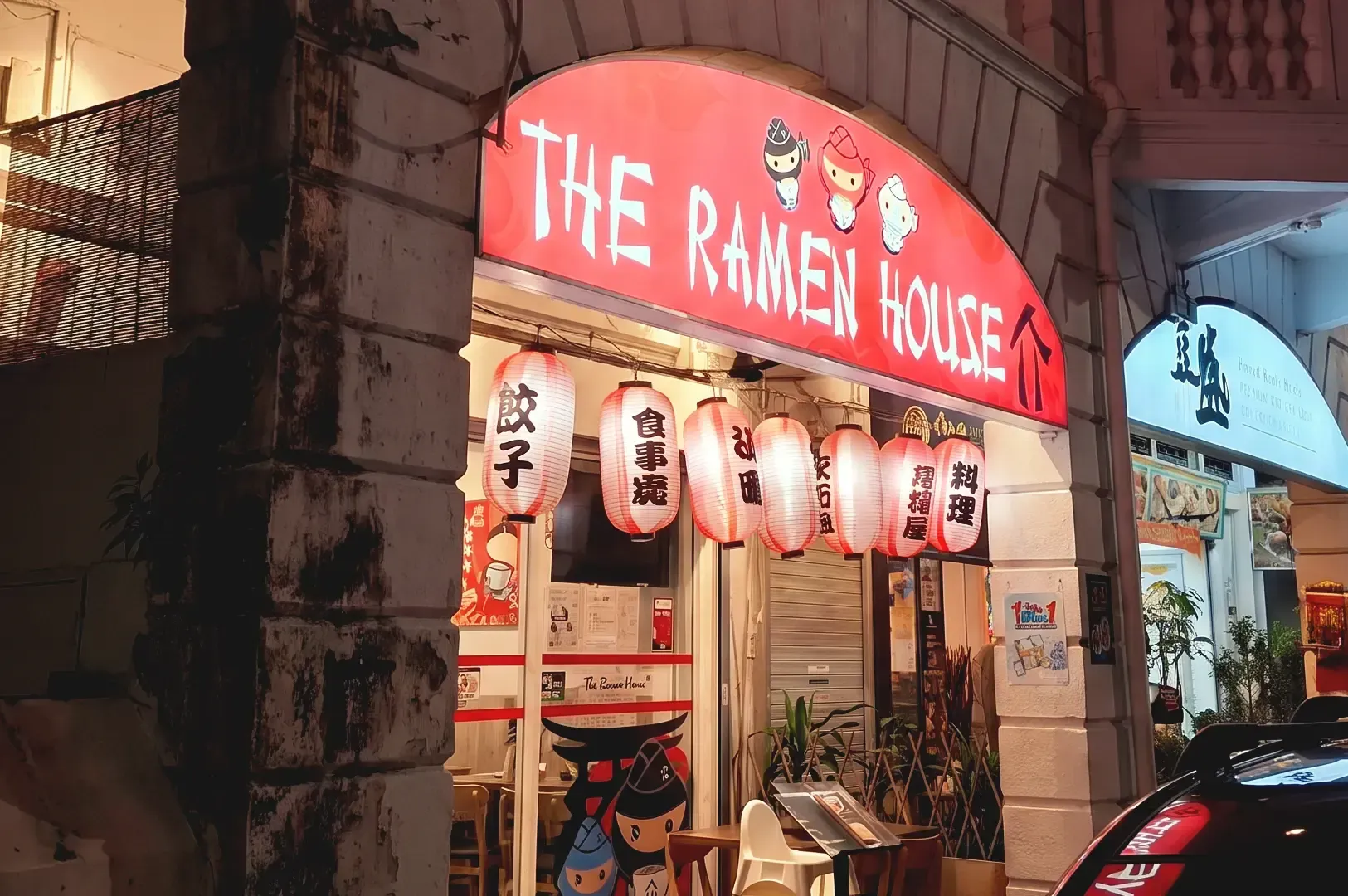
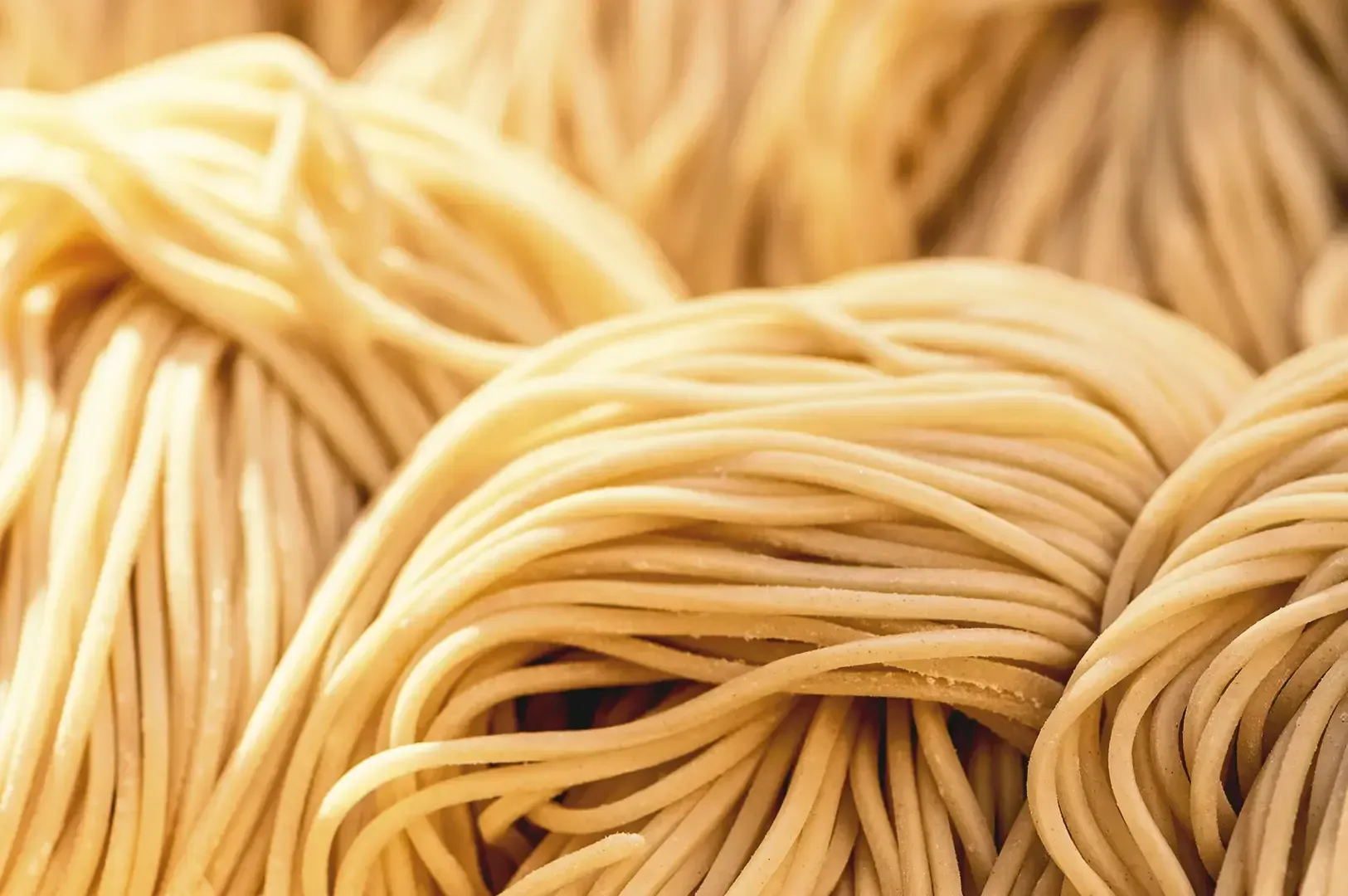
Now, you find lines stretching around the block in cities from New York to London to Singapore. The demographic has beautifully shattered. When I look around my favorite noodle shops, I see families introducing toddlers to their first bouncy noodles. I spot teenagers on awkward first dates, bonding over shared
toppings. I notice solo diners seeking a quiet, meditative moment of solace after a difficult day. Ramen possesses a unique, almost magical ability to adapt to whatever you need it to be in that exact moment.
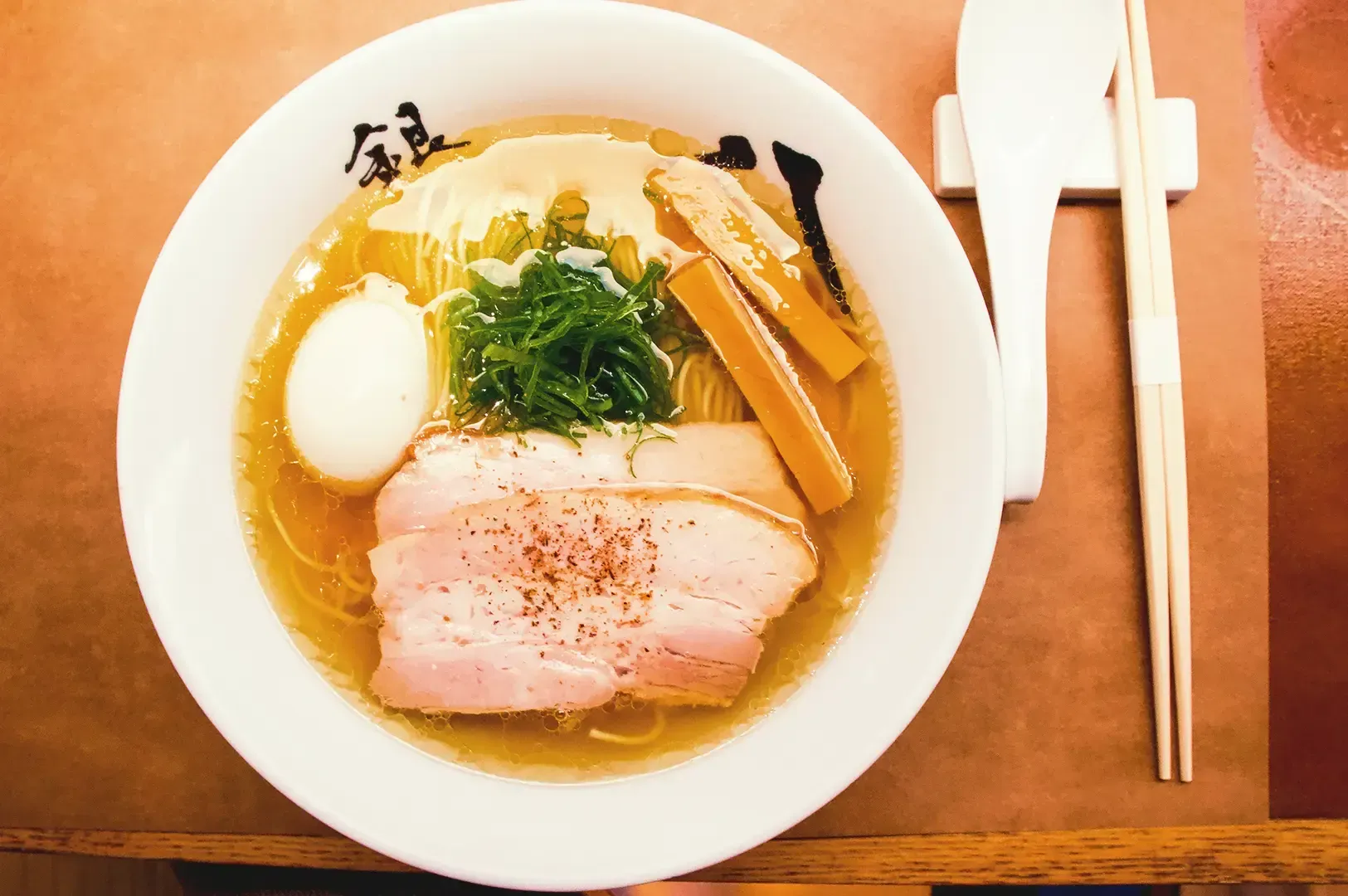
For the tired office worker, it remains an efficient, savory lifeline. For the curious foodie, it is a highly complex canvas of regional broths, artisanal tare, and perfectly marinated eggs. It connects people across vastly different backgrounds because the core experience is fundamentally human.
Ultimately, the bowl does not judge. It offers the exact same rich, umami-laden embrace to a wealthy executive as it does to a college student scraping together pocket change. That is the true, enduring power of this dish.
It strips away our social titles, our daily stresses, and our differences, leaving only the primal, shared joy of a deeply satisfying meal. So, who is ramen really for today? It is for absolutely anyone who needs a moment of warmth and belonging. All you have to do is pull up a stool, break apart your chopsticks, and take that very first restorative sip.