Ramen Protein Toppings: Beyond Pork Chashu
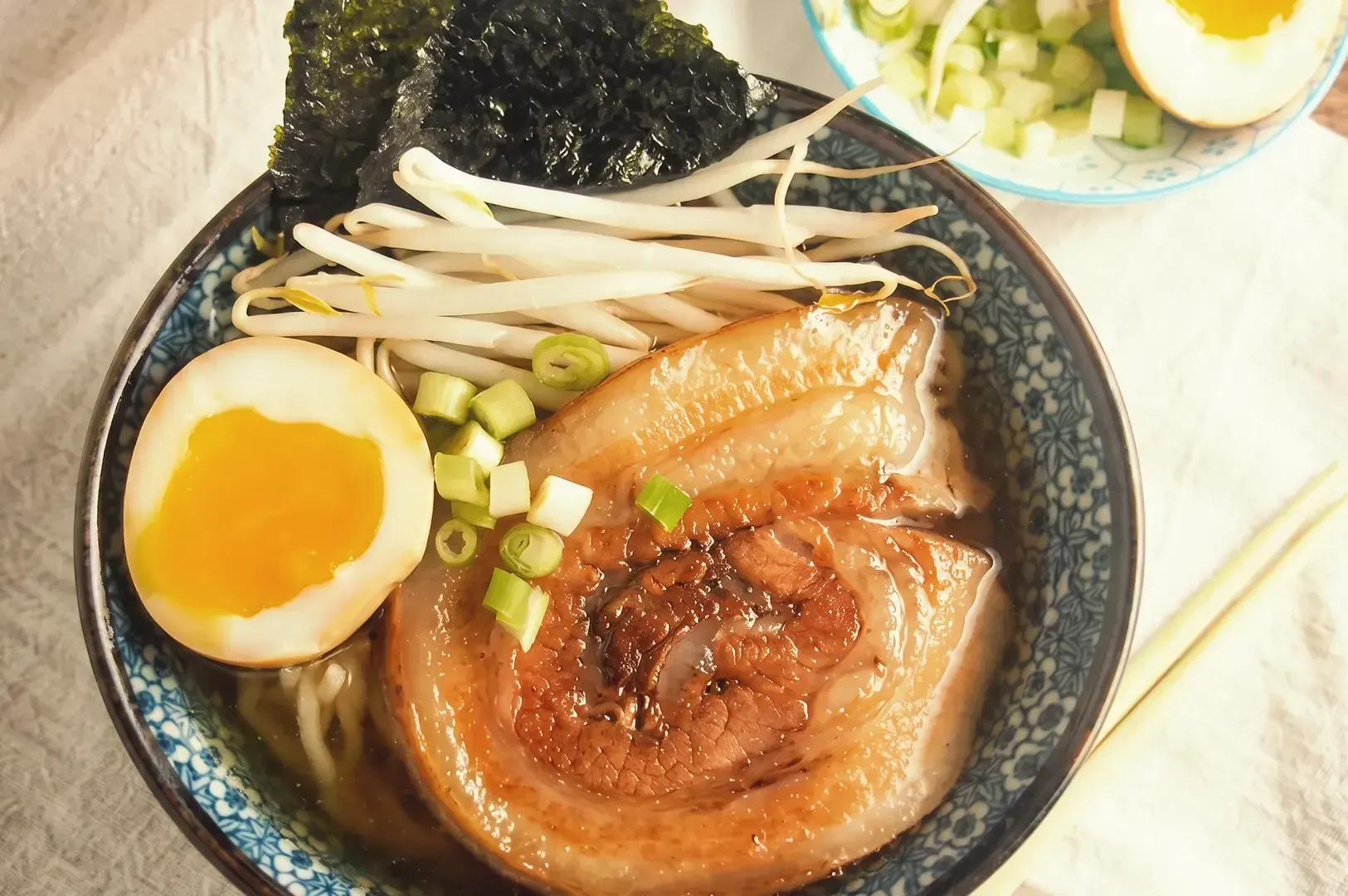
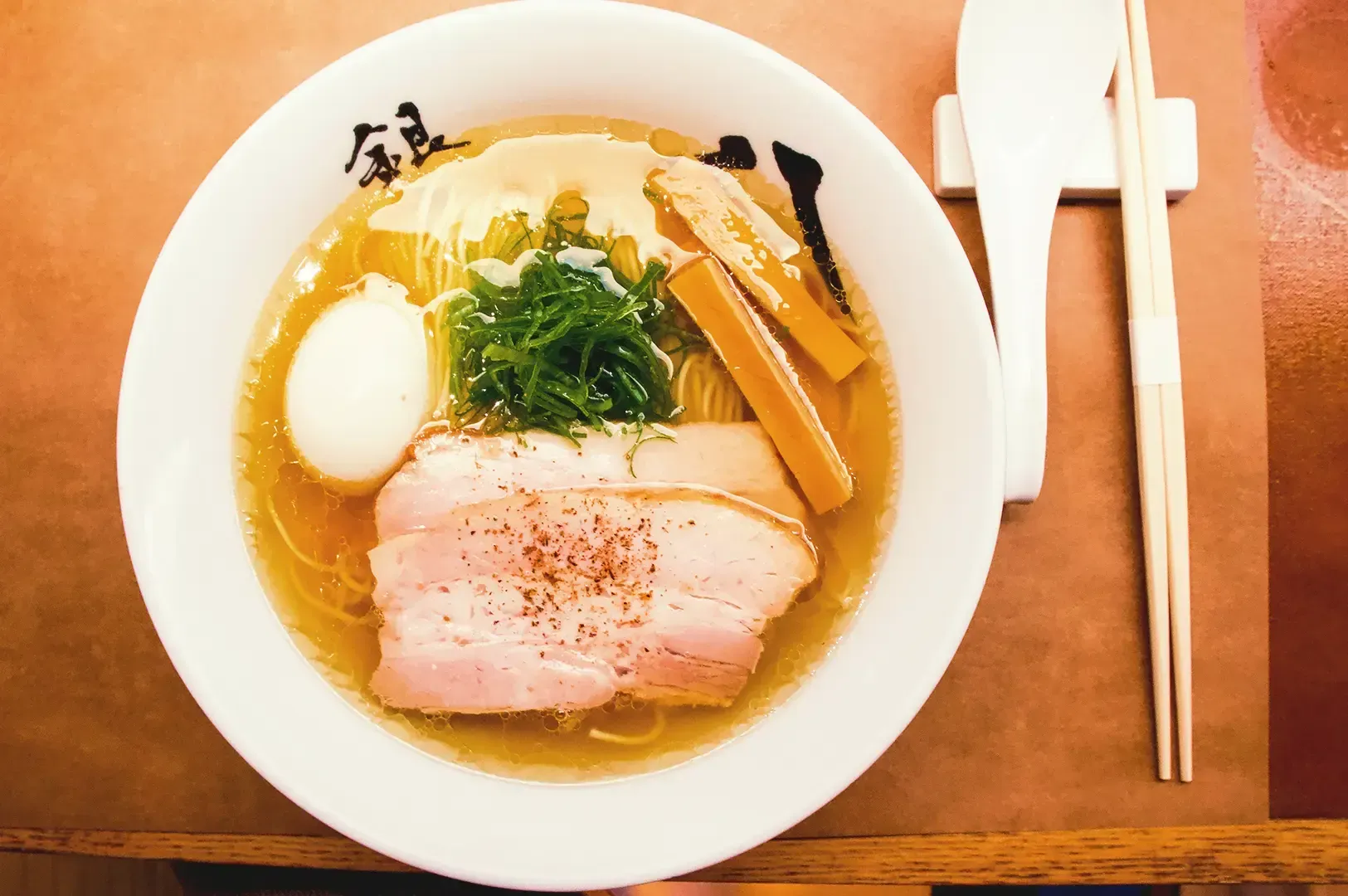
Ask anyone to picture a classic bowl of ramen noodles, and they’ll likely describe the same thing: springy noodles swimming in a rich broth, a jammy soft-boiled egg, and, reigning supreme, a few tender, melt-in-your-mouth slices of pork chashu. For decades, this braised pork belly has been the undisputed king of ramen toppings—and for good reason—it’s absolutely delicious.
But to think that ramen’s protein story ends with pork is to miss out on a world of incredible flavor.
Let’s journey beyond the pork belly chashu and explore the delicious possibilities that await when you venture off the beaten path.
Introduction to Ramen
Ramen is more than just a meal—it’s
a culinary phenomenon that has captured the hearts (and appetites) of food lovers around the world. At its essence, ramen is a Japanese noodle dish built on three pillars: a flavorful broth, springy ramen noodles, and an array of delicious toppings. While traditional bowls often feature pork belly, boiled eggs, and green onions, the world of ramen has expanded to include everything from
chicken chashu to inventive vegetable-based options.
Chicken Chashu and Rotisserie Chicken: Lighter Alternatives to Pork
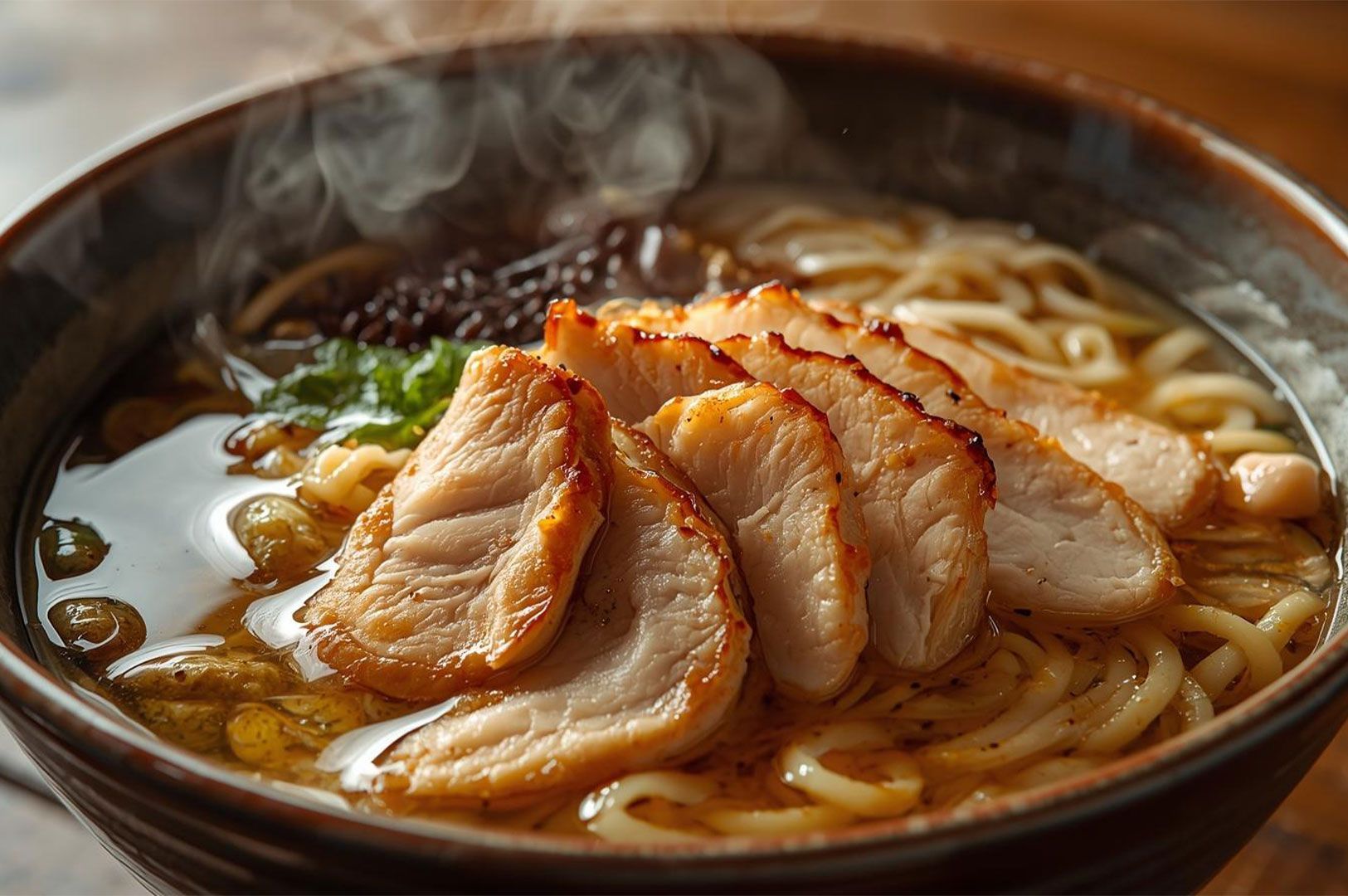
While pork often gets the glory, chicken has always been a foundational part of ramen broth, especially in lighter chintan (clear) soups. Chefs carefully cook chicken to achieve the perfect texture for ramen toppings, ensuring it remains juicy and tender. Recently, chicken has stepped into the spotlight with the rise of Tori Paitan ramen, a creamy, rich “chicken white soup” made by boiling chicken bones until they break down into a velvety base.
Sous-Vide Chicken Breast and Rolled Chicken Thighs
For toppings, chefs now favor chicken chashu, prepared from either chicken breast or skin-on chicken thighs.
- Sous-vide chicken breast: Cooked at a low, precise temperature in a vacuum-sealed bag, this technique keeps the meat tender and juicy. A quick sear over medium-high heat adds a touch of smokiness.
- Rolled chicken thighs: Boneless thighs are rolled tightly, then braised in a mixture of soy sauce, mirin, and sake—just like pork chashu. The higher fat content of chicken thighs ensures a moist and flavorful result.
Both styles make a delicious ramen topping that pairs perfectly with a creamy Tori Paitan broth. For home cooks, this is a great recipe idea to try with pre-cooked or leftover chicken—even shredded rotisserie chicken can be reheated with soy sauce, sesame oil, and a drizzle of chili oil for a comforting ramen bowl.
Kamo Ramen: Duck as a Premium Ramen Protein Topping
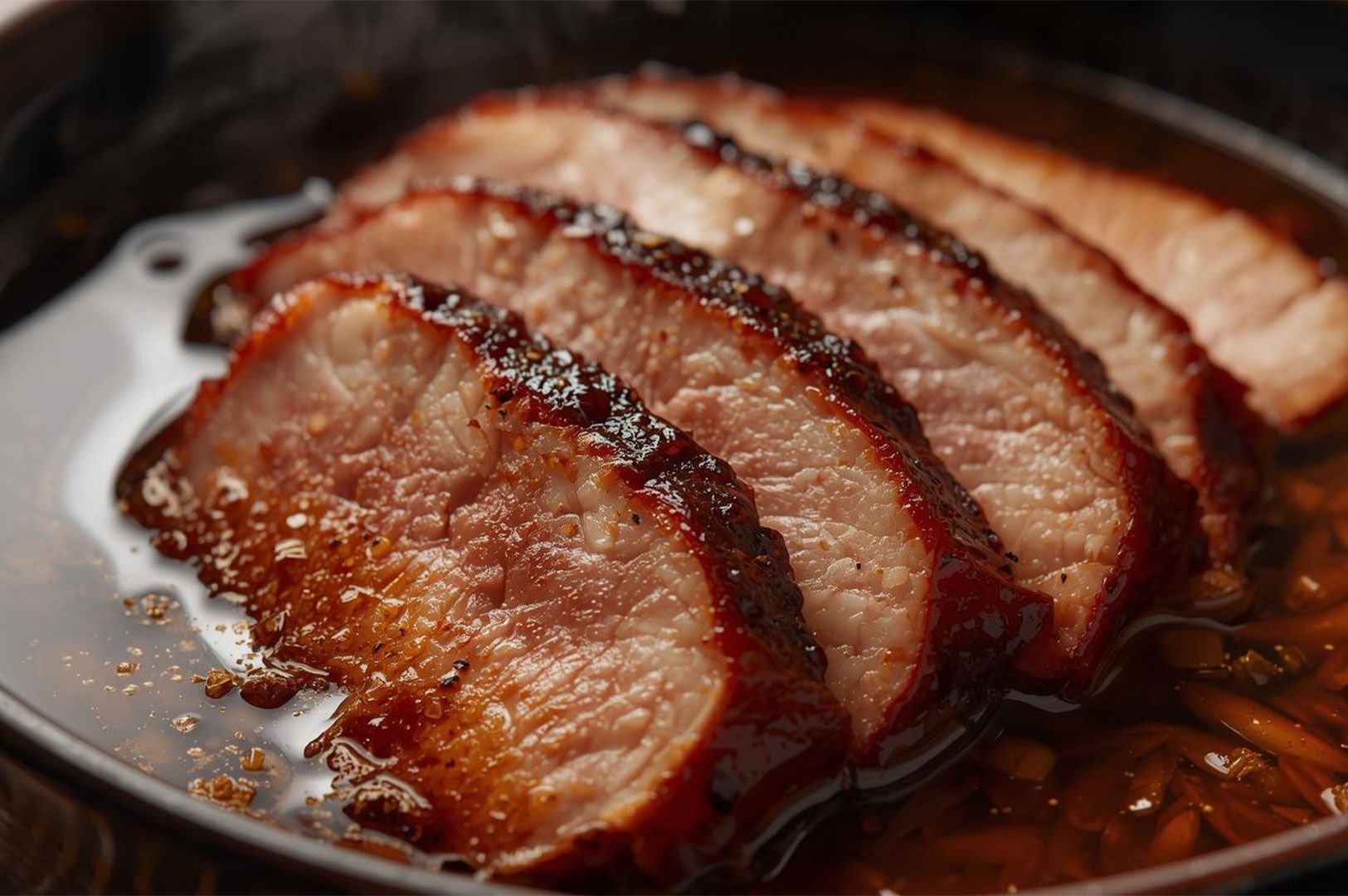
If you ever see duck ramen—known as Kamo Ramen—on a menu, order it immediately. It’s a luxurious noodle dish featuring a clear, soy sauce–based broth made from duck bones.
Pan-Seared Duck Breast
The star topping is slices of duck breast cooked skin side down over medium heat to render the fat and crisp the skin. The result: tender, rosy meat with rich, slightly gamy flavor that pairs beautifully with the deep shoyu broth.
Many chefs use the rendered duck fat to make the
aromatic chili oil that’s spooned over the bowl right before serving, infusing the dish with smoky depth. This ramen topping feels indulgent and elegant, offering a contrast of crunchy texture and silky meat.
Beef Ramen Noodles: Ground Beef, Brisket, and Wagyu
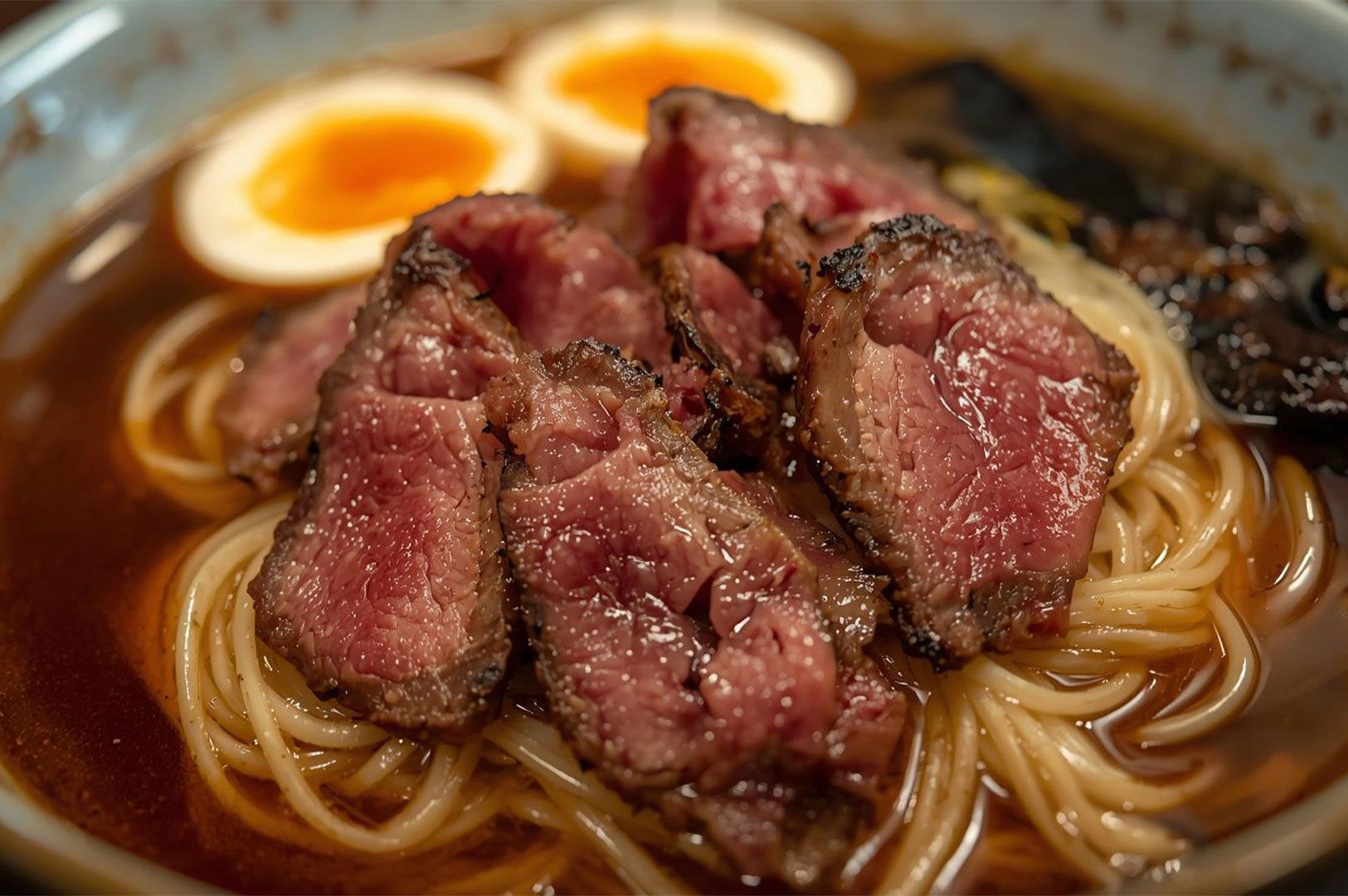
Beef-based ramen, or Gyukotsu ramen, is still relatively rare, but it’s a standout among Japanese and Asian recipes that reinterpret traditional noodle dishes. Using beef bones creates a broth that’s deeply savory, with a completely different ramen flavor profile.
Braised Beef or Ground Beef Toppings
Instead of pork belly chashu, chefs often use braised brisket or short rib, simmered until tender. These cuts are ideal for hearty miso or shoyu broths.
For a simpler home version, ground beef sautéed with oyster sauce, soy sauce, and a touch of toasted sesame oil makes a satisfying ramen topping. Add thinly sliced cabbage, snap peas, or bok choy for extra vegetables and a crunchy texture.
Wagyu and Roast Beef: The Ultimate Indulgence
At luxury ramen shops in Japan, bowls topped with A5 Wagyu slices are an unforgettable experience. The paper-thin beef cooks gently in the broth, releasing its rich fat and umami flavor.
A more approachable alternative is
rare roast beef, served in
thin slices over shio ramen. Both options highlight beef’s versatility as a great topping that stands out from traditional pork.
Instant Ramen Noodles and Creative Asian Recipes for Home Cooks
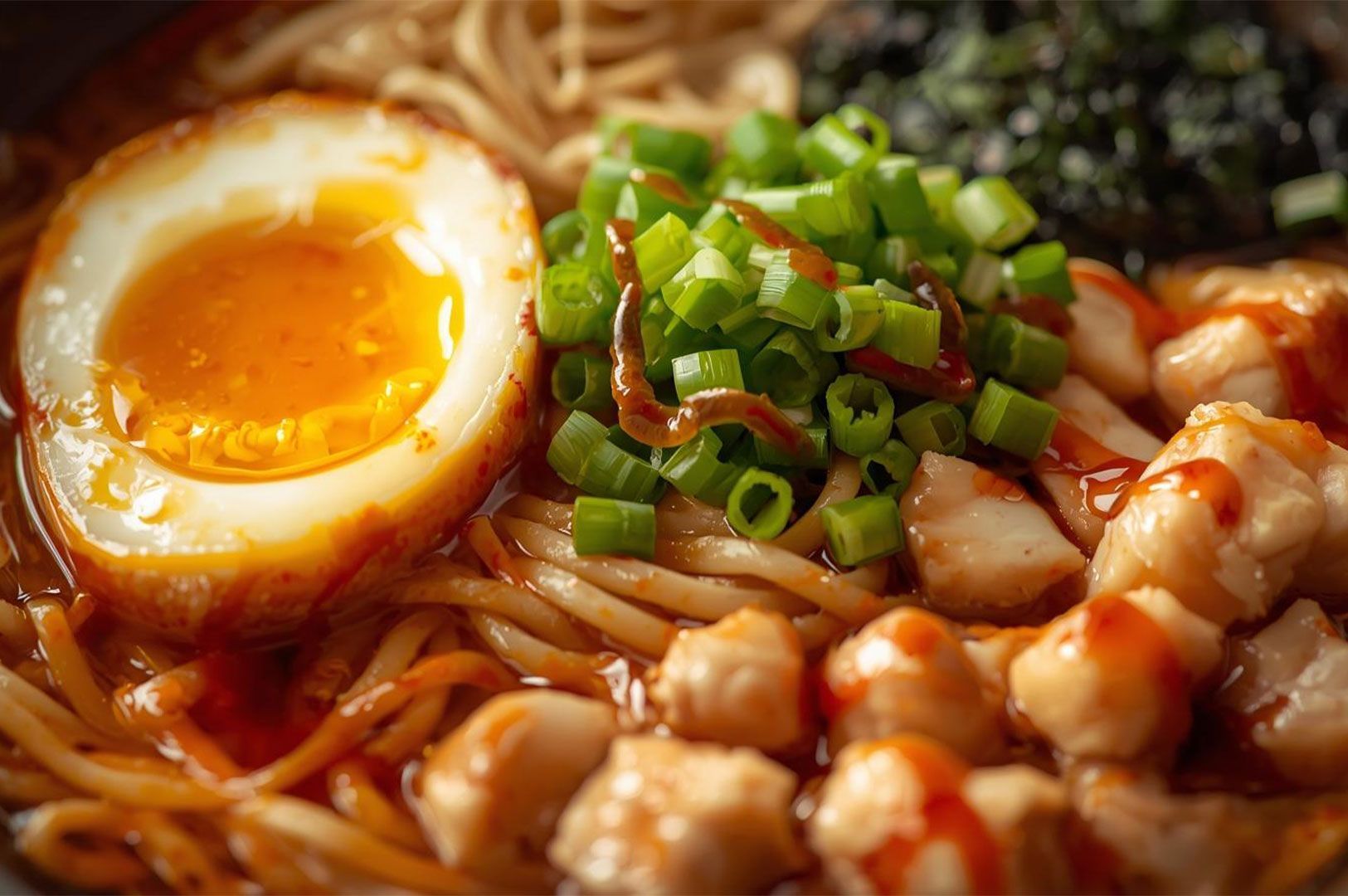
While restaurant ramen may be a culinary art, instant ramen noodles remain a global comfort food—and they’re the perfect base for experimenting with new toppings. You can turn a simple pack of instant ramen into a restaurant-worthy bowl of ramen with just a few simple add-ins and pantry staples.
Quick Add-Ins and Flavor Boosters
- Soft boiled eggs or ramen eggs marinated in soy sauce and mirin
- Green onion and nori seaweed for color and umami
- A drizzle of chili oil or hot sauce for heat
- Toasted sesame oil or lemon juice for brightness
- Leftover meats like rotisserie chicken or ground beef for protein
- Vegetables like bok choy, snap peas, and thinly sliced cabbage for crunch
These upgrades turn
instant ramen into a delicious, balanced noodle dish with better
nutrition calories and lower
saturated fat compared to takeout. Wiping moisture from toppings with a
paper towel before adding them prevents dilution of the broth and keeps the
ramen flavor concentrated.
Seafood and Tofu: Non-Meat Ramen Protein Toppings
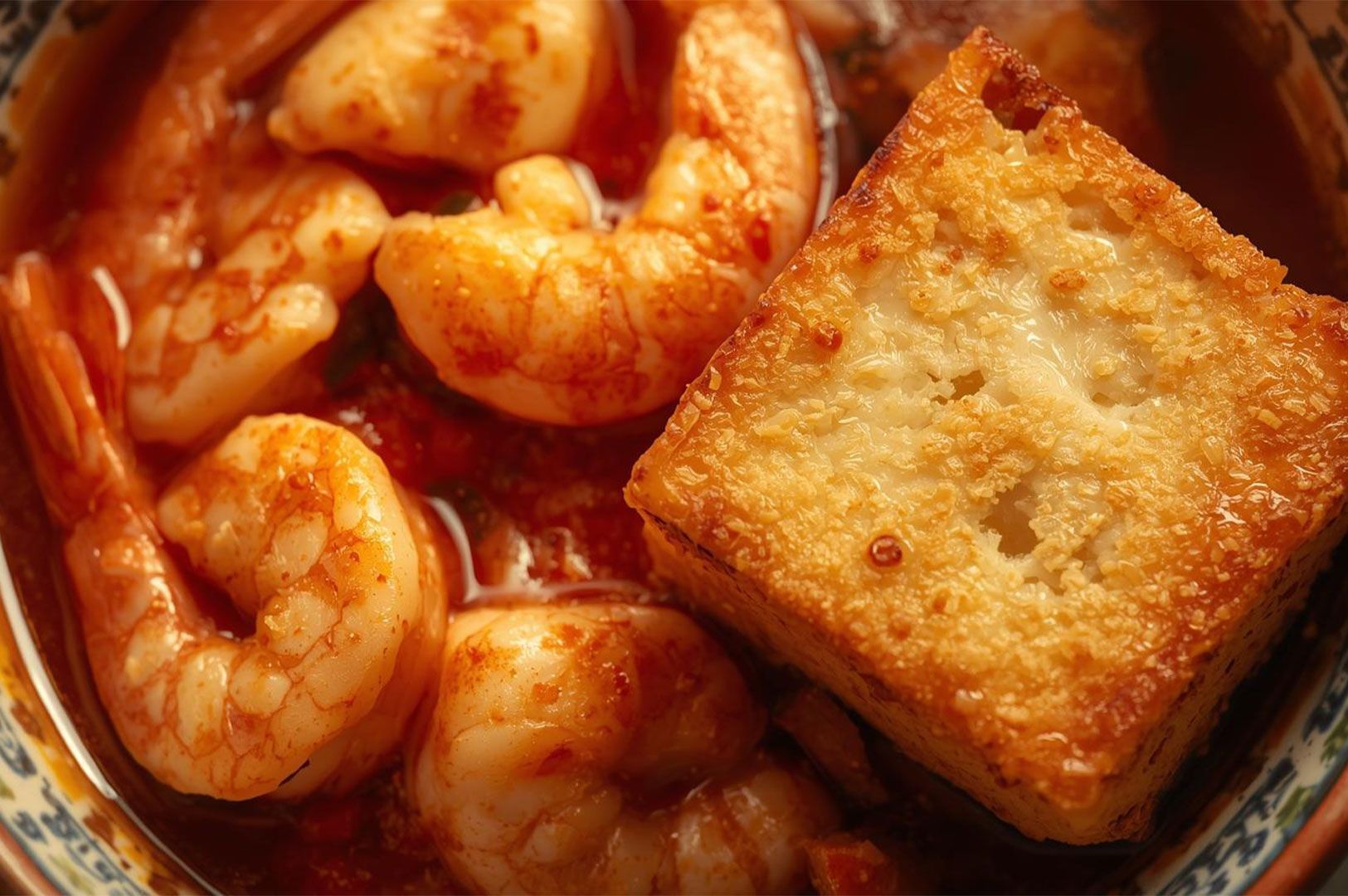
Seafood has long been part of the Japanese version of ramen, especially in coastal regions. Shrimp, scallops, and clams are classic additions that enhance the umami of the broth.
- Shrimp and prawns: Great in spicy or creamy broths inspired by Asian recipes like tom yum.
- Clams: Add sweet, oceanic flavor to shio ramen.
- Scallops: Lightly seared, they bring a buttery richness.
- Tofu: From crispy agedashi tofu to seasoned inari tofu, plant-based proteins offer a gentle flavor and satisfying texture.
For those seeking a
vegan or vegetarian ramen bowl, tofu and mushrooms are the go-to protein sources, often combined with nut milks or miso to create rich broths.
Vegetable-Based Toppings: Plant-Powered Protein Options
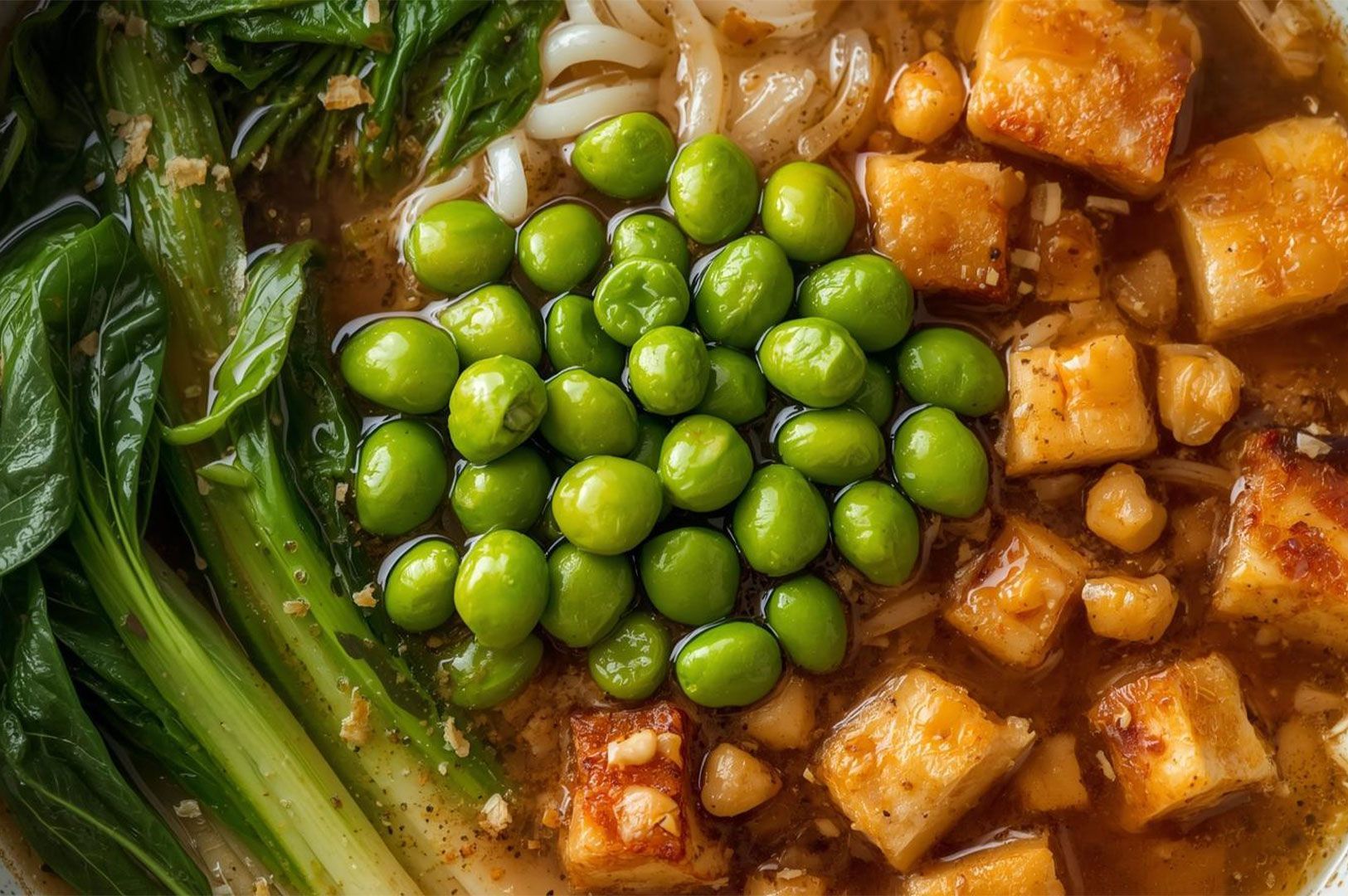
Vegetable-based toppings are a fantastic way to add both
nutrition and vibrant color to your ramen bowl, especially for those seeking plant-powered protein options. Beyond the usual suspects, there’s a whole garden of possibilities to explore.
Edamame and
tempeh are excellent sources of plant protein that bring a satisfying bite to your noodle dish. Roasted chickpeas or lentils can add a crunchy texture and a boost of protein, making your ramen both hearty and wholesome.
Ramen Nutrition: Building a Balanced Bowl
Building a balanced bowl of ramen is all about combining great taste with smart nutrition. While ramen noodles provide satisfying carbs and the broth delivers deep flavor, it’s the toppings that can really boost the nutrition calories and protein content of your dish. Opting for lean proteins like chicken breast, tofu, or seafood can help keep saturated fat in check, while adding a variety of vegetables like bok choy, snap peas, and thinly sliced cabbage increases fiber and vitamins.
For a more nutritious ramen bowl, consider using less sodium in your seasoning liquid and adding fresh herbs or a splash of lemon juice for brightness. Swapping out fatty cuts of pork for grilled chicken thighs or plant-based proteins can make your ramen both lighter and just as delicious.
Ramen Topping Combinations: Creative Pairings for Every Palate
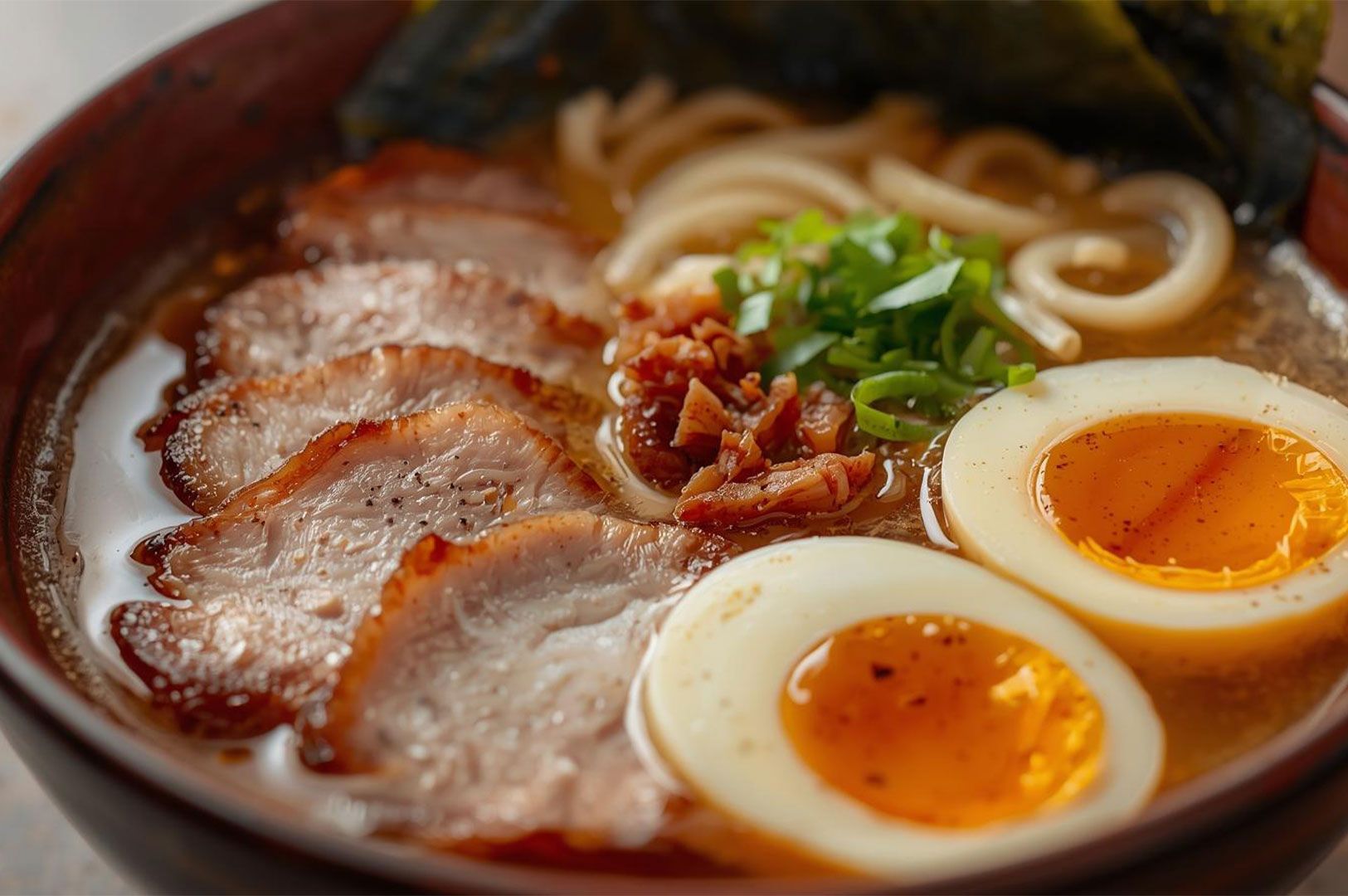
One of the joys of ramen is mixing and matching toppings to create your own signature bowl. Whether you love bold flavors or prefer something more subtle, there’s a ramen topping combination for every palate. For a classic approach, try pairing pork belly chashu with ramen eggs, green onions, and nori seaweed. If you’re in the mood for something lighter, chicken chashu with bok choy, snap peas, and a drizzle of toasted sesame oil is a great recipe for a refreshing noodle dish.
Vegetarians can enjoy a bowl topped with
crispy tofu, sautéed mushrooms, and thinly sliced cabbage, finished with a splash of
chili oil for heat. For a fusion twist, try mixing
ground beef sautéed with oyster sauce and green onions, then topping with a soft boiled egg and a sprinkle of sesame seeds. The possibilities are endless—don’t be afraid to experiment with leftover chicken, roasted vegetables, or even a dash of
hot sauce to find your perfect ramen flavor. Share your favorite combinations, review recipe ideas, and inspire others to create their own delicious ramen masterpieces!
Simple Add-Ins for a Balanced Ramen Bowl
Ramen is endlessly customizable, and experimenting with toppings is half the fun. Whether you’re working with instant ramen noodles or crafting your own broth from cold water, soy sauce, and aromatics, adding the right protein transforms the dish.
Here are some great topping ideas that bring balance and depth to your ramen bowl:
- Chicken breast or chicken thighs, poached or grilled
- Soft boiled eggs or boiled eggs for richness
- Nori seaweed for umami
- Bok choy or snap peas for freshness
- Chili oil, oyster sauce, and sesame oil for extra flavor
Don’t be afraid to experiment—try mixing in
leftover chicken, adding a splash of
lemon juice, or tossing in
stir fries from last night’s dinner. It’s a
great idea for reducing food waste while creating a
delicious ramen experience that feels entirely new.
Conclusion: Redefining the Great Ramen Protein Toppings
While pork chashu and pork belly will always hold a place of honor in the ramen world, the possibilities for ramen protein toppings are nearly endless. From chicken chashu and rotisserie chicken to duck, beef, tofu, and creative simple add-ins, each protein tells its own flavorful story.
Exploring these variations helps deepen your appreciation for this iconic Asian noodle dish. So the next time you crave ramen—whether you’re at a high-end shop or making instant ramen noodles at home—think beyond the traditional topping.
Try duck with soy sauce broth, chicken thighs glazed in sesame oil, or tofu with chili oil. Comment something about your favorite ramen topping, share your own review recipe, and don’t forget: the best ramen isn’t just delicious—it’s personal.
For those looking to master the basics, check out the comprehensive guide on
Ramen Essentials to build the perfect bowl from the ground up.
Recent Posts