Kyoto Ramen: Exploring the Best Ramen Restaurants in Kyoto City and Beyond
Kyoto ramen is a celebrated culinary tradition known for its
rich soup bases, delicate balance of flavors, and the use of high-quality ingredients like pork bones, chicken stock, and fresh green onions. This article takes ramen lovers on a journey through some of the most popular
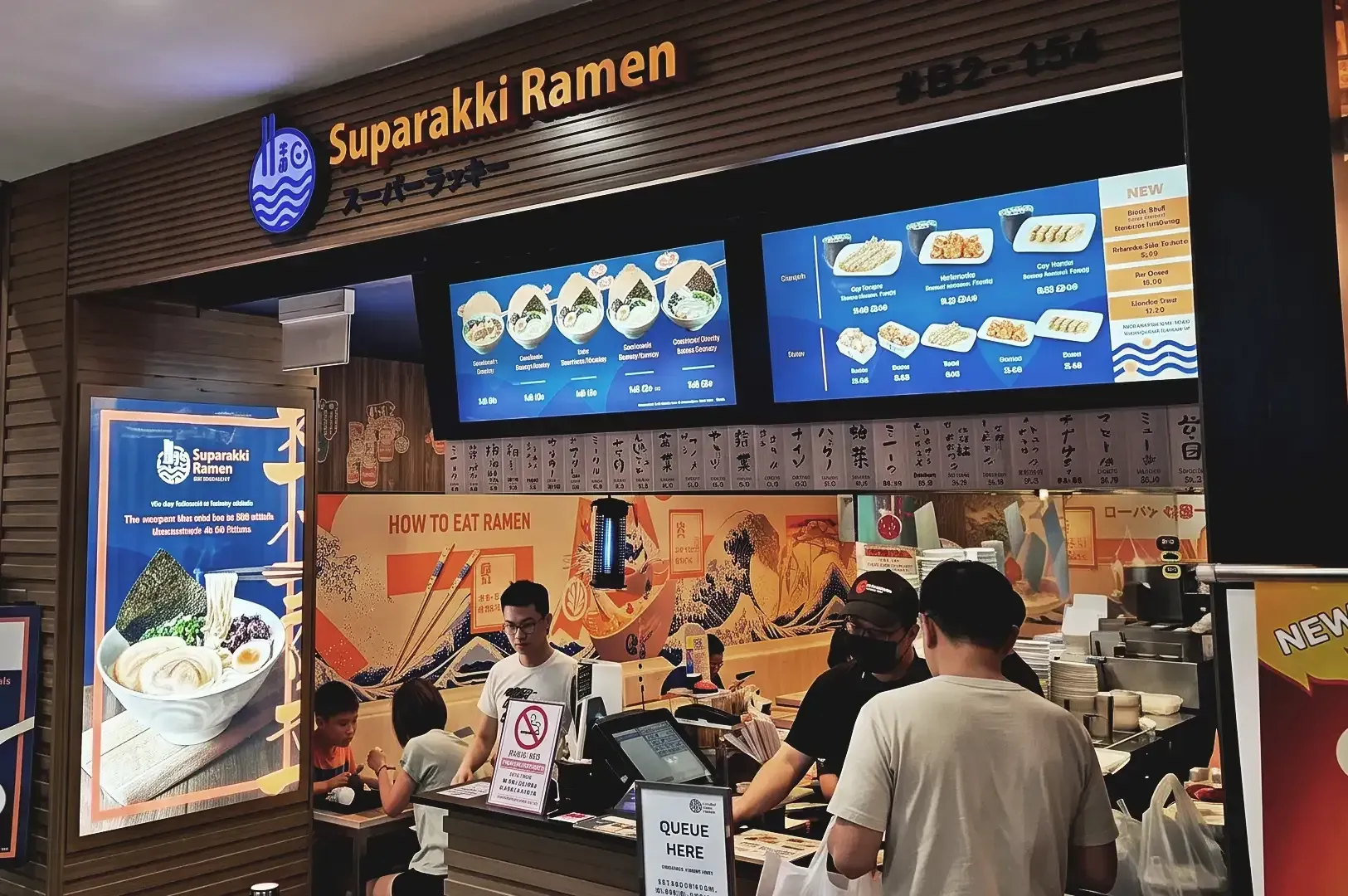
ramen shops and restaurants in Kyoto city, including famous spots near Kyoto Station and Chinatown Point, as well as highlighting the unique offerings of
Kyoto Ramen Hachicken, a sister brand gaining popularity internationally.
The Essence of Kyoto Ramen: Soy Sauce, Shio, and More
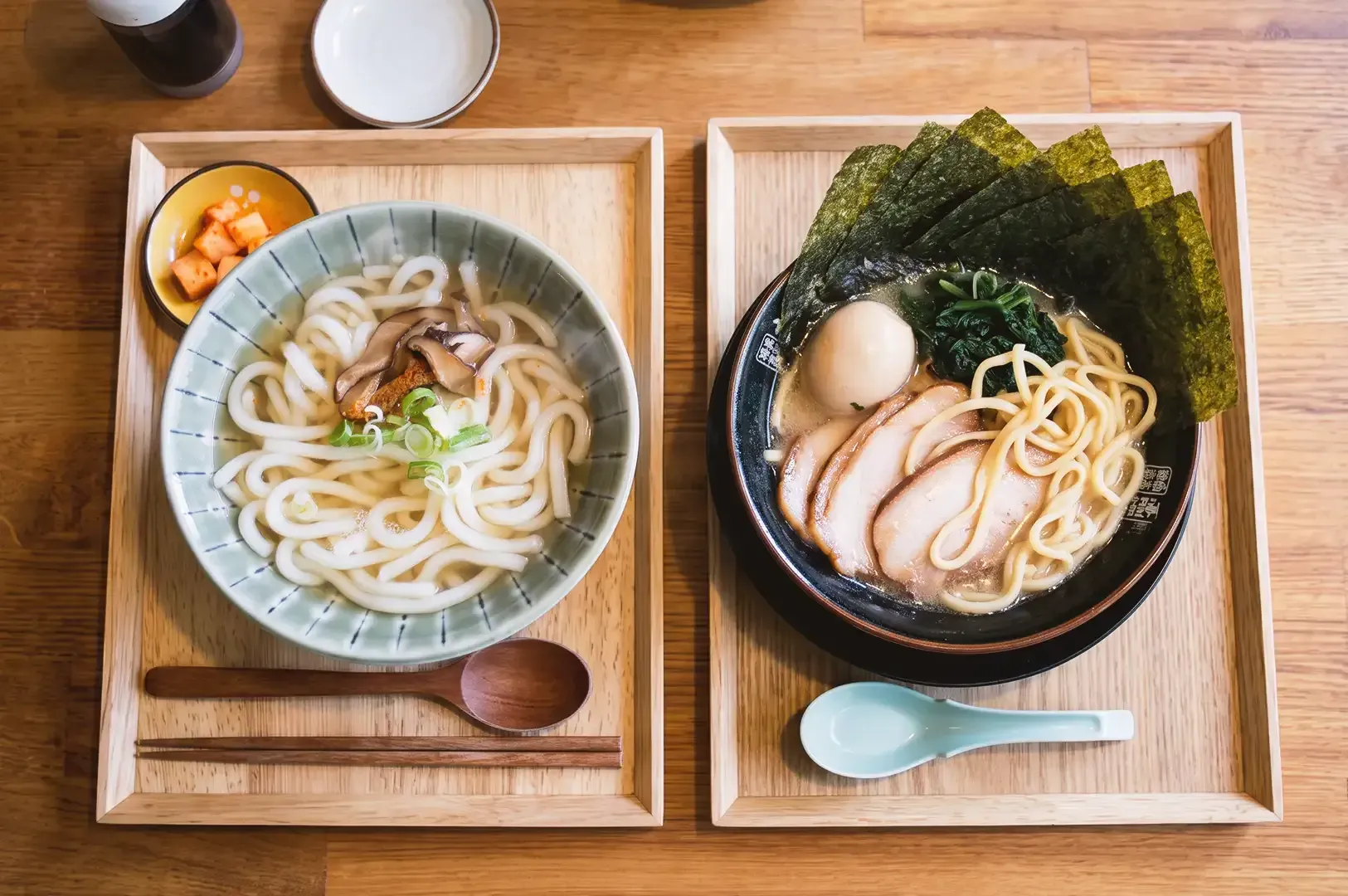
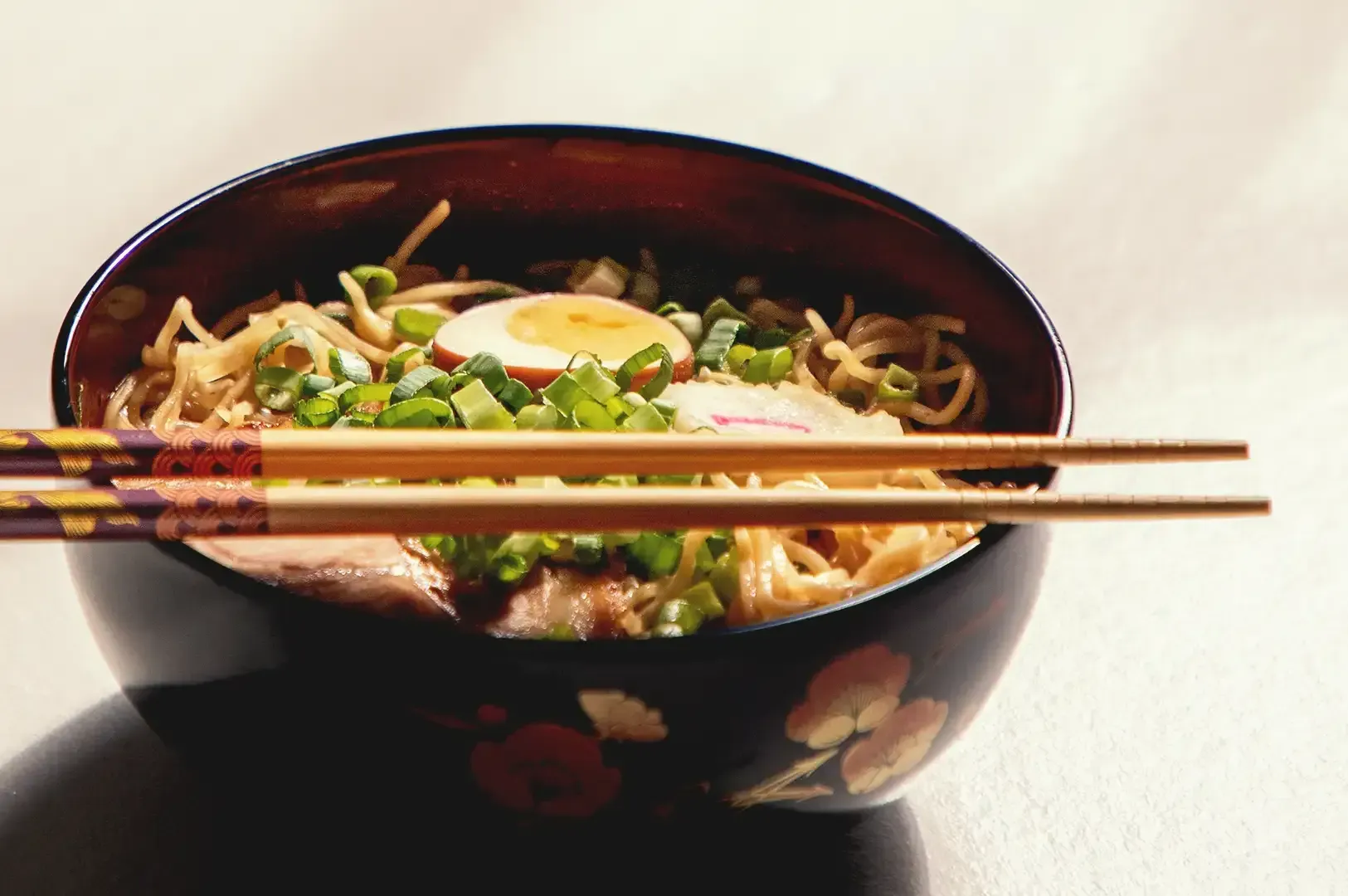
Kyoto ramen is distinguished by its variety of broths, with shoyu ramen and shio ramen being two of the most iconic styles. Shoyu ramen features a soy sauce-based broth that offers a perfect balance of savory and sweet flavors, with a natural sweetness often coming from ingredients like chicken skin or char siu, which enhances the overall umami and flavor harmony. This sweetness, combined with garlic and onion, adds depth to the broth. Shio ramen, on the other hand, is surprisingly light and salt-forward, highlighting the subtle umami of chicken stock and dashi. Both soups are served with noodles cooked al dente, often thin or chewy wheat noodles that complement the broth without overpowering it.
Kyoto Ramen Hachicken: A Popular Restaurant at Chinatown Point
Kyoto Ramen Hachicken, a sister brand to the renowned
Hachikian main store in Kyoto, has made a name for itself with its
chicken-based broths and innovative dishes. Located just a
stone’s throw from
Chinatown Point, this restaurant offers a variety of ramen dishes topped with tender, flavorful
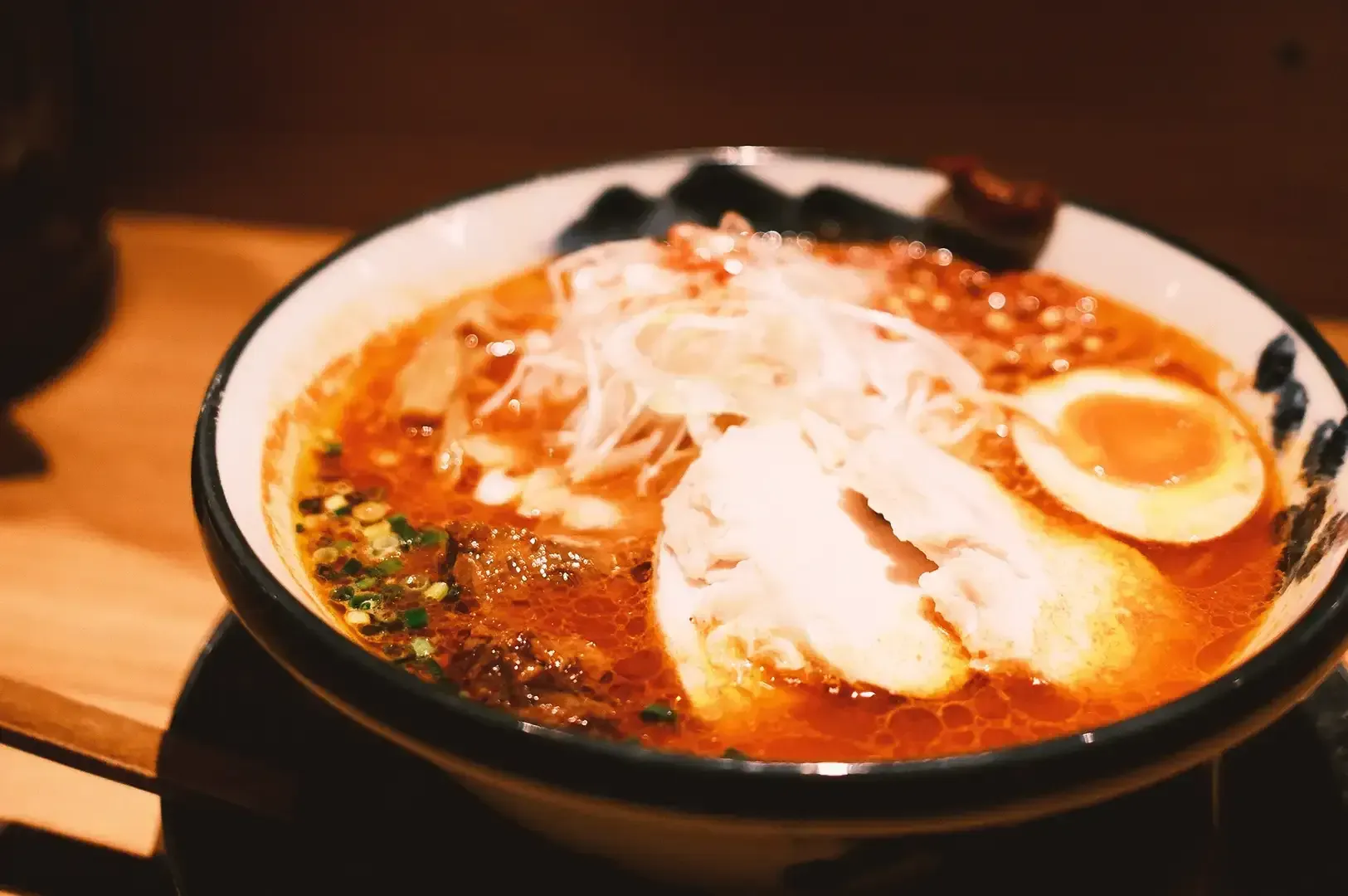
chicken meatball, succulent chicken and duck chashu—each showcasing the quality and texture of the meat used—and even a raw egg or half-boiled egg option for added richness and customization. The hachicken ramen features a rich soup that combines chicken stock with soy sauce, creating a creamy yet light bowl that appeals to
ramen enthusiasts seeking good ramen beyond traditional pork-based broths.
Ramen Shops Near Kyoto Station: Where Tradition Meets Innovation
The area around
Kyoto Station is home to numerous ramen shops, each with its own unique atmosphere and specialties, offering everything from thick,
super thick pork bone broths to delicate
dipping noodles known as tsukemen. These shops pride themselves on their use of local ingredients like Kujo green onions and premium pork, ensuring that every bowl delivers a delicious and satisfying meal.
Men ya Gokkei is a favourite among ramen lovers for its rich soup made from chicken and pork bones—so flavorful that customers want to drink it all up—paired with chewy wheat noodles that hold their texture even when cooked al dente.
Ramen Near Tourist Spots: Slurping with a View
In Kyoto, where temple bells echo through modern streets, there exists a quieter pilgrimage—one that leads to the gentle steam rising from bowls of ramen. Just beyond the rush of Kyoto Station, a different kind of stillness waits, where the weight of a ceramic bowl can ground you after hours of wandering ancient paths. At Honke Daiichi Asahi Honten, the first breath you take is rich with the deep comfort of soy sauce, a warmth that seems to settle into your bones. Here, the ritual unfolds slowly: tender slices of pork rest like small offerings atop noodles that yield with just the right resistance, while the broth—dark and patient—wraps around each strand with a richness earned through time.
There's something sacred about returning to these counters, the way
Shinpuku Sankan welcomes you with its own quiet ceremony. The broth here carries the weight of tradition, its darkness not harsh but enveloping, crowned with
green onions that add their own gentle bite to each spoonful. These neighborhoods hold their secrets gently—in Kawaramachi, in Ichijyoji—where small doorways lead to moments of unexpected tenderness. Each bowl becomes its own meditation, whether you find yourself here in the soft light between temple visits or in the deeper quiet of evening, when the city's reflection shimmers beyond the window. This is ramen as refuge, where the simple act of lifting chopsticks can transform a moment of hunger into something approaching grace.
Dipping Noodles and Tsukemen: A Must-Try Dish for Ramen Enthusiasts
Dipping noodles, or tsukemen, have become increasingly popular in Kyoto’s ramen scene. This dish features noodles served separately from a concentrated broth, allowing diners to enjoy the perfect balance of flavors with each bite. Many ramen shops near Kyoto University and other fierce battlegrounds for ramen competition offer tsukemen with broths ranging from creamy chicken stock to robust pork bone bases. The noodles are often thicker and chewier than traditional ramen, providing a satisfying texture that ramen enthusiasts adore.
In addition to ramen and tsukemen, some shops also serve
soba noodle dishes such as
Jidori Soba or
Dashi-soba, showcasing the diversity of traditional Japanese noodles available in Kyoto.
Discovering the Main Store and Other Popular Ramen Restaurants
When exploring Kyoto’s ramen culture, visiting the main store of famous chains like Tenkaippin or the original Hachikian is essential. These popular restaurants set the standard for what good ramen should be—rich, flavorful broths served with perfectly cooked noodles and topped with ingredients like tender pork chashu, fresh green onions, and a side of oyako don or karaage for a complete meal. Many shops also offer rice dishes, including oyako don, which pairs perfectly with a bowl of ramen, making for a hearty and delicious dining experience.
Some
popular ramen restaurants in Kyoto provide comfortable table seating, making them ideal for families or groups who want to enjoy a meal together in a relaxed setting. If you're interested in discovering more Singapore ramen hotspot,
click here.
Ramen Culture in Kyoto: Traditions, Customs, and Local Favorites
In Kyoto, ramen culture unfolds like morning mist over ancient temples—slowly, deliberately, with the weight of centuries settling into each bowl. The ramen shops, these quiet sanctuaries scattered throughout the city, hold space for something deeper than hunger. They are places where strangers become companions over shared steam, where the rhythm of slurping creates its own gentle meditation. In the soft light of early morning, you'll find them—the devoted ones, standing patiently outside their beloved ramen-ya, breath visible in the cool air, each person carrying their own quiet ritual. At Menya Inoichi, this devotion has been honored for nine years running with a Michelin Bib Gourmand, though the true recognition lives in the way regulars close their eyes with that first taste of seafood broth, rich and clear as memory itself.
The alchemy of Kyoto's ramen lies not in rushed innovation, but in the tender attention given to each element—the way
chicken stock is coaxed into fullness through patient hours, how stone-ground whole wheat flour becomes noodles under careful hands. There is something deeply comforting in this attention to detail, this quiet insistence that every component matters. Whether your soul seeks the enveloping warmth of pork-based depths or finds solace in the clean, honest simplicity of chicken broth, each bowl offers its own form of refuge. Here in Kyoto, ramen becomes ritual—a daily return to warmth, to tradition that breathes alongside innovation, to the shared understanding that some things are worth slowing down for, worth savoring, worth coming back to again and again.
Tips for Enjoying Kyoto Ramen: From Morning to Night
Whether you choose to eat ramen in the morning, at night, or anytime in between, the experience is always enhanced by the quality of the broth and noodles. Look for ramen shops that serve broth simmered for hours to extract maximum flavor from
pork bones and
chicken stock. Pay attention to the noodles—they should be cooked
al dente to maintain chewiness and absorb the soup's rich flavors. Don’t forget to try dishes topped with
raw egg or enjoy dipping noodles with a side of
dashi broth for added complexity.
Restaurant Information and Where to Walk Next
For those visiting Kyoto city, ramen restaurants near major landmarks like Kyoto Station and Chinatown Point are easily accessible and offer a range of options from creamy, rich soups to light, refreshing broths. Many shops are a short walk from each other, making it easy for ramen lovers to sample multiple bowls in one day. Be sure to check restaurant information ahead of time, as some popular spots like Men ya Gokkei and the main store of Hachikian can get busy, especially during lunch and dinner hours.
Kyoto ramen is more than just a meal; it is a reflection of the city's culinary heritage and the
fierce battleground of ramen shops competing to serve the perfect bowl. Whether you prefer the classic
shoyu ramen, the delicate
shio ramen, or the hearty
tsukemen dipping noodles, Kyoto offers something for every
ramen enthusiast to enjoy.
Conclusion
Kyoto, where tradition settles quietly beside the modern world, holds a gentle pull for those who find solace in the warmth of a proper bowl. From the steady hum around Kyoto Station to the narrower paths of Kawaramachi and Ichijyoji, the city offers spaces where ramen becomes something deeper than sustenance—a returning to stillness, a moment of grounding. Whether you've spent years learning the weight of different broths or are just beginning to understand how noodles can hold memory, Kyoto's ramen culture unfolds with patience for every hunger.
Here, rich broths carry the depth of careful attention, noodles find their perfect give, and toppings arrive not as spectacle but as quiet completion—each bowl an invitation to pause, to taste with intention. As you move through
Kyoto's gentle rhythms, you come to understand that each serving holds more than flavor; it carries the hands that shaped it, the traditions that steady it, and the particular comfort it offers to anyone willing to sit still long enough to receive it. Come, then, and let
Kyoto's ramen find you in those moments when you need it most, allowing its warmth to settle into something you'll carry long after the last spoonful.
Recent Posts