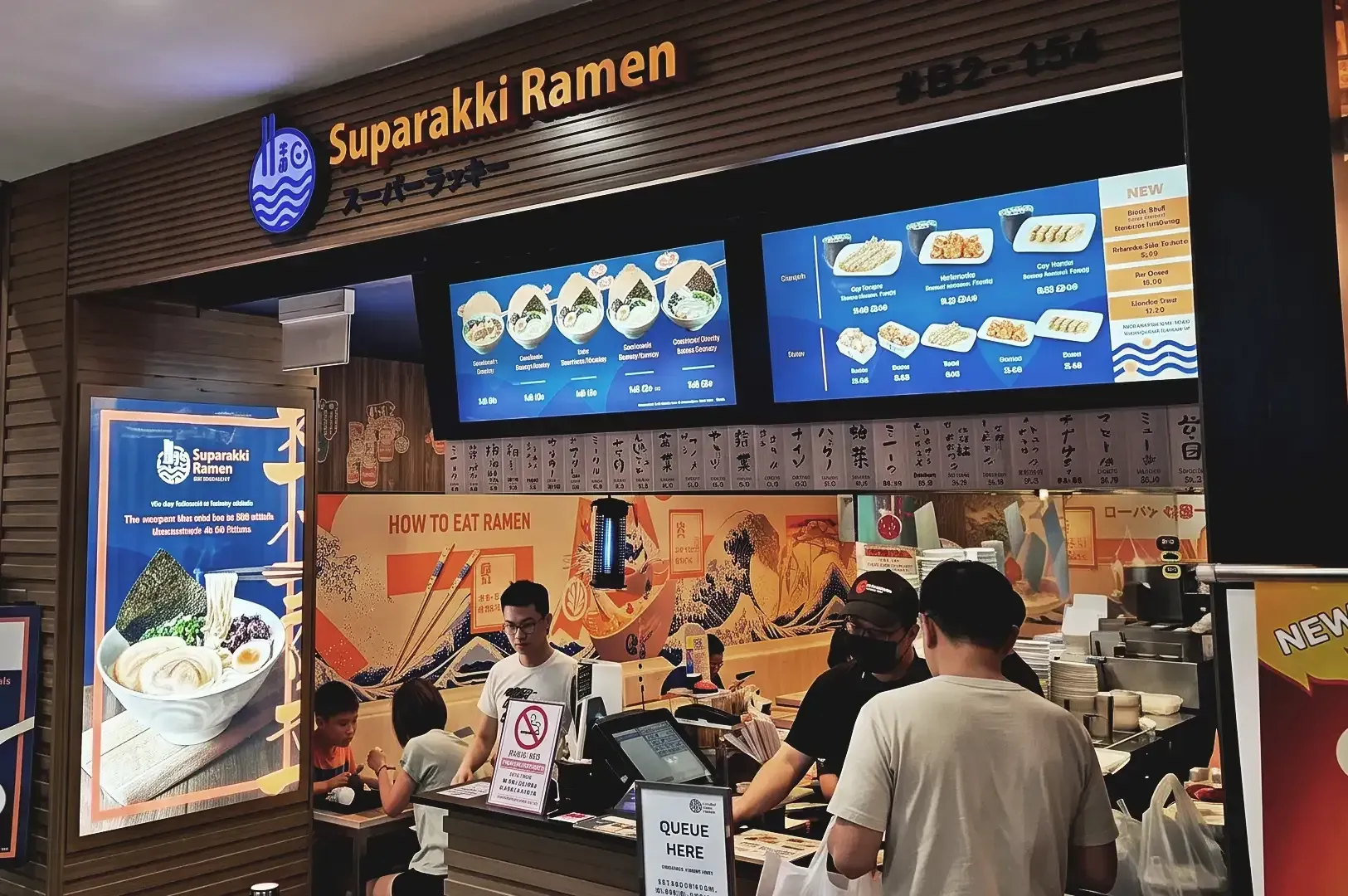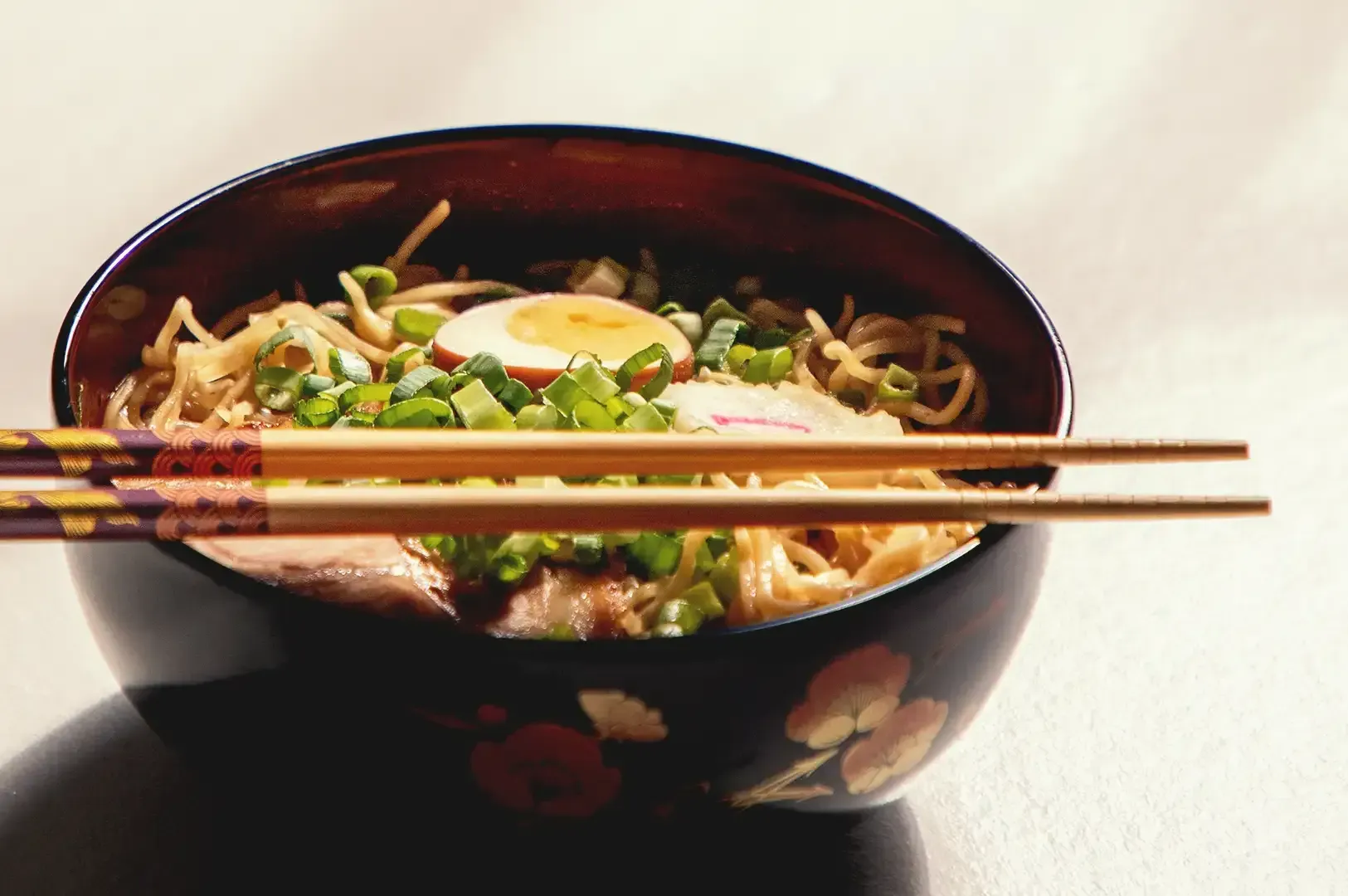
Discover the Vibrant Yatai Spirit of Hakata Ikkousha and Hakata Ramen in Singapore
From Crime Anime to Ramen Counter
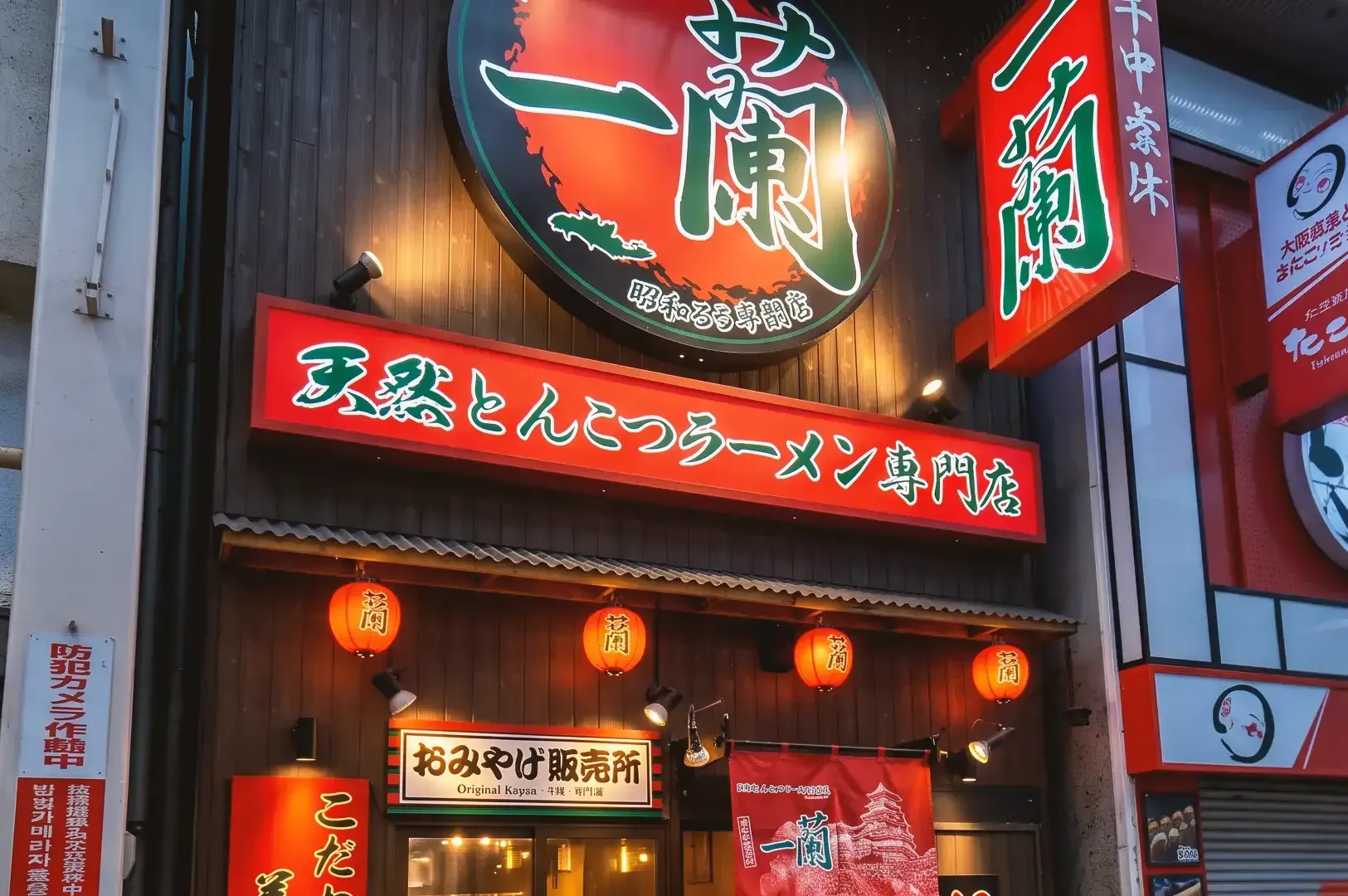
The first thing that hits you isn't the sight of the menu, but the sound—a chorus of "Irasshaimase!" shouted with such vigor it feels less like a greeting and more like an initiation. Step through the curtains of Hakata Ikkousha Ramen on a bustling Friday evening in Singapore, and the humidity of the city streets instantly fades, replaced by the savory, enveloping steam of pork bones simmering at a rolling boil. The air is thick, aromatic, and alive. This isn't the quiet, meditative ramen experience found in high-end counters; this is loud, energetic, and unapologetically communal.
It evokes a specific feeling—a nostalgia for a place many Singaporeans may never have visited but instantly recognize: the open-air yatai stalls of Hakata Ku in Fukuoka. Here, amidst the clatter of bowls and the rapid-fire exchange of orders, Hakata Ikkousha manages to transport diners straight to the banks of the Naka River. It brings the spirit of Hakata ramen's street food culture to our island, offering not just a meal, but an immersion into a dining philosophy where pretension is stripped away, leaving only the pure, unadulterated joy of tonkotsu ramen.
For many, Ikkousha is the gold standard for
tonkotsu ramen dining because it captures that essential "yatai" magic: casual, communal, and intensely flavorful. It is a place where business executives loosen their ties next to students in t-shirts, all united by the pursuit of a perfect, creamy
tonkotsu broth.
Understanding Yatai Culture and Ikkousha's Origins
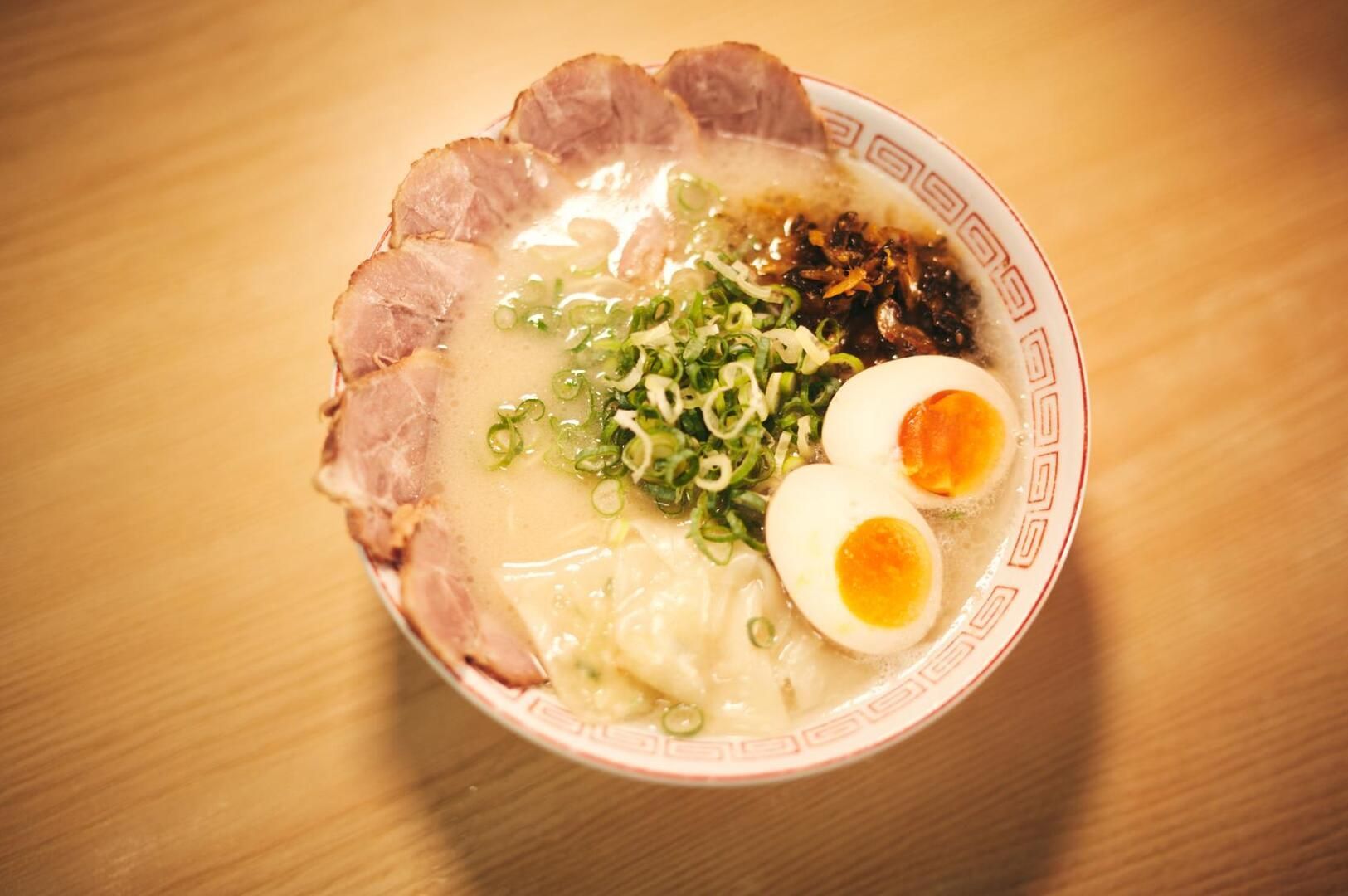
To truly appreciate what sits in your bowl at Ikkousha, one must look to the streets of Fukuoka. This southern Japanese city is the spiritual home of Hakata ramen, and more importantly, the custodian of Japan's last thriving yatai culture. As dusk falls over Fukuoka, mobile wooden carts are wheeled onto the sidewalks. Curtains are hung, lanterns are lit, and suddenly, the street becomes a dining room.
Yatai culture is unique. It is intimate by necessity; strangers sit shoulder-to-shoulder on narrow benches, huddled against the cold, sharing condiments and conversation. The barrier between chef and diner is non-existent. You watch the master in the ramen shop flick the water off the thin noodles; you see the steam rise from the pot cooking the rich tonkotsu broth. The service is rapid—a necessity for the salarymen stopping for a quick bite before the last train—but the flavors are never rushed. They are bold, salty, and rich with umami flavor, designed to satisfy the soul after a long day.
It was this very spirit that Kousuke Yoshimura sought to capture when he founded Hakata Ikkousha. He didn't just want to serve noodles; he wanted to create a space that embodied the infectious energy of those street stalls. "Ikkousha" translates roughly to "one happy place," reflecting a motto that good ramen should bring people together. The goal was to take the raw, vibrant energy of a roadside stall and house it within a brick-and-mortar setting without losing its wild heart.
What distinguishes this yatai-inspired approach from the more refined, "artisanal" ramen shops often seen in gourmet guides is accessibility. In the world of high-end dining, silence is often revered. In the world of yatai and Hakata Ikkousha ramen, noise is a sign of life. It’s about delivering maximum flavor without the stiff atmosphere. It’s about the freedom to slurp loudly, to order a second serving of noodles (kaedama) with a shout, and to sweat over a hot bowl in sheer delight.
The Ikkousha Experience in Singapore: Tonkotsu Ramen and More
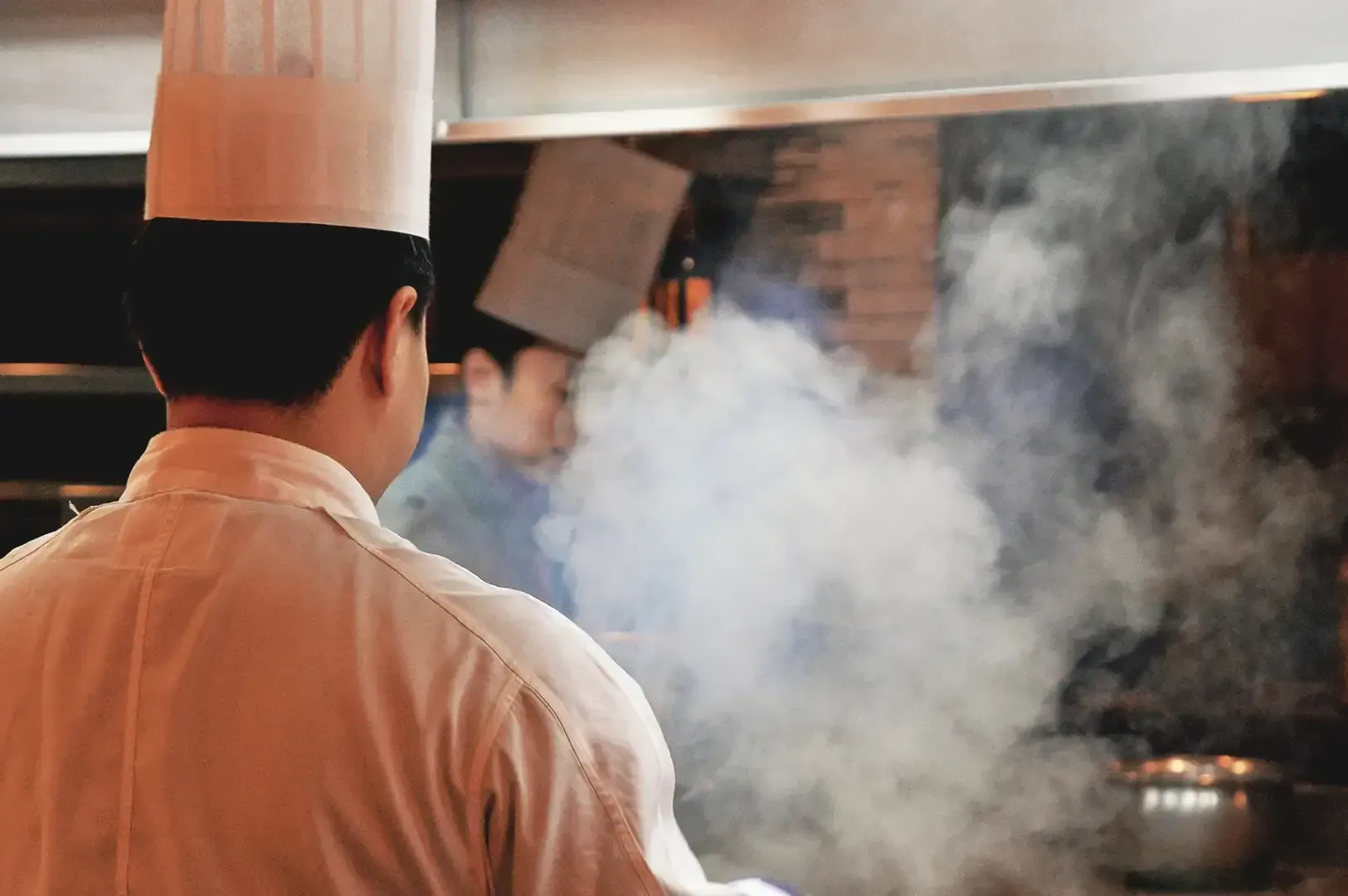
Dining at Hakata Ikkousha in Singapore is a sensory assault in the best possible way. Whether you visit their Chijmes outlet or another location, the atmosphere remains consistent. The kitchen is almost always open, a theater of controlled chaos where massive stock pots bubble aggressively—a process crucial for emulsifying the pork fat into the broth. The staff moves with a frantic efficiency that mirrors the streets of Fukuoka, their energy infectious, ensuring that the vibe never dips below "electric."
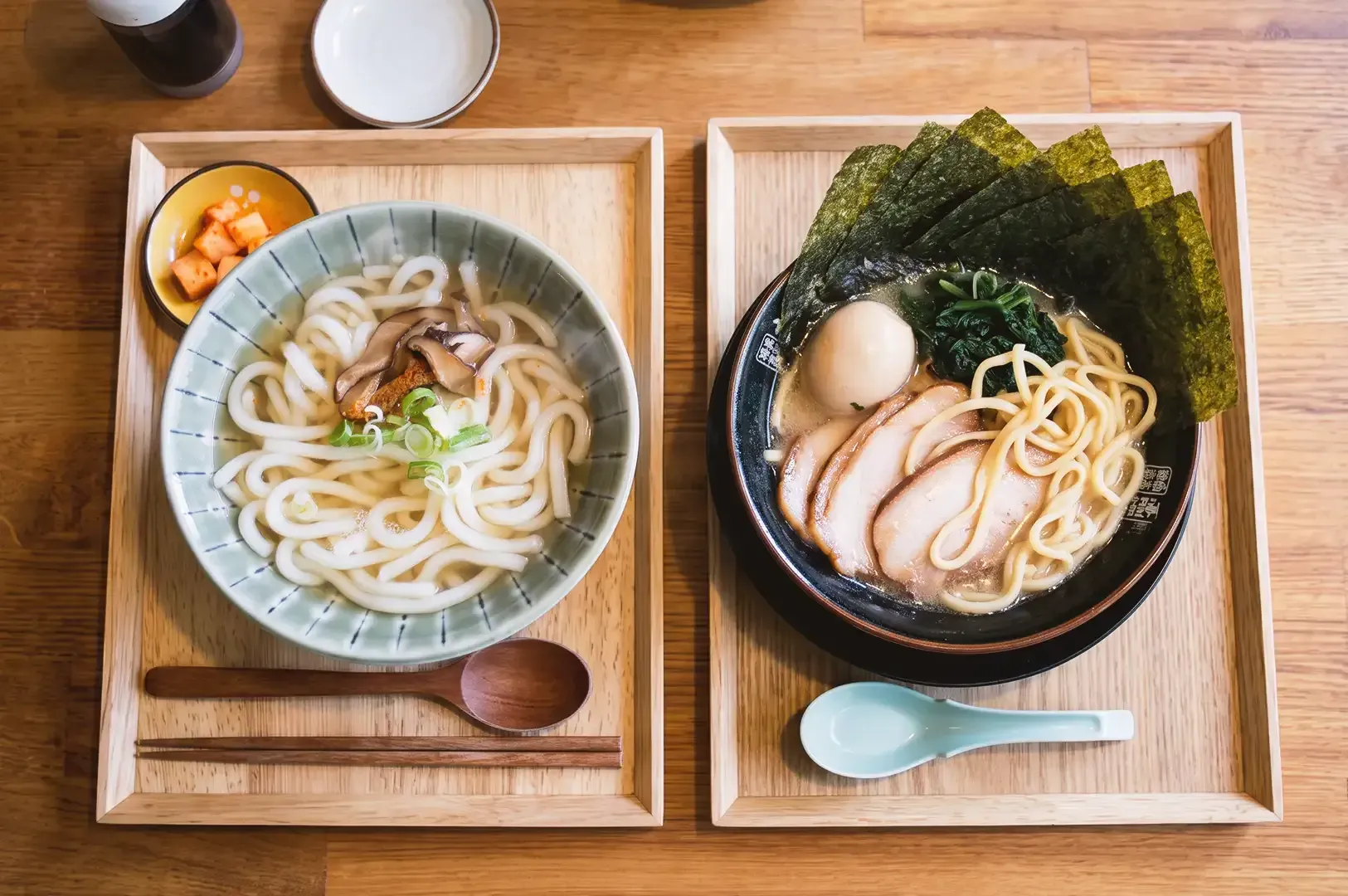
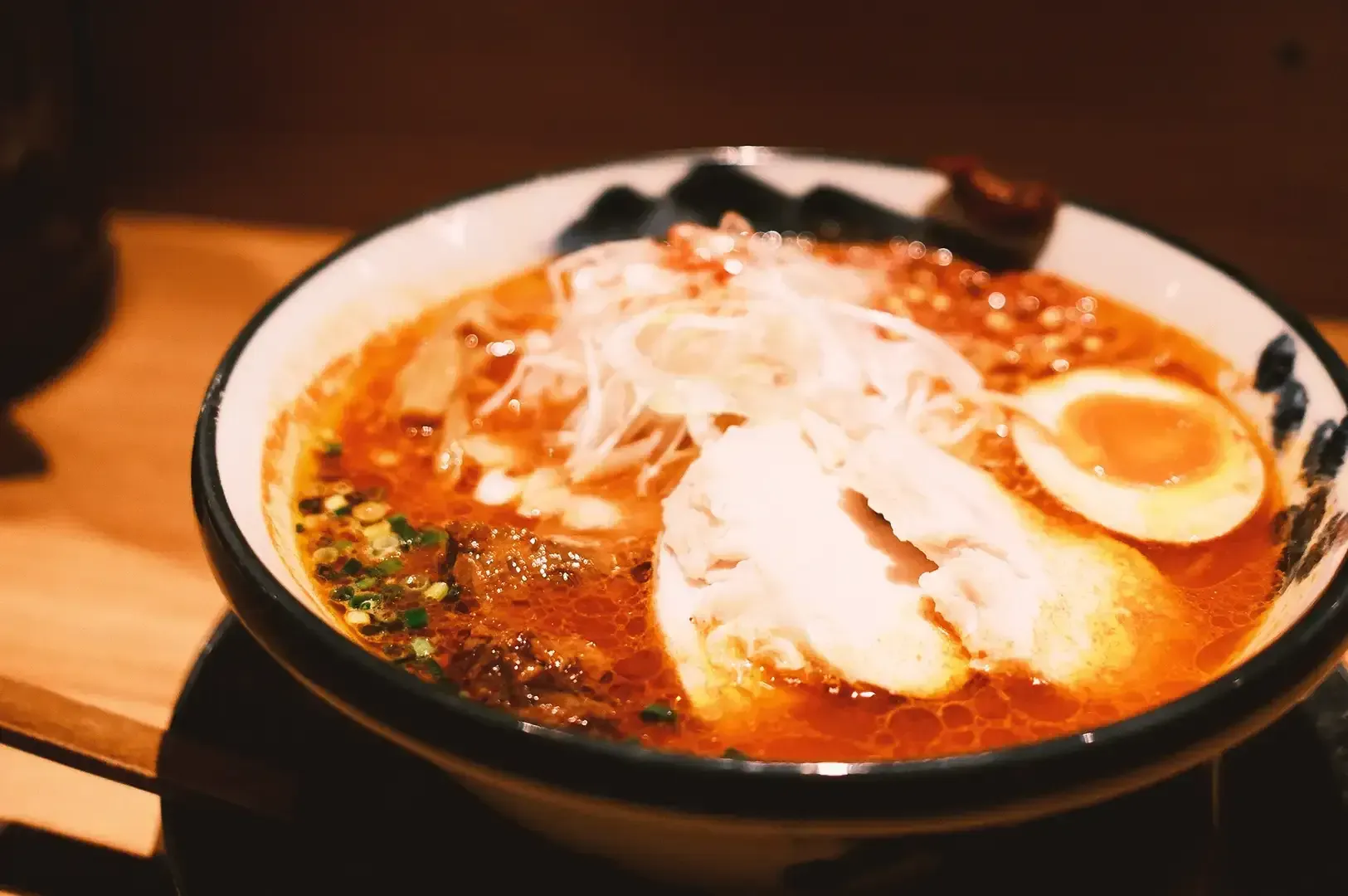
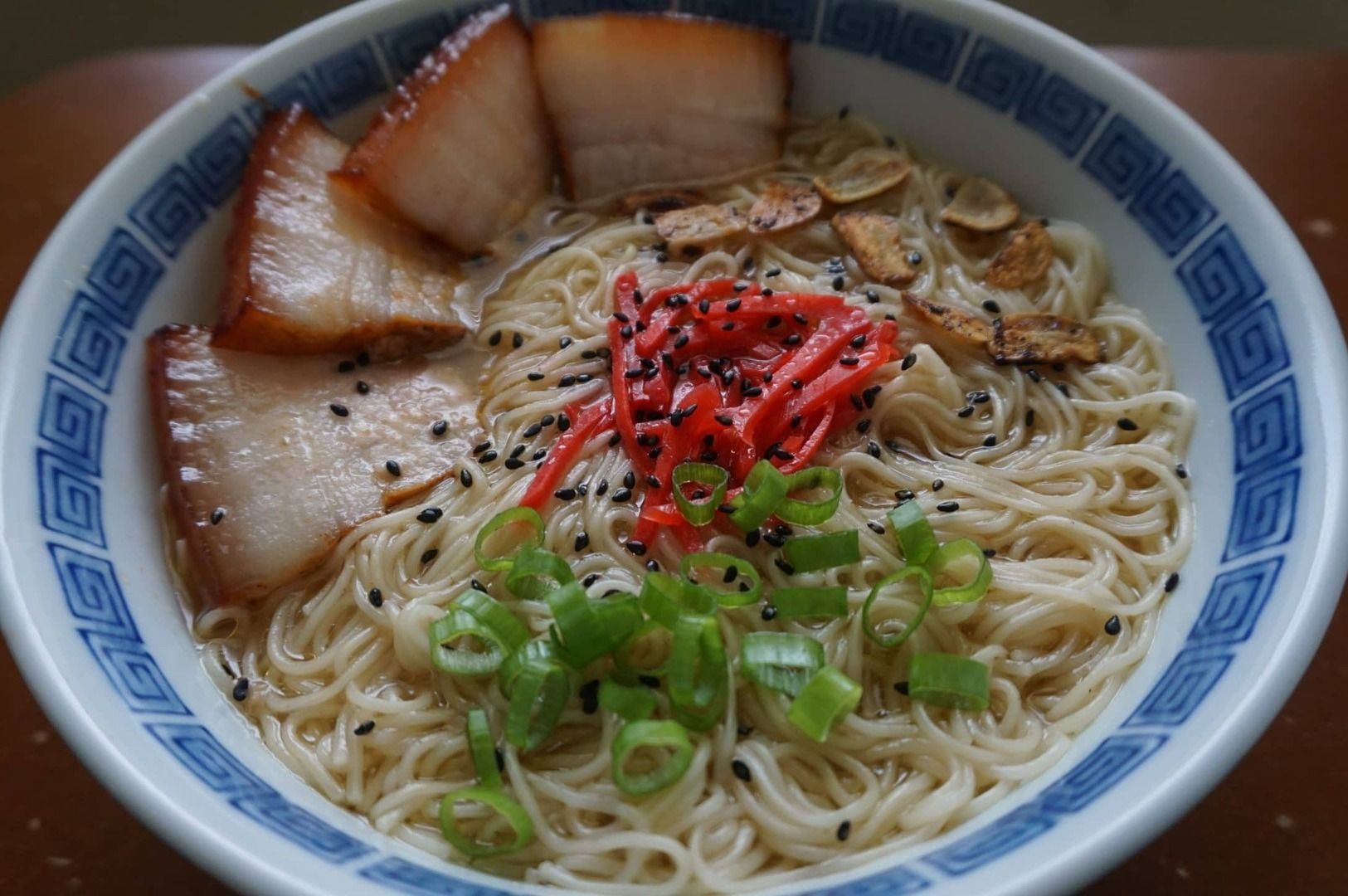
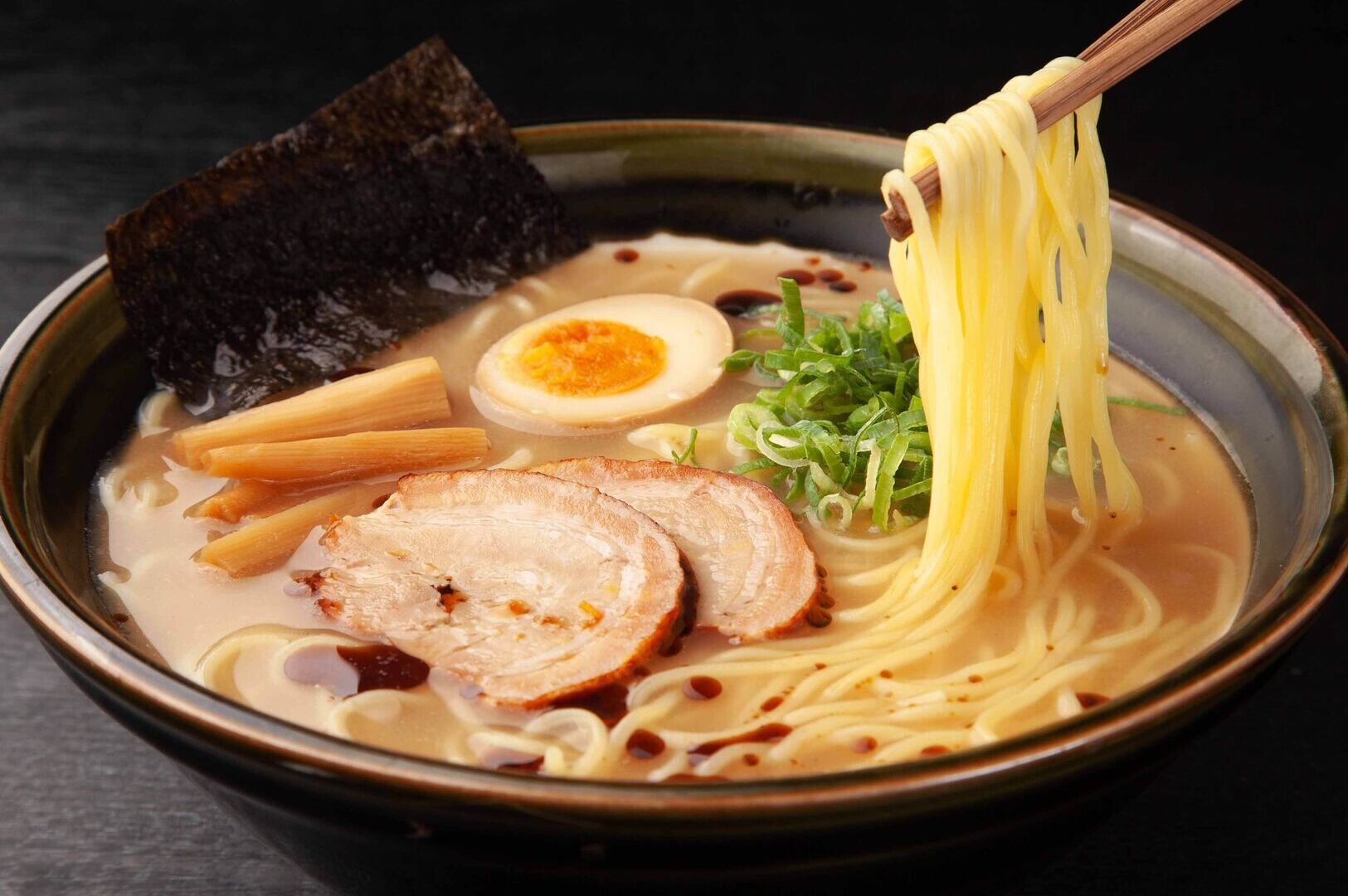
The menu is a testament to mastery over variety. While they offer variations, the star is undeniably the classic Hakata ramen. When the bowl arrives, the aroma reaches you first—a pungent, porky scent that divides the room. To the uninitiated, it might seem intense; to the Fukuoka ramen devotee, it is the perfume of authenticity. The broth is milky-white, boasting a creamy consistency that coats the spoon. It is rich but, crucially, not greasy. This balance is the hallmark of Ikkousha’s craft.
Then, there is the customization—a ritual that empowers the diner. You are handed a paper slip, a checklist that allows you to act as the architect of your own meal. You choose the saltiness of the tare (seasoning), often enhanced with soy sauce or shoyu, the heaviness of the oil, and perhaps most importantly, the texture of the noodles. Hakata Ikkousha is famous for its thin, straight noodles, which can be ordered anywhere from "soft" to "barikata" (extra firm) or even "harigane" (wire-hard).
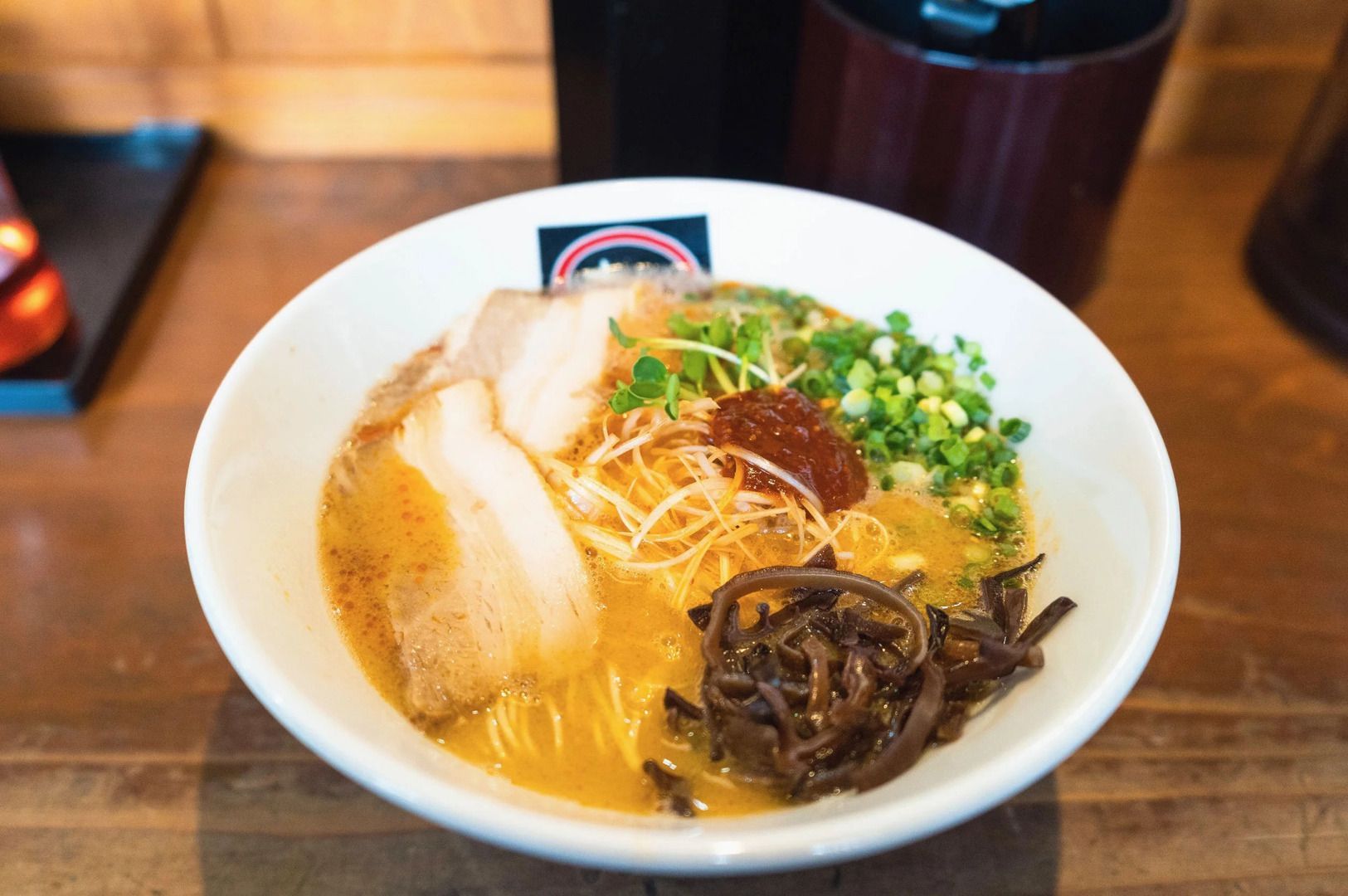
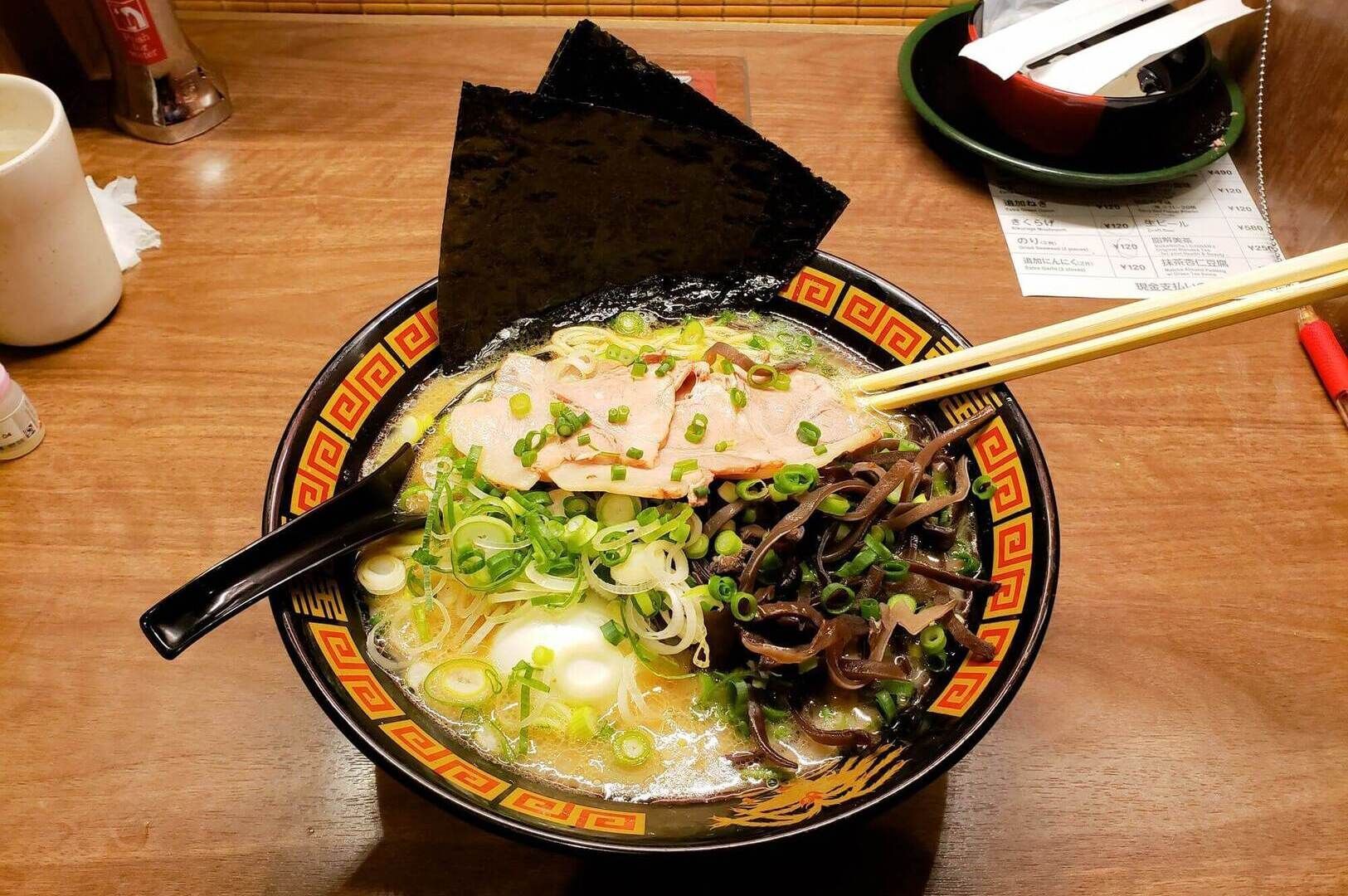
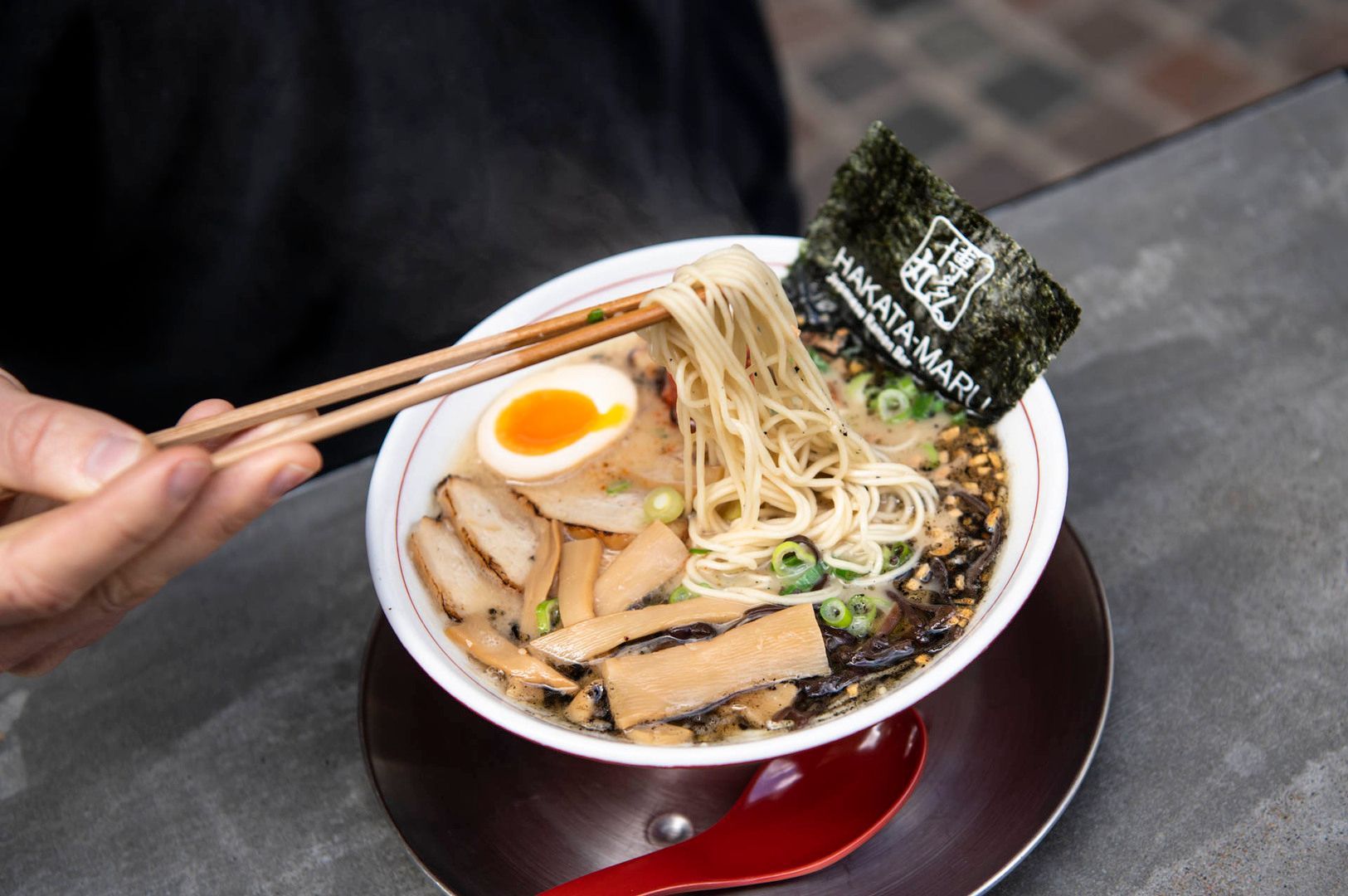
Biting into a "barikata" noodle at Ikkousha is a revelation. The center retains a distinct, starchy chewy bite that stands up beautifully against the creamy soup. The chashu is another highlight—large, thin slices of pork shoulder or belly that are tender enough to tear with chopsticks but substantial enough to provide a meaty chew. The toppings are classic: black fungus (wood ear mushrooms) for crunch, fresh spring onions or green onions to cut the richness, bamboo shoots for texture, and a sheet of seaweed standing tall like a flag.
The price point, typically hovering around SGD 17-20 depending on
special toppings, keeps it accessible, mirroring the democratic nature of yatai dining. And just like in Fukuoka, Ikkousha in Singapore often serves as a beacon for the late-night crowd. There is something profoundly comforting about sliding into a booth at 9 PM, ordering a steaming bowl of
tonkotsu black or classic
tonkotsu ramen, and washing away the fatigue of the day with savory broth.
What Makes Ikkousha's Hakata Ramen Distinctive: Taste, Texture, and Tradition
In a city saturated with Japanese noodle chains, what keeps the queues forming at Hakata Ikkousha? It is their refusal to sanitize the experience. Many chains soften their flavors to appeal to a broader, international palate, dialing back the "porkiness" or reducing the oil. Ikkousha leans in. They trust that Singaporeans, with our love for robust hawker flavors, can handle the real deal.
Their commitment to the yatai philosophy is evident in their generosity. The tables are laden with free condiments—pickled ginger (beni shoga), spicy takana (mustard greens), crushed garlic, and sesame seeds. This isn't just a garnish station; it's an invitation to play. You are encouraged to customize your bowl halfway through, adding ginger to cleanse the palate or garlic for a punch of heat. This interactive element puts the diner in control, fostering a sense of ownership over the meal.
Consistency is another pillar of their success. Replicating the exact viscosity of a pork bone emulsion day after day in a tropical climate is no small feat. Yet, whether you visit on a Tuesday lunch or a Sunday dinner, the Hakata ramen at Ikkousha delivers that same reliable, lip-smacking stickiness, with a fine layer of bubbles on the surface of the tonkotsu broth. It creates a dining culture based on trust. You know exactly what you’re going to get: a hot, fast, and heavy bowl that satisfies a primal craving for umami flavor.
The social aspect cannot be overstated. Ikkousha Singapore locations are designed to be gathering places. The layout often forces a kind of communal intimacy. You hear the slurping of your neighbor; you see the satisfaction on their face. It breaks down the solitary nature of city living. In a way, Ikkousha functions as a "third place" for many—not quite home, not quite work, but a sanctuary of comfort food where the only requirement for entry is an empty stomach.
Exploring the Broader Hakata Ramen Tradition: Bonito Ramen and More
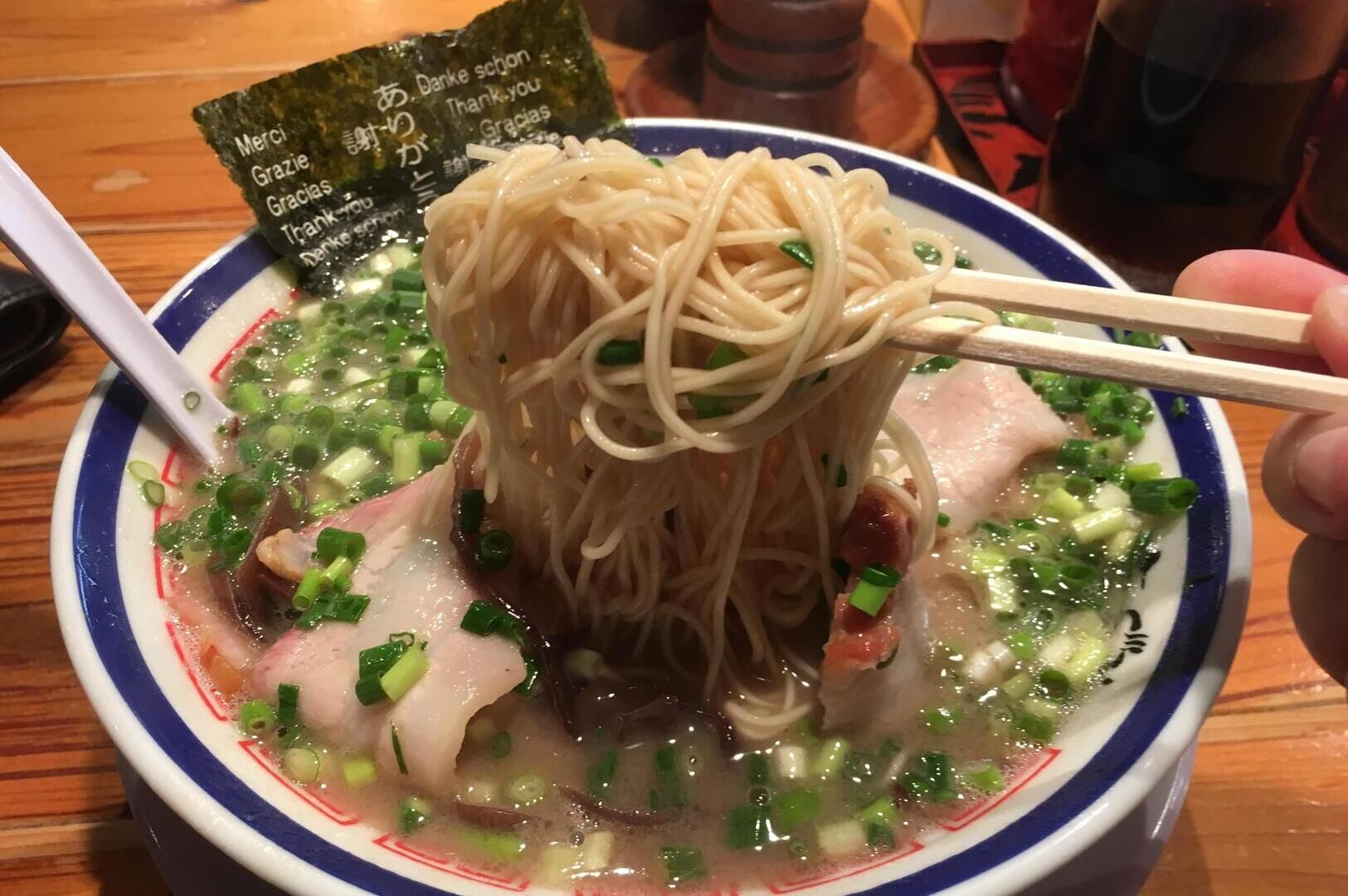
For those fascinated by the deep history behind this creamy soup, it’s worth exploring the broader Hakata ramen tradition that includes variations like bonito ramen, which introduces a smoky, fish-based depth to the broth, adding layers of taste. These dishes often feature different meat cuts and special toppings, but all retain the essential spirit of Fukuoka’s rich culinary heritage.
The
Yamada brothers, who run the renowned
Hakata Issou ramen shops near
Hakata Station in
Hakata Ku, are celebrated for their ultra-thick
tonkotsu broth and dedication to authentic cooking methods. Their shops offer a cozy environment where locals and visitors alike can enjoy a hearty
meal with carefully selected
ingredients, including thin noodles,
chashu,
bamboo shoots,
green onions, and
black fungus.
Practical Dining Guide: Ordering and Enjoying Hakata Ikkousha Ramen
If you are planning your first pilgrimage to Hakata Ikkousha, or perhaps returning to rediscover it, a few tips can elevate your experience.
For the Newcomer: Start with the "Standard" customization across the board. The chefs have calibrated this balance perfectly. Order the "hard" noodles—this is the true Hakata style. Soft noodles tend to become mushy quickly in the hot broth.
For the Veteran: Be adventurous. Try the "God Fire" ramen if you enjoy heat, or ask for "barikata" noodles to experience the true wheat flavor of the strand. Don't be shy with the garlic press on the table; crushing a fresh clove into the soup changes the profile entirely, adding a sharp, spicy aromatic layer that cuts through the fat.
The "Kaedama" Strategy: One distinct feature of Hakata ramen is the serving size of the noodles—they are intentionally smaller portions so they don't get soggy. The yatai tradition is to order a "kaedama" (noodle refill) when you have about half your soup left. Raise your hand, shout "Kaedama!", and the staff will bring a fresh portion of noodles to drop into your remaining broth. It’s the ultimate way to maximize the value and joy of the meal.
Timing and Crowds: Hakata Ikkousha is popular. Peak lunch hours (12 PM – 1:30 PM) and Friday evenings often see lines. However, the turnover is fast—yatai style! If you go alone or in a pair, you’ll be seated quickly. Larger groups might wait longer. It is generally family-friendly, though the high energy and tight seating might be overwhelming for very young children.
Service Expectations: Don't expect a long, lingering meal with multiple courses. The service is designed for speed. The staff are attentive but efficient. This is a place to eat with gusto, sweat a little, and leave satisfied.
The Cultural Significance of Accessible Excellence in Hakata Ramen
The presence of Hakata Ikkousha in Singapore signifies something important about our dining landscape. It proves that exceptional food doesn't need to be gated behind high prices or exclusive reservations. It validates the idea that street food culture—whether it’s Singaporean hawker fare or Japanese yatai culture—is a legitimate and celebrated form of culinary art.
By democratizing access to high-quality Hakata ramen, Ikkousha creates a leveling field. Inside their shop, the distinctions of class and status blur. Everyone is there for the same reason: the pursuit of that specific, comforting savory flavor. It aligns perfectly with the original purpose of the yatai in Fukuoka—to provide sustenance and warmth to the working people of the city.
In a modern, fast-paced city like Singapore, these pockets of unpretentious excellence are vital. They remind us that food is meant to be enjoyed, not just admired. They keep the spirit of the "people's food" alive, ensuring that the legacy of Fukuoka ramen continues to thrive thousands of miles away from its birthplace.
Conclusion
Hakata Ikkousha is more than just a ramen shop; it is a portal. It transports us to the lively, steam-filled streets of Fukuoka, allowing us to participate in a dining tradition that celebrates life, noise, and flavor. It captures the essence of yatai culture—the immediacy, the warmth, the community—and replants it firmly in Singapore soil.
So, the next time you feel the need for comfort, skip the silent, meditative dining rooms. Head to Ikkousha. Order your
Hakata ramen with "barikata" noodles. Crush that extra clove of garlic. Slurp loudly. Embrace the chaos and the creaminess. In that bowl, you’ll find not just a meal, but a vibrant, living connection to a culinary heritage that refuses to be quiet.
Recent Posts