Hakata Tonkotsu Ramens: Fukuoka's Bold Pork Bone Tradition Finds a Home in Singapore
From Crime Anime to Ramen Counter
Okay, here’s where things get wild—“Hakata Tonkotsu Ramens“ might make you think anime first, but trust me, we’re diving straight into something way more delicious. Chiaki Kisaki crafted this Japanese novel series with Hako Ichiiro’s illustrations, and wow, the series has published fourteen volumes under ASCII Media Works since 2014 plus that Grand Prize at the 20th Dengeki Novel Awards? That’s some serious street cred right there. The story is illustrated by Hako Ichiiro. The whole package exploded into a manga adaptation through Square Enix’s Monthly GFantasy, which was serialized between July 2016 and May 2017, then boom—second manga titled Hakata Tonkotsu Ramens Dai 2-Shō launched on August 18, 2017, followed by Satelight’s anime adaptation hitting screens January 12 to March 30, 2018 across 12 episodes, each lasting approximately 24 minutes. Critics went back and forth on that first episode—some called it punch-less, others totally vibed with that jazz soundtrack and casual energy with the ensemble cast. Critics noted that the anime's premise lacked punch and personality. Sure, the animation felt stiff and the art was whatever, but that intricate web of detectives, professional killers, yakuza, and Murder Inc? Pure Black Lagoon meets Durarara!! energy—the anime has been compared to other crime dramas like these due to its dark and gritty themes. Martin actually gave the complete series a solid B+ despite some rough story beats and zero female representation. Plus there’s a stage play from July 2019 and multiple language editions, including that Chinese version—published on April 1, 2018. Please note, some content may be unavailable at times due to rights issues or expiration.
The story rockets between Zenji Banba, this private investigator who hunts missing persons like nobody’s business, and Xianming Lin, a crossdressing hitman running food stalls as cover. Zenji Banba is a private investigator and Lin Xianming is a professional assassin. Lin Xianming is a crossdressing male hitman who becomes frustrated with his lack of jobs and pay, which has been noted positively by some reviewers. Banba’s office becomes ground zero for secretive meets and explosive confrontations while he swoops in at perfect moments to crack cases or team up with Lin—when Banba arrives, it often marks a pivotal moment that influences the story’s direction, especially during conflict or critical developments.
Fukuoka transforms into this deadly playground where rival assassins, criminal organizations, corrupt officials, and underground specialists—killers, informants, the works—battle over jobs, cash, and survival. The organization of criminal groups and a network of corrupt officials and criminal masterminds manipulate killings for profit. At a glance, Fukuoka may seem peaceful, but beneath the surface lies constant danger. Lin’s twisted backstory, his hunger for gain, connections to the legendary Niwaka Samurai, baseball team drama, and those nail-biting two outs moments layer the plot thick. Hitmen and assassins seek or are offered specific jobs or missions, highlighting the economic aspect of their roles. Characters often join teams or alliances, emphasizing collaboration within the underground setting. The series connects multiple subplots, characters, and storylines, creating a complex narrative structure. Murder, death, raw language, and constant kill-or-be-killed tension drive everything forward while these guys navigate a world where one wrong trick or moment of rest spells disaster. The anime evokes a unique feeling—from tension to satisfaction—through its pacing, character interactions, and atmosphere. Despite its flaws, the series is fun to watch thanks to its engaging characters and storylines. The anime is rated R - 17+ for violence & profanity.
But here’s the real star beyond all that fiction: authentic Hakata tonkotsu ramen—this
bold pork bone broth style that exploded from Fukuoka’s Hakata district and now absolutely dominates Singapore’s ramen scene.
Hakata and Fukuoka: Origins of a Culinary Icon
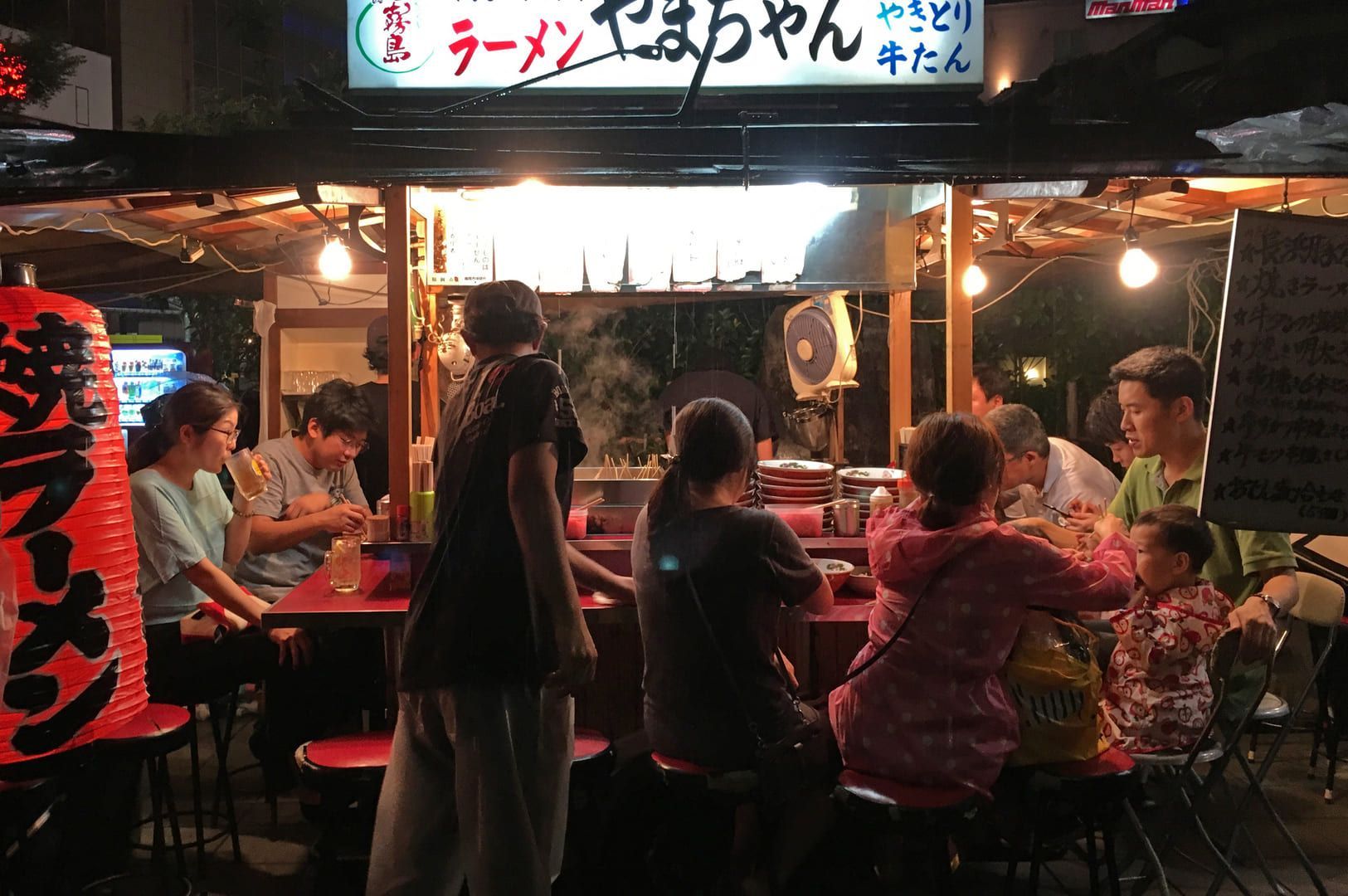
Hakata, now absorbed into Fukuoka City on Kyushu's northern edge, used to pulse with port energy where fishermen and laborers demanded quick, satisfying fuel. Those yatai—tiny street stalls—cranked out steaming ramen bowls for workers who slurped fast and bolted. These stalls still electrify Fukuoka's nightlife, with 150+ yatai pulling millions of hungry visitors annually.
Fukuoka also explodes with baseball passion and that incredible Hakata Gion Yamakasa festival. The city's baseball team anchors community life, rallying people through shared sports obsession. This city's raw, no-BS character translates perfectly into its tonkotsu ramen: bold, deeply satisfying, and unapologetically intense.
What Sets Hakata Tonkotsu Ramen Apart
The Broth: Creamy and Intense
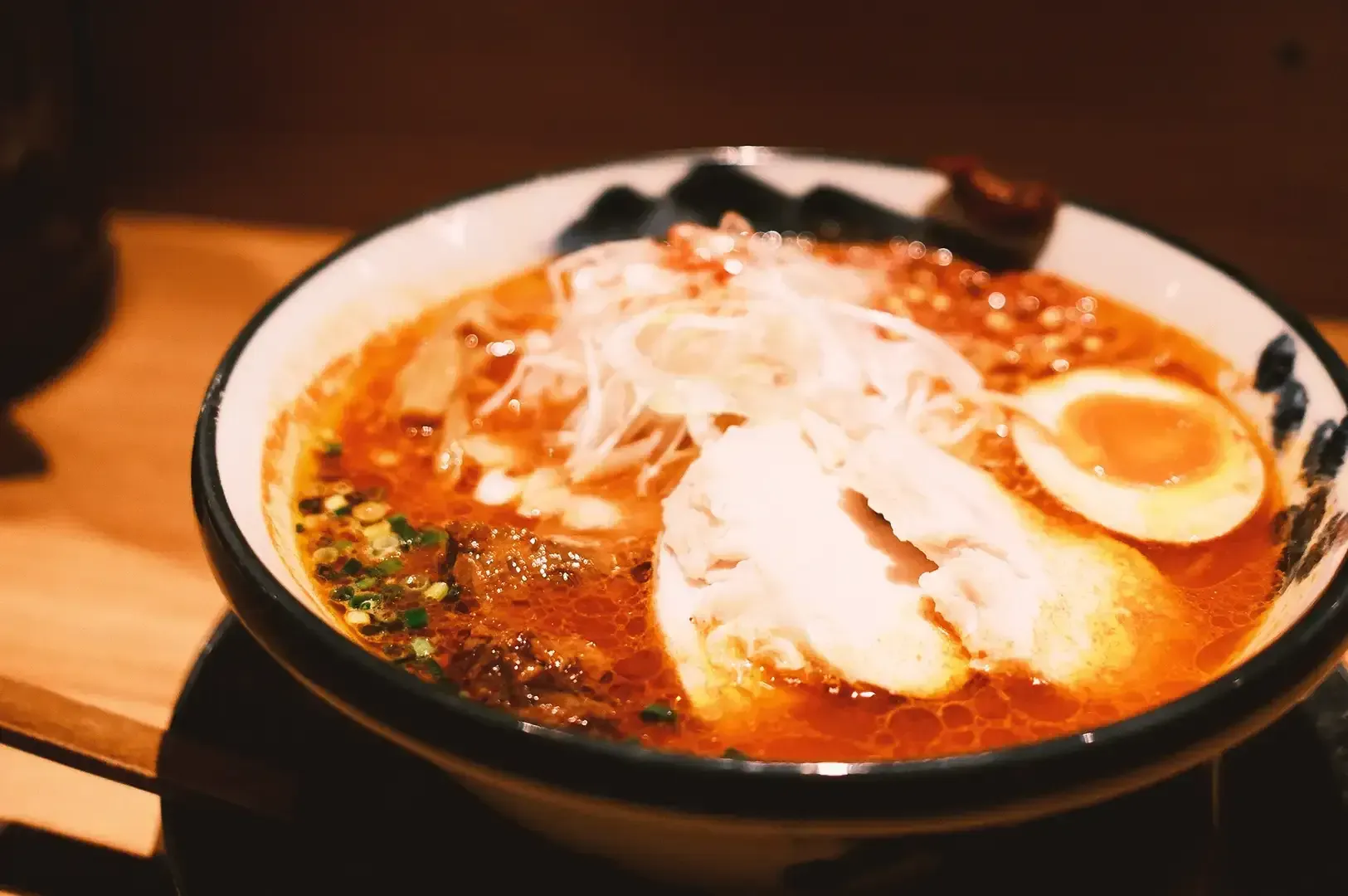
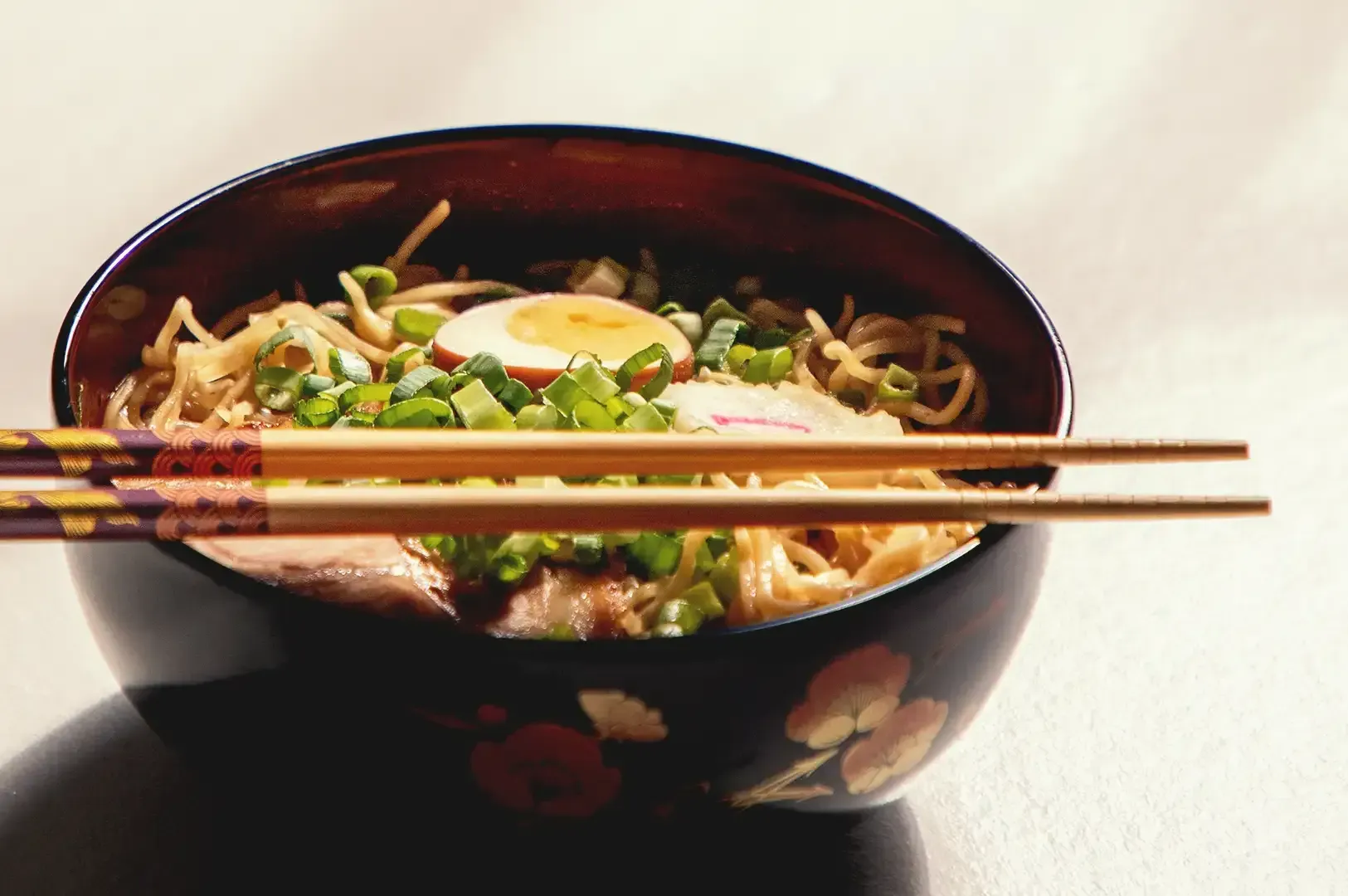
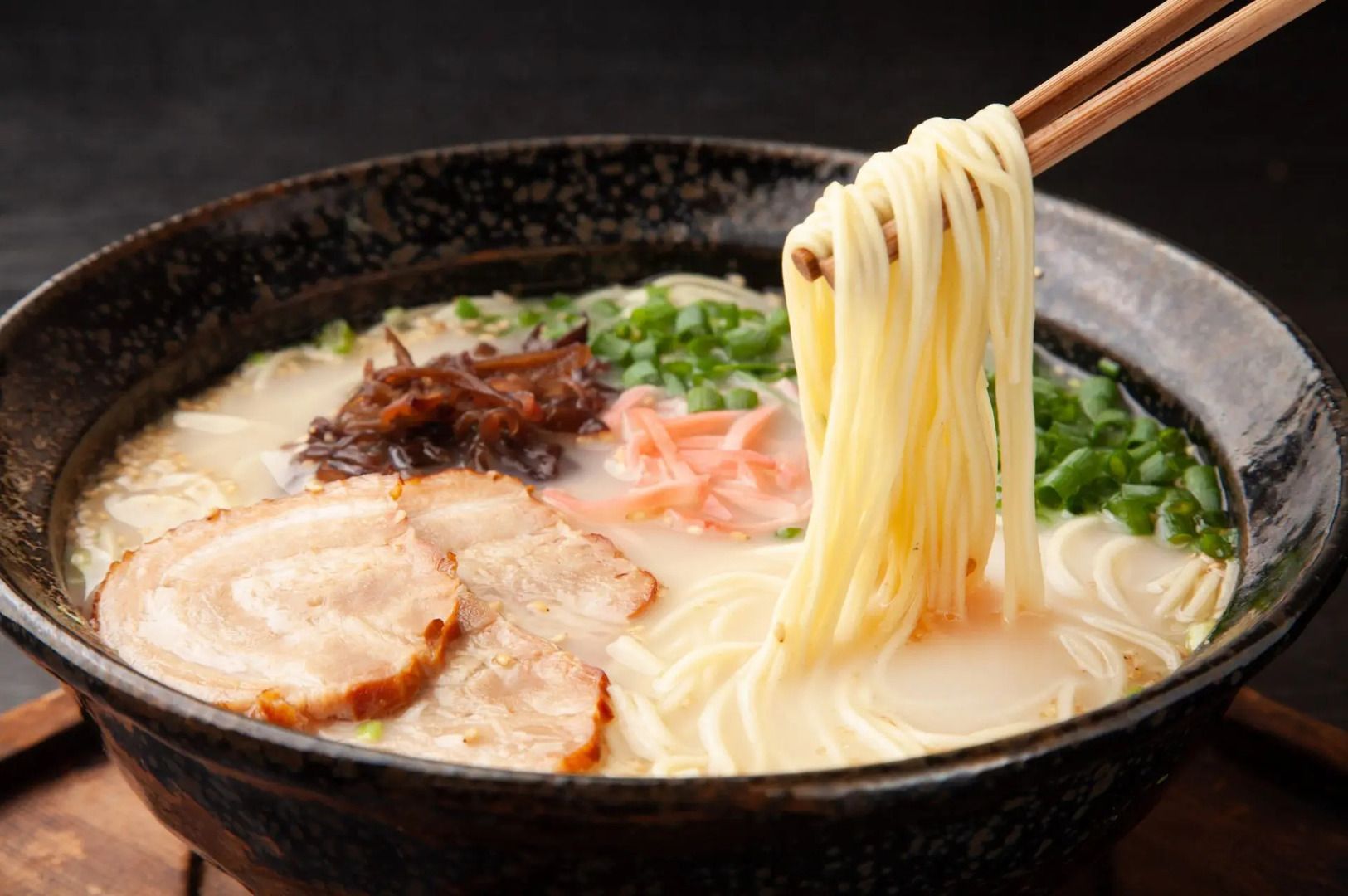
Hakata's signature broth hits you with that milky-white intensity, earned through 12-18 hours of high-heat pork bone punishment—mainly femur and trotters getting absolutely demolished. This process shatters collagen and fat, whipping them into this rich, velvety liquid bursting with deep pork character and those subtle ocean whispers from the city's fishing DNA. The rolling boil system becomes everything for securing that creamy texture and explosive flavor punch that separates Hakata from every other tonkotsu style out there.
The Noodles: Ultra-Thin and Firm
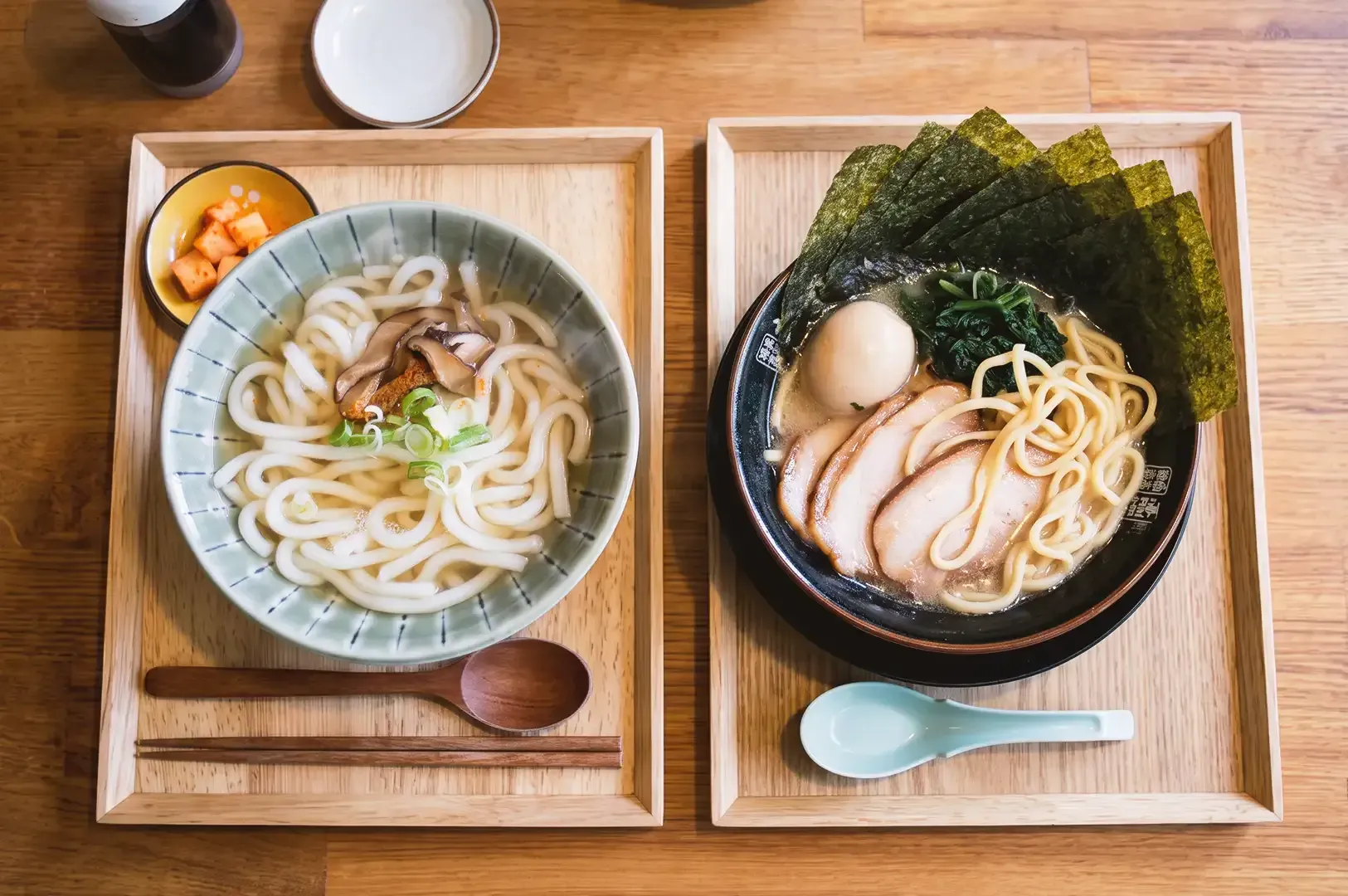
Forget thick, wavy noodles from everywhere else, Hakata ramen rocks ultra-thin, razor-straight noodles under 1mm that cook in under two minutes flat. Diners choose their firmness battlefield from soft (yawame) through extra firm (harigane), with barikata (very firm) crushing the competition for that satisfying snap that perfectly balances the broth's richness. That low water content dough delivers firm, springy texture that stands strong against even the most intense broth assault.
Classic Toppings and Condiments
The toppings stay restrained, letting that broth absolutely dominate:
- Beni shoga: Pickled red ginger slicing through with tangy brightness
- Kikurage: Wood ear mushrooms adding crucial crunch contrast
- Chashu: Tender braised pork belly melting on contact
- Negi: Fresh spring onions cutting the richness
Counter condiments arm you with fresh minced garlic, sesame seeds, and fiery karashi takana (pickled mustard greens), letting you customize every single bite exactly how you want it.
Kaedama: The Noodle Refill Tradition
Here's where things get seriously addictive:
kaedama lets you demolish your noodles while keeping that precious broth, then slam in a fresh noodle refill for round two. This tradition exploded from the need to serve lightning-fast, small portions that could stretch longer, and it remains this beloved ritual across Fukuoka. This system prevents soggy noodle disasters while letting diners realize this fuller, more satisfying meal experience.
The Full Hakata Experience: Fast, Flavorful, and Interactive
At any Hakata ramen counter, speed and customization rule everything. Order your preferred noodle firmness, and boom—your bowl arrives within minutes, loaded with rich broth, thin noodles, and perfectly placed toppings. That pork and garlic aroma hits first like a freight train, followed by this silky, explosive broth that coats your entire mouth.
The noodles deliver this incredible firm bite, standing tough against the broth's intensity without going soggy. Splash in some beni shoga or garlic to refresh your palate, while kikurage adds that perfect texture contrast. Ordering kaedama extends the experience beautifully—fresh noodles soaking up that now super-concentrated broth.
This lightning-fast, efficient dining style respects your time while delivering this deeply satisfying meal experience, perfectly reflecting those yatai origins where workers grabbed quick fuel before diving back into night shifts.
Cultural Significance of Hakata Tonkotsu Ramen in Japan
Dive into Japan's ramen scene and you'll hit Hakata tonkotsu like a revelation—but here's the twist: Chiaki Kisaki's fourteen-volume novel series turns this creamy, soul-warming broth into something way more electric. We're talking Fukuoka's grittiest streets meeting your favorite comfort food, where every steaming bowl carries the weight of crime plots and late-night conspiracies. The manga adaptation? Pure fire. The anime? Even better. Suddenly you're not just slurping noodles—you're tasting the pulse of a city that breathes through its ramen shops, where every bowl tells a story that's equal parts delicious and dangerous.
Meet Zenji Banba—sharp, quick-witted, the kind of detective who solves cases between spoonfuls—and Xianming Lin, a professional killer who blends into ramen crowds like miso into broth. These two don't just grab meals; they orchestrate their entire lives around steaming bowls of tonkotsu. Whether they're strategizing in Banba's office or catching up with the baseball crew, there's always ramen bridging the gap between chaos and connection. Every character in this series orbits around these bowls like planets around the sun, making the broth as essential as any plot twist or chase sequence. It's brilliant—and it makes you crave both the story and the real thing.
What absolutely sets this series apart? The way it balances laugh-out-loud moments with heart-stopping action—and somehow, ramen holds it all together. One scene has you cracking up over Banba and Lin's banter, the next throws you into mistaken identities and high-stakes showdowns that leave you breathless. Fukuoka itself becomes this living, breathing character, its energy crackling through every frame while tonkotsu bowls anchor the madness. The anime brings this contrast to life with such style that you can practically taste the richness of the broth while your pulse races from the action.
No wonder ramen pilgrims flock to Fukuoka now, hunting down the authentic tonkotsu experience that inspired this wild ride. Fans don't just watch or read—they travel, they taste, they chase that perfect bowl through Hakata's bustling streets. The noodles, that cloudy-rich broth, the electric atmosphere—it all connects back to these characters we've grown obsessed with. Whether you're binge-reading the manga, marathon-watching the anime, or just someone who gets excited about discovering your next favorite ramen spot, this series hooks you into Japanese culture through the most delicious gateway possible. Trust me—one taste and you'll understand why these bowls carry such power.
Hakata Tonkotsu Ramen's Journey to Singapore
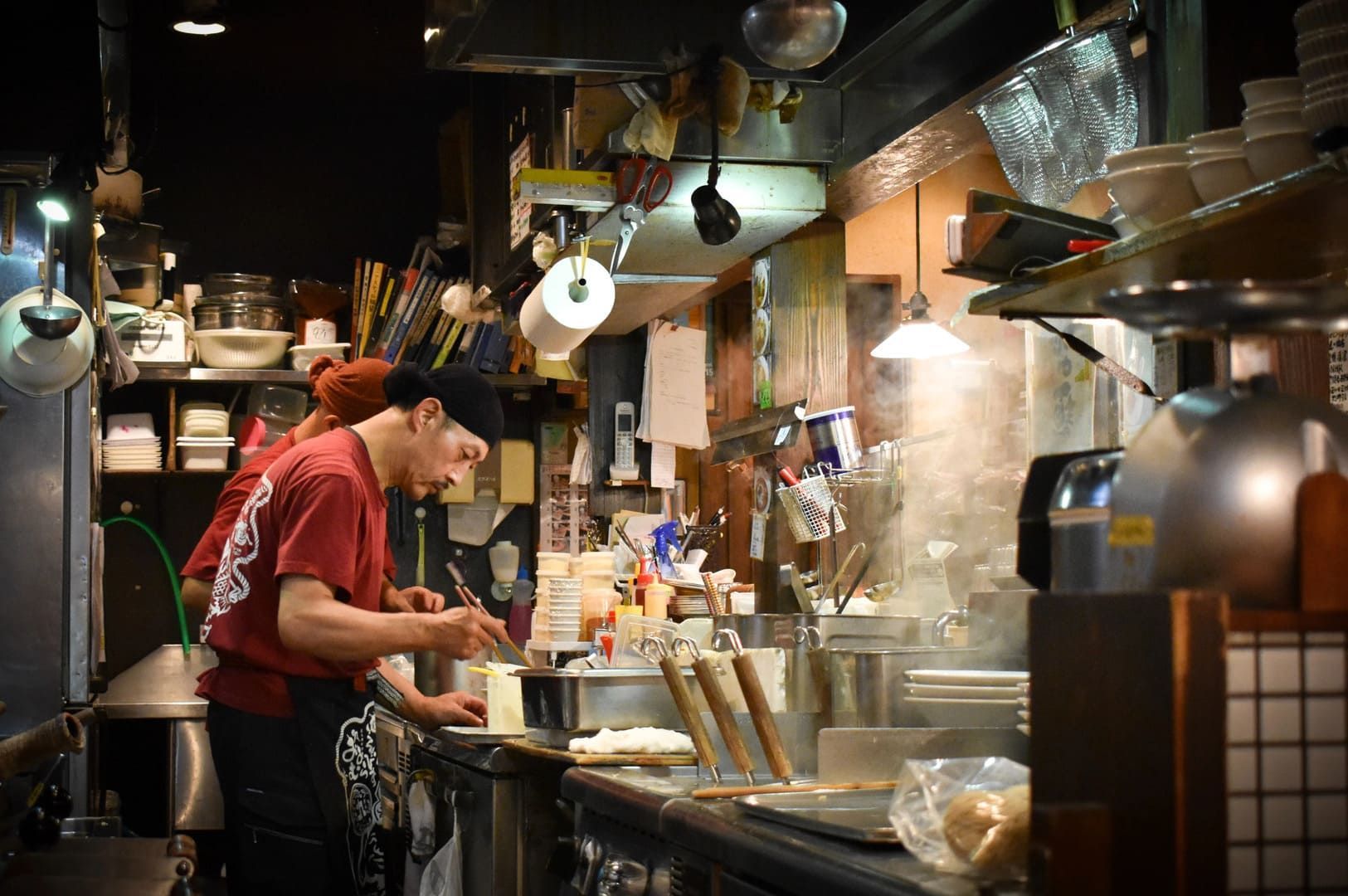
Singapore's ramen scene grabbed Hakata tonkotsu in the late 2000s, fitting like a glove with the city's obsession for quick, flavor-packed meals. Early shops imported techniques and noodles straight from Fukuoka, serving authentic barikata noodles and that rich pork bone broth intensity.
Today, Singapore explodes with 200+ ramen shops, tonkotsu styles claiming about 25% of the battlefield. Hakata-style ramen carves out this distinct niche for diners chasing
bold pork flavors and rapid-fire service, standing apart from lighter or more complex shoyu or miso broths.
Challenges of Authenticity in Singapore
Recreating authentic Hakata broth locally throws up some serious obstacles:
- Bone sourcing: Premium pork bones loaded with marrow and connective tissue cost serious money and sometimes disappear due to regulations and halal considerations.
- Kitchen demands: Maintaining that rolling boil for 12-18 hours requires specialized equipment and ventilation, made even trickier by Singapore's intense humidity.
- Water quality: Singapore's mineral-heavy water messes with gelatin extraction, sometimes forcing recipe adjustments.
- Consistency: Skilled staff must handle emulsions perfectly; shortcuts like premixed bases or pressure cooking totally destroy depth and texture.
Despite these challenges, many Singapore ramen-ya crush excellent Hakata tonkotsu, balancing authenticity with local realities.
Singapore's Unique Takes on Hakata Tonkotsu
Ramen shops across Singapore attack this differently:
- Purists recreate Fukuoka bowls precisely, importing noodles and delivering traditional toppings plus kaedama.
- Modern interpretations blast in local flavors like chili oil, sambal, ajitama (marinated eggs), or black garlic oil, fusing tradition with local taste preferences.
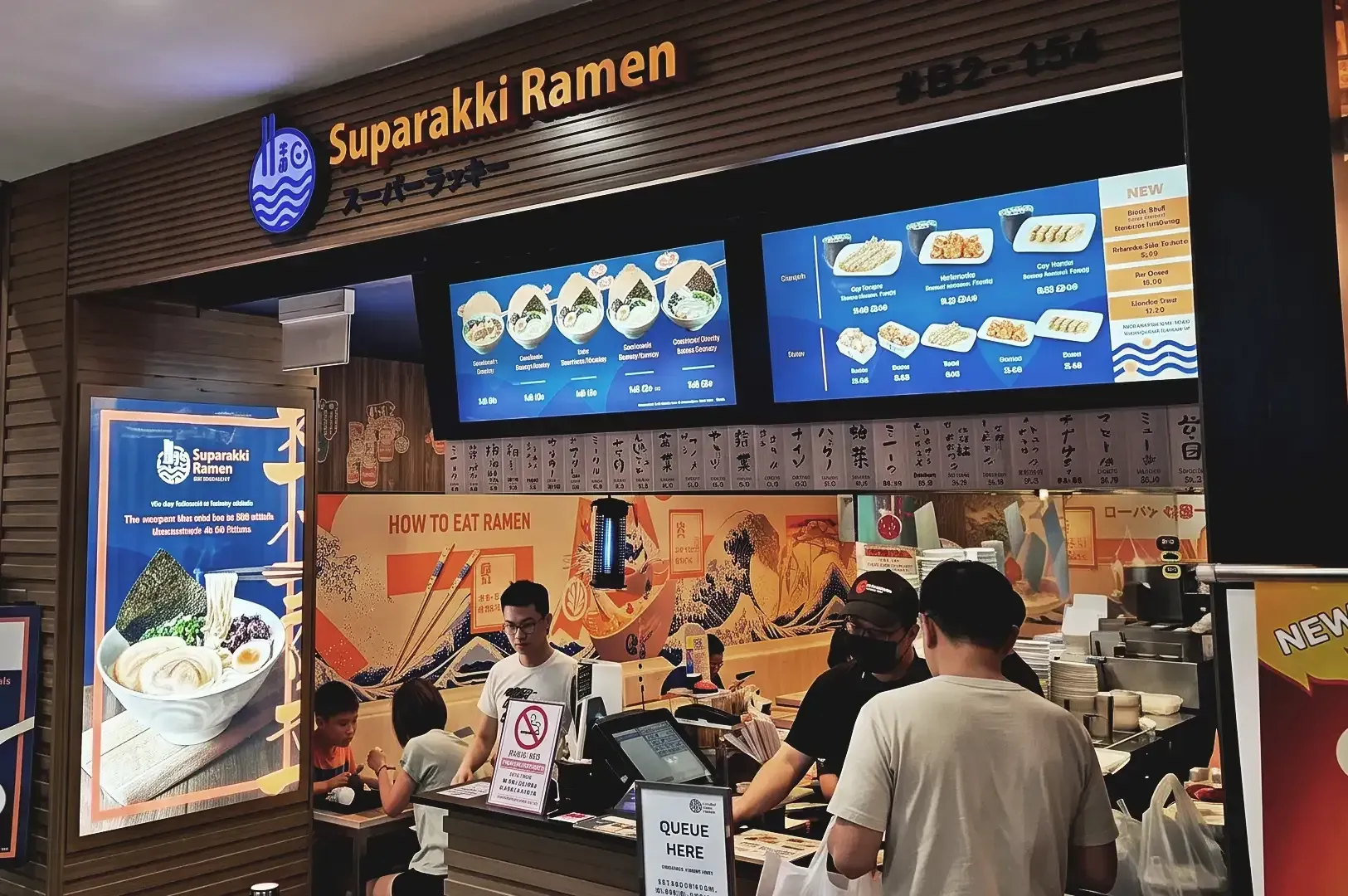
- Casual concepts in food halls serve lighter, simpler versions at friendly prices, introducing newcomers to the style.
Kaedama adapts too, sometimes limited to dinner service or positioned as this special ritual for first-timers.
Restaurant Options: Where to Find Hakata Tonkotsu in Singapore
Hakata Tonkotsu Ramens fans, get ready—whether you discovered this wild world of assassins and detectives through manga pages, anime episodes, or Chiaki Kisaki's original novels, Singapore's about to become your ultimate hunting ground. Just like Banba and Lin chasing leads through Fukuoka's electric streets, we're charging headfirst into this city's tonkotsu scene, and every bowl delivers its own incredible story.
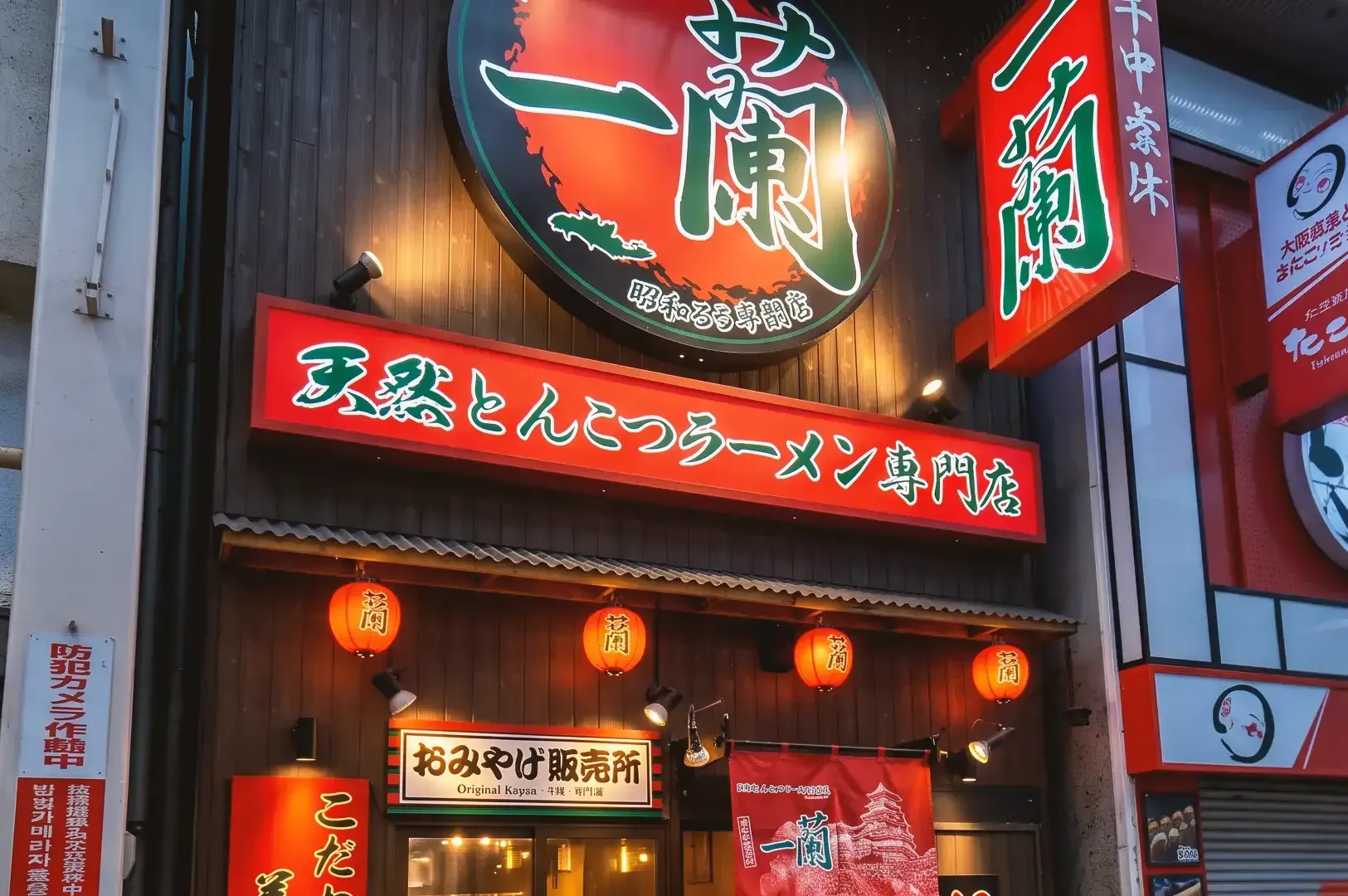
Singapore's ramen landscape shifts and surprises like the series' most explosive plot twists. Take Ichiran—this legendary Japanese chain doesn't just serve tonkotsu; it orchestrates pure magic. Those solo dining booths? Absolute genius. You customize everything—noodle texture, spice levels, garlic intensity—like Banba perfecting his investigation methods. The payoff crushes hard: intensely creamy broth coating your spoon, ultra-thin noodles with perfect bite, and that pork flavor building and building with every single slurp.
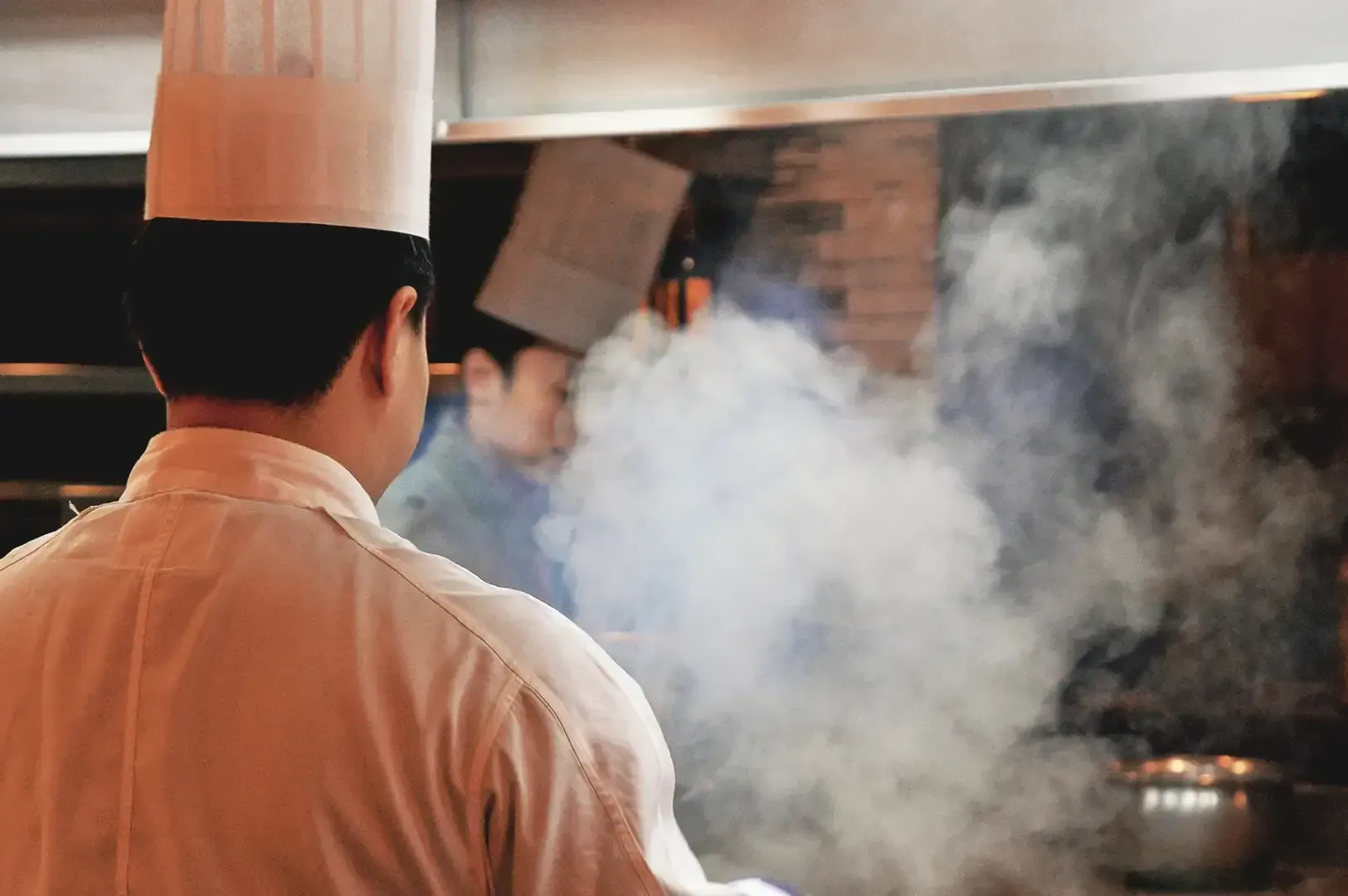
Ippudo throws completely different punches. Their Hakata tonkotsu runs lighter yet deeper simultaneously, and watching their open kitchen work feels like catching those rapid-fire anime sequences where every movement matters. The chashu dissolves against your teeth, the broth balances richness with clarity, and suddenly you're planning your return visit before finishing this bowl.
But here's where things explode: Tonkotsu Ramen Mitsuyado operates on another universe entirely. This independent spot simmers their pork bone broth until it reaches this perfect, velvety intensity that stops you mid-slurp. The braised pork belly practically evaporates, the boiled egg cuts through all that richness, and that pickled ginger hint? It's like discovering the perfect clue at exactly the right moment.
Beyond these powerhouses, Singapore's ramen scene sprawls across every neighborhood—from Orchard Road's glossy shopping centers through Chinatown's buzzing corners to those hidden mall spots you'd never expect. Each place brings something different: maybe a spicy miso twist, maybe black garlic oil that changes everything, maybe just that perfect noodle texture that makes you forget where you are.
Whether you're obsessed with the manga's intricate plotting, addicted to the anime's gritty urban energy, or simply chasing that deep, satisfying tonkotsu rush, Singapore delivers every single time. Each restaurant becomes its own case file—every bowl a fresh mystery to crack, every texture a clue worth investigating, every kaedama refill another chance to dive deeper.
So grab your crew, pick your first target, and let's attack Singapore's ramen underground. Every bowl connects you straight to Fukuoka's streets while keeping you grounded in a city that knows how to balance tradition with
bold experimentation—and where the next perfect bowl waits just one more stop away.
Hakata Tonkotsu's Place in Singapore Dining Culture
Hakata ramen's rapid-fire, no-nonsense service fits perfectly with Singapore's quick meal obsession, especially in hawker centers and CBD lunch battlegrounds. Counter seating, open kitchens, and individual condiments echo that authentic yatai experience.
However, Singapore's dining habits also embrace lingering over meals and quieter table manners, contrasting with
Japan's enthusiastic slurping and lightning turnover. Still, ramen-goers increasingly grab these authentic customs and run with them.
Distinguishing Hakata Tonkotsu from Other Tonkotsu Styles
Not all tonkotsu ramen equals Hakata-style. Key battles include:
| Style | Broth Character | Typical Noodles |
|---|---|---|
| Hakata | Milky, pork-forward, lean intensity | Ultra-thin, straight |
| Kurume | Thicker, paste-like, heavier | Medium, sometimes wavy |
| Nagahama | Lighter, garlic-heavy | Very thin |
| Tokyo Tonkotsu | Blended, often shoyu/miso seasoned | Medium-thick, wavy |
Embracing Hakata Tonkotsu in Singapore
For ramen lovers, Hakata tonkotsu opens this incredible window into Fukuoka's street food culture—rich broth, thin noodles, lightning service, and communal eating energy. Whether the crime series sparked your curiosity or pure culinary obsession drives you, Singapore's ramen counters deliver this bold tradition with local flair.
Explore shops that nail the broth-noodle balance, try ordering barikata firmness, and absolutely don't miss that kaedama experience. Sites like BestRamen.com.sg provide detailed reviews and help map this vibrant scene.
Your bowl becomes way more than noodles—it's this story stretching from postwar Japan's accidental broth discovery through Singapore's buzzing food courts, from novel pages to your lunchtime ritual. That's a tradition absolutely worth savoring and sharing.
Explore more on Tonkotsu Ramen and explore our articles "Tonkotsu Explained: The Science of Pork Bone Extraction" and "Best Tonkotsu Ramen in Singapore"
Recent Posts