Tonkotsu Black Ramen: A Premium Experience with Kagoshima Kurobuta in Singapore
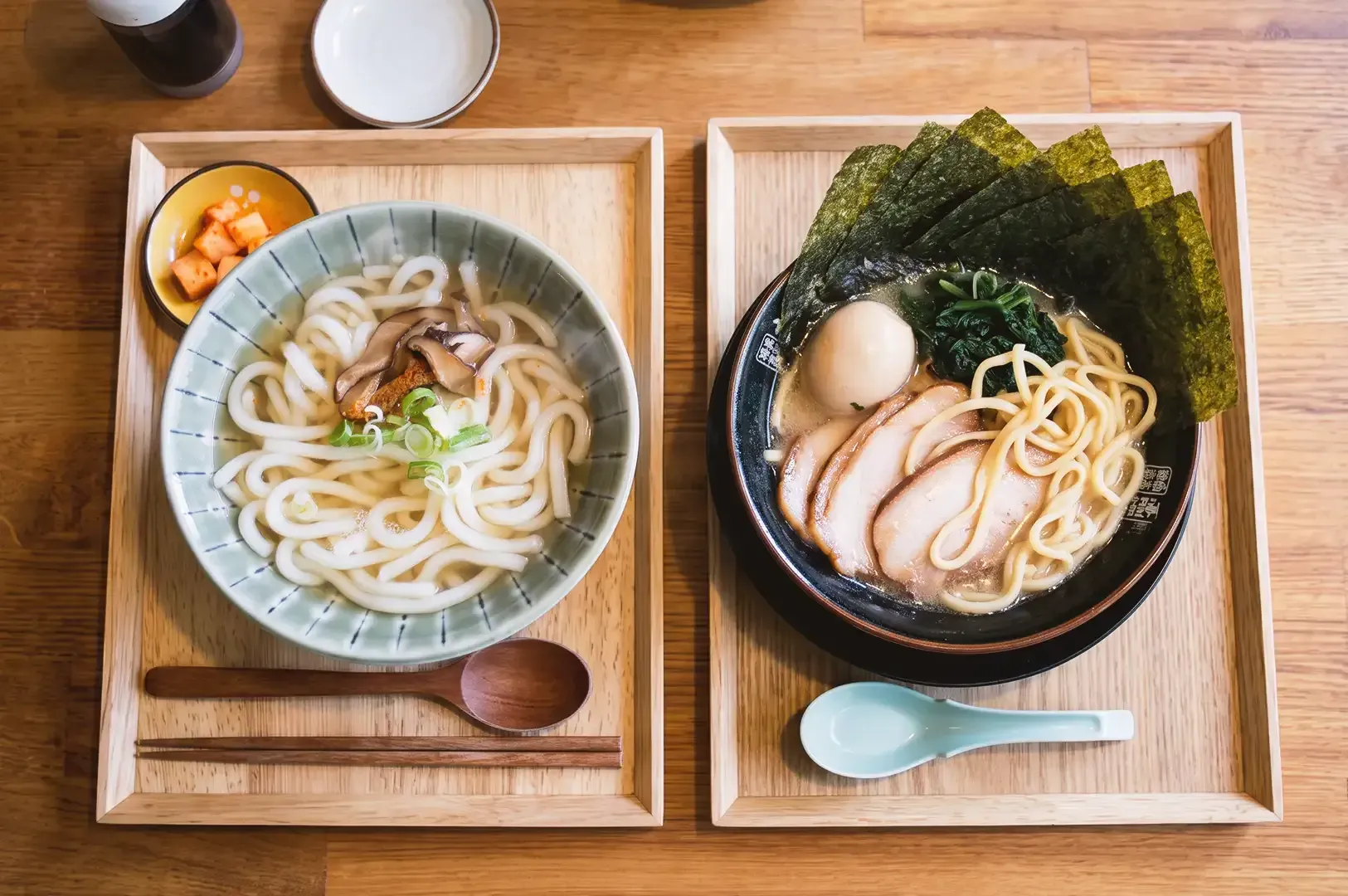
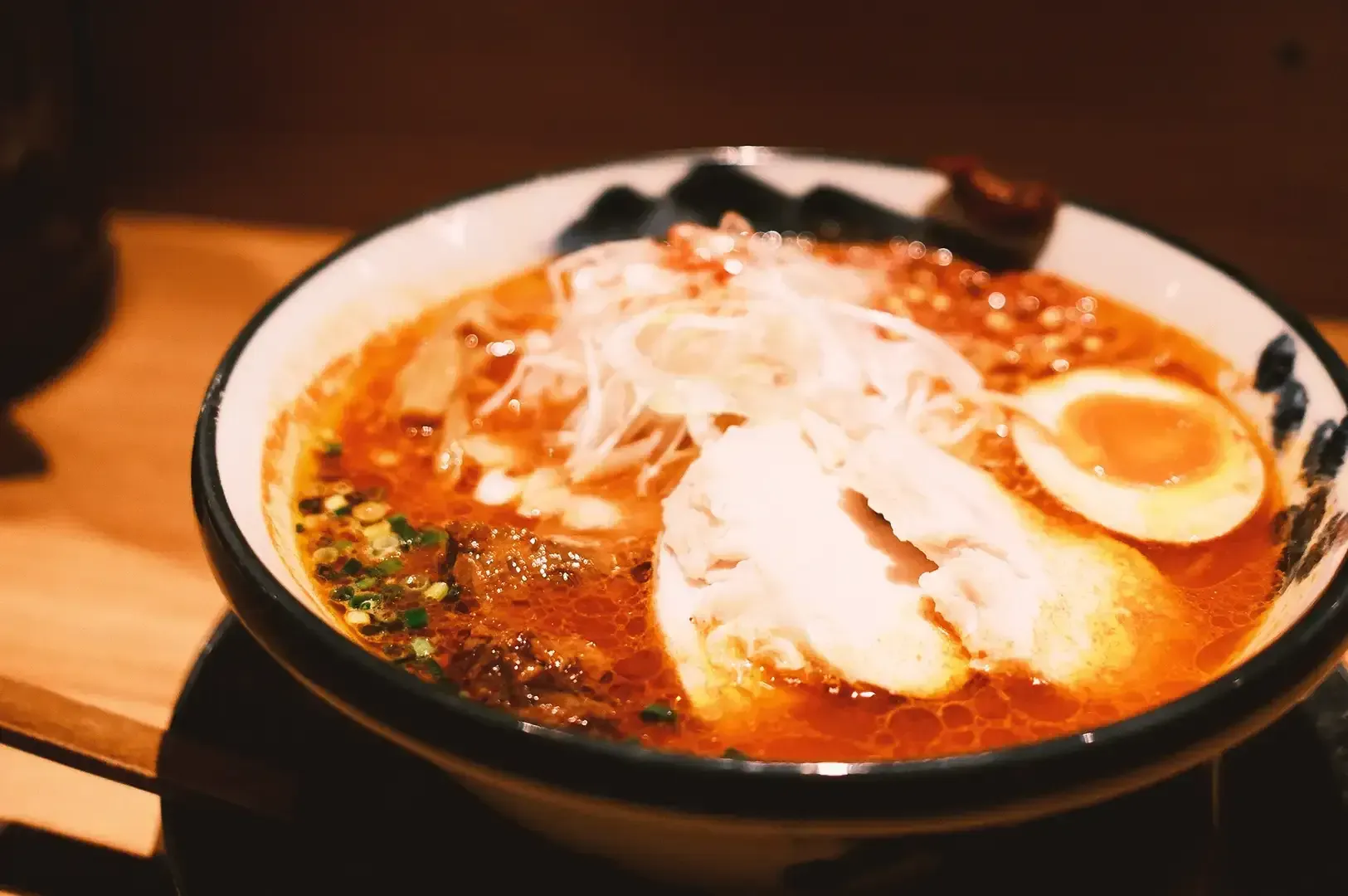
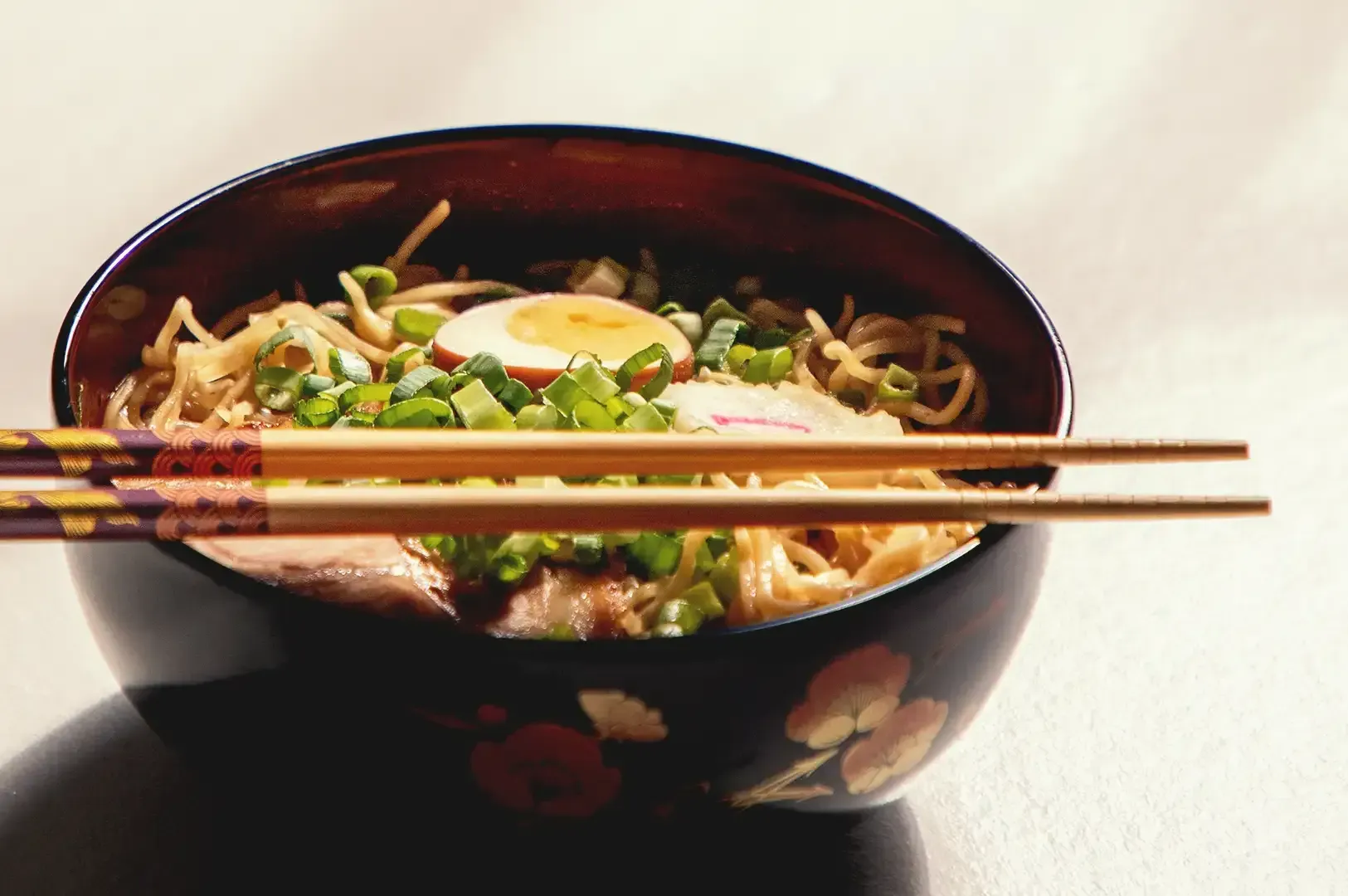
The steam rising from the bowl carries a scent distinct from your standard tonkotsu ramen, featuring a sweeter, earthier perfume that hits the nose before the spoon even touches the rich tonkotsu broth. Tonkotsu black ramen is closely associated with Kumamoto-style ramen, which uses roasted garlic and black oil instead of fresh garlic, setting it apart from the more widely known Hakata style. As you lean in, the surface of the soup glistens not with heavy grease, but with a refined, golden sheen of rendered oil that promises depth rather than just density. This is the hallmark of a bowl crafted with Kagoshima Kurobuta, the legendary “black pork” of southern Japan. It isn’t just a meal; it is a testament to centuries of breeding heritage and the relentless pursuit of flavor in authentic ramen.
Singapore’s ramen landscape has matured significantly over the past years. We have moved past the initial rush of famous chains setting up outposts and into a deeper, more nuanced appreciation of regional varieties. In this sophisticated environment, specialty ramen Singapore has embraced
Kagoshima Kurobuta not just as a topping, but as the foundational soul of the bowl.
Tonkotsu Black Ramen and the Legacy of Kagoshima Kurobuta
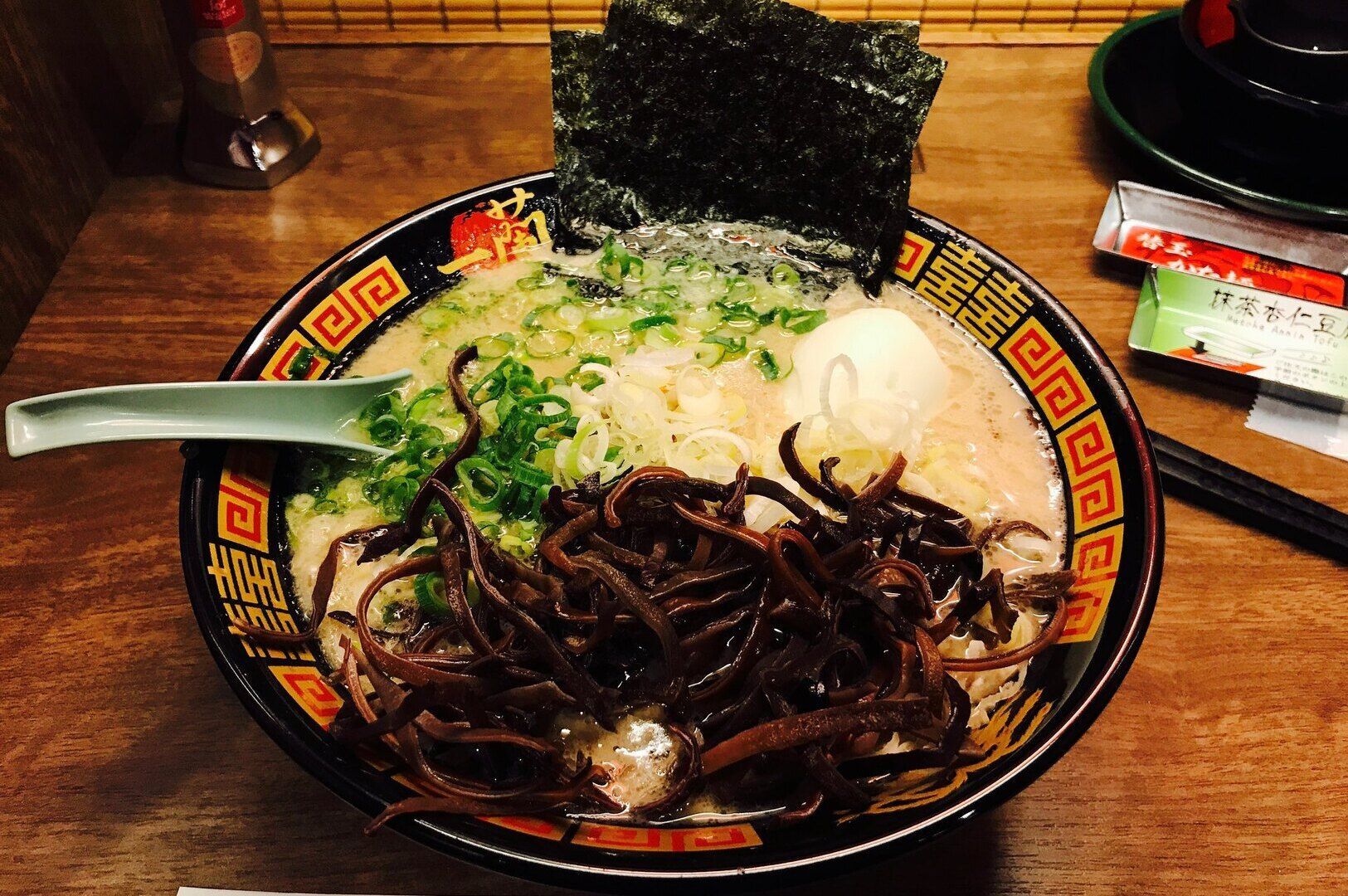
To understand why this pork commands such respect, we must check the southern tip of Kyushu, Japan. Kagoshima Prefecture is synonymous with Kurobuta, which comes from the Berkshire pig breed. Introduced to Japan centuries ago, these pigs are raised with meticulous care that borders on artistry. Unlike standard commercial pork, Kurobuta are often fed a specialized diet, sometimes including sweet potatoes (satsumaimo), which contributes directly to the meat’s unique flavor profile.
When you bite into a slice of Kurobuta chashu, each bit is clean and crisp, yielding effortlessly without gristle or dryness. The fat is pure white and firm, lacking the murky odor that can sometimes plague lesser quality pork. Chashu is marinated pork belly that is commonly used as a topping in tonkotsu ramen. This purity makes it an ideal canvas for the complex marinades and long simmered processes inherent to ramen making. In a bowl of black garlic tonkotsu ramen Singapore, this heritage translates directly into flavor clarity. The broth doesn’t need to be overloaded with salt or MSG because the base ingredient provides such a robust, natural savory foundation.
Creating Tonkotsu Broth and Chashu: The Art of Dual Transformation
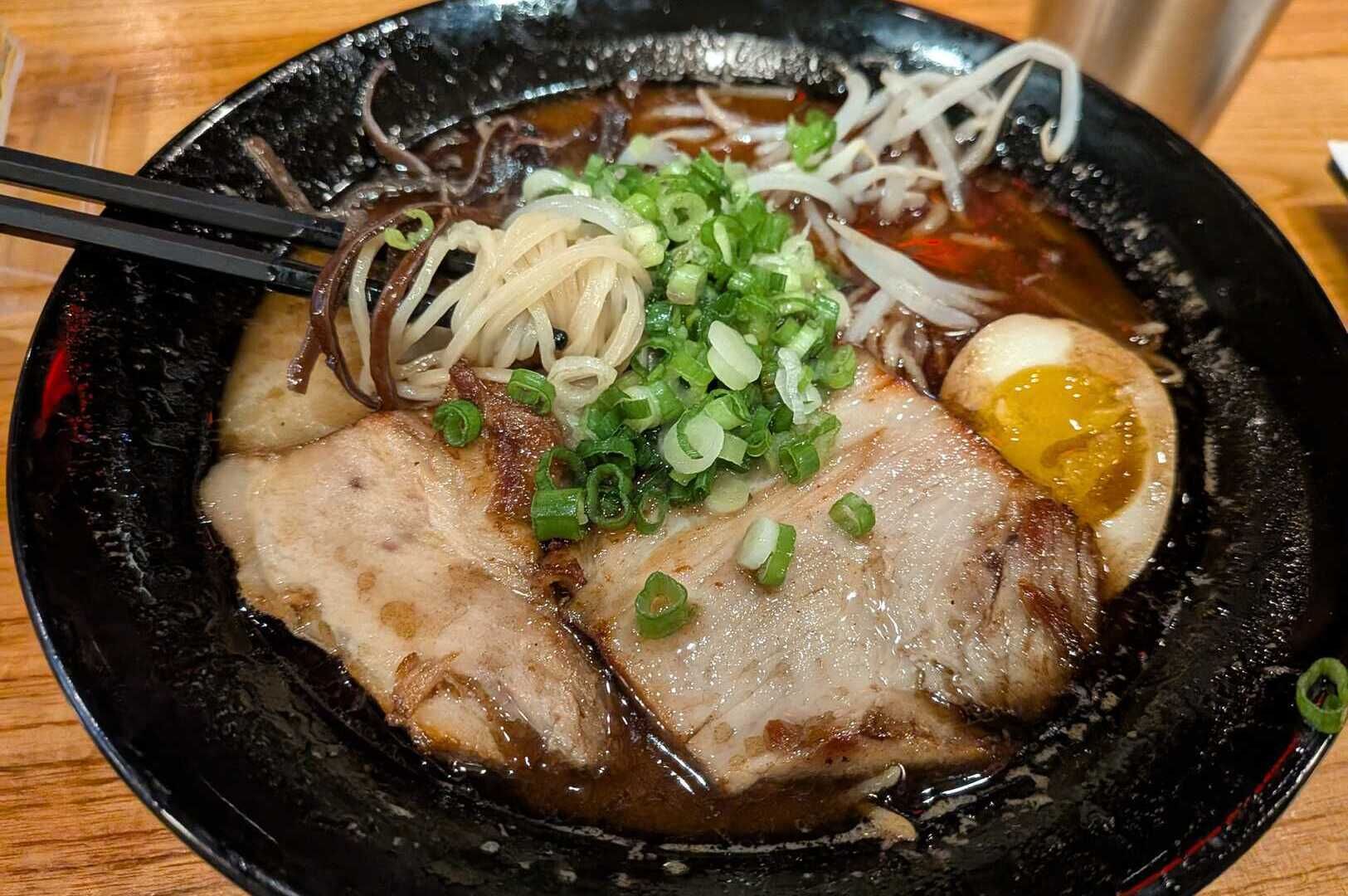
In the hands of a skilled ramen master, Kagoshima Kurobuta serves a dual purpose. It is both the invisible backbone and the visible star of the bowl. For sous vide chashu, the pork is often placed in a bag with marinade and sealed tightly to ensure even cooking and optimal flavor infusion.
The Main Broth: Tonkotsu Broth with Black Garlic Oil
To prepare the broth, pork and chicken bones must be blanched in boiling water for 10-15 minutes to remove impurities, and then thoroughly cleaned and completely dried before proceeding. This crucial step ensures a clean, refined base for the tonkotsu black ramen.
Creating a tonkotsu broth with Kurobuta bones is an exercise in patience and precision. Because the bones of these premium pigs are rich in marrow and collagen but cleaner in flavor, the resulting soup is often lighter in color but heavier in texture than typical pork broths. It achieves a creaminess — often described as “milky” without the cloying stickiness that can coat the throat unpleasantly.
During the last few hours of boiling, aromatics like charred onions, ginger, and garlic are added to enhance flavor, along with optional ingredients such as dried shiitake mushrooms or kombu to enrich the broth.
Black garlic oil and
garlic chips are then added to the bowl, creating a bold flavor profile unique to
black garlic tonkotsu ramen. The
black garlic oil (ma-yu) is made by slowly frying chopped garlic until deep brown, then blending and combining with aromatic oil, which adds a smoky, nutty aroma that transforms the bowl.
Mastering Ramen Noodles and Serving the Perfect Bowl
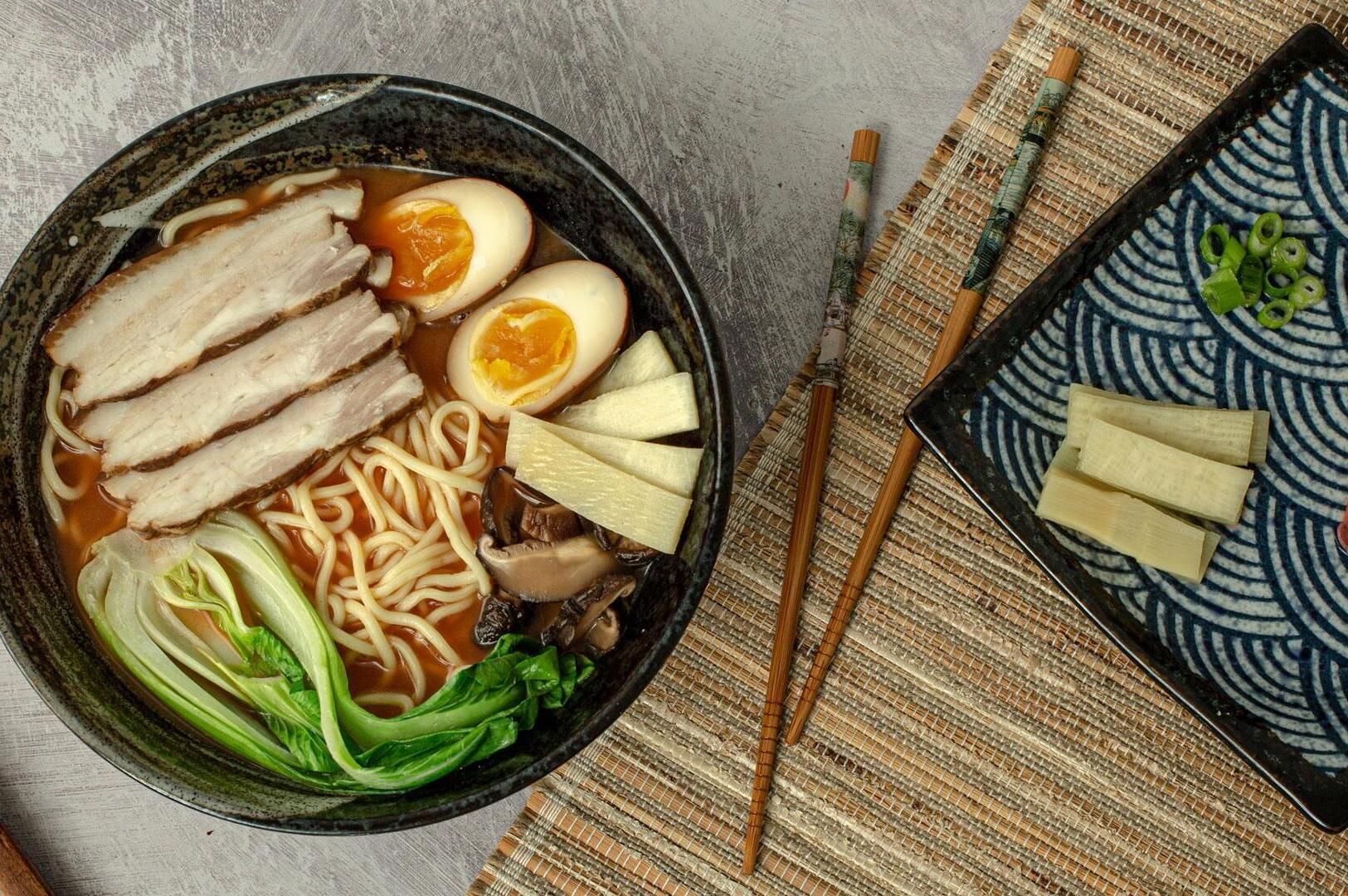
No bowl of authentic ramen is complete without ramen noodles. These noodles are alkalinated, giving them their unique texture and ability to hold up in rich broths like tonkotsu black ramen. Chefs boil noodles in plenty of water, then quickly cool them to stop cooking and maintain the perfect chewiness.
Once the noodles are ready, the bowl is assembled by first adding tare (seasoning sauce) to the bowl and giving it a good
stir to ensure it is evenly mixed with the broth. Next, pour in the rich
tonkotsu broth, add the
ramen noodles,
chashu slices, a perfectly cooked
egg, medium boiled eggs are typically served with
tonkotsu ramen, cooked for about 7 minutes—garlic chips,
black garlic oil, and any other thing you like, such as
sesame seed, green onions, or nori. The key is balance: the broth should coat the noodles and toppings, creating a harmonious mix of flavors and textures.
Singapore’s Kurobuta Specialists: Where to Enjoy Tonkotsu Black Ramen
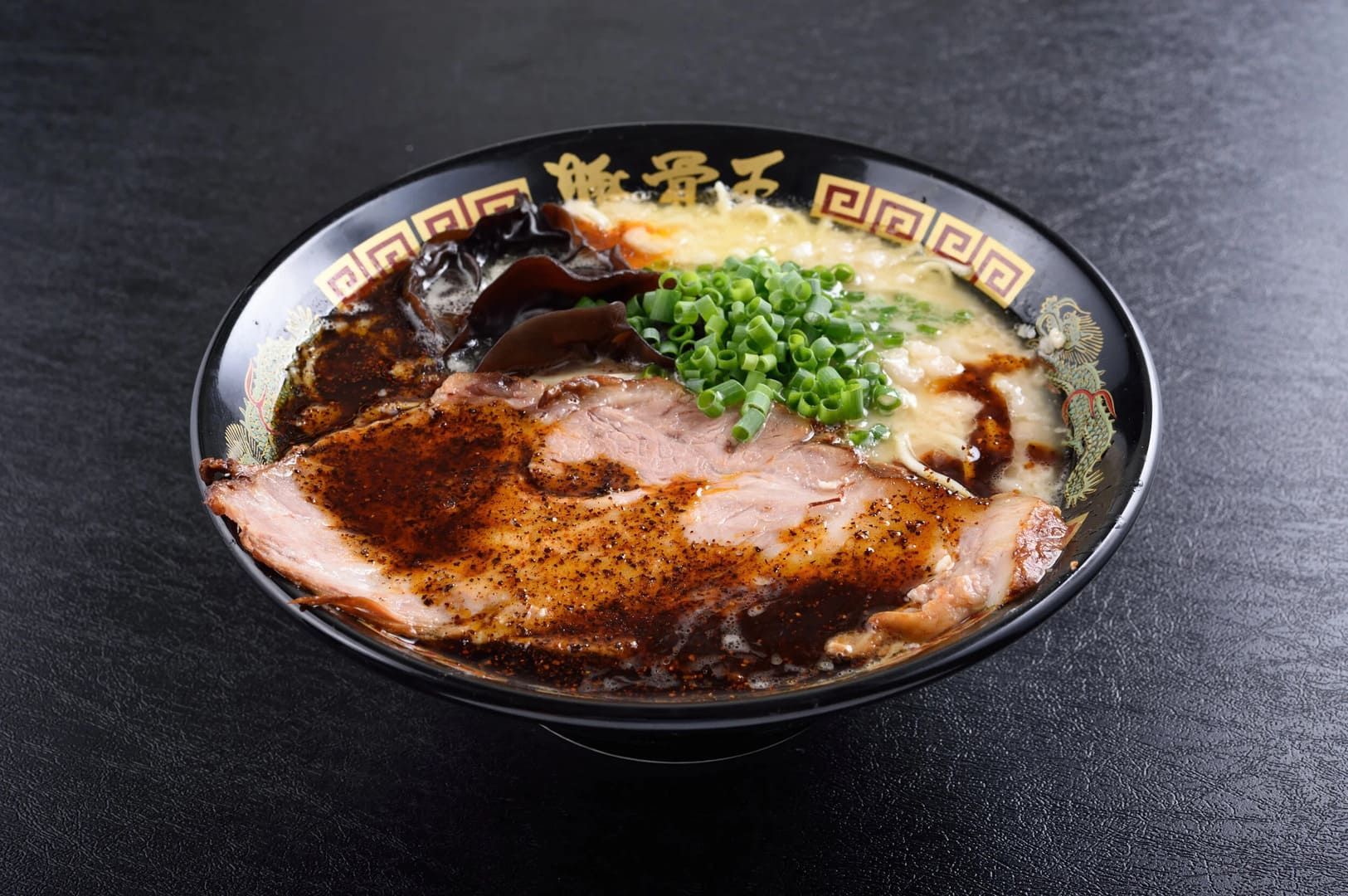
While many shops claim “premium pork,” true specialists are rare. In Singapore, a few establishments have distinguished themselves by treating Kagoshima Kurobuta with the reverence it deserves, making it easier for diners to experience premium tonkotsu black ramen.
Kurobuta Gen: Elegant and Light
Kurobuta Gen operates with a philosophy that is refreshingly simple: let the ingredient speak. Their approach to the shabu-style ramen is particularly noteworthy. Rather than thick, braised slabs of chashu, they often feature thinly sliced Kurobuta belly, poached lightly in the soup just before serving. This technique, borrowed from shabu-shabu traditions, highlights the pristine quality of the meat. The pork retains a delicate pink hue and a texture so tender it barely requires chewing.
Their broth tends to be on the clearer side of tonkotsu, lighter than the Hakata style but packed with distinct umami. It feels restorative. Eating here feels less like a heavy indulgence and more like a nourishment ritual. The chefs understand that heavy soy sauce tares would mask the Kurobuta's natural sweetness, so they exercise restraint, balancing salt levels to elevate the pork notes rather than overpower them.
Ramen Keisuke Niku King: Bold and Robust
On the other end of the spectrum lies the robust approach found in concepts like Niku King (part of the Keisuke group). Here, the celebration of meat is unapologetic. While they utilize various pork types, their premium offerings featuring Kurobuta focus on texture and volume. The chashu here is often thicker, braised until the fat is gelatinous and the meat falls apart at the prod of a chopstick.
The broth here is denser, a collagen-rich emulsion that clings to the noodles. The integration of Kurobuta trimmings into the soup base provides a visceral richness. It is a bowl for those who want to feel the weight of the meal, experiencing the full, unadulterated power of pork fat. Their technique often involves searing the chashu before serving, caramelizing the exterior sugars and adding a smoky complexity that cuts through the creamy soup.
Tsuta Singapore: Refined and Sophisticated
While originally famous for truffle oil and shoyu bases, the Singapore chapter of Tsuta has experimented with premium ingredients including Kurobuta in their limited and specialty offerings. Their approach is one of elegance. When Kurobuta is featured, it is often prepared with a low-temperature slow-cook method. The resulting chashu is pale, incredibly soft, and seasoned with a light soy marinade that accents the meat's natural savoriness.
In their hands,
Kurobuta becomes a refined topping that complements their sophisticated, multi-layered broths. It shows how versatile this ingredient is — capable of standing up to truffles, clams, and porcini mushrooms without getting lost in the mix.
The Kitchen Craft: Behind the Scenes of Tonkotsu Black Ramen
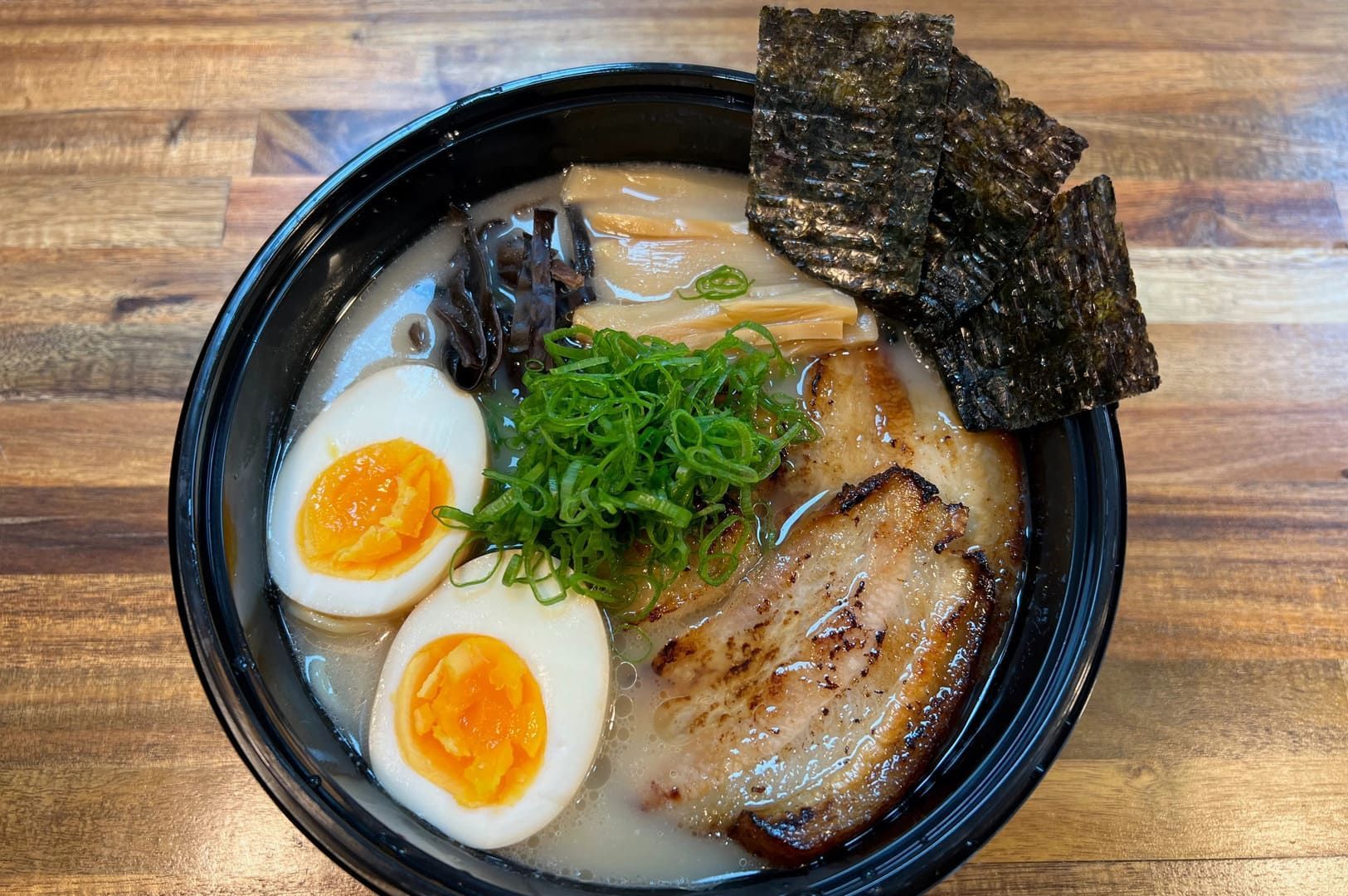
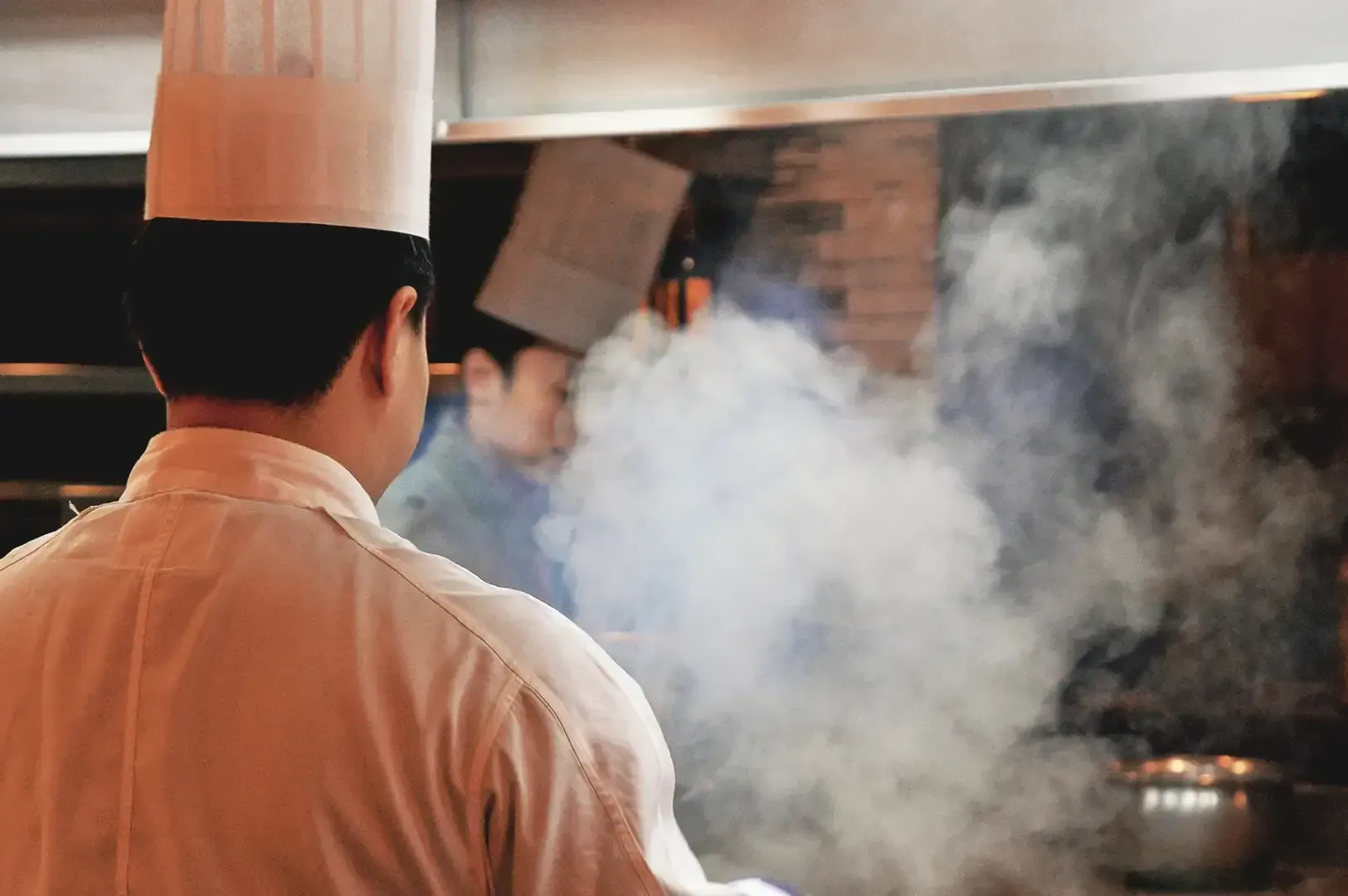
What separates these specialists from standard ramen joints is the invisible labor happening behind the counter. Handling Kagoshima Kurobuta requires a different set of technical skills.
First, there is the sourcing. Ensuring a consistent supply of genuine Kagoshima Kurobuta in Singapore is a logistical challenge. These chefs maintain close relationships with suppliers to guarantee the provenance of their pork. Substitutions are not an option when the entire menu concept hinges on specific flavor profiles.
Second is the prep work. Because Kurobuta fat renders differently, the skimming process during broth production is crucial. Chefs must constantly monitor the pot, removing scum and impurities to ensure the final soup retains that signature golden color. If the technique or temperature is wrong, the broth can become cloudy or the fat can separate, ruining the texture. Too much heat and the fat separates into a greasy layer; too little, and you lose the creamy texture.
When cleaning or prepping ingredients, it’s essential that they are completely dry or free from moisture before use, as any excess water can affect the consistency and quality of the broth.
Food Quality and Safety: Ensuring a Premium Standard
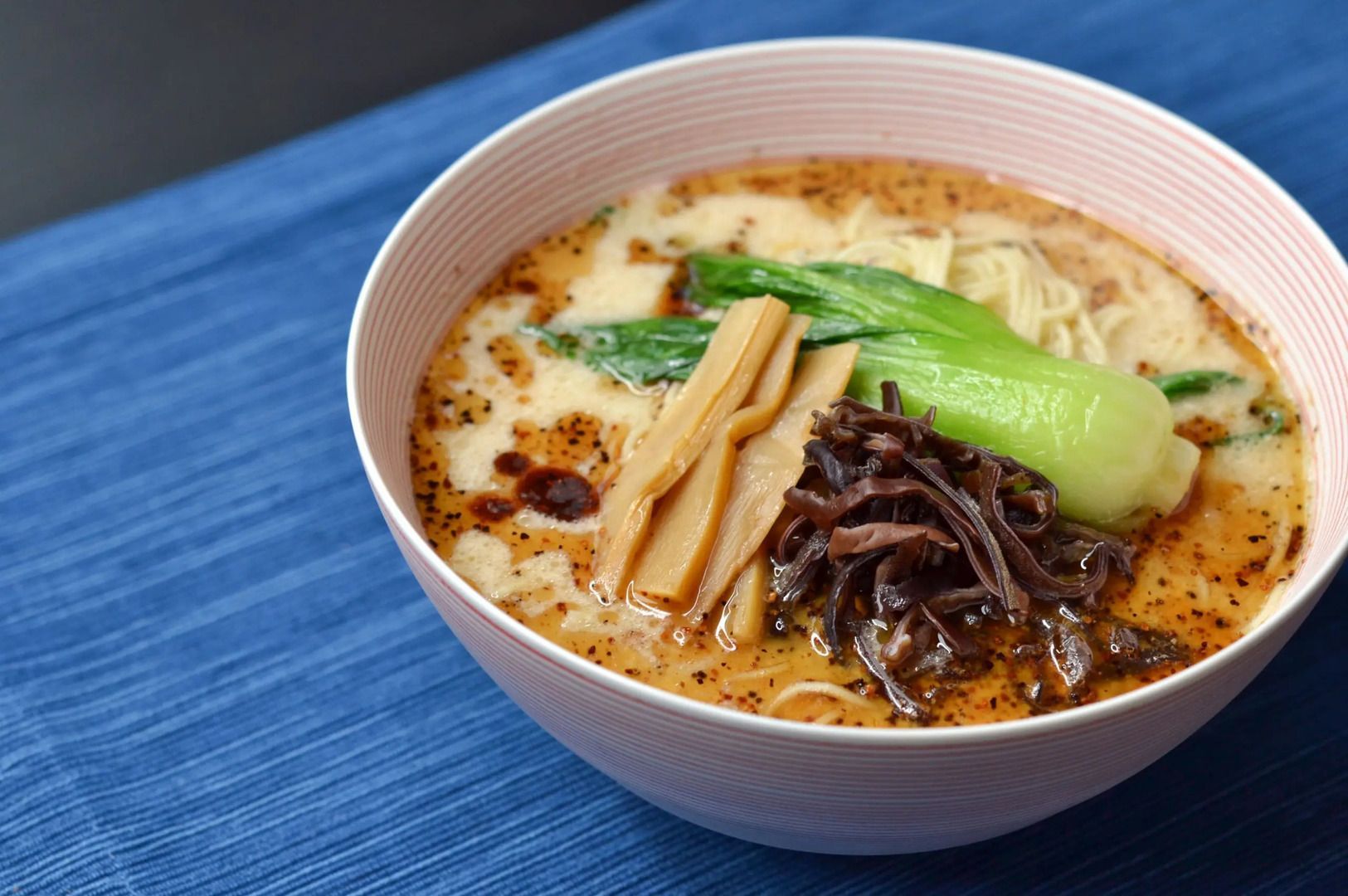
Quality tonkotsu black ramen typically requires careful attention to food safety standards that often parallel the attention given to flavor development. In most authentic ramen establishments, the preparation process usually begins well before service, starting with ingredient selection. Fresh pork bones, garlic, vegetables, and noodles are generally chosen based on quality standards that may help ensure both flavor and safety in the final product.
The preparation of black garlic tonkotsu ramen often involves systematic food safety practices alongside culinary techniques. Chefs typically handle and store ingredients according to temperature guidelines, which may help preserve the quality of pork, garlic, and fish components. In many reputable ramen kitchens, cooking processes usually follow established procedures where ingredients are often added, stirred, and simmered according to specific timing and temperature requirements.
Standard kitchen practices typically include boiling noodles in adequate water, cooling them appropriately, and assembling bowls according to established procedures. Regular cleaning and sanitizing of utensils and surfaces are often part of routine operations. Kitchen maintenance usually focuses on cleanliness standards that may help ensure food safety across all components, including black garlic oil preparation and garnish handling.
These practices often help establish operational consistency that may contribute to customer confidence. Diners can usually expect that
tonkotsu broth,
chashu, and
egg components have been prepared according to safety standards commonly found in Singapore's established ramen establishments. This systematic approach to food safety typically forms part of the operational framework that may support the overall dining experience.
Tasting and Enjoying Tonkotsu Black Ramen: A Sensory Guide
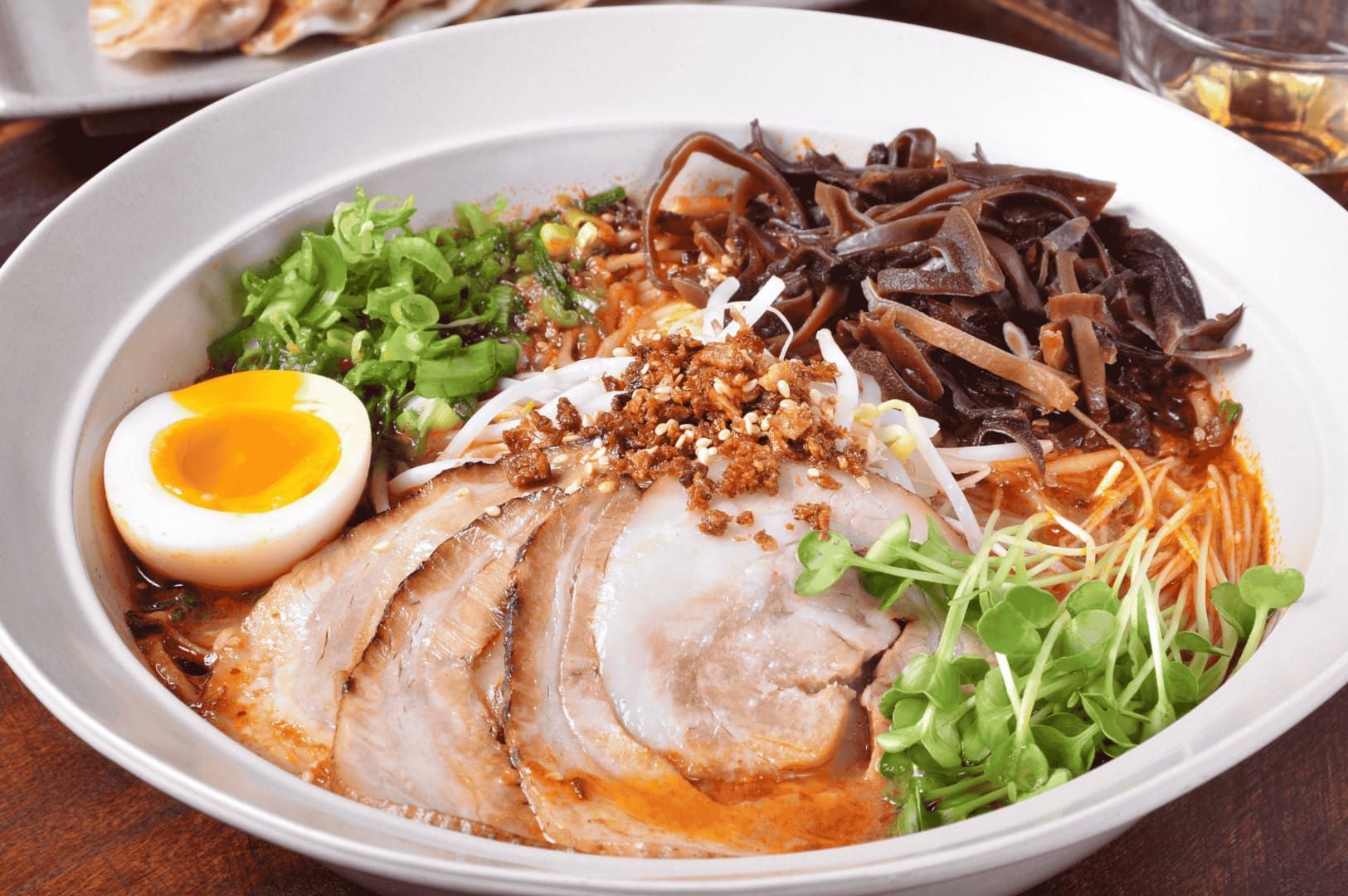
As you venture out to try these bowls, how should you assess the quality? We encourage you to engage your senses fully.
Visuals: Look at the chashu. Is the fat white and distinct, or yellowed? Premium Kurobuta fat should look pristine. The broth should have an opacity that suggests emulsification, not murkiness.
Aroma: Inhale deeply. You are looking for a sweet, clean pork scent. If it smells gamey or overly "barnyard," it is likely not high-grade Kurobuta or the prep was rushed.
Texture: This is the ultimate test. The meat should offer a slight resistance before yielding; it shouldn't be mushy. The fat should dissolve on the tongue like butter. The broth should coat the mouth but rinse away cleanly with a sip of water or tea.
Flavor: Focus on the finish. After you swallow, is there a lingering sweetness? That is the signature of the Berkshire breed. Saltiness should be present but secondary to the deep, savory meatiness.
When the noodles, broth, and pork align, the result is harmony. The noodles lift the heavy broth, the broth warms the pork, and the pork provides the crescendo of flavor.
Conclusion: Tonkotsu Black Ramen Worth Savoring
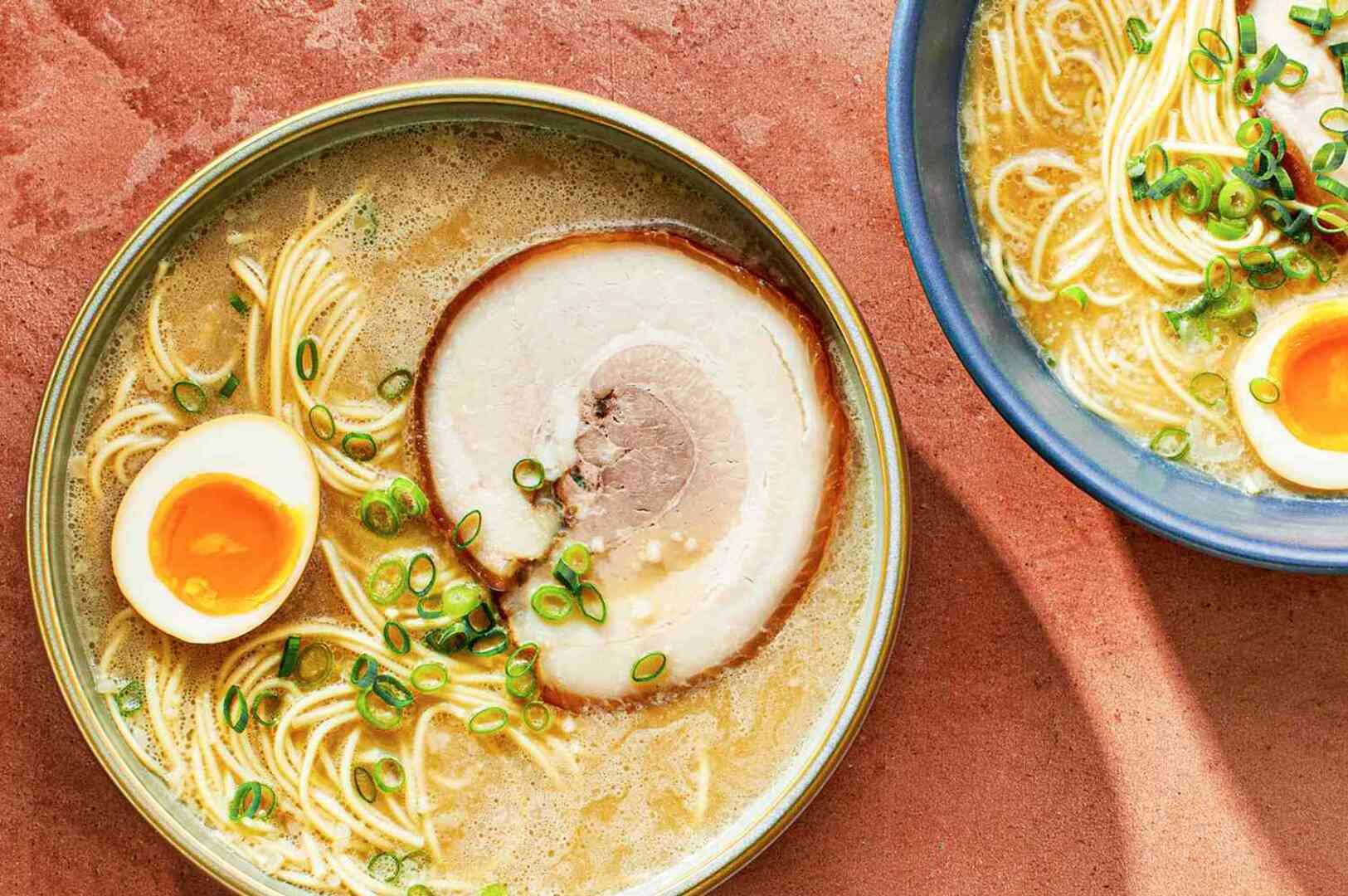
Kagoshima Kurobuta ramen represents more than just a higher price point on a menu; it represents a commitment to culinary excellence. It connects the diner in Singapore to the agricultural traditions of southern Japan, bridging distance through the universal language of flavor.
We appreciate the dedication of the chefs who refuse to compromise, choosing to work with this temperamental, expensive, and exquisite ingredient. They remind us that ramen, often seen as the ultimate fast food, possesses a depth of craft that rivals fine dining.
We invite you to step away from your usual order next time. Seek out one of these specialists. Sit at the counter, watch the steam rise, and taste the difference that heritage makes. Whether you prefer the delicate slices of a shabu-style bowl or the rich, braised indulgence of thick-cut chashu, the world of black pork ramen offers a spectrum of flavors waiting to be explored.
As a final note in this post, it's worth highlighting Jinya Ramen Bar's Tonkotsu Black, a signature and top-selling dish that has become renowned among ramen enthusiasts. The Jinya Tonkotsu Black features a pork-based broth simmered for at least 10 hours to develop a hearty, complex flavor. Toppings include pork chashu, kikurage, green onion, nori, a seasoned egg marinated in soy sauce, garlic, and sesame oil for over 48 hours, garlic chips, garlic oil, fried onion, and spicy sauce. The inclusion of black garlic oil is a defining element of this popular bowl. For those seeking a convenient option, Nissin Demae Ramen's Black Garlic Oil Tonkotsu flavor is a widely available instant ramen, complete with a dry soup base and a black garlic oil sachet, reflecting the widespread appeal of this style.
For a comprehensive look at where to find these bowls and to continue your journey through the city’s noodle scene,
Best Ramen Singapore remains your dedicated resource for premium ramen exploration.
Recent Posts