Two Hakata Legends Under One Roof: Experiencing Cross Life Hakata Tenjin and Hakata Ikkousha Ramen at Chijmes
The evening air in Chijmes carries a unique hum. Strolling through its historic, whitewashed corridors, you walk past the magnificent Gothic-style chapel, its spire reaching for the sky. The gentle clinking of glasses and murmur of conversations drift from alfresco dining areas. It feels like stepping into a serene European enclave. Yet, follow a particular current in the air, a savory, unmistakable aroma of pork bone and simmering broth, and you will find yourself at a crossroads of Japanese culinary tradition. Here, two distinct Hakata ramen experiences coexist, a testament to Singapore’s dynamic dining landscape.
This is the central premise of our journey. How can two establishments,
Hakata Ikkousha and the newly arrived
Cross Life Hakata Tenjin, both hail from
Fukuoka Prefecture yet offer different expressions of its world-famous ramen heritage? Both are conveniently located within steps of each other in the iconic Chijmes complex. What makes these two Hakata specialists unique despite sharing the same regional roots? This isn’t a battle for supremacy but an exploration of nuance. It is a story of how a single culinary tradition can be interpreted through different lenses, all under the elegant roof of one of Singapore’s most beloved dining destinations.
The Chijmes Setting: Where Heritage Meets Modern Dining
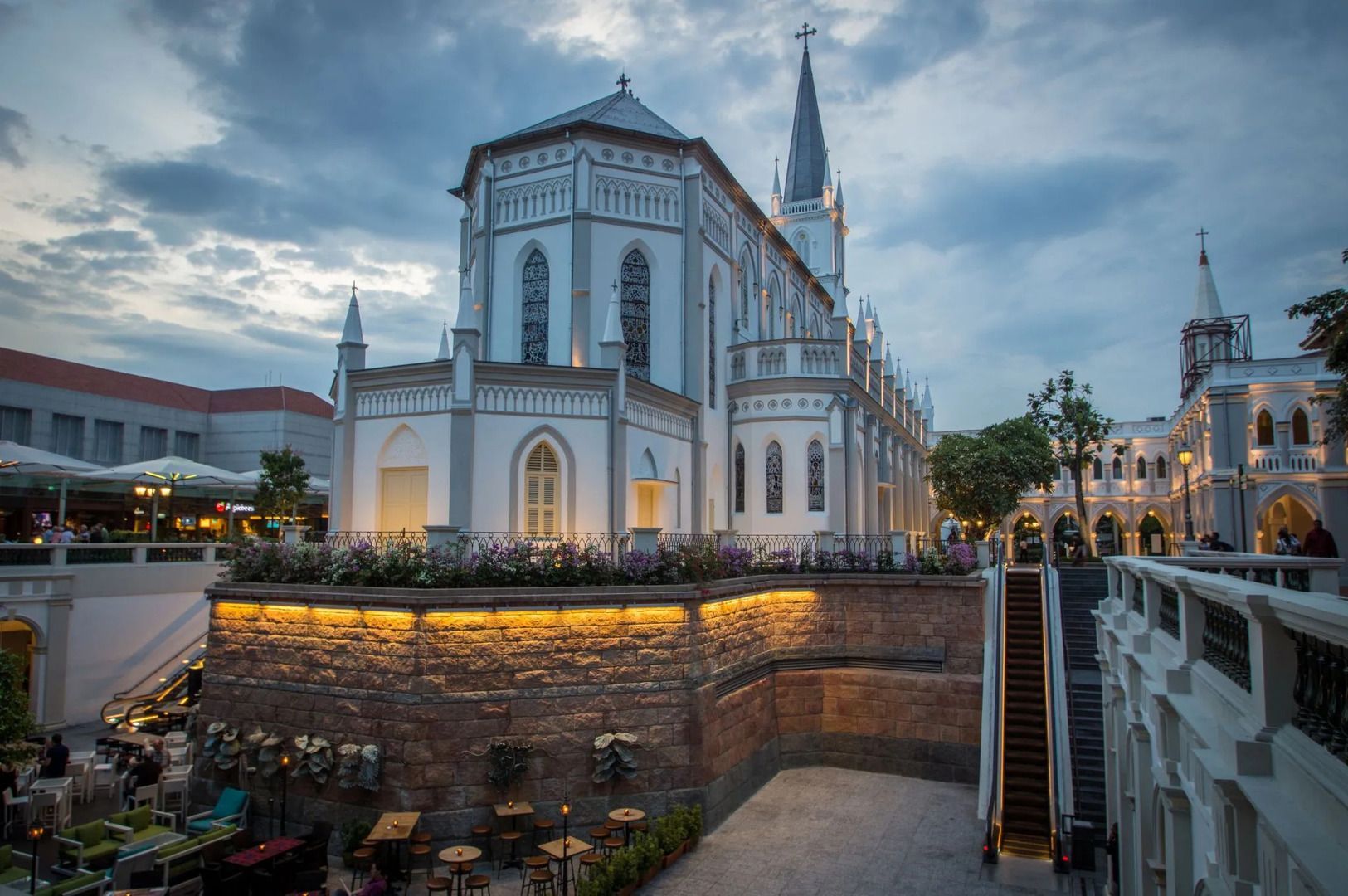
To understand the ramen, you must first appreciate the stage. Chijmes is more than just a collection of restaurants; it is a cultural landmark. What began as a Catholic convent in the 19th century has evolved into a vibrant lifestyle destination. Its conserved buildings, with their striking Gothic architecture, create an atmosphere of timeless elegance. The contrast between this historic European ambiance and the casual, energetic spirit of Hakata street food culture is what makes dining here so special.
This unique setting appeals to a wide audience, from locals and families seeking a sophisticated night out to travelers and visitors eager to explore Singapore's heritage. For ramen and food lovers, it provides a truly exciting experience. Imagine slurping down a rich, unapologetic bowl of tonkotsu ramen while surrounded by tranquil courtyards and colonial-era architecture. It is a beautiful juxtaposition. The accessibility of Chijmes, with City Hall MRT station just a short walk away, makes it a convenient meeting point. This blend of history, atmosphere, and convenience has made Chijmes a prime location for restaurants looking to make a statement, including these two purveyors of authentic Hakata ramen.
Hakata Ikkousha Ramen at Chijmes: The Yatai Spirit Alive
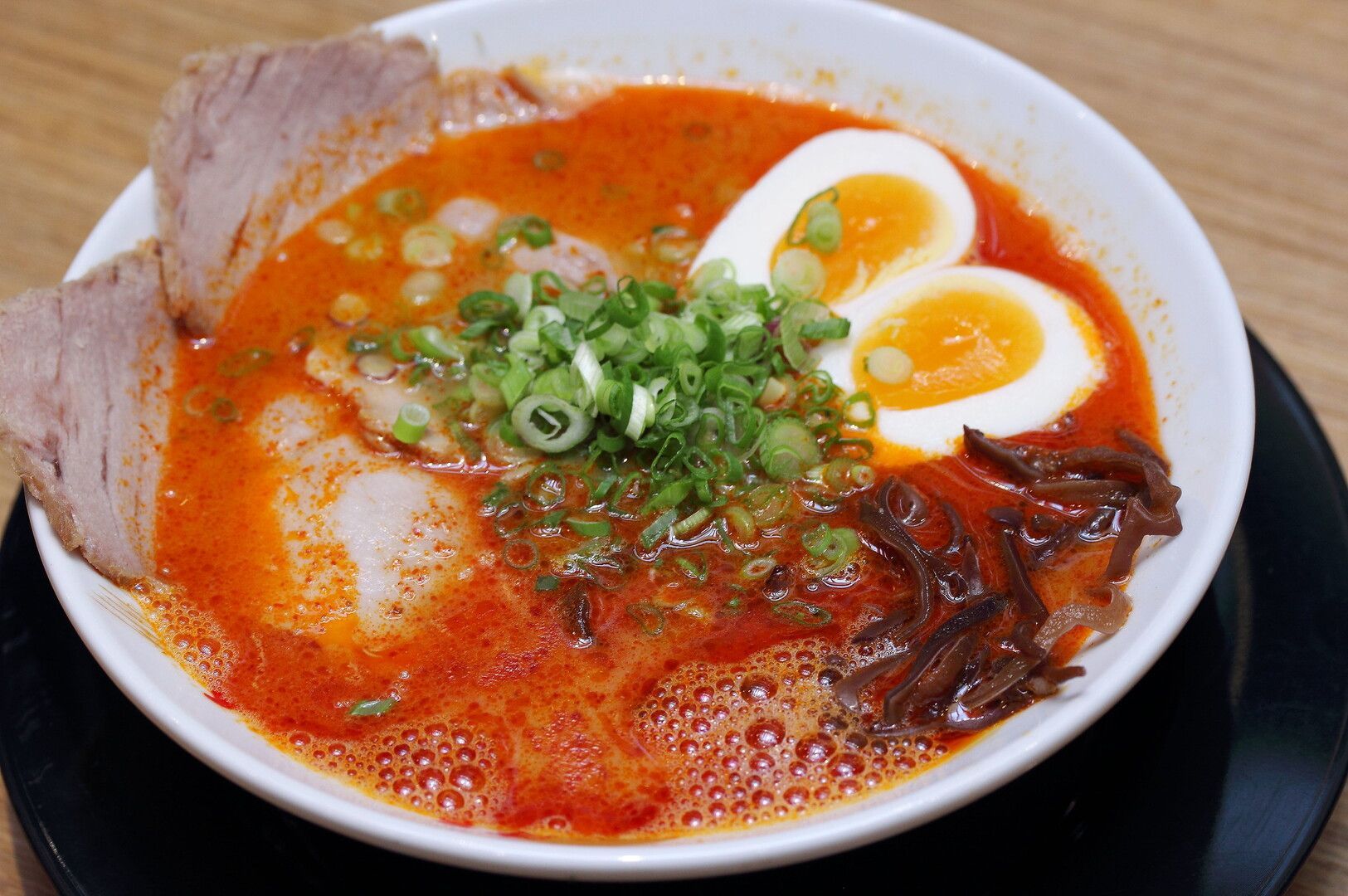
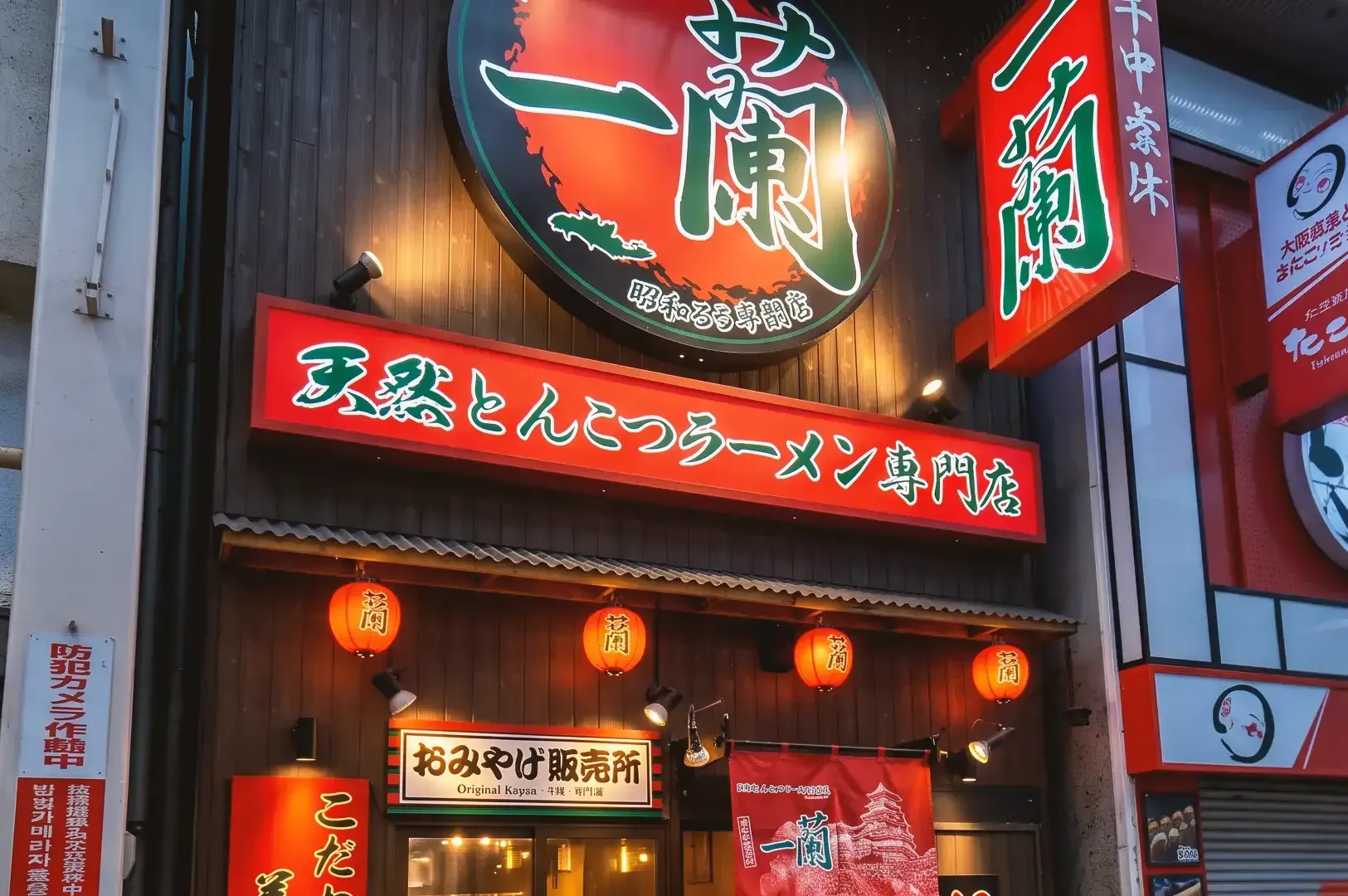
Step into Hakata Ikkousha Ramen at Chijmes, and you are immediately transported to the bustling streets of Fukuoka city in Fukuoka Prefecture. The atmosphere crackles with the energy of a yatai, one of the city's famous open-air food stalls. The design is functional and vibrant, with warm wood tones, bright lanterns, and the lively shouts of "Irasshaimase!" from the staff. This is not a quiet, contemplative dining experience; it is a convivial celebration of food, meant to be enjoyed with gusto.
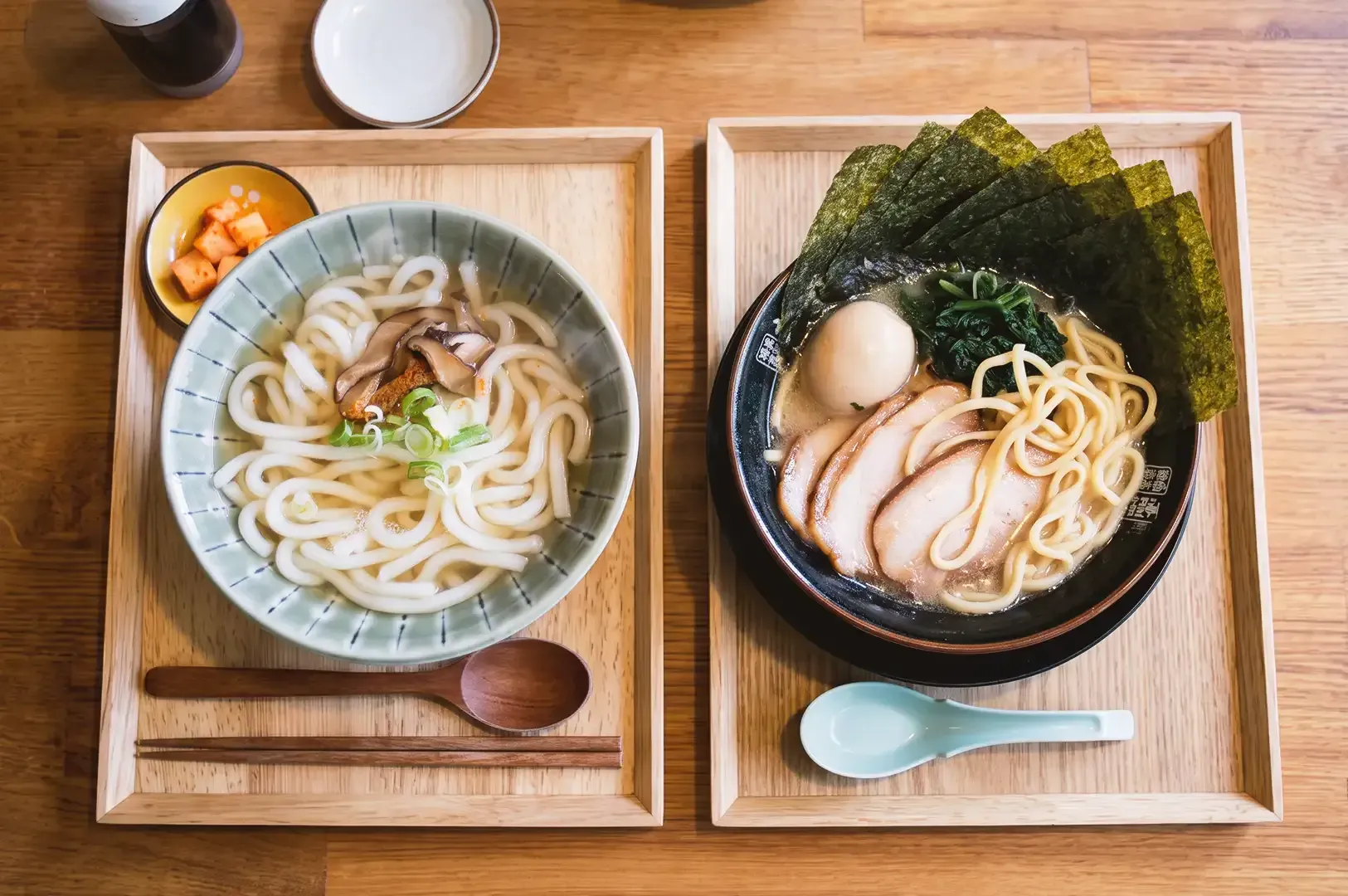
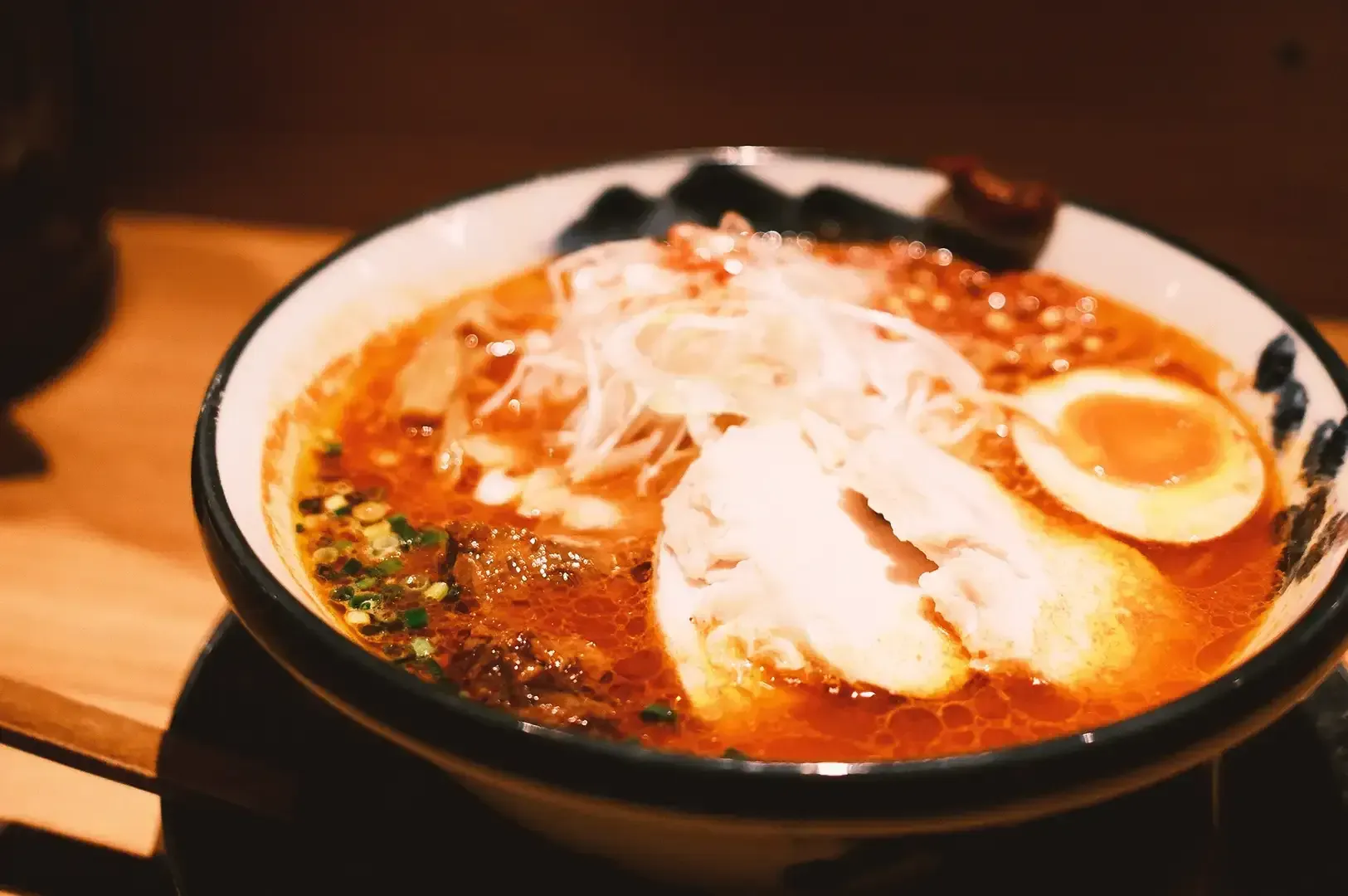
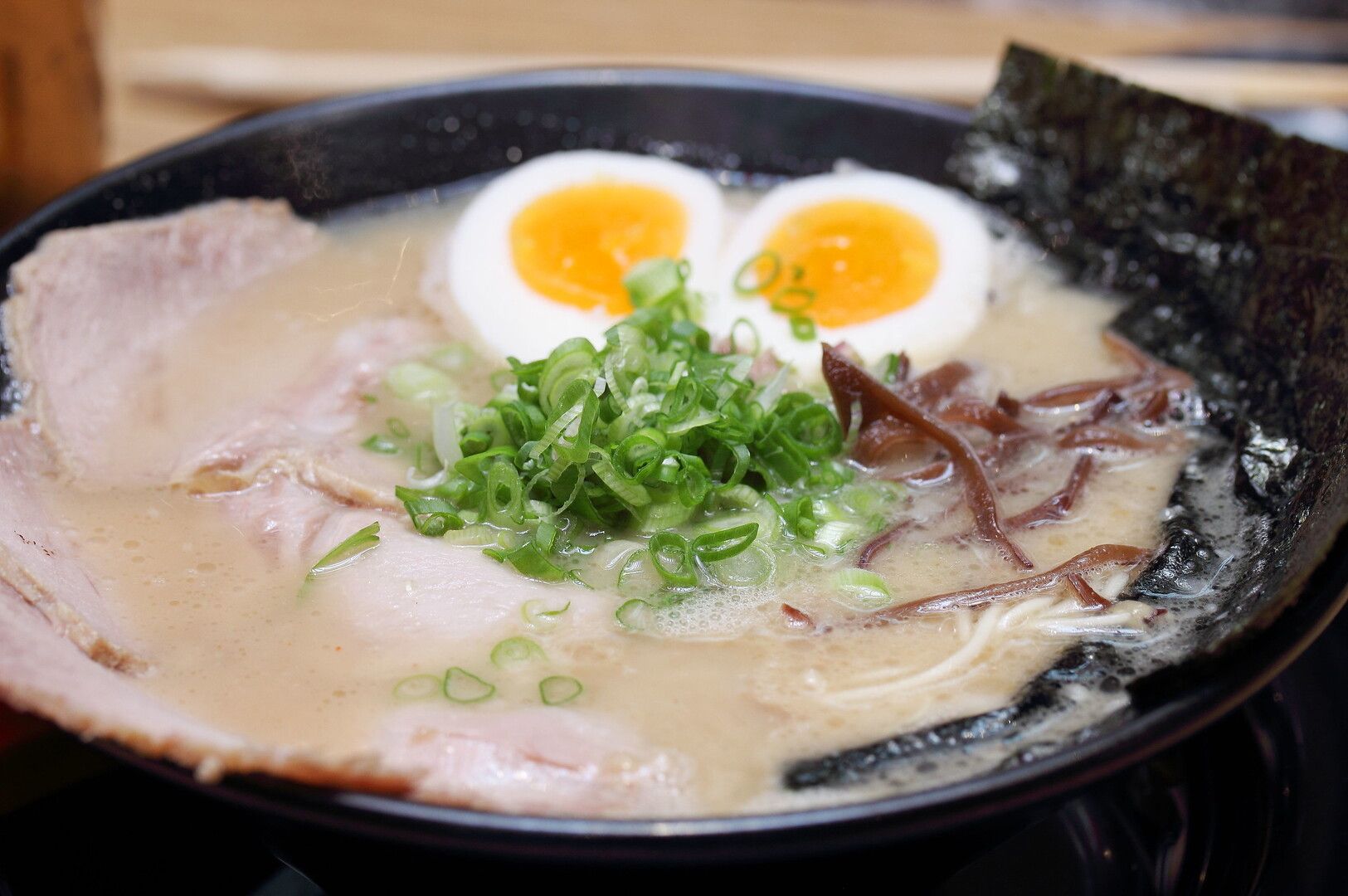
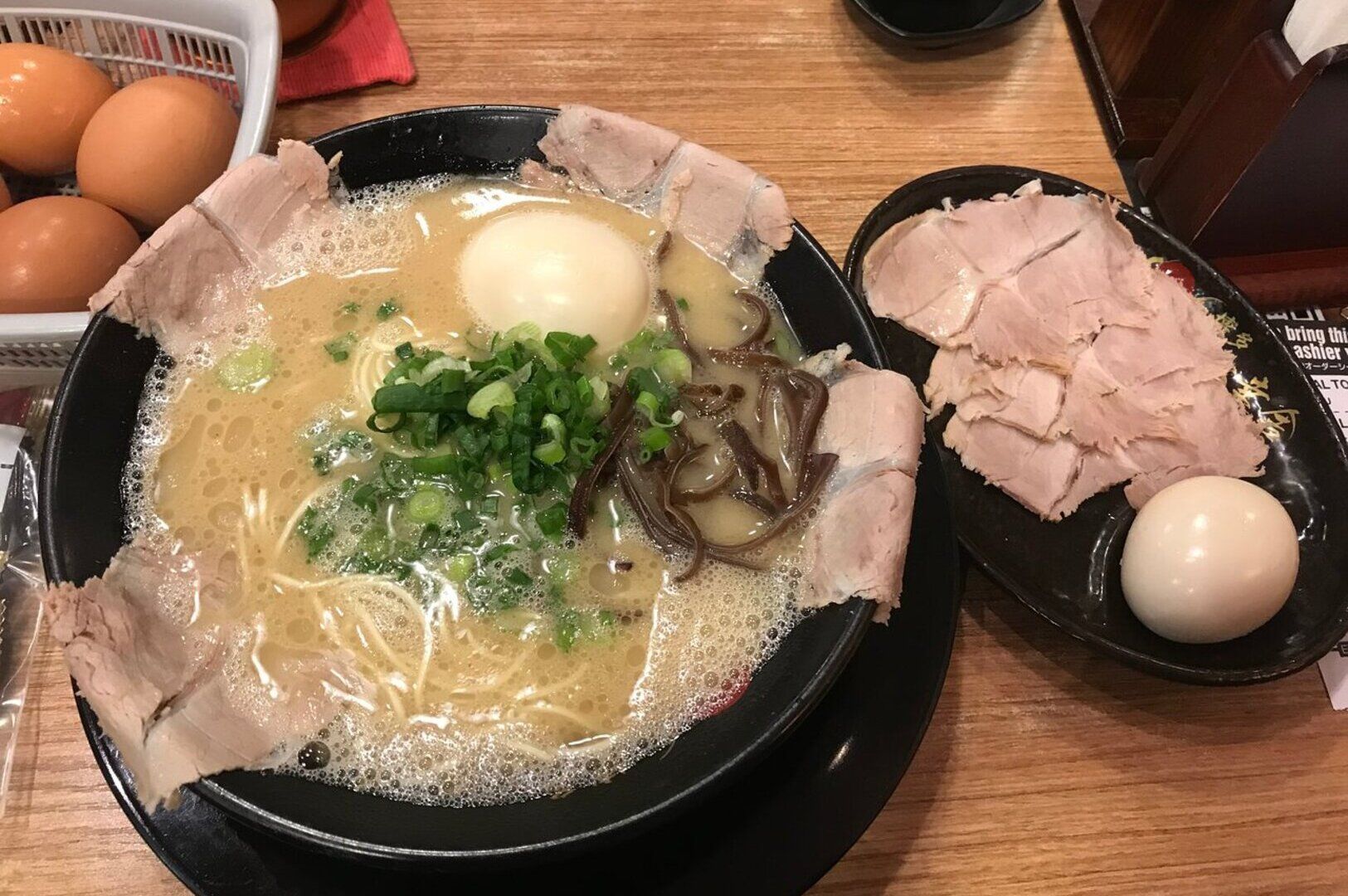
The signature of Hakata Ikkousha is its commitment to bold, pork bone flavor. Their tonkotsu broth is a milky-white, opaque liquid, the result of a prolonged, furious boil of pork bones. This process emulsifies the fat and collagen, creating a rich, unctuous soup that coats your palate. The aroma that hits you upon entering is intense and deeply savory. Their customization options are a core part of the experience. You can choose your noodle firmness, from the super-hard barikata to the softer futsu. You can also adjust the richness of the broth and add freshly crushed garlic for an extra punch.
The noodles themselves are ultra-thin and straight, designed to be slurped quickly before they soften in the hot soup. This is why the concept of
kaedama (noodle refills) is so central to the yatai philosophy. You order an extra portion of noodles to add to your remaining broth, ensuring every bite is as firm as the first. The toppings at Hakata Ikkousha Ramen Chijmes play a vital supporting role. The crisp texture of kikurage (wood ear mushrooms) and the sharp, bright notes of beni shoga (pickled ginger) cut through the richness of the pork. With its relatively affordable pricing and quick service, it is a favorite for late-night diners and anyone seeking a fast, satisfying, and authentic taste of Fukuoka’s street food culture. The Hakata Ikkousha Ramen Chijmes outlet perfectly captures this quick-service, high-energy dining philosophy.
Cross Life Hakata Tenjin: A Different Hakata Expression
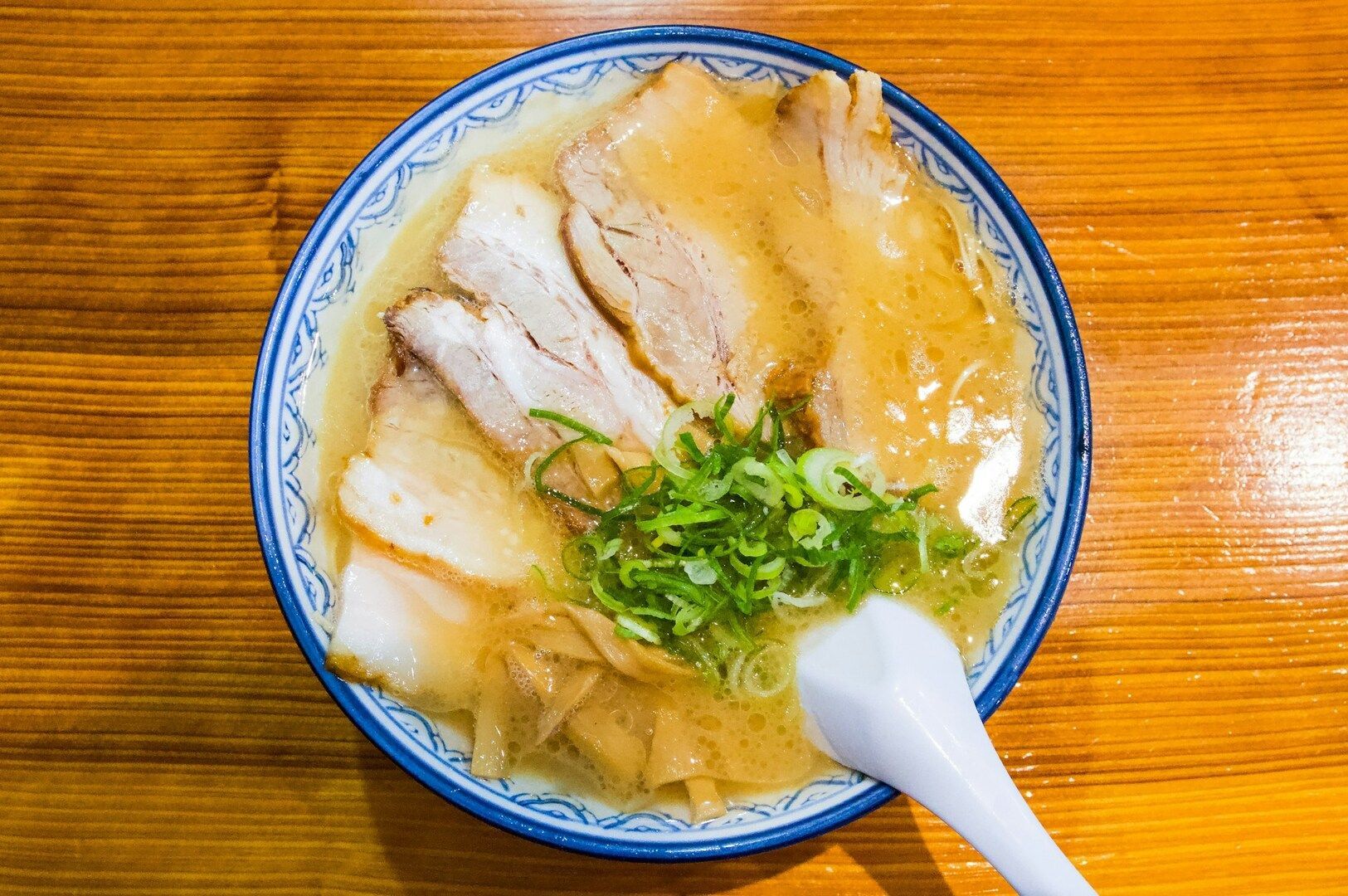
Just a short walk away, you will find Cross Life Hakata Tenjin. This establishment represents a different, more refined interpretation of Hakata ramen. While still rooted in the tonkotsu tradition, their approach feels more deliberate and slightly more polished. The name itself hints at this difference. "Tenjin" is another famous district in Fukuoka, known for its shopping and slightly more upscale feel compared to the yatai-centric Nagahama area.
The philosophy at Cross Life Hakata Tenjin seems to focus on balance. Their tonkotsu broth, while still rich, often presents with a bit more clarity and a smoother, more rounded flavor profile. It is less of a punch and more of a complex embrace. The preparation feels measured, aiming for a sophisticated depth rather than sheer intensity. This distinction makes Cross Life Hakata Tenjin a fascinating counterpoint to its neighbor.
Their signature offerings showcase this unique approach. The presentation is clean and elegant, with toppings arranged thoughtfully. The sensory experience is different too. The ambiance is calmer, inviting guests to linger a little longer over their bowl. The flavor profile of the broth reveals its layers more subtly. Cross Life Hakata Tenjin is a newer player in Singapore’s ramen scene, but it has quickly drawn in diners curious about this alternative expression of Fukuoka's staple. They have found a way to honor Hakata's culinary heritage while carving out their own distinct identity, standing out in a very competitive ramen landscape. This dedication to a nuanced Hakata experience is what defines the appeal of Cross Life Hakata Tenjin.
Twin Room and Double Room Comfort: Hotel Stays Near Chijmes
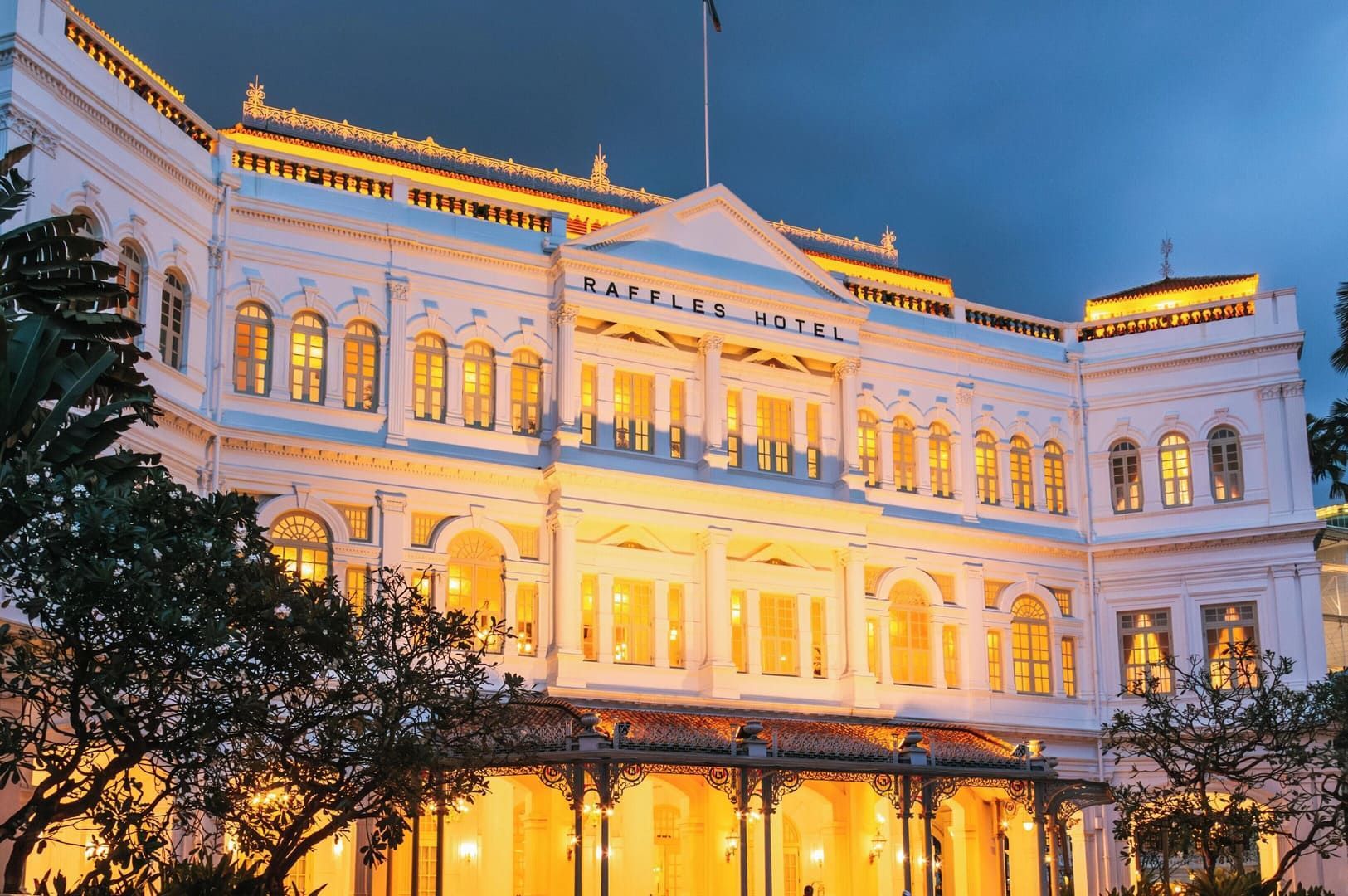
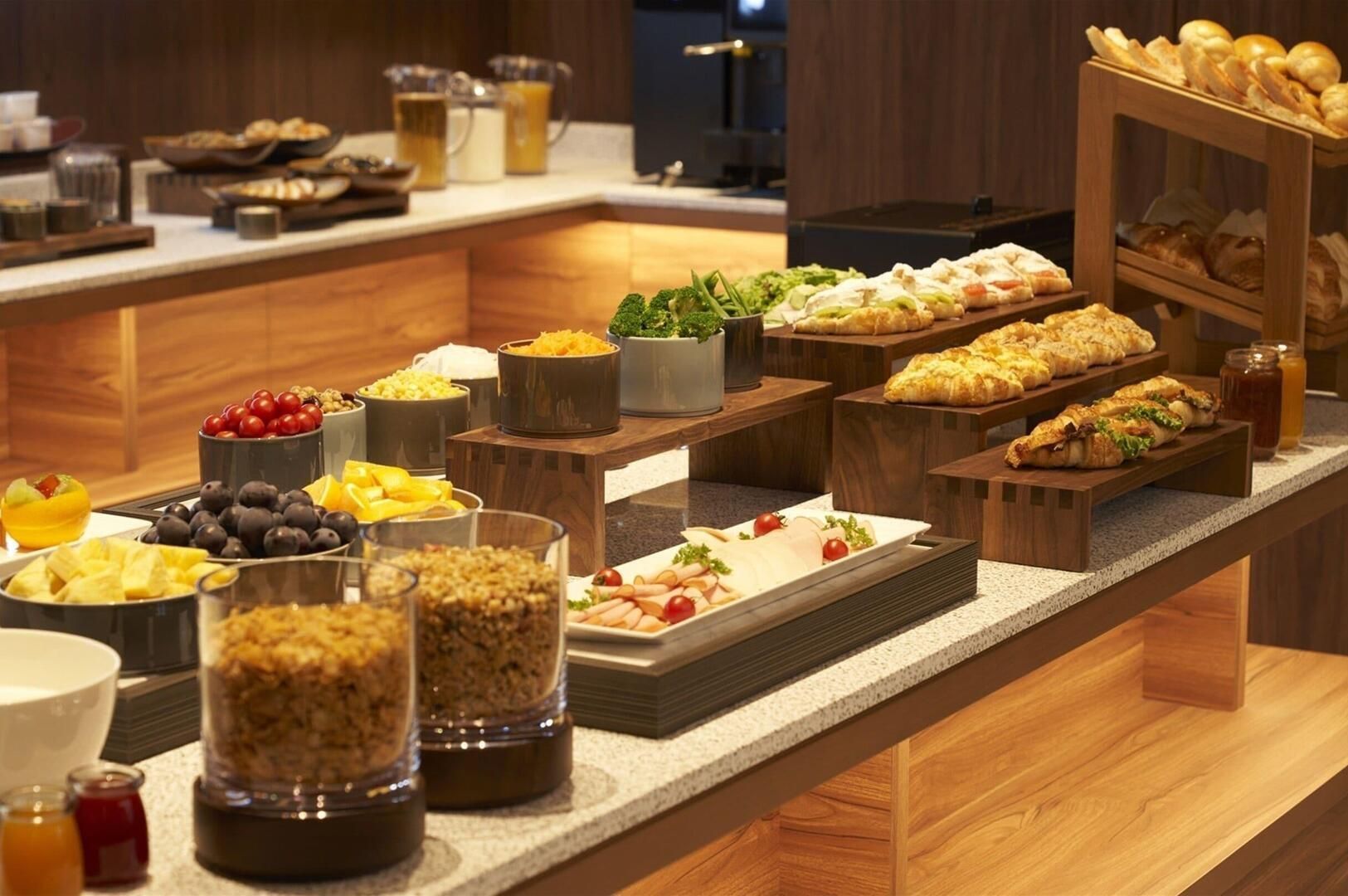
For travelers visiting Singapore and wanting to stay close to these ramen landmarks, several hotels in the Chuo Ku area offer spacious and comfortable guest rooms, including twin rooms and double rooms with sofa beds. These accommodations ensure guests can rest well after a day of exploring the city and enjoying delicious dishes. Many hotels provide free Wi Fi and convenient amenities such as bars and lounges in the lobby, creating an ideal environment to unwind and share experiences with friends or family.
The hotel offers a variety of room types to suit different needs, from solo travelers to families. The
morning breakfast options at nearby hotels often include a variety of choices to fuel your day, complementing your ramen adventure. The convenient location near Chijmes and public transport stations makes it easy for visitors to grab a quick meal or spend time exploring nearby shopping stores, art galleries, and cultural points of interest.
Comparing Two Hakata Philosophies: Tonkotsu Ramen in Focus
Placing these two restaurants side-by-side offers a masterclass in regional variation. This is not a competition; it is a study in philosophy. Both establishments honor Fukuoka's rich tonkotsu ramen tradition. Both embrace the bold, unapologetic richness of pork bone broth and offer customization to the diner. This shared DNA is what makes them both authentically Hakata.
However, the nuances are what make the Chijmes experience so compelling. Hakata Ikkousha Ramen Chijmes channels the raw, fast-paced energy of the yatai. It is about immediate satisfaction, intense flavor, and a communal, bustling atmosphere. Cross Life Hakata Tenjin, on the other hand, embodies a slightly more composed style. The broth feels more restrained, the atmosphere more relaxed. It is a different facet of the same culture.
So, which one should you visit? The answer is simple: both. They offer complementary, not competing, experiences. Visiting Hakata Ikkousha is like diving into the energetic heart of a street festival. Visiting Cross Life Hakata Tenjin is like enjoying a thoughtfully prepared meal in a modern bistro. Having both in Singapore, let alone in the same complex, enriches our city's ramen landscape immensely. It gives enthusiasts a rare opportunity to explore the subtle variations within a single, celebrated ramen tradition without ever leaving the country.
Practical Dining Guide and Visitor Tips
Planning a trip to Chijmes for a Hakata ramen crawl? Here is some actionable advice.
Both establishments get busy during lunch and dinner rushes, especially on weekends. Hakata Ikkousha Ramen Chijmes generally does not take reservations, embracing its quick-turnover yatai spirit. It is best to go during off-peak hours or be prepared for a short wait. Cross Life Hakata Tenjin may have different policies, so checking ahead is always recommended. For first-timers at Ikkousha, stick with the classic Tonkotsu bowl and order your noodles katame (hard) for an authentic texture. Do not be shy about ordering a kaedama.
Chijmes is easily accessible via the City Hall MRT station. Parking is available on-site but can be limited. In terms of price, both are in the mid-range for premium ramen in Singapore, with a bowl costing around $15-$20. Portion sizes are generous, but the kaedama option at Ikkousha is perfect for heartier appetites. Both locations are generally family-friendly, though the bustling nature of Ikkousha might be a bit overwhelming for very young children. As tonkotsu is pork-based, options for those with dietary restrictions are limited.
The Chijmes Ramen Experience in Singapore's Context
Having these two Hakata powerhouses at Chijmes says a lot about Singapore's status as a global food city. Their presence serves a diverse demographic: CBD workers on a lunch break, tourists exploring the historic district, and dedicated ramen enthusiasts on a mission. It represents the democratization of authentic food experiences. Fukuoka's street food culture, once confined to its home city, is now accessible in a cosmopolitan, elegant setting without losing its soul.
These restaurants act as cultural bridges. They introduce Singaporean and international diners to the nuances of Japanese regional cuisine. They show that "Hakata ramen" is not a monolith. The fact that both Cross Life Hakata Tenjin and Hakata Ikkousha can thrive here speaks to the sophistication of the local palate. We are a city of curious eaters, always eager to explore, compare, and appreciate the finer points of a craft.
Conclusion
Our journey ends where it began, back in the beautiful courtyards of Chijmes. Singapore's dining scene gives us the incredible gift of choice and discovery. We can experience multiple authentic interpretations of the same culinary tradition, all within walking distance of each other. Both Cross Life Hakata Tenjin and Hakata Ikkousha Ramen at Chijmes offer genuine, heartfelt expressions of Fukuoka's ramen heritage. Each is worthy of your time and appreciation.
We encourage you to visit both. Compare them, discuss them, and find your own preference. Embrace the richness of Hakata
tonkotsu culture as it is so vibrantly represented here. Great ramen is as much about the journey of discovery as it is about the final destination in the bowl.
Recent Posts