Shoyu Ramen Recipe: The Art and Science of Soy Sauce Perfection
If you could bottle the foundational flavor of Japanese cuisine, it would taste something like soy sauce. This humble, fermented soybean liquid is the backbone of countless dishes, but nowhere does its soul-soothing power shine brighter than in a steaming bowl of shoyu. It’s the quintessential ramen for many, a perfect harmony of savory, sweet, and umami that feels both deeply comforting and surprisingly complex.
The first shoyu ramen was served in 1910 at Rairaiken in Asakusa, Tokyo, marking the origin of Japanese soy sauce-based ramen. This inaugural bowl, initially called Tokyo Ramen, became a popular and influential dish, laying the foundation for regional variations and shaping modern ramen culture.
While tonkotsu ramen may get attention for its richness and miso ramen for its boldness, shoyu ramen holds a special place as the enduring classic. It represents a delicate balancing act, where the shoyu tare—the soy sauce-based seasoning—must dance gracefully with the chicken broth or pork bone broth without overpowering it. The broth is often a clear broth, prized for its visual clarity and subtle, delicate flavor profile. A great homemade ramen isn’t just a dish; it’s a story of history, craft, and incredible flavor science.
The History and Heart of Shoyu Ramen
Shoyu, or soy sauce, has been a cornerstone of Japanese cuisine for centuries. When Chinese chuka soba first arrived in Japan, Japanese chefs naturally reached for this umami-packed ingredient to season the ramen broth, giving birth to what many consider the first truly Japanese shoyu ramen.
This historical connection is why classic shoyu ramen is often seen as the benchmark. Its preparation requires skill because there’s nothing to hide behind. Unlike rich tonkotsu ramen or hearty miso ramen, a traditional shoyu ramen broth is a clear soup (chintan). Every element—from fresh ramen noodles to braised pork belly—must be pristine, reflecting the chef's mastery of balance.
Shoyu vs. Other Ramen Types
To appreciate shoyu ramen, it helps to know where it stands among its siblings:
- Shio Ramen: Light and delicate, highlighting the pure flavor of the chicken broth.
- Shoyu Ramen: Darker and more complex than shio, with umami from soy sauce and a hint of sweetness.
- Miso Ramen: Opaque, nutty, and robust, adding body to the bowl of ramen.
- Miso Shio Ramen: A unique variety that blends the savory depth of miso with the clean, salty notes of shio broth, creating a balanced and distinctive flavor profile.
- Tonkotsu Ramen: Rich, creamy, and fatty, derived from long-simmered pork bones.
Understanding the Broth: Ingredients and Preparation
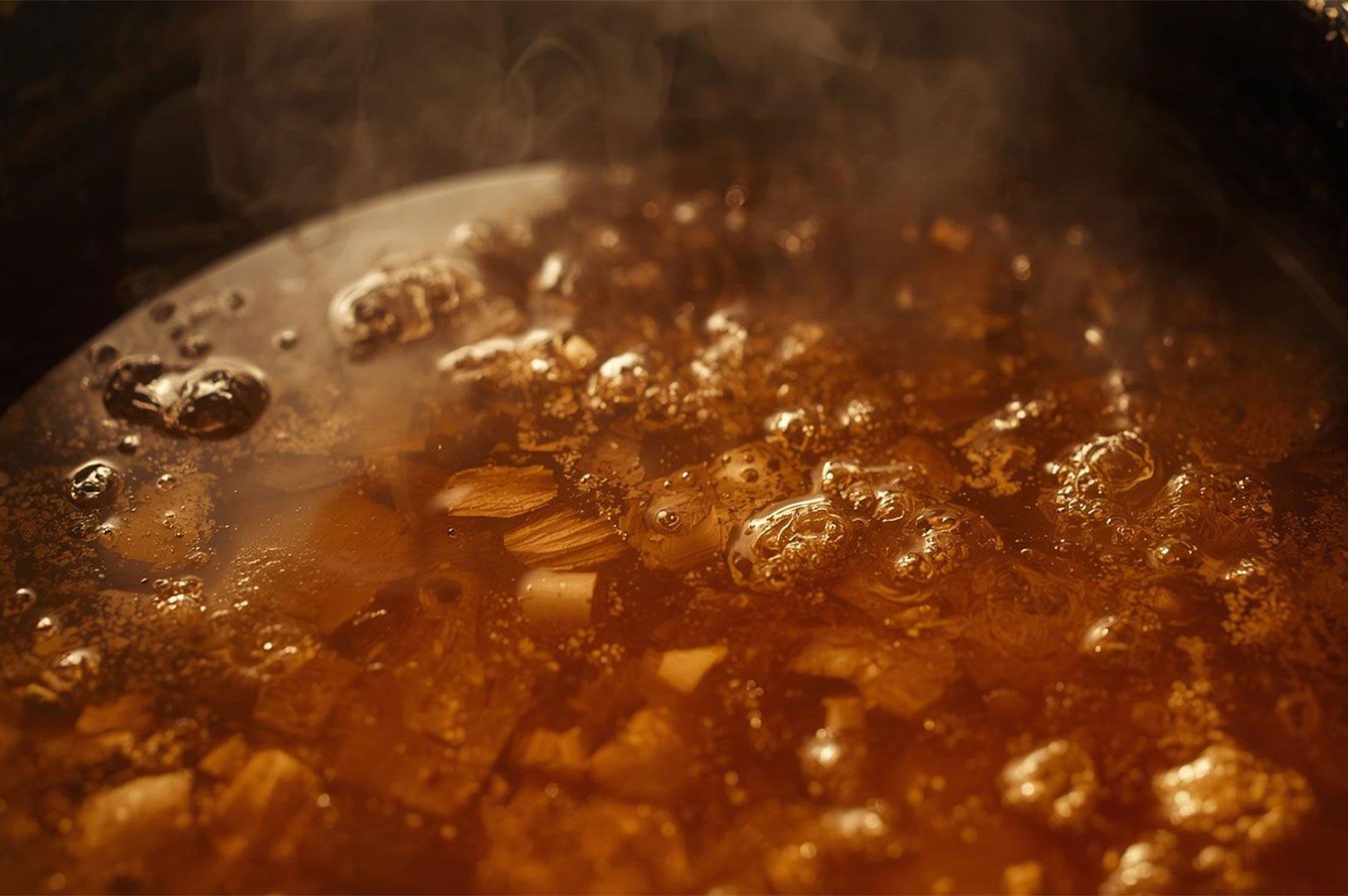
At the heart of every unforgettable bowl of shoyu ramen lies a meticulously crafted broth—a symphony of flavors that brings together the best of Japanese cuisine. The secret to a truly authentic shoyu ramen broth is the thoughtful layering of ingredients, each chosen for its ability to contribute depth, richness, and that signature umami punch.
The foundation begins with a blend of chicken broth and pork bones, simmered gently to coax out every ounce of savory goodness. Adding chicken wings or pork shoulder to the pot infuses the broth with extra body and a silky mouthfeel, while green onions lend a subtle freshness that brightens each spoonful. For that unmistakable Japanese character, dashi—a stock made from kombu (kelp) and bonito flakes—joins the mix, imparting a delicate smokiness and a profound umami base.
To prepare the broth, start by placing chicken wings, pork bones, and a generous piece of kombu into a large stock pot. Cover with water and bring to a bare simmer over medium heat, skimming any impurities that rise to the surface. Let the mixture gently bubble away for at least four hours, or even overnight if you crave a more concentrated flavor. Once the broth is rich and aromatic, add bonito flakes and continue to simmer for another hour, allowing their essence to infuse the liquid. Strain everything through a fine mesh strainer to achieve a clear, golden soup.
With the base complete, it’s time to introduce the soul of shoyu ramen: soy sauce. Add soy sauce, mirin, and sake to the hot broth, letting the flavors meld together over medium heat for about 30 minutes. Taste and adjust with a pinch of salt or a touch of sugar, ensuring the broth is perfectly balanced—savory, slightly sweet, and deeply satisfying.
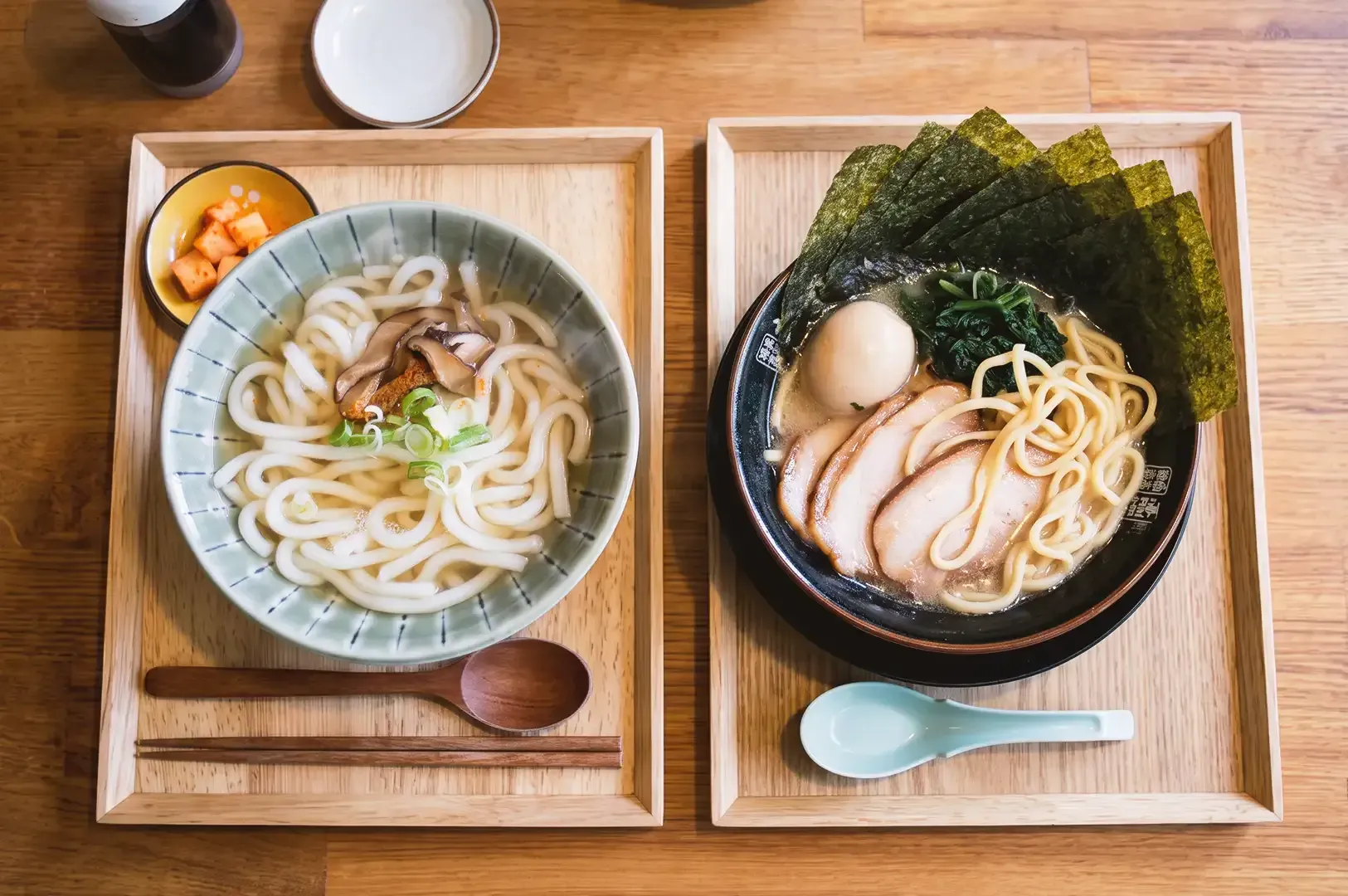
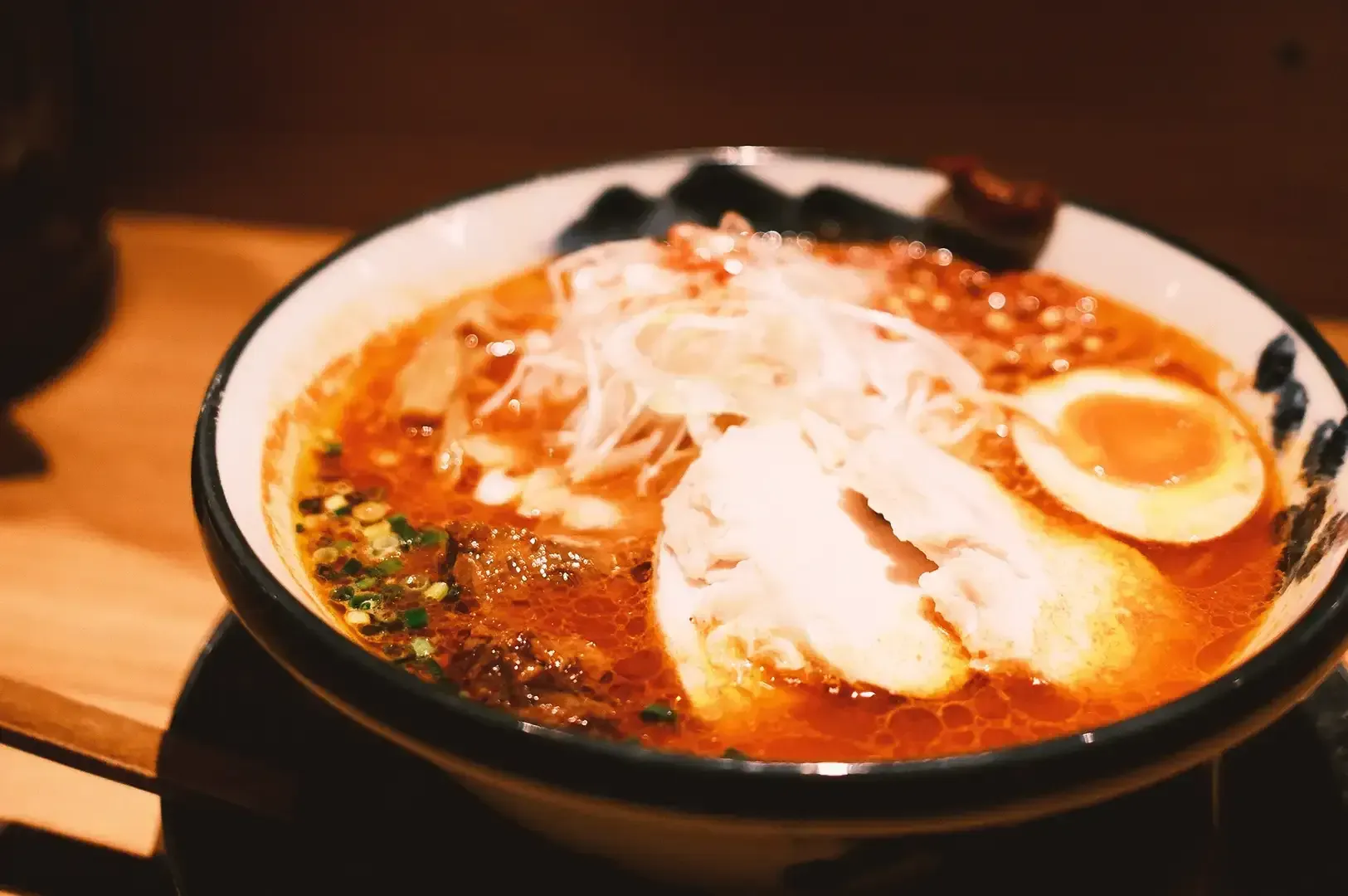
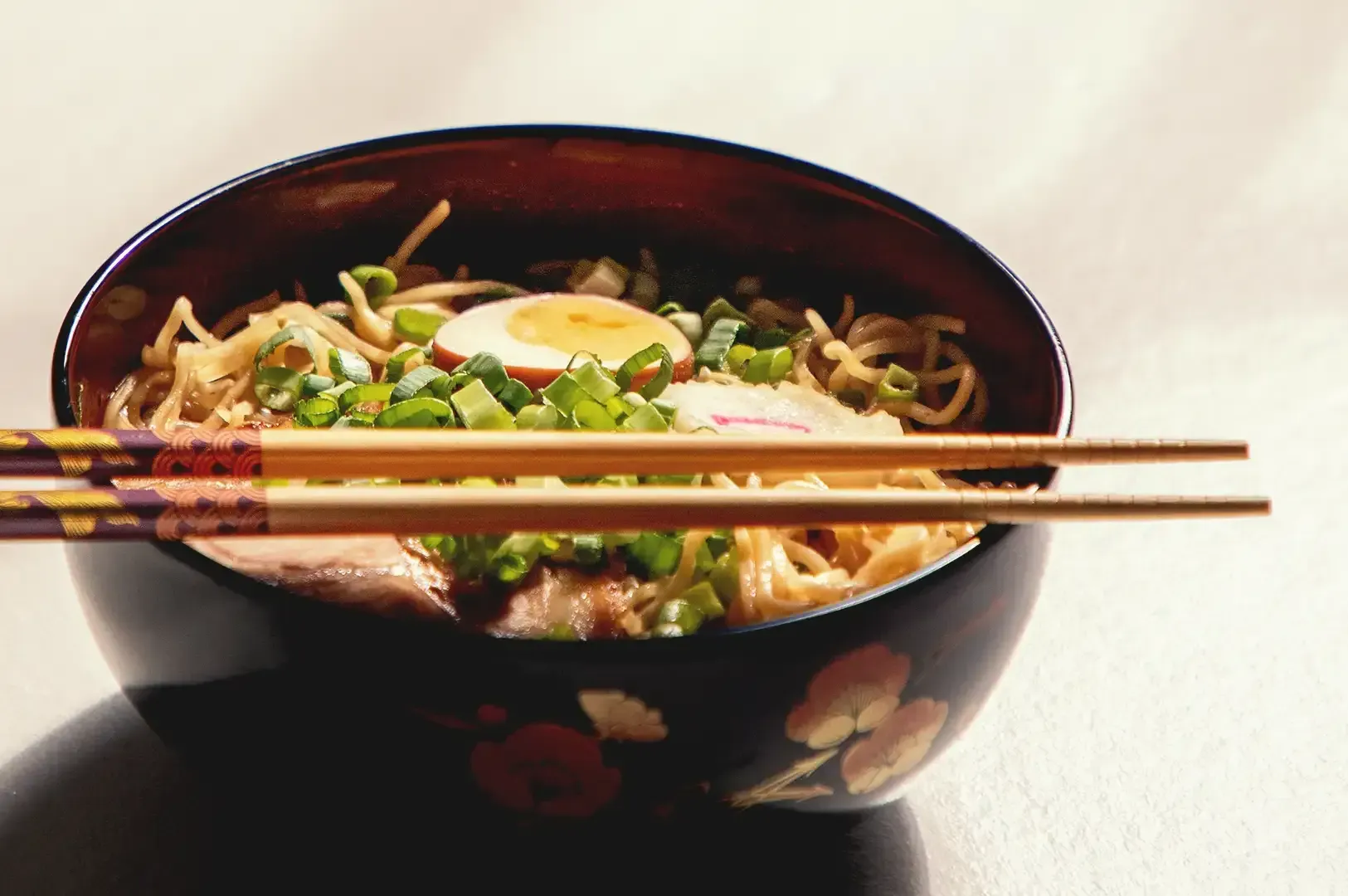
When it’s time to assemble your ramen bowl, start with a generous ladle of steaming shoyu ramen broth. Add a nest of fresh ramen noodles or chuka soba, then top with sliced pork belly, a scattering of green onions, and a perfectly cooked ramen egg. For extra flair, try braised pork belly, a drizzle of sesame oil, or your favorite ramen toppings—each addition a chance to make the bowl your own.
By respecting each ingredient and savoring the process, you’ll discover that making shoyu ramen at home is as rewarding as it is delicious. Whether you’re a seasoned ramen enthusiast or new to the world of Japanese cuisine, this approach to shoyu ramen broth will transform your kitchen into your favorite ramen shop—one comforting, umami-rich bowl at a time.
Crafting the Perfect Shoyu Tare: The Flavor Foundation
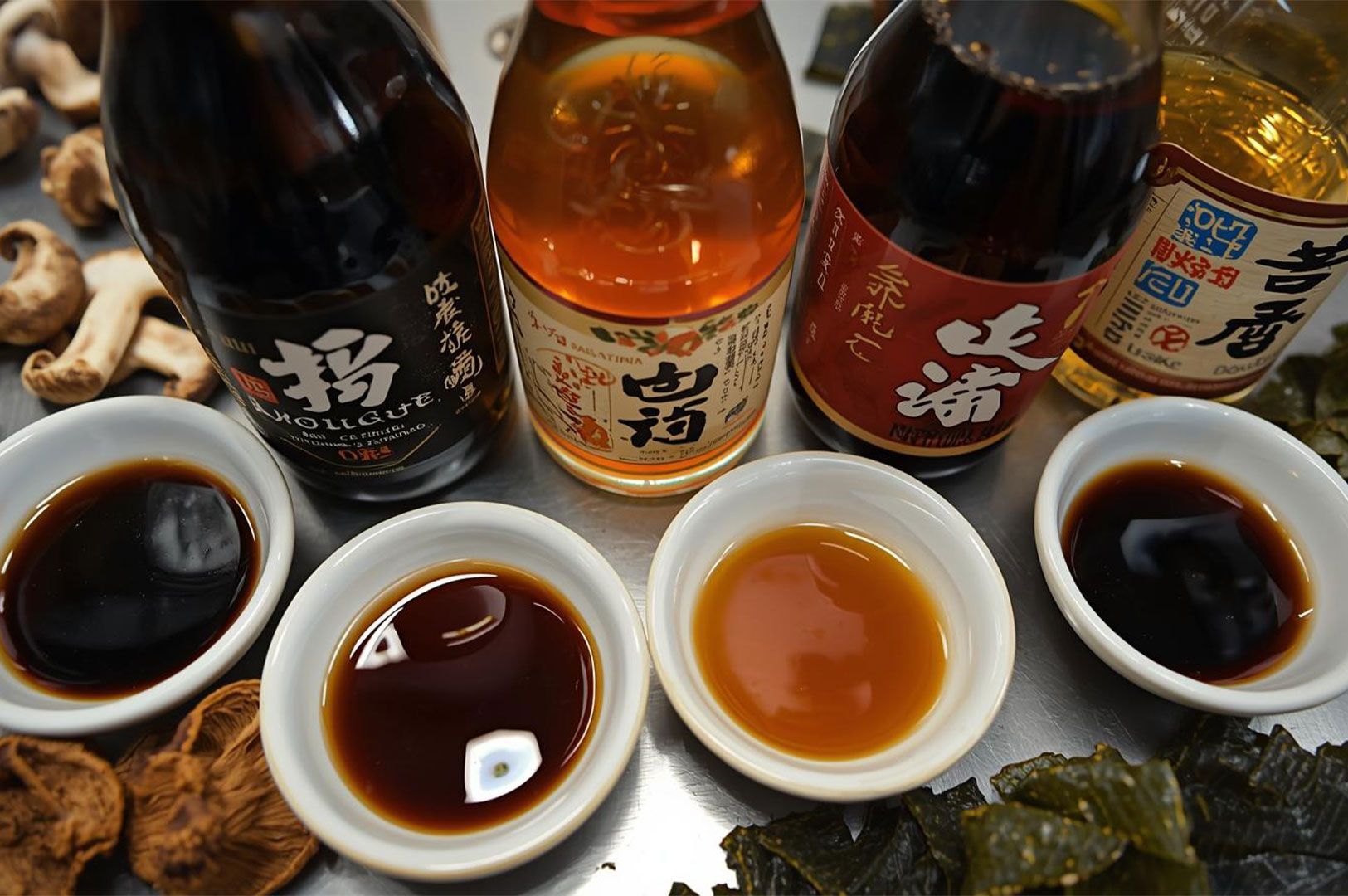
The secret to any great shoyu ramen recipe is the shoyu tare—the concentrated ramen broth seasoning that defines the dish. A chef’s tare recipe is often a closely guarded secret, developed over years. It’s far more than just adding soy sauce to a medium saucepan. Following traditional tare recipes is essential for achieving the most authentic flavor, as it ensures the depth and complexity that sets apart true Japanese ramen.
When making ramen, chefs dedicate significant time and care to each step, from preparing the tare to simmering the broth and assembling the bowl, reflecting the detailed, multi-step process required for authentic results.
The Balancing Act of Ingredients
A masterful shoyu tare balances four key elements: saltiness, umami, sweetness, and aroma.
- Soy Sauce (Shoyu): The foundation. Chefs blend different types—dark koikuchi for depth, light usukuchi for refinement. Some use tamari for a wheat-free, umami-rich flavor.
- Sweetness (Mirin and Sake): Balances the saltiness of soy sauce, mellowing sharp edges.
- Umami Boosters: Infusions like kombu, dried bonito flakes, shiitake mushrooms, or skipjack tuna elevate the ramen broth.
A seasoned chef once shared that his shoyu tare contained three types of soy sauce and was aged for two weeks, allowing the flavors to meld into a smooth, harmonious foundation for the bowl of shoyu.
Regional Variations: A Tour of Japan’s Shoyu Styles
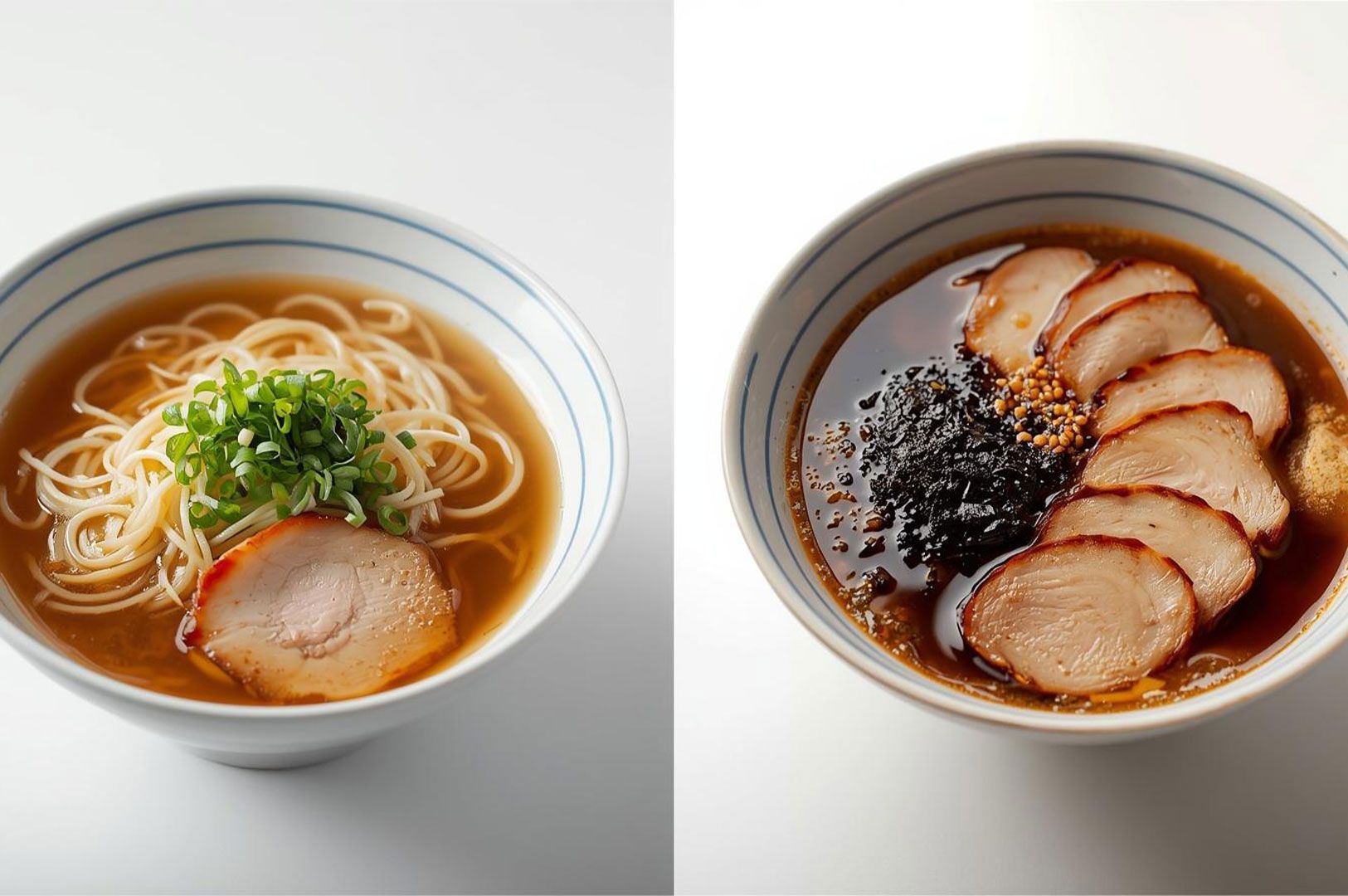
Not all shoyu ramen is created equal. Different regions bring their own spin:
- Tokyo Ramen: The archetypal classic shoyu ramen, clear chicken broth with a balanced shoyu tare, served with wavy noodles.
- Asahikawa Style (Hokkaido): Uses a “double soup” method blending pork bone broth with seafood dashi, topped with chicken fat or pork fat.
- Kyoto Style: Richer, darker broth sometimes incorporating pork shoulder fat for extra body and depth.
Ramen shops in each region often source their noodles and toppings from specialized local suppliers, ensuring authentic flavors. For home cooks, visiting your local butcher is a great way to find high-quality pork cuts like pork belly or shoulder, which are essential for making traditional ramen toppings such as chashu.
How to Make Shoyu Ramen at Home
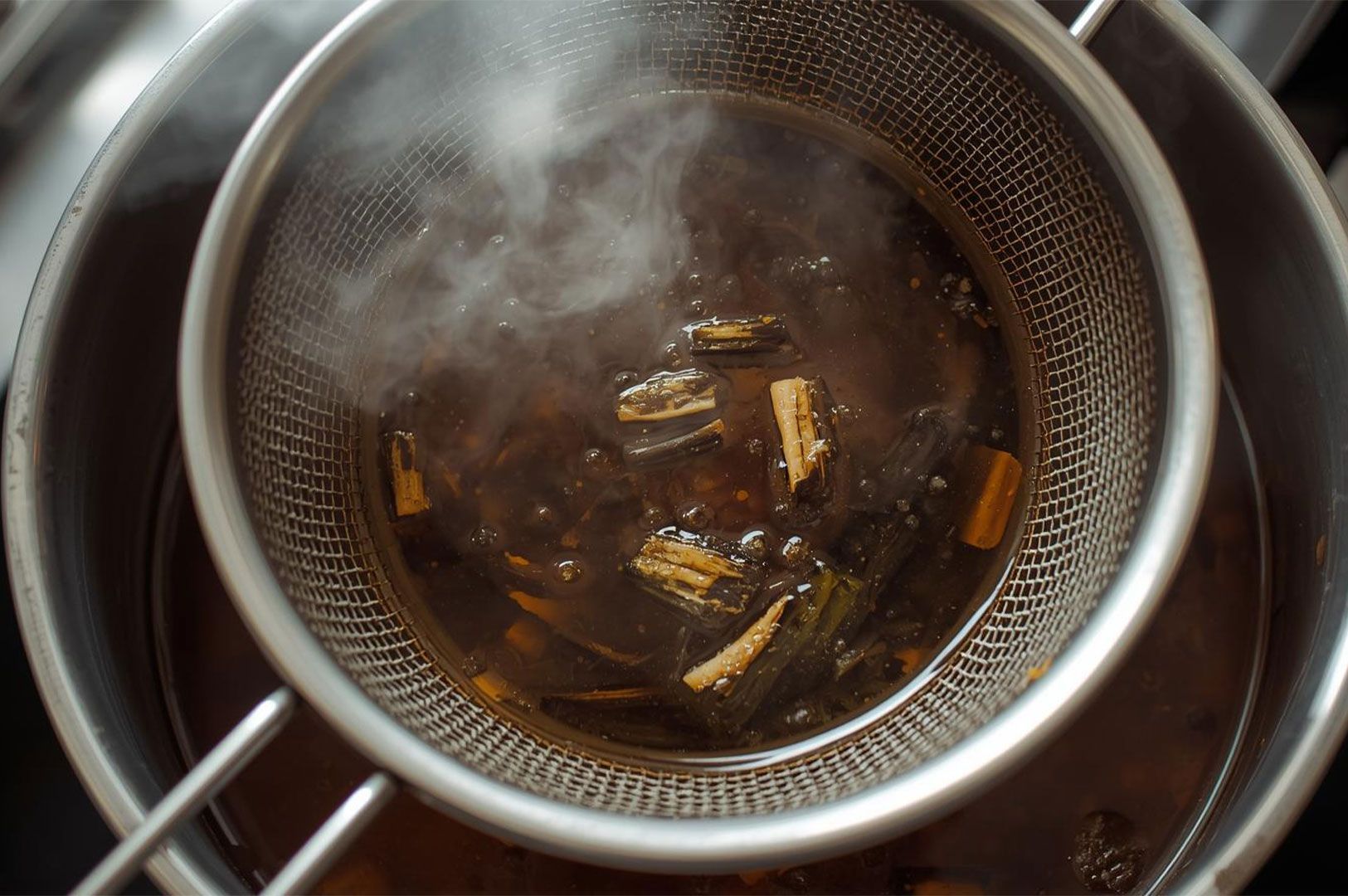
Bringing authentic flavor into your kitchen is deeply rewarding. While the ramen broth can take hours and should be brought to a boil over medium high heat for best results, the shoyu tare is relatively simple and can elevate homemade ramen dramatically. When preparing your ramen, cook the noodles and eggs in vigorously boiling water to ensure the proper texture. Use a measuring cup to portion the hot broth accurately into each serving bowl. Once assembled, serve immediately to enjoy the optimal flavor and texture.
Simple Shoyu Tare Recipe for Homemade Ramen
Ingredients:
- 1 cup soy sauce
- ½ cup sake
- ½ cup mirin
- 1 piece kombu (4x4 inches)
- ½ cup dried bonito flakes
Instructions:
- Gently Heat the Liquids: In a medium saucepan, combine soy sauce, sake, and mirin with kombu. Heat over medium heat until tiny bubbles appear—avoid boiling.
- Infuse the Kombu: Remove before boiling to prevent bitterness.
- Steep the Bonito Flakes: Add dried bonito flakes, steep 15 minutes for smoky umami infusion.
- Strain and Store: Use a fine mesh strainer to remove solids. Cool and refrigerate; flavor continues to deepen over time.
Pro Tip: Add 2–3 tablespoons of shoyu tare to your serving bowls before pouring in 1.5–2 cups of hot ramen broth.
Perfect Pairings: Noodles, Toppings, and Modern Twists
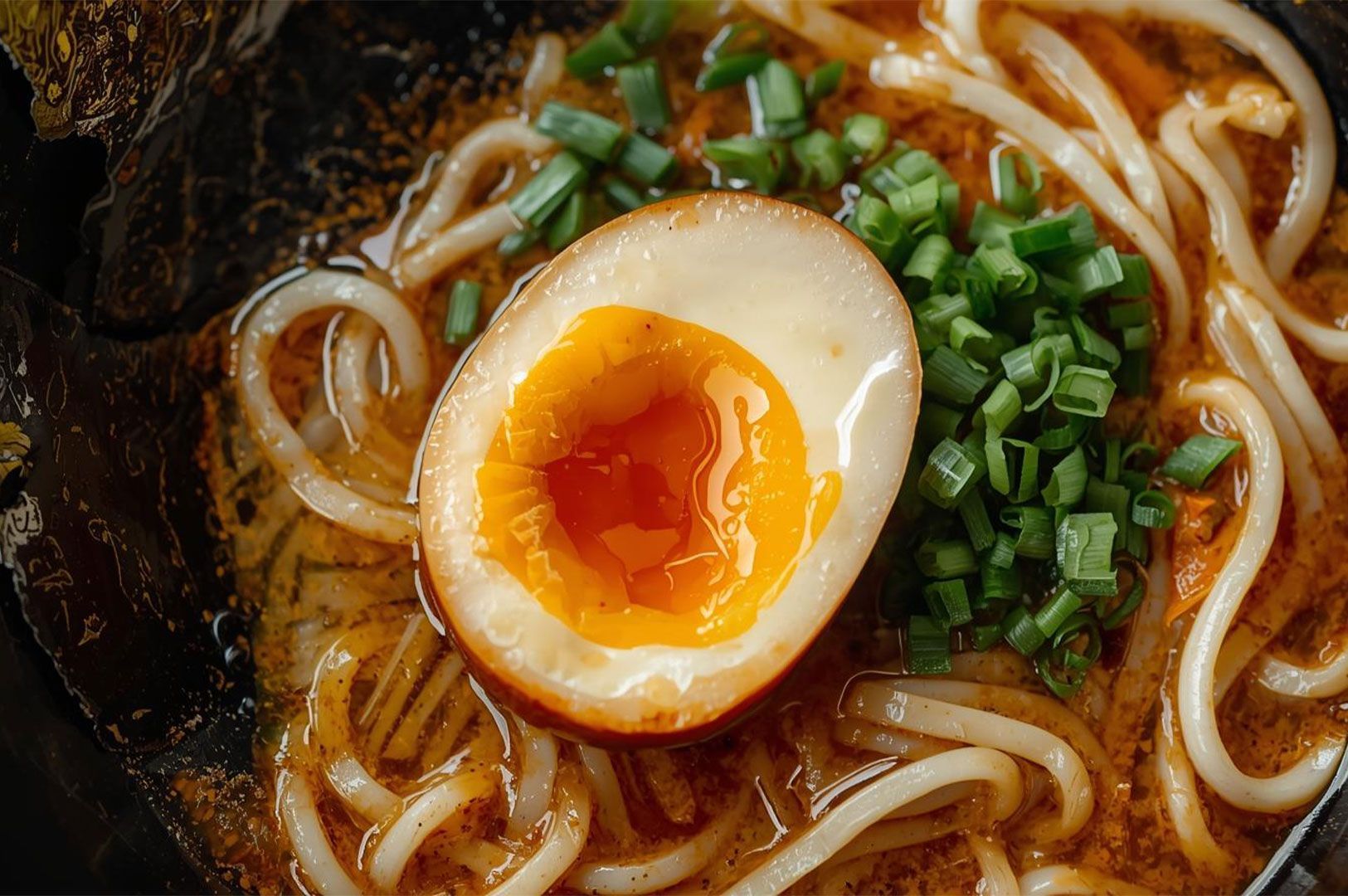
Fresh noodles—medium-thick and wavy—are perfect for catching the shoyu ramen broth and provide the authentic texture that sets great ramen apart. For the broth, using chicken bones adds depth of flavor and authenticity, whether you’re aiming for a clear chintan or rich paitan style.
Proteins: Sliced cooked pork belly can be crisped in a skillet before adding to the bowl for extra texture and flavor. Braised pork belly, chicken wings, or even duck fat-seared meat pair beautifully. Frying chicken skin until crisp makes a delicious topping or can be used to render fat that enhances the tare or broth.
Toppings: Ramen eggs, seasoned bamboo shoots, spring onion for fresh flavor and visual appeal, green onions, nori seaweed, and a drizzle of chili oil or rendered chicken fat elevate the bowl.
Modern chefs experiment with minced garlic, shiitake mushrooms, or non-traditional ingredients to create new ramen toppings and flavor layers. When assembling, serve everything in traditional ramen bowls for an authentic presentation.
Your Journey into Shoyu Perfection
Shoyu ramen celebrates balance, precision, and the profound depth of flavor achievable with simple, high-quality ingredients. While instant ramen offers convenience and familiarity with its quick preparation, homemade shoyu ramen rewards you with a richer, more complex experience that comes from carefully crafting each component, especially the soup broth. Making your own shoyu ramen at home deepens appreciation for every bowl of ramen, from classic shoyu ramen to inventive interpretations.
Try making homemade ramen with this shoyu ramen recipe, and experience the transformation of fresh ramen noodles in hot broth infused with shoyu tare. A well-prepared soup broth is the foundation of great ramen, and you’ll never look at a bowl of shoyu the same way again.
For more insights on essential ingredients and tools to perfect your ramen-making skills, be sure to check out our comprehensive guide on
ramen essentials.
Recent Posts