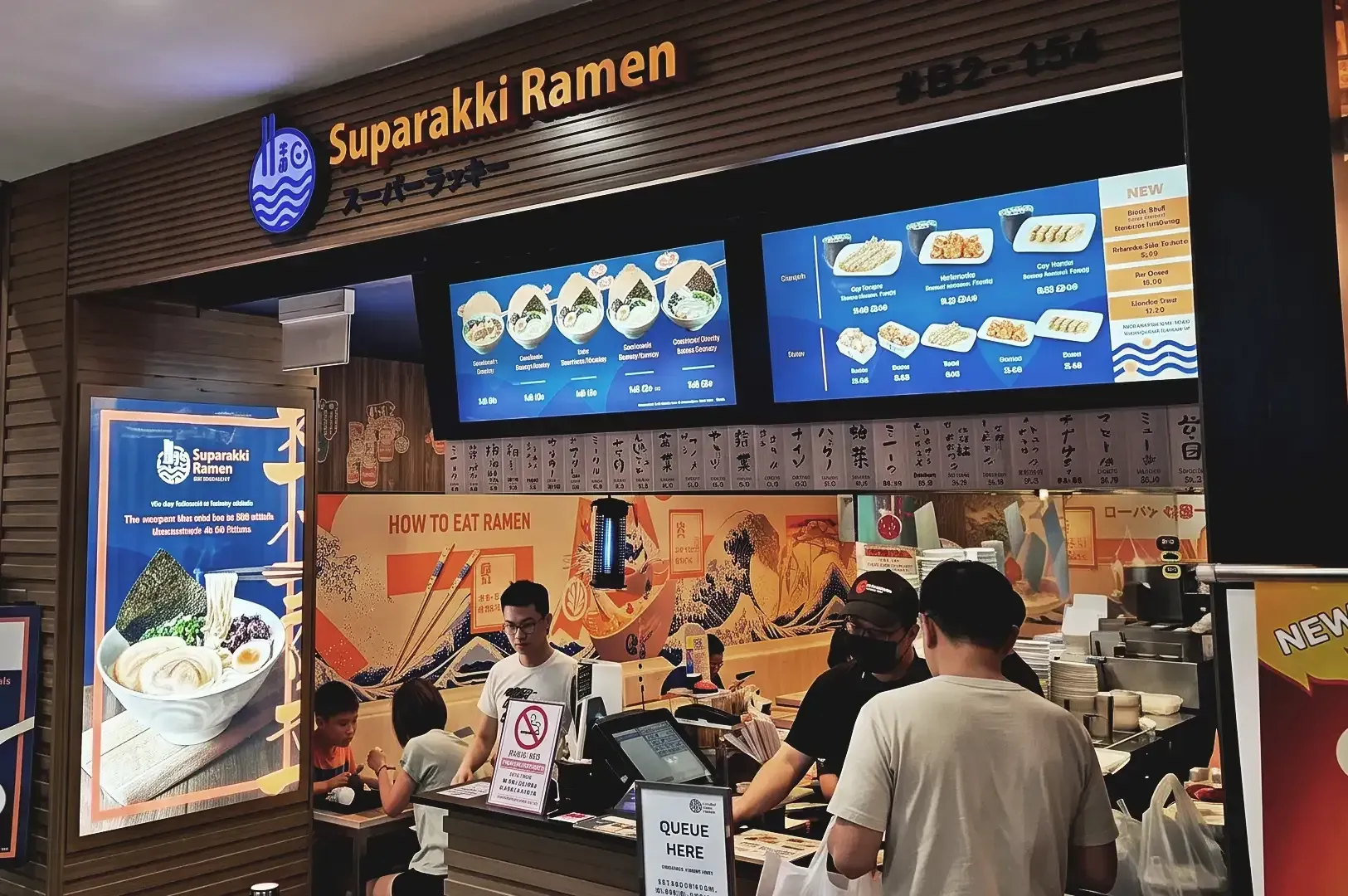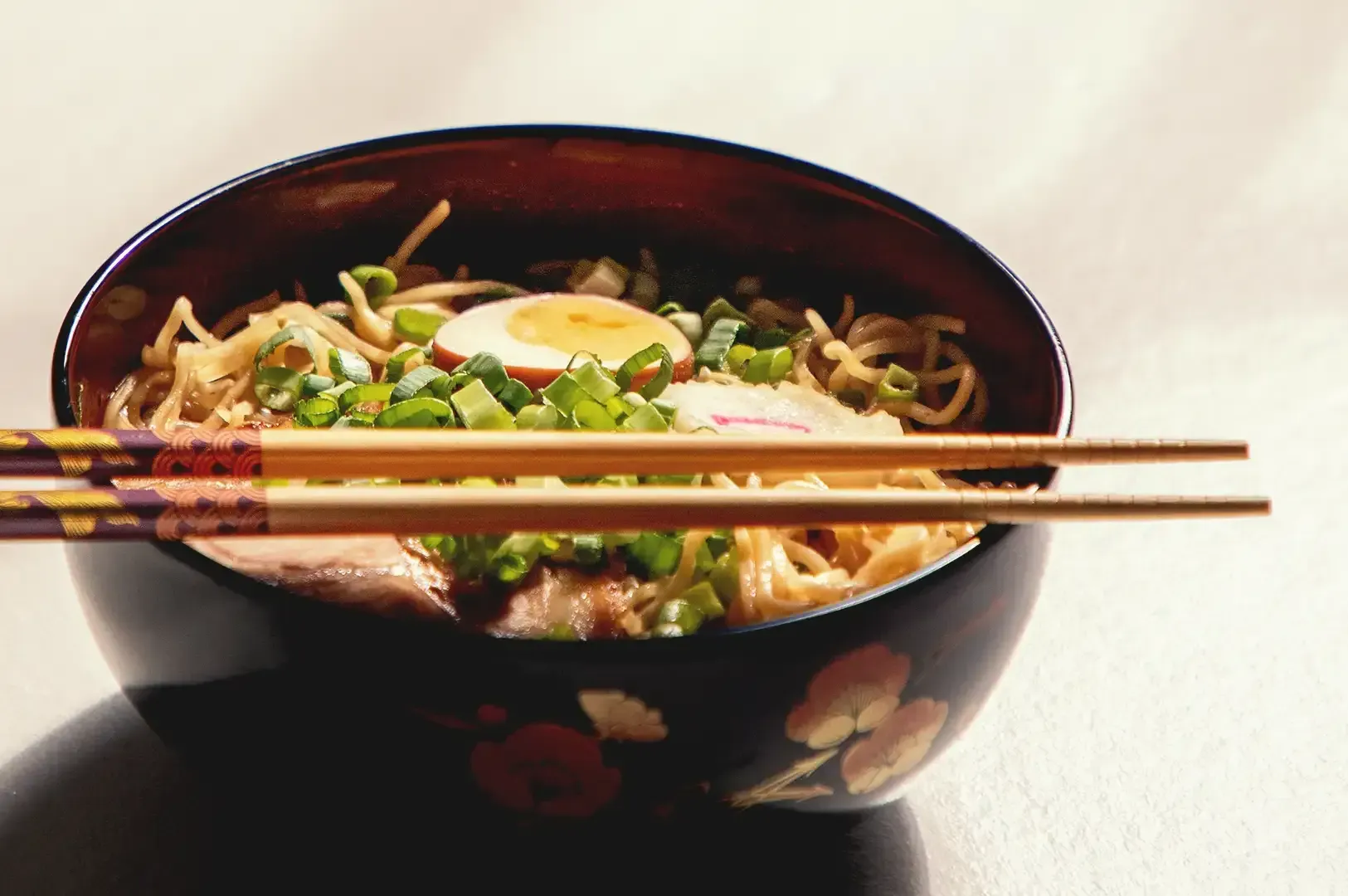
Best Ramen Places in Singapore: Your Ultimate Guide to the City’s Top Ramen Restaurants
Singapore has grown into one of Asia's top ramen destinations, boasting over 50 specialized ramen places in Singapore that cater to every taste and budget. Whether you're after the best tonkotsu ramen with its creamy, ultra rich broth or looking for halal-certified options with flavorful chicken chashu, the city’s ramen scene offers something for everyone.
From Michelin-starred counters serving limited daily bowls to cozy neighborhood ramen stalls, Singapore’s ramen culture beautifully blends authentic Japanese food traditions with exciting local twists. If you’re craving a steaming bowl of tonkotsu special or want to try hand pulled noodles topped with pork chashu and ajitsuke tamago, this guide will help you navigate the diverse ramen landscape.
Whether you’re a ramen newbie or a seasoned slurper hunting for the best ramen in Singapore,
Best Ramen Singapore is your go-to resource to discover incredible bowls, including ramen stalls and premium restaurants alike. Dive in and find your next favorite steaming bowl of Japanese ramen today!
Ramen Places in Singapore: Quick Overview of Top Destinations
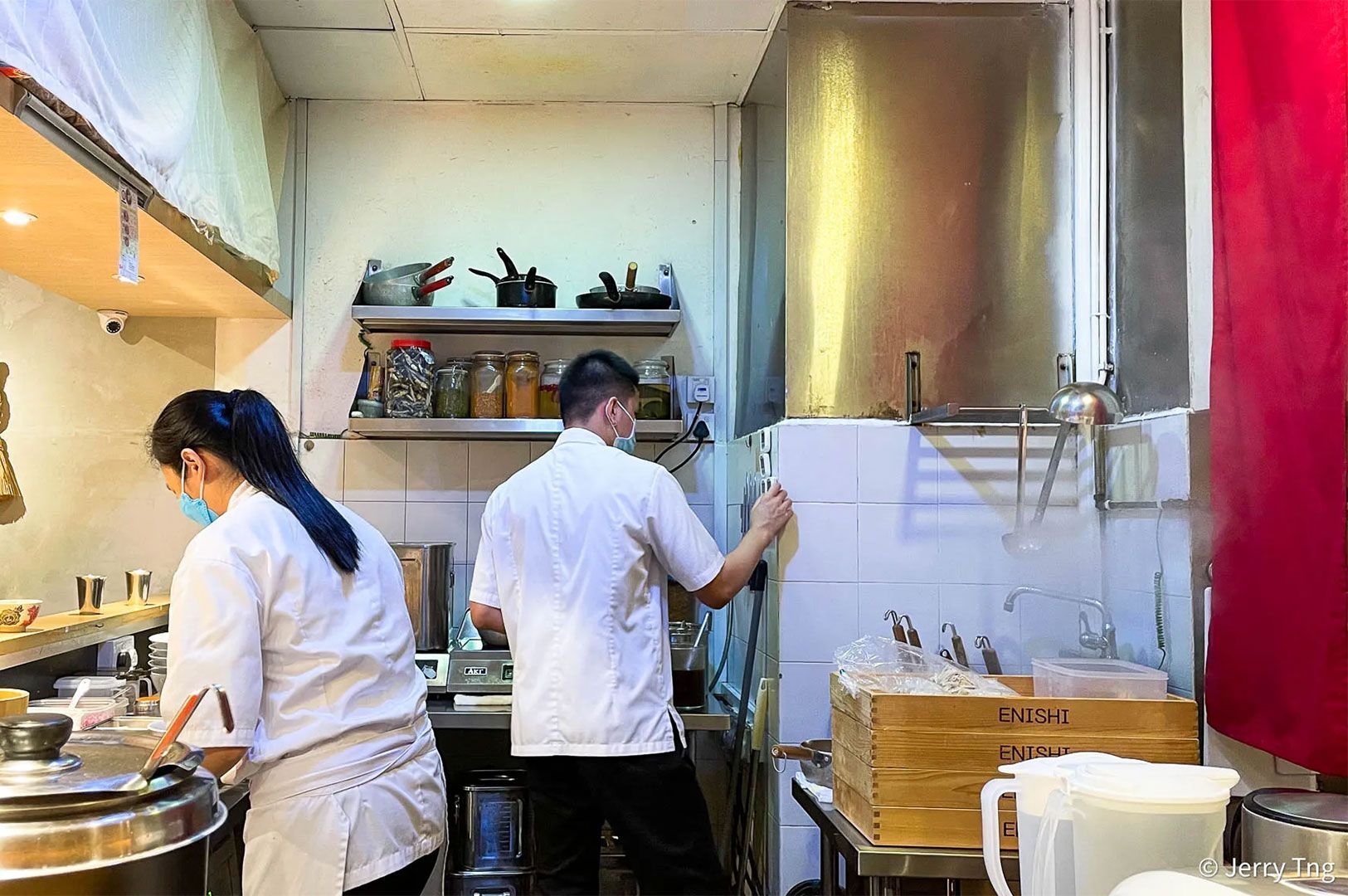
For immediate gratification, here are five must-visit ramen places in singapore that showcase the diversity and excellence of the local scene:
Enishi (Tanjong Pagar) - Michelin-acclaimed dashi specialist serving only 100 bowls daily from their intimate 9-seat counter. Their signature shoyu hamaguri soup ramen features premium hamaguri clams in a delicate kombu and bonito dashi base, complemented by chewy noodles that enhance the overall texture ($28-35).
Ippudo (Mandarin Gallery) - The gold standard for tonkotsu ramen, where their signature Karaka-men delivers creamy pork bone ramen broth with perfect noodle texture and a generous drizzle of house chilli oil that adds a spicy kick and depth of flavor ($18-24).
Marutama (Multiple Locations) - The go-to destination for rich chicken ramen broth enthusiasts, offering creamy toripaitan ramen that’s both halal-friendly and incredibly flavorful ($15-21).
Takagi Ramen (8 Locations) - Exceptional value with authentic ramen starting from $8, featuring free noodle refills at select outlets and consistently high quality across their extensive network. Their bowls are topped with tender char siu, a key ingredient that enhances the flavor and presentation.
Menbaka Fire Ramen (Clarke Quay) - Theatrical dining experience where your shoyu fire ramen arrives with dramatic flames, combining Instagram-worthy presentation with serious flavor ($22-28).
Japanese Ramen Styles Guide: Understanding Your Ramen in Singapore Options
Understanding ramen fundamentals enhances your dining experience and helps identify personal preferences. The four primary categories each offer distinct flavor profiles and textures:
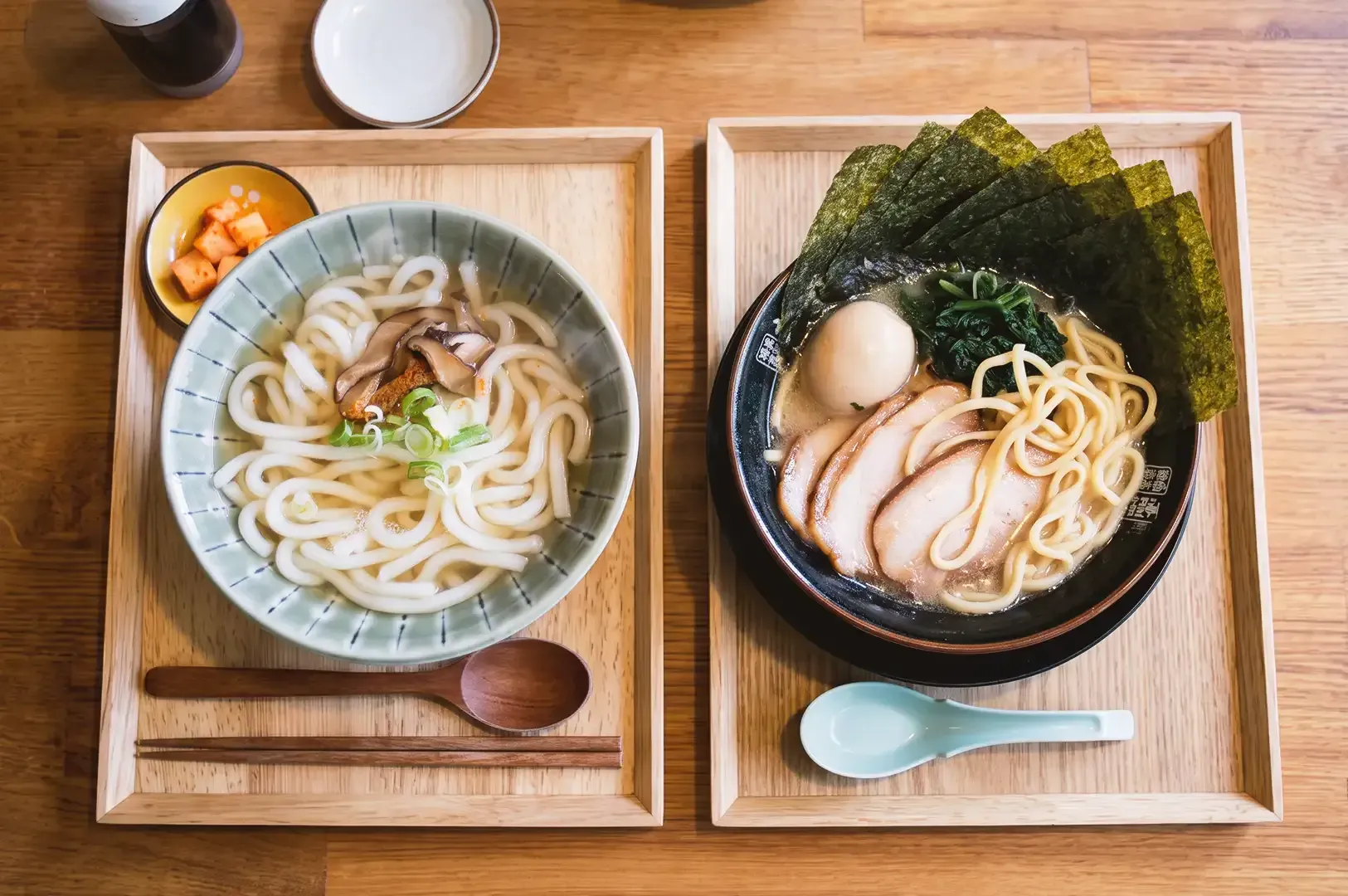
- Tonkotsu: Creamy, rich broth made from pork bones simmered for 12-24 hours until milky white. The collagen-rich soup coats springy, chewy noodles perfectly, creating Singapore’s most popular style.
- Shoyu: Soy sauce based clear broth with lighter, more refined flavors. Often featuring chicken or seafood stock enhanced with aged shoyu for complex umami depth. Ingredients like mackerel flakes and bonito are commonly used to add a layered umami flavour and a light aroma to the broth.
- Shio: Salt-based clear broth showcasing pure ingredient flavors. The most delicate style, often highlighting premium seafood or vegetable elements.
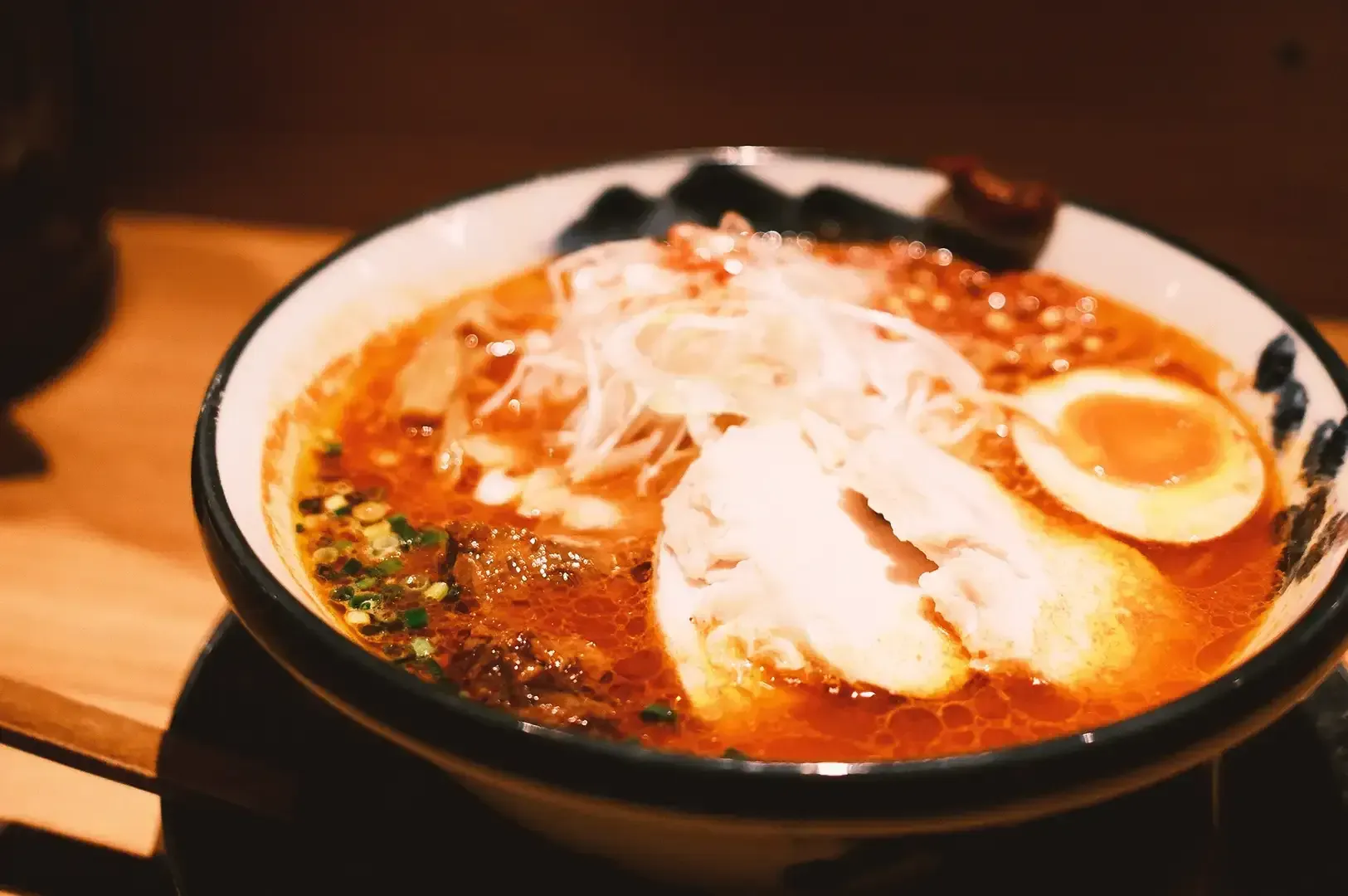
- Miso Ramen: Fermented soybean paste creates hearty, warming broths with robust flavors. Particularly satisfying during Singapore’s air-conditioned environments.
Newer styles gaining popularity include mazesoba (brothless mixed noodles) and tsukemen (dipping ramen with concentrated broth), offering different textural experiences for adventurous diners.
Regional varieties also stand out, such as Niigata ramen, which is known for its thin, curly noodles paired with a clear fish broth for a light yet flavorful bowl.
Tonkotsu Ramen Specialists: Best Ramen and Keisuke Tonkotsu King Highlights
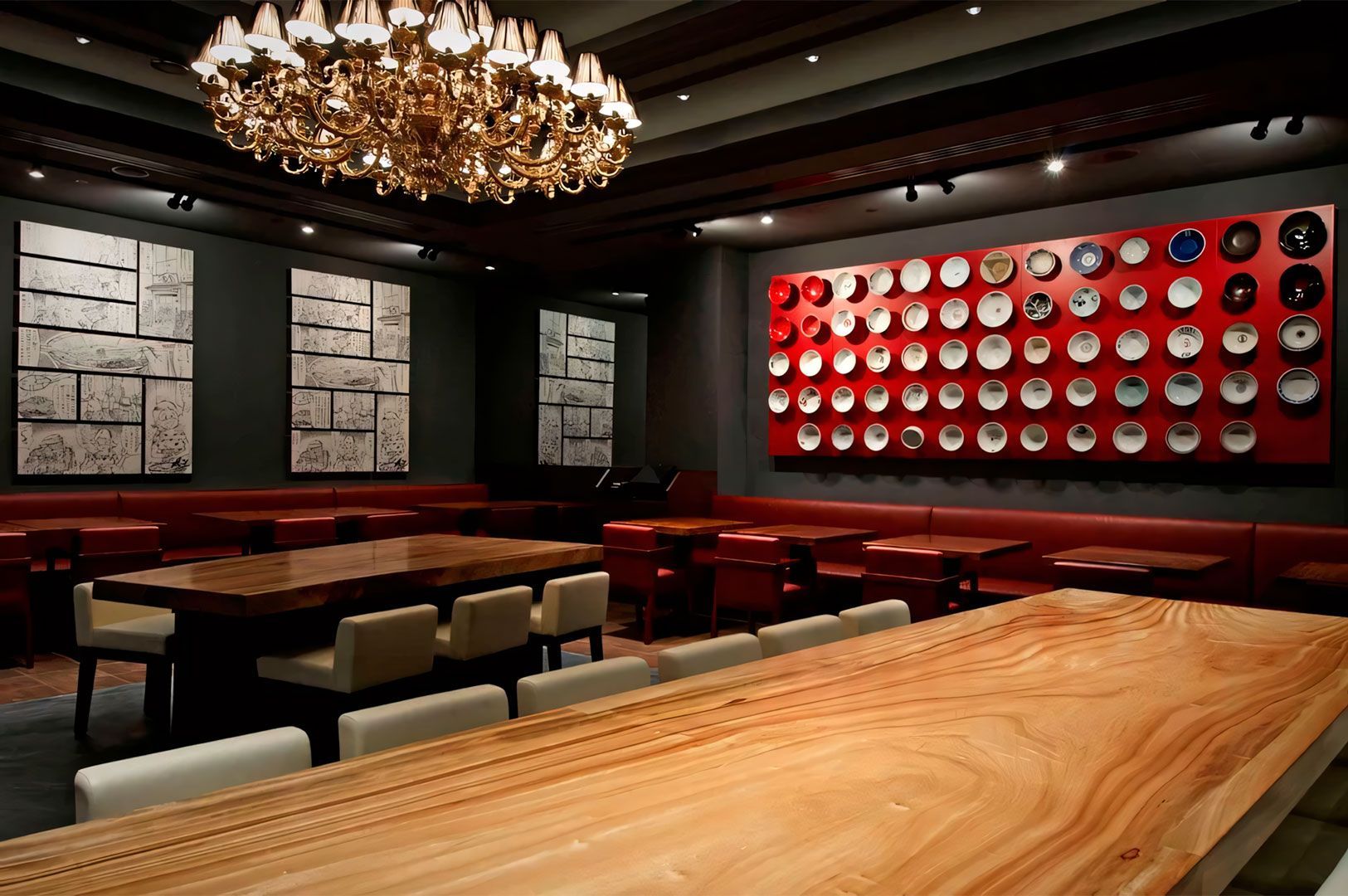
Singapore's tonkotsu scene leads Asia outside Japan, with establishments achieving remarkable authenticity while developing local innovations.
- Ippudo (Mandarin Gallery, Robertson Quay) is still the go-to spot when it comes to tonkotsu ramen. Their Karaka-men scored an impressive 95/100 on BestRamen.sg, and for good reason. The creamy soup is perfectly emulsified, and the noodles have just the right springiness and firmness. Plus, their roasted garlic oil, made by frying crushed garlic until fragrant, adds a wonderful depth of aroma without overpowering the delicate pork bone flavor ($18-24).
- Hakata Ikkousha Ramen (Multiple Locations) is your spot if you're craving authentic Hakata-style noodles. They serve ultra-thin, straight noodles that soak up their rich tonkotsu broth without getting soggy. Japanese expats love it for its familiar, traditional taste ($16-22).
- Bari-Uma (Novena Gardens) brings a unique twist with their Hiroshima-style tonkotsu-shoyu blend. Think thick slices of tender house-made chashu paired with springy homemade wheat noodles. Their Ajitama Chashu-Uma, with tender chashu floating in a perfectly balanced broth, is a must-try ($17-24).
- Keisuke Tonkotsu King (Multiple Locations) lets you customize your bowl down to the last detail—from noodle firmness to broth richness. They also offer complimentary toppings like bean sprouts and minced meat, including the popular niku king. It’s perfect if you love personalizing your ramen experience ($14-20).
- Mashi no Mashi (Bugis) takes things up a notch with premium ingredients, incorporating wagyu bones into their tonkotsu base for an incredibly rich broth. Their ultra wagyu ramen, featuring A5 wagyu chashu, is a luxurious treat for any ramen lover ($32-45).
- Ramen Nagi (ION Orchard) is famous for its customizable Tokyo-style ramen. You can tweak everything from noodle type to garlic intensity. Their “Golden Gai” location even captures the authentic vibe of a Japanese ramen-ya, making it a favorite spot for those who want traditional and adventurous flavors in one bowl ($16-26).
Shoyu and Shio Ramen Excellence: Featuring Ramen Hitoyoshi and Kyoto Ramen Hachicken
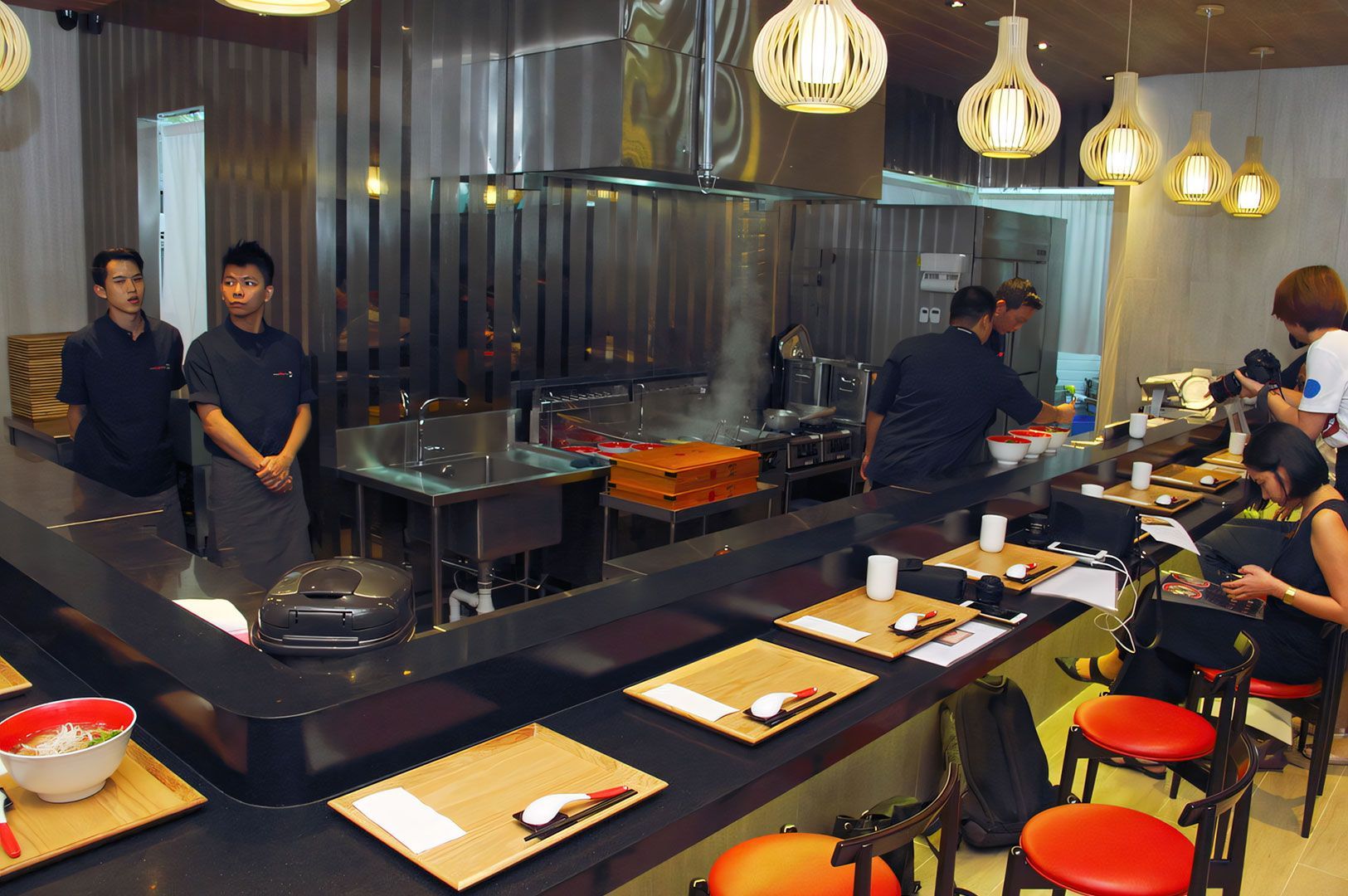
Singapore’s shoyu specialists demonstrate remarkable technical precision, often earning international recognition for their refined approaches.
- Tsuta (Pacific Plaza) holds the distinction of being the world’s first Michelin-starred ramen shop, with their signature shoyu ramen featuring truffle oil and perfectly balanced chicken-seafood broth. Tsuta also uses porcini oil as a garnish to enhance the earthy, umami notes of the broth, adding depth and complexity to the soup. The queues reflect serious ramen enthusiasts seeking this historic experience ($24-32).
- Sanpoutei Ramen (Multiple Locations) focuses on traditional shoyu preparations using aged soy sauce and rich chicken broth. Their niigata shoyu ramen showcases regional Japanese techniques adapted for Singapore’s climate ($15-22).
- Ramen Hitoyoshi (Chinatown Point) offers authentic Kumamoto-style ramen with clear tonkotsu-shoyu combinations. Their aka ramen features spicy miso additions that complement rather than overwhelm the delicate base ($16-23).
- Kyoto Ramen Hachicken (Multiple Locations) brings Kyoto’s refined sensibilities through delicate chicken-based broths enhanced with kombu dashi. Their yuzu shio ramen incorporates citrus elements that brighten the flavourful broth ($17-25).
Miso Ramen and Specialty Ramen: Featuring Menbaka Fire Ramen and Ramen Dining Keisuke Tokyo
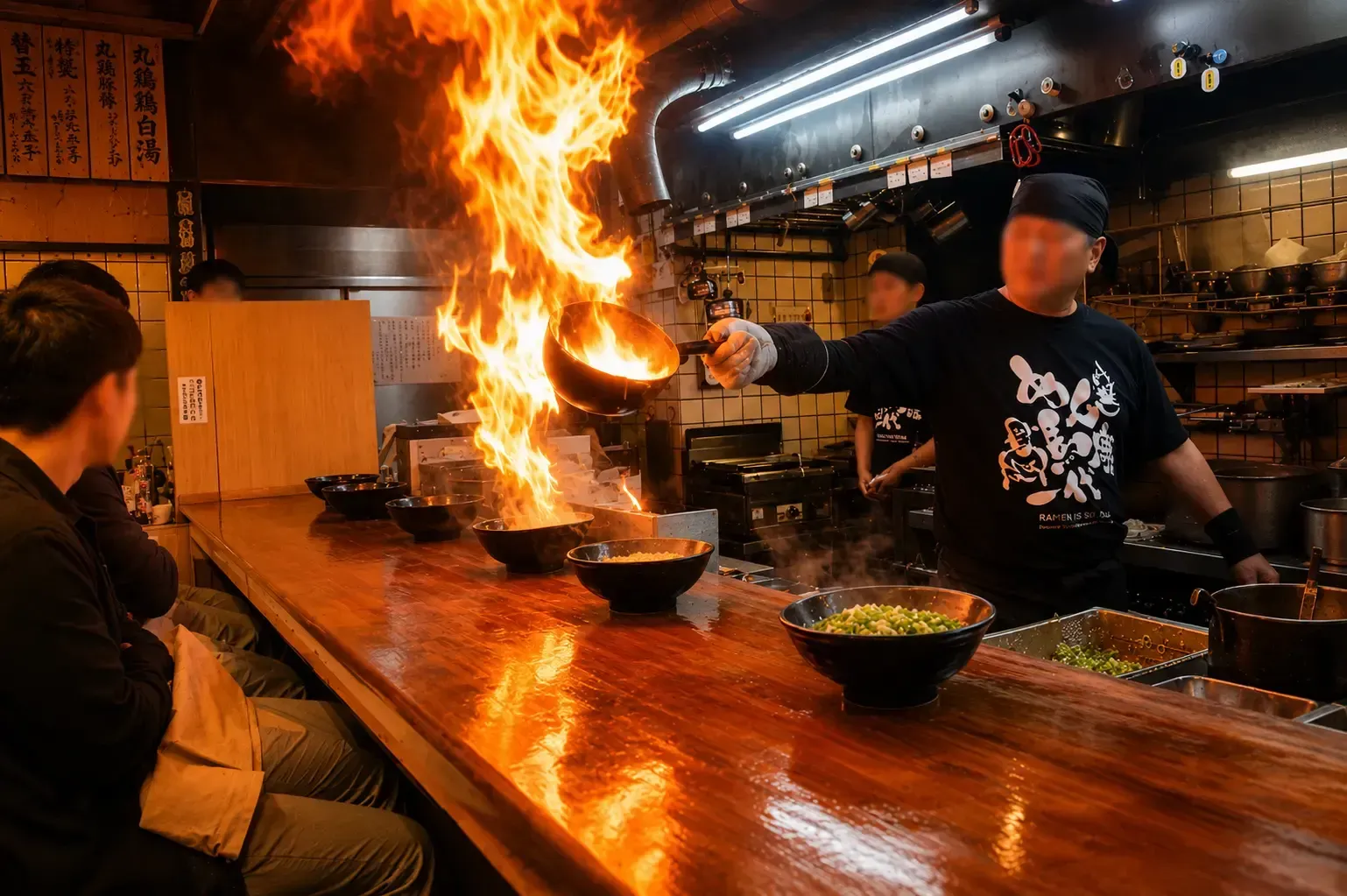
Beyond traditional categories, Singapore’s miso specialists and innovative concepts push creative boundaries while maintaining authentic foundations.
- Santouka (Multiple Locations) represents miso ramen excellence, with their signature Shio-Tonkotsu featuring rich pork bone broth enhanced with white miso. The tender chashu slices and perfectly seasoned onsen egg create harmonious flavor layers ($16-24).
- Menbaka Fire Ramen (Clarke Quay, Marina Bay Sands) delivers theatrical dining where servers ignite your bowl tableside. Beyond the spectacle, their shoyu fire ramen features quality ingredients and proper technique, making it more than novelty dining ($22-28).
- Ramen Dining Keisuke Tokyo (Multiple Locations) operates several themed concepts, including their famous lobster broth ramen featuring concentrated crustacean essence. Chef Keisuke Takeda’s innovative approach earned cult following among adventurous diners ($24-35).
- Raakki (Chinatown) pioneers fusion with their tomato paitan, achieving 95/100 rating on BestRamen.sg through bisque-like richness enhanced with roasted tomatoes, Thai basil, and porcini flakes. This creative interpretation demonstrates Singapore’s openness to innovation ($20-28).
- Next Shikaku (Westgate) specializes in slow-cooked oyster broth that delivers unique maritime sweetness. Their signature bowl features concentrated bivalve essence that seafood lovers find irresistible ($18-26).
Ramen Places in Singapore by Budget: Options for Every Wallet
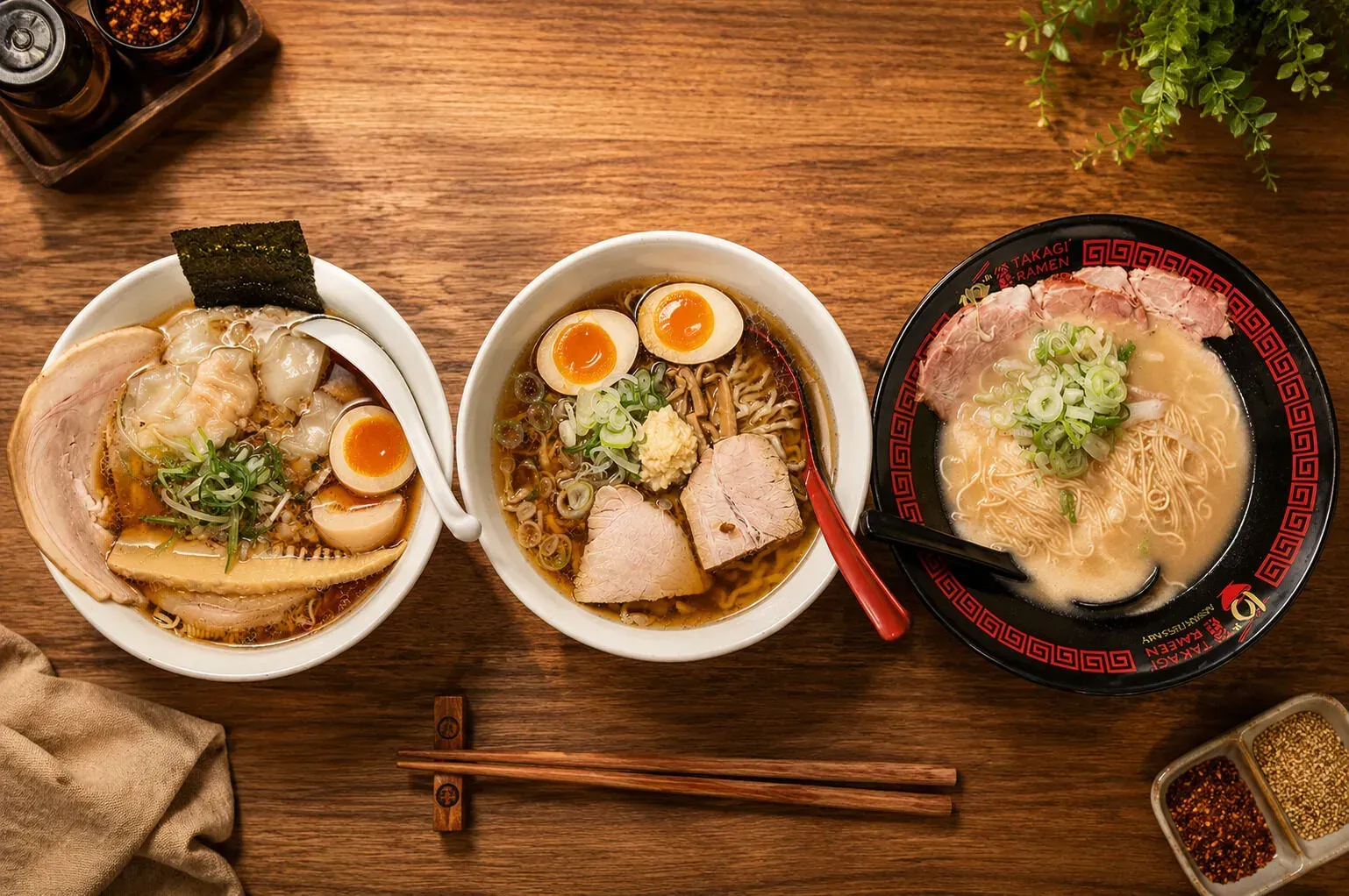
Singapore’s ramen scene accommodates all budgets without compromising quality, from student-friendly portions to luxury experiences featuring premium ingredients.
Budget-Friendly Bowls ($8-15)
Affordable doesn’t mean inferior in Singapore’s competitive ramen market. These establishments prove exceptional value exists across the island.
- Takagi Ramen (8 Locations) leads the value segment with authentic ramen starting at $8. Their extensive network includes Bedok, Yishun, AMK Hub, Eastpoint, Redhill, and Woods Square locations. Several outlets offer free noodle refills, effectively doubling portion sizes. The tonkotsu achieves surprising depth considering the pricing, while their miso ramen provides hearty satisfaction ($8-14).
- DJDH Ramen (Student Sets) specifically targets students with $10 combinations including ramen, rice, and sides. Despite budget pricing, they maintain quality standards with proper broth preparation and fresh noodles. Popular among university crowds seeking authentic Japanese noodle dish experiences without financial strain.
Premium Ramen Experiences ($20-40)
Luxury ramen justifies premium pricing through exceptional ingredients, innovative techniques, and exclusive experiences that elevate the humble bowl to fine dining status.
- Mensho Tokyo (Raffles City) brings Michelin-approved excellence with their ultra truffle ramen featuring imported black truffles, premium wagyu, and house-made noodles. The theatrical presentation and complex flavor development warrant special occasion pricing ($35-48).
- Enishi (Limited Daily Production) operates like an exclusive members’ club, serving only 100 bowls daily from their 9-seat counter. The dashi-focused approach showcases premium bonito flakes and kombu, creating ethereal broths that justify the premium experience ($28-35).
- Wagyu Mafia (Tsukemen Specialist) features their wagyu tsukemen with A5 beef and concentrated dipping broth. The interactive eating style and premium meat quality create memorable experiences for meat lovers seeking indulgence ($38-55).
Ramen Places in Singapore by Location: Neighborhood Guides
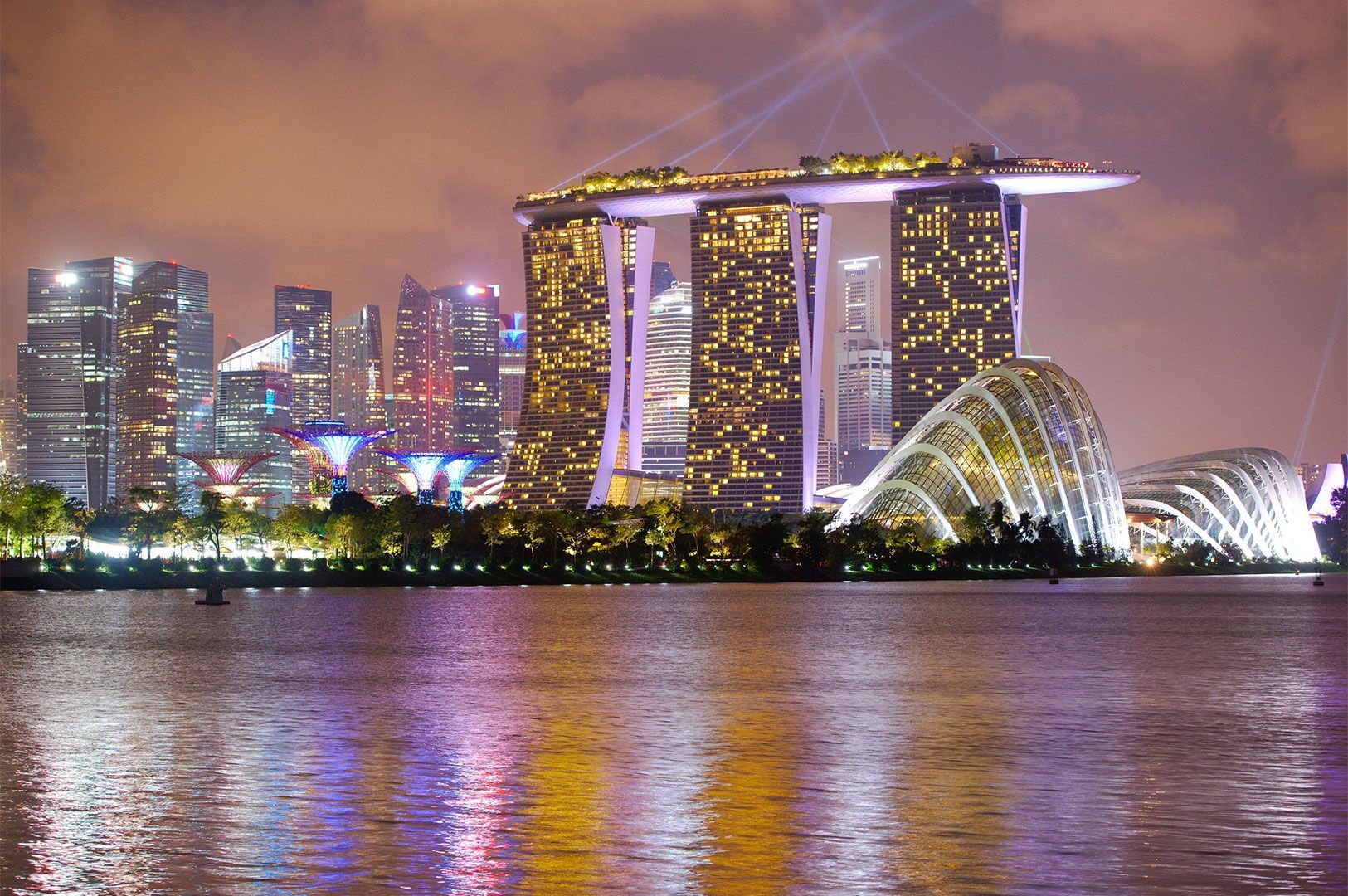
Strategic location selection enhances your ramen exploration, whether seeking convenient lunch options or destination dining experiences across Singapore’s diverse districts.
Orchard Road & Central Singapore
The shopping district concentrates high-quality establishments within walking distance of major malls and hotels, perfect for tourists and convenient dining.
- Ippudo (Mandarin Gallery) anchors Orchard’s ramen scene with their flagship location featuring premium seating and full menu access. The central location and consistent excellence make it ideal for first-time visitors seeking authentic tonkotsu experiences ($18-24).
- Ramen Nagi (ION Orchard) brings customizable Tokyo-style ramen to Singapore's premier shopping destination. Their “Red King” and “Golden Gai” variations offer different intensity levels while accommodating various preferences through extensive customization ($16-26). Known for its bold flavors, Ramen Nagi allows diners to tailor noodle firmness, broth richness, and spice levels, ensuring a personalized ramen experience. The Black King ramen, infused with squid ink and black garlic oil, is a standout bowl that showcases their innovative approach, combining a deep umami-packed broth with springy noodles and tender pork belly slices. This interactive dining concept has made Ramen Nagi a favorite among ramen lovers seeking both traditional and adventurous flavors in a vibrant setting.
- Keisuke Gyoza King (Somerset) combines ramen with acclaimed gyoza in a casual atmosphere perfect for shopping breaks. Their tonkotsu king variations feature rich broth complemented by crispy pork dumplings ($15-22).
- Menya Saimi (Plaza Singapura) delivers authentic shoyu ramen in a food court setting, providing quality dining without premium pricing. Their clear broth showcases proper technique while remaining accessible to casual diners ($12-18).
- Hokkaido Ramen Santouka (Takashimaya) brings famous Asahikawa-style ramen featuring rich miso broths and tender chashu. The department store location offers comfortable dining with quality matching their international reputation ($16-24).
Chef Keisuke Takeda and Ramen Dining Keisuke Tokyo: Innovation in Ramen Places in Singapore
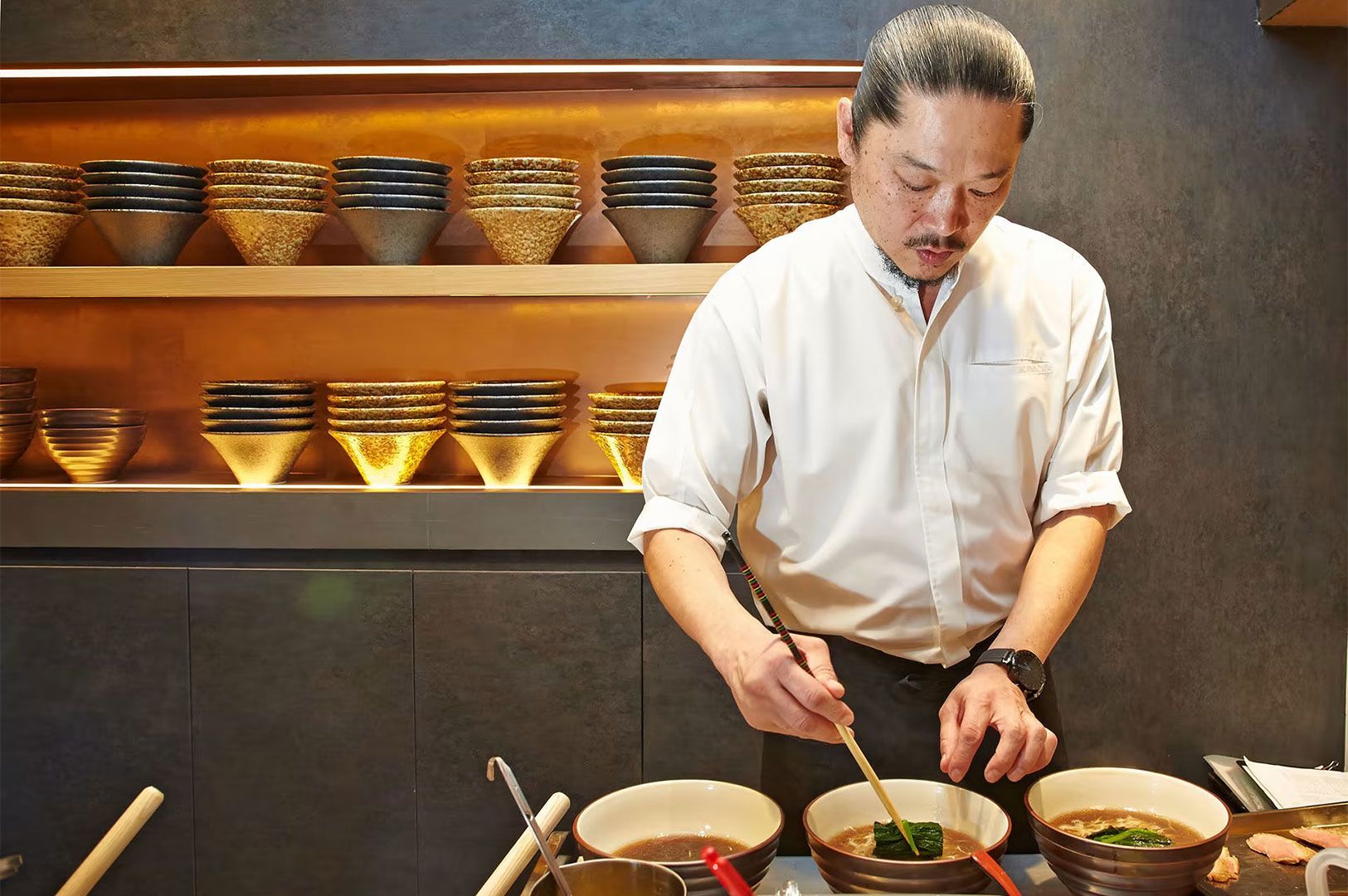
Singapore’s diverse population demands inclusive ramen options, while innovative concepts create memorable experiences beyond traditional boundaries.
Halal-Certified Ramen
Muslim diners can enjoy authentic ramen experiences through establishments offering halal certifications without compromising flavor or authenticity.
- ICHIKOKUDO (Multiple Locations) leads halal ramen with comprehensive certification and exceptional chicken-based broths. Their toripaitan achieves remarkable richness rivaling traditional tonkotsu while maintaining religious compliance.
- Marutama (All Locations) focuses exclusively on chicken-based preparations, making their entire menu suitable for halal diners. The creamy chicken broth develops through extended cooking, creating satisfying richness without pork. Their popularity among Muslim diners demonstrates quality equality ($15-21).
- Ramen Teh Tarik (Fusion Concept) combines local teh tarik flavors with halal ramen preparations, creating unique Singapore-style fusion. While unconventional, the concept showcases local innovation in halal dining ($12-18).
- Menya Kokoro (Halal Options) provides halal-certified mazesoba variations using chicken and beef preparations. Their brothless style focuses on sauce complexity and premium toppings ($18-24).
- Herbivore (Plant-Based Options) offers rare vegetarian ramen using kombu dashi and plant proteins. While not traditional, they satisfy dietary restrictions while maintaining umami satisfaction ($14-20).
Planning Your Ramen Journey in Singapore: Final Recommendations for Best Ramen Places
Serious ramen exploration benefits from strategic planning, progressive tasting, and understanding establishment hierarchies that maximize your culinary education.
- Beginner’s Trail: Start with accessible classics before progressing to specialized preparations. Begin at Ippudo (tonkotsu), advance to Marutama (chicken), explore Takagi (value), then challenge yourself with Enishi (premium technique). This progression builds palate appreciation while managing expectations.
- Expert Enthusiast Route: Focus on technical excellence and rare experiences. Queue for Enishi’s limited daily production, experience Mensho Tokyo’s Michelin standards, explore Raakki’s fusion innovations, and conclude with seasonal specials at rotating locations. This approach emphasizes craftsmanship and innovation.
- Budget-Conscious Exploration: Maximize value through strategic timing and location selection. Focus on Takagi’s multiple locations, explore heartland gems during lunch specials, and splurge occasionally on premium experiences during promotional periods. Quality doesn’t require premium pricing with proper planning.
- Family-Friendly Options: Prioritize locations with comfortable seating, mild broth options, and kid-friendly atmospheres. Suburban locations generally accommodate families better than intimate counter-service establishments. Consider sharing bowls and ordering sides to manage portions.
Reservation Policies: Premium establishments like Enishi operate first-come-first-served, requiring early arrival and patience. Chain locations generally accommodate walk-ins but may have queues during peak periods. Call ahead for group dining or special occasions.
Wait Time Expectations: Budget 15-30 minutes for popular locations during peak hours. Bring entertainment or plan alternative activities nearby. Many establishments provide queue numbers or estimated wait times to help planning.
Begin your exploration with confidence!
Knowing that Singapore’s competitive ramen market ensures quality across all price points and styles. Each hearty bowl represents passionate craftsmanship and cultural dedication, whether from Japanese expat chefs maintaining homeland traditions or local innovators pushing creative boundaries while respecting fundamental techniques.
For a deeper dive into Singapore’s vibrant noodle culture, check out the
Best Ramen Singapore scene guide for more insights and top picks.
Recent Posts