Ramen in Anime and Manga: How Japanese Pop Culture Exported Noodle Obsession
For millions around the world, the first time they truly experienced ramen noodles wasn’t in a restaurant, it was through their screens. Picture a young, spiky-haired ninja named Naruto Uzumaki, his face lighting up with a wide grin as he sits in a humble ramen shop in Tokyo, steam rising from a heaping bowl of comforting miso ramen. This scene isn’t just about Japanese meals; it’s a moment packed with joy, friendship, and a deep sense of fulfillment. In the world of anime, a single bowl of ramen can carry the weight of a dream.
That’s the magic of Japanese pop culture. Long before ramen became one of Japan’s most popular dishes around the globe, it was already celebrated in anime, manga, and movies. These art forms didn’t just show ramen, they turned it into a powerful symbol of comfort, perseverance, and culture. Through these stories, ramen evolved from a local dish into a beloved global icon of Japanese cuisine.
Let’s explore how
ramen in anime and
manga transformed a simple bowl of noodles into one of the most cherished elements of the
Japanese diet. Along the way, we’ll dive into how
regional specialties,
hot pot dishes, and other
Japanese meals weave into these narratives, showing the rich diversity of flavorsfrom
miso soup to
udon noodles and even
rice balls filled with
sweet red bean paste. Get ready to see how these delicious dishes have captured hearts worldwide!
Introduction to Ramen Noodles
Few dishes capture the spirit of Japanese cuisine quite like ramen noodles. With their
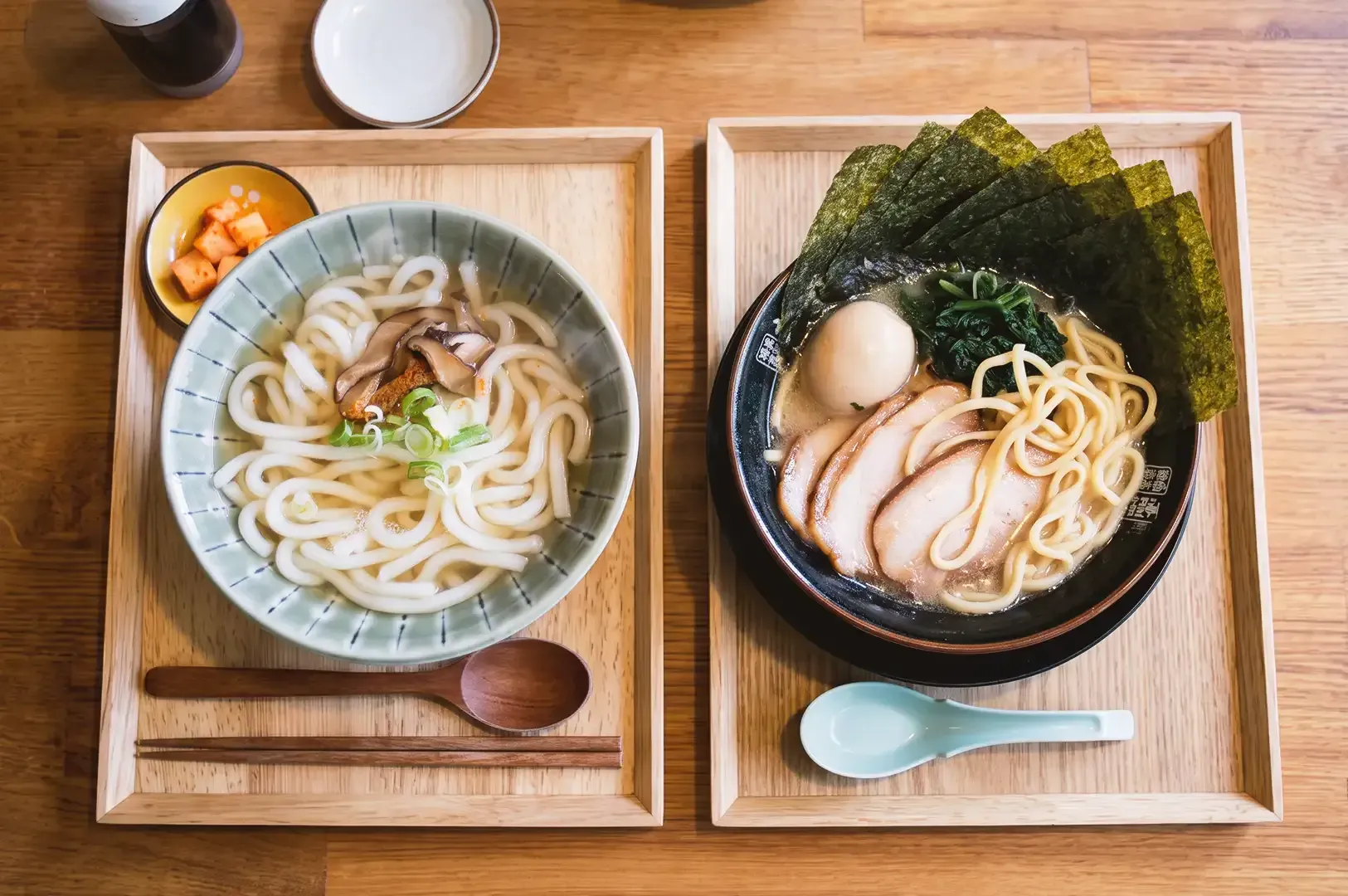
springy texture, rich broth, and endless variety of toppings, ramen has become a beloved staple not just in Japan, but around the world. This iconic Japanese food is more than just a quick meal—it’s a cultural phenomenon, celebrated for its comforting flavors and deep roots in Japanese cooking traditions.
The Historical Connection: From Post-War Staple to Pop Culture Icon
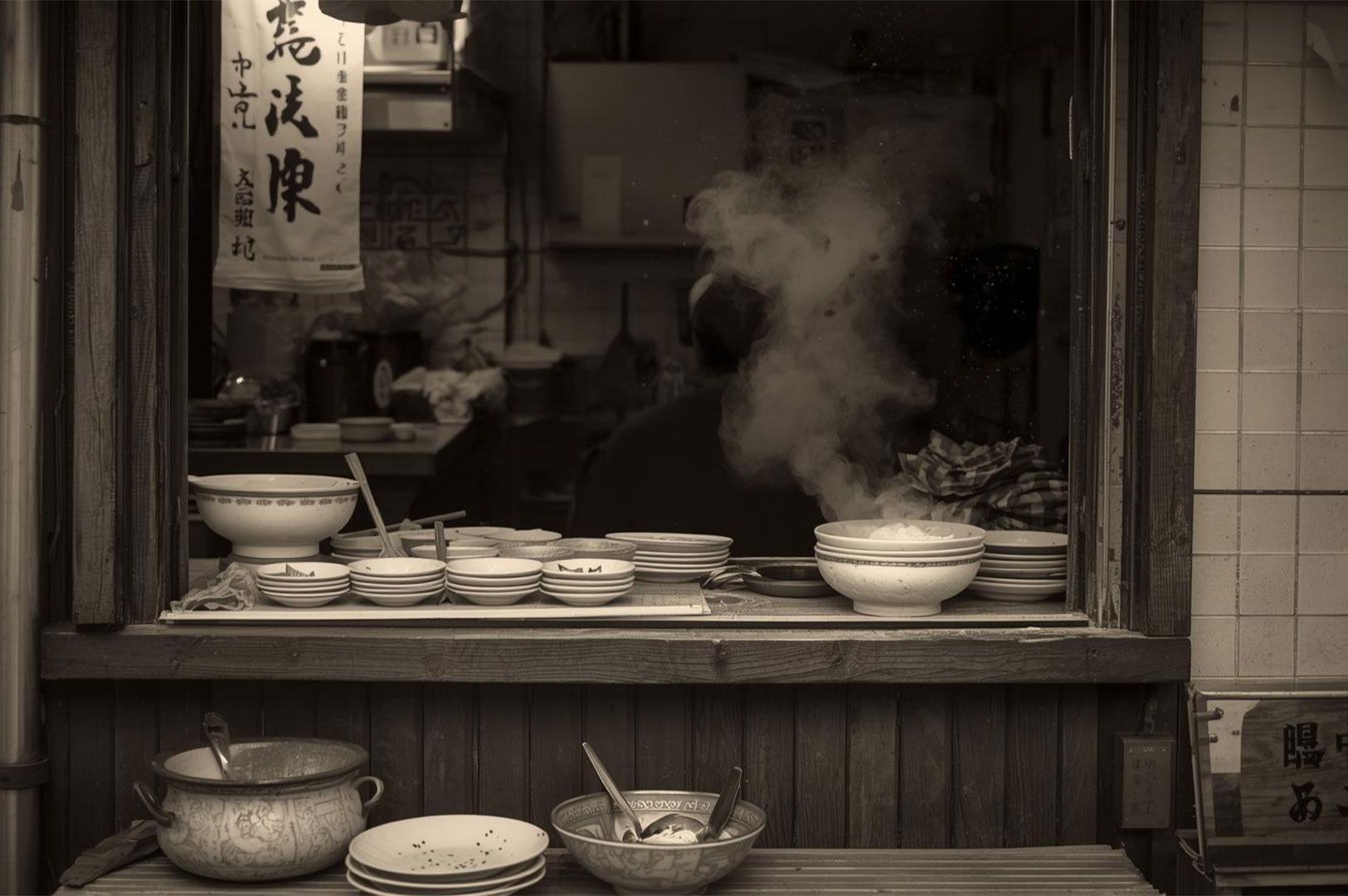
The love story between ramen and Japanese culture goes back decades. After World War II, ramen became a working-class meal, inexpensive yet nourishing. It was often served in small stalls filled with the aroma of soy sauce, broth, and grilled meat. Over time, these simple ramen shops became cultural landmarks—where office workers, students, and travelers gathered for warmth and flavor.
As manga and anime grew as reflections of Japanese life, ramen naturally appeared on screen. It represented the everyday experience—a meal after school, a late-night craving, a shared bowl after victory. Ramen serves as a symbol of community and care, both in Japanese culture and in its media representations. Japanese artists, always attentive to detail, saw ramen as more than just food. It became a visual art form, a storytelling device symbolizing community and care.
Iconic Ramen Moments: More Than Just a Meal
From heartwarming comedies to philosophical dramas, ramen has appeared across countless anime and films, each with a unique flavor.
Scenes of characters tasting ramen in these works allow viewers to connect with the sensory experience of Japanese cuisine, sparking curiosity and appreciation for its flavors.
Tampopo (1985): The Original Ramen Masterpiece
Before any anime ever featured ramen, there was Tampopo, a true classic of Japanese cinema. This “ramen western” is a heartfelt tribute to Japanese cuisine, focusing on the quest for the perfect ramen recipe. The story follows Tampopo, a determined woman, and her mentor, a truck driver, as they work together to craft the ultimate bowl of ramen.
Alongside their cooking lessons, the film treats us to sensual food montages showcasing grilled fish, vegetables cooked to perfection, and steaming noodles that celebrate the art and craft of Japanese food. It even highlights the importance of the right filling in traditional dishes like mochi or dumplings, showing how a good anko filling can enhance both flavor and presentation.
Tampopo truly captures the soul of Japan’s food traditions, blending humor, philosophy, and mouthwatering flavor. It’s a cinematic love letter to ramen, proving how something as simple as broth, salt, and quality ingredients like pork belly can connect people through taste and emotion.
Naruto: The Ambassador of Ramen
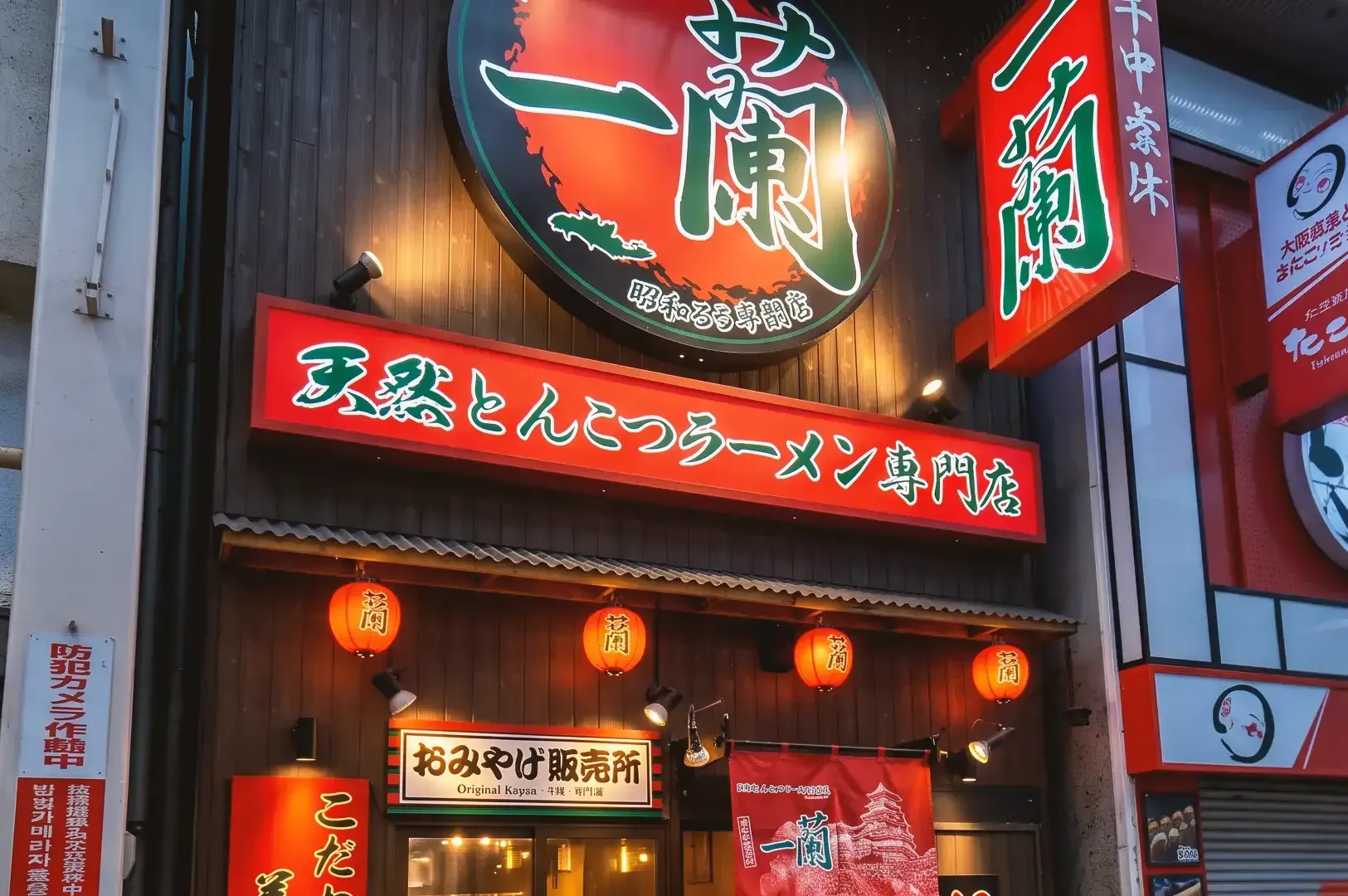
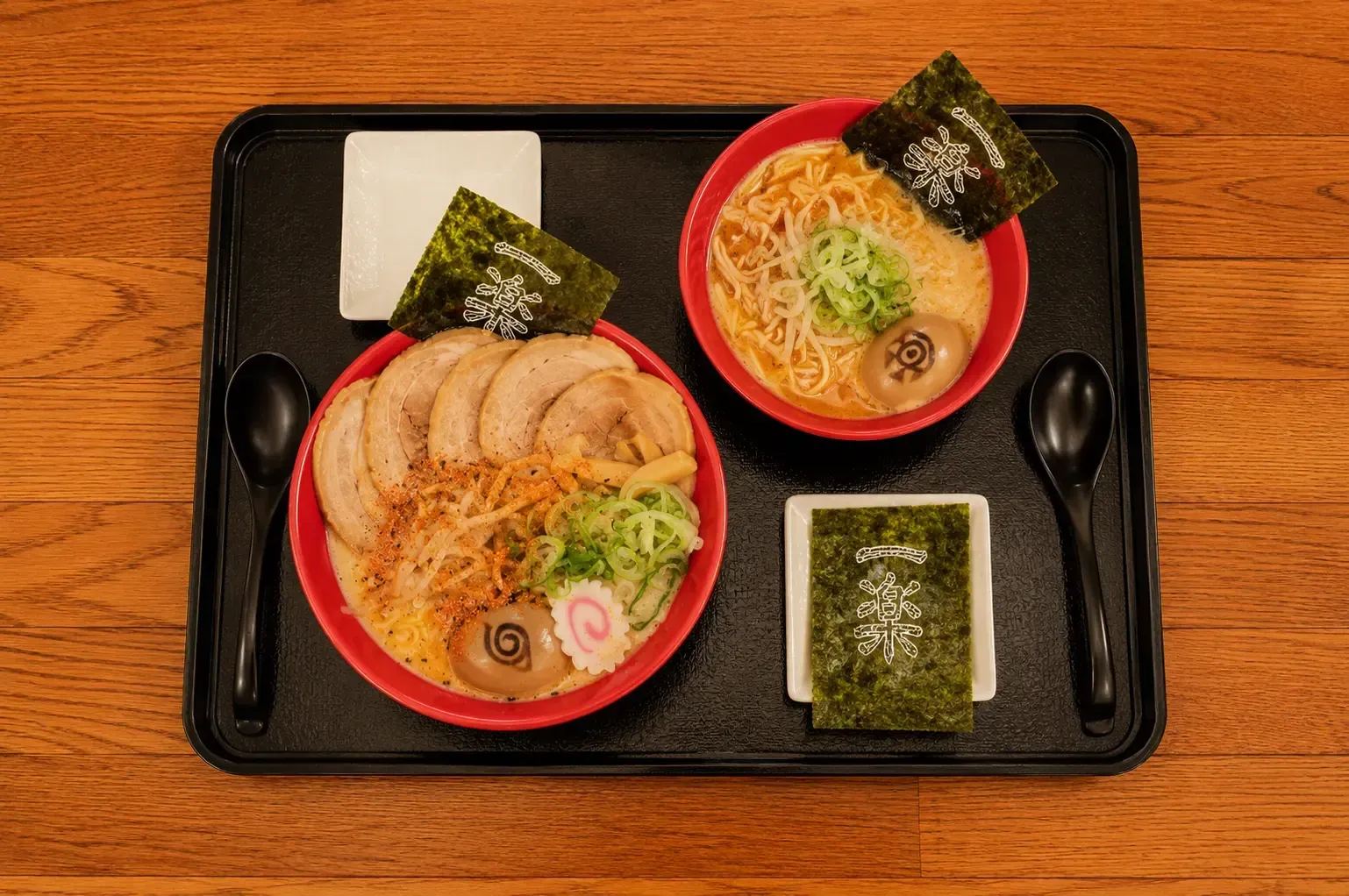
No discussion of ramen in anime is complete without mentioning Naruto. His favorite spot, Ichiraku Ramen, isn’t just a ramen shop, it’s a cozy sanctuary. Remember the scene where Naruto shares a steaming bowl of miso ramen with Iruka-sensei? That moment perfectly captures kindness, belonging, and the comforting power of Japanese dishes like ramen.
For Naruto, ramen is more than food; it’s comfort after tough times, a reward after intense training, a celebration of friendship, and a symbol of the strong bonds that connect people. This heartfelt connection to ramen is one reason why ramen in anime resonates so deeply with fans worldwide.
Anime fans around the world associate ramen with their favorite anime moments. For many foreigners, their first introduction to Japanese cuisine came not from sushi or sake, but from watching their favorite characters joyfully eating ramen.
Samurai Gourmet and Flavors of Youth: Modern, Reflective Takes
As anime matured, so did its treatment of food. Series like Samurai Gourmet and Flavors of Youth offer a more reflective look at the role of Japanese food in everyday life, showcasing dishes such as ramen, tempura, and fried foods that highlight traditional flavors and cooking techniques.
In addition to the main characters, other characters in these series also share a love for ramen, highlighting the diversity of personalities and backgrounds within the anime universe. These scenes often feature key ingredients like boiled eggs, green onions, and shredded cabbage, enhancing the authenticity of the ramen experience.
In Samurai Gourmet, a retired man embraces his freedom through meals, savoring simple ramen with a cold beer and the quiet pleasure of eating alone. It’s a portrait of rediscovery, blending tradition, modernity, and the poetic spirit of Japanese culture. The show also touches on enjoying side dishes like pickled plum and fermented soybeans, which complement the main meal.
In Flavors of Youth, one segment revolves around
San Xian ramen, its changing
flavors mirroring the character’s passage through time. The memory of
thin slices of
meat, soft
eggs, and fragrant
broth becomes a reflection of lost youth, proof that
food can hold our
stories as deeply as music or
art. The depiction includes delicate touches such as a drizzle of
dipping sauce and the use of
raw egg to enrich the broth, underscoring the cultural significance of ramen in anime storytelling.
The Power of Sailor Moon and Japanese Pop Culture
When it comes to spreading the love of Japanese food and culture around the world, few things have been as influential as Japanese pop culture. I mean, think about iconic series like Sailor Moon, they’ve introduced so many of us to the delicious world of Japanese cuisine, ramen noodles included. Through vibrant animation, catchy J-pop tunes, and unforgettable characters, Sailor Moon and other anime have made Japanese food a beloved part of global pop culture.
But it’s not just anime. Japanese pop culture’s reach stretches into J-pop music, movies, fashion, and more, all fueling the worldwide fascination with Japanese cuisine. Songs about favorite dishes, scenes where characters share meals, and celebrations of traditional recipes in modern settings have helped turn ramen into a true global sensation.
Thanks to the magic of
Sailor Moon and the broader world of Japanese pop culture, ramen noodles have become so much more than just a dish. They’ve become a symbol of friendship, fun, and the endless creativity that makes Japanese culture so captivating.
Character Development Through Food
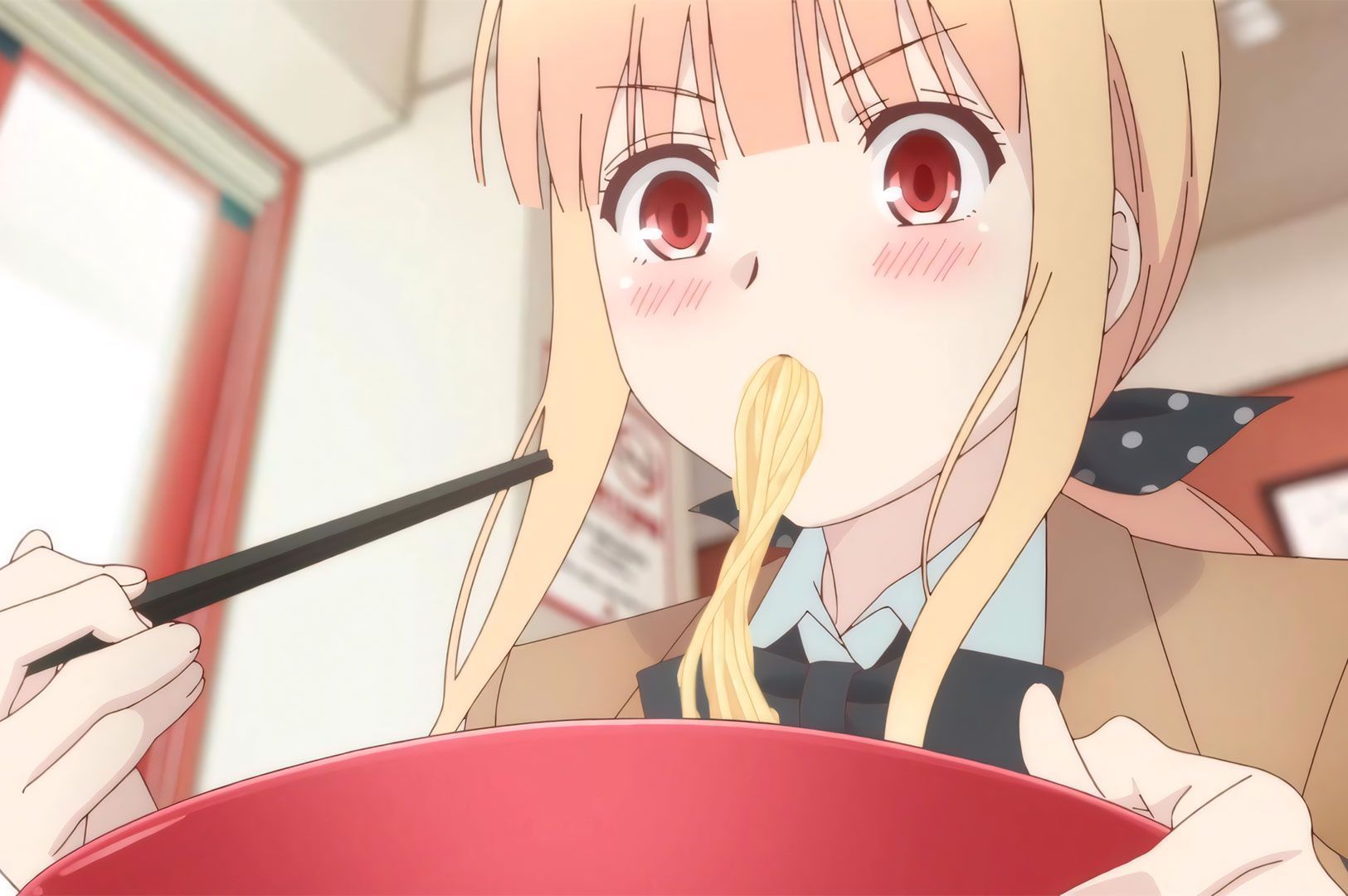
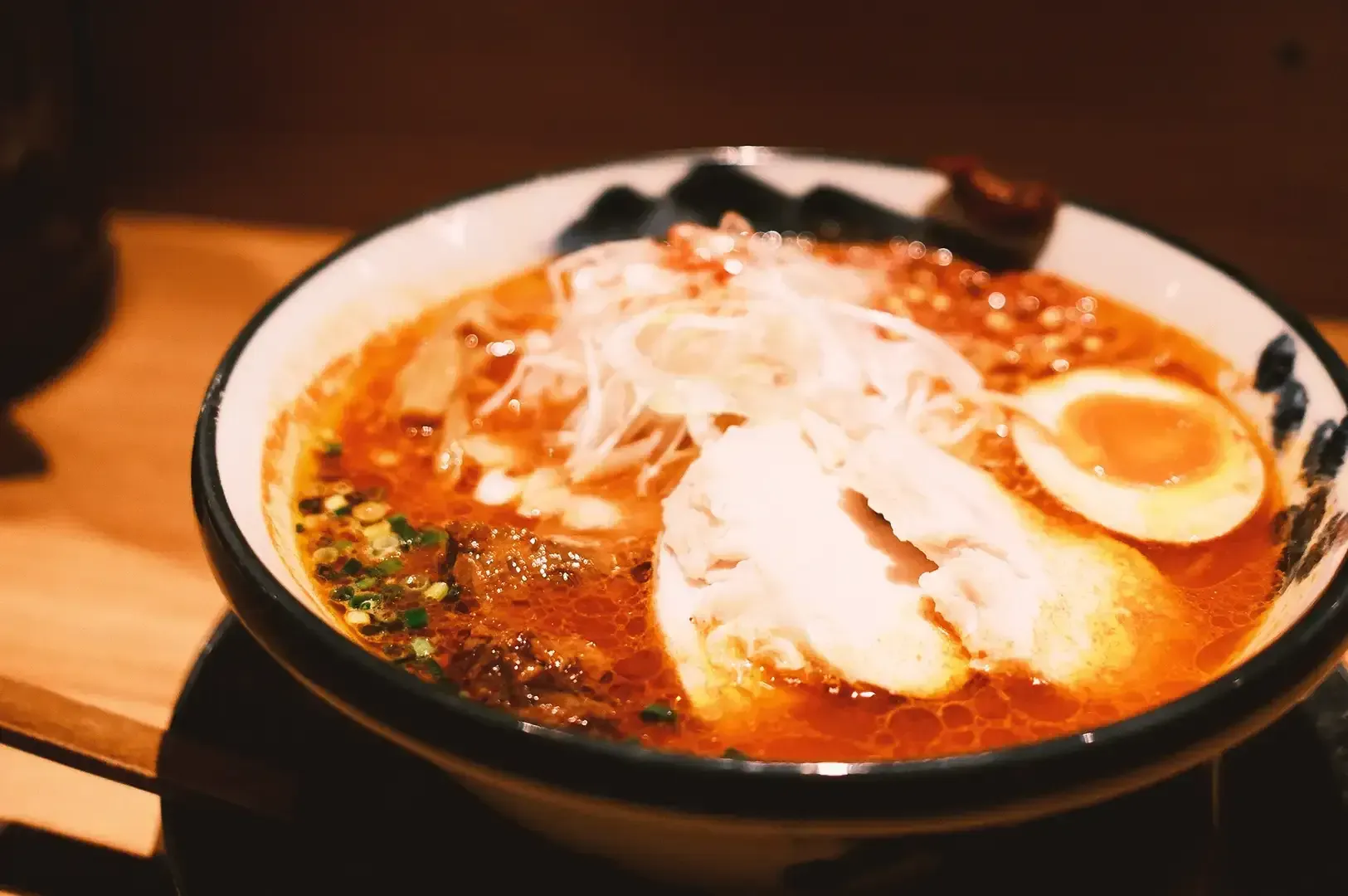
In anime, food often reveals a character’s true personality. A simple ramen order can express more than words ever could. Some characters prefer the classic soy sauce ramen, while others crave rich tonkotsu or spicy miso varieties. The way they slurp their noodles, share a bowl, or add a dash of sauce reflects their spirit and mood.
In Koizumi Loves Ramen Noodles (Rāmen Daisuki Koizumi-san), the protagonist Koizumi showcases an almost obsessive passion for ramen. Her deep appreciation for the craft from precise cooking techniques to regional flavors, makes her one of the most iconic anime characters who truly loves ramen. The series blends cute and cool aesthetics, highlighting ramen’s cultural charm and educating viewers on Japanese ramen culture, including styles like miso and tonkotsu, and the delicate balance of broth and salt.
Similarly,
Food Wars! (Shokugeki no Soma) elevates
Japanese cuisine to a dramatic
art form, portraying
ramen as both a comforting meal and a competitive culinary challenge. The featured
dishes, rich with
vegetables,
meat, and inventive flair, celebrate the creativity and tradition at the heart of
Japanese cooking.
Cultural Authenticity: Getting the Details Right
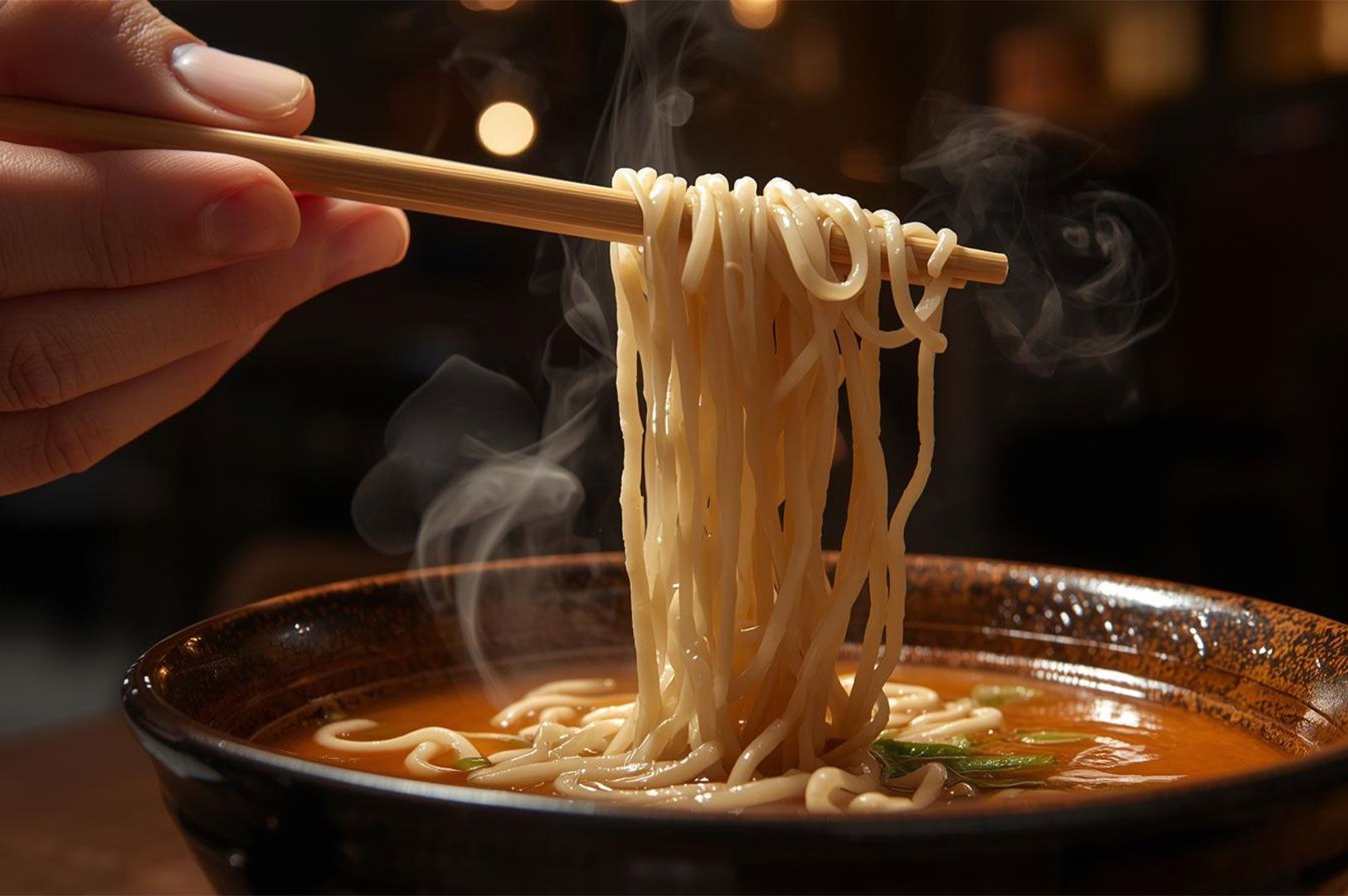
Anime’s depictions of ramen are so powerful because they feel real. Artists pay painstaking attention to detail, the steam, the shine of the noodles, the clatter of chopsticks, the sound of slurping. Whether it’s Koizumi’s love for the perfect ramen recipe or the cozy glow of a late-night restaurant, everything feels authentic.
This realism introduces foreigners to Japanese etiquette: lifting the bowl to drink the last of the broth, showing gratitude with an “arigatou gozaimasu”, and savoring the taste of the head chef’s craft. It’s a subtle lesson in Japanese traditions, teaching global audiences about Japan’s long history with food, including dishes like chanko nabe, white miso soup, and deep fried delicacies.
The attention to
small portions and
bite sized pieces in these meals reflects the refined approach of
fine dining in Japanese cuisine.
The "Ramen Effect": From Fiction to Reality
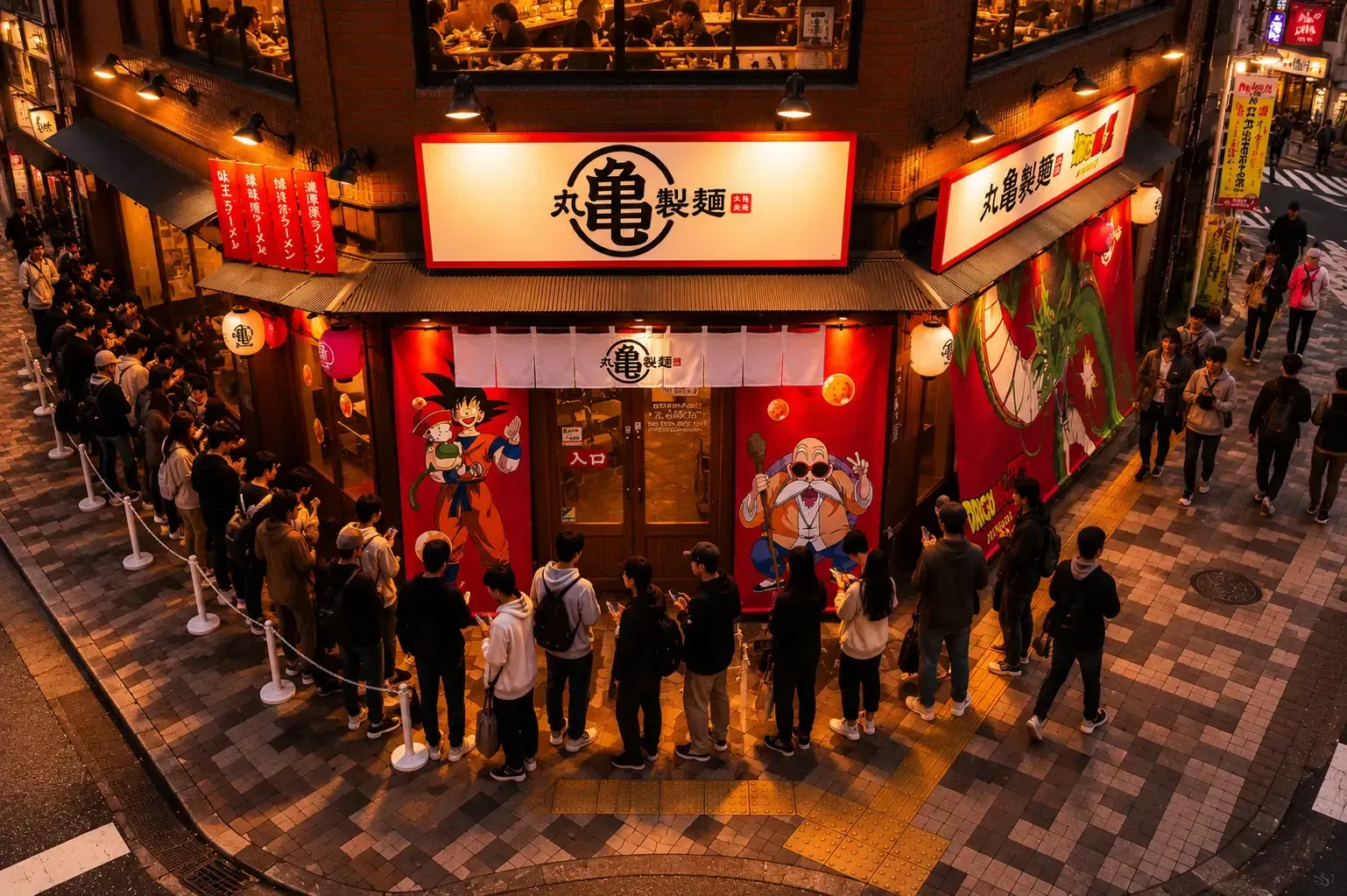
Thanks to anime, manga, and J-pop, ramen has become one of Japan’s most recognizable cultural exports. The “Ramen Effect” is visible everywhere.
- Ramen Tourism: Visitors travel to Japan to eat at real-life ramen shops that inspired their favorite anime. Cities like Tokyo and Fukuoka have become pilgrimage sites for ramen lovers.
- Global Popularity: Many restaurants abroad now serve Japanese-style ramen, blending traditions with local ingredients.
- Merchandising: From instant ramen collaborations with Sailor Moon to Ichiraku Ramen hoodies, ramen is now part of global popular culture.
- Cultural Blending: Ramen festivals feature Japanese songs, J-pop music, and street foods like sakura mochi, candy apples, and rice snacks, bringing Japanese delicacies to the world stage.
The Digital Age: Amplifying the Obsession
Streaming services like Netflix, Crunchyroll, and YouTube have made anime easily accessible across the world. Fans now share their favorite ramen scenes, recreate dishes from Food Wars, and post videos of eating ramen under cherry blossoms. A single GIF of Naruto slurping noodles can spark cravings across countries and cultures.
Ramen is no longer just a dish, it’s an experience, a reflection of culture, and a universal symbol of comfort. It connects people, whether through a screen or across a counter, one bowl at a time. For those curious about the iconic toppings featured in many anime ramen scenes, such as the beloved Naruto fish cake, check out this detailed guide on What Is Naruto Fish Cake Ramen.
Social media turned ramen into a global phenomenon, blending music, art, and food into one continuous celebration of Japanese culture. Alongside ramen, other dishes like raw fish and sushi have gained international fame through anime and Japanese pop culture. Iconic series such as Dragon Ball have also contributed to popularizing Japanese cuisine worldwide, often featuring characters enjoying traditional meals.
Moreover, the presence of sugar in many Japanese snacks and sweets, frequently showcased in anime, highlights the balance of flavors in Japanese culinary traditions. From the hearty bowls of ramen to the delicate sweetness of anko-filled mochi, anime captures the diversity of Japanese food culture.
By integrating these elements, the global fascination with ramen in anime continues to grow, encouraging culinary tourism and inspiring food lovers to explore authentic Japanese flavors and other dishes beyond ramen.
Conclusion: From a Drawing to a Delicious Reality
So, the next time you sit before a steaming bowl of ramen, think of the anime characters, songs, and stories that helped carry it across oceans. In every taste of broth and every slurp of noodles, you’ll find a piece of Japan, a country whose love of food, art, and tradition continues to inspire the world.
What better way to enjoy ramen from anime, than having a pair of combos in your bowl. Discover more
Curry rice and ramen combo
to satisfy your cravings even more.
Recent Posts