Language Guide for Ramen Tourists: Essential Japanese Phrases for Tourists When Ordering Ramen
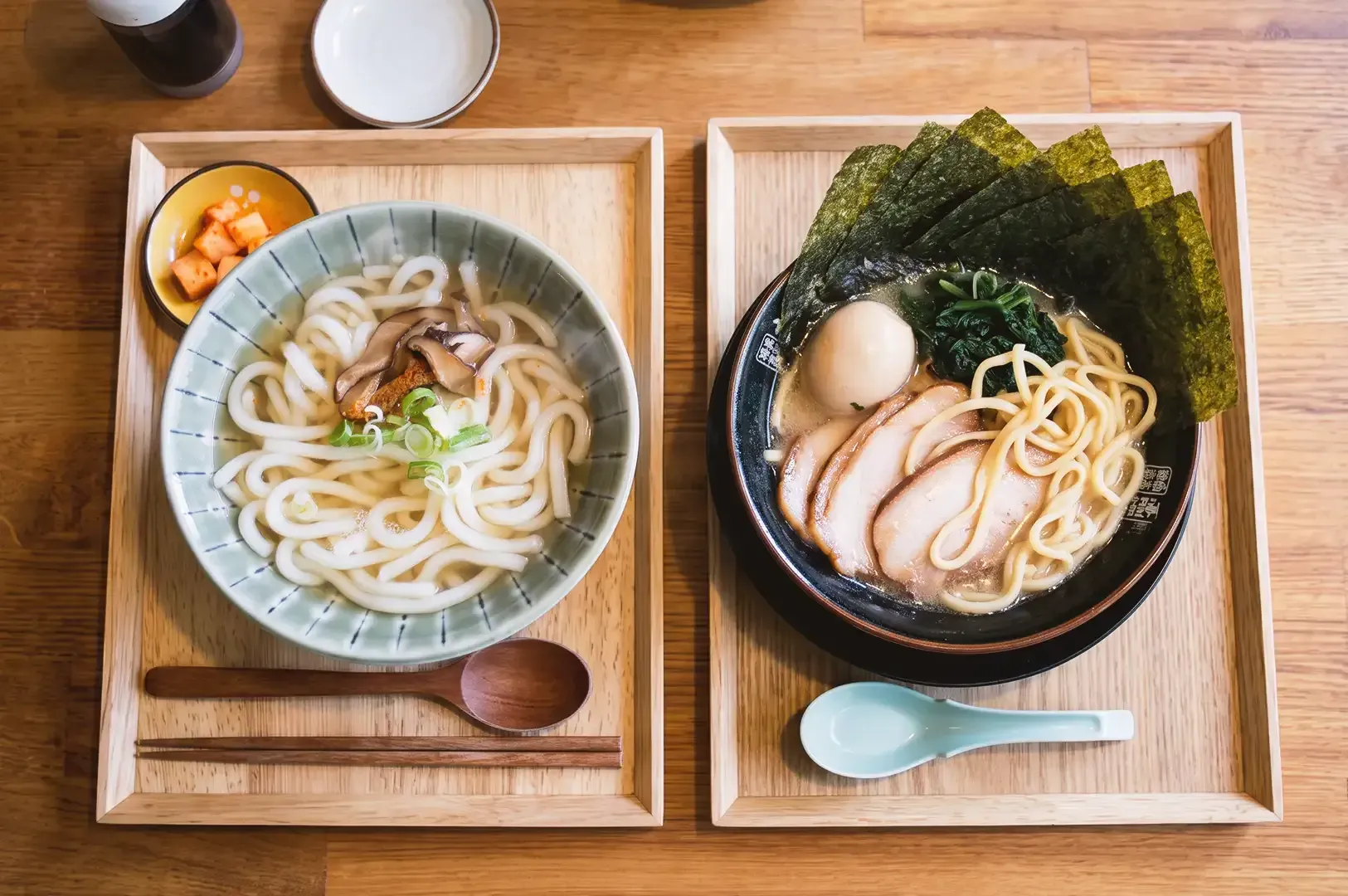
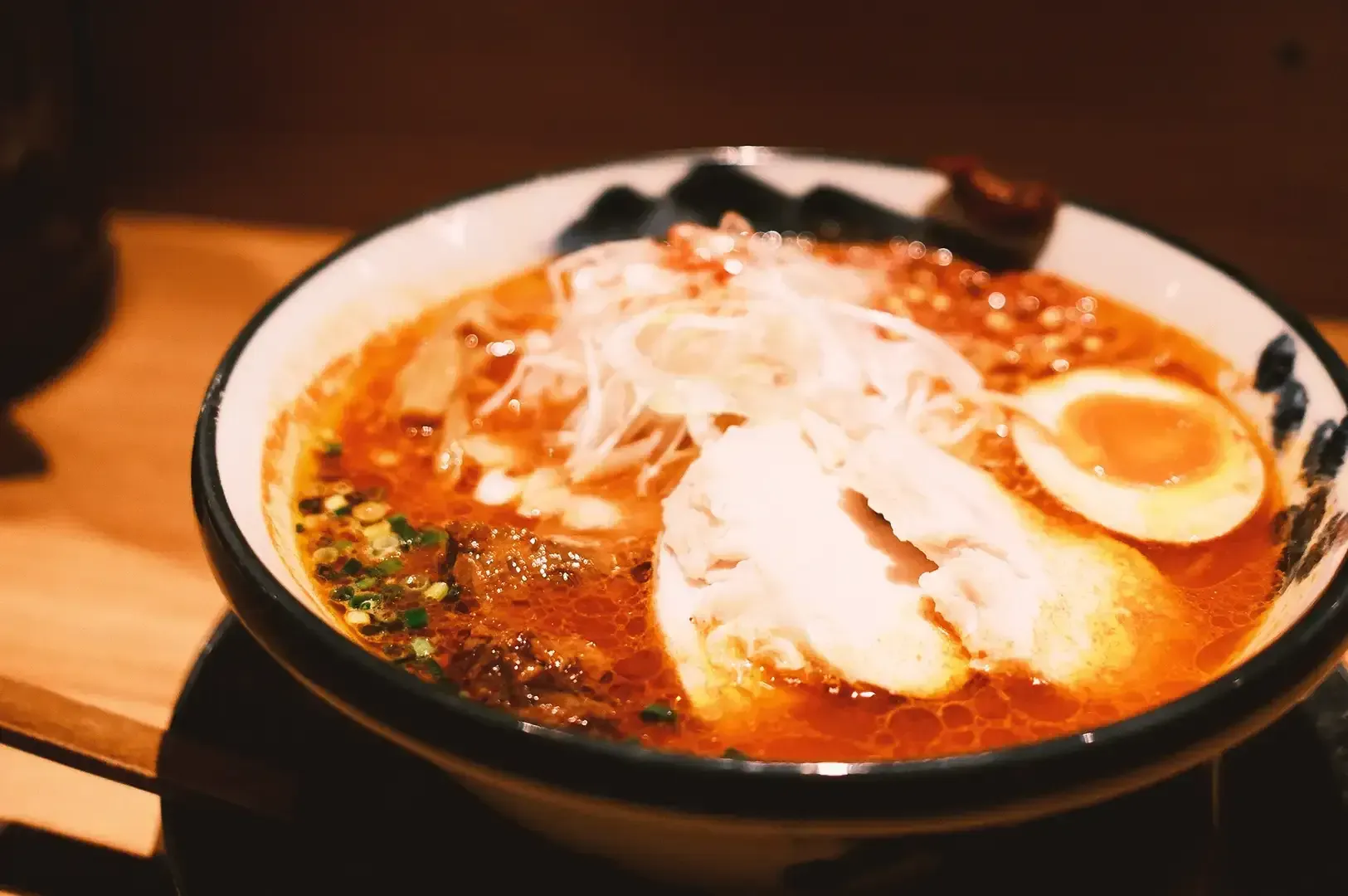
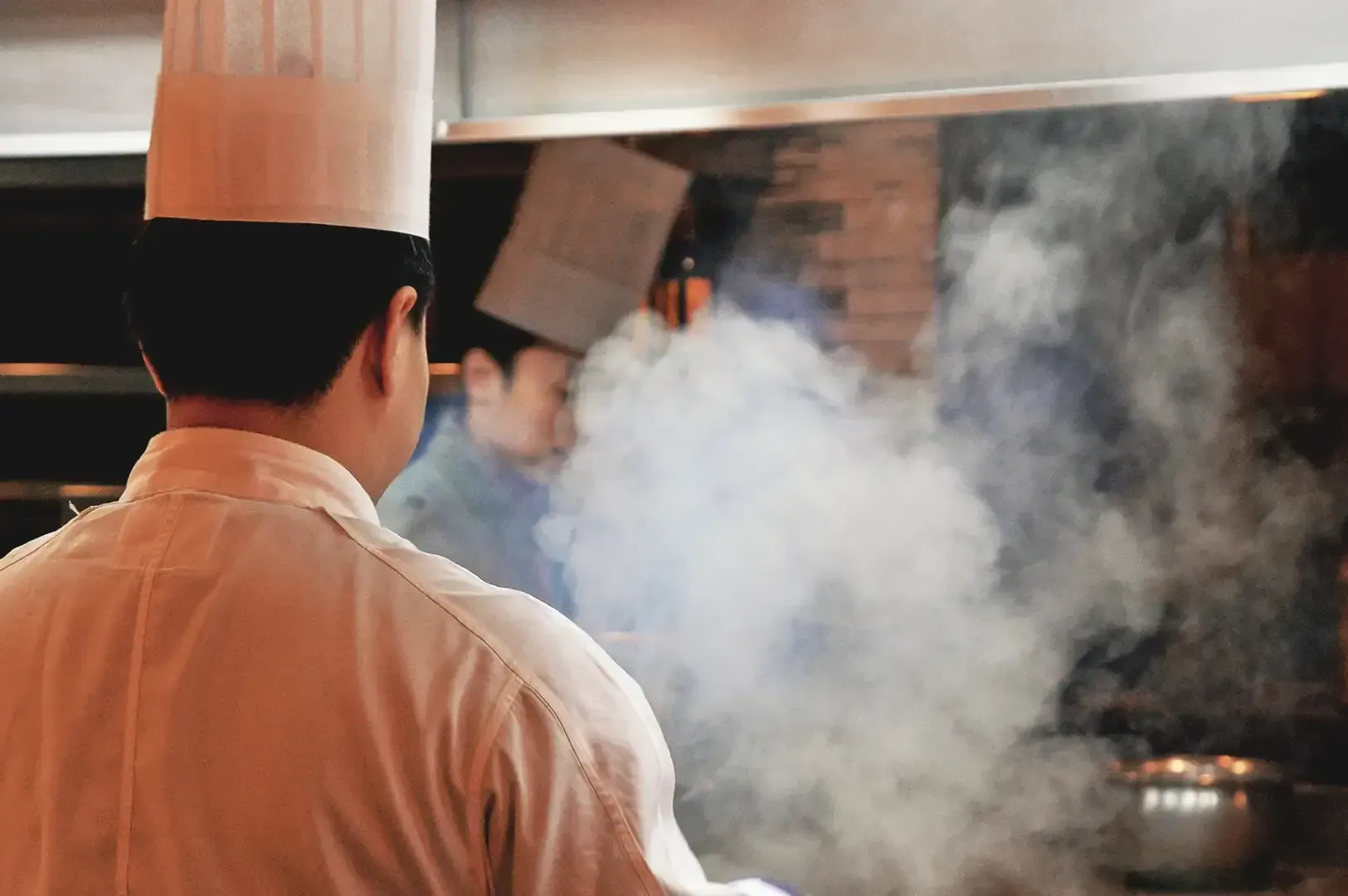
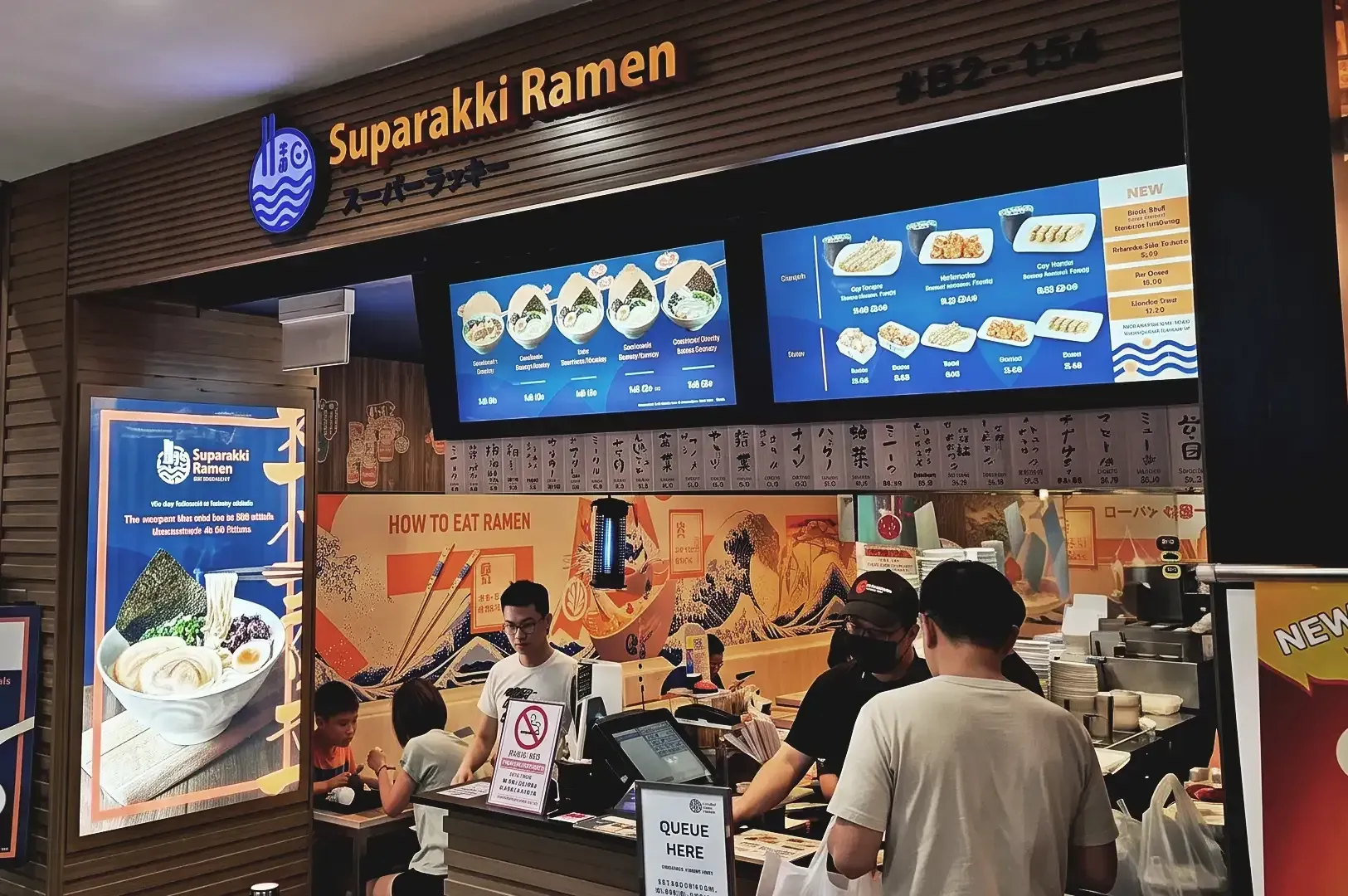
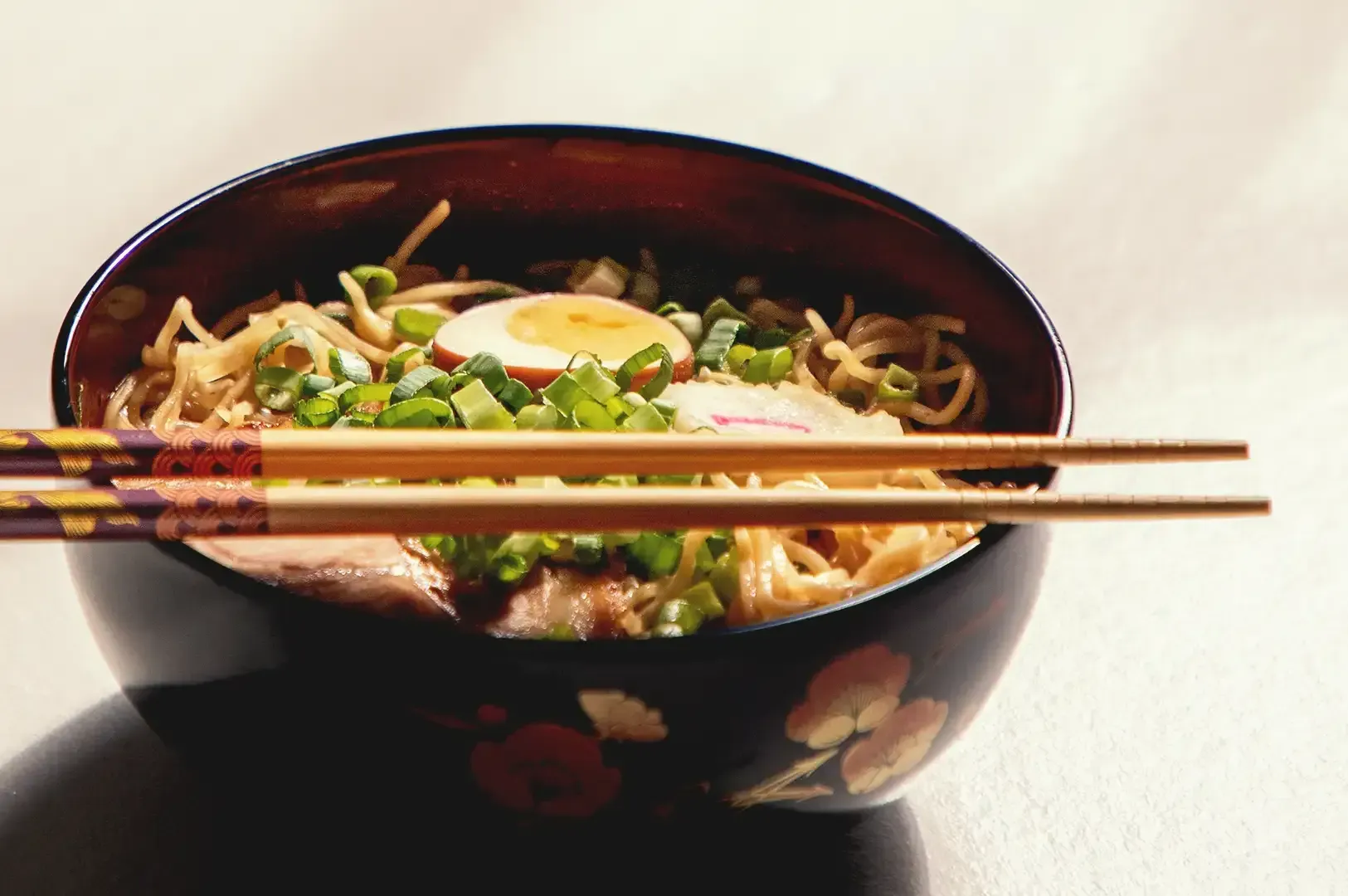
There’s a special kind of magic that happens when you step into an authentic ramen shop in Japan. The air is rich with the aroma of simmering pork broth, the chef moves with quiet precision, and the room fills with the melodic sound of noodles being slurped.
This guide is your insider’s toolkit to using
Japanese phrases for tourists — practical, polite, and designed for ramen lovers. We’ll explain the context and usage of key Japanese phrases so you can overcome language barriers with ease.
Introduction to Japanese Language — Your First Step to Ramen Adventure
Embarking on a ramen adventure in Japan is about more than just tasting delicious noodles—it’s about
immersing yourself in the local culture, and that starts with the Japanese language. Even if you only know a handful of basic Japanese phrases, such as
“konnichiwa” (hello),
“arigatou gozaimasu” (thank you), and
“sumimasen” (excuse me), you’ll find your travel experience becomes much richer. These simple words show
respect for the local language and make it easier to connect with Japanese people, whether you’re navigating busy train stations, exploring shopping areas, or stepping into cozy ramen restaurants.
Step 1: Entering the Shop — Greetings and Basic Japanese Phrases
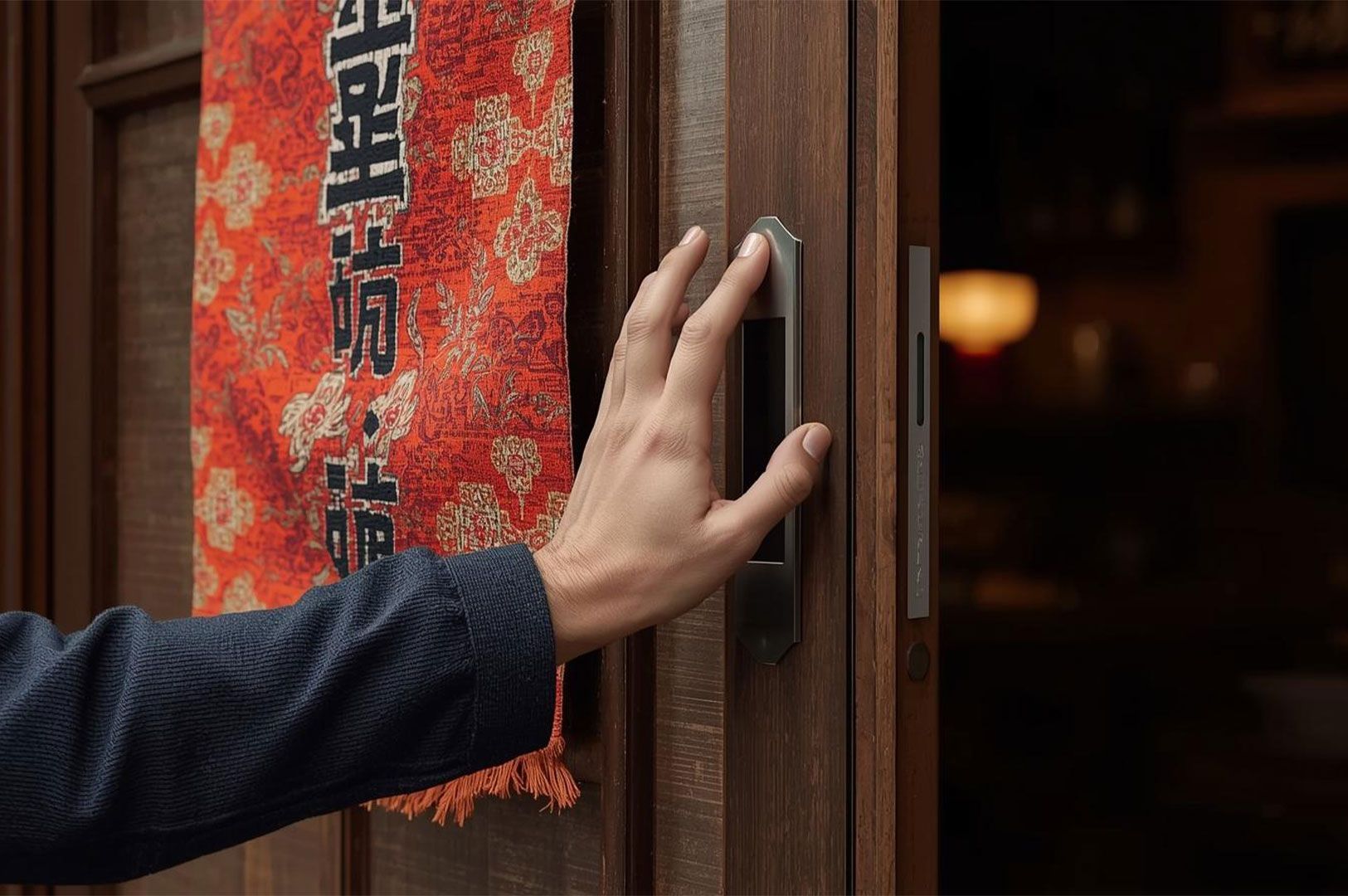
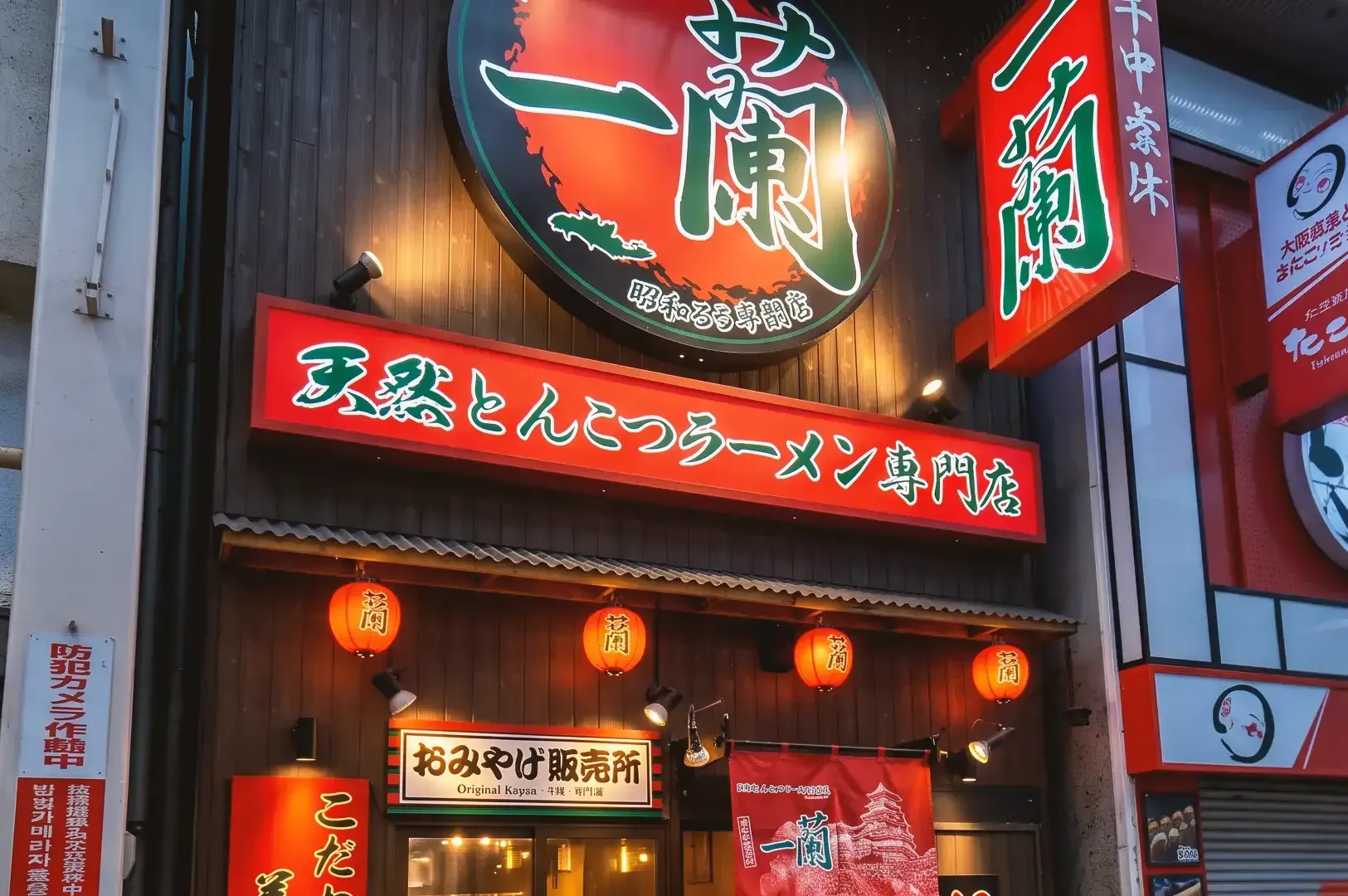
Your ramen journey begins as soon as you slide open the door or part the noren (fabric curtain).You’ll likely be greeted with a bright “Irasshaimase!” (ee-rah-shy-mah-seh), meaning “Welcome!” This is a common Japanese expression used by staff to warmly welcome customers.
Here’s how to answer in basic Japanese (be sure to pronounce each syllable clearly, as Japanese pronunciation is straightforward and helps you be understood):
- Hitori desu. (hee-toh-ree dess) – “One person.”
- Futari desu. (foo-tah-ree dess) – “Two people.”
- San-nin desu. (sahn-neen dess) – “Three people.”
These are among the most useful Japanese phrases and expressions for travelers — you’ll also hear them in other restaurants, cafés, or even when reserving tables.
Step 2: Ticket Machine or Counter Service — Learning the Japanese Language of Ramen Ordering
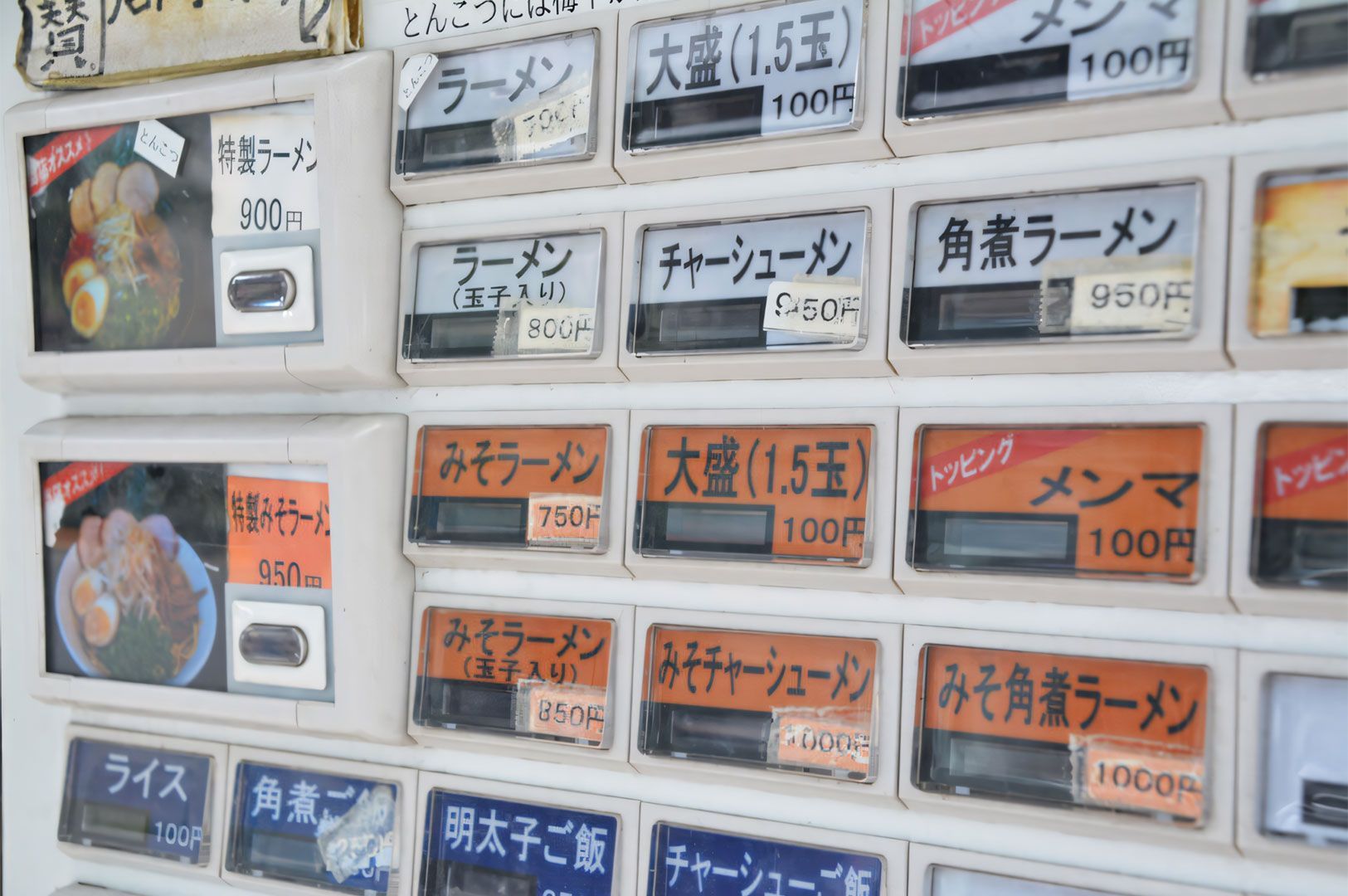
Most ramen shops in Japan fall into two categories:
- Ticket machine (kenbāiki) shops. The word 'kenbāiki' means 'ticket machine' in Japanese and is pronounced as 'ken-bye-kee', with each syllable clearly enunciated. Japanese words are made up of syllables, and understanding how to pronounce each syllable helps with correct pronunciation.
- Counter service shops.
Navigating the Ticket Machine
Many shops — especially near train stations like Shinjuku Station — use vending machines to simplify the process.
Look for these essential Japanese phrases for tourists written in the Japanese language characters to confidently order ramen and navigate menus near bustling train stations like Shinjuku Station in Tokyo:
- ラーメン (Rāmen): The iconic ramen dish, central to Japanese culture and cuisine.
- 塩 (Shio): Salt-flavored broth, known for its light and clear taste.
- 醤油 (Shōyu): Soy sauce broth, offering a savory and slightly tangy flavor.
- 味噌 (Miso): Rich miso broth made from fermented soybean paste, reflecting traditional Japanese flavors.
- 豚骨 (Tonkotsu): Creamy pork bone broth, famous for its deep umami, especially in Hakata-style ramen shops.
Integrating these Japanese phrases into your vocabulary is vital for learning Japanese and will significantly enhance your travel experience by enabling you to speak Japanese confidently. Phrases like “wa doko desu ka?” (where is …?), “namae wa [your name] desu” (my name is …), and “nanji desu ka?” (what time is it?) are key to engaging with the local language and immersing yourself in Japanese culture.
Mastering these terms improves your ability to order and interact within shopping areas, train stations, and authentic food spots across Japan, boosting your audience engagement and site experience.
Additionally, while exploring Japan and using digital platforms like YouTube or your computer, be mindful that personalized content and ads are delivered and maintained by services that use cookies and data to measure audience engagement and protect against spam fraud and abuse. You can manage these settings by visiting g.co privacytools, allowing you to control the quality of those services and how ads are influenced based on your viewing and your location.
By combining practical Japanese phrases for tourists with awareness of your digital experience, you not only enrich your cultural journey but also navigate the modern digital landscape seamlessly, ensuring a well-rounded and immersive visit to Japan.
Common toppings:
- 味玉 (Ajitama): Seasoned egg.
- チャーシュー (Chāshū): Braised pork.
- 海苔 (Nori): Seaweed.
- 替玉 (Kaedama): Extra noodles.
Simply insert your
cash, press the button for your chosen
dish, and hand your
ticket to the staff. Many machines now offer
English translations, but knowing the
basic Japanese names helps when they’re not available.
Step 3: Ordering Directly — How to Speak Japanese to the Chef
If there’s no machine, it’s your time to shine with your new Japanese phrases for tourists designed to help you navigate ordering ramen and immerse yourself in Japanese culture.
Getting the Staff’s Attention
To get the staff’s attention, say:
- “Sumimasen!” (sue-me-mah-sen) – “Excuse me.”
This essential phrase in the Japanese language is widely used by Japanese people to politely get attention, apologize, or request assistance, making it a key phrase for anyone learning Japanese or trying to speak Japanese in Japan.
Placing Your Order
Use this polite and practical phrase common throughout shopping areas, restaurants, and other service settings in Japan:
- [Item] o onegai shimasu (oh-neh-gai shee-mahss) – “[Item], please.”
For example: - “Shōyu rāmen o onegai shimasu.” – “Shoyu ramen, please.”
This phrase is especially useful near busy hubs like Shinjuku Station and train stations in Tokyo.
Overcoming Language Barriers
If you’re unsure about your pronunciation or face a language barrier, don’t hesitate to:
- Point to menu items or photos
- Use gestures to communicate effectively
This approach enhances your audience engagement and site experience by making your interactions smoother and more respectful of the local language.
Asking for Recommendations
Show genuine interest in the food and culture by using this polite phrase:
- “Osusume wa nan desu ka?” (oh-sue-sue-meh wah nahn dess kah) – “What do you recommend?”
This is one of the most useful Japanese phrases for tourists, fostering positive connections with restaurant staff.
Additional Handy Phrases
Knowing these phrases can further enrich your travel experience in Japan by helping you navigate shopping areas, train stations, and daily interactions:
- “Namae wa [your name] desu” – “My name is [your name].”
- “[Place] wa doko desu ka?” – “Where is [place]?”
- “Nanji desu ka?” – “What time is it?”
Digital Experience Awareness
While enjoying your time in Japan, you may also encounter personalized content and ads on platforms like YouTube or when using your computer or mobile device. These tailored ads based on your viewing and your location help:
- Deliver and maintain Google services
- Use cookies for these additional purposes such as engagement and site statistics
- Protect against spam fraud and abuse
Understanding how these services are used and managing your privacy settings (visit g.co privacytools) can help you control the quality of those services and the ads based on past activity you see.
Enhancing Your Visit
By combining practical Japanese phrases with awareness of your digital experience, you can fully enhance your visit to Japan, whether navigating shopping areas, asking for directions, or enjoying authentic ramen. This holistic approach to studying Japanese and cultural immersion will help you better understand how our services and the local language work together to create a richer travel experience.
Showing Appreciation
Remember to say:
- “Arigatou gozaimasu” (thank you very much)
This simple word goes a long way in Japanese culture and leaves a positive impression on the people you meet during your journey.
Step 4: Customizing Your Bowl — Mastering the Basic Japanese Phrases for Flavor
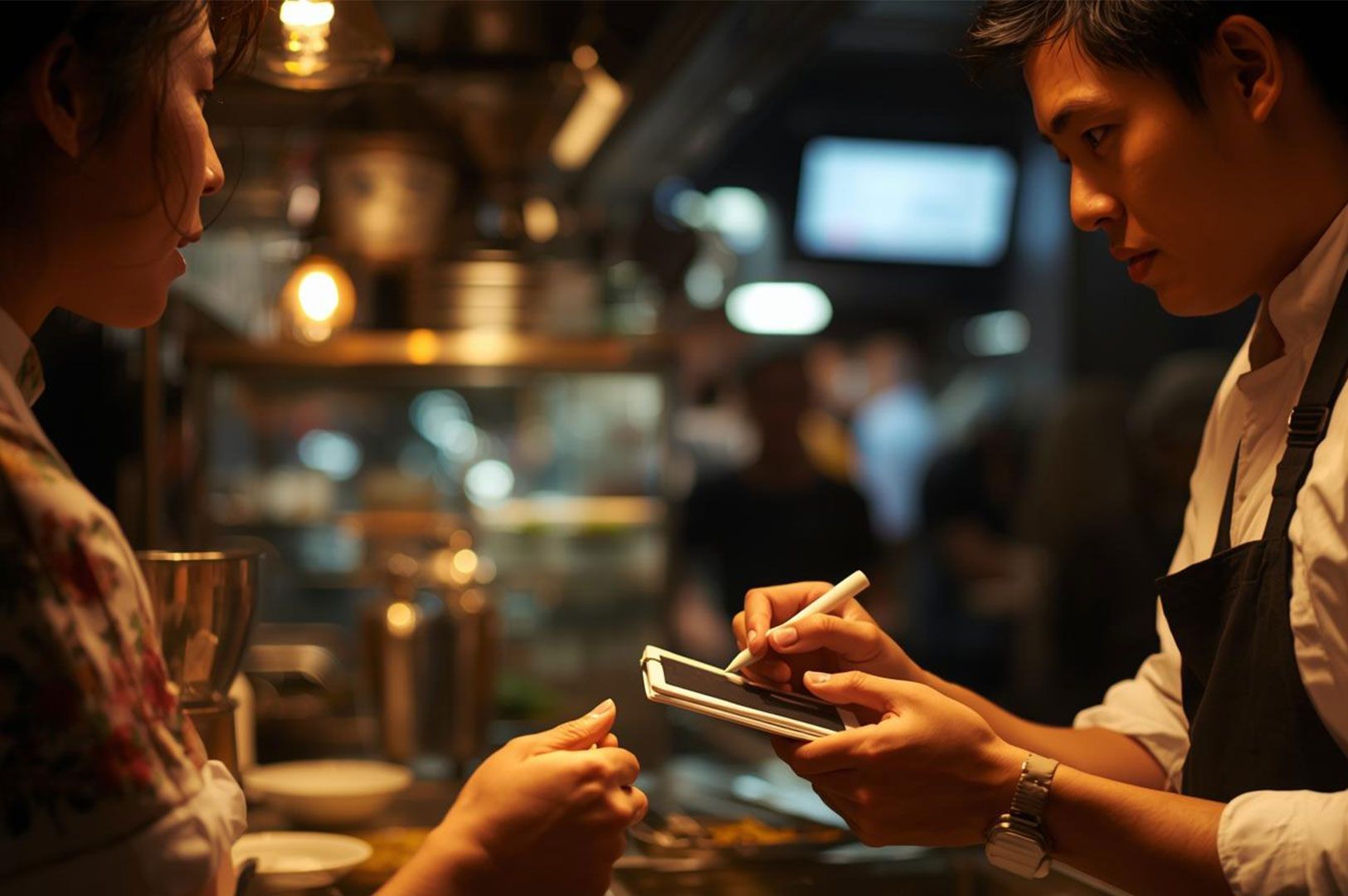
Many ramen-ya let you personalize your noodles, broth, and even choose your favorite topping to enhance your ramen experience. This is when you might hear: “Men no katasa wa?” – “How firm would you like your noodles?”
Options:
- Barikata: Extra firm.
- Katame: Firm.
- Futsū: Normal.
- Yawarakame: Soft.
Some customization options may have Japanese words that sound similar, so listen carefully to avoid confusion.
Then, you might hear: “Aji no kosa wa?” – “How strong do you want the flavor?” and “Abura no ryō wa?” – “How much oil?”
Choose from Koime (stronger), Usui (lighter), or Futsū (normal).
If you forget the words, just say “Futsū de onegai shimasu” (“Normal, please”). It’s a phrase every ramen lover should memorize to customize their bowl perfectly.
Understanding and using these phrases not only helps you enjoy your meal exactly how you like it but also deepens your connection with the Japanese culture and local language. This personalized experience is part of what makes dining at ramen shops in Japan so unique and memorable.
By mastering these basic Japanese phrases for customization, you enhance your ability to communicate in shopping areas, train stations, and other food venues, contributing to a richer travel experience.
These ads are influenced by things like your activity, videos you watch, and your location, showing personalized ads depending on your settings. You can manage your privacy and ad preferences by visiting g.co privacytools. This understanding helps you continue to YouTube and other sites with confidence, knowing how your data is used to tailor your experience and enhance the quality of services.
Remember, embracing the local language, even in simple ways like customizing your ramen, shows respect and appreciation for the culture, making your visit all the more rewarding.
Step 5: Kaedama and Extra Noodles — The Joy of Saying “More!”
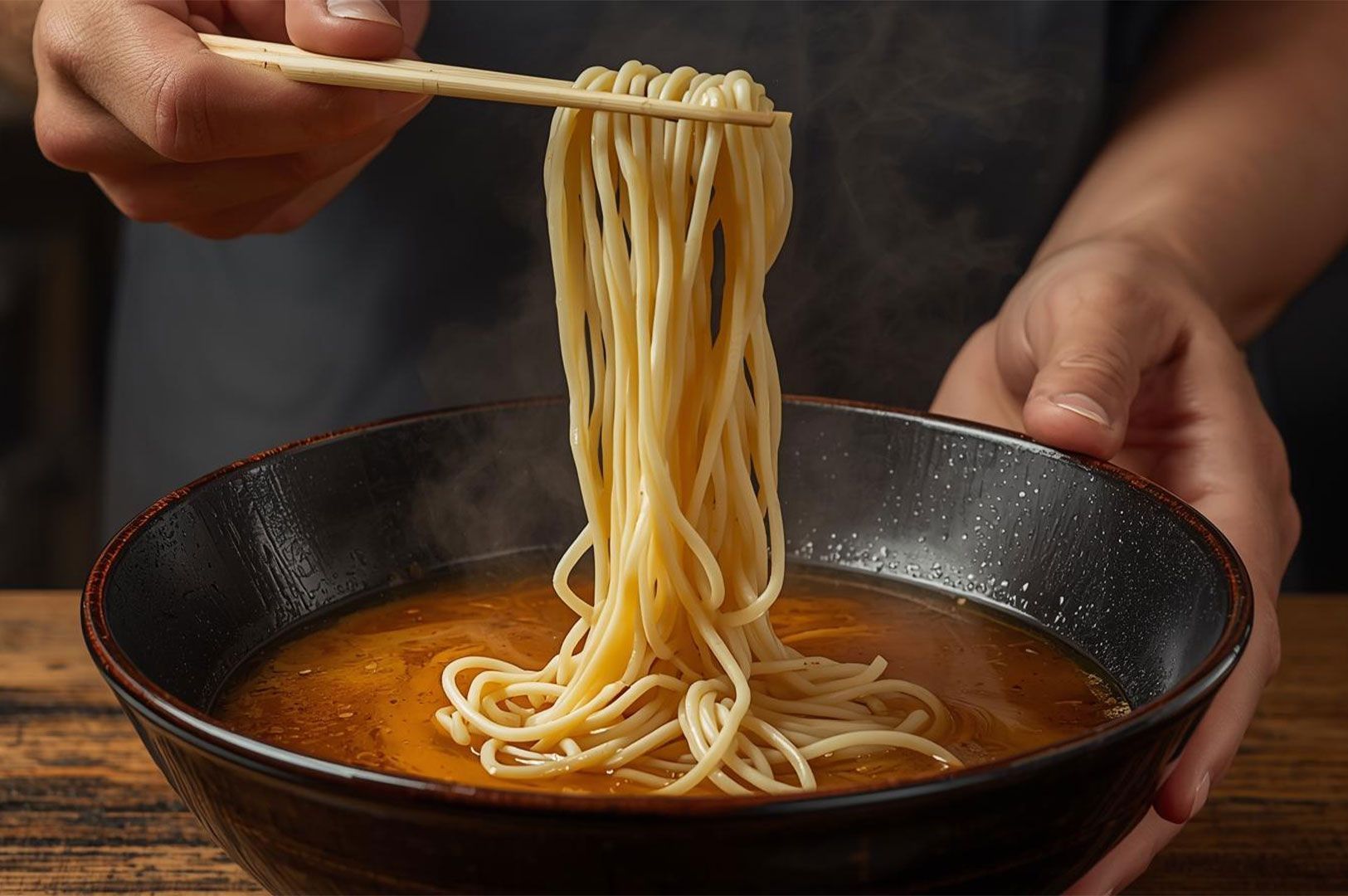
If you’re down to your last few noodles but still have broth, order kaedama — an extra serving of noodles.
Say:
“Kaedama, onegai shimasu!” – “Extra noodles, please!”
This
phrase is unique to ramen culture, especially in Hakata-style
tonkotsu shops. It’s one of those special moments that makes Japanese dining so interactive and fun.
Step 6: Dining Etiquette — Showing Gratitude Beyond Arigatou Gozaimasu

Dining in Japan is about respect and appreciation. Here’s how to show it:
✅ Slurp your noodles! In Japanese culture, slurping is polite — it cools noodles and shows you’re enjoying the flavor.
✅ Don’t linger. Ramen is a quick, hot dish — enjoy it while it’s at its best.
✅ Say “Itadakimasu!” before eating. It’s one of the most beautiful Japanese phrases, meaning “I humbly receive.” This is said before you eat, similar to the French “bon appétit.”
✅ Say “Gochisōsama deshita!” after finishing. It’s the proper way to thank the chef for the meal — just like saying “Arigatou gozaimasu” (“Thank you very much!”).
Rice is a staple in Japanese meals and holds deep cultural significance, often served with most dishes and central to traditional eating etiquette.
Pro tip: If you’re at an izakaya (a Japanese pub serving alcoholic beverages like beer or sake), you’ll hear people cheer with “Kanpai!” – the Japanese way to say “Cheers!” Drinking etiquette is important in Japan, such as pouring drinks for others and waiting for everyone to be served before making a toast. When ordering drinks, specify the number by saying, for example, “biiru ni-hai” (two beers), using counters like “-hai” for cups or glasses.
Complimentary (free) items like water or small side dishes (otoshi) are often provided in Japanese dining, adding extra value to your meal.
Step 7: Paying and Leaving — Practice Your Basic Japanese Language Skills
If your ramen shop didn’t use a vending machine, go to the register when you’re done and say:
“Okaikei, onegai shimasu.” – “The bill, please.”
Pay in cash (most ramen-ya still prefer it). Before leaving, a warm “Arigatou gozaimasu!” is always appreciated — a small word that carries big meaning.
Getting There: Transportation Phrases for Ramen Seekers
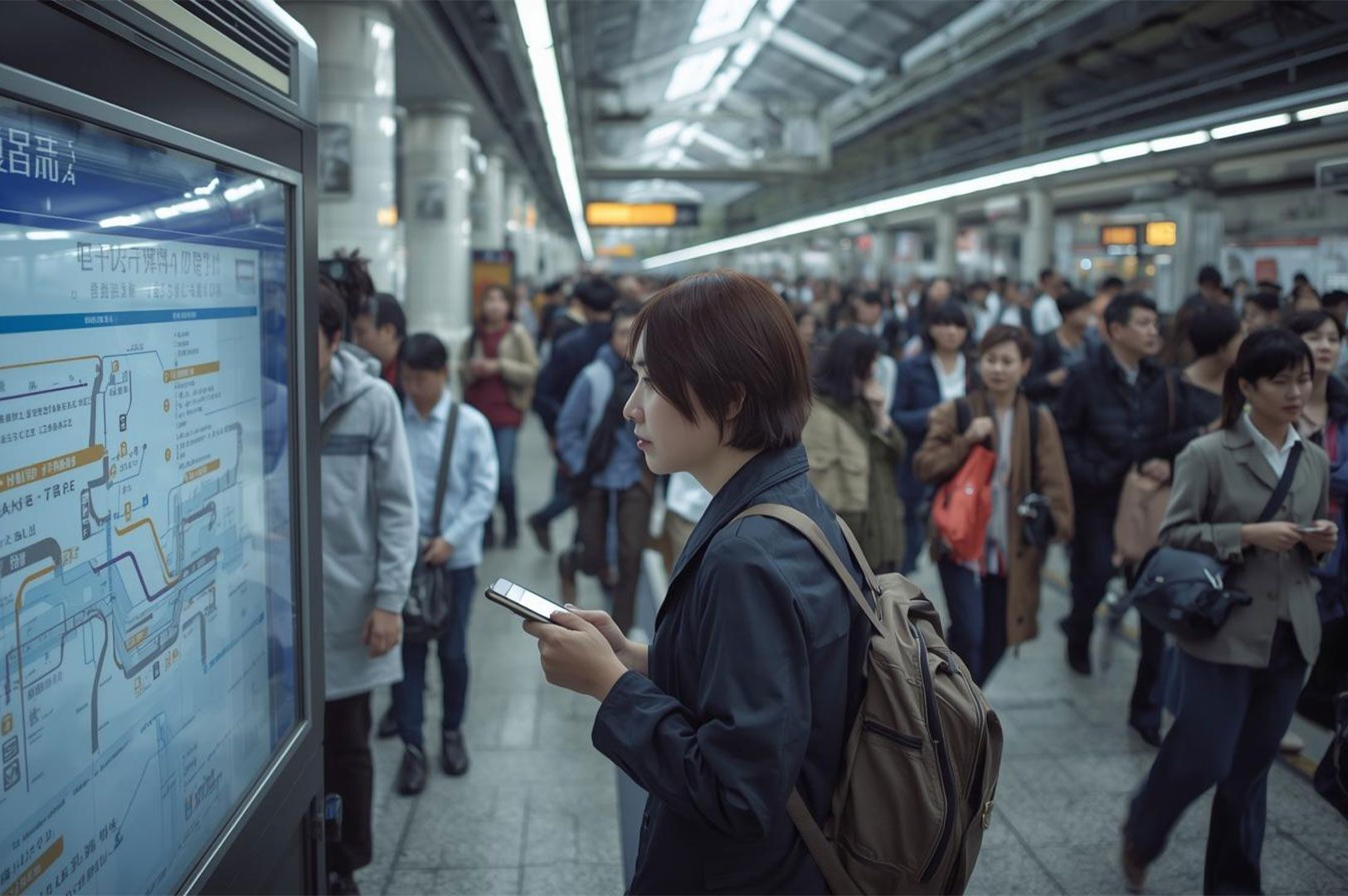
Before you can enjoy a steaming bowl of ramen, you’ll need to navigate Japan’s impressive train system. Major train stations like Shinjuku Station in Tokyo can be bustling and confusing, especially for first-time visitors. That’s where a few essential Japanese phrases come in handy. If you want to tell someone your destination, try saying “ni ikitai” (I want to go to…) followed by the place name. When buying a ticket, “ikura desuka?” (how much is it?) is a must-know phrase for checking prices.
If you’re unsure where to go, don’t be shy about asking
“wa doko desu ka?” (where is…?)—for example,
“Shinjuku Station wa doko desu ka?” Locals are generally helpful and will do their best to point you in the right direction. Japan’s train network is extensive, so having these phrases ready can make your journey much smoother. It’s also a good idea to download a
translation app or keep a
phrasebookhandy for more complex situations.
Step 8: Your Namae wa, Wa Doko Desu Ka, and Nanji Desu Ka Cheat Sheet
Here are other handy basic Japanese phrases that make travel easier — from shopping to navigating train stations:
- Namae wa [your name] desu. – “My name is [your name].”
- [Place] wa doko desu ka? – “Where is [place]?”
- Example: “Shinjuku Station wa doko desu ka?” – “Where is Shinjuku Station?”
- Ikura desu ka? – “How much is it?” (useful while shopping).
These are simple,
helpful phrases that every traveler can
memorize — even if you’re just beginning to
study Japanese or following a
video guide to practice pronunciation.
Step 9: Putting It All Together — A Traveler’s Japanese Phrases Table
| Situation | Phrase (Japanese) | Pronunciation | Meaning |
|---|---|---|---|
| Entering | Hitori/Futari desu | hee-toh-ree / foo-tah-ree dess | anne.evans@mail.com |
| Getting Attention | Sumimasen! | sue-me-mah-sen | “Excuse me.” |
| Ordering | [Item] o onegai shimasu | oh-neh-guy she-mass | “[Item], please.” |
| Asking Recommendation | Osusume wa nan desu ka? | oh-sue-sue-meh wah nahn dess kah | “What do you recommend?” |
| Customizing | Katame/Futsū de onegai shimasu | kah-tah-meh / foot-soo deh… | “Firm/Normal, please.” |
| Extra Noodles | Kaedama, onegai shimasu! | kai-eh-dah-mah, oh-neh-guy she-mass | “Extra noodles, please!” |
| Before Eating | Itadakimasu! | ee-tah-dah-kee-mass | “I humbly receive.” |
| After Eating | Gochisōsama deshita! | go-chee-so-sah-mah desh-tah | “Thank you for the meal!” |
Note: The Japanese words above are pronounced as shown in the Pronunciation column. Pay special attention to "Sumimasen" (pronounced sue-me-mah-sen) and "Itadakimasu" (pronounced ee-tah-dah-kee-mass), as the "u" at the end is often very soft or almost silent in natural speech.
Step 10: Conclusion — Go Forth, Speak Japanese, and Slurp Proudly
Ordering ramen is more than just eating — it’s a gateway into Japanese culture, connection, and warmth. Don’t fear mistakes. Even if your pronunciation isn’t perfect, your effort to speak Japanese is what counts.
So next time you walk into a ramen shop in Japan, take a deep breath, remember your basic Japanese phrases, and enjoy every bite of your perfectly cooked noodles.
Your journey through Japanese cuisine starts with one simple phrase — and one unforgettable bowl.
Click here to explore more Global Ramen Expedition.
Recent Posts