Ramen Tare Recipe: The Fundamentals of the Concentrated Flavor Base
Imagine sitting down to two bowls of ramen. Both have the same rich pork broth, the same perfectly chewy noodles, and the same tender slices of chashu meat. Yet one tastes light, oceanic, and elegant like a Shio ramen, while the other is dark, complex, and deeply savory—a perfect Shoyu ramen. How can they be so different when their foundation is identical?
The answer lies in a single, crucial component of Japanese cuisine: the tare sauce.
If the soup base is the soul of ramen, the
tare is its personality. Tare is a combination of carefully selected ingredients that work together to create a harmonious and layered flavor profile. This concentrated seasoning liquid defines the
flavor of the bowl and transforms a simple
broth into a deeply satisfying culinary experience. While diners marvel at the creamy soup or springy noodles, the
tare quietly works its magic from the bottom of the
bowl, providing saltiness,
umami, and harmony—the true essence of
Japanese cooking.
What Exactly Is Tare Sauce in Japanese Cuisine?
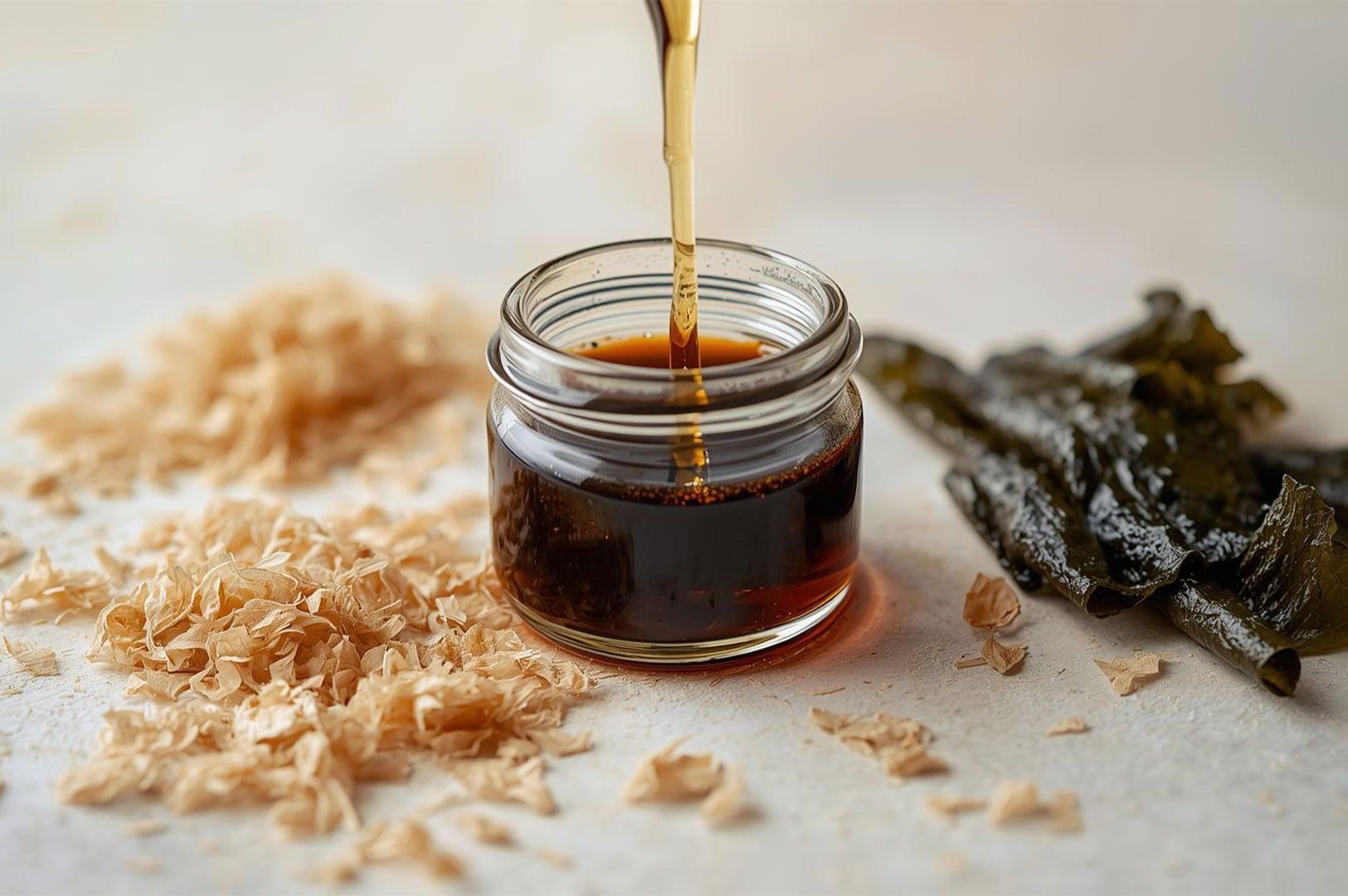
In Japanese cuisine, the word tare (literally “dipping sauce”) refers to a concentrated liquid seasoning used in many dishes—from grilled meats and sushi to ramen and sashimi. There are countless tare recipes, each with its own unique blend of ingredients and flavors, which help define the character of different ramen bowls. In the context of ramen, the tare sauce is placed in the empty bowl first, before the steaming broth is poured in.
A small amount—usually one or two ounces—is enough to season the entire
soup. The
tare provides
saltiness,
sweetness, and layers of
umami from
soy sauce,
mirin, and
bonito flakes, among other
ingredients. Without it, even the richest
ramen broth tastes flat and unbalanced.
A Brief History: From Dipping Sauces to Ramen’s Heart
aThe roots of tare run deep in Japanese cooking. Classic dipping sauces for tempura, yakitori, or grilled eel (eel sauce) all stem from the same principle—creating depth of flavor through a concentrated base. These sauces combine soy, sugar, sake, vinegar, and dashi, highlighting the delicate balance of salty, sweet, and sour tastes. These flavor-packed sauces elevated the eating experience, especially during periods in Japanese history when meat consumption was restricted.
When Chinese noodle soups arrived in Japan in the late 19th century, Japanese chefs began adapting them to local tastes. By using these rich, umami-packed sauces as the soup base, they gave birth to what we now call ramen tare—the liquid that defines every regional ramen style across Japan.
The Three Pillars of Ramen Tare: Shio, Shoyu, and Miso
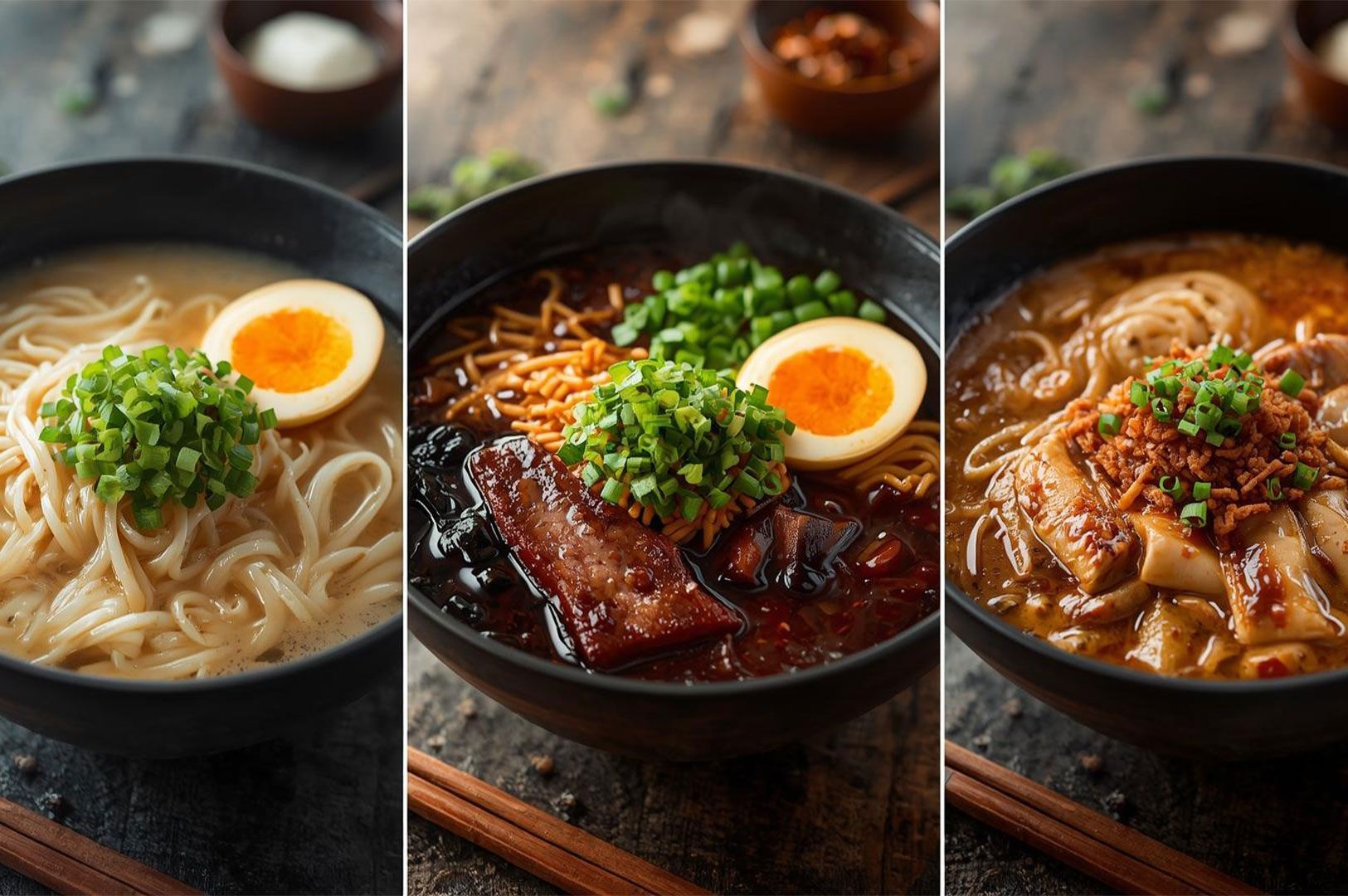
Most bowls of ramen are categorized by the type of tare sauce used. Each style is defined by unique combinations of ingredients, resulting in the diverse and complex flavors found in ramen across Japan. The three primary styles—Shio, Shoyu, and Miso—each shape the bowl’s flavor and character.
1. Shio Tare – The Salt-Forward Side of Japanese Cuisine
Shio tare, the oldest and simplest type, uses salt as its core seasoning.
- Key Ingredients: Sea salt, kombu (kelp), katsuobushi (bonito flakes), mirin, and sake
- Characteristics: Creates a light, clear broth (chintan) with a delicate, bright flavor.
- Flavor Profile: Salty yet balanced, enhanced by subtle oceanic umami from sea ingredients.
Though simple, a great Shio tare reflects precision and restraint—its mild sweetness and depth come from carefully layered dashi components rather than overpowering salt.
2. Shoyu Tare – The Depth of Soy Sauce in Ramen
From the Tokyo-style Shoyu ramen to regional variations seasoned with tamari or fermented ingredients, this type of tare is versatile and beloved across Japanese restaurants. The soy sauce provides structure and depth, while other ingredients contribute brightness and aroma. Other flavors, such as subtle spices or citrus, can also be incorporated to further enhance and balance the overall taste of the tare.
3. Miso Tare – Fermented Flavor Beyond Tare Sauce
Born in Hokkaido, Miso tare is hearty, nutty, and full-bodied, perfect for cold climates and rich broths.
- Key Ingredients: Fermented soybean paste (miso), sake, mirin, sesame oil, garlic, ginger, dried shiitake mushrooms, and sometimes lemon for balance
- Characteristics: Adds body and creaminess, resulting in a thicker soup base.
- Flavor Profile: Sweet, salty, and savory, with earthy umami and subtle acidity.
Miso tare stands apart because it doesn’t just season—it transforms the entire texture and taste of the
ramen, creating bowls that are rich, warming, and deeply satisfying.
The Role of Dashi: Building Umami Depth in Tare
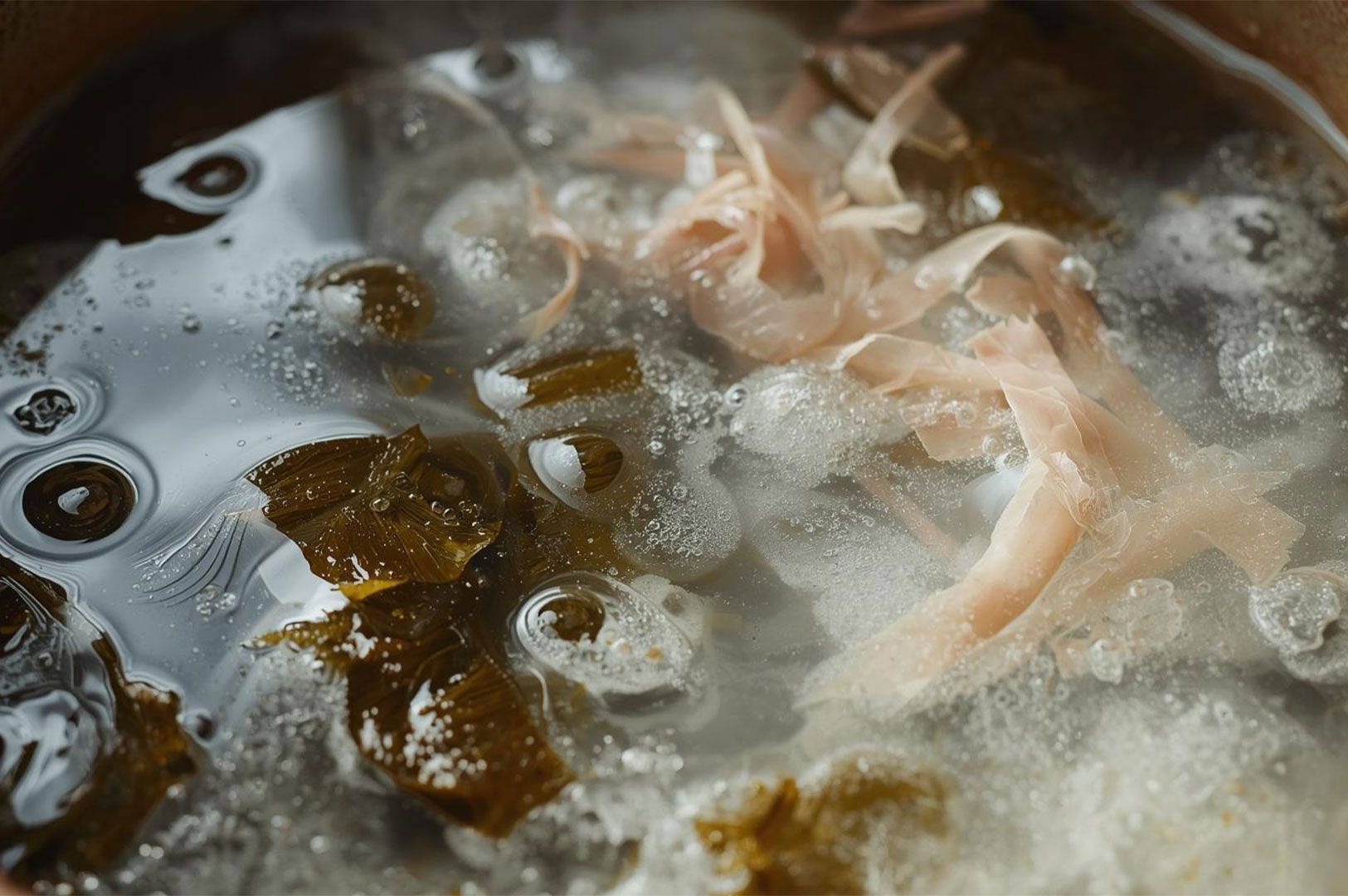
Dashi is the unsung hero behind the deep, savory notes that define so many Japanese dishes, and its role in tare is nothing short of essential. In Japanese cuisine, dashi acts as a
soup base that infuses tare with layers of umami—the elusive fifth taste that brings a sense of completeness to food. Crafted by gently
simmering kombu (kelp) and
bonito flakes in water, dashi extracts the very essence of these ingredients, resulting in a broth that is both delicate and profoundly flavorful.
Regional Variations: How Tare Differs Across Japan
Traveling across Japan, you’ll discover that tare is as diverse as the regions themselves, each area putting its own spin on this essential sauce. In the colder northern regions, tare often leans toward a richer, more robust profile, with generous amounts of soy sauce and sake to create a warming, hearty flavor that stands up to the chill. Here, the tare might be darker and more intense, perfectly complementing thicker broths and heartier ramen styles.
In contrast,
southern Japan favors a lighter approach, with tare that highlights the clarity and subtlety of the broth. These versions may use less soy sauce and more delicate seasonings, allowing the natural flavors of the soup base to shine through.
Quality Ingredients: The Foundation of Exceptional Tare
The secret to truly exceptional tare lies in the quality of its ingredients. In Japanese cooking, every component—from the soy sauce to the dashi—plays a crucial role in shaping the final taste. Choosing a premium soy sauce, whether it’s a robust tamari or a lighter usukuchi, can dramatically influence the depth and character of your tare. Mirin, with its gentle sweetness, and sake, which adds complexity, should be selected with care to ensure a harmonious balance.
Incorporating fermented soybean paste (miso) or a splash of rice vinegar can introduce new layers of flavor, from earthy umami to a subtle acidity that brightens the sauce. The dashi itself, made from
high-quality kombu and
bonito flakes, forms the backbone of the tare, infusing it with savory richness and depth.
How Tare Interacts with Broth, Noodles, and Other Elements
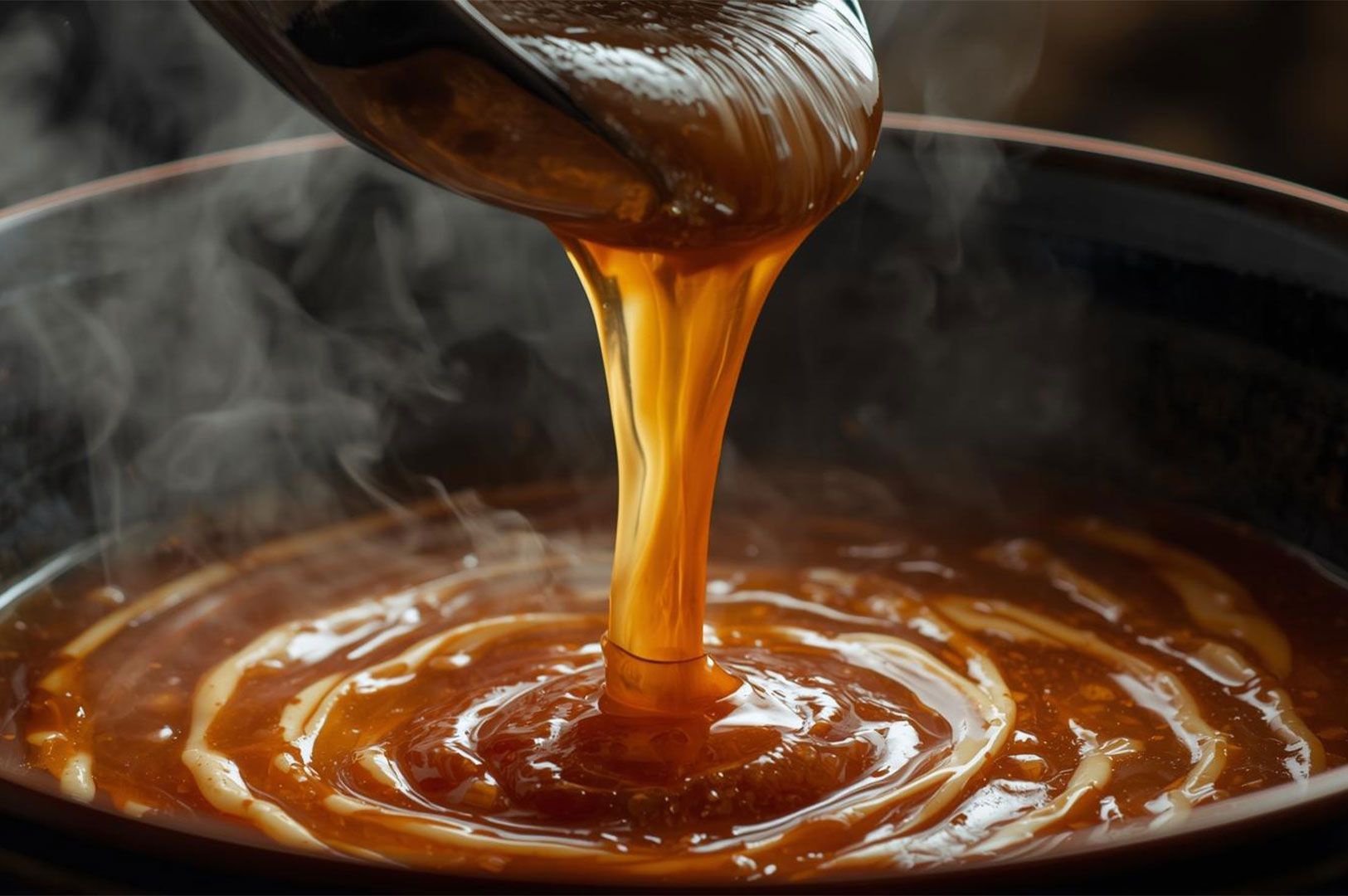
Every bowl of ramen is an intricate balance of five elements: broth, tare, noodles, aroma oil, and toppings.
- Broth: The hot soup blends with the tare sauce, creating the final flavor. The ratio must be perfect—too much saltiness or sweetness can overpower the base.
- Noodles: The tare ensures every strand is evenly seasoned as it lifts the broth from the bowl.
- Aroma Oil: Works alongside tare, providing the first burst of scent and enhancing taste perception.
- Toppings: From marinated meat to seaweed, each element absorbs the flavor environment created by the tare. Marinades made from tare or similar sauces are often used to flavor and tenderize meats before they are added as toppings, and glazes created from tare can be brushed onto ingredients during grilling to add a glossy, flavorful finish.
This harmony reflects the artistry of
Japanese cuisine—a respect for balance between
flavor,
aroma, and
texture.
The Chef’s Secret: Master Tare and the Role of Bonito Flakes
In many top Japanese restaurants, the tare sauce is the most closely guarded recipe. Some chefs create a “moto-dare,” or master tare, that’s aged and continuously replenished—similar to a sourdough starter. Over time, the flavors deepen and the umami intensifies.
- A key component in building this depth is bonito flakes. These thin shavings of dried fish add smoky, oceanic umami that forms the foundation of countless Japanese dishes—from dashi to ramen. When combined with soy, salt, and sugar, they create a perfectly layered tare that embodies the spirit of Japan itself.
Make Your Own at Home: A Basic Shoyu Ramen Tare Recipe with Cold Water
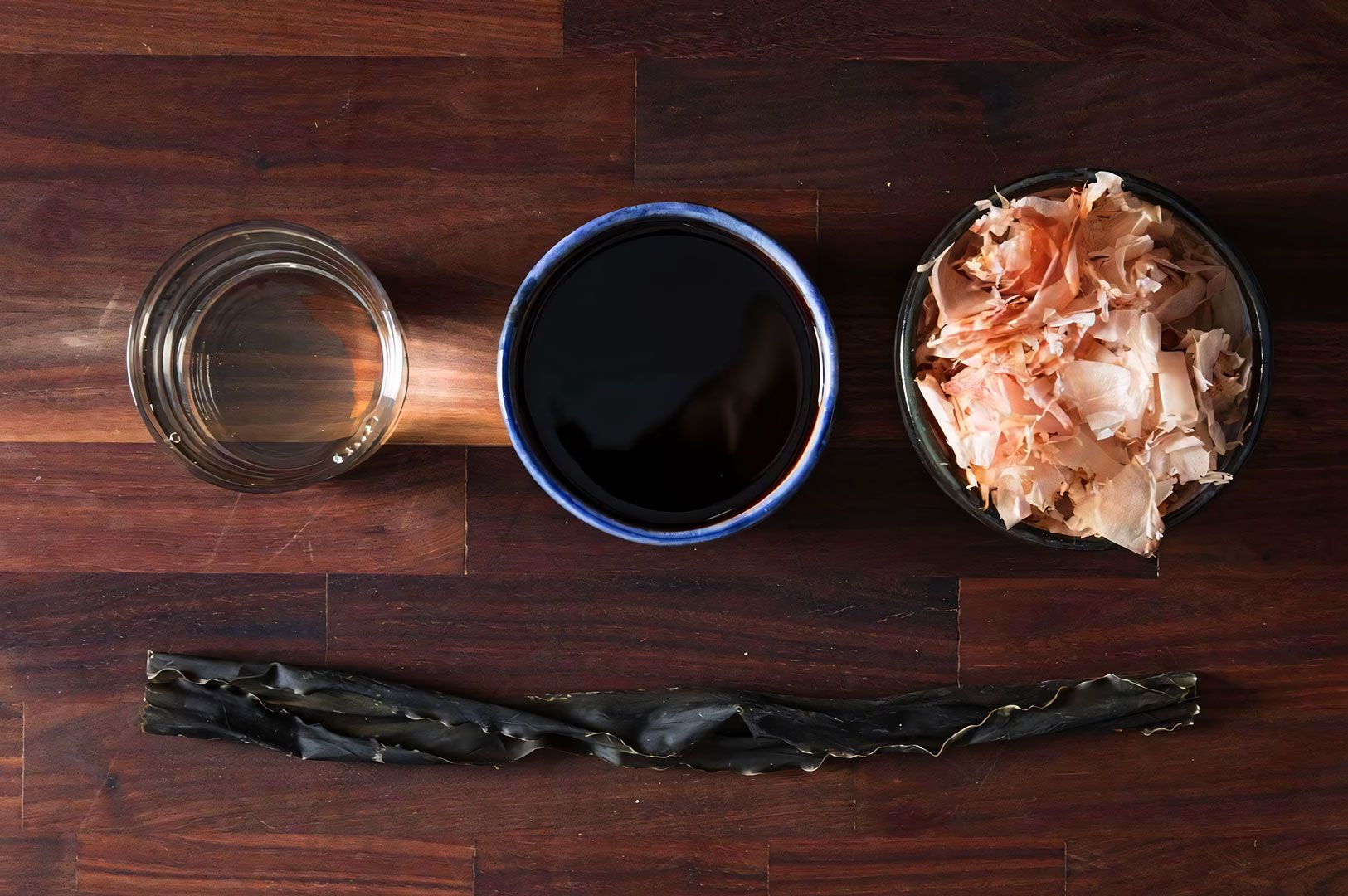
You don’t need to be a professional chef to enjoy restaurant-quality ramen. Try this simple ramen tare recipe—it’s easy to make from scratch and uses common pantry ingredients.
Ingredients:
- 1 cup high-quality soy sauce (or tamari)
- ½ cup mirin
- ½ cup sake
- 1 piece kombu (about 4x4 inches)
- ¼ cup bonito flakes
- Optional: 1 tsp rice vinegar, 1 tsp sugar, a few dried shiitake mushrooms, and 2 tbsp cold water
Instructions:
- Combine Liquids: In a small saucepan, mix soy sauce, mirin, sake, and cold water.
- Add Kombu: Place the kombu in the pan and warm over low heat. Do not boil—it can turn bitter.
- Infuse: Once small bubbles form around the edges, remove from heat and take out the kombu.
- Add Bonito: Stir in the bonito flakes and let steep for 10 minutes.
- Strain: Carefully strain the liquid to remove solids.
- Cool and Store: Allow the mixture to cool fully, then store in a sealed container.
Your homemade
tare sauce will keep in the refrigerator for months, gaining
depth and
flavor as it matures. Use 1–2 ounces per
bowl of
ramen, or brush it over
grilled meats,
okonomiyaki, or
takoyaki for an extra layer of
umami.
Final Thoughts: Tare Sauce as the Soul of Japanese Cuisine
The humble tare is the invisible architect of ramen—the conductor of flavors that gives meaning to the entire bowl. It represents the philosophy of Japanese cuisine, where mastery lies not in extravagance but in precision, balance, and patience.
Whether you’re savoring shoyu ramen in Tokyo, a miso bowl from Hokkaido, or experimenting with your own ramen tare recipe at home, remember that the secret lies beneath the surface.
That little pool of tare sauce waiting at the bottom is the heartbeat of the entire experience—a concentrated expression of umami, saltiness, and sweetness that has defined Japanese dishes for generations. Ingredients commonly found in tare, such as yuzu and miso, are also used to create innovative Japanese desserts, showcasing the versatility and depth of flavor in Japanese cuisine.
Click here to explore Singapore ramen essentials.
Recent Posts