Exploring the Toronto Ramen Scene: Canadian Fusion at Its Best
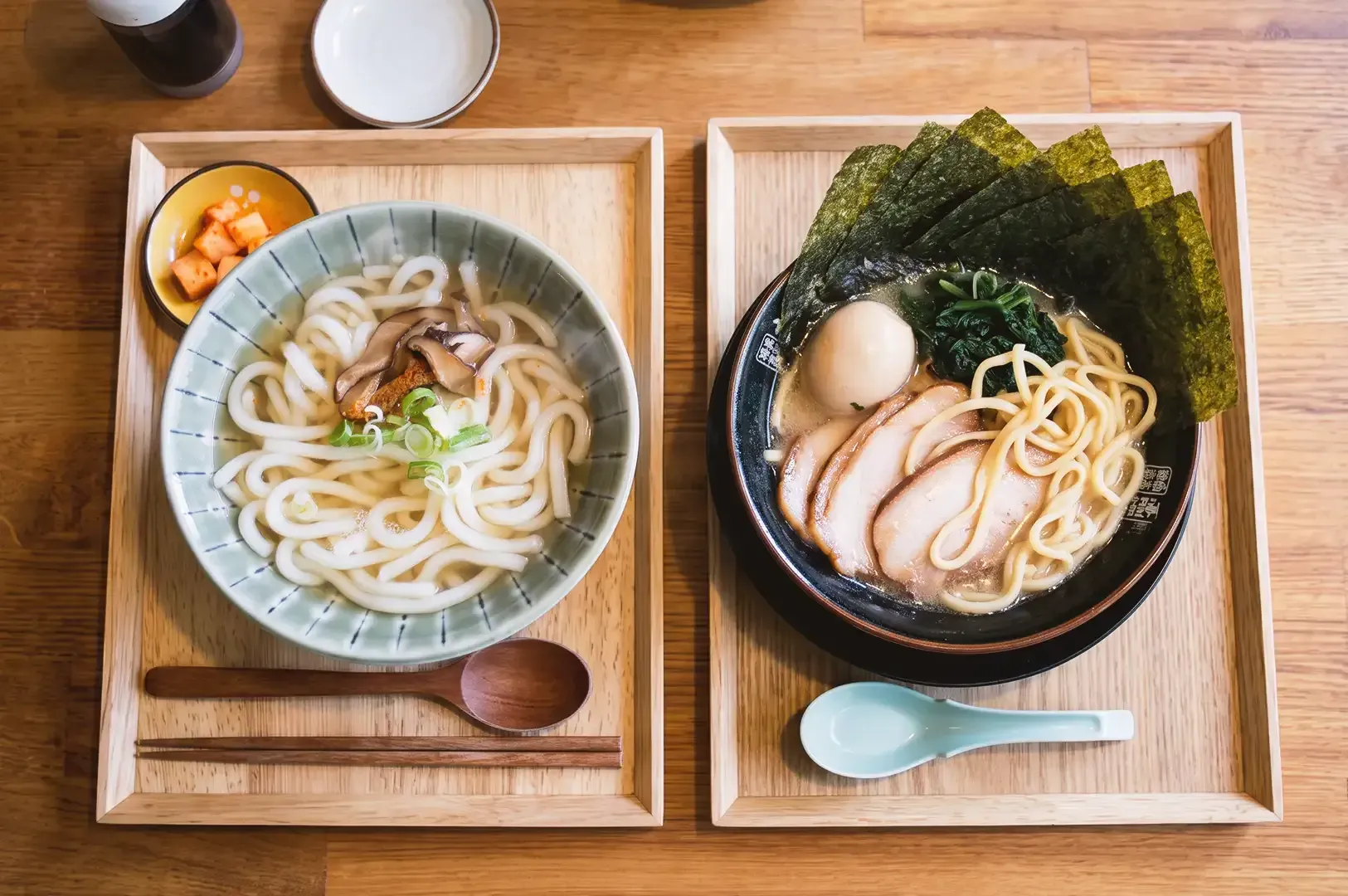
Toronto is a city where over half the population was born outside of Canada, with residents hailing from many different countries that contribute to its vibrant diversity, making it one of the world’s truly multicultural cities and one of the world's leading multicultural food destinations. Here, you can travel the world in a single afternoon simply by hopping on a streetcar. This incredible diversity isn’t just a statistic—it’s the lifeblood of Toronto’s food scene. Culinary traditions don’t merely coexist; they collide, converse, and create something entirely new. And nowhere is this delicious dialogue more apparent than in the Toronto ramen scene, where bowls reflect both Japanese mastery and the mosaic of Canadian food culture.
While cities like
Vancouver and
New York boast long-established
Japanese communities and traditional ramen-yas, Toronto tells a different story. Its ramen culture is a tale of Japanese technique embraced by chefs from diverse backgrounds, infused with authentic flavours, and enriched by
local ingredients drawn from Ontario’s farmland and Canada’s coastlines. Toronto's ramen scene is a reflection of Canada's multicultural heritage and culinary traditions, blending influences from many countries into unique creations. In Toronto, a classic
Tonkotsu might be topped with jerk chicken, or a
Shio broth infused with Southeast Asian aromatics. It’s ramen—but reimagined through the lens of
Canadian cuisine.
A Different Kind of Ramen Town in Canada’s Food Scene
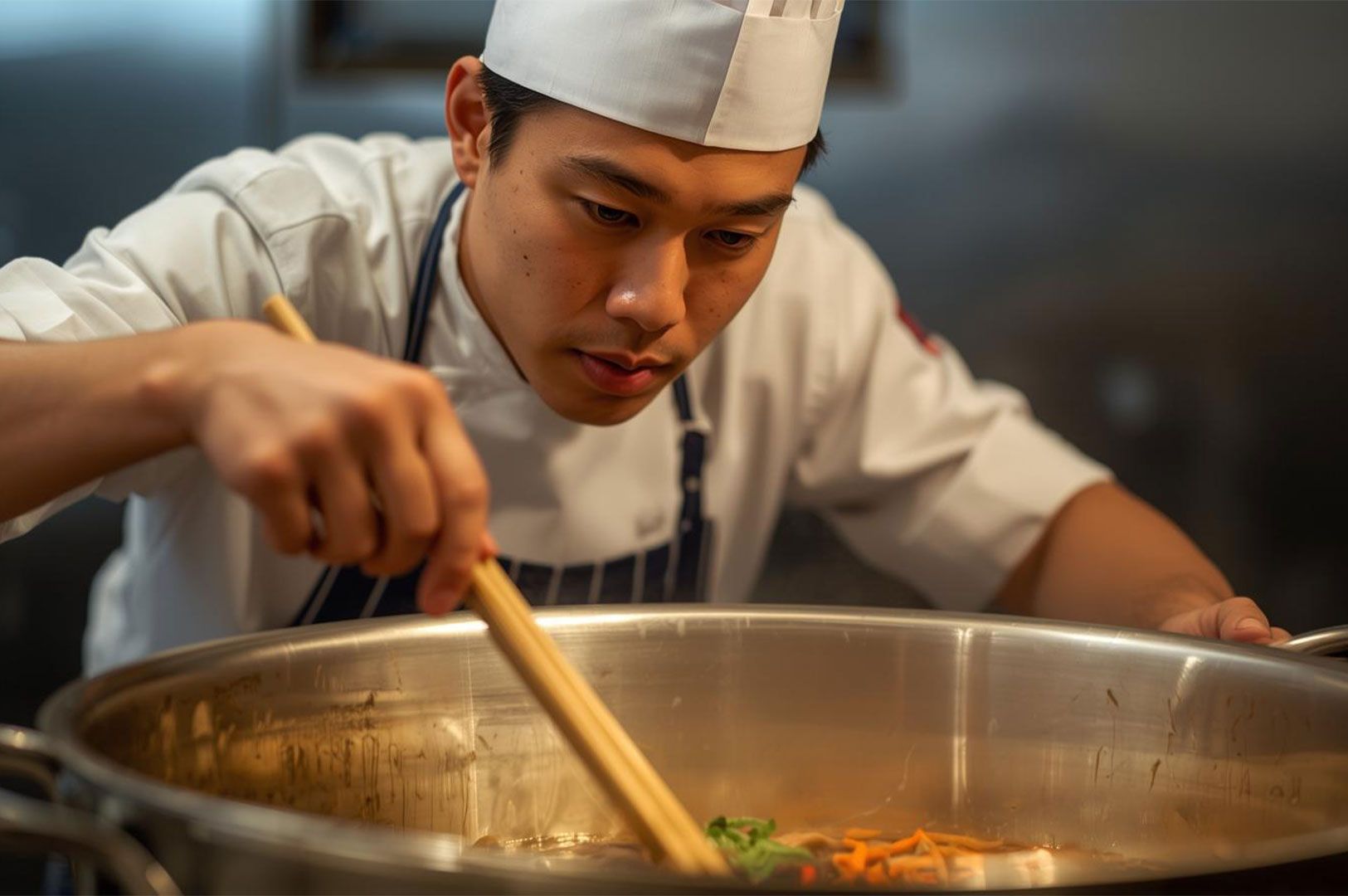
Toronto’s ramen boom arrived later than in Vancouver or New York, but when it did, it didn’t rely solely on Japanese chains. Instead, it was built by chefs from every corner of the globe: Japanese masters, French-trained cooks, chefs with backgrounds from England or other parts of Europe, and Canadian-born chefs raised in immigrant neighborhoods. They revered the fundamentals of traditional Japanese ramen—the long-simmered pork bone broth, the delicate tare, the chewy house-made noodles—but they weren’t bound by dogma.
This freedom led to a uniquely Canadian ramen identity, shaped by three principles:
- Authenticity in Spirit, Not Dogma – Chefs respect Japanese technique while allowing room for fusion food creativity.
- Hyper-Local Ingredients – From Ontario sweet corn to wild mushrooms, ramen reflects the bounty of the land.
- Multicultural Pantry – Caribbean spices, Southeast Asian herbs, and European techniques from across Europe, including England, all find their way into bowls.
Just as
French Canadians gave us
sugar pie and
tourtière, or
British Columbia produced
Nanaimo bars, Toronto chefs use ramen as a canvas to tell stories of migration, memory, and innovation—stories brought to life in the city’s diverse restaurants.
The Flavours of Fusion Food in Canadian Cuisine
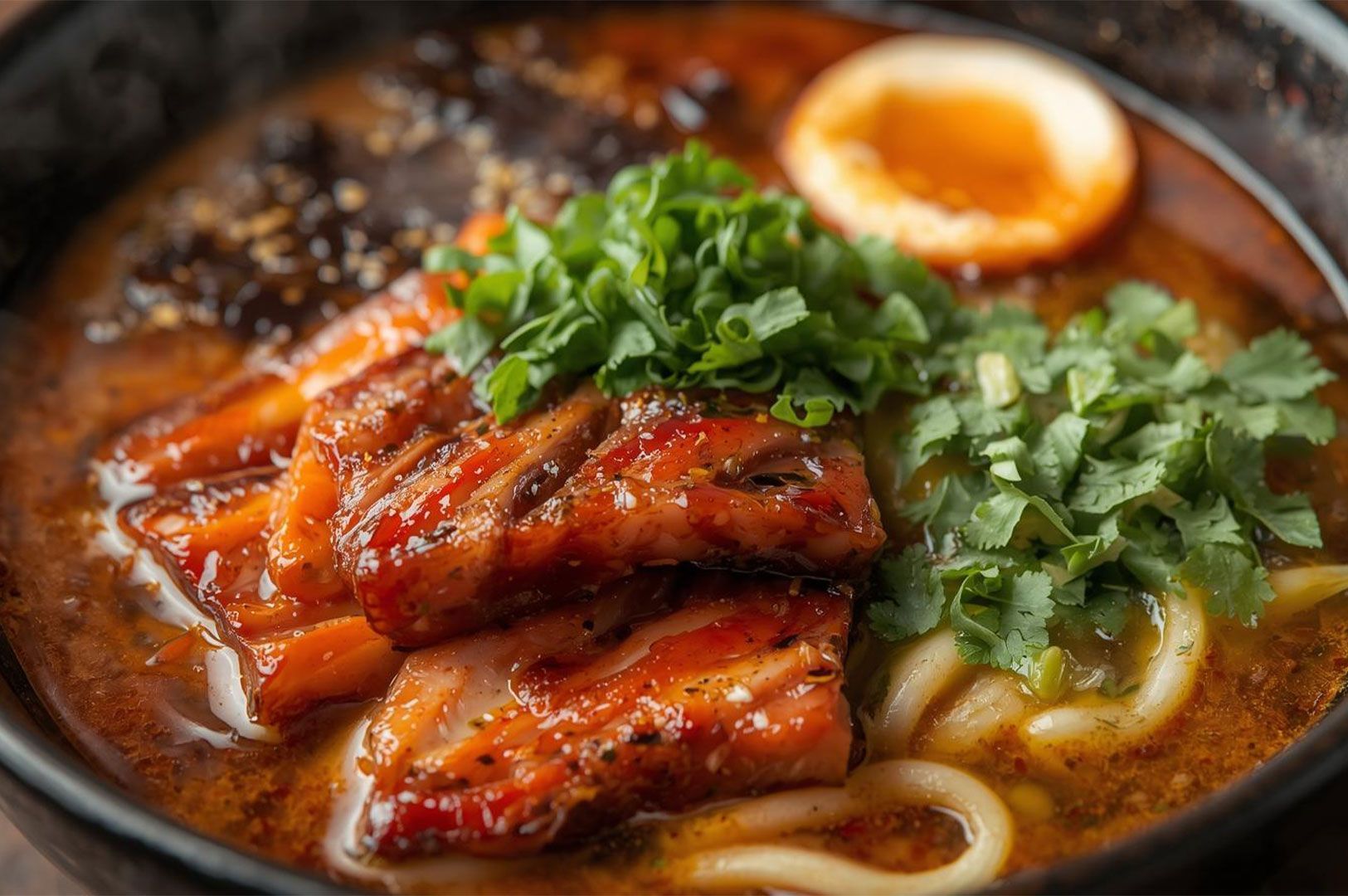
What does Canadian fusion ramen actually taste like? The answer lies in the way Toronto chefs borrow and blend, creating a culinary experience with unique flavour profiles that mirrors the local diversity of Toronto, Canada. Broths and toppings are often flavoured with diverse spices and seasonings, reflecting a mix of culinary traditions. People eat fusion ramen not just for the taste, but as a way to experience Toronto's diversity through innovative recipes that result from this blending of traditions.
Caribbean Rhythms in a Japanese Bowl
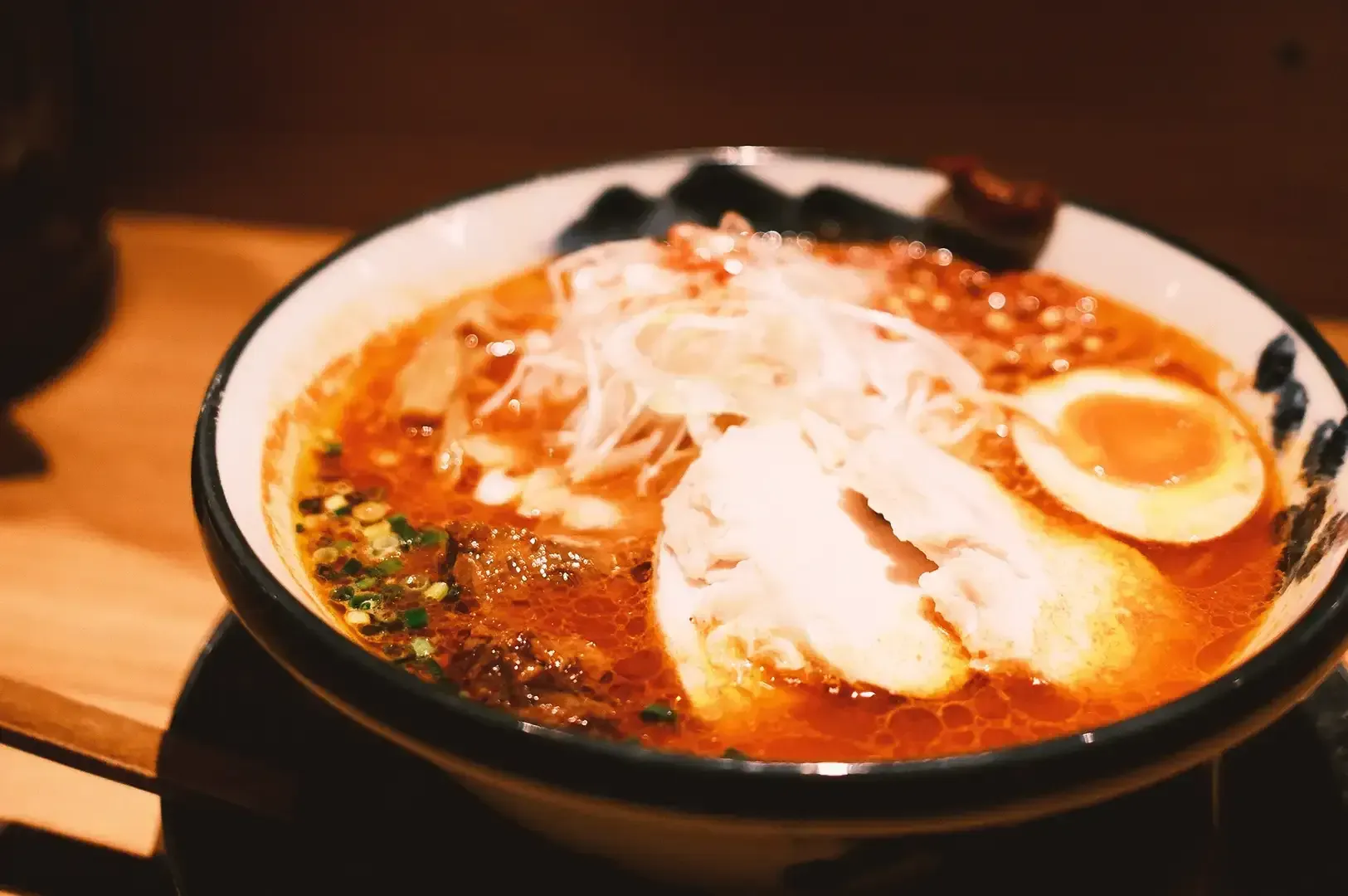
Toronto’s Caribbean population has made a lasting impact on the city’s food. At Ramen Isshin, you might find a jerk chicken ramen: smoky, spicy, layered with Scotch bonnet heat, thyme, and allspice. The broth holds Japanese depth, but the toppings sing with island soul—a taste that reflects how multicultural cities cook without borders. This jerk chicken ramen has become a popular dinner choice for those seeking a unique fusion experience in Toronto.
Southeast Asian Aromatics in the Toronto Food Scene
At
RYUS Noodle Bar,
the Tom Yum Yam ramen is a standout. Classic ramen broth is brightened with lemongrass, galangal, and kaffir lime, served with shrimp, mushrooms, and lime. It’s as bold as Thai street food yet still structured like a Japanese bowl—proof that cuisines can harmonize when treated with respect.
Embracing Canadian Food and Local Ingredients
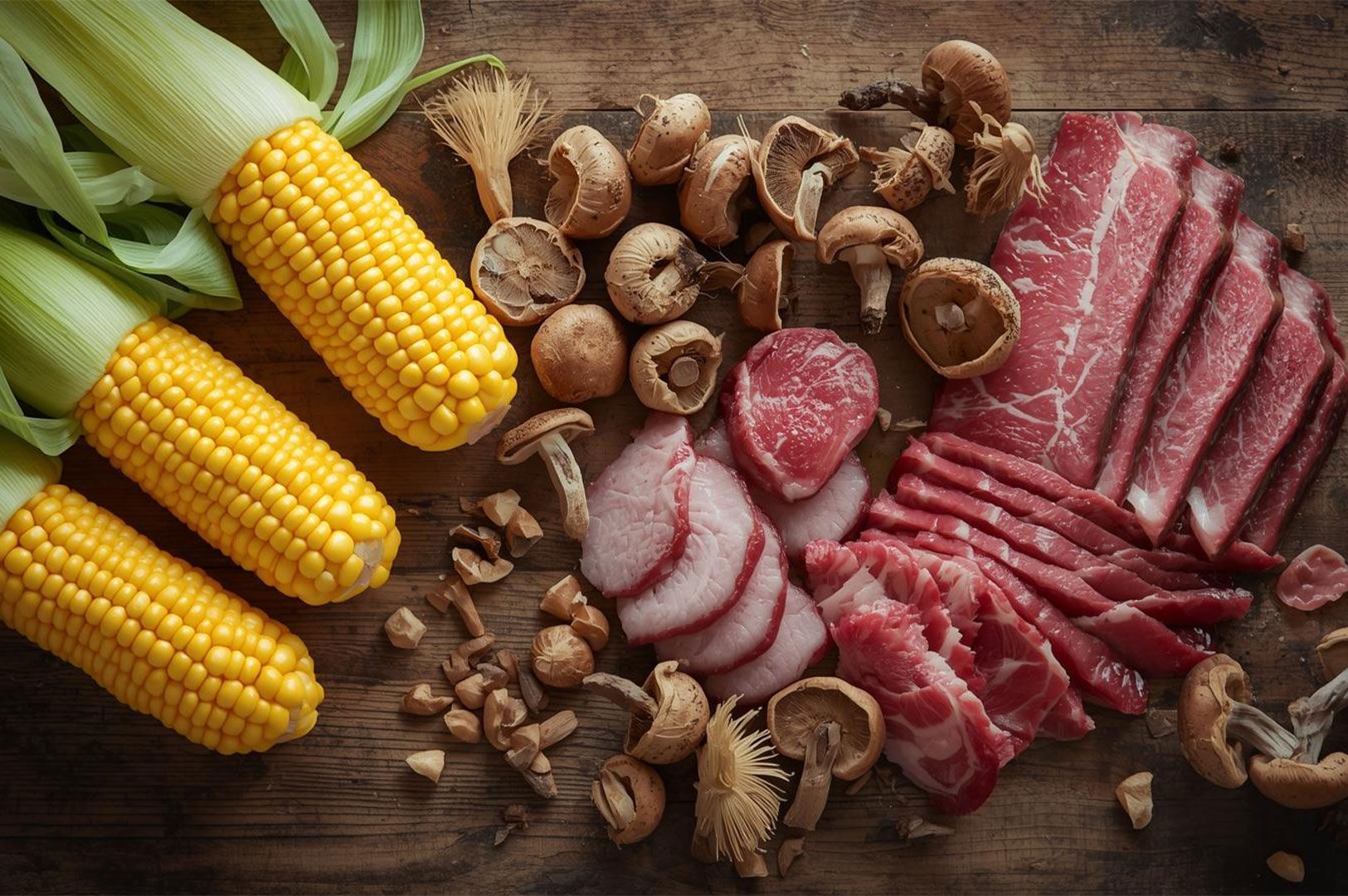
Beyond global influences, Toronto ramen celebrates the heart of Canadian food:
- Seasonal Produce – Sweet Ontario corn in summer, roasted squash in fall, foraged mushrooms year-round, and a variety of vegetables as essential toppings and ingredients.
- Heritage Meats – Berkshire pork chashu, local beef, Alberta beef as a regional specialty, and even smoked salmon add richness. These meats are cooked using traditional methods like simmering and innovative techniques to enhance flavor and texture.
- Seafood – With Canada’s Atlantic coast nearby, chefs experiment with lobster bisque-style broths, marrying ramen with the luxury of Nova Scotia’s seafood traditions. Fish is a key ingredient, featured in both traditional preparations such as smoked or cured fish and in modern fusion dishes.
Sometimes, ramen takes cues from traditional dishes across Canada, influenced by the culinary heritage of Indigenous peoples who have long valued local ingredients like Saskatoon berries for their nutritional and medicinal benefits. Just as peameal bacon sandwiches define Toronto or Montreal style bagels capture Quebec’s baking culture and broader culinary traditions, ramen here transforms with maple-glazed pork belly, grated potatoes crisped into toppings, or even butter-poached lobster. Desserts and toppings often incorporate nuts for added texture and flavor.
Canadian Dishes Meet Ramen: From Peameal Bacon to Lobster
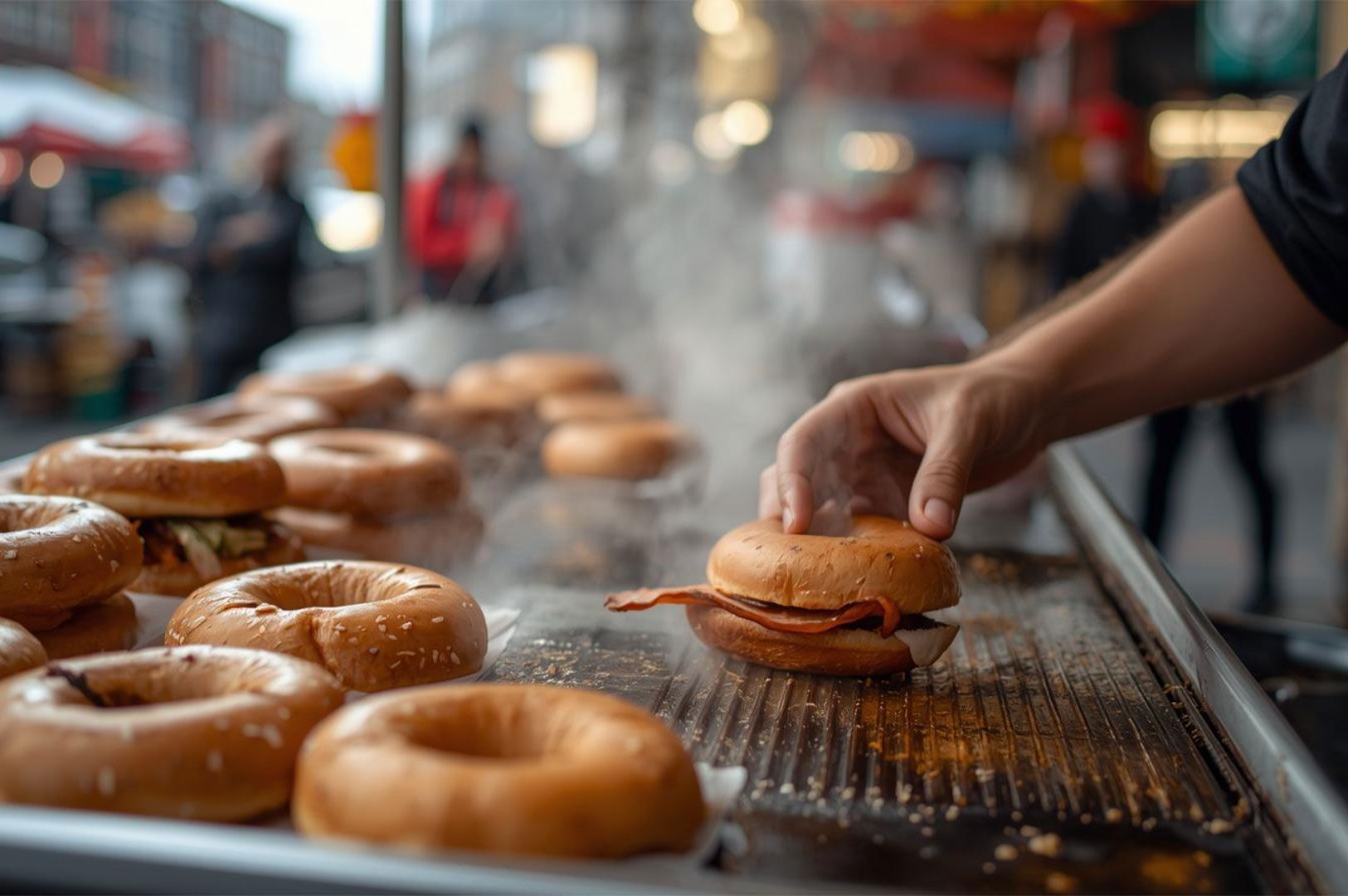
The adaptability of ramen makes it the perfect stage for Canadian dishes. Imagine a unique dish of ramen topped with slices of peameal bacon, representing the fusion of Canadian and Japanese traditions, or a dish featuring broths flavored with maple syrup for a subtle sweetness. Some shops even experiment with lobster-based soups—a distinctive dish that showcases a controversial but distinctly Canadian twist.
This blend of ramen with
Canadian food traditions mirrors the way Canada’s cuisine has always evolved, from French-inspired comfort foods to Indigenous ingredients that ground the country’s
culinary experiences.
Sweet Inspirations: Saskatoon Berry Pie, Sugar Pie, Butter Tarts, and Nanaimo Bars
Toronto’s ramen culture may be savory, but chefs often look to Canada’s most beloved desserts for inspiration. Think miso caramel butter tarts as a side treat, or a ramen broth accented by a hint of brown sugar, recalling the sweetness of a Quebecois sugar pie.
Other
Canadian dishes like
Saskatoon berry pie,
Nanaimo bars, or even a holiday season matrimonial cake inspire side menus, pop-up events, or ramen pairings. These desserts anchor ramen in the broader landscape of
Canadian cuisine, reminding diners that the country’s food story is both sweet and savory.
Montreal Style Bagels, New York Influences, and Canadian Fusion Ramen
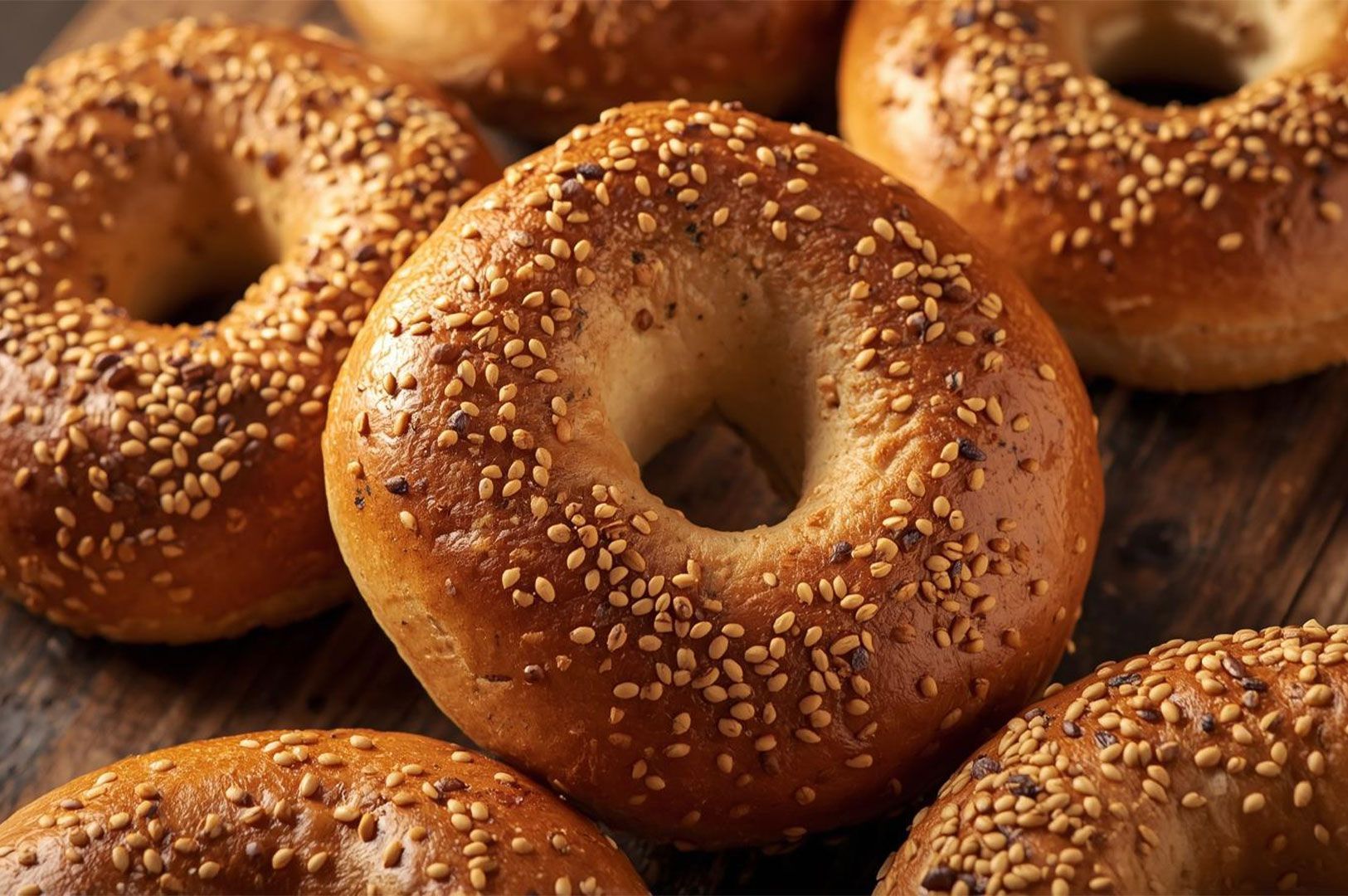
Just as Montreal style bagels are baked with honey water and wood-fired ovens, ramen chefs in Toronto embrace artisanal approaches. Meanwhile, the influence of New York—another hub of global food culture—shows up in bold, urban ramen trends that blend hustle, innovation, and diversity.
Together, these inspirations showcase how
fusion food evolves across borders, with Toronto acting as both student and innovator.
Street Food and Multicultural Ramen: Toronto’s Sidewalk Sensations
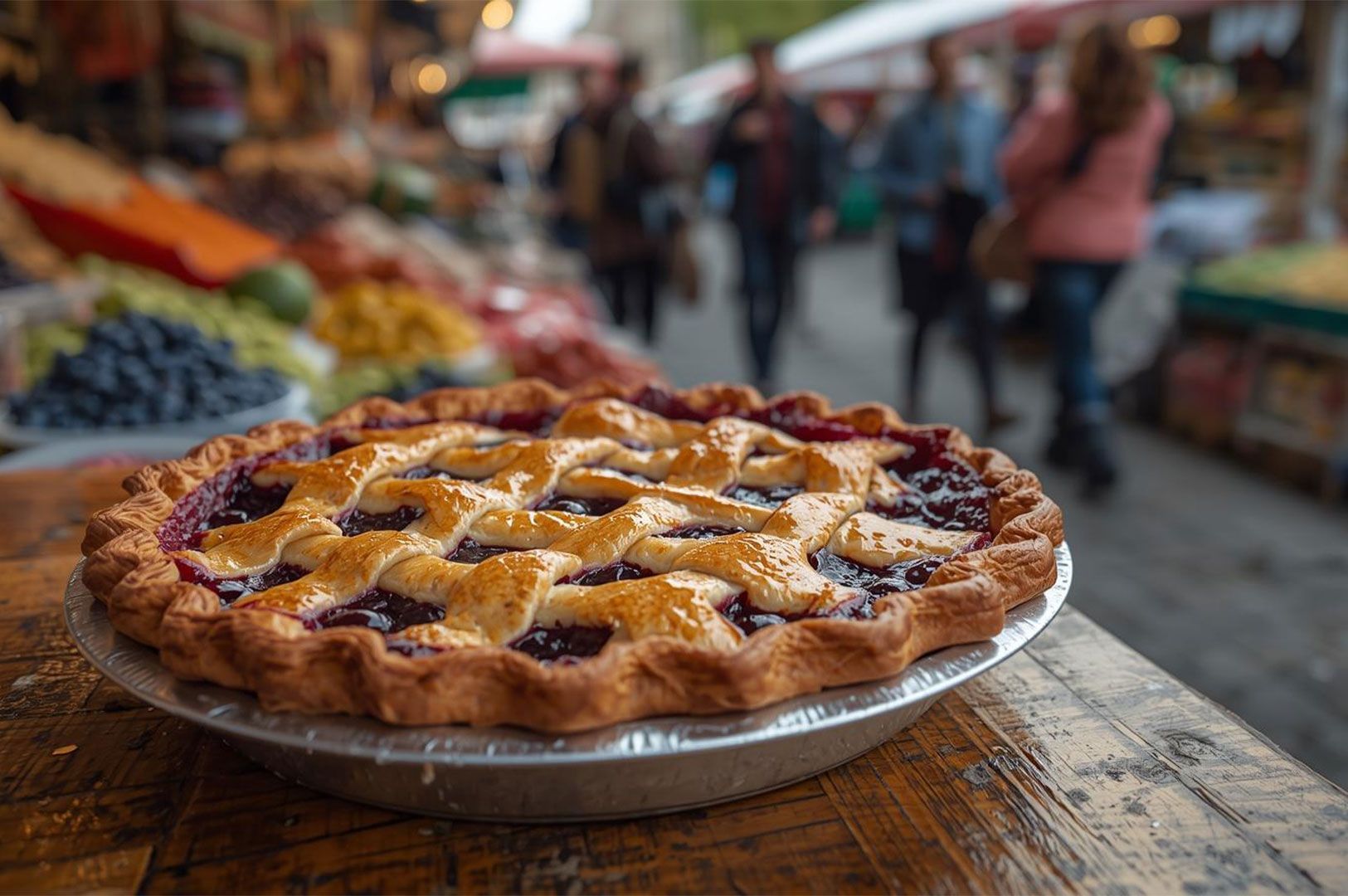
Step onto the bustling sidewalks of Toronto and you’ll find yourself at the crossroads of the world’s cuisines, where the city’s legendary street food scene comes alive with the sights, smells, and tastes of authentic Canadian dishes and global fusion food. Here, the aroma of Montreal-style bagels—chewy, golden, and sometimes slathered with cream cheese or layered with smoked salmon—mingles with the sweet scent of butter tarts and the earthy notes of grated potatoes frying on a griddle.
Toronto’s multicultural streets, from the vibrant stalls of Kensington Market to the lively corners of Chinatown, offer a culinary experience that defines Canadian cuisine. Street vendors serve up everything from peameal bacon sandwiches, a true Toronto classic, to slices of saskatoon berry pie and squares of rich, chocolatey nanaimo bars. These treats, made with local ingredients like maple syrup and brown sugar, showcase the authentic flavours that make Canadian food so beloved.
From the Atlantic breezes of Nova Scotia to the mountain air of British Columbia, the flavours of Canada converge on Toronto’s streets, offering locals and visitors alike an authentic experience of the country’s culinary heritage. In every bite—be it
a sweet treat, a savory snack, or a bowl of multicultural ramen—you’ll taste the story of a city, and a country, that welcomes the world to its table.
Profiles in Fusion: Notable Restaurants Defining the Toronto Ramen Scene
To grasp the depth of this innovation, you need to step inside the shops defining the Toronto ramen scene:
- Konjiki Ramen – Born in Tokyo, adapted in Toronto with its Smoked Shoyu Ramen, a nod to Canadian campfire traditions.
- Ramen Isshin – A playground of multicultural ramen, where innovation meets comfort.
- Kinton Ramen – A pioneer in Toronto, offering both tradition and bold fusion specials.
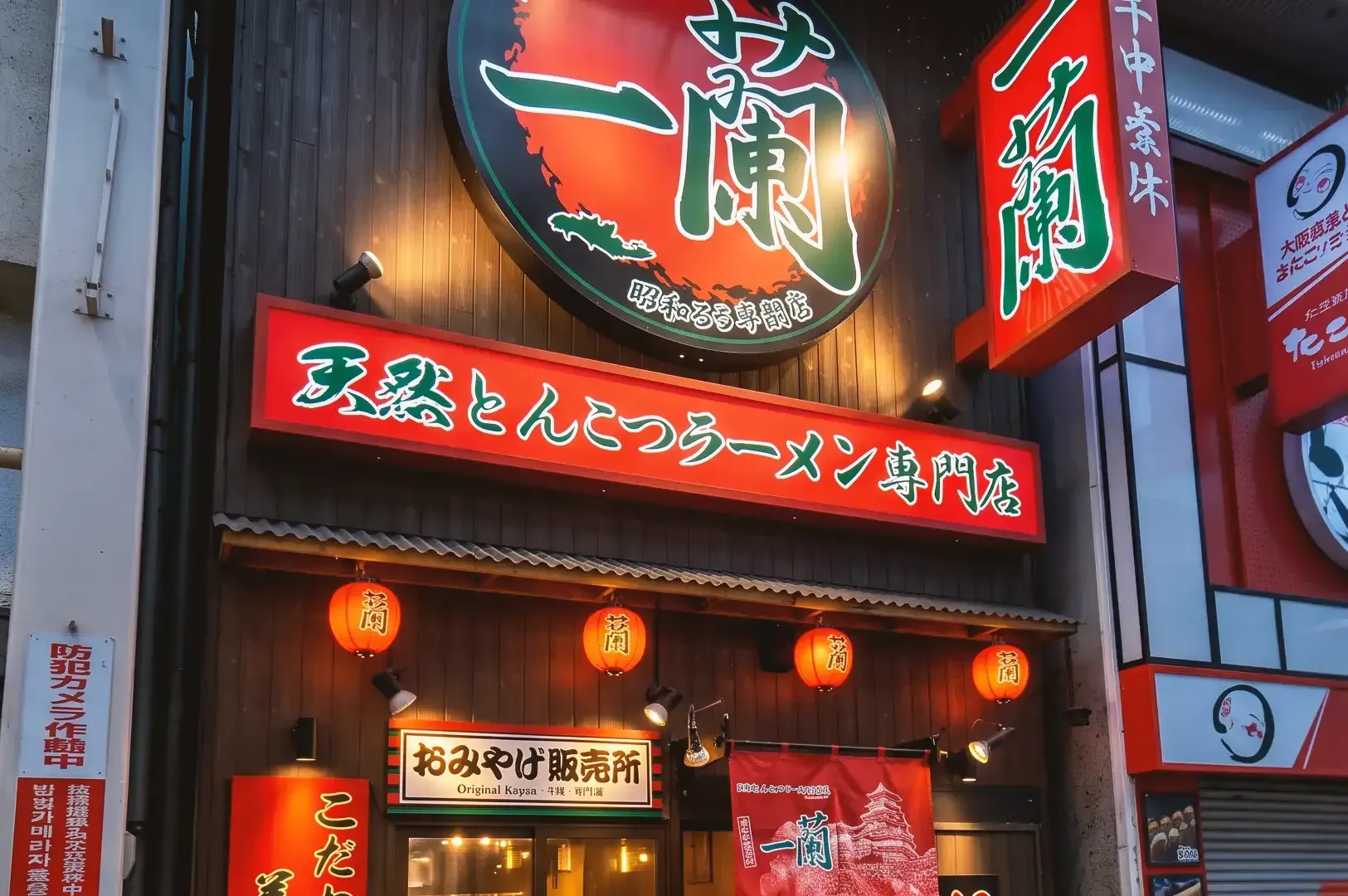
- Santouka, Midori, and Ikkousha – Anchors of Japanese authenticity, ensuring the city stays grounded in ramen’s roots.
Ramen and Canadian Cuisine: How Canadian Dishes Shape Fusion Food
Toronto ramen doesn’t just feed diners—it helps us define Canadian cuisine itself. For decades, people have asked what makes food here “Canadian.” Is it butter tarts, peameal bacon sandwiches, or Montreal style bagels? Is it Indigenous dishes like bannock? Or is it something broader—the way Canada absorbs global ideas and expresses them with local ingredients?
The answer may be “all of the above.” Just as
Nanaimo bars or
saskatoon berry pie connect regions, ramen in Toronto connects Japan to Ontario, the Caribbean, and beyond.
Balancing Authenticity and Innovation in the Toronto Food Scene
Fusion food can easily lose its way, but Toronto chefs ensure ramen remains an authentic experience by following key Japanese principles:
- Broths with depth and clarity.
- Noodles with perfect chew.
- Toppings that enhance balance rather than overwhelm.
When a chef tops ramen with baked sushi salmon, or flavors broth with maple syrup, they do so with intention—honoring both Japanese cooking and
Canadian food traditions.
Conclusion: A Bowl That Reflects Canadian Food Culture
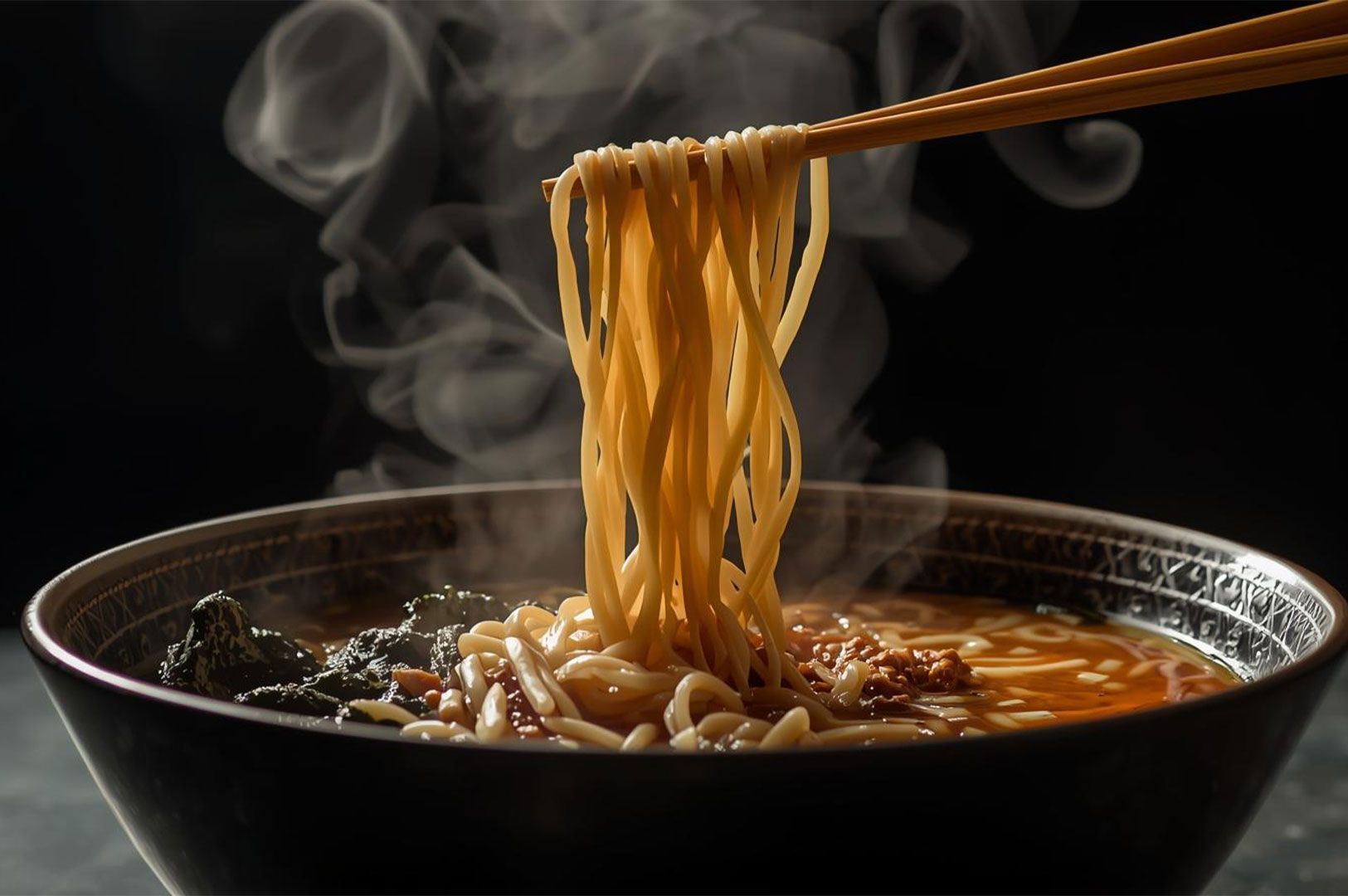
Toronto’s ramen is more than a trend—it’s a mirror of Canada itself. It reflects immigration, collaboration, and curiosity. It celebrates both Japanese mastery and Canadian cuisine, both global spices and local ingredients. It honors traditional dishes while creating something undeniably new.
Whether you’re sipping a lobster miso ramen, slurping noodles topped with jerk chicken, or enjoying a bowl rich with Ontario mushrooms, you’re tasting more than soup—you’re tasting Toronto, Canada.
So next time you visit, skip the ordinary. Explore bowls that fuse worlds, cultures, and flavours. Like a bite of
butter tarts, a sip of coffee, or a plate of
holiday season favorites, Toronto ramen proves that the story of
Canadian dishes is still being written—one steaming bowl at a time. For more insights into exceptional ramen experiences around the world, visit
Best Ramen.
Recent Posts