Shio Ramen Recipe: The Art of Salt-Based Broths

October 19, 2025

In a world dominated by the rich, fatty embrace of tonkotsu ramen and the bold punch of miso ramen, there exists a quieter, more elegant style of ramen. It arrives not as an opaque, heavy cloak but as a crystal-clear, shimmering golden liquid. This is shio ramen, the oldest and perhaps most deceptively complex of the ramen archetypes. Achieving a clearer broth in shio ramen requires careful techniques such as gentle simmering, frequent skimming, and attention to detail to ensure a transparent, refined soup.

To the uninitiated, it might seem simple—just a salty ramen soup. But to those who know, a great bowl of ramen built on a carefully made flavorful ramen broth is a masterclass in subtlety, balance, and the art of making broth. In contrast, tonkotsu ramen broth is known for its rich, opaque, and creamy texture, created by boiling pork bones for hours to extract maximum flavor and body.

The Original Noodle Soup: A Glimpse into Japanese Food History

Before ramen shops served hundreds of regional styles, there was shio ramen. Believed to be the earliest form of Japanese food ramen, its roots trace back to Hakodate and Yokohama in the late 19th and early 20th centuries. Chinese immigrants introduced their noodle soup, and Japanese cooks adapted it to local tastes.

The simplest and most direct way to season these early soups was with salt—thus salt ramen was born. Its defining characteristic is clarity: a clear broth (chintan) that highlights technique and precision rather than heaviness.

Shio Ramen vs. Miso Ramen and Other Traditional Styles

  • Shio Ramen: Light, clear, and delicate, seasoned with a shio tare.
  • Shoyu Ramen: Similar clarity but with depth from soy sauce.
  • Miso Ramen: Nutty, robust, and opaque, defined by fermented soybean paste.
  • Tonkotsu Ramen: Creamy, rich, made by boiling pork bones into a thick ramen broth.

Each style has its appeal, but shio ramen is the one that whispers rather than shouts.

Flavorful Ramen Broth: The Science and Soul of Salt-Based Soup

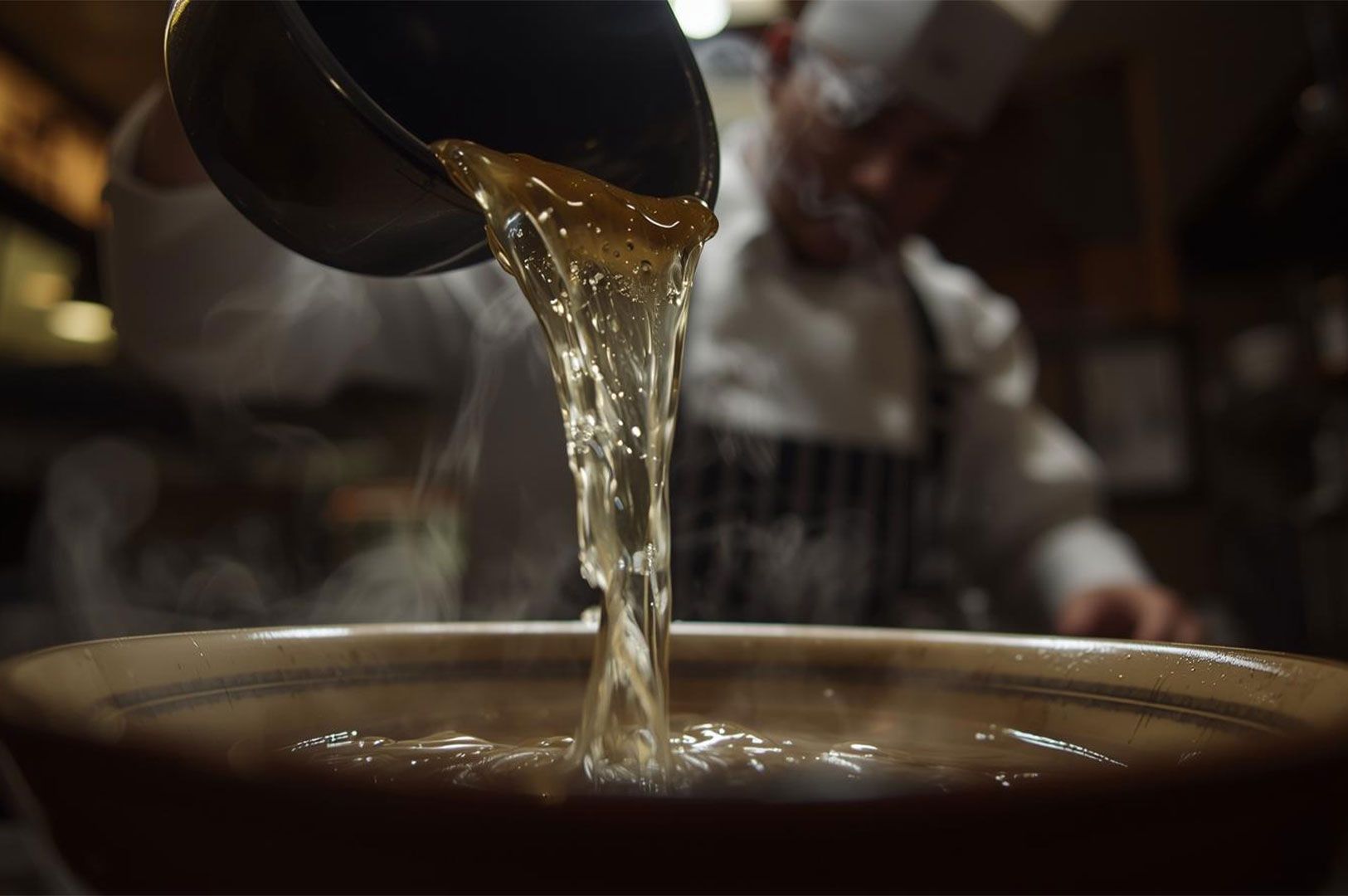
A chef in a white uniform carefully pours clear, shimmering golden shio ramen broth into a serving bowl, emphasizing the broth's clarity and elegance.

To dismiss shio ramen as “just salty” is to miss the point. Its flavor base is crafted with precision:

  • Shio Tare: A blend of salts, dried kelp, bonito flakes, and sometimes fish sauce. Other tare types, such as shoyu tare, are used in different ramen styles to provide distinct flavor profiles.
  • Soup Stock: A base of chicken carcass, pork bones, or dried seafood, always gently simmered.
  • Aroma Oil: Finishing touches like rendered chicken fat, scallion oil, or sesame oil. Adding minced garlic to the aroma oil enhances its flavor and aroma.

The goal is not heaviness but clarity, layering umami without clouding the broth.

Components of Shio Ramen: Building Blocks of a Classic Bowl

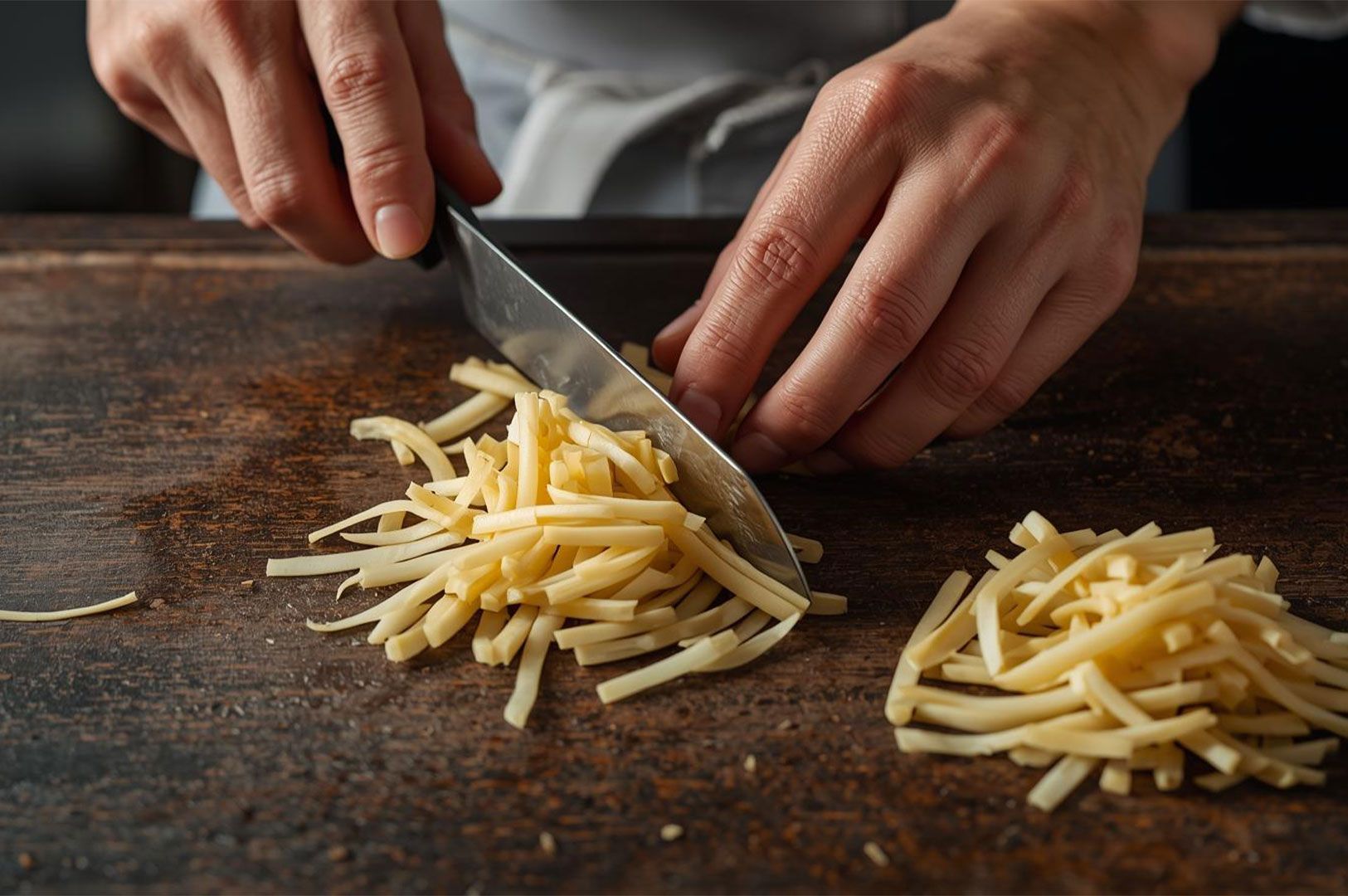
Close-up of hands slicing light yellow seasoned bamboo shoots (menma) into thin strips with a large knife on a dark wooden cutting surface.

A bowl of shio ramen is a study in balance, where every component plays a vital role in the final harmony of flavors and textures. At its heart is a shimmering, clear broth—crafted from chicken stock and delicate Japanese soup stock (dashi)—that forms the soul of this noodle soup. This broth is seasoned with shio tare, a salt-based sauce that brings out the natural umami of the ingredients without overpowering them.

The noodles are just as important. Fresh ramen noodles, with their springy bite and subtle wheat flavor, soak up the broth while maintaining their own character. Whether you choose classic straight ramen noodles or a slightly wavy variety, the key is to cook noodles just until tender, so they remain the perfect vehicle for the soup.

Toppings are where shio ramen truly shines in its simplicity. Slices of tender chicken chashu or pork, creamy ramen eggs with their golden centers, and a scattering of green onions add color and depth. Seasoned bamboo shoots and stir fried vegetables provide a satisfying crunch and a touch of sweetness, while a drizzle of aroma oil—often made from chicken fat or sesame oil—adds a final layer of richness to the clear broth.

Each element, from the soup stock to the last sprinkle of green onions, is chosen to complement the others, creating a bowl of ramen that is both comforting and refined.

Making Broth: A Clear Foundation of Flavor

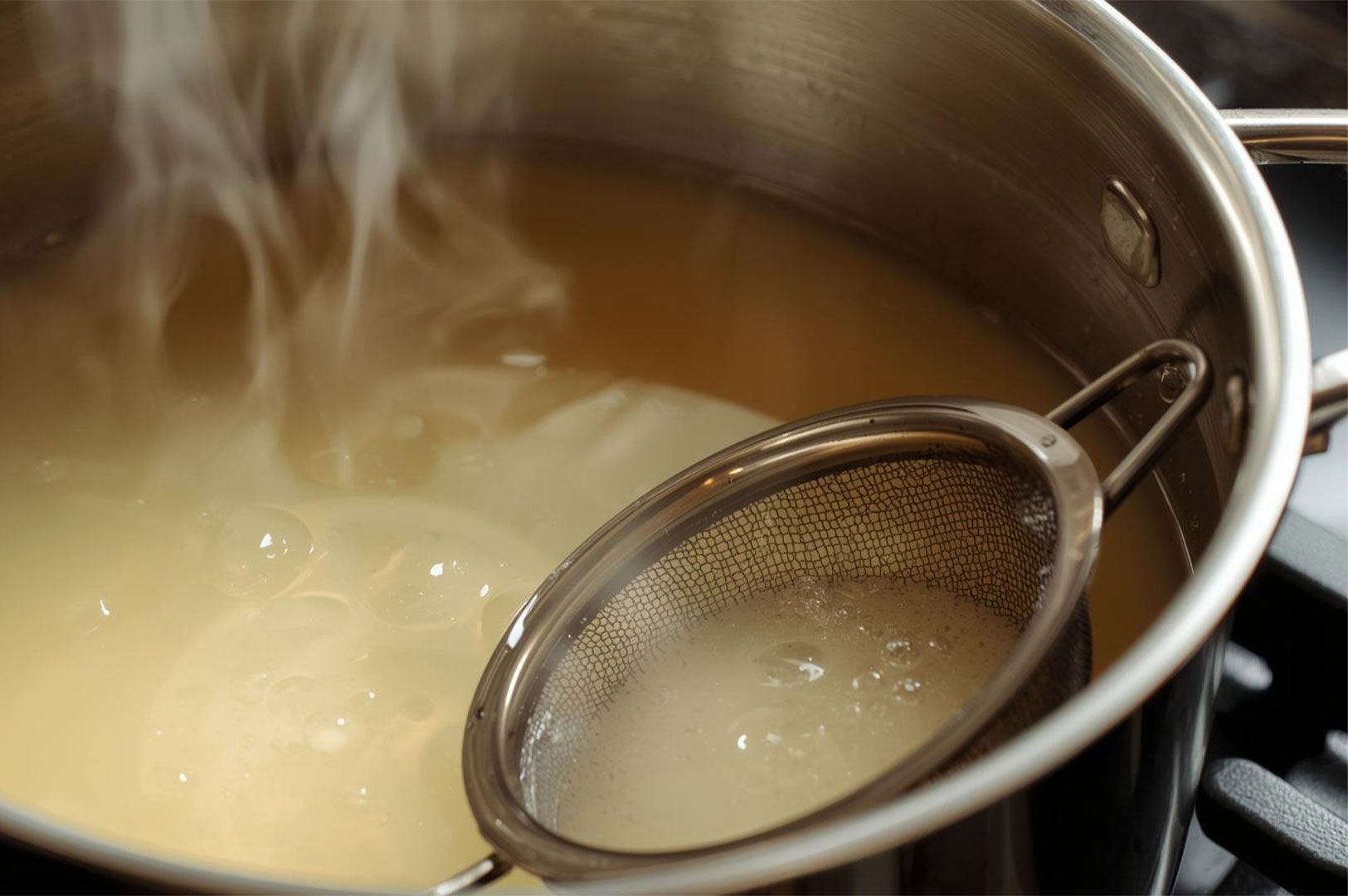
Close-up of a metal pot on a stovetop where a light-colored ramen broth is gently simmering, with a small strainer scooping out foam or impurities to maintain clarity.

Unlike tonkotsu ramen, which uses a rich and cloudy pork bone broth as its base and is boiled vigorously, shio ramen broth is simmered at medium heat or gently simmered uncovered. Simmering uncovered allows excess moisture to evaporate, concentrating the broth's flavor. The slow extraction ensures depth without muddiness.

  • Chicken stock and chicken fat add subtle richness.
  • Pork belly or pork shoulder can enhance body without overpowering.
  • Dried anchovies and bonito flakes give oceanic character.

For home cooks, ramen at home can be achieved with a slow cooker or large pot, making it approachable while still authentic.

Ingredients and Equipment: What You Need for Authentic Shio

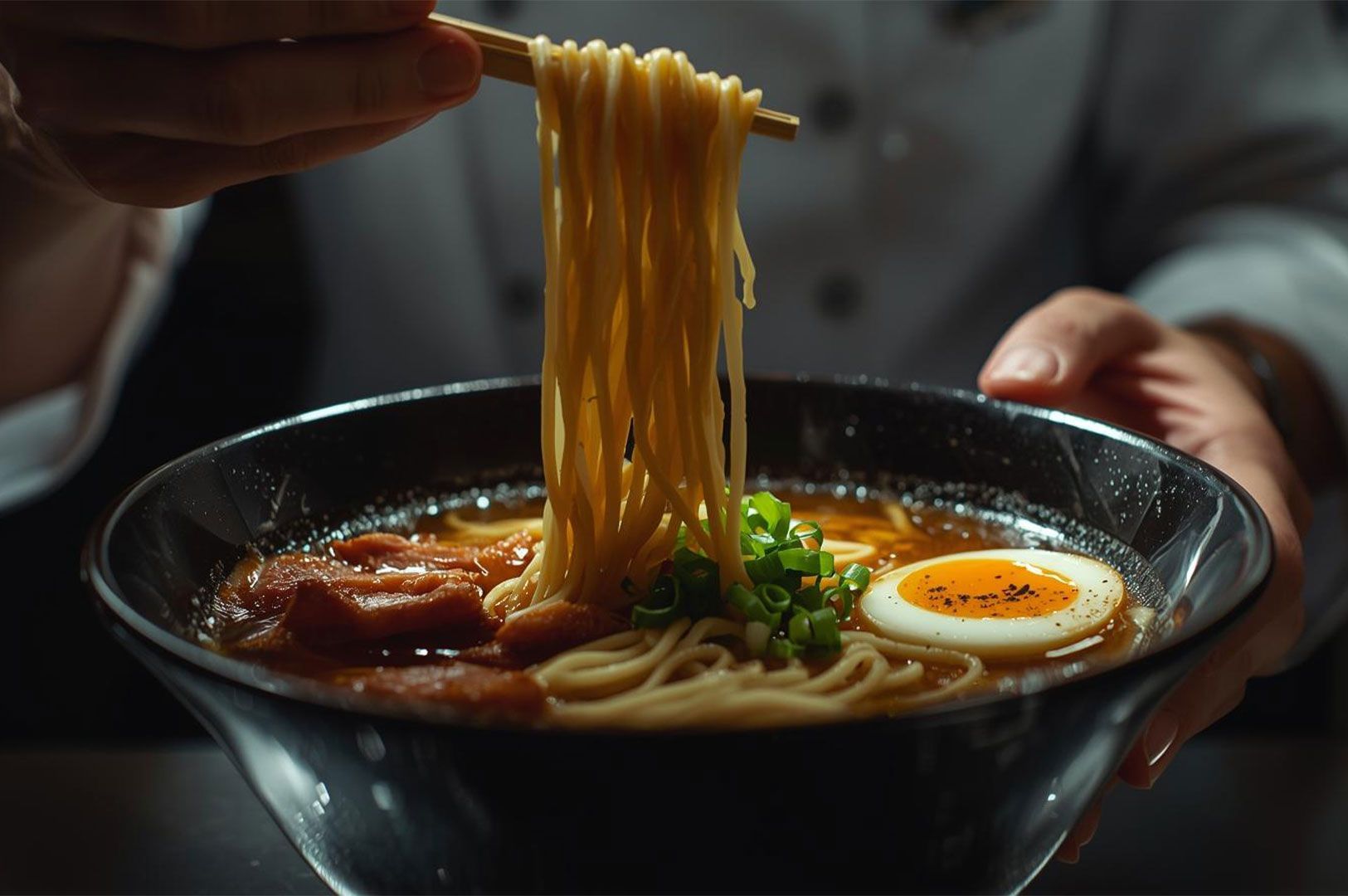
A close-up shot of a person's hands holding chopsticks, lifting a generous portion of ramen noodles from a steaming black bowl. The bowl contains a rich, dark broth, tender slices of meat, a halved soft-boiled egg with a bright yolk, and chopped green onions. The background is dimly lit, focusing attention on the ramen.

Creating authentic shio ramen at home is easier than you might think, especially with the right ingredients and a few essential tools. For the broth, gather chicken bones, dried kelp (kombu), and water—these will form the base of your soup stock. A touch of dashi powder can also be used for added depth. For the shio tare, you’ll need salt, a splash of soy sauce, and a bit of sake or mirin to round out the flavors.

When it comes to noodles, fresh ramen noodles are ideal, but high-quality dried ramen noodles from Japanese grocery stores or online shops work well too. Don’t forget the toppings: ramen eggs, green onions, and perhaps some chicken chashu—homemade or store-bought. Seasoned bamboo shoots and a drizzle of aroma oil, such as sesame oil or rendered chicken fat, will elevate your bowl even further.

In terms of equipment, a large pot is essential for simmering your broth, while a strainer helps achieve that signature clear consistency. If you prefer a hands-off approach, a slow cooker or Instant Pot can make the process even simpler. To keep your cooking organized, use a recipe card or enable cook mode on your device—this will help you follow each step without interruption..

With these ingredients and tools at your fingertips, you’re ready to bring the flavors of shio ramen into your own kitchen and enjoy a steaming bowl of ramen at home, any time the craving strikes.

Cooking Tips: How to Spot and Enjoy Quality Shio

  • Clarity & Color: The hot broth should be golden and transparent.
  • Aroma Oil: Look for droplets of chicken fat or scallion oil shimmering on top.
  • First Sip: Bright, balanced salt followed by waves of umami.

These are the hallmarks of a refined shio ramen recipe.

Regional Styles of Shio Ramen in Japanese Food

  • Hakodate Ramen: The original salt flavored ramen, light and pure.
  • Yonezawa Ramen: Distinct for its dried seafood and thin straight noodles.
  • Tokyo Shio: Modern takes use creative aroma oils from olives or even tomatoes.
  • Each reflects how Japanese food culture

 adapts and refines simplicity.

Fresh Ramen Noodles and the Perfect Toppings

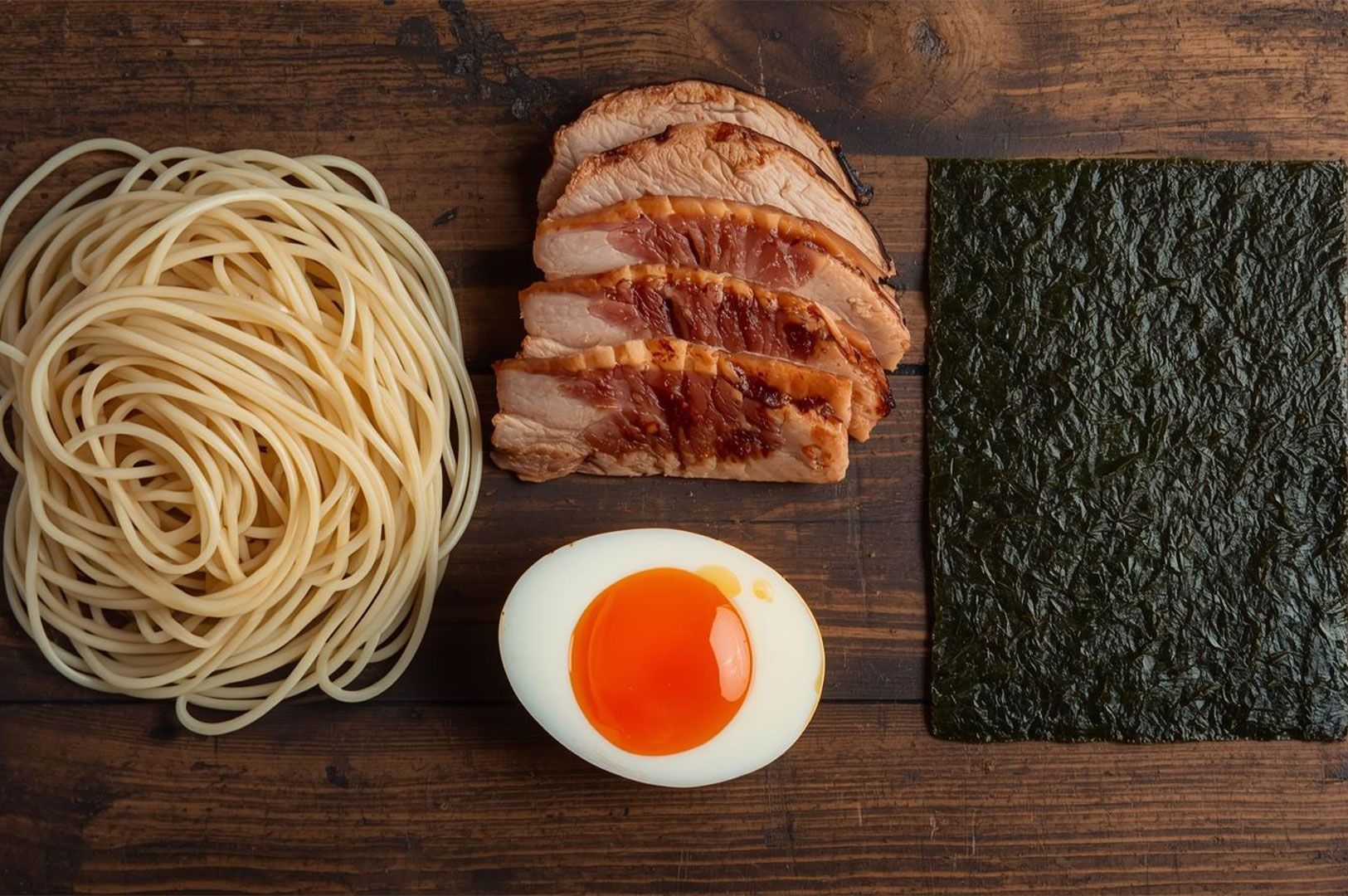
Overhead shot of essential ramen components laid out on a dark wooden surface: coiled cooked noodles, sliced pork belly chashu, a halved soft-boiled ramen egg (ajitama), and a sheet of nori seaweed.

The delicate broth demands equally balanced accompaniments:

  • Fresh ramen noodles (like Sun Noodles) or thin straight noodles. Always cook noodles in boiling water following package instructions, never in the broth.
  • Pork belly or lean pork shoulder chashu.
  • Ramen egg (ajitama), seasoned bamboo shoots, and green onions.
  • Simple toppings like nori or stir fried vegetables for freshness.

Selecting and presenting ramen toppings thoughtfully is essential for a visually appealing and balanced bowl, highlighting both simplicity and proper technique.

The key is to serve immediately, ensuring the fresh noodles and toppings harmonize with the hot broth.

Make Shio Ramen at Home: A Simple Recipe Card

Ingredients (for 2 servings)

  • 1 chicken carcass
  • 200g pork bones
  • 1 sheet dried kelp
  • 10g bonito flakes
  • 1 tbsp soy sauce
  • 1 tbsp fish sauce
  • 1 tbsp sesame oil or aroma oil from chicken fat
  • 2 portions fresh ramen noodles
  • Green onions, ramen egg, pork belly, and seasoned bamboo shoots

Steps:

  1. Blanch pork bones in boiling water to remove impurities.
  2. Add chicken, pork bones, dried kelp, and bonito flakes to a large pot with water. Gently simmer on medium heat for 3–4 hours.
  3. Strain and season with salt, soy sauce, and fish sauce.
  4. Separately, cook noodles following package instructions.
  5. Assemble: In a ramen bowl, place noodles first, then ladle in flavorful ramen broth. Finish with aroma oil.
  6. Add toppings and serve immediately.

Note: Ramen bowls are traditionally used to portion broth and noodles, ensuring an authentic presentation and proper serving size.

(Tip: Preparing toppings before the making broth process finishes helps you stay in cook mode prevent overcooking.)

More Ramen Recipes: Expanding Beyond Shio

Once you’ve mastered how to make shio ramen, try experimenting with:

  • Miso ramen for heartiness.
  • Shoyu ramen for sharp, savory depth.
  • Tonkotsu ramen for creamy richness.

These popular recipes are all part of the great world of Japanese food, and learning them adds to your repertoire of more ramen recipes for any home cook.

An Invitation to Appreciate Subtlety

In a food world that often celebrates the richest or boldest flavors, shio ramen stands apart as a quiet classic. It teaches us that with the right cooking tips, balance, and care, even a simple noodle soup can become a culinary masterpiece.

Whether you enjoy it in Hakodate, a bustling Tokyo shop, or when you make shio ramen in your own kitchen, this style remains proof that elegance often lies in simplicity. There's something truly special about savoring a bowl of shio ramen in a traditional ramen shop, where the ambiance and specialized preparation elevate the experience.

Recent Posts

Exterior daytime photo of a curved glass building, identified as a Capitaland mall.
By Jillian Gaza December 5, 2025
Explore the top ramen spots in Tampines, from rich broths to unique toppings. Join us on this delicious culinary journey and find your next favorite bowl!
Close-up of a steaming bowl of shoyu or miso ramen, topped with a perfectly cooked soft-boiled egg.
By Jillian Garzia December 1, 2025
Discover the best ramen spots in Jurong East, featuring delicious flavors and varied options. Dive into our guide for your next tasty adventure!
Overhead view of a Japanese tsukemen ramen takeout kit in a white styrofoam container with noodles.
By Jillian Gaza November 28, 2025
Craving ramen in Singapore? Discover the best delivery options to satisfy your noodle cravings. Dive into our guide and order your favorite bowl today!
Extreme close-up of a steaming bowl of ramen with a rich broth, two slices of chashu pork.
By Jillian Gaza November 24, 2025
Discover the best ramen spots in Tanjong Pagar where you can savor delicious bowls for under $15. Dive into our guide and satisfy your cravings!
Close-up of a steaming bowl of traditional Japanese ramen with chashu pork slices.
By Best Ramen Team November 21, 2025
Discover the top instant noodles in Singapore to satisfy every craving. From classic flavors to unique options, find your perfect bowl. Read more now!
Extreme close-up of a bowl of creamy Tonkotsu ramen, showing thick noodles
By Jillian Gaza November 17, 2025
Discover the top spots for tonkotsu ramen in Singapore. Savor rich flavors and hearty bowls you won't want to miss. Read on for our must-try picks!