Ramen Philosophy: Mindfulness and Food Appreciation Across Cultures
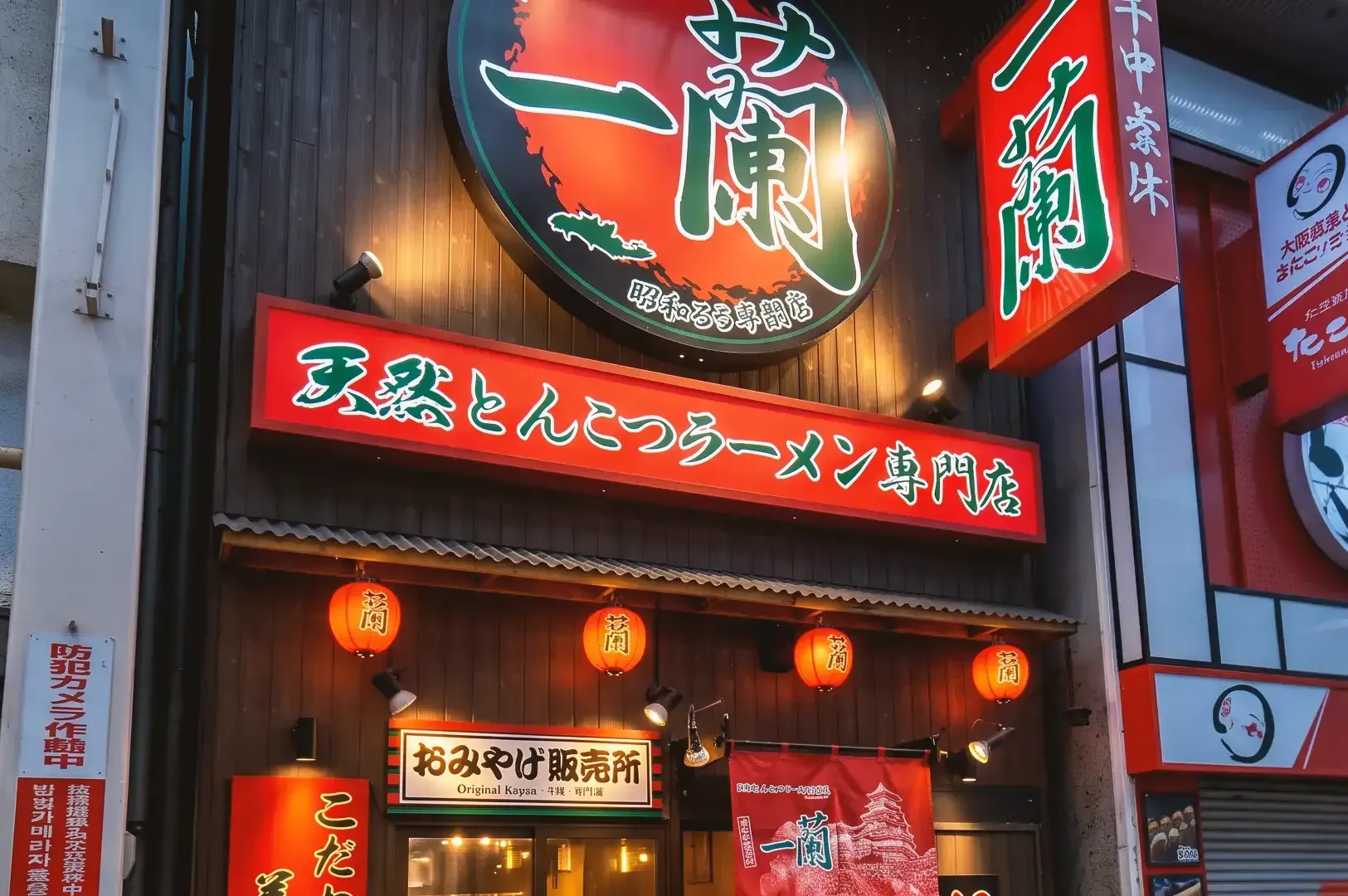
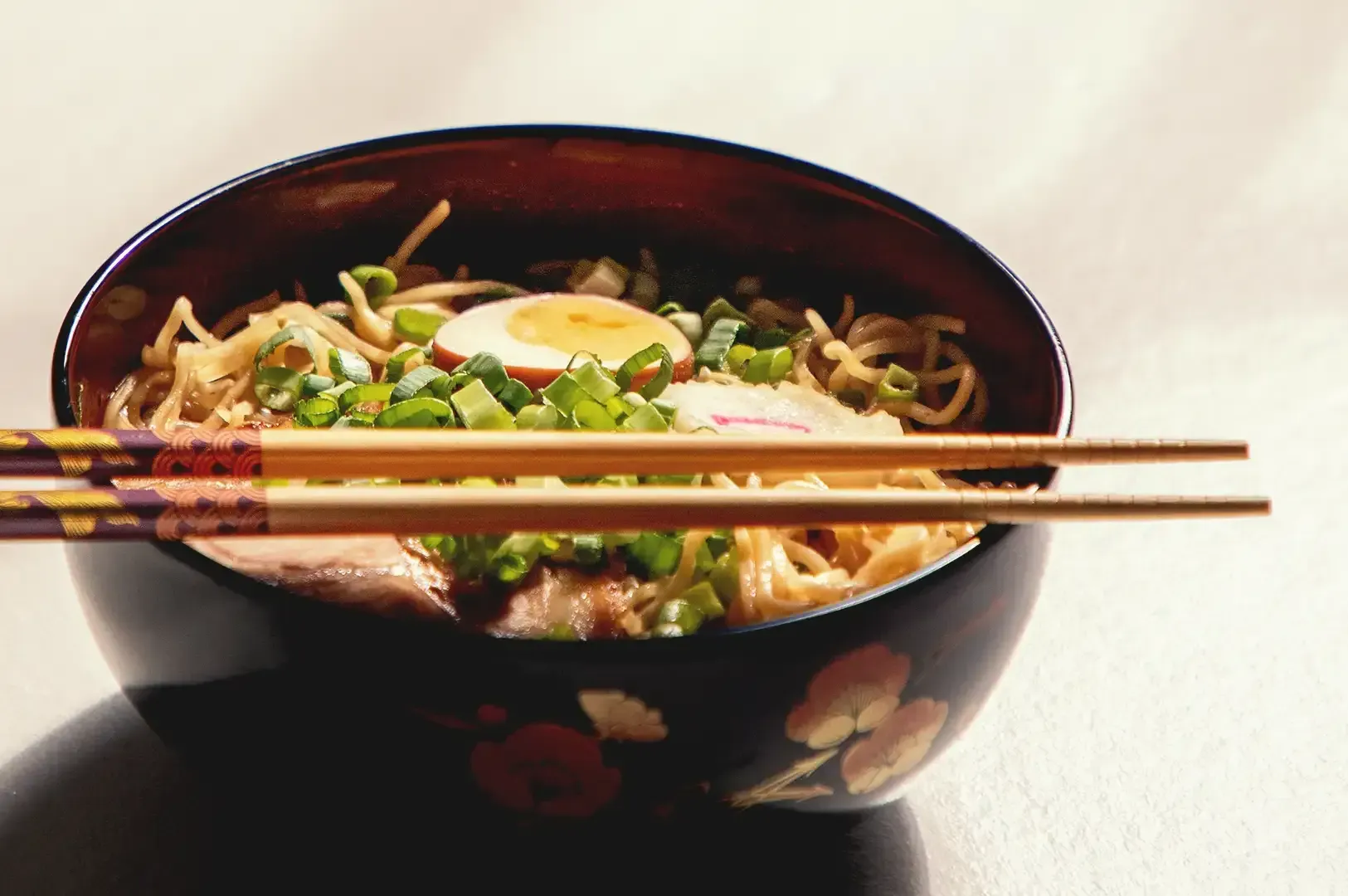
In most places, a bowl of noodles is just a meal. But in the world of ramen philosophy, it can be something more. Picture a small ramen-ya in a quiet Tokyo alley. The air is warm and steamy. The only sounds are the gentle clatter of chopsticks, the bubbling of a massive stockpot, and the rhythmic slurping of fellow diners. You’re seated at a wooden counter, your attention focused solely on the bowl before you. It’s not just lunch; it’s a moment of complete presence.
This experience, a form of culinary meditation, is at the heart of
mindful eating. It’s not just about consumption—it’s about engaging all your senses and appreciating the immense effort and history captured in a single serving. While
ramen has become globally popular, often enjoyed in lively settings, its roots lie in
Japanese cuisine, where
mindfulness, respect, and focus shape everyday meals. Ramen itself is of Chinese origin, having been adapted into Japanese cuisine through a rich history of cultural exchange.
Ramen Philosophy and the Art of Presence
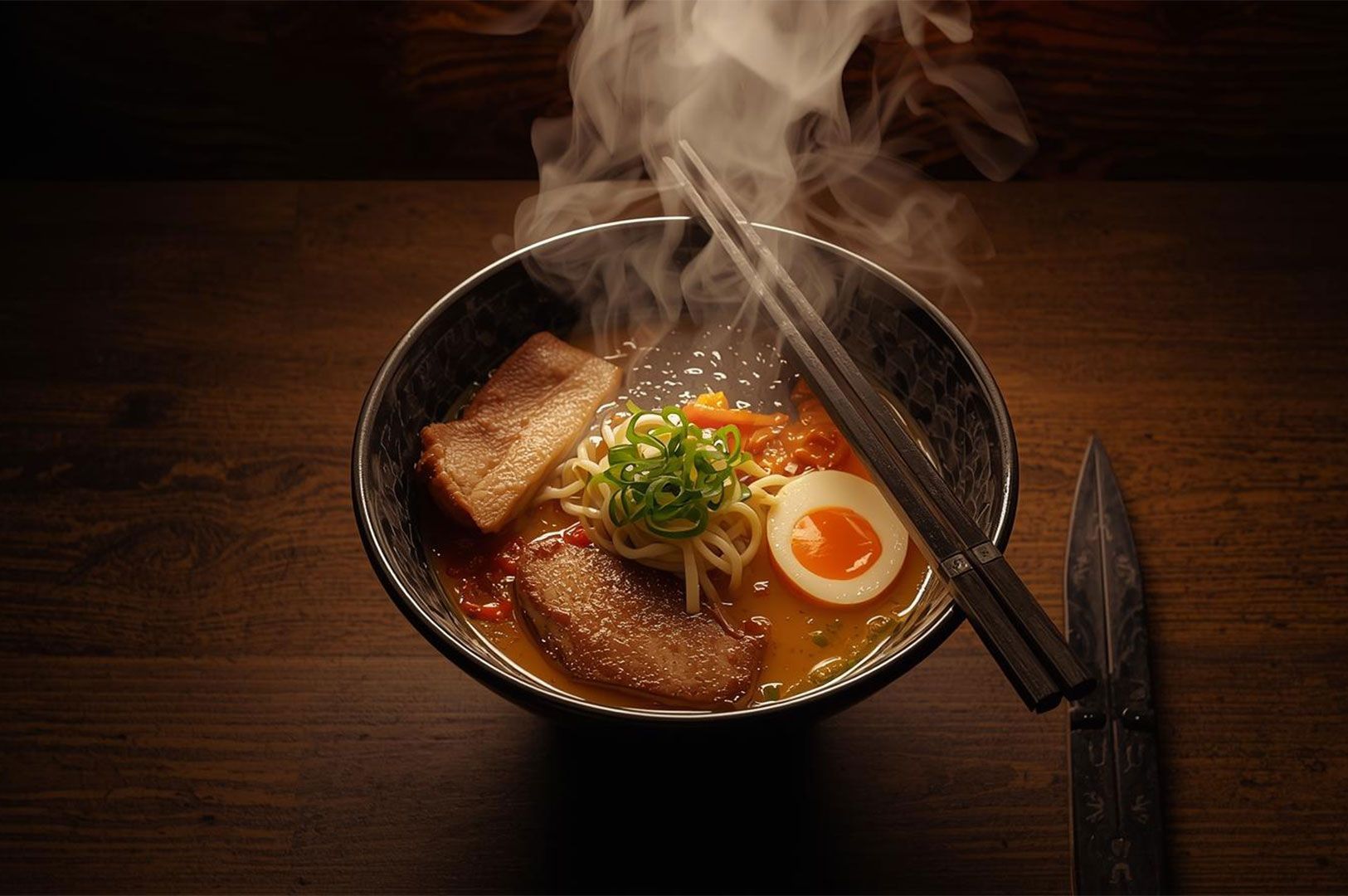
Mindfulness is deeply woven into the act of eating ramen. From the steaming broth to the perfectly cooked noodles, each element represents time, effort, and history. Appreciating these layers turns a simple
meal into a meditative experience, where presence is the main ingredient.
Itadakimasu and Japanese Cuisine: Gratitude in Every Bowl
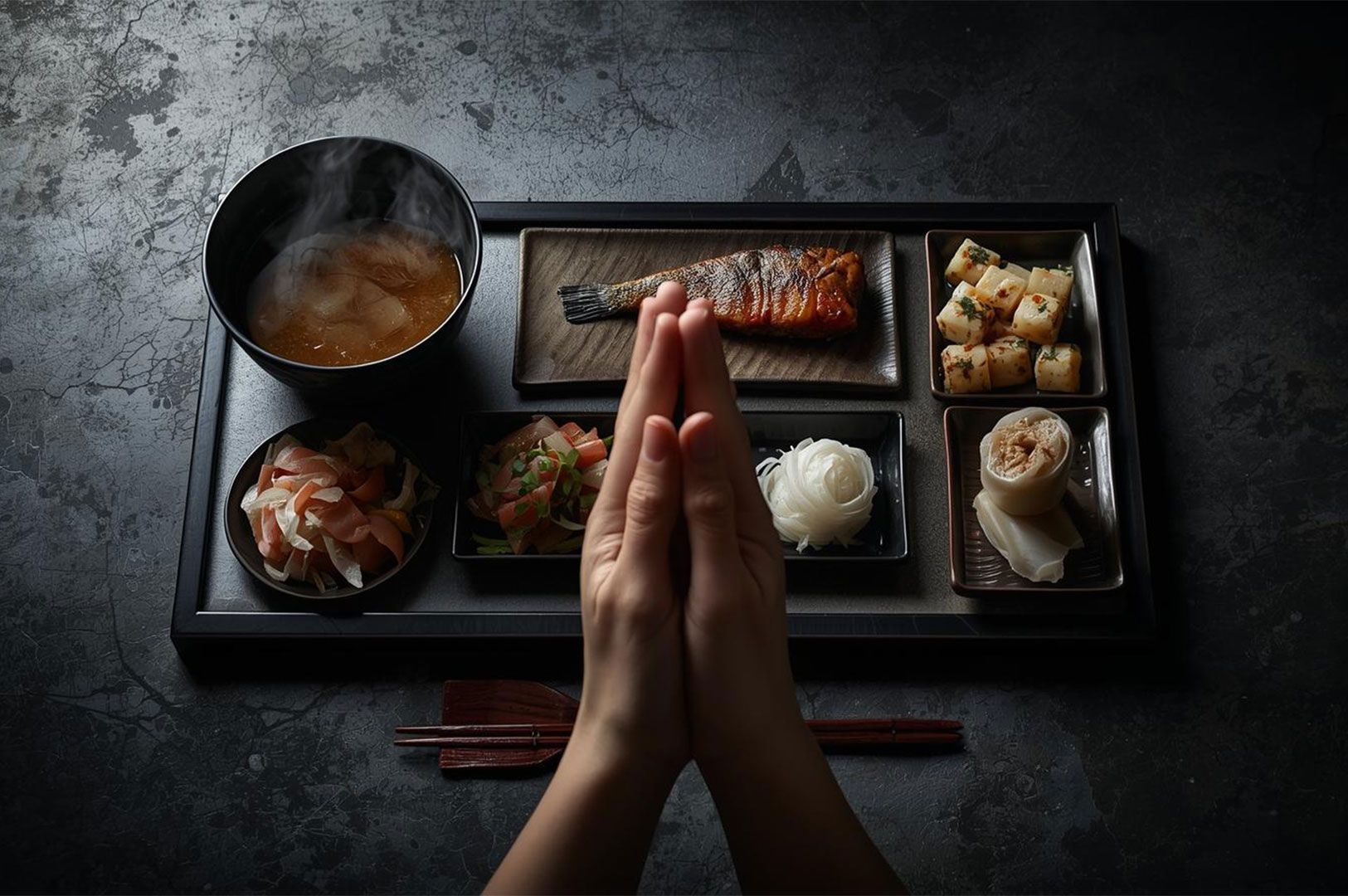
To understand ramen philosophy, we must first explore itadakimasu. Often translated as “I humbly receive,” this phrase is spoken before every meal in Japanese food culture. It acknowledges the farmer who grew the wheat, the animal that gave its life, and the natural elements that nurtured the ingredients.
In
Japanese cuisine, balance is key. Meals are traditionally structured around
ichiju-sansai—“one soup, three dishes”—where
miso soup is served alongside rice, vegetables, and a
main dish of fish or meat. Historically, meat consumption in Japan was limited due to cultural and religious reasons, but over time, meat has become an important part of traditional meals, especially in dishes like
sukiyaki and
shabu-shabu. This structure fosters healthy
eating habits, ensuring variety without excess.
The Ramen Shop: An Eating Environment for Focus and Reflection
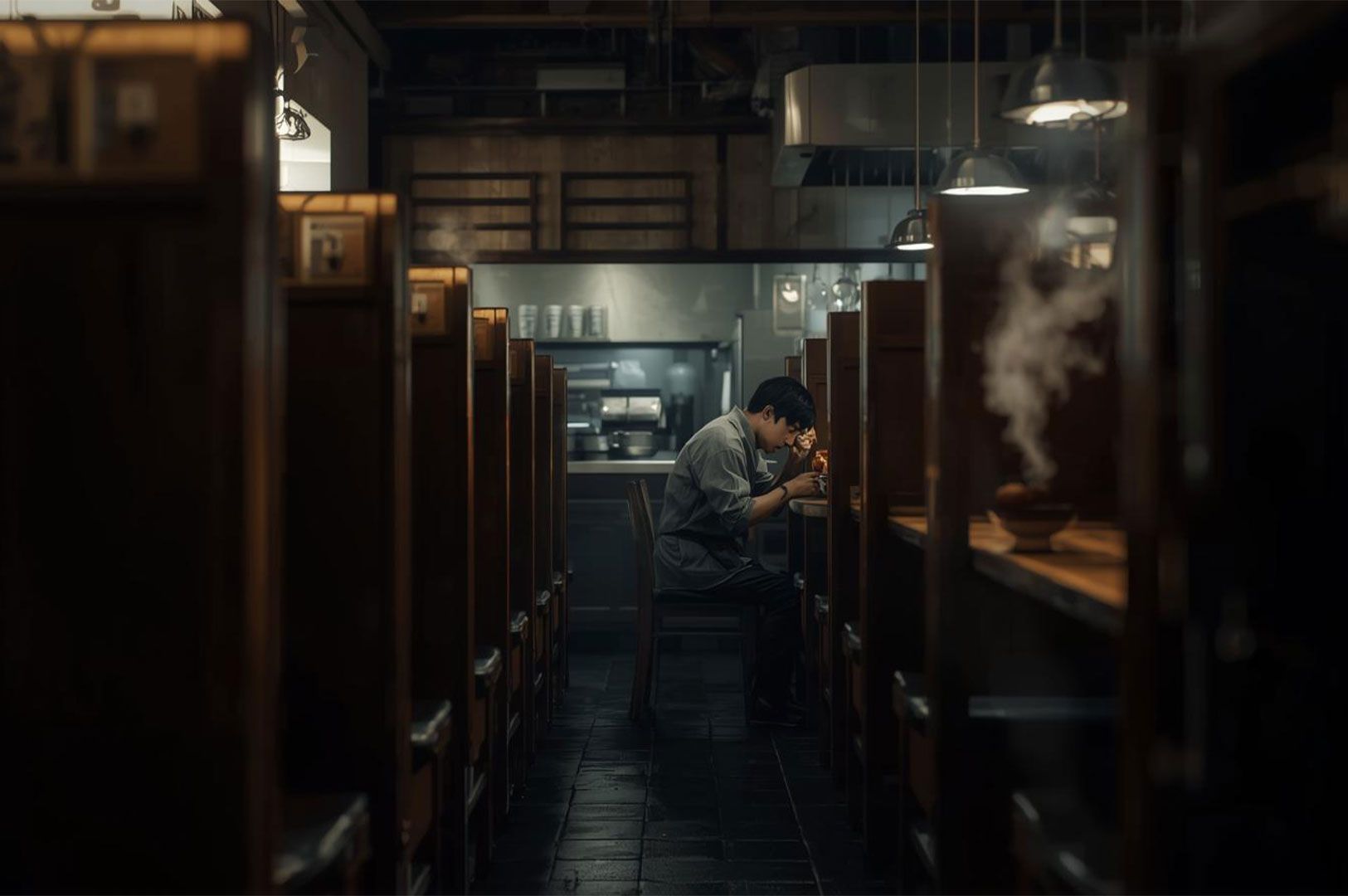
Traditional ramen shops are designed to create a mindful eating environment.
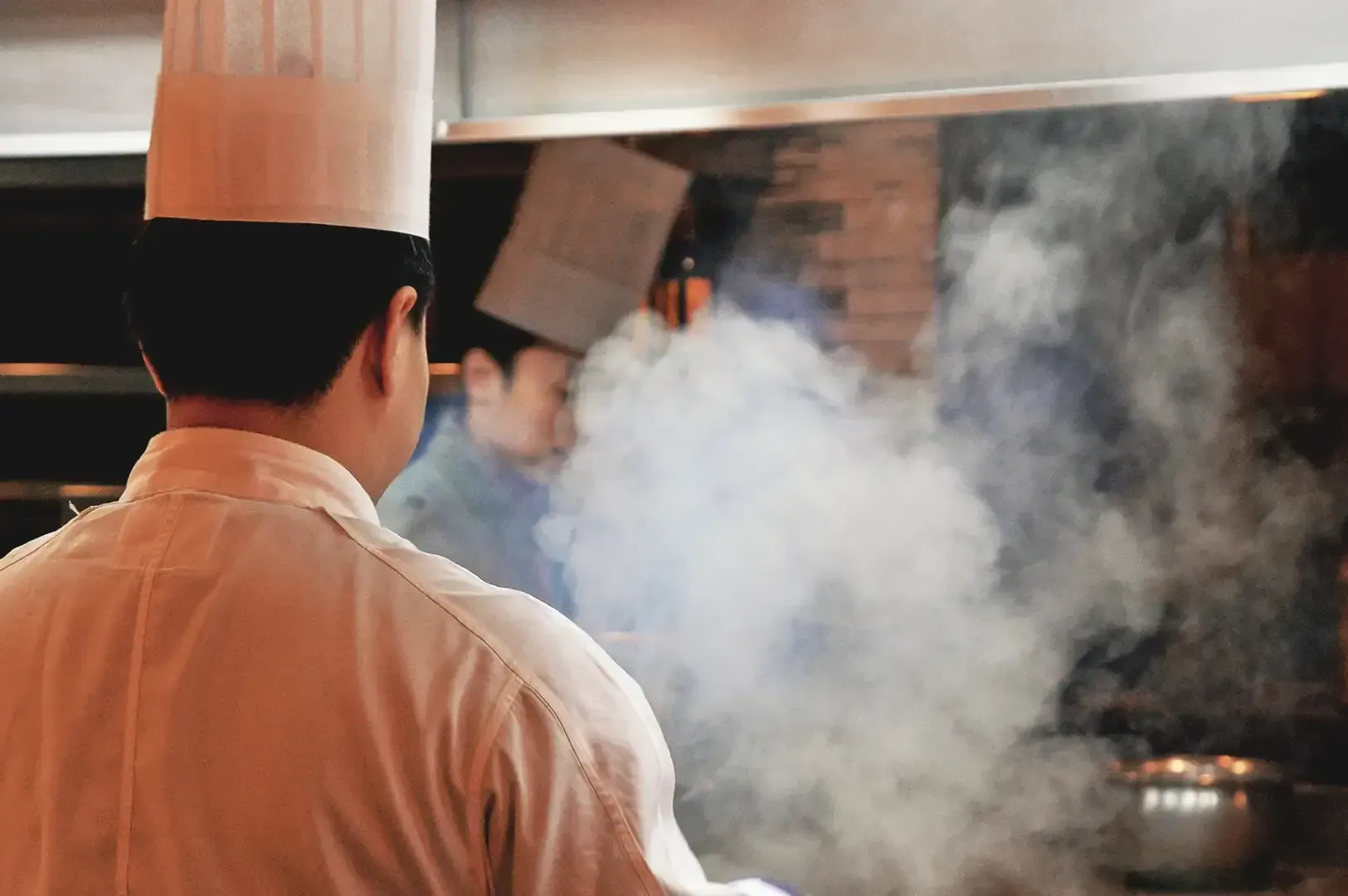
- The Counter: A direct connection with the chef allows diners to watch the art of Japanese cooking unfold.
- Solo Dining: Booths or quiet counters encourage focus on the food, not distractions.
- The Ritual: Ordering from vending machines and eating in silence turns the act into a meditative practice.
Unlike many Western
restaurants, where food is paired with chatter and screens, a ramen-ya allows people to slow down, notice
taste, and
practice mindful eating.
The Rituals of Ramen Consumption and Mindful Eating
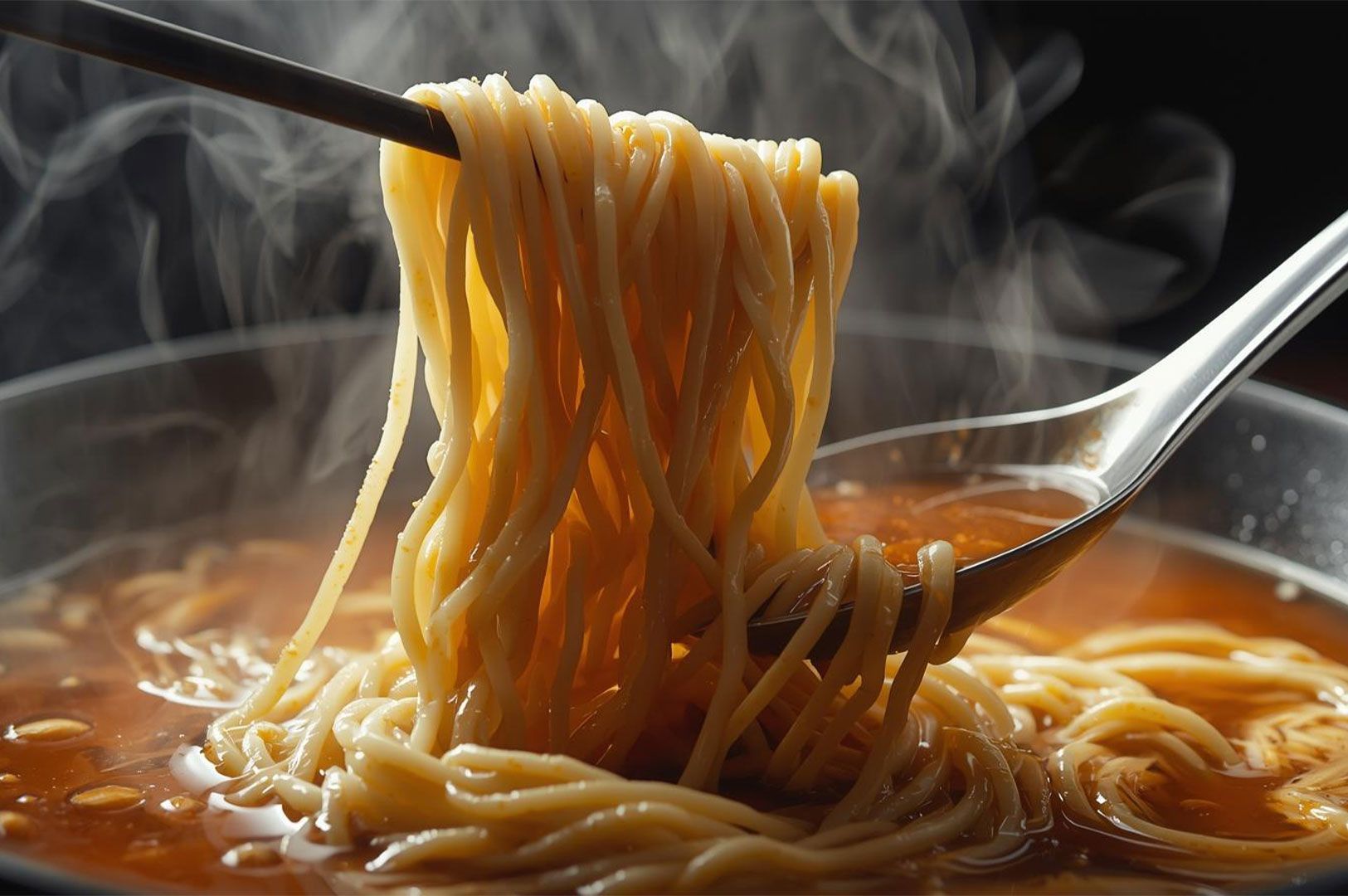
The way ramen is consumed highlights its deeper role in japanese food culture.
- Smell the Aroma – Appreciating the broth before the first bite.
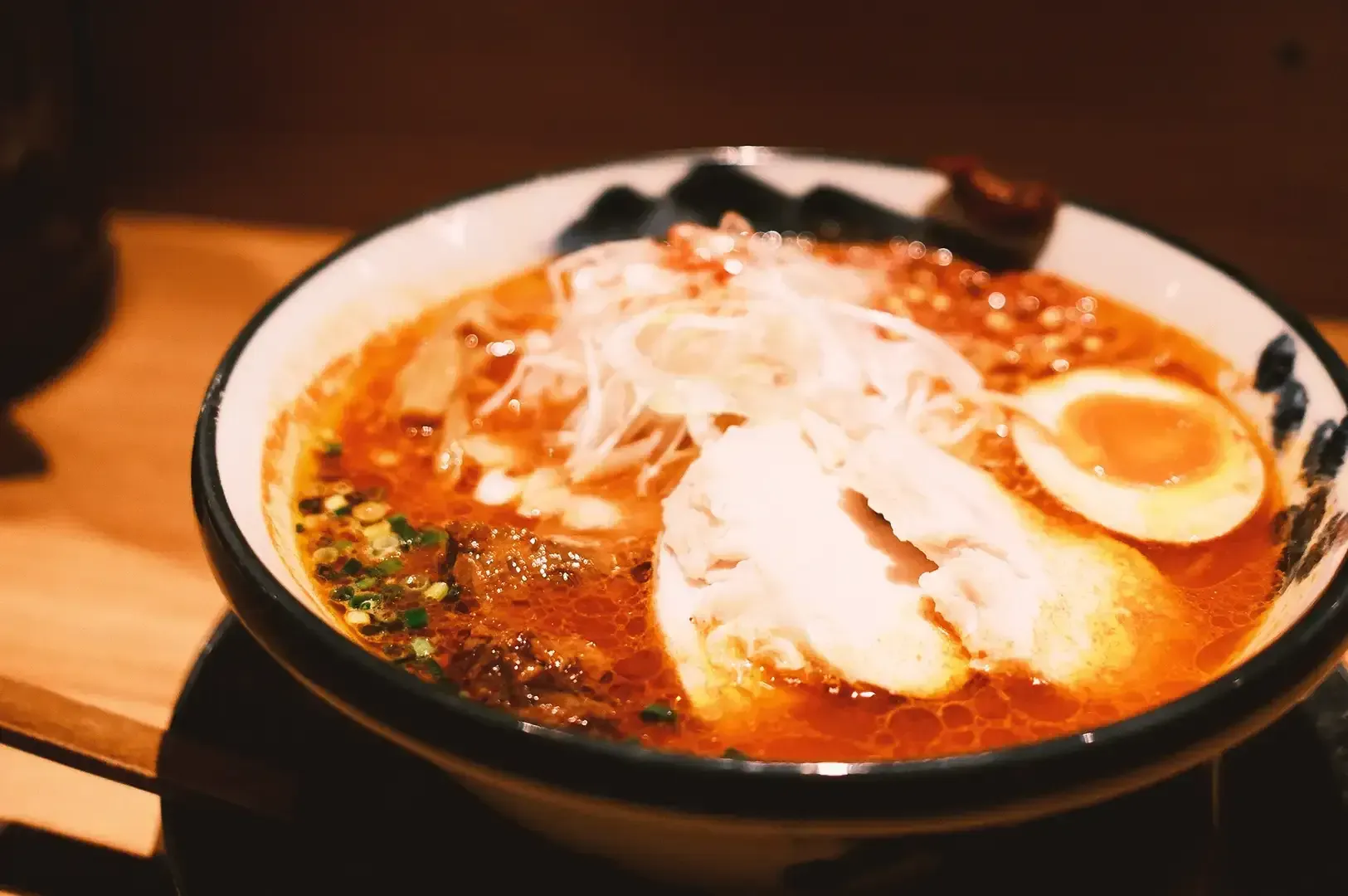
- Taste the Broth – The “soul” of ramen, often made from pork, chicken, or vegetables. Soy sauce is often used as a key seasoning in ramen broths, enhancing the umami flavor.
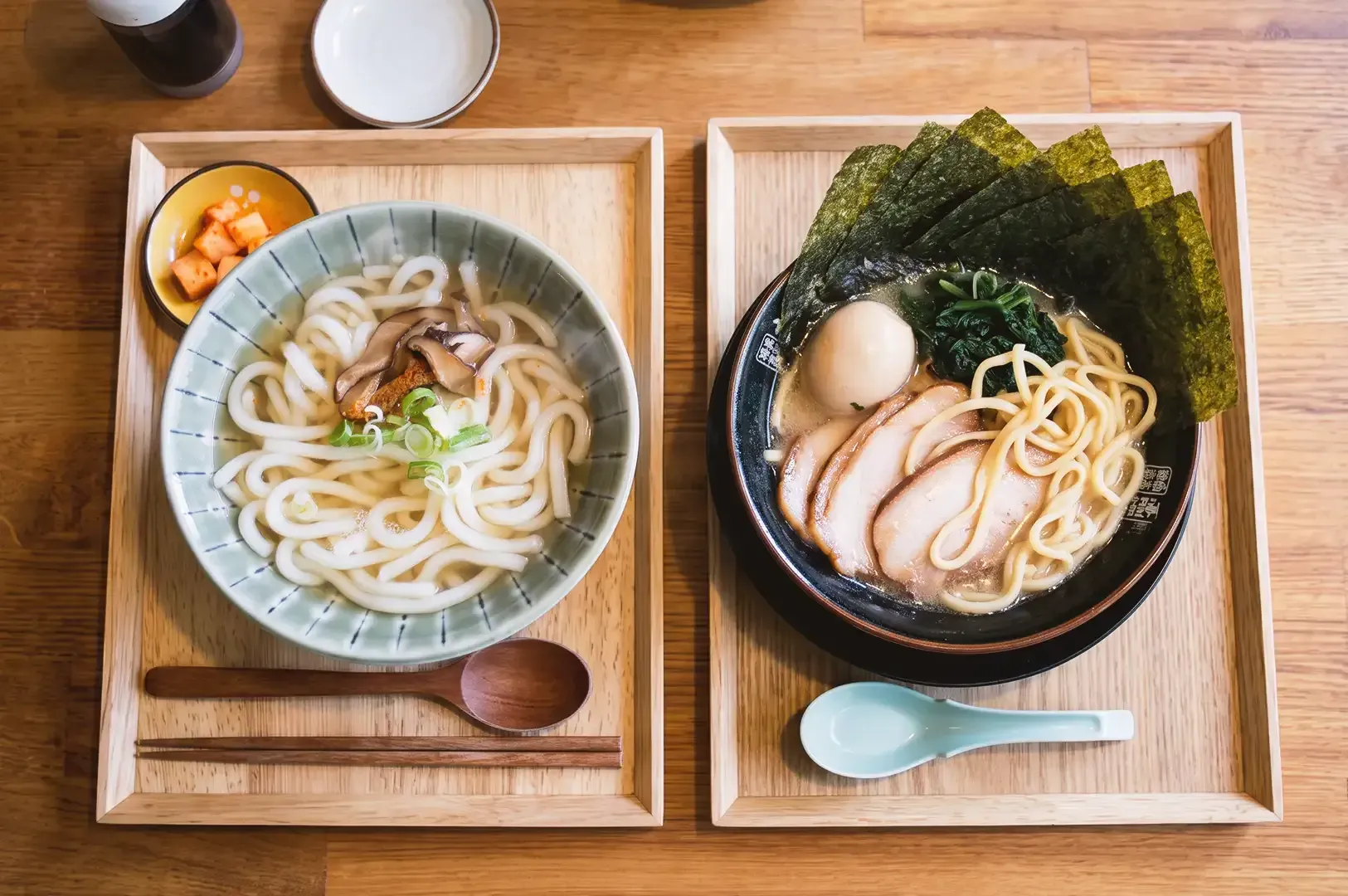
- Eat the Noodles – Whether ramen or udon noodles, the texture demands presence.
- Enjoy the Toppings – From chashu pork to raw egg or pickled vegetables, toppings represent regional variety. Vegetables cooked in broth or as toppings are common in ramen and other Japanese dishes.
Ramen’s broth serves a similar purpose to the dipping sauce found in other Japanese noodle dishes, such as soba or tempura, as both enhance the overall flavor and experience.
Even the act of slurping, often misunderstood, is mindful—it cools noodles, enhances flavor, and signals appreciation. Unlike
mindless eating, each bite is intentional.
Eating Habits, Emotional Eating, and Lessons from Japanese Food Culture
The structure of the Japanese diet offers lessons for today’s world. Small portions, balanced japanese dishes, and emphasis on fresh, seasonal ingredients all support healthy eating.
In contrast, modern challenges like
emotional eating,
binge eating, and
distracted dining often lead to
unhealthy eating behaviors. Mindful eating practices can positively influence eating behavior by reducing emotional and binge eating. Recognizing when you are truly hungry, rather than eating out of habit or emotion, is essential for preventing overeating. While the primary goal is healthy eating, mindful eating can also support weight loss and long-term weight management. The mindful traditions of Japan—pausing before a meal, savoring each bite, and
stopping when satisfied—provide practical tools for balance.
Beyond Ramen: Japanese Dishes, Miso Soup, and Everyday Japanese Cooking
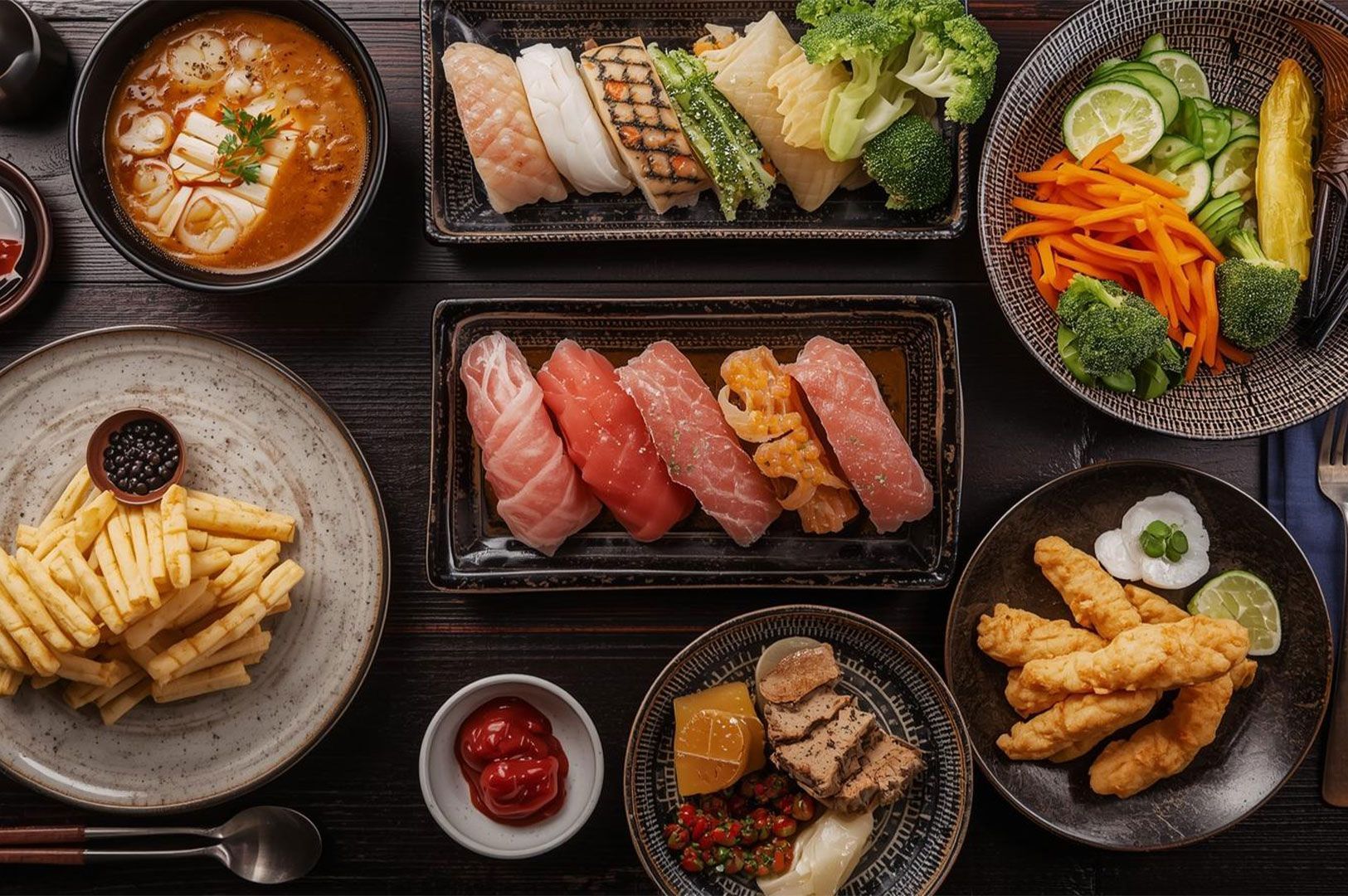
Traditional Japanese foods are renowned for their diversity, deep historical roots, and rich regional variations, reflecting the cultural significance and heritage of Japan's cuisine.
While ramen is iconic, it is part of a broader tapestry of Japanese food. From sushi made with delicate sushi rice, to comforting miso soup, to warming hot pot shared with friends, every dish encourages connection to ingredients and community.
Japanese cooking also celebrates variety:
- Special occasions may include sweets like sweet red bean paste or premium wagyu beef.
- Everyday meals highlight vegetables, pickled plum, or deep fried tempura, showing the range of other dishes within the cuisine.
Each of these reflects the same mindful approach—food as nourishment, culture, and gratitude.
Food, Special Occasions, and the Deeper Role of Japanese Food in Life
Food in Japan is never just fuel. Whether celebrating special occasions with elaborate banquets or sharing simple rice and soup at home, meals are tied to ritual and appreciation. They help regulate food intake, reduce stress, and encourage presence.
This contrasts with some modern practices of rushing meals or eating on the go. By learning from Japanese traditions, we can transform even ordinary dinners into meaningful experiences.
The Impact of Eating Habits on Wellbeing
Our eating habits are intimately connected to our overall wellbeing, shaping not just our physical health but also our emotional and psychological state. In Japanese cuisine, the philosophy means more than just what is eaten—it’s about how, when, and why we eat. Traditional Japanese food, with its focus on seasonal ingredients, small portions, and balanced meals, offers a blueprint for healthy eating that can benefit anyone, anywhere.
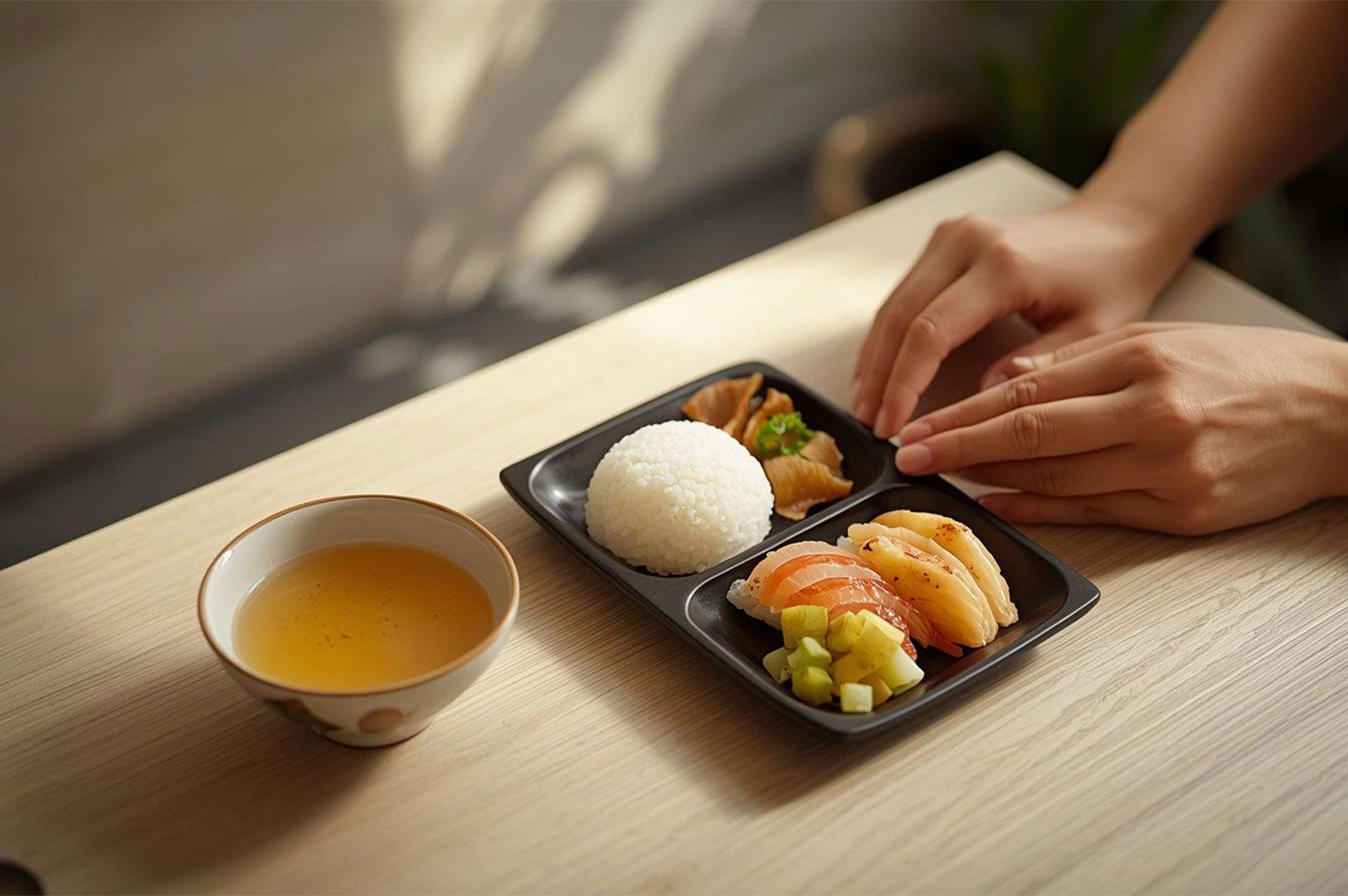
Practicing mindful eating—slowing down, tuning into physical hunger cues, and savoring each bite—can transform the eating experience. A typical meal in Japan might include miso soup, sushi rice, and a variety of side dishes like pickled vegetables or thin strips of raw fish, all served in small portions. This approach not only satisfies hunger but also helps prevent overeating and mindless eating, supporting weight management and a healthier relationship with food.
The eating environment plays a crucial role as well. In Japanese food culture, meals are often shared in calm, distraction-free settings that encourage focus and appreciation. Whether enjoying a comforting bowl of ramen or a dinner of regional specialties like wagyu beef or pickled plum, the emphasis is on being present and connecting with others. This mindful approach to eating can reduce emotional eating and binge eating, fostering healthier behaviors and greater satisfaction.
Scientific research, including systematic reviews and meta-analyses, supports the benefits of mindfulness-based interventions for eating. Studies show that practicing mindfulness can help regulate food intake, reduce psychological distress, and improve body image. By developing insights into our physical sensations and emotional states, we can make better food choices and stop eating when satisfied, rather than out of habit or stress.
Japanese cooking, with its deep respect for whole, unprocessed foods and traditional techniques, also offers a sense of cultural connection and continuity. Meals become more than just fuel—they are opportunities to celebrate heritage, community, and the changing seasons. Even Buddhist monks in Japan have long practiced mindful eating as a form of meditation, highlighting the spiritual dimension of food.
Ultimately, the impact of
eating habits on
wellbeing is profound and multifaceted. By incorporating elements of
Japanese cuisine and
food culture—such as
eating slowly,
focusing on taste, and choosing
seasonal ingredients—we can develop healthier habits and a more positive relationship with food. This mindful approach not only supports
physical health but also enriches our
daily lives, making every meal a chance to nourish both
body and
spirit.
Practicing Mindful Eating for Healthy Eating and Weight Balance
You don’t need to be in Tokyo to apply these lessons. Wherever you are, you can practice mindful eating:
- Put away distractions and focus on the meal.
- Eat slowly, paying attention to texture, warmth, and taste.
- Notice physical hunger cues and stop eating when satisfied.
- Express gratitude for the journey of the ingredients.
Such small actions support both weight management and healthy eating, while making meals more enjoyable.
Additional research is needed to further define mindful eating practices and assess their long-term effects on health and disease prevention.
From Binge Eating to Conscious Living: Applying Ramen Philosophy to Daily Meals

Modern health studies—including mindfulness-based interventions—show that slowing down and savoring food can help reduce binge eating, improve awareness of food choices, and even alleviate psychological distress.
By applying
ramen philosophy to everyday meals, whether enjoying
japanese food, pasta, or a salad, we reconnect with our bodies, reduce stress, and bring more balance to our
eating habits.
Conclusion: Ramen Philosophy and the Universal Practice of Mindful Eating
Ramen is more than a popular dish. It is a cultural practice, a reflection of japanese cuisine, and a reminder that meals are opportunities to connect with food, tradition, and self.
Whether you are alone at a wooden counter in Tokyo or enjoying a lively bowl with friends abroad, the same lesson applies: food is an experience, not just fuel. For those interested in diving deeper into the core components of this beloved dish,
Best Ramen Essentials offers an insightful guide. By embracing
mindful eating, we not only enjoy better
eating habits but also rediscover gratitude, balance, and meaning in the simple act of eating.
Recent Posts