Garlic Infusions: Mastering Ramen Garlic Infusions for the Perfect Bowl
A perfect bowl of ramen is a masterclass in balance. It’s a delicate harmony of rich ramen broth, chewy ramen noodles, tender ramen toppings, and savory tare. But there’s another element, an aromatic whisper that can elevate the entire experience from good to unforgettable: garlic.
Used with intention, garlic is a powerful umami enhancer. It provides contrast, depth, and warmth—but when mishandled, it can overwhelm the bowl of ramen and dominate the delicate layers of flavor. Garlic infusions can introduce new or enhanced flavors to ramen, allowing for a diverse and customized taste experience.
The secret lies in transformation. Through careful
japanese cooking techniques, garlic can become smoky, sweet, nutty, or mellow. From silky
garlic oil to the roasty complexity of
black garlic oil, these
ramen garlic infusions are the perfect complement to a steaming bowl, whether you’re enjoying
homemade ramen or upgrading a pack of
instant ramen.
Introduction to Ramen and Garlic Infusions
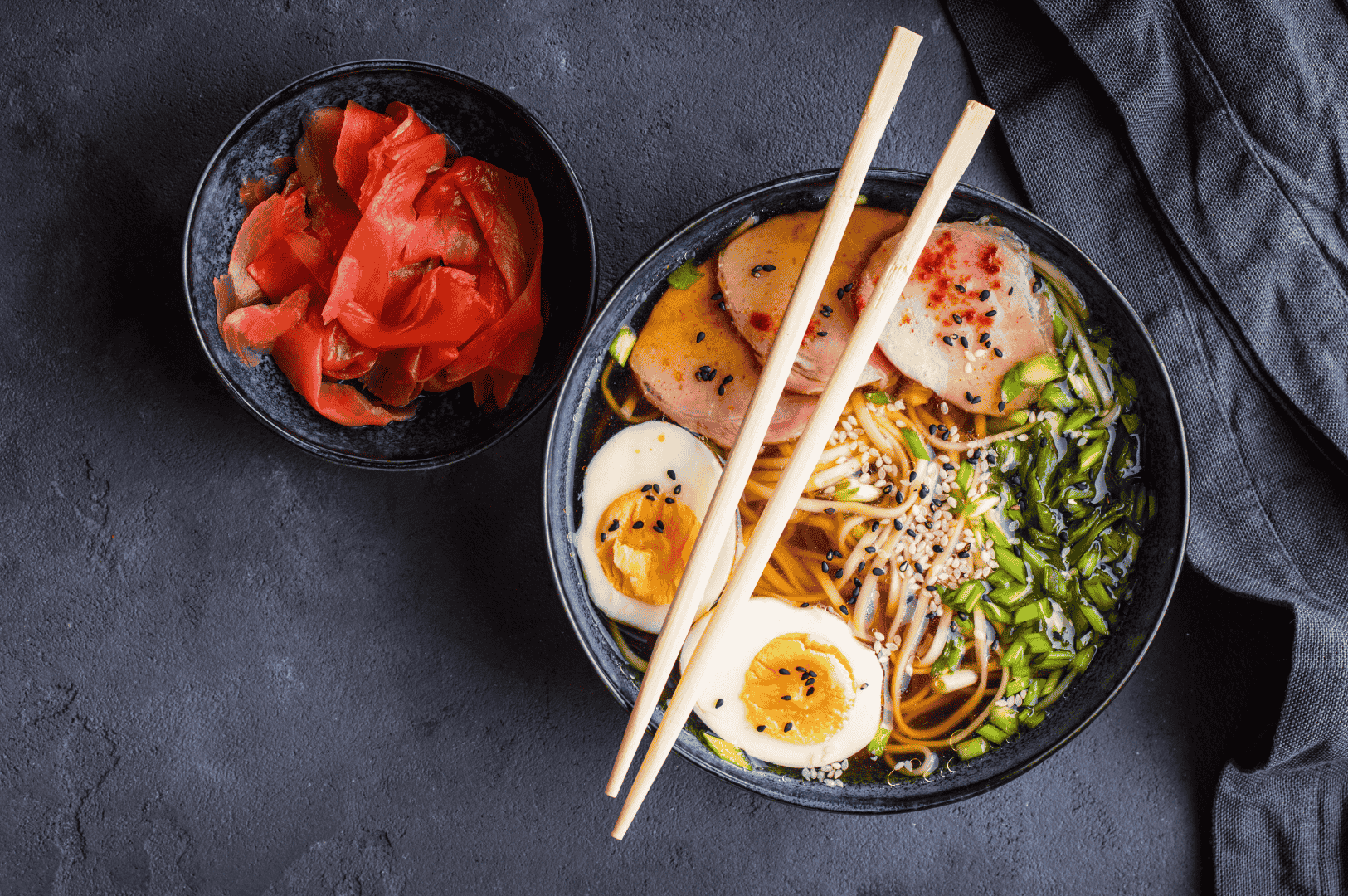
Ramen is more than just a comforting bowl of noodles—it’s a celebration of flavor, texture, and tradition. At its heart, ramen combines a rich, savory broth with springy noodles and a medley of toppings, but what truly sets a memorable bowl apart is the depth of flavor brought by garlic infusions. Whether you’re savoring a classic ramen or experimenting with your own creations, infusions like burnt garlic oil and black garlic oil can transform your dish into something extraordinary.
Garlic infusions are a versatile ingredient that go far beyond ramen. They add a punch of umami to fried rice, stir-fries, and even dipping sauces. Creating your own garlic oil at home is simple: just cook garlic in a neutral oil—such as canola oil or vegetable oil—in a medium-sized saucepan over medium-low heat, stirring frequently until the garlic is completely pulverized and golden brown. This slow process unlocks a deep, nutty flavor without the bitterness of burnt garlic.
The result is a rich, aromatic oil that can be drizzled over noodles, swirled into broth, or used as a finishing touch for countless dishes. With just a few pantry staples and a bit of patience, you can elevate your ramen and other recipes with the irresistible flavor of
homemade garlic oil.
The Chemistry of a Clove: Why Garlic Oil and Heat Matter
A garlic clove’s sharpness comes from allicin, a compound created when cells are crushed or chopped. The finer the garlic is cut or grated, the stronger the bite.
Heat changes everything. Roasting turns harshness into jammy sweetness. Frying creates nutty crispness. Slow infusions yield fragrant oils. Even the type of fat—olive oil, neutral oil, vegetable oil, or roasted sesame oil—influences the final aroma.
Mastering garlic means learning how
heat, time, and texture interact. Whether you’re frying on
medium low heat or using
medium high heat (a common setting for boiling water or cooking ramen noodles, which can brown garlic more quickly and intensify its flavor), roasting whole bulbs, or stirring garlic gently in oil, each method unlocks a different flavor profile.
The Five Faces of Ramen Garlic Infusions
Each style of preparation creates its own identity. These aren’t just recipes—they’re techniques that elevate your ramen game and bring variety to every ramen night. Different garlic infusions can be paired with various types of ramens, allowing you to create unique flavor experiences that complement each ramen style.
1. Mayu (Black Garlic Oil): The Smoky, Nutty Infusion
Perhaps the most famous garlic infusion is mayu, or black garlic oil. A signature of Kumamoto-style tonkotsu ramen, it’s sometimes mistaken for just burnt garlic oil, but the difference is patience.
How It’s Made: Garlic is slowly cooked in a medium sized saucepan with neutral oil, stirring frequently, until it turns jet black. The typical cook time for making black garlic oil is about 10–15 minutes, depending on the heat and amount of garlic. At the end, a dash of sesame oil or toasted sesame oil is often added for fragrance.
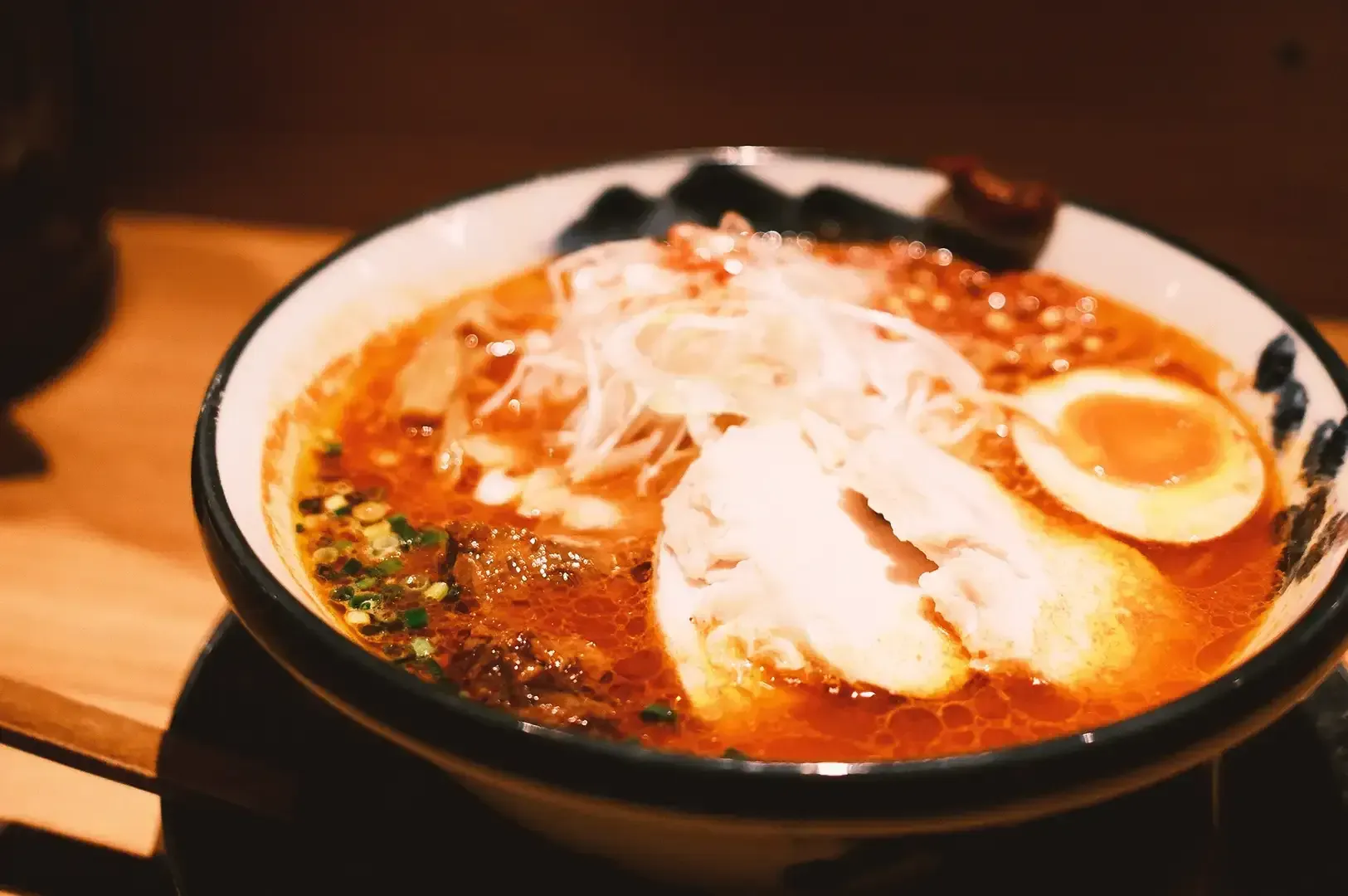
Flavor Profile: Not acrid, but deeply roasty, nutty, and slightly sweet. A swirl of mayu turns creamy broth into a layered flavor bomb.
Common Mistake: Rushing with high heat leads to harsh, burnt garlic instead of nuanced garlic oil.
2. Garlic Chips: A Crunchy Ramen Topping
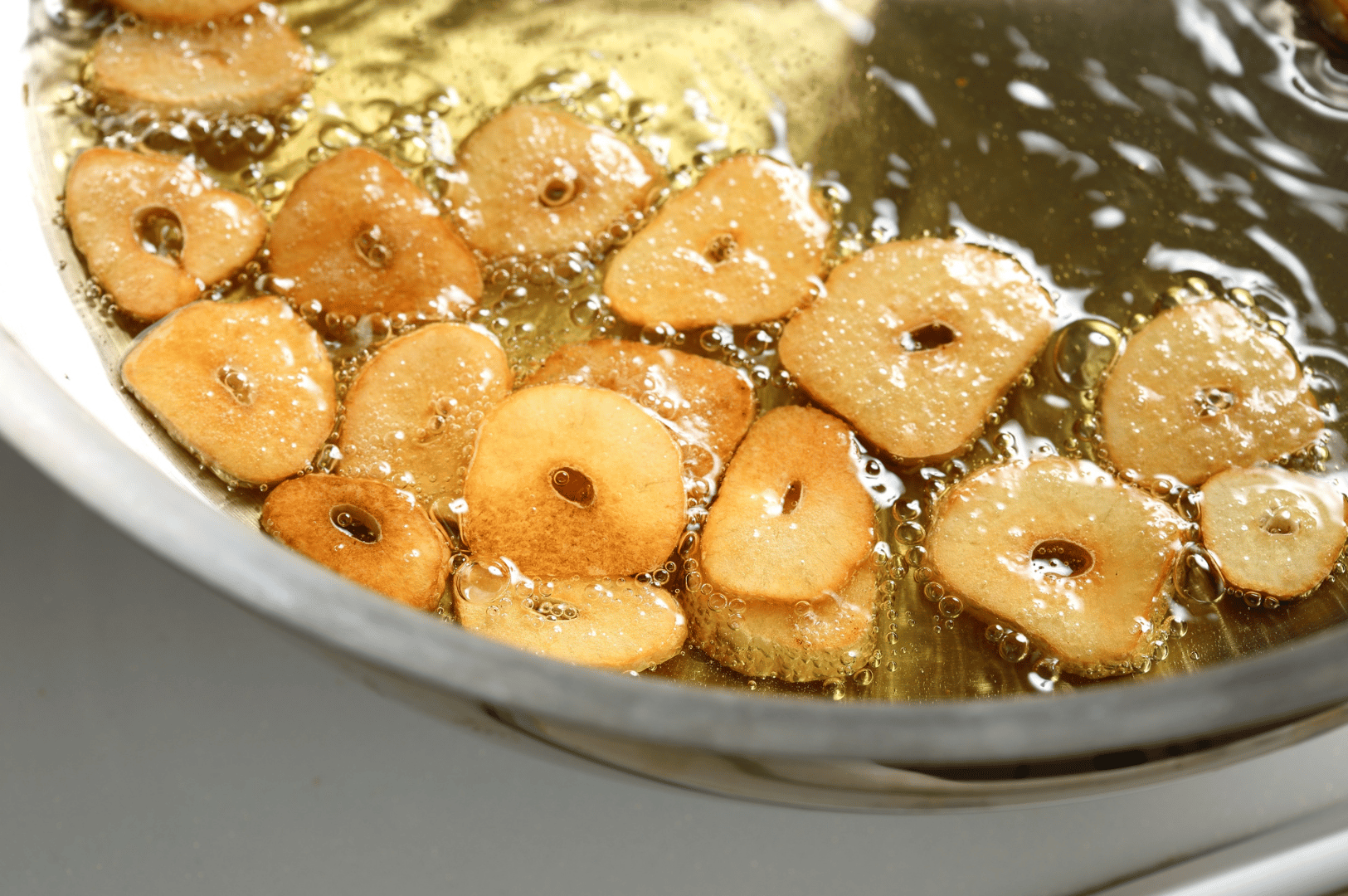
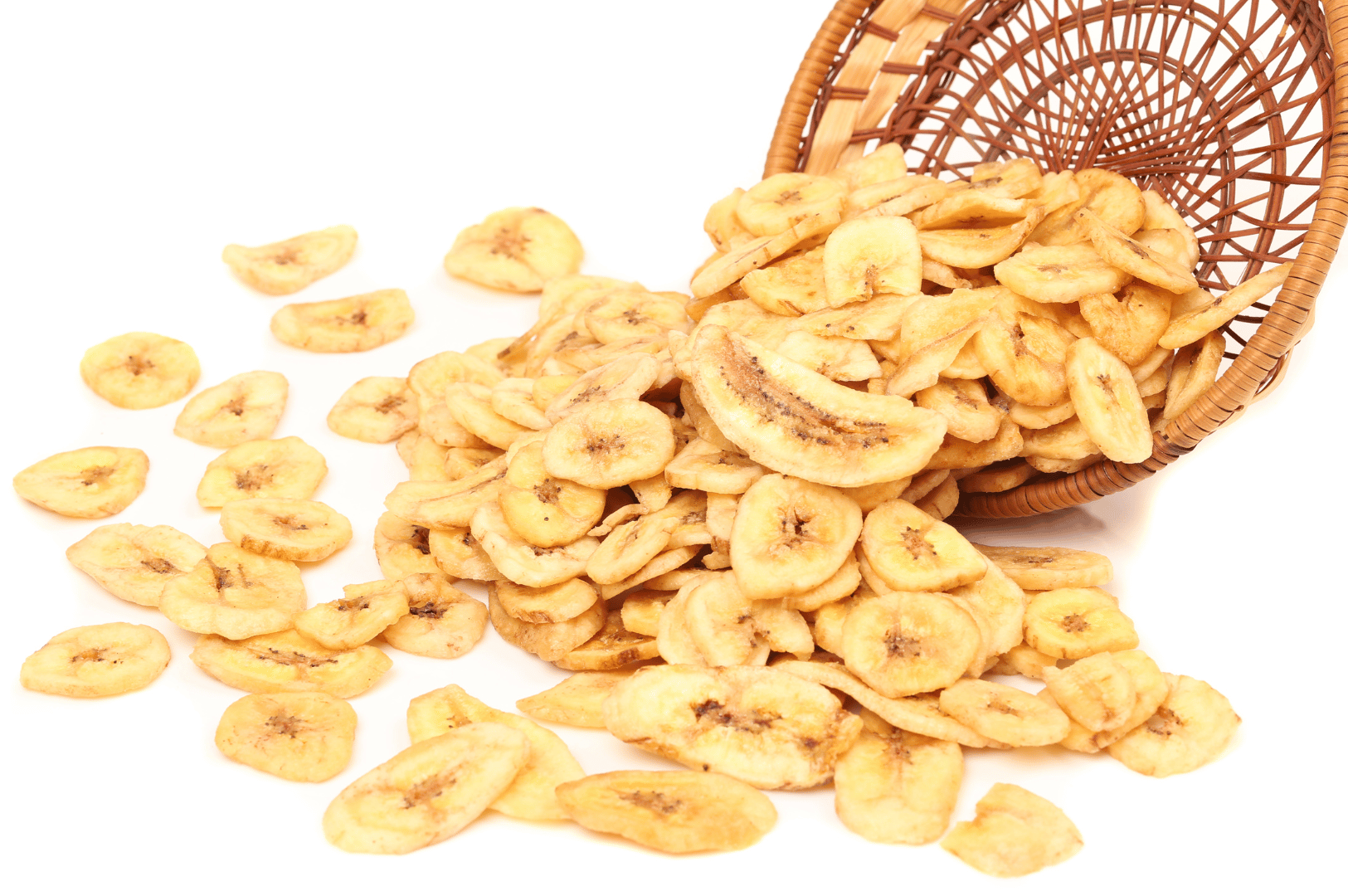
Golden garlic chips bring crunchy texture and gentle sweetness. Thinly sliced cloves, fried until pale gold, become a versatile garnish.
Serving Ideas: Scatter them over miso ramen, pair with soft boiled eggs, or add them to fried rice for extra crunch. They also work beautifully with fresh garnishes like bean sprouts, garlic chives, or green onion. Deep fried toppings like wonton can also add a crispy texture and absorb flavors well when paired with ramen.
Pro Tip: Remove them just before fully browned—they continue cooking off-heat.
3. Ninniku Tare: The Bold Punch Beside Chili Oil
Ninniku tare is a raw or lightly blanched garlic paste often found at ramen shops, sitting alongside condiments like chili oil, soy sauce, and pickled ginger. It lets diners customize their ramen bowl.
How It’s Made: Fresh garlic is grated until nearly completely pulverized, then blended with pork fat, olive oil, or neutral oil to soften its bite and help it dissolve into broth.
Flavor Profile: Sharp, raw, and spicy—a nice kick against rich broths like miso or bowls topped with fatty chicken chashu.
For serving ideas, pan-fried toppings such as bacon or shrimp pair especially well with the bold punch of ninniku tare.
4. Roasted Garlic: A Sweet Surprise in Ramen Noodles
Roasting a whole garlic head transforms its cloves into soft, jammy flavor bombs. Wrapped in foil, drizzled with olive oil, and baked, they emerge golden and mellow.
Application: Drop whole roasted cloves into a bowl, mash into broth, or spread onto slices of fish cake. With its subtle sweetness, roasted garlic complements ramen noodles, sautéed bean sprouts, or tender bok choy.
Roasted garlic ramen is especially satisfying and warming during cold weather, making it a comforting choice when temperatures drop.
5. Black Garlic: A Premium Twist Beyond Instant Ramen
Unlike mayu, true black garlic is created by aging whole bulbs at controlled humidity and low temperature for weeks. This slow transformation is similar to the slow cooked methods used for chashu, where time and patience develop deep, complex flavors. The result is sticky, black cloves tasting of molasses and balsamic vinegar.
Serving Ideas: Add slices to a ramen egg, pair with charred bean sprouts, or elevate even a quick instant ramen into a gourmet dish.
Flavor Profile: No raw bite—just sweet, tangy, umami richness.
Customizing Your Ramen Bowl: Personalizing Garlic Infusions
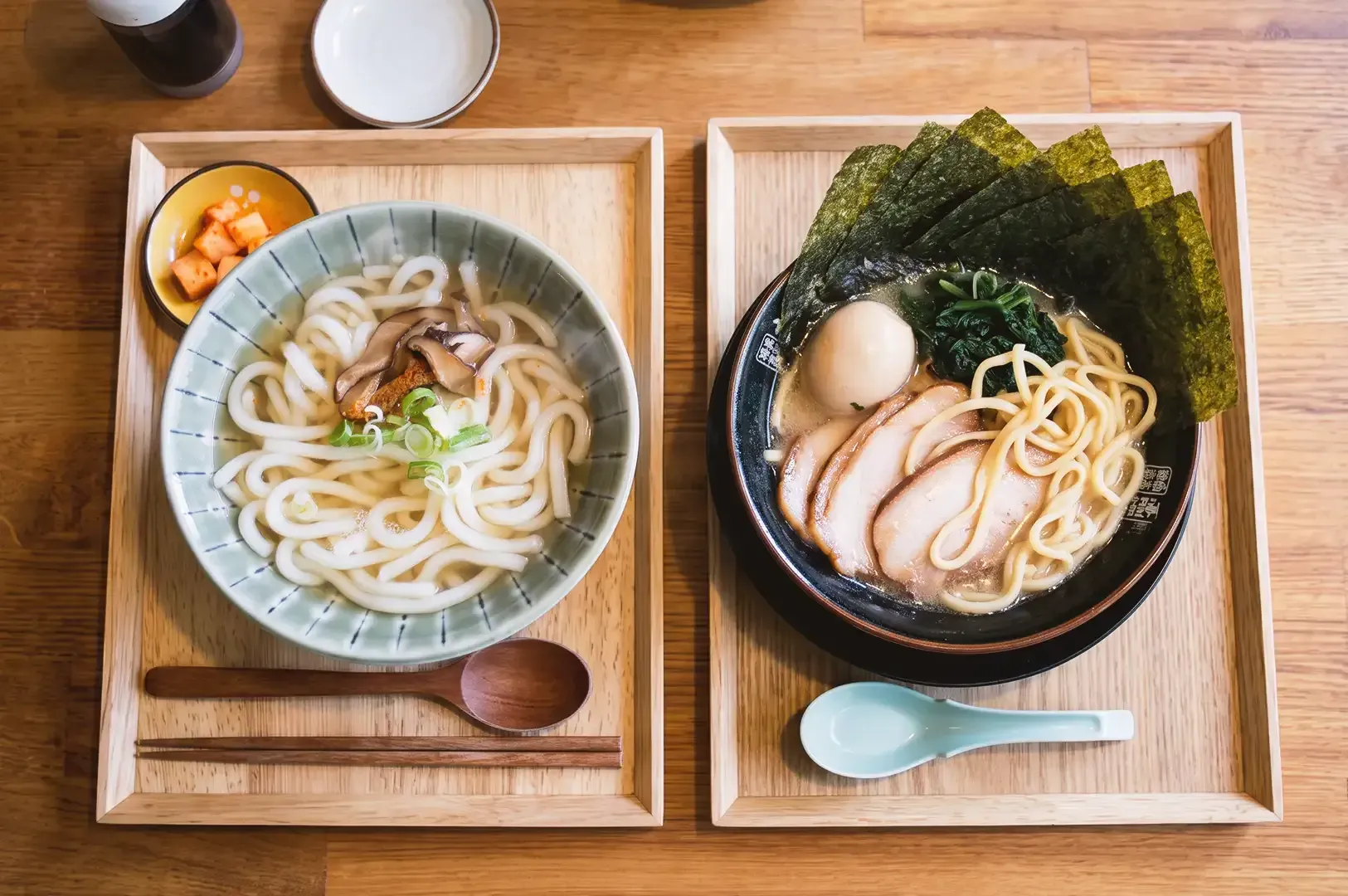
One of the joys of ramen is how easily it can be tailored to your personal taste. With so many broths, noodles, and toppings to choose from, every ramen bowl becomes a canvas for creativity. Garlic infusions are the perfect way to add your own signature twist, whether you crave a subtle warmth or a bold, spicy kick.
Start by selecting your favorite
broth—perhaps the creamy richness of
tonkotsu ramen or the savory depth of achicken chashu base. Next, layer in your favorite
toppings:
soft-boiled eggs for a silky texture, a scoop of
fried rice for heartiness, or
fermented bamboo shoots for a tangy crunch. When it comes to
noodles, don’t be afraid to experiment—try classic
ramen noodles for chewiness or
rice noodles for a gluten-free option.
Ramen Cooking Techniques and Presentation: Bringing Out the Best in Garlic
Great ramen is as much about technique as it is about ingredients. To coax out the best flavor from garlic, it’s essential to cook it gently and patiently. Using high-quality garlic and oil, cook the garlic slowly over low heat—this allows its natural sweetness to develop and infuses your ramen bowl with a deep, rich aroma. Rushing the process can lead to burnt garlic, which can overpower the delicate balance of your broth and noodles.
Presentation is just as important as flavor. Garnish your ramen bowl with vibrant
green onions, crisp
bean sprouts, or tender
bok choy to add color and a fresh crunch. A drizzle of
toasted sesame oil or a swirl of
chili oil not only enhances the flavor but also gives your bowl a beautiful, appetizing sheen. By paying attention to both
technique and
presentation, you can create a ramen experience that delights all the senses.
Building a Complete Bowl: Essential Ramen Toppings
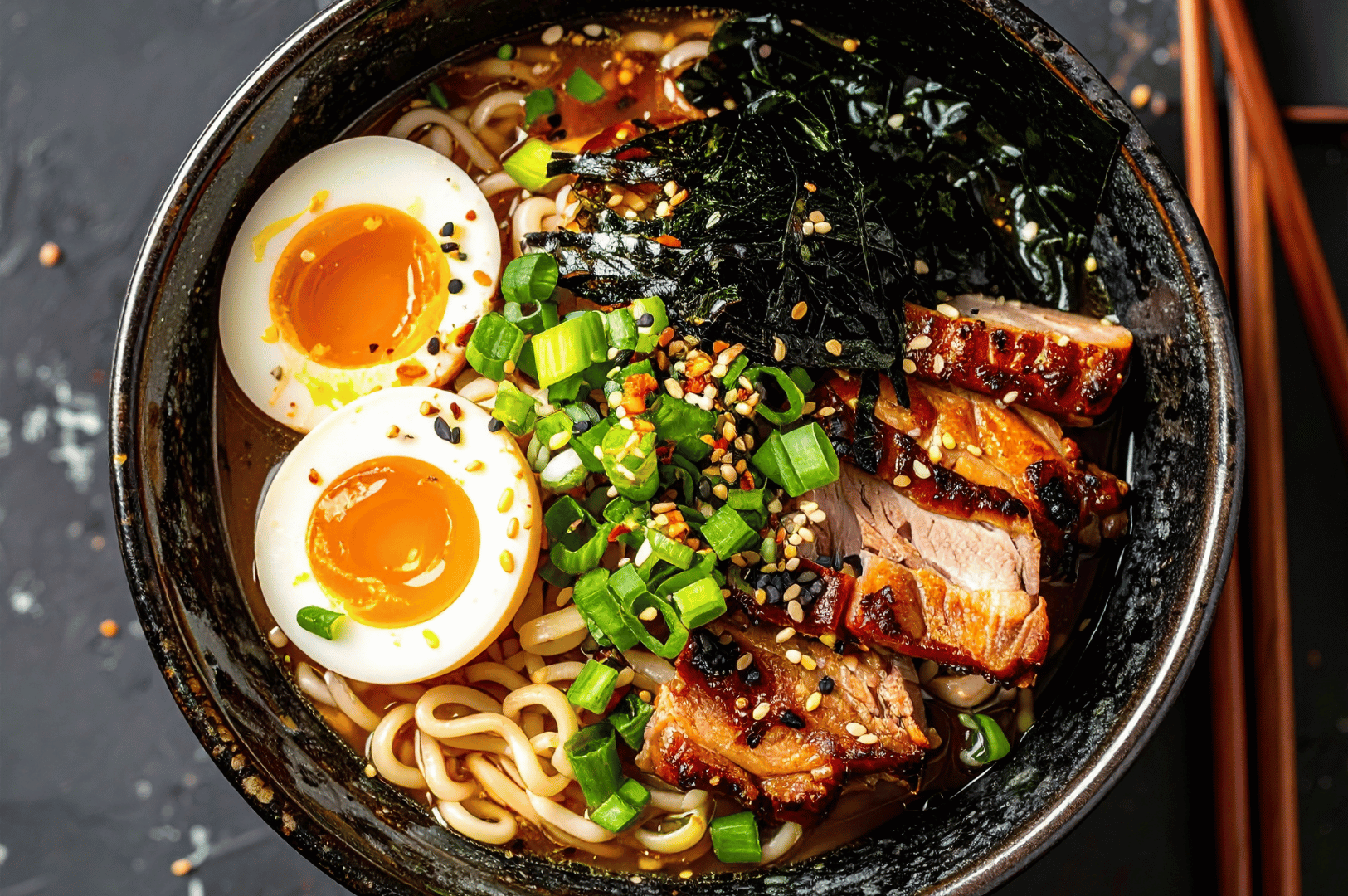
Garlic shines brightest when layered with other components. Consider these combinations for a balanced bowl of ramen:
- Ramen egg or jammy soft boiled eggs add richness, with the creamy, velvety texture of the egg yolk enhancing the broth and elevating the overall flavor.
- Savory chicken chashu or seasoned ground meat provide protein depth.
- Crisp bean sprouts, tender bok choy, and fresh green onions bring balance, enhancing aroma, texture, and taste.
- A slice of fish cake offers tradition and color.
- Chewy wheat or gluten free ramen noodles give body to the soup.
For vegetarian ramen, a variety of fresh, cooked, or pickled vegetables can be combined with a protein to create a nutritious and flavorful bowl.
Each topping adds dimension, but garlic ties them all together as the
perfect complement.
Conclusion: Elevating Every Bowl of Ramen
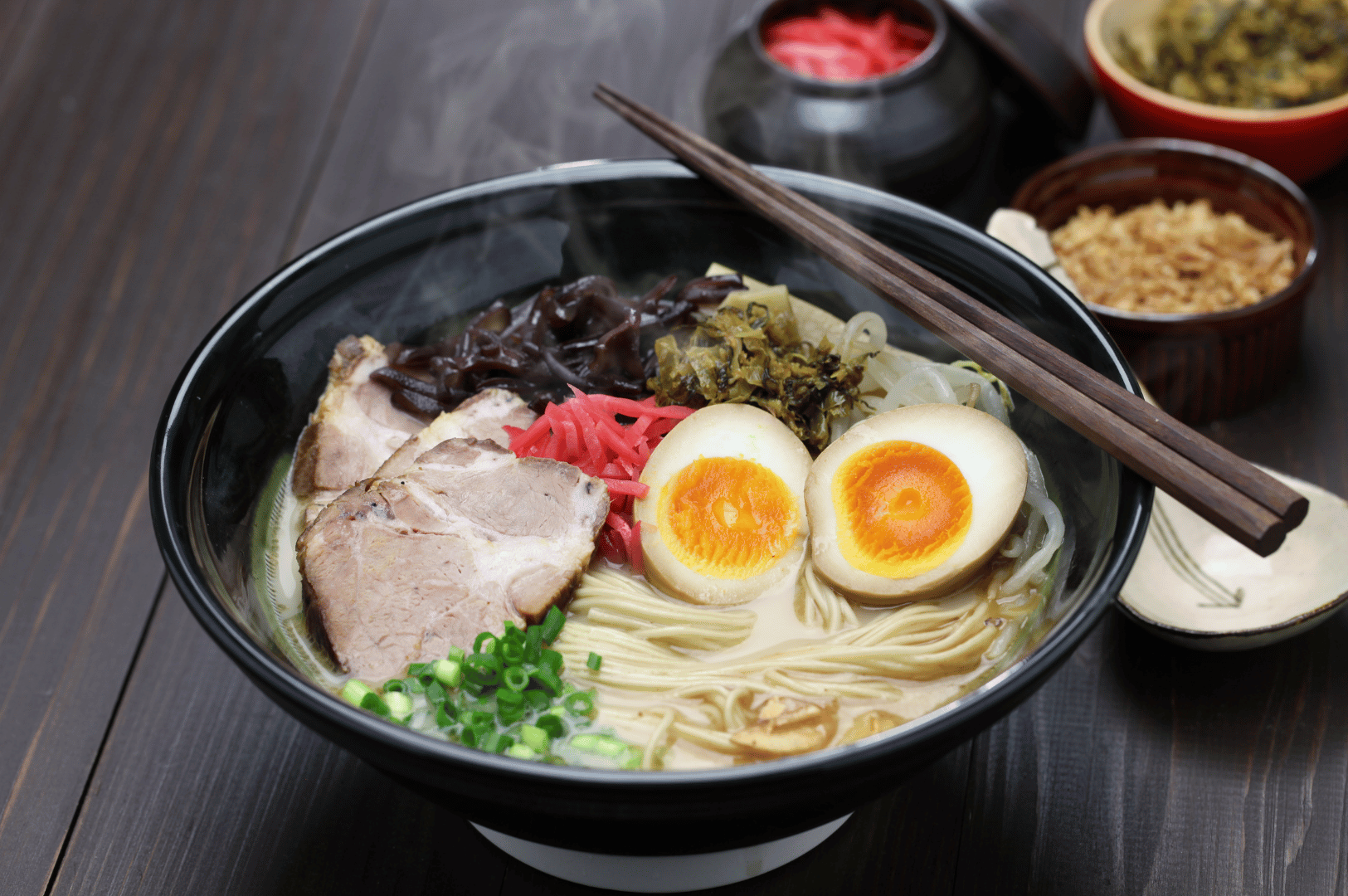
Garlic in ramen is not a single flavor—it’s an entire spectrum. Whether you drizzle in silky garlic oil, fry up garlic chips for crunch, stir in raw paste for a spicy kick, or swirl in smoky black garlic oil, you’re adding depth and artistry to your bowl.
For home cooks, these techniques are approachable. Try making a small batch of garlic chips or experimenting with roasted cloves. Even in instant ramen, a spoonful of mayu or a sprinkle of chips transforms a humble soup into a satisfying flavor bomb.
Every ramen lover has their favorite toppings—be it ramen egg, chicken chashu, or bean sprouts—but garlic remains the most versatile, powerful, and endlessly customizable.
So the next time you’re enjoying ramen, think like a
recipe developer: adjust the garlic, balance the
broth, and embrace the artistry of japanese cuisine. Mastering these
ramen garlic infusions ensures your
ramen night is never ordinary, no matter the weather.
Recent Posts