Exploring the Best Interpretations of Fukushima's Famous Specialty: Kitakata Ramen in Singapore
The humidity in Singapore hangs heavy in the air. When you step out of the blinding afternoon sun and into a local ramen restaurant, your body usually craves something comforting but not completely overwhelming. For years, the local dining scene has been fiercely dominated by rich, cloudy tonkotsu broths, inspired by Hakata ramen. Those heavy bowls of pork bone soup are undeniably delicious. However, they can sometimes feel like a culinary weight in our tropical climate.
Thankfully, a quiet shift is happening across the city. More and more food lovers and passionate chefs are turning their attention to a lighter, deeply restorative alternative. They’re looking north to Fukushima Prefecture, specifically Kitakata City and its surrounding area. Here, Kitakata ramen, also known as chuka soba, has been around for about 100 years and is celebrated as one of Japan's 'Three Great Ramen' varieties, right alongside Sapporo and Hakata ramen.
This regional specialty offers a refreshing change of pace. Instead of those rich, heavy fats, you get a brilliantly clear soy sauce-based broth and noodles with a texture you won’t forget. If you’ve been hunting for a bowl that leaves you feeling energized instead of weighed down, it’s time to dive into the art of
Kitakata-style ramen noodles. Trust me, it’s a game-changer.
What is Kitakata Ramen?
There is something quietly profound about settling before a bowl of Kitakata ramen, this gentle offering from the mountain-embraced city in Fukushima Prefecture. The broth that cradles these noodles whispers rather than shouts, a clear soy sauce base that has been coaxed slowly from pork bones and chicken, sometimes kissed with the ocean's memory through dried sardines.
What draws you deeper into this bowl's embrace is the story held within its very essence, the pristine mountain water from Tsugamine stream that flows through every element like a quiet blessing. This water doesn't merely hydrate; it seems to awaken something more tender in both noodle and broth, a softness that speaks of place and purity in ways that linger long after the bowl is empty.
Among Japan's revered trinity of ramen, standing quietly alongside Sapporo's miso warmth and Hakata's rich tonkotsu dreams, Kitakata ramen asks for nothing more than your presence and patience. It is a bowl that teaches you to slow down, to find depth in lightness, to discover that sometimes the most memorable meals are those that comfort rather than dazzle, nourishing both body and spirit with equal grace.
Kitakata Ramen and Hakata Ramen: Distinctive Features of Japan’s Famous Regional Dishes
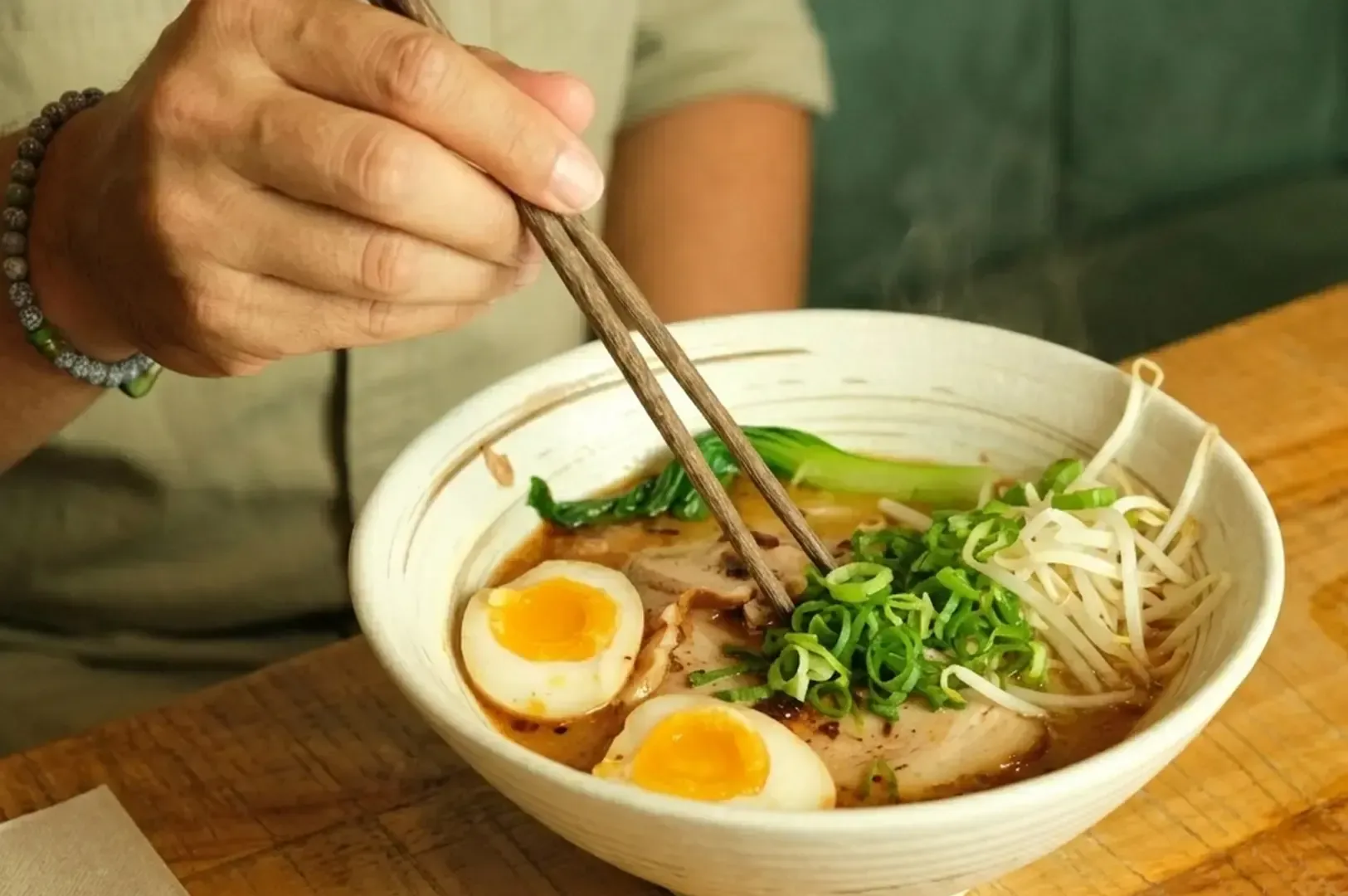
To truly appreciate Kitakata ramen, we must first look at its birthplace. Kitakata shi, a small, picturesque city in Fukushima Prefecture, is famous across Japan for its ramen culture. Kitakata City is known for having the highest number of ramen shops per capita in Japan, with approximately 120 ramen restaurants serving this beloved dish. Noodle culture here is not just a casual dining option. It is a deeply ingrained way of life.
Kitakata ramen is considered one of Japan’s three great ramen, alongside Sapporo ramen from Hokkaido and Hakata ramen from Fukuoka’s Hakata district. In contrast, Takayama ramen is often associated with Kyoto, highlighting the diversity of regional ramen styles across Japan. Unlike the rich and milky tonkotsu soup of Hakata ramen, Kitakata ramen features a light, soy sauce-based broth simmered for hours with pork bones, chicken, and dried sardines.
This broth is clear and warm, with a satisfying balance of salt and sweetness. The distinctive feature of Kitakata ramen lies in its thick noodles, which are broad, curly, and have a high water content, giving them a soft yet chewy bite that perfectly complements the delicate broth.
The city is also famous for its morning ramen culture, known locally as asa ra, where locals start their day with a light, nourishing bowl. Visitors who come to Kitakata city or nearby Aizu Wakamatsu can experience this unique tradition firsthand, often enjoying their meal near JR Kitakata Station, a popular sign of the city’s vibrant ramen scene.
Ramen Restaurants in Kitakata City: Where to Eat the Perfect Bowl
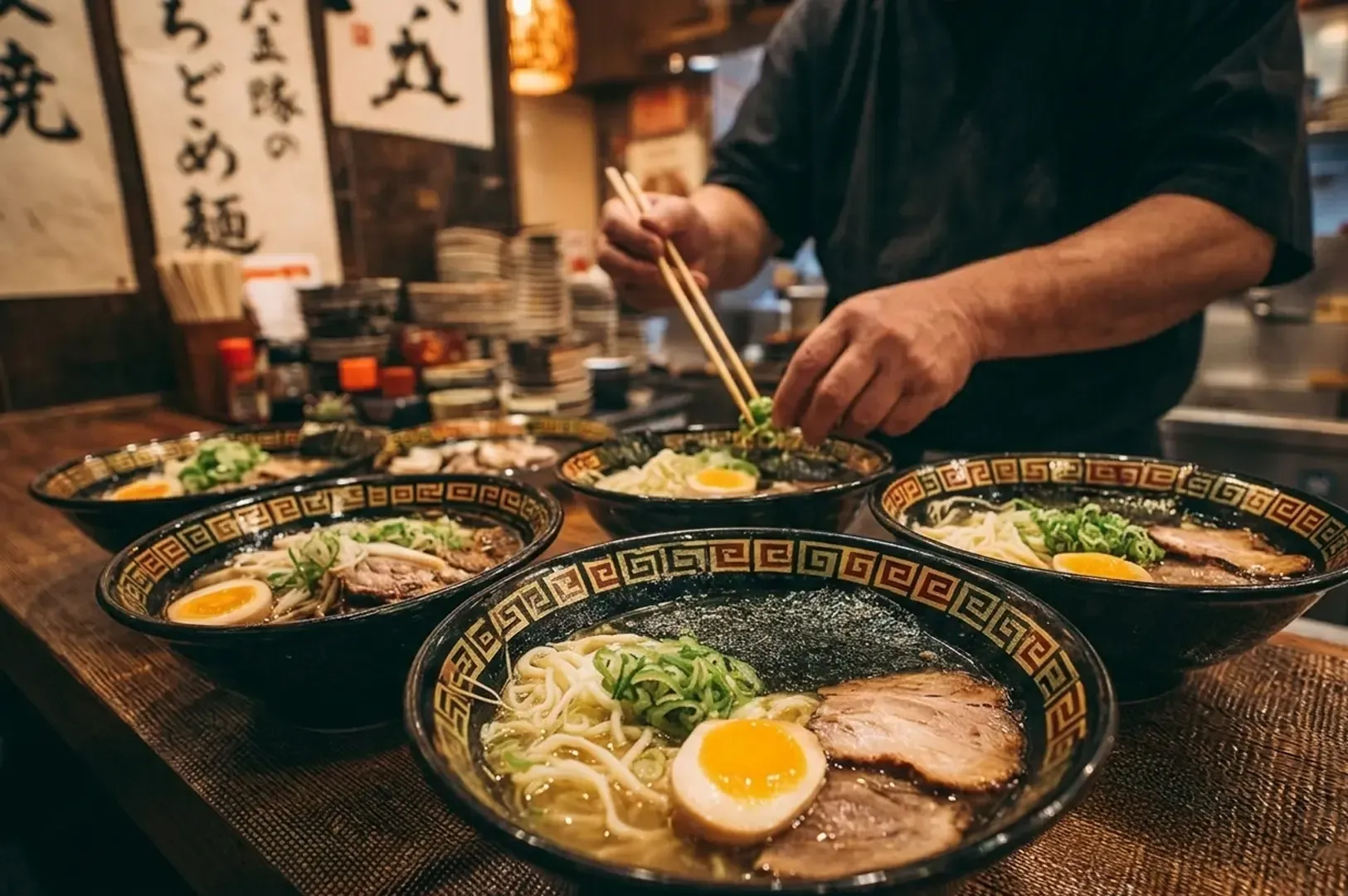
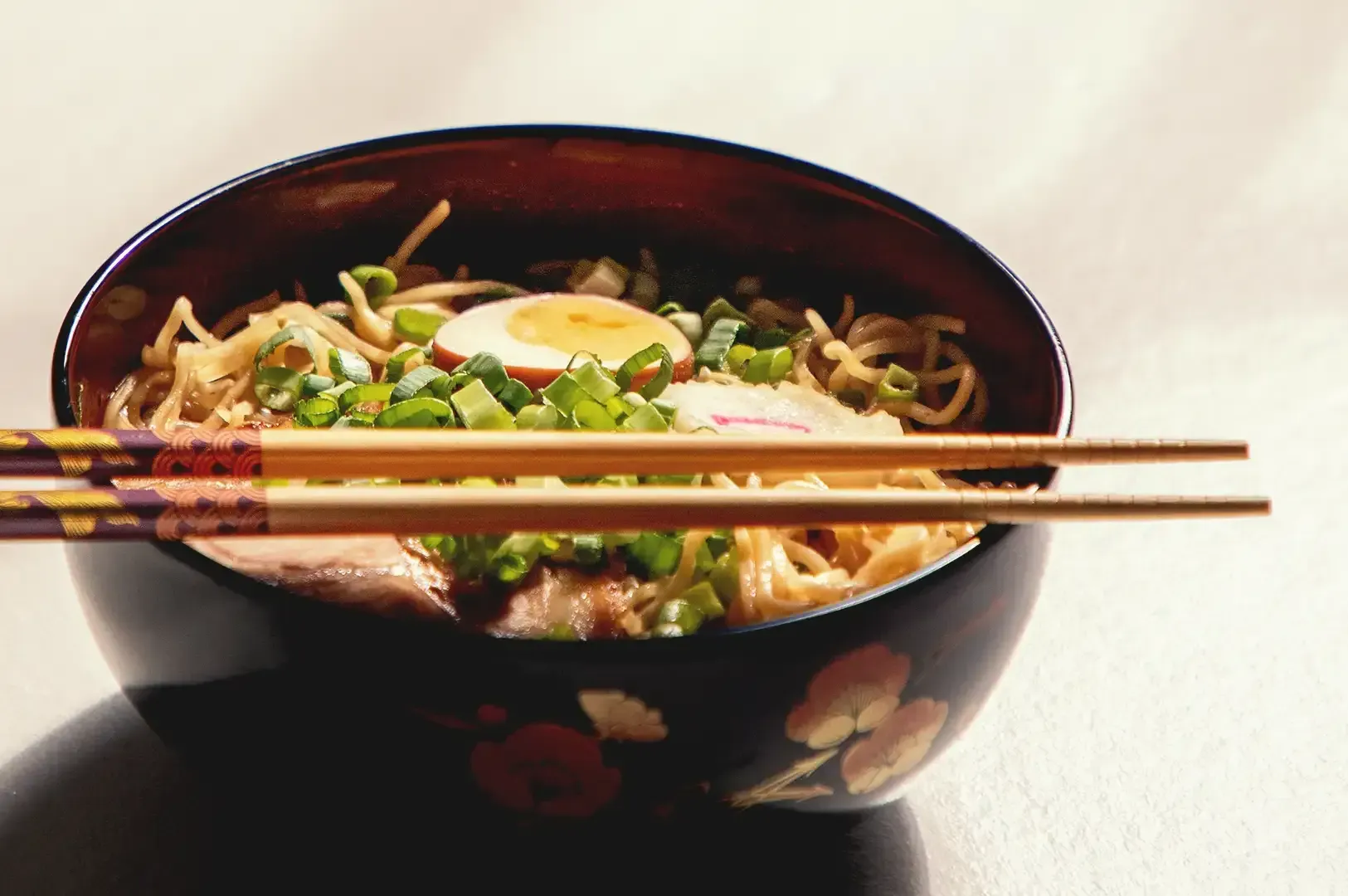
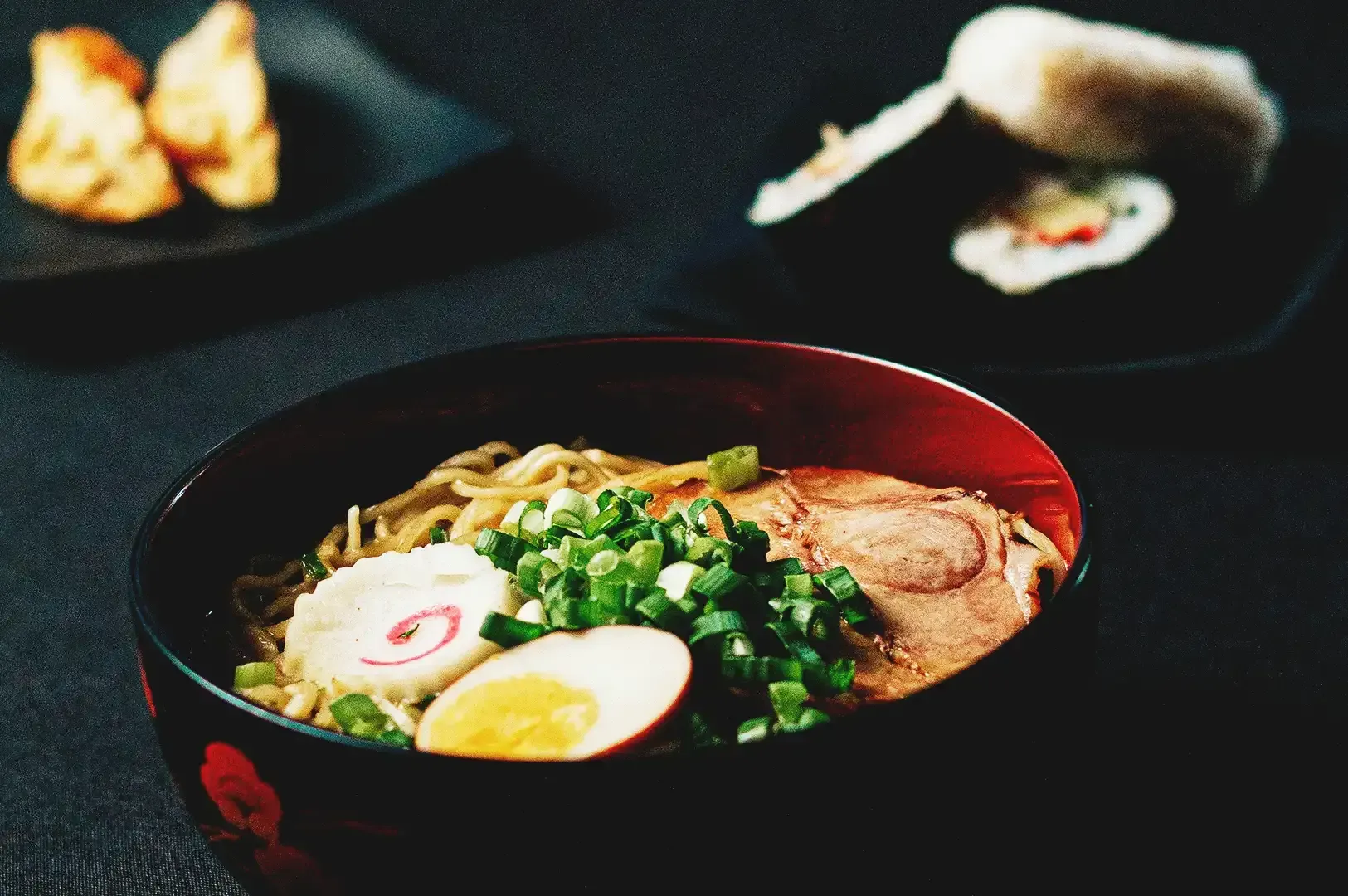
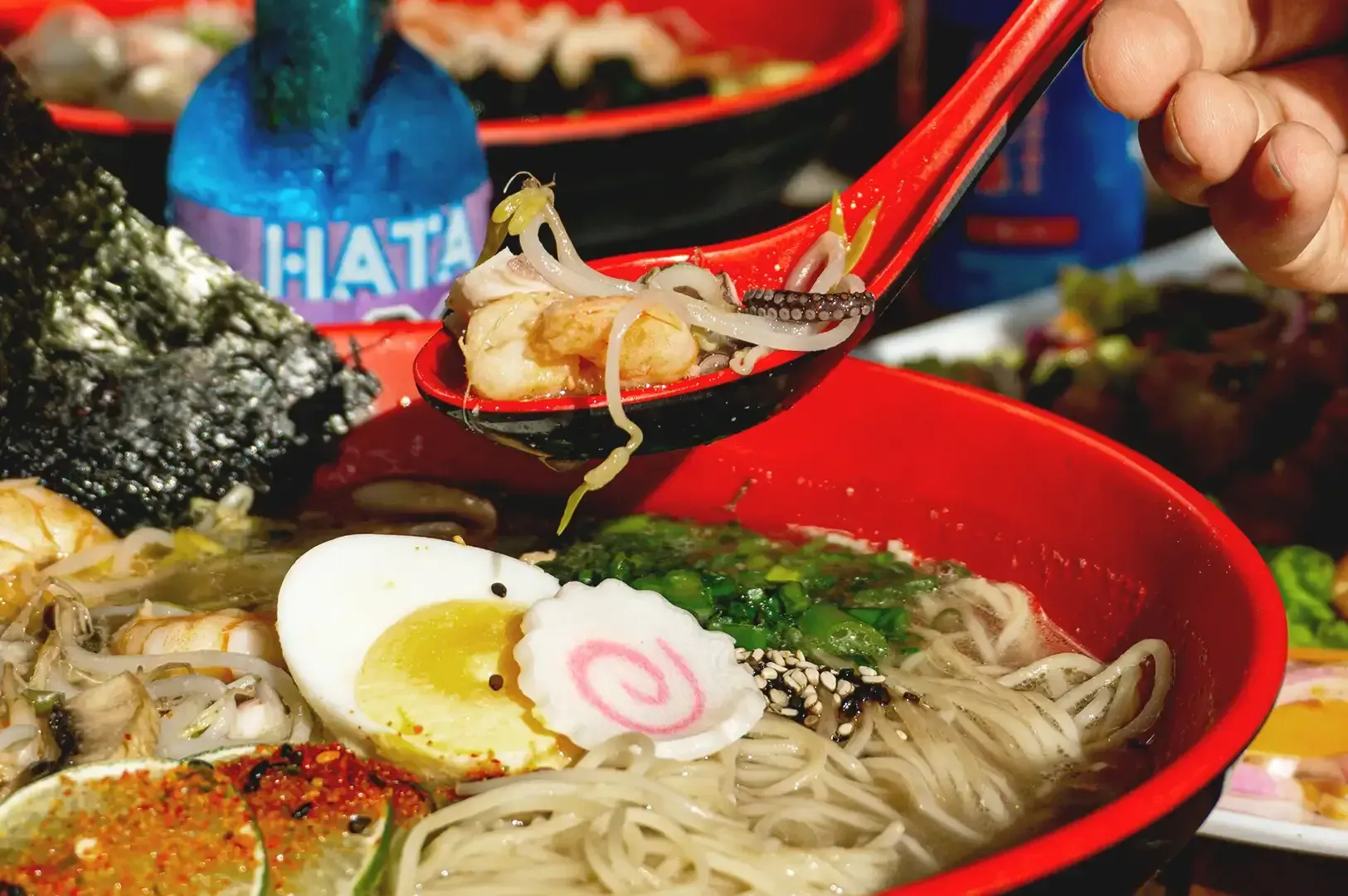
The ramen restaurants in Kitakata shi are renowned for their dedication to perfection. Each shop offers its own take on the classic recipe, but common toppings include char siu (also known as chashu—tender, flavorful, braised pork belly or sliced pork), fermented bamboo shoots (menma), spring onions, and fish cake (naruto). These toppings enhance the flavor without overpowering the light soy sauce broth. I love how the fish cake, with its subtle sweetness and soft texture, adds both color and a bit of fun to the bowl.
When a ramen bowl arrives at my table in these restaurants, the aroma of the soy sauce broth mingled with the scent of simmered pork and dried sardines invites me to savor each bite. The broth for Kitakata ramen is typically soy sauce-based and can be enhanced with pork broth, mirin, and niboshi (dried anchovies) for added depth of flavor.
The broth’s clarity and the noodles’ texture create a harmonious dish that is both light and satisfying. Unlike the heavier Sapporo ramen, which features miso and often a richer broth, Kitakata ramen offers a gentler taste that feels perfect for the warm climate.
Insider Tip:* For the most authentic Kitakata ramen experience, I recommend visiting a ramen shop early in the morning to enjoy the local tradition of asa-ra, or morning ramen. This unique cultural practice highlights the ramen’s mild flavor and lightness, making it an ideal breakfast option that energizes without feeling heavy. Don’t miss the chance to savor your bowl alongside locals who have cherished this ritual for generations.*
Fish Cake and Other Toppings: Elevating the Kitakata Ramen Experience

A classic Kitakata ramen bowl is incomplete without its characteristic toppings. While udon noodles are also known for their thick, chewy texture and can sometimes be used as a substitute in ramen recipes, I find Kitakata ramen’s noodles distinct, wavy, flat, and uniquely springy, offering a different mouthfeel compared to udon. Fermented bamboo shoots bring a tangy, umami-rich crunch, while spring onions add a fresh, sharp note.
The char siu slices are tender and melt softly into the soup, contributing rich pork flavor without overwhelming my palate. The fish cake, often decorated with a pink swirl, is a distinctive feature that offers a mild fish taste, harmonizing beautifully with the broth and noodles.
These toppings, combined with vegetables and occasionally other regional additions, make each bowl a complete and balanced meal. I love how the lightness of the broth allows the flavors of the meat and vegetables to shine, making the dish both delicious and nourishing.
Ramen Restaurants in Singapore: Where to Savor Kitakata Ramen Locally
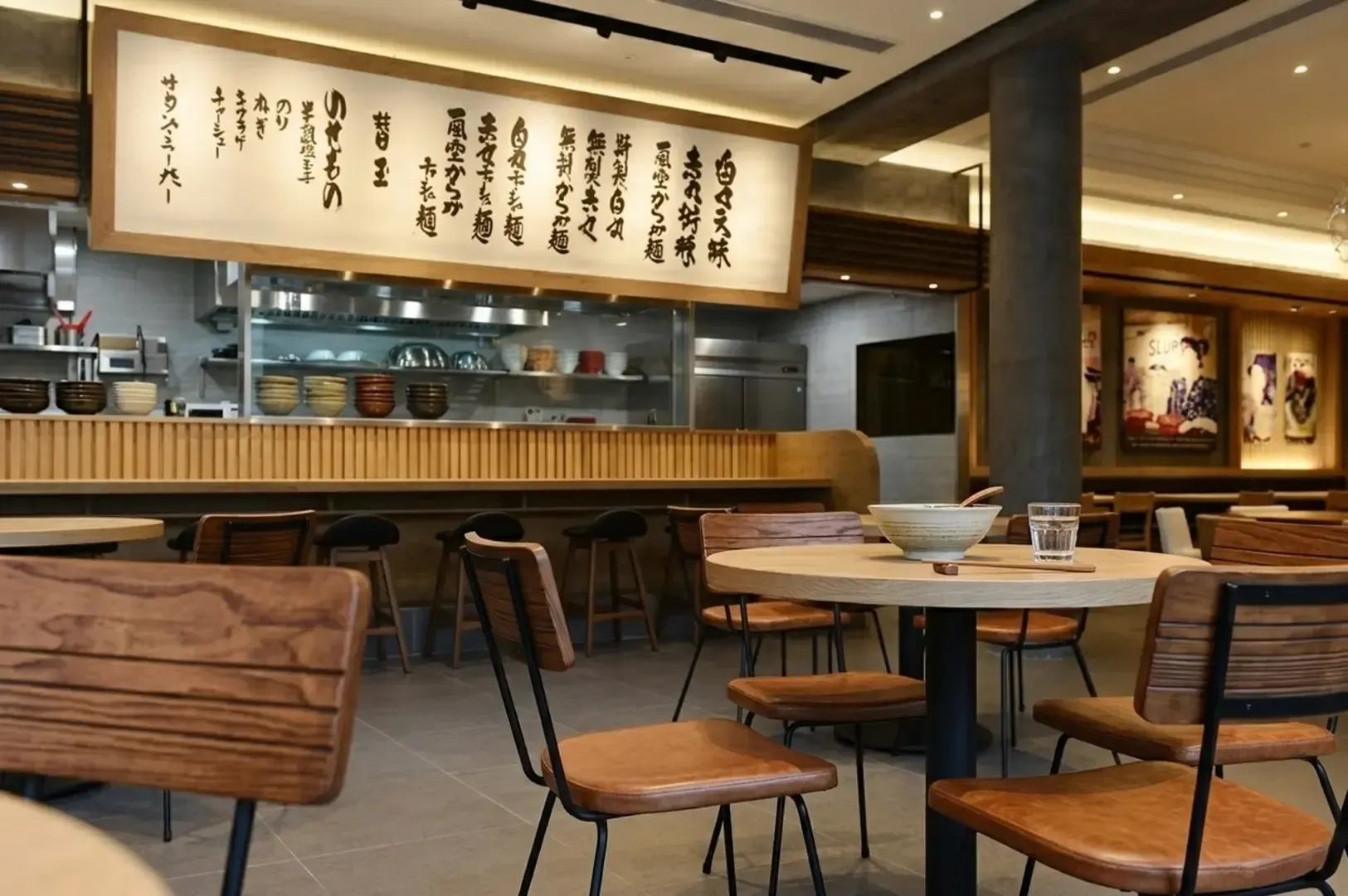
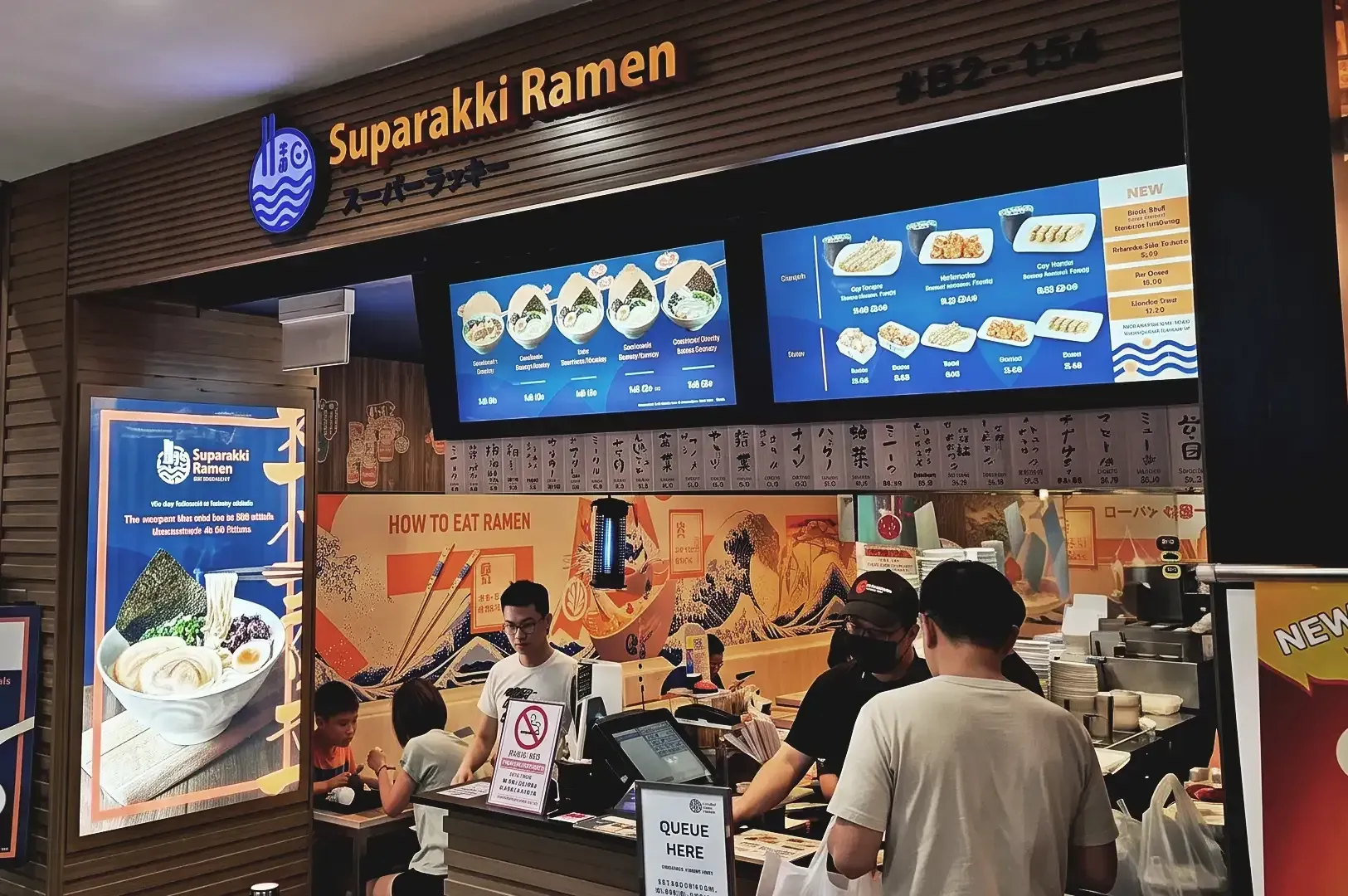
For those in Singapore who find themselves drawn to the quiet comfort of Kitakata ramen, there's something deeply reassuring about discovering these gentle bowls without crossing oceans. Scattered thoughtfully across the city, certain ramen shops have embraced this tender specialty, bringing in carefully sourced noodles and soy sauce that carry within them the soul of Kitakata's beloved tradition.
These quiet spaces hold something precious, bowls that breathe with the essence of the original, offering clear, light broth that settles like a warm embrace, thick noodles that yield with satisfying weight, and familiar companions like char siu, fermented bamboo shoots, and delicate fish cake.
Within these contemplative spaces, you'll often find menus that invite gentle exploration, allowing your palate to wander between Kitakata's understated grace and the richer depths of tonkotsu or the crystalline purity of shio ramen. Whether you seek solace in warmth during Singapore's sudden downpours or crave something lighter to balance the humid stillness of tropical evenings, Kitakata ramen offers a kind of quiet completeness.
There's no need to wait for the perfect moment, sometimes the most meaningful meals come when you simply follow the gentle pull toward warmth and familiarity. Find your way to one of Singapore's thoughtful ramen sanctuaries and let yourself discover why Kitakata ramen holds such tender reverence in Japanese tradition. In its careful balance of flavors, the satisfying weight of each noodle, and the quiet generosity of its toppings, every bowl offers not just nourishment, but a moment of stillness that draws you back, again and again.
Visiting Aizu Wakamatsu and Surrounding Area: A Ramen Lover’s Idea of Perfection
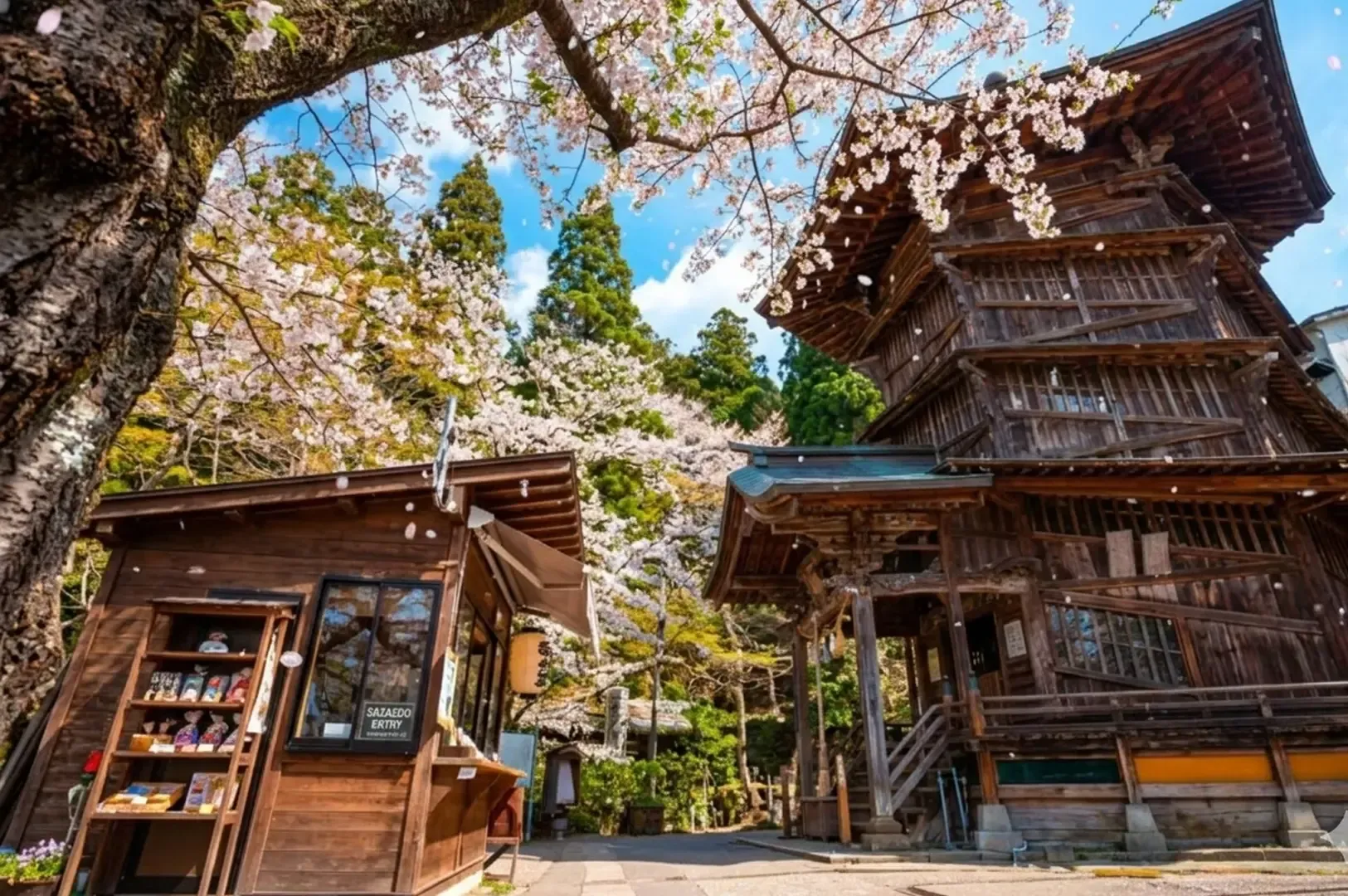
For visitors to the region, a trip to Aizu Wakamatsu and Kitakata City is a must. Beyond the ramen shrine and the famous ramen museum near JR Kitakata Station, the surrounding area offers a rich cultural experience steeped in history and culinary tradition. You can explore local shops selling ramen souvenirs, including lacquered chopsticks and packaged ramen noodles to recreate the recipe at home.
The region’s ramen restaurants are not just places to eat; they are destinations where the art of ramen is celebrated. Whether you prefer the rich tonkotsu of Hakata ramen, the hearty miso of Sapporo ramen, or the light, soy-based Kitakata ramen, each style tells a story of its city and people. The balance of broth, noodles, toppings, and warmth in each bowl reflects the perfection that Japanese ramen culture strives for.
The next time you visit Singapore and crave ramen, consider seeking out a bowl inspired by Kitakata ramen. Its unique thick noodles, clear broth, and satisfying toppings like fermented bamboo shoots and fish cake offer a refreshing alternative to the richer styles.
For more Japanese Ramen contents and feature stories, click and visit
Where Ramen Meets Izakaya Culture: Japanese Izakaya Singapore for Noodle Lovers
Recent Posts