Onomichi and Tokyo Shoyu Ramen: How the Same Soy Sauce Base Creates Opposite Experiences

May 4, 2026
Dot Icon

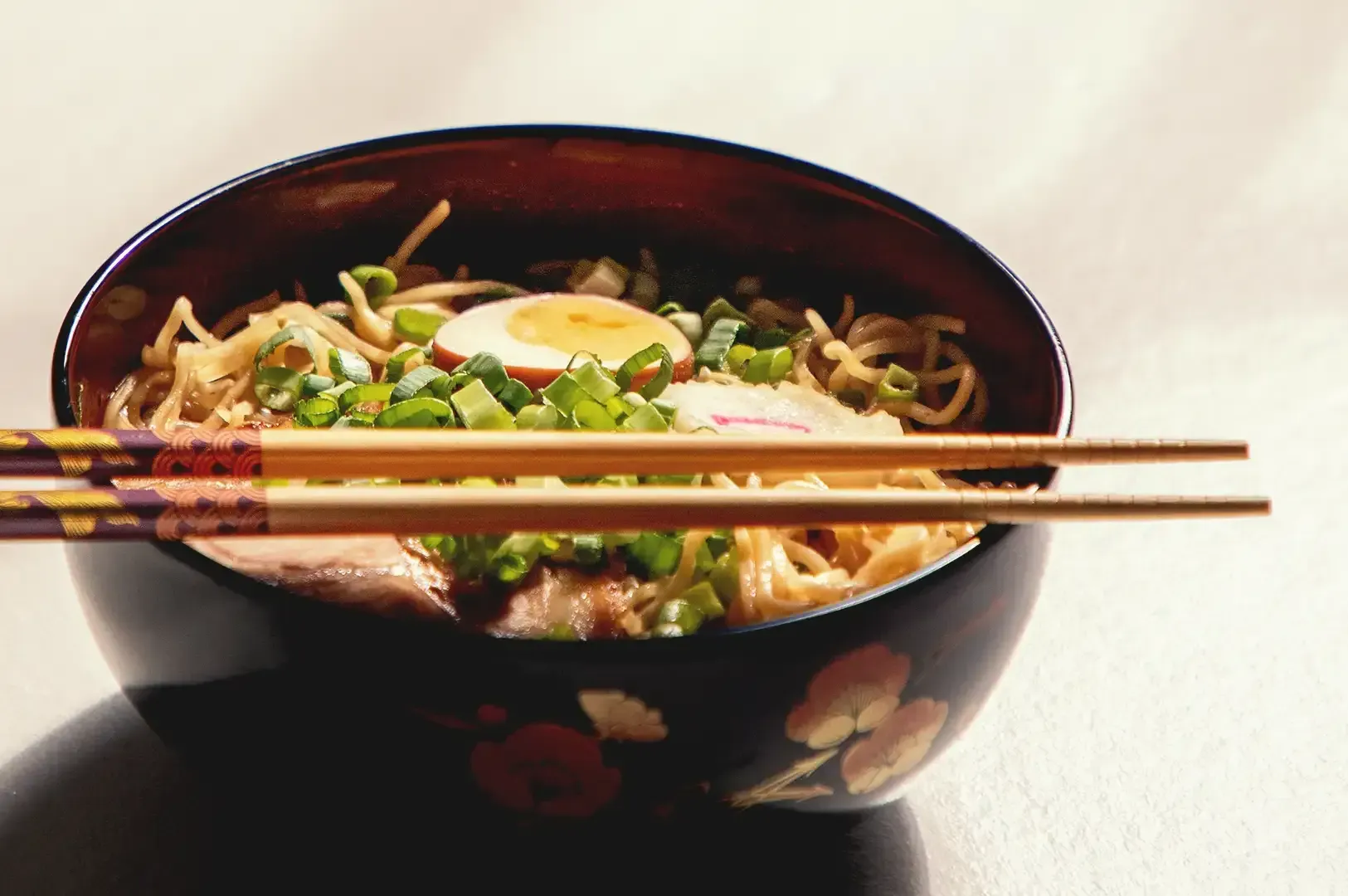
The rain was coming down in sheets as I ducked out of the bustling Shinjuku train station and into a tiny, brightly lit noodle shop. It was late on a Tuesday evening. I ordered a classic bowl of Tokyo shoyu ramen, took my seat at the cramped wooden counter, and waited. Minutes later, the bowl arrived. It was a picture of pristine clarity. A golden, translucent broth shimmered under a thin layer of glistening chicken fat. The scent was delicate, smelling deeply of toasted soy sauce and gentle chicken stock. It was the perfect, comforting antidote to a cold city night.


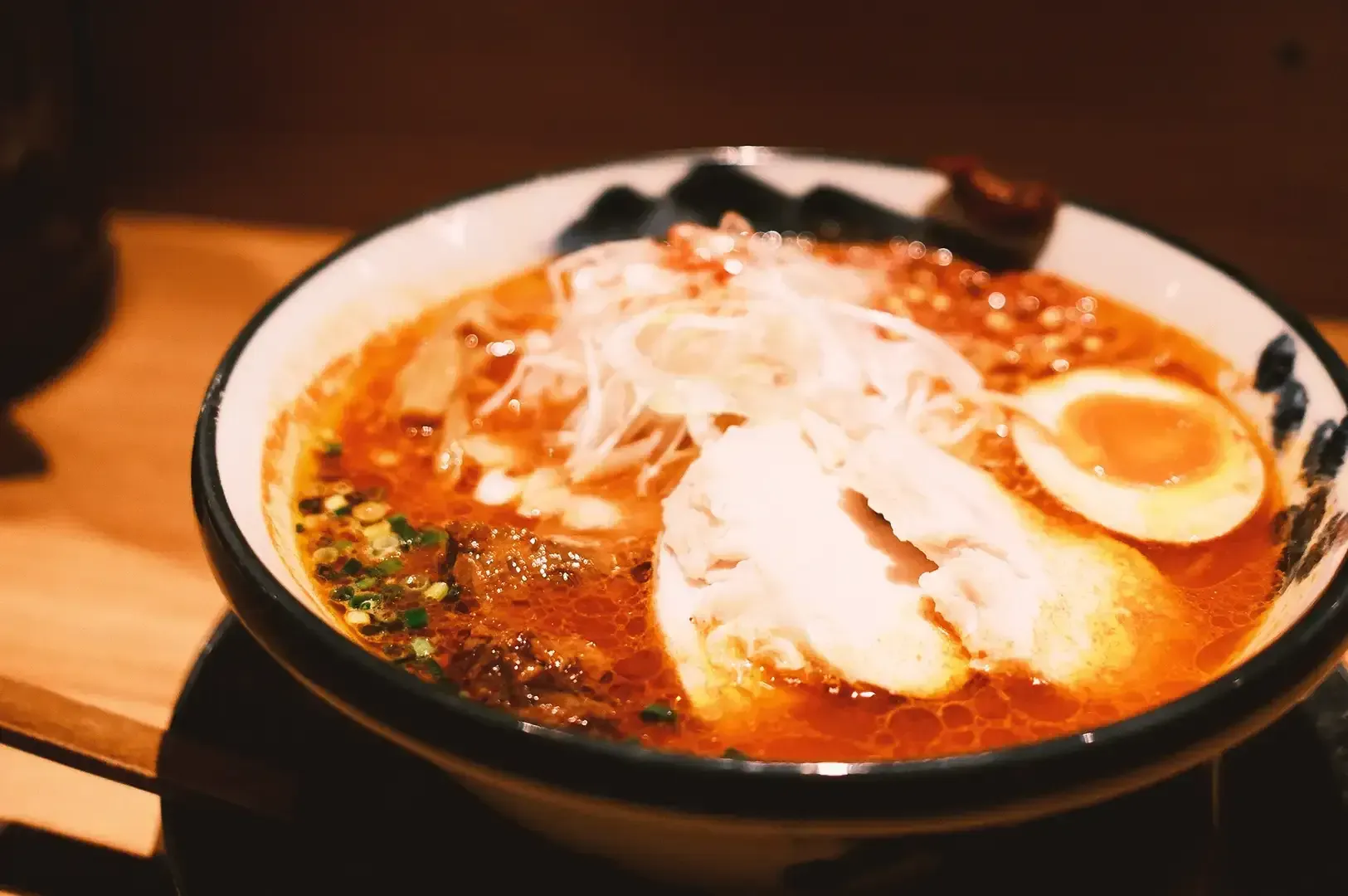
A few months later, I found myself in the coastal Onomichi town located in Hiroshima Prefecture, famous for its many temples and scenic views of the Seto Inland Sea. Craving that same soy sauce ramen comfort, I ordered a local bowl. What arrived was a beautiful shock to the senses. The broth was dark, intensely savory, and crowned with generous, floating white globs of pork back fat. The aroma was aggressive, coastal, and undeniably bold.


Both of these dishes are proudly classified as shoyu ramen. They both rely on soy sauce as their defining seasoning, yet they sit on completely opposite ends of the culinary spectrum. This stark contrast highlights the incredible depth of Japanese regional ramen styles. A simple soy sauce base is never just a simple soy sauce base. It is a canvas, and how a chef prepares and cooks on that canvas completely changes your delicious ramen experience.

Onomichi Shoyu Ramen: The Soup Base and Ramen Noodles That Define a Town

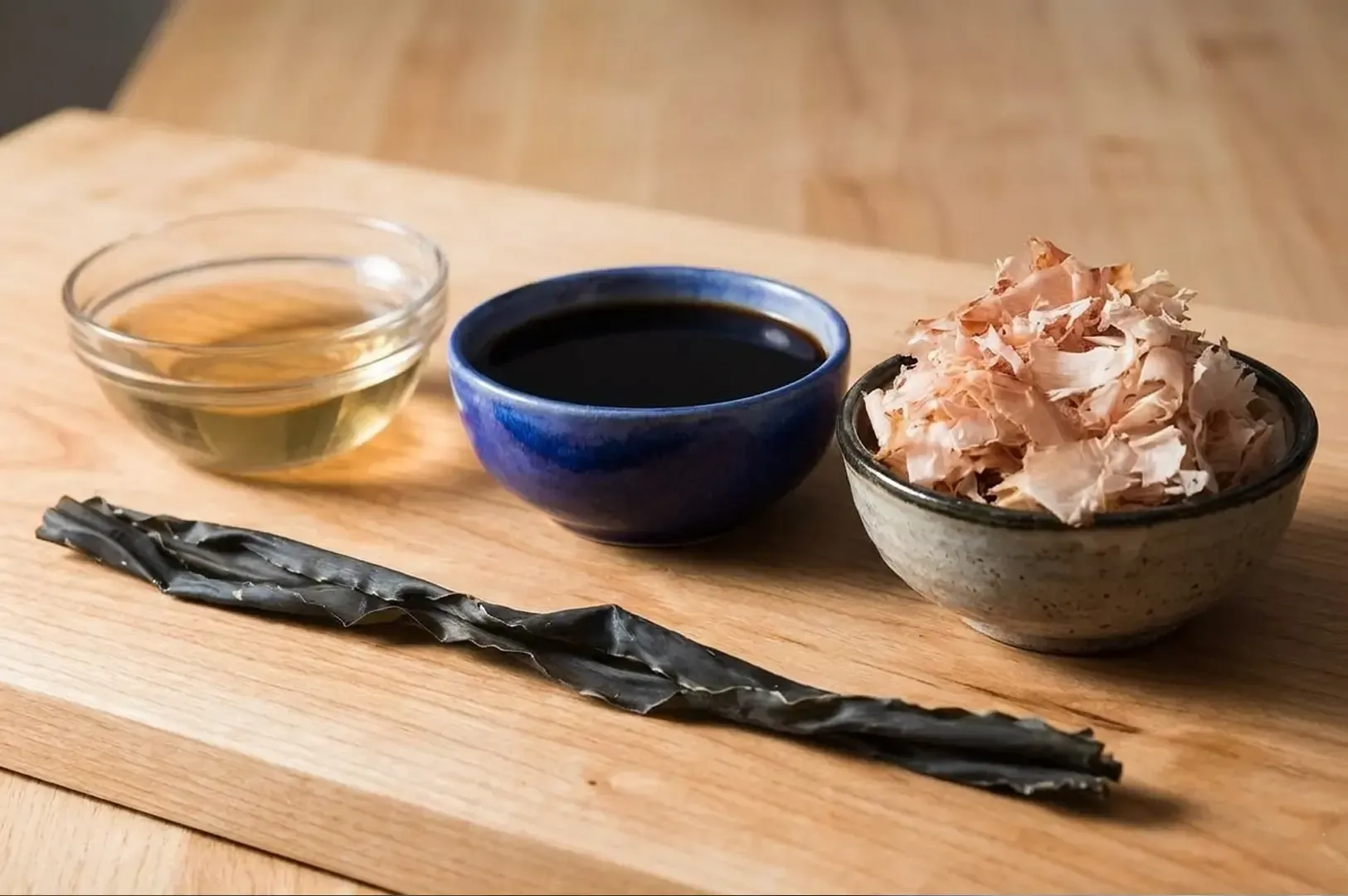
Onomichi and Tokyo ramen ingredients: kombu kelp, bonito flakes, soy sauce tare, and sesame oil

To truly understand how these two bowls diverge, we need to talk about how ramen is actually built. Many diners assume that "shoyu ramen" means the kitchen simply pours soy sauce into boiling water. The reality is far more complex.


Every bowl of ramen is built on a specific architecture. The soul of the bowl is the "tare" (pronounced tah-reh), a highly concentrated seasoning base placed at the bottom of the empty bowl before anything else is added. In soy sauce ramen, this tare is also known as "kaeshi" and is heavily reliant on premium soy sauces blended with mirin, sake, sugar, and various umami-rich ingredients like hydrolysed plant protein and yeast extract.


The second building block is the soup base or broth itself. For both Tokyo and Onomichi styles, chefs generally use a "chintan" soup, a broth gently simmered with chicken, pork bones, onion, garlic, ginger, and sometimes fish elements, resulting in a clean and clear liquid rather than a cloudy one.

When the hot soup hits the dark, salty tare, the magic happens. However, the variables introduced at this exact moment completely dictate whether you are eating a refined Tokyo classic or a bold Onomichi masterpiece. The tare design, the choice of soup bones, the specific fats used, often chicken fat in Tokyo and pork fat in Onomichi, and the noodle texture all play a massive role in the final taste.

Tokyo Shoyu Ramen: The Art of Clarity, Chicken Fat, and Chewy Ramen Noodles

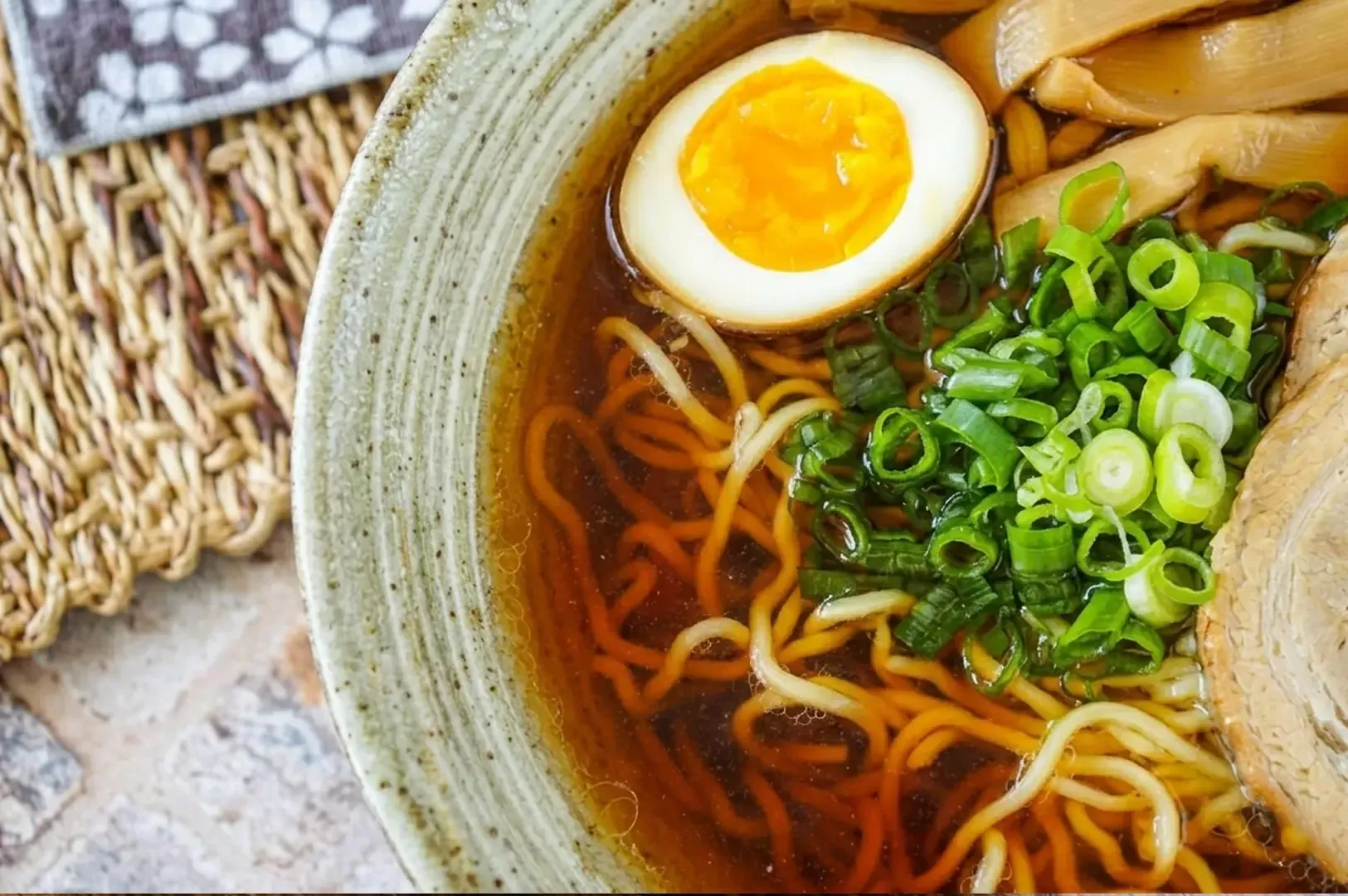
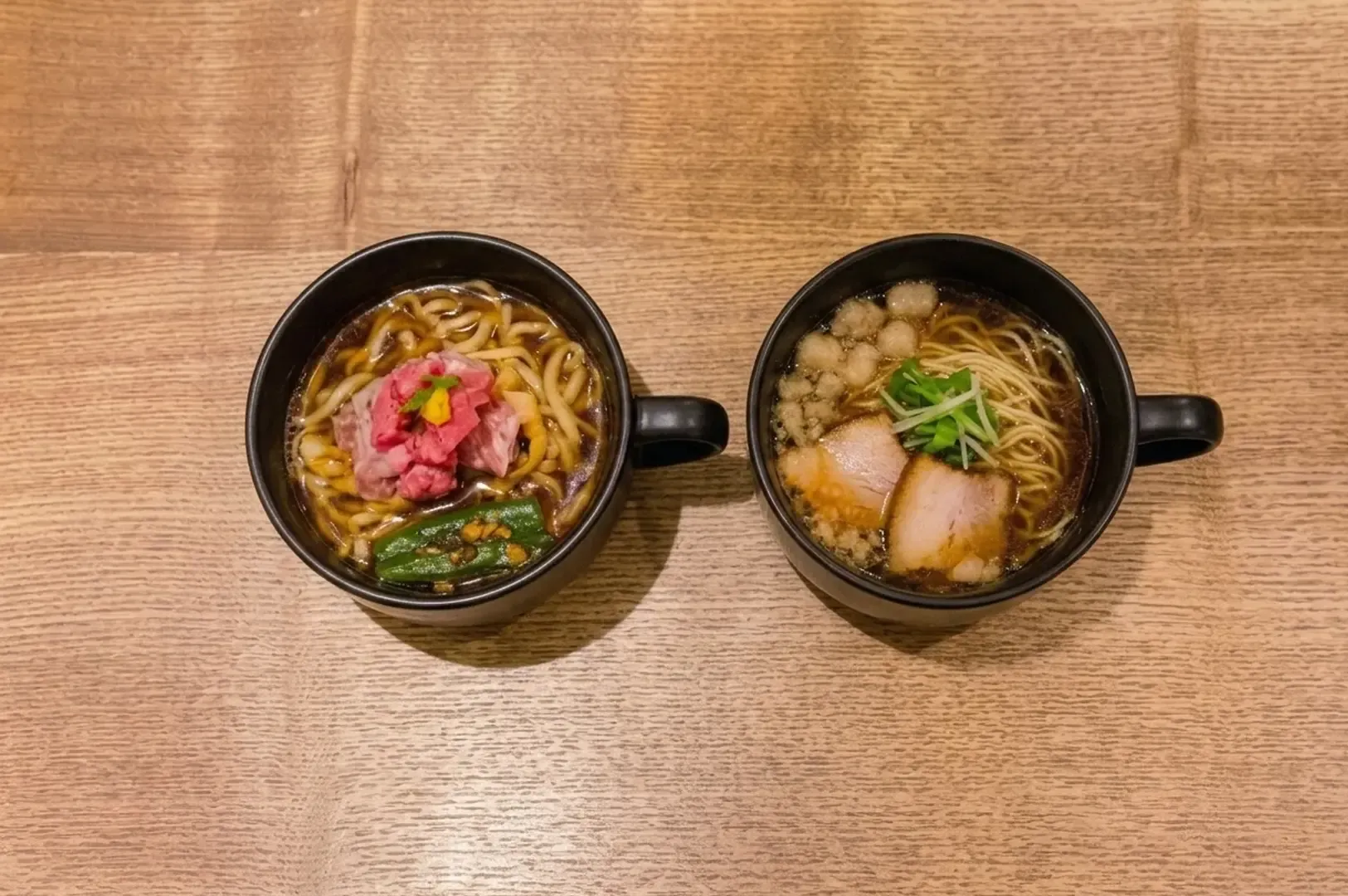
Tokyo-style shoyu ramen with marinated egg, green onions, menma bamboo shoots, and chashu in amber broth

Tokyo shoyu ramen is often considered the original blueprint for Japanese noodle soup. It came about as a response to the bustling city life in early twentieth-century Japan, when people needed a fast, affordable, and deeply comforting meal to fuel their busy days.


What I love about a classic Tokyo bowl is its delicate balance of flavors from both land and sea. The chintan soup base is usually simmered gently with chicken carcasses, pork bones, and aromatic vegetables like onion, garlic, and ginger. To add that signature depth, chefs often bring in dashi elements such as kombu seaweed and niboshi (dried sardines), which really elevate the broth.


The hallmark of this style is supreme drinkability. A perfect Tokyo shoyu ramen broth should be crystal clear. The fat used to finish the bowl is usually fragrant chicken fat or chicken oil, which coats the surface, trapping heat and adding a luxurious but light mouthfeel.


Ramen noodles in Tokyo are usually curly and made from simple ingredients like wheat flour, water, salt, and kansui, which gives them that perfect chewy texture. These noodles are just right for the light broth, lifting the flavors with every bite.

When you take that first sip of a Tokyo bowl, it feels so harmonious. You get the toasted, slightly sweet aroma of soy sauce hitting your nose first. Then, the clean and savory mid-palate, driven by chicken and dashi, comes through. The aftertaste is so neat and refreshing, leaving you ready to dive into the chewy, springy noodles again and again.

Onomichi Shoyu Ramen: Rich Soup Base, Pork Fat, and Straight Ramen Noodles

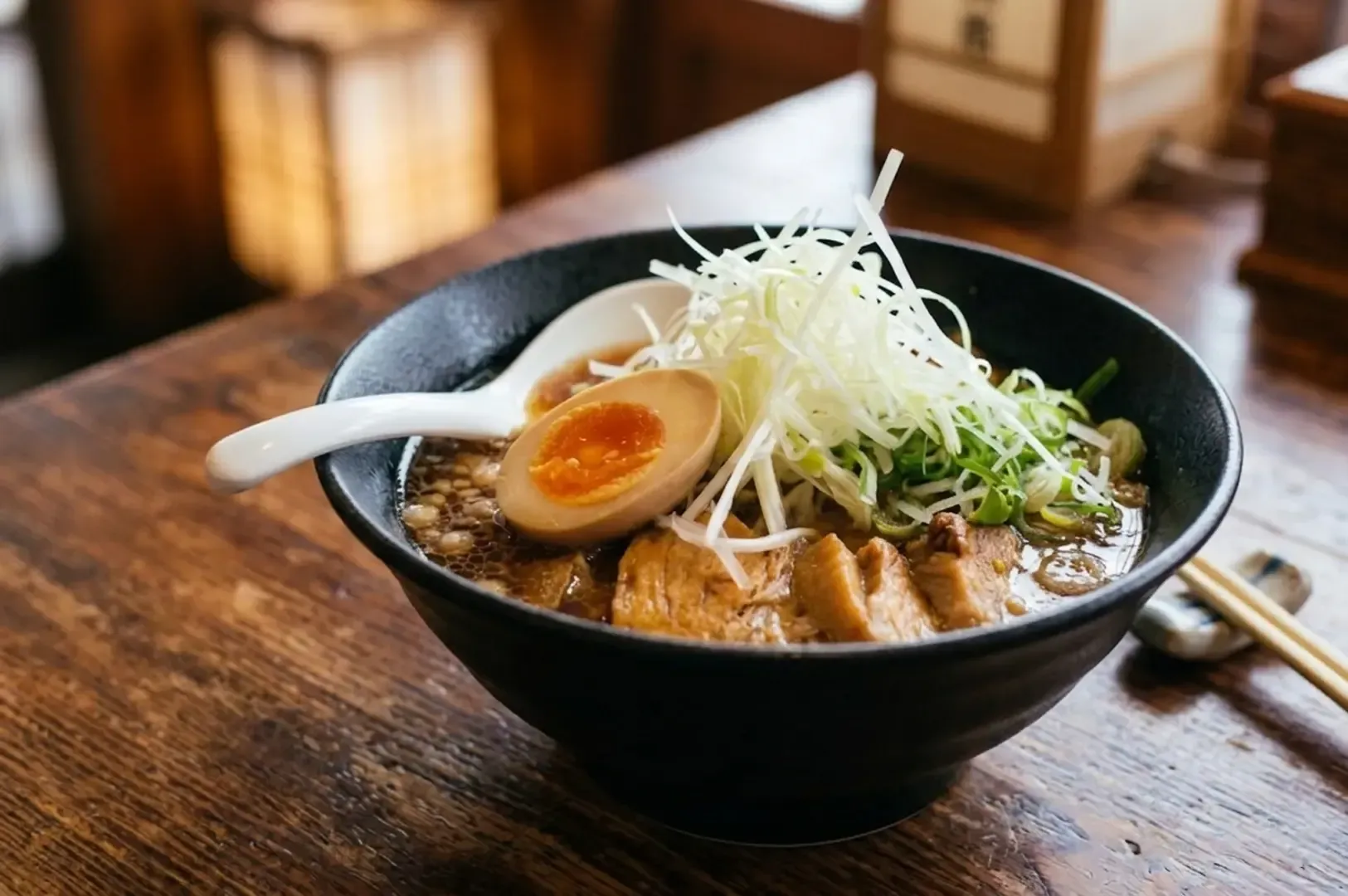
Onomichi-style ramen in black bowl with shredded cabbage, marinated ajitama egg, chashu pork, and green onions with white ceramic spoon

If Tokyo shoyu is a gentle acoustic melody, Onomichi shoyu ramen is a blaring rock anthem. Located right on the Seto Inland Sea, Onomichi town has a rich maritime history, and the local food culture reflects this rugged, coastal environment.


The tare in an Onomichi bowl is often darker, punchier, and fortified with local seafood elements. The soup base still relies on chicken and pork, but the seafood presence is dialed up significantly with dried small fish from the nearby sea, creating a broth with a deeply layered umami punch that commands your attention.

However, the defining characteristic of Onomichi ramen is the use of pork back fat, known locally as "seabura." Instead of the delicate chicken fat found in Tokyo, Onomichi chefs mince rich pork fat directly into the hot broth.


This creates a completely different sensory experience. The pork fat floats on the dark soy broth like little savory clouds. It acts as a cozy thermal blanket, keeping the soup piping hot from that very first sip all the way to the last drop. As it melts into the broth, it transforms what would be a clear soup into something rich, velvety, and deeply satisfying. Plus, it offers this wonderful sweet, melting contrast to the firm, straight, flat noodles that are traditional in the region.

The noodles themselves are often made with a mix of wheat flour and tapioca starch, sometimes with a touch of palm oil and emulsifiers. This combo gives them a chewy yet firm bite that holds up perfectly against that hearty broth.

The Ingredients and Toppings That Bring the Bowls to Life

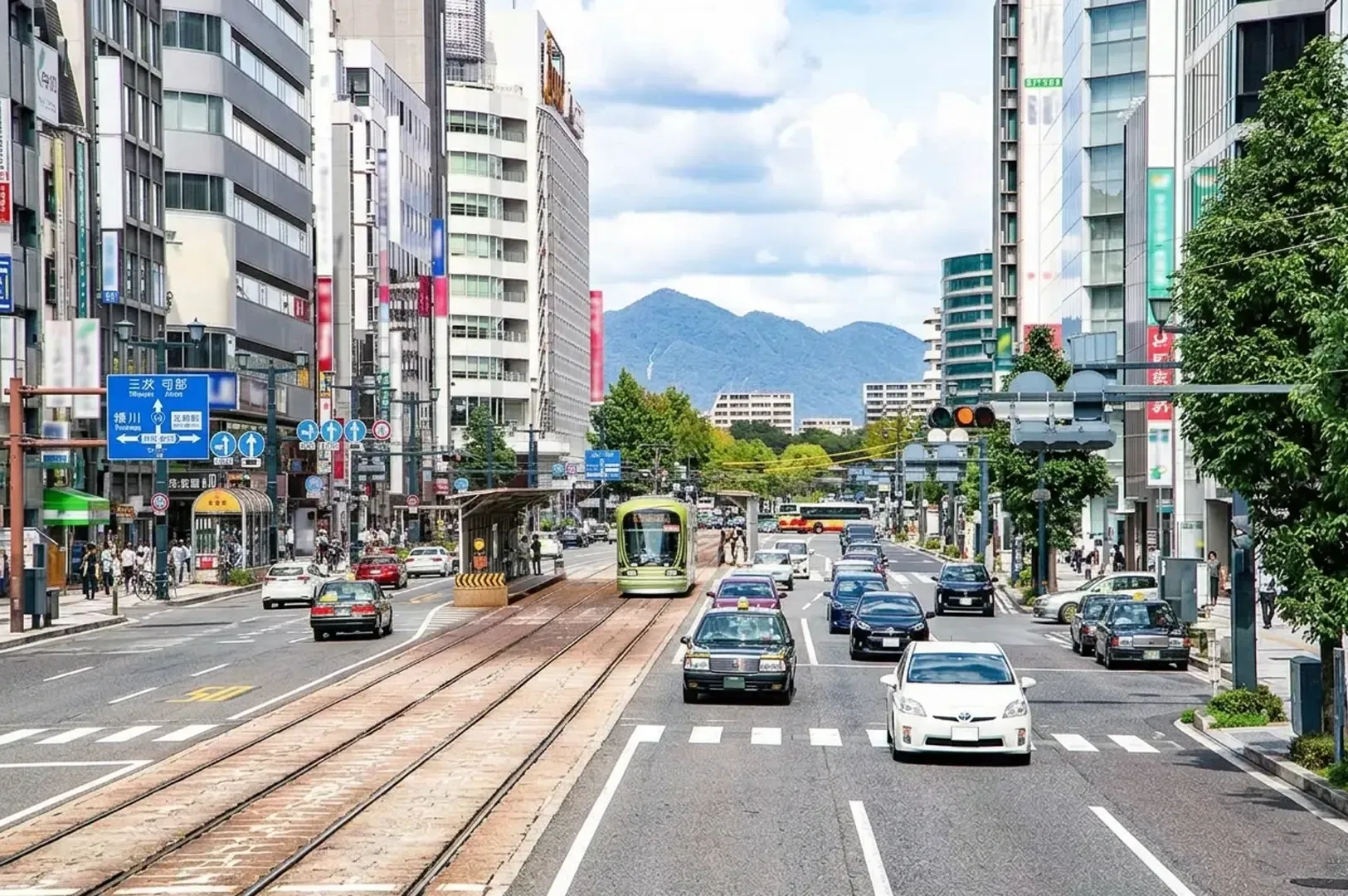
Hiroshima city street with green tram, traffic, modern buildings, and mountains in background.

Both Tokyo and Onomichi shoyu ramen bowls come loaded with toppings that truly elevate the ramen experience. You’ll often find thin slices of chashu pork or other meats, bamboo shoots, fresh green onion strips, nori seaweed, sesame seeds, and a perfectly soft-boiled egg.


In Tokyo, the toppings feel more subtle and balanced, letting the clean broth and chewy noodles shine. But in Onomichi, the toppings are generous and bold, the fatty pork strips and vibrant green onions add an exciting texture and burst of flavor.


Seasonings like salt, sugar, acidity regulators, and spices are carefully blended to balance the salty and savory soy sauce base. Sometimes, you’ll even find onion, garlic, and ginger stir-fried or simmered to deepen the flavor profile, making each bite a little more special.

Walking Through Onomichi Town: More Than Just Ramen

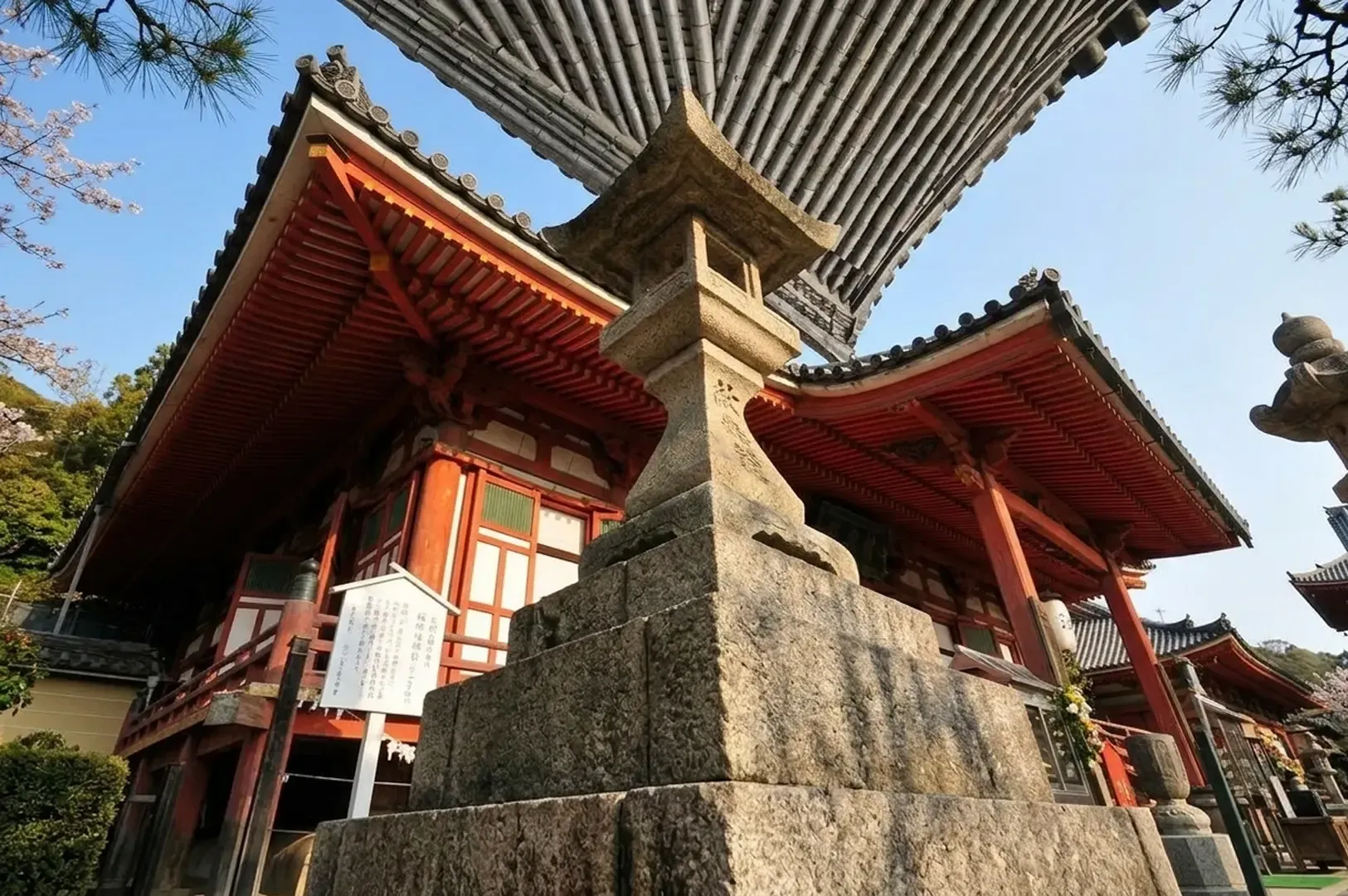
Traditional Japanese temple architecture in Onomichi with red-lacquered buildings, stone lantern, and cherry blossoms representing the historic port city

Onomichi town is not only famous for its soy sauce ramen but also for its charming streets lined with many temples and cultural sites. Visitors often walk from Onomichi station through narrow lanes to explore historic temples, enjoy panoramic views of the islands in the Seto Inland Sea, and visit unique shops selling local food and souvenirs.


The town is also known for its fresh seafood, lemons, and mikan oranges, which contribute antioxidants and vibrant colour to the local cuisine. After enjoying a bowl of rich Onomichi ramen, visitors often walk off their meal by exploring the Temple Walk or cycling along the nearby Shimanami Kaido route connecting several islands.

Plan Your Own Ramen Journey: Taste, Texture, and Tradition

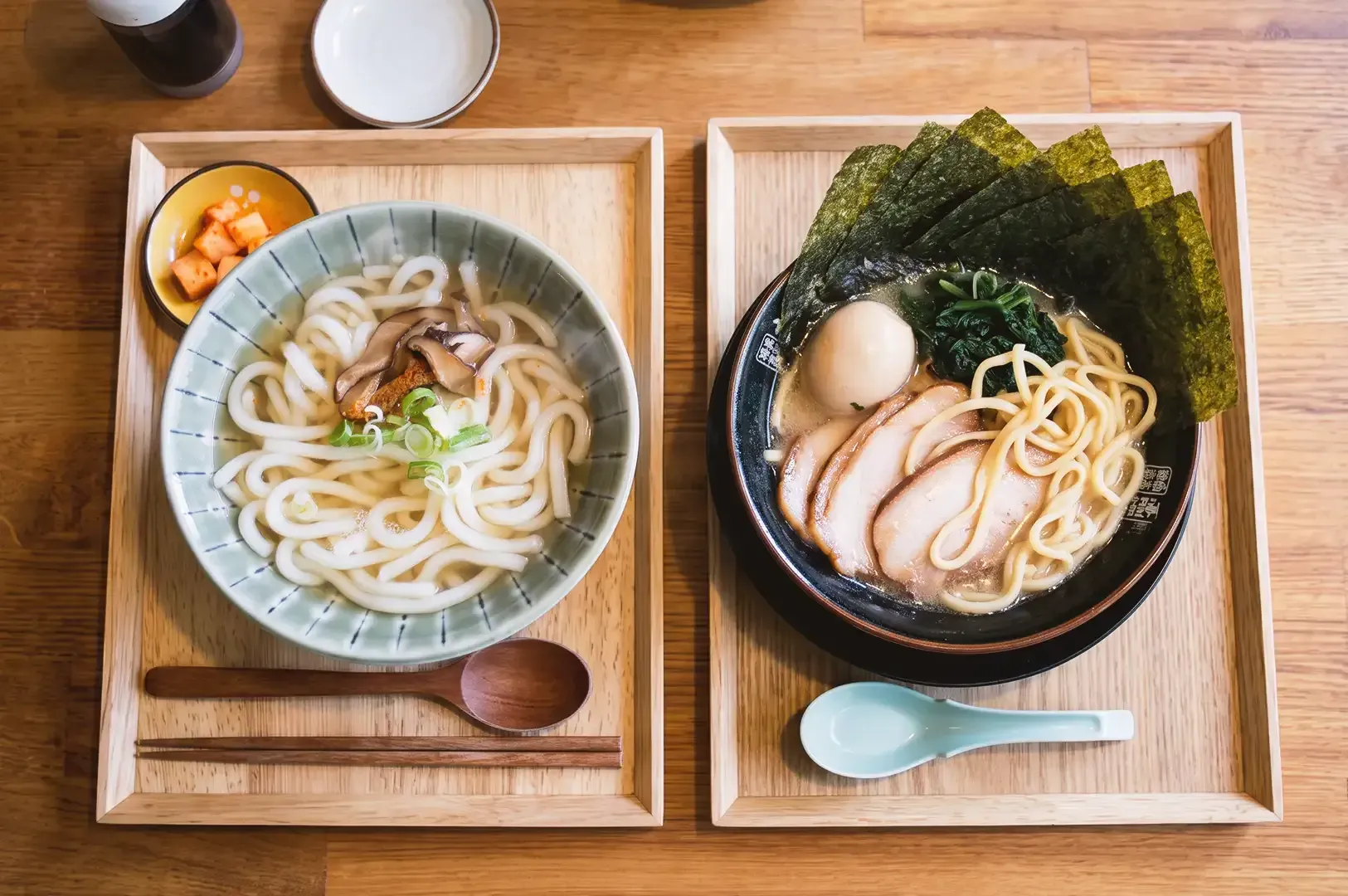
Two ramen varieties side by side - udon with pickled ginger and okra, and shoyu ramen with chashu pork showing regional Japanese noodle styles

Eating Tokyo and Onomichi shoyu ramen side by side really shows just how much the details can change the whole experience. It’s amazing how the flavors and textures shift as the bowls cool and all the ingredients come together.

If you ever try making your own soy sauce ramen or head to a ramen shop, take a moment to notice the broth’s color and taste, the fat or oil floating on top, the shape and texture of the noodles, and the toppings that come with it.

Whether you’re drawn to the clean, comforting vibes of a Tokyo classic with its delicate chicken fat and chewy noodles, or the bold, rich punch of an Onomichi specialty with hearty pork fat and straight noodles, both bowls truly celebrate the deep roots of Japanese culinary tradition.

So, next time you find yourself in Japan, especially around Hiroshima Prefecture, be sure to swing by Onomichi town near the station. Dive into this famous soy sauce ramen style, add some noodles to your order, savor that unique soup base, and enjoy the special seasonings and spices that make each bowl a ramen masterpiece you won’t forget.

To know more about Onomichi and other Japanese Ramen, be sure to click and visit The Overlooked Coastal Style with Seafood Notes: Onomichi Ramen for a savory contents.

Recent Posts

Bowl of Tonkotsu ramen featuring chashu pork, soft-boiled egg, nori, and creamy broth
By Chloe C.L May 12, 2026
Is tonkotsu ramen truly the best? Discover why lighter broths might deserve more attention and room on your table.
Illuminated sign for A Noodle Story stall 01-39 displaying Michelin awards and ramen imagery.
By Chloe C.L May 11, 2026
Discover A Noodle Story, a Michelin Bib Gourmand hawker stall at Amoy Street Food Centre serving innovative Singapore style ramen. Experience tender sous-vide pork belly, crispy prawn, and a unique fusion of local and Japanese flavors in a bustling hawker setting. Perfect for adventurous foodies!
Steaming bowl of traditional shoyu ramen with chashu, ajitama egg, and green onions.
By Chloe C.L May 8, 2026
Discover the comfort and familiarity of returning to the same ramen shop, where the experience is as satisfying as the food.
Asahikawa shoyu ramen bowl with chashu pork slices, soft-boiled egg, green onions, seaweed.
By Jillian Garzia May 7, 2026
Embark on a culinary adventure through Asahikawa, Hokkaido, and explore the top ramen spots. Discover flavors that will satisfy your cravings today!
Bowl of ramen with soft-boiled eggs, cucumber slices, and chopsticks lifting noodles.
By Jillian Garzia May 1, 2026
Explore why ramen is the comfort food we turn to on tough days—a warm bowl that soothes body and mind, one spoonful at a time.
Onomichi ramen bowl with chashu pork, green onions, bamboo shoots, and pork fat in clear soy sauce.
By Chloe C.L April 30, 2026
Savor the rich flavors of Onomichi ramen and explore its cultural roots in Hiroshima. Read on to discover the best spots to enjoy this culinary delight.