The Oil on Top: Aroma Oil That Transforms the Entire Bowl

March 23, 2026
Dot Icon

It’s a detail I almost missed in my early days of ramen exploration. My focus was always on the big three: the broth, the noodles, and the chashu. But then, one evening, I was seated at the counter of a small, specialist shop in Tanjong Pagar. The chef, with the focus of a surgeon, placed the final touches on my bowl.

Just before serving, he took a small, unmarked ladle and drizzled a dark, almost black liquid, an aroma oil made from garlic cloves infused in olive oil, over the surface of the creamy tonkotsu. The moment he did, the air changed. A deep, nutty, and slightly bitter garlic flavor filled my space, cutting through the rich scent of the pork broth.


That was the moment I understood. The oil on top wasn’t just a garnish. It was a key, a final flourish that unlocked an entirely new dimension of flavor and aroma. It’s the first thing that greets your senses, the aromatic introduction to the meal. From that day on, I started paying attention to that shimmering layer, realizing that these aroma oils are one of the most powerful tools in a ramen chef’s arsenal.

More Than Just Fat: The Role of Aroma Oil in Asian Food

At its most basic level, ramen needs fat. Fat carries flavor, adds richness, and contributes to that satisfying mouthfeel we all crave. In many traditional bowls, this fat comes directly from the broth itself, like the rendered pork fat in a long-simmered tonkotsu. But aroma oil, or koumi-yu, is something different. It is an infused oil, a finishing touch added just before serving, designed with a singular purpose: to deliver a powerful aromatic punch.


Think of it like perfume for your ramen. The broth provides the deep, foundational notes. The aroma oil provides the bright, volatile top notes that hit your senses first, shaping your perception of the bowl before you even take a sip. It’s a technique that adds a layer of complexity that the broth alone cannot achieve. A great chef knows that we eat with our noses just as much as our mouths, and aroma oils are a direct line to our olfactory senses.

The Classic Trio: Understanding the Most Common Aroma Oils Including Chili Oil and Garlic Oil

As I delved deeper into the world of ramen, I started to recognize the distinct personalities of different aroma oils. While the possibilities are endless, a few classic infusions form the backbone of modern ramen craft. Each one brings a unique character to the bowl, transforming the dining experience in its own way.

Mayu: The Dark Magic of Black Garlic Oil

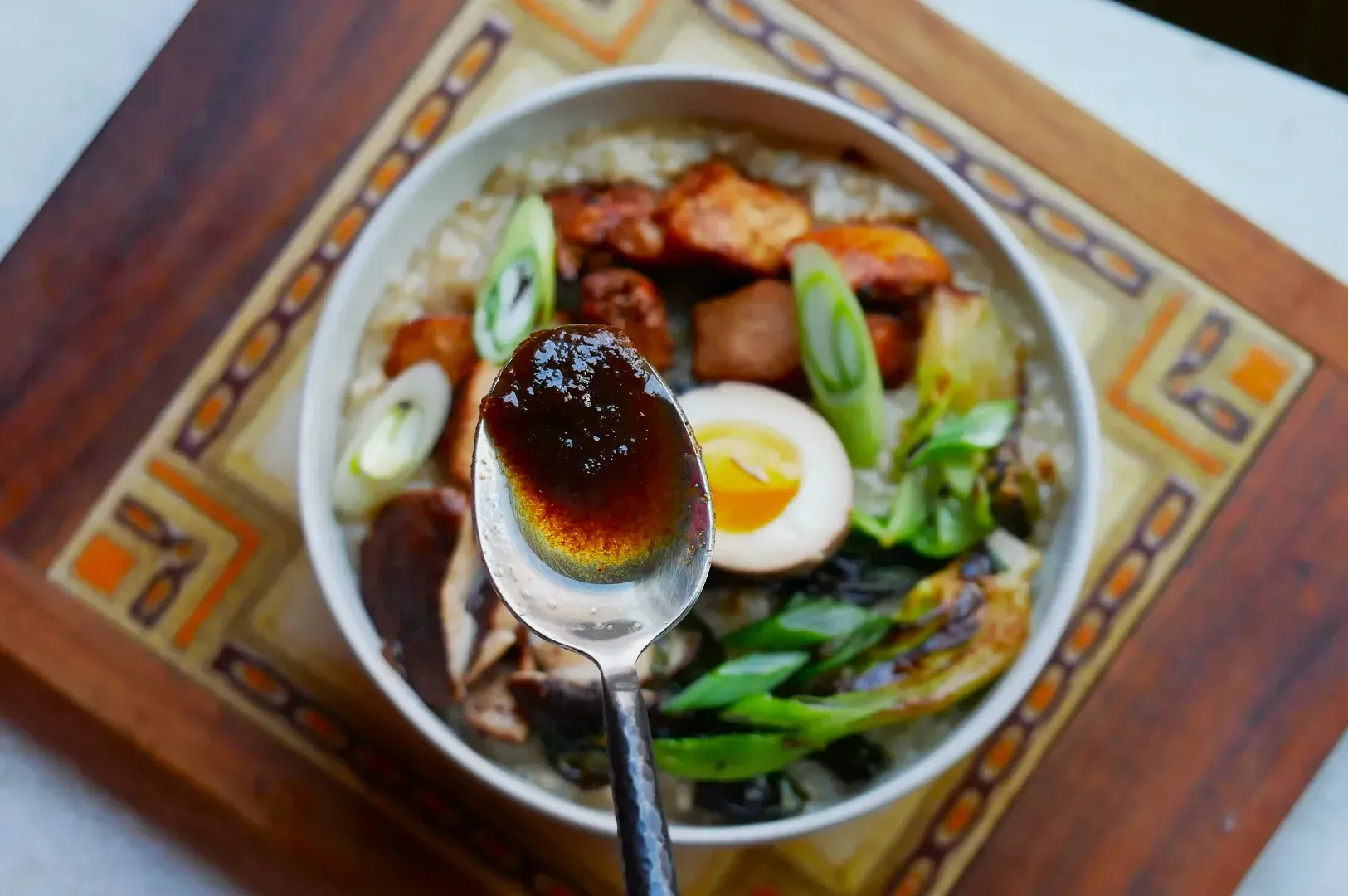
A close-up of a spoon with dark sauce above a bowl of ramen topped with boiled egg, scallions, grilled meat, and mushrooms on a patterned placemat.

Mayu, or black garlic oil, is perhaps the most dramatic and visually striking of all aroma oils. That dark, inky drizzle I first encountered is created by slowly frying finely chopped or crushed garlic cloves in a neutral oil like canola or grapeseed oil over low heat until it turns a deep black color. It’s a delicate process. If cooked too quickly, the garlic becomes acrid and bitter. But when done correctly, it develops a complex, nutty, and slightly bitter flavor that is incredibly potent.


Mayu is the signature of Kumamoto-style ramen, a regional variation of tonkotsu. Its job is to cut through the intense richness of the heavy pork broth.


  • Aroma: Earthy, smoky, and intensely savory.
  • Flavor: A deep, roasted garlic taste with a pleasant bitterness that balances fatty broths.
  • Best Paired With: Rich, creamy tonkotsu broths. The mayu’s sharp, smoky profile prevents the palate from becoming overwhelmed by the fat.

When I see mayu in a bowl, I know I’m in for a bold experience. It adds a layer of smoky sophistication, turning a simple bowl of pork ramen into something more mysterious and complex.

Rayu: The Fiery Kick of Chili Oil

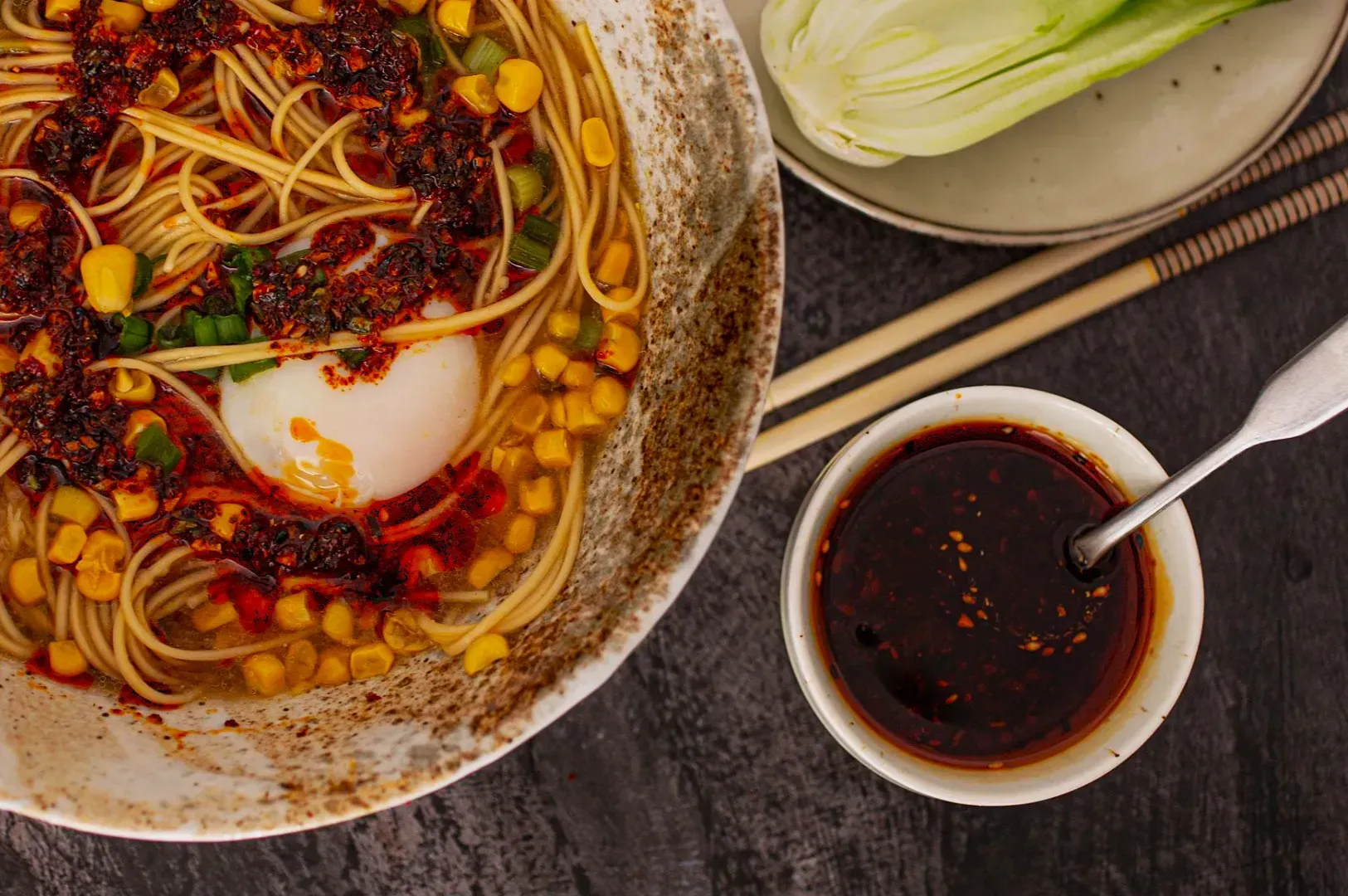
A bowl of ramen with noodles, corn, a soft-boiled egg, and chili oil. Nearby are chopsticks, a sauce dish with more chili oil, and a plate with bok choy.

Rayu is a staple in many Japanese and Chinese kitchens, but in ramen, it serves as a jolt of energy. This vibrant red chili oil is made by pouring hot oil over a mixture of chili flakes, Sichuan peppercorns, star anise, and other aromatics like minced fresh garlic and shallots. The result is an oil that delivers not just heat, but a complex, fragrant spice.


Rayu is most commonly found in spicy ramen variations like Tantanmen, but many shops offer it on the table as a condiment, allowing diners to customize their heat level.


  • Aroma: Toasty and spicy, with fragrant notes from all the spices.
  • Flavor: A sharp, immediate heat that can range from a mild warmth to a fiery inferno, depending on the type of chili used.
  • Best Paired With: Miso or shoyu broths. The spice cuts through the savory depth of the miso and adds excitement to a lighter soy-based soup. It can also be used to add a new dimension to tonkotsu.

A good chilli oil does more than just make a bowl spicy. It adds a layer of aromatic complexity, a tingle on the lips, and a warmth that spreads through your chest. It’s a rush of adrenaline in liquid form.

Chi-yu: The Pure Essence of Chicken Oil

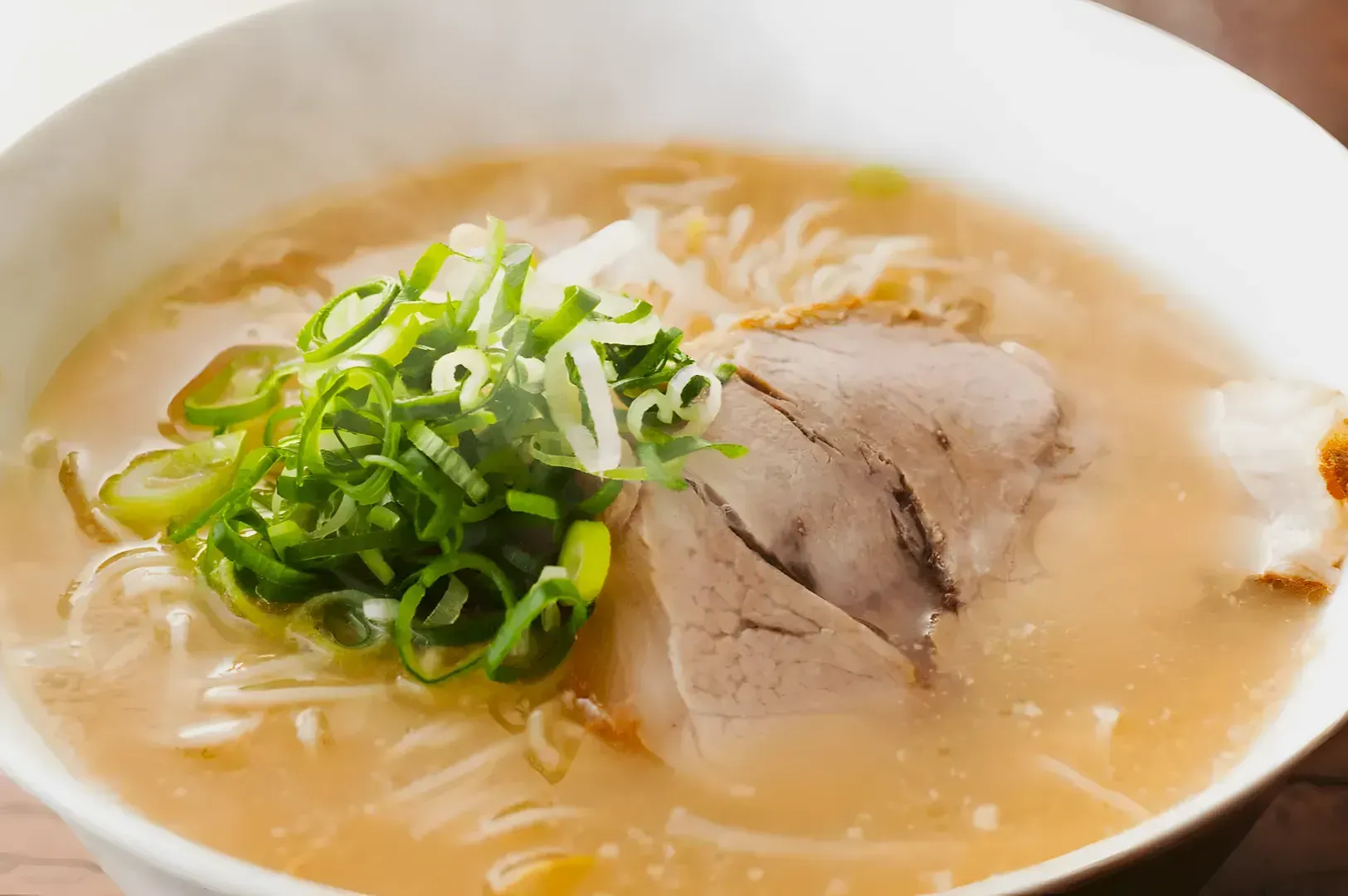
A steaming bowl of ramen topped with slices of pork, chopped green onions, and white noodles in a rich, light broth on a wooden table.

While mayu and rayu are about adding external flavors, chi-yu, or chicken oil, is about amplifying the inherent flavor of the broth. This golden-yellow oil is rendered from chicken skin and fat. It is the purest expression of chicken flavor, a liquid concentrate of savory goodness.


Chi-yu is the soul of many classic shio (salt) and shoyu (soy sauce) ramens, particularly Tokyo-style bowls. In these lighter, clearer broths that lack the heavy fat of tonkotsu, chi-yu is essential for adding richness, body, and a deep umami flavor.


  • Aroma: A clean, comforting scent of roasted chicken.
  • Flavor: Pure, unadulterated chicken essence. It adds a savory depth and a silky mouthfeel.
  • Best Paired With: Lighter shio and shoyu broths. It gives these soups a satisfying richness without making them heavy or greasy.

To me, chi-yu is the unsung hero of the ramen world. It doesn’t have the dramatic color of mayu or the aggressive heat of rayu, but its impact is profound. A clear broth without it can feel thin and lacking; a clear broth with it feels complete and soulful.

Perfect Chili Oil Recipe: Crafting the Ideal Chili Oil for Your Bowl

Creating the perfect chili oil is an art form that requires attention to detail and the right ingredients. A good chilli oil starts with quality oil, many chefs prefer neutral oils like canola oil, avocado oil, or grapeseed oil for their clean flavor and high smoke points. Sesame oil is often added for its distinctive nutty aroma but should be used sparingly due to its strong flavor.


The key to a perfect chili oil is carefully pouring hot oil over chili flakes and aromatics such as minced garlic cloves, shallots, star anise, cinnamon, Sichuan peppercorns, and sesame seeds. This process, known as pouring hot oil, releases the essential oils and flavors from the spices and garlic, creating a delicious and fragrant condiment.


Here’s a quick overview of the steps:

  1. Prepare your chili flakes and aromatics in a heatproof bowl.
  2. Heat your choice of oil (canola, avocado, or grapeseed) in a pot over medium low to low heat until it reaches the right temperature—usually around 225-250°F (medium low heat)—to avoid burning the spices or garlic.
  3. Carefully pour the hot oil over the chili flakes and aromatics, stirring gently to combine.
  4. Allow the oil to cool before transferring it to a jar or bottle for storage in the fridge.

This chili oil recipe is versatile and can be used as a sauce for fried rice, drizzled over vegetables, or as a spicy condiment for eggs. The perfect recipe balances heat, flavor, and aroma, making it a must-have in any kitchen that loves garlic and spice.

Garlic Oil and Other Garlic Recipes: Elevating Flavor with Fresh Garlic

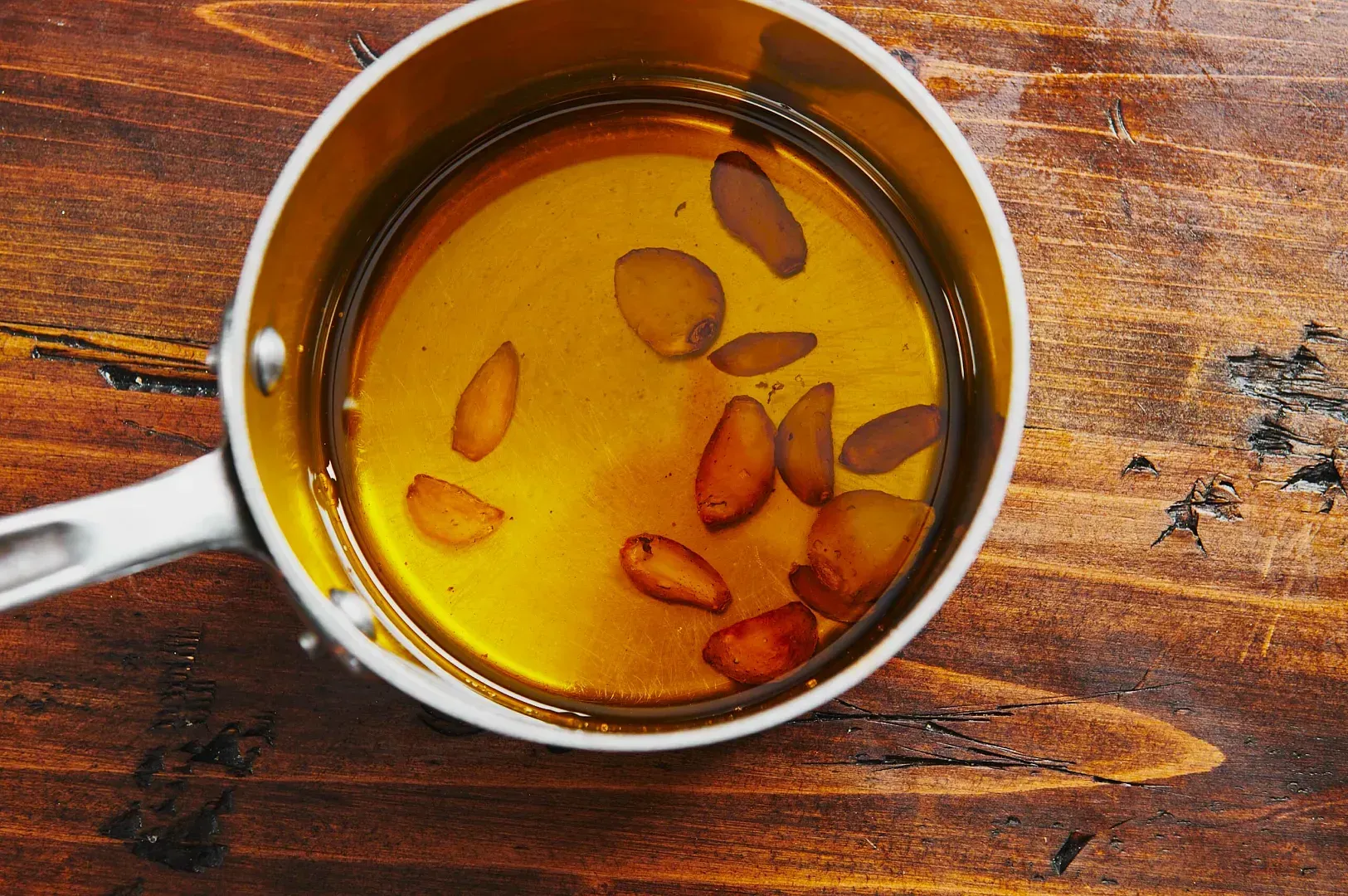
A small metal pot filled with golden oil and slices of browned garlic on a rustic wooden table. The scene conveys a warm, inviting culinary setting.

aGarlic oil is another essential aroma oil in Asian food. Made by slowly heating garlic cloves in olive oil or canola oil over low heat, garlic oil extracts the rich garlic flavor without burning the cloves. This oil can be used as a base for many garlic recipes or drizzled directly over dishes to add depth and aroma.

Using fresh garlic and garlic cloves in your cooking not only enhances flavor but also brings a comforting smell that fills your kitchen. Whether you’re making a quick stir-fry, a sauce, or seasoning fried rice, garlic oil is a simple way to add deliciousness.

Pouring Hot Oil: The Technique That Unlocks Flavor

The technique of pouring hot oil over spices, herbs, or aromatics is fundamental in creating aroma oils like chili oil and garlic oil. Heating oil gently over low heat allows the oil to absorb all the spices’ flavors without burning them. When you carefully pour hot oil inside a bowl containing chili flakes, garlic, and other spices, the sizzling reaction releases intense aromas and flavors instantly.


This method requires attention to temperature and timing. Using a thermometer or cooking by sight and smell helps ensure the oil is hot enough to infuse but not so hot that it burns the ingredients. Once poured, stirring the mixture helps distribute the heat evenly.

Storing and Using Your Aroma Oils: Tips for Best Flavor and Safety

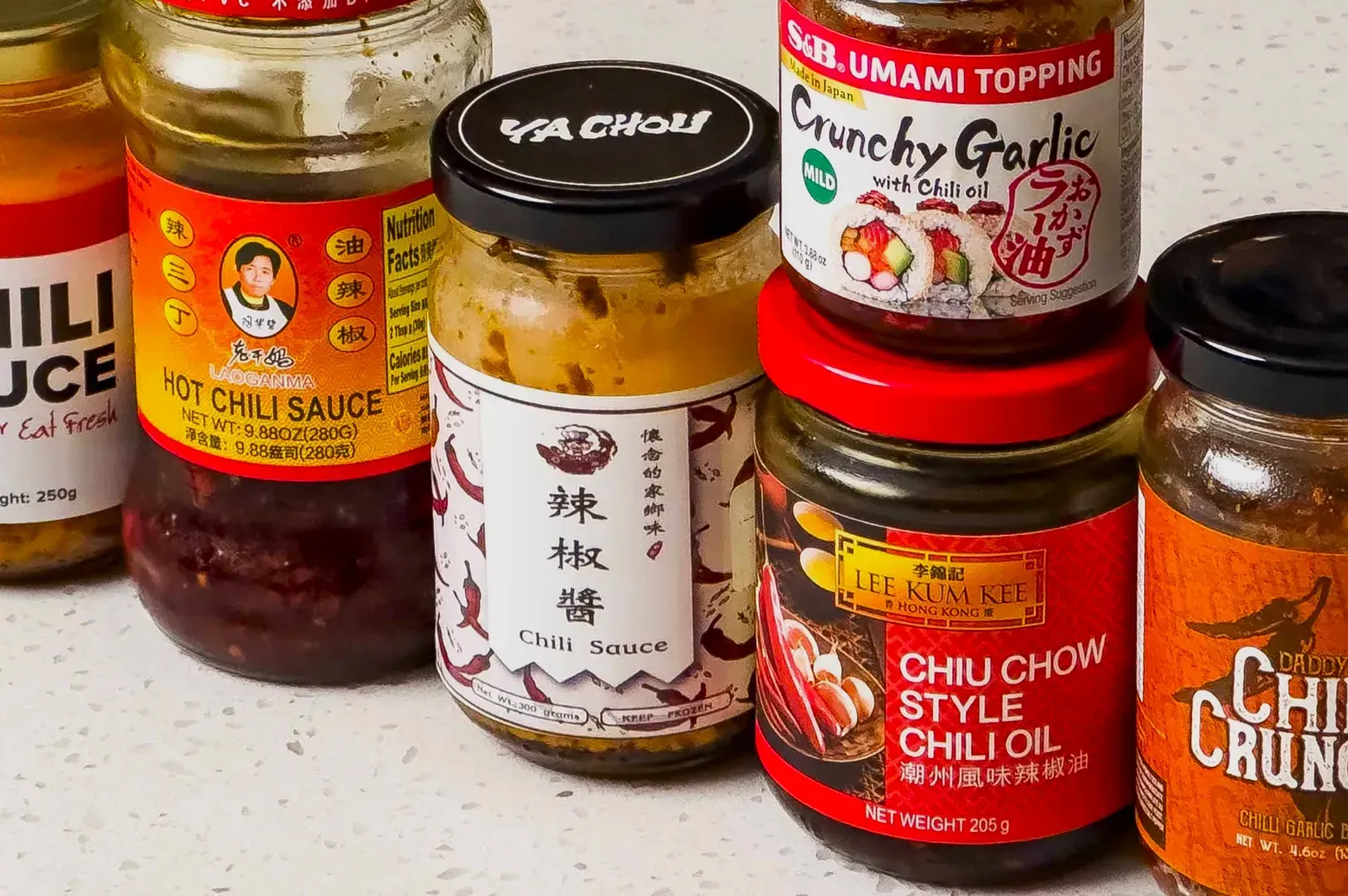
A collection of various chili sauces and oils in jars on a counter. Labels feature vibrant designs and text in different languages, evoking spicy flavors.

After making your chili oil or garlic oil, store the whole thing in a clean jar or bottle in the fridge. Proper storage preserves the fresh flavors and prevents spoilage. Always use a clean spoon to stir before serving, as some spices and salt settle at the bottom.


For those interested in trying this at home, check out our detailed recipe card with required recipe ratings and affiliate links to recommended ingredients and kitchen tools. Don’t hesitate to comment something below if you try the recipe or have questions!


Do you want to explore the realm of ramen knowledge and insights? just visit Bestramen.com

Recent Posts

A modern restaurant interior features a long bar with high stools. Chefs work in an open kitchen.
By Chloe C.L April 1, 2026
Discover the top Japanese izakaya in Singapore offering traditional izakaya cuisine, grilled meats, yakitori skewers, fresh sashimi, and flavorful noodles. Explore lively atmospheres, seasonal dishes, and must-try favorites like negitoro garlic toast and kani tama gratin. Perfect for after-work drinks and casual dining
A vibrant bowl of curry featuring a chicken drumstick, boiled egg, assorted colorful vegetables.
By Chloe C.L March 31, 2026
Explore the rich flavors of Japan's soup curry with our comprehensive guide. Discover top spots, tips, and recipes to savor this delightful dish. Read more!
Chopsticks holding steaming, light-colored noodles above a bowl, with a soft-focus background.
By Chloe C.L March 26, 2026
Discover the key differences between Tonkotsu, Shoyu, Miso, and Shio ramen noodles. Learn about broth styles, noodle textures, popular Singapore ramen spots, and tips for making authentic ramen at home. Perfect your ramen order and enjoy every flavorful bowl!
A stunning indoor waterfall cascades from a domed, geometric glass roof.
By Jillian Garzia March 19, 2026
Discover the highlights of Jewel Changi Airport, from breathtaking architecture to unique attractions. Plan your visit and explore what makes it a must-see!
A plate of chilled ramen noodles garnished with green onions, bamboo shoots, and soft-boiled eggs.
By Jillian Garzia March 16, 2026
Explore the top Tsukemen spots in Singapore with our comprehensive food guide. Satisfy your cravings and discover your new favorite dish! Read more.
A bowl of ramen with creamy broth, topped with seared tofu, corn, mushrooms, and green onions.
By Chloe C.L March 12, 2026
Explore how vegan tonkotsu broth replicates the rich, creamy texture of traditional collagen-rich pork broth using plant-based collagen substitutes and innovative culinary techniques. Discover the health benefits, sustainability, and flavor innovations behind this plant-based ramen revolution.