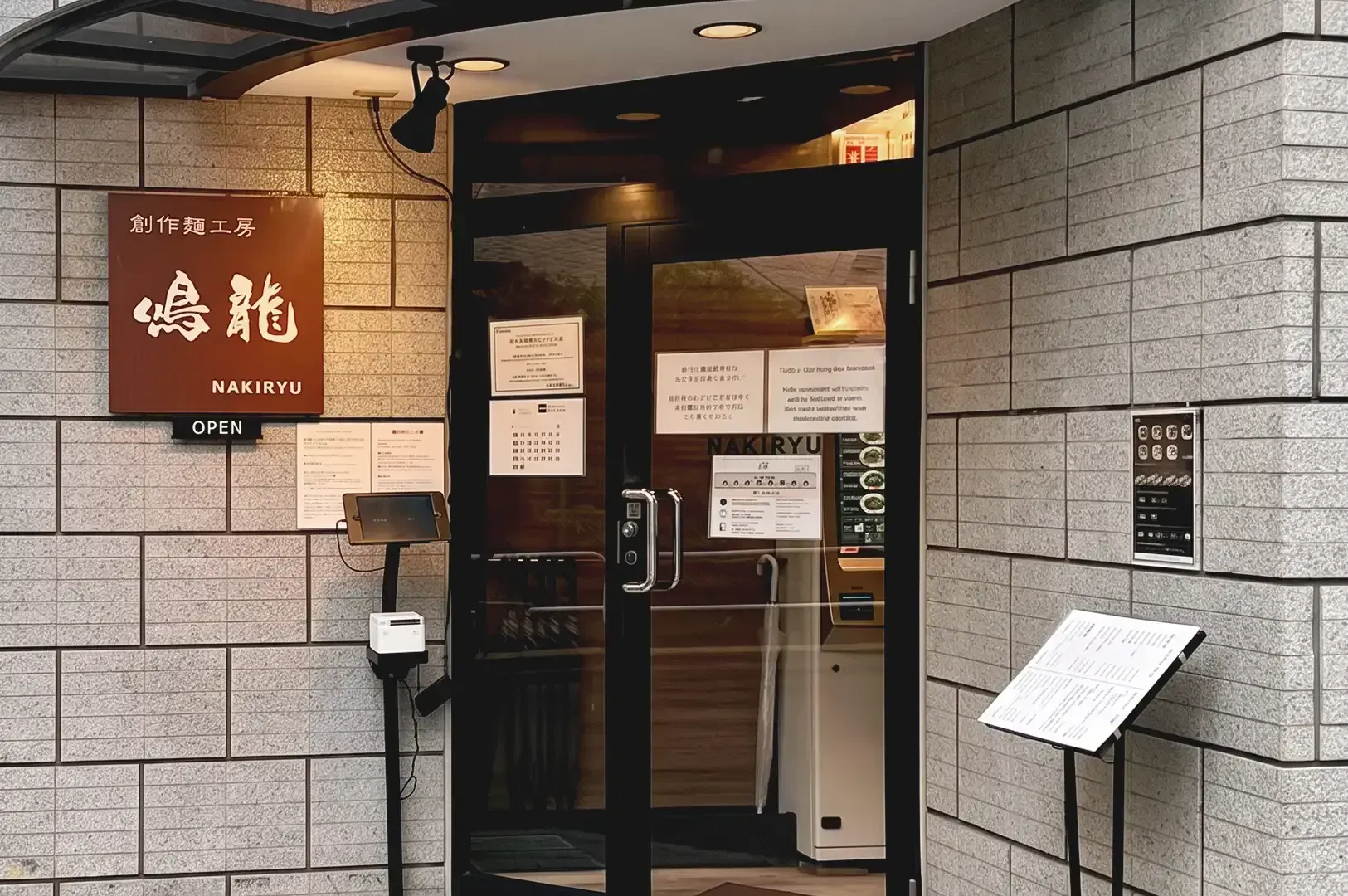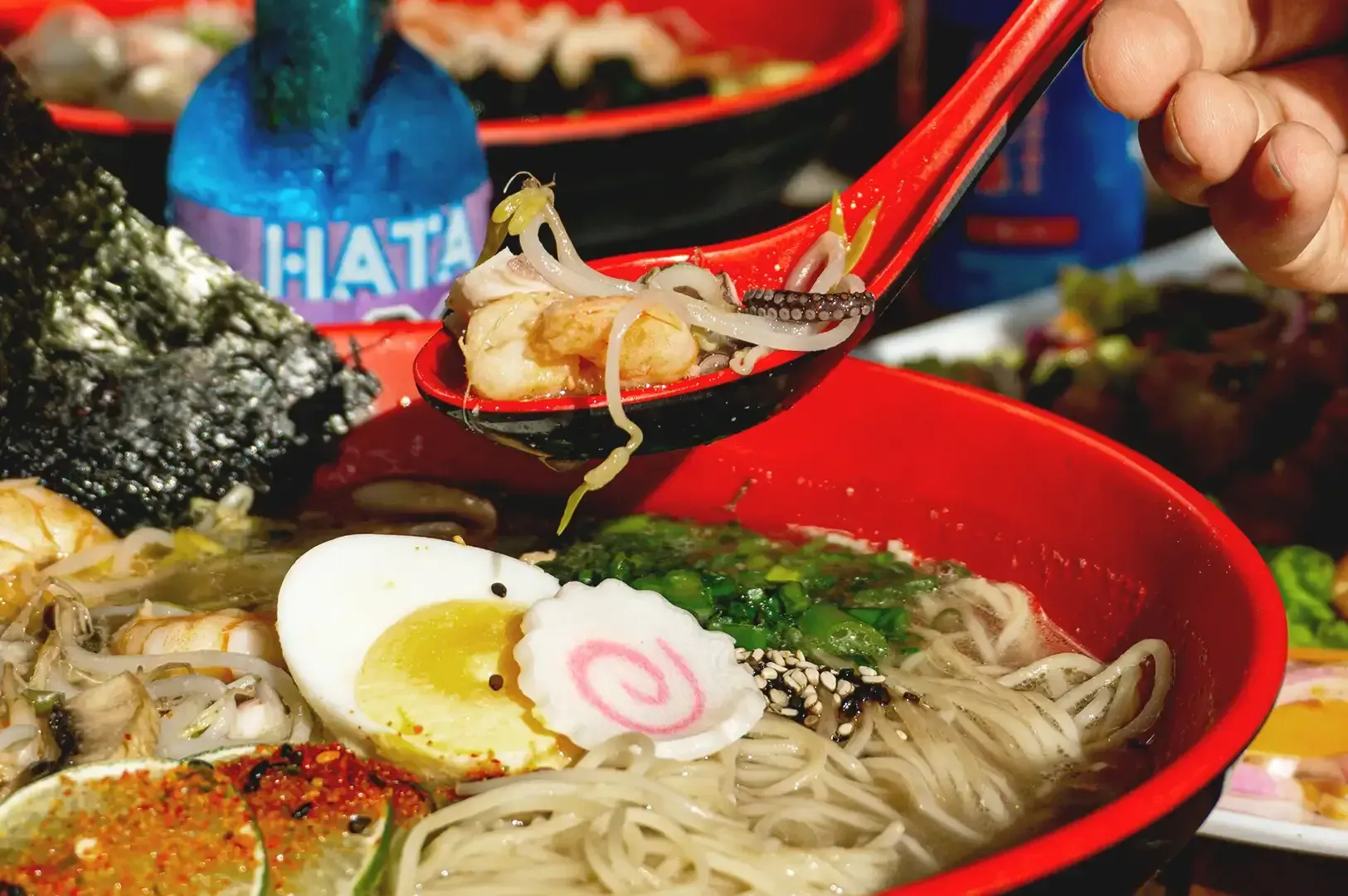
Mensho Tokyo Singapore Review: Hype, Precision, and Next-Level Broth
There is a special stillness when a bowl of ramen arrives, steam rising, broth shimmering. At Mensho Tokyo Singapore, this moment carries high expectations shaped by awards, hype, and a notable price tag.
Mensho Tokyo Singapore is one of those ramen places that really lives up to its Michelin-approved reputation. When I visited the spot at Raffles City, I found the experience all about the broth and noodle texture. The creamy chicken soup base was rich and layered with flavor, and the chewy wheaten noodles paired perfectly with it.
If you’re a ramen fan who doesn’t mind splurging a bit for quality, this place definitely stands out. It’s clear why it’s so highly regarded, it’s all about dedication to crafting a great bowl.
Background: From Tokyo to Raffles City Singapore
Shono-san, the ramen master behind Mensho Tokyo SG, is passionate about achieving perfect balance in every bowl. This renowned Japanese ramen chain, boasting a Michelin-approved reputation and plenty of acclaim, now has 18 outlets worldwide, including Tokyo, San Francisco, Bangkok, Shanghai, Sydney, and of course, Singapore.
With plans to open even more locations, Mensho Tokyo continues to expand its global footprint. Shono-san’s philosophy revolves around five key elements: tare, soup, noodles, oil, and toppings. This harmonious approach has earned the brand prestigious awards like Tokyo Ramen of the Year (2014–2017) and the 2024 Ramen Walker Grand Prix.
The new restaurant in Raffles City Singapore officially opened its doors on July 20, 2024. The space blends casual ramen shop vibes with a touch of refinement. Over S$1 million was invested in the renovation, which initially saw ramen prices ranging from S$26 to S$38.
This sparked some debate, leading to a price drop of up to S$10 within a week, showing that while hype is great, delivering value is key. Alongside the delicious ramen, the Singapore outlet focuses on creating a memorable dining experience with thoughtful service and innovative dishes like the duck matcha ramen and yuzu shio broth.
Location, Ambience, and First Impressions
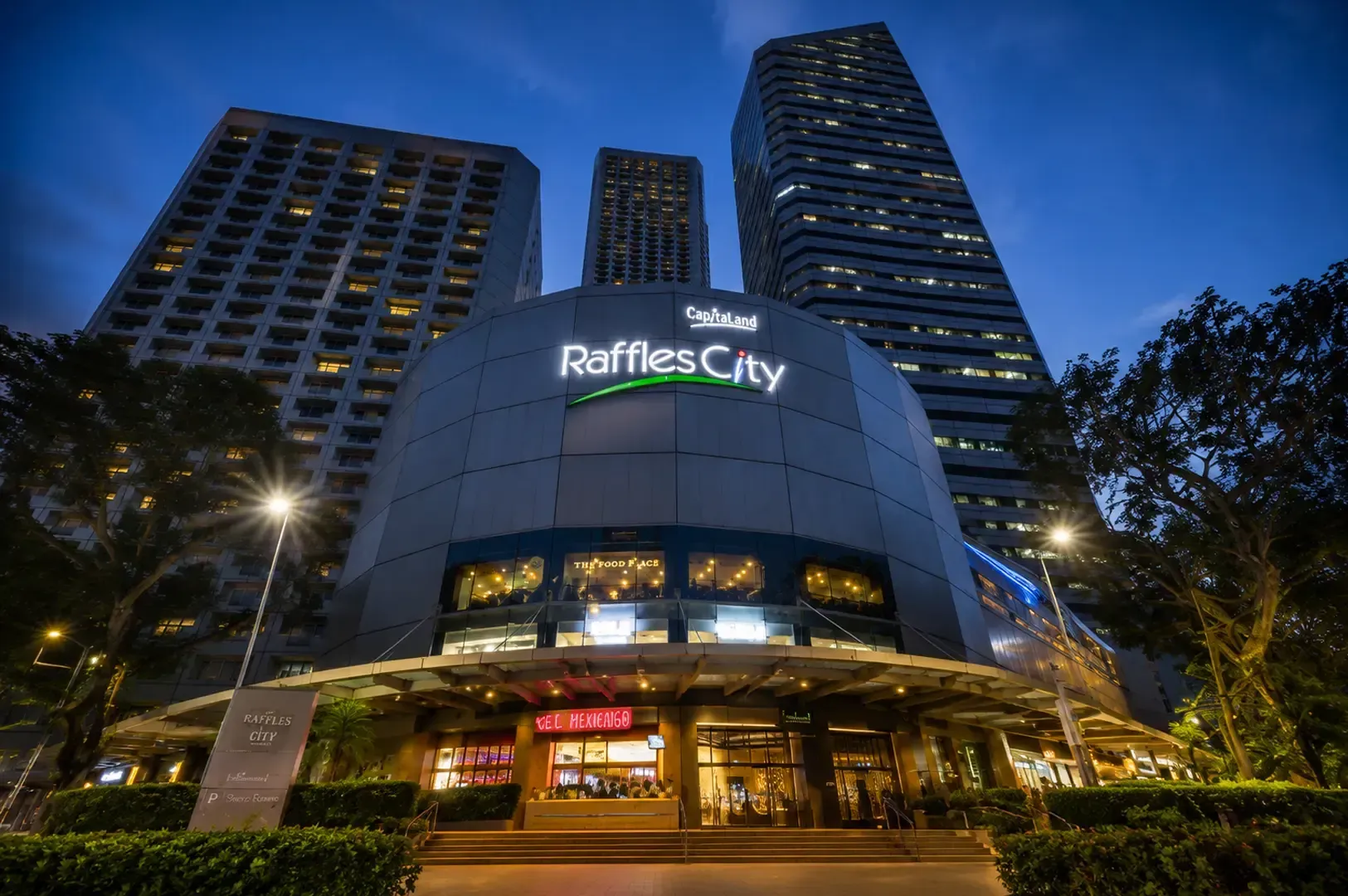
252 North Bridge Road, #03-43, Raffles City Shopping Centre, Singapore 179103.
Located at #03-43, Raffles City Shopping Centre, 252 North Bridge Road, Mensho Tokyo is a five-minute walk from City Hall MRT via underground link. The central location ensures steady foot traffic.
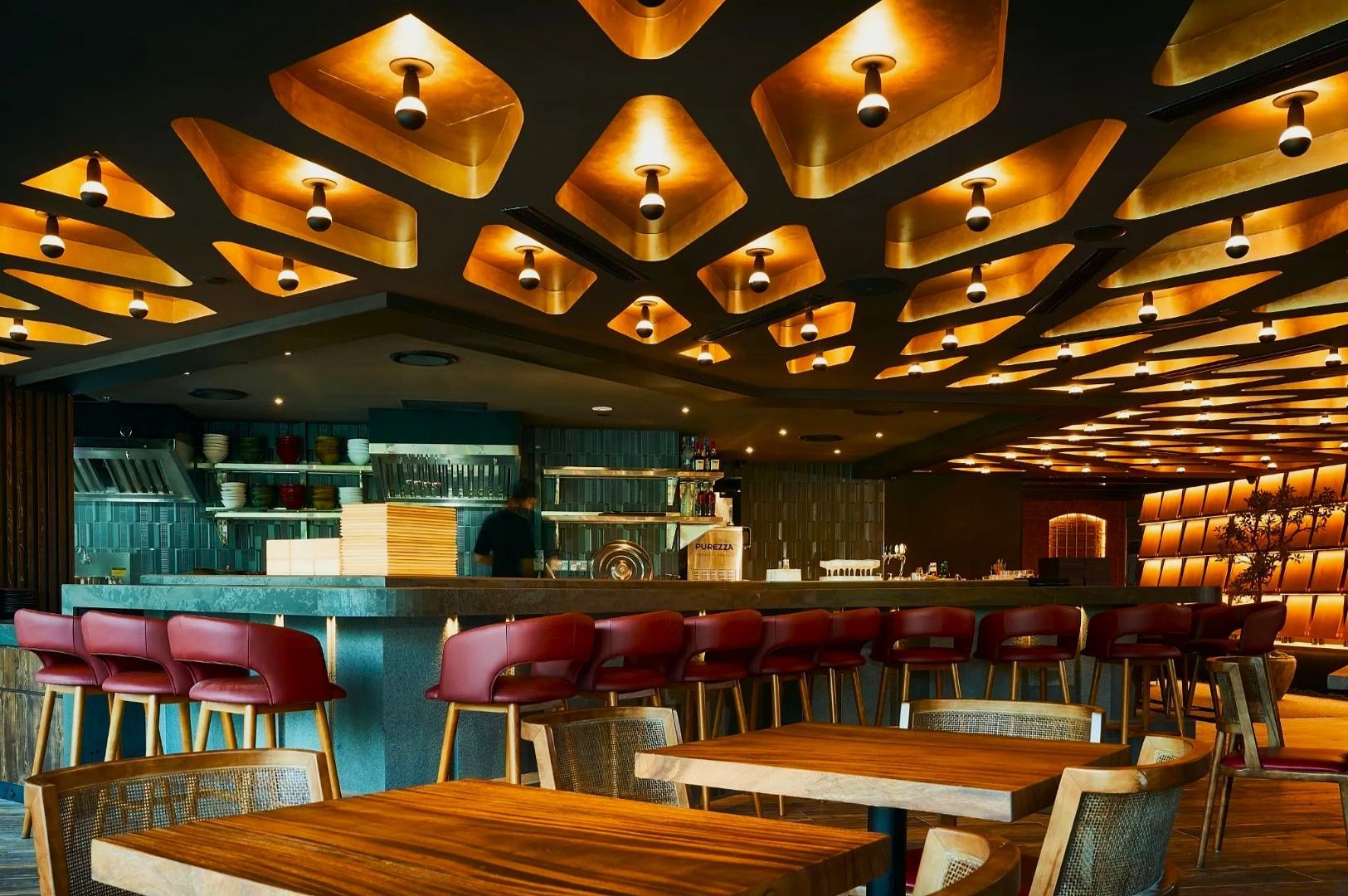
The dining room surprised me with its sophisticated, fine-dining-like ambiance. It features a modern, sleek, 'bistro-bar' vibe with an open kitchen, and Japanese minimalism is reflected in the interior design, including timber wood walls and a warm color palette. High ceilings and wooden furnishings add warmth. Full-height glass windows overlook Stamford Road, letting in natural light during lunch.
Seating includes a total capacity of 90 people, with both table and bar seating available. Solo diners can enjoy counter seating with a view of kitchen choreography. The marble counter reflects light, enhancing the atmosphere.
| Visit Time | Atmosphere | Noise Level | Wait for Seating |
|---|---|---|---|
| Weekday Lunch | Quiet, contemplative | Comfortable conversation | None |
| Weekend Dinner | Buzzy, energetic | Moderately loud | 15-25 minutes |
While some may find the space over-designed for ramen, others appreciate the care and respect for the dish. I found the quiet weekday visits ideal, while weekend buzz felt a bit overwhelming.
When the ramen arrives, the presentation stands out with beautifully arranged pieces of meat—whether
Wagyu or pork—adding to the visual and gustatory experience.
Quality of Ingredients: Sourcing, Freshness, and Philosophy
There's something deeply grounding about the way Mensho Tokyo Singapore approaches each bowl, as if ingredient quality isn't just philosophy but quiet devotion. Chef Tomoharu Shono seems to understand that exceptional ramen grows from a place of reverence, for the components, for the process, for the moments that unfold when broth meets soul.
This thoughtfulness hasn't gone unnoticed by those who recognize such devotion. Mensho Tokyo's recognition, the Ramen Walker Grand Prix, their place in the Michelin Guide—feels less like achievement than acknowledgment of something already understood by those who return again and again. They come not just for the creamy chicken and wagyu, but for the sense that each bowl emerges from genuine care, from precision that serves warmth rather than ego, from tradition that breathes rather than merely endures.
For those who seek ramen as ritual rather than trend, who appreciate food that nourishes more than just hunger, Mensho Tokyo Singapore offers the kind of experience that lingers long after the last spoonful of broth.
Ramen Craft: Broth Precision and Noodle Texture
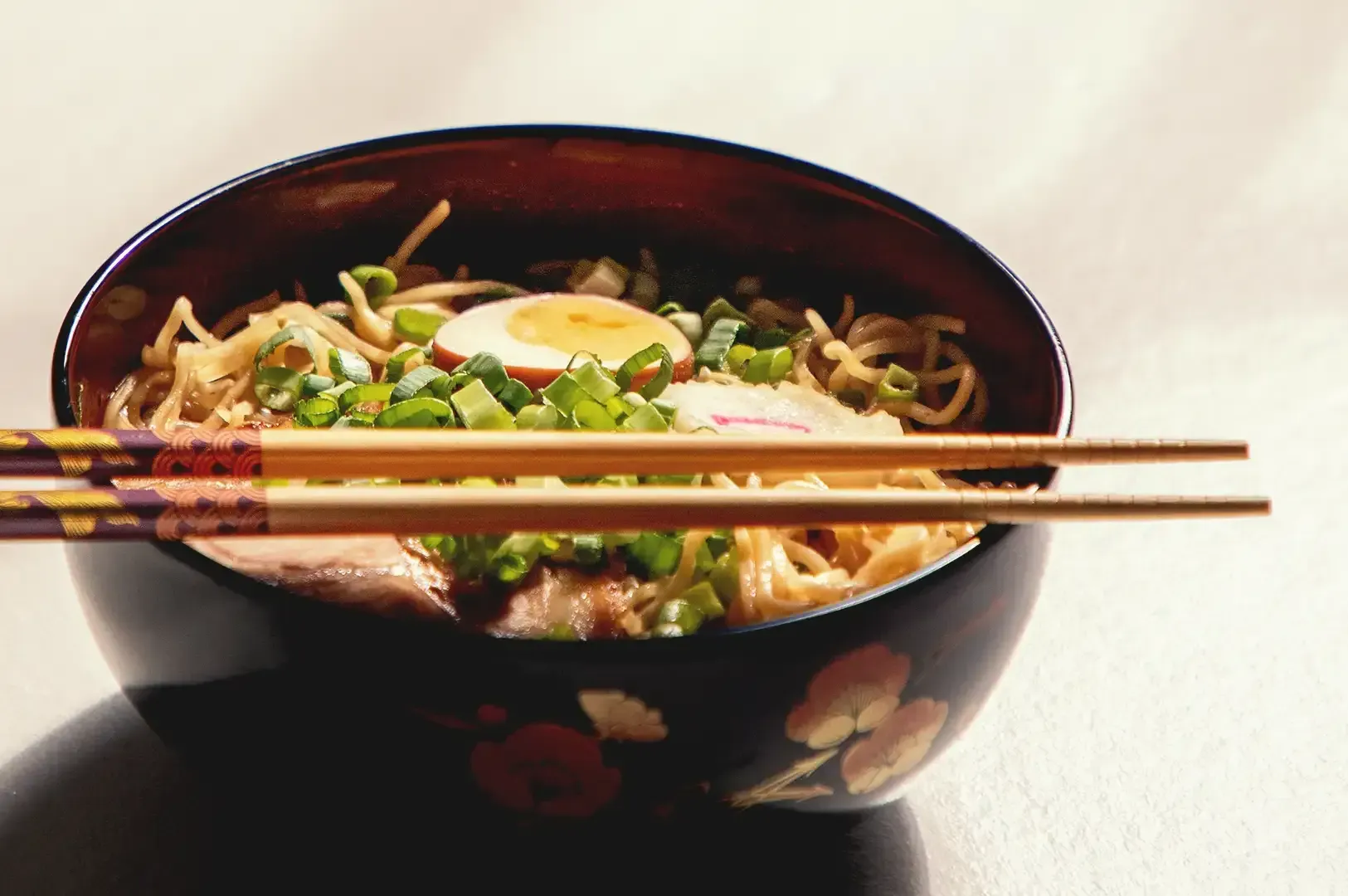
For me, the broth is the heart of Mensho Tokyo Singapore. The tori paitan is a creamy, emulsified chicken broth that requires long simmering to extract collagen and emulsify fat, creating that rich, opaque soup I love. The challenge here is balancing the thickness without making it too heavy, and I find that salt plays a crucial role in enhancing and balancing the broth's flavor profile.
I really appreciate the wholewheat-heavy ramen noodles they use, crafted from a special mix of flours to achieve their unique chewy texture and deep wheat flavor. These noodles are four times richer in fiber than standard flour noodles and also higher in carbs. If I'm ever looking to reduce my carbohydrate intake, I know there are side dish options available that are lower in carbs.
Signature Toripaitan Ramen: The Benchmark Bowl
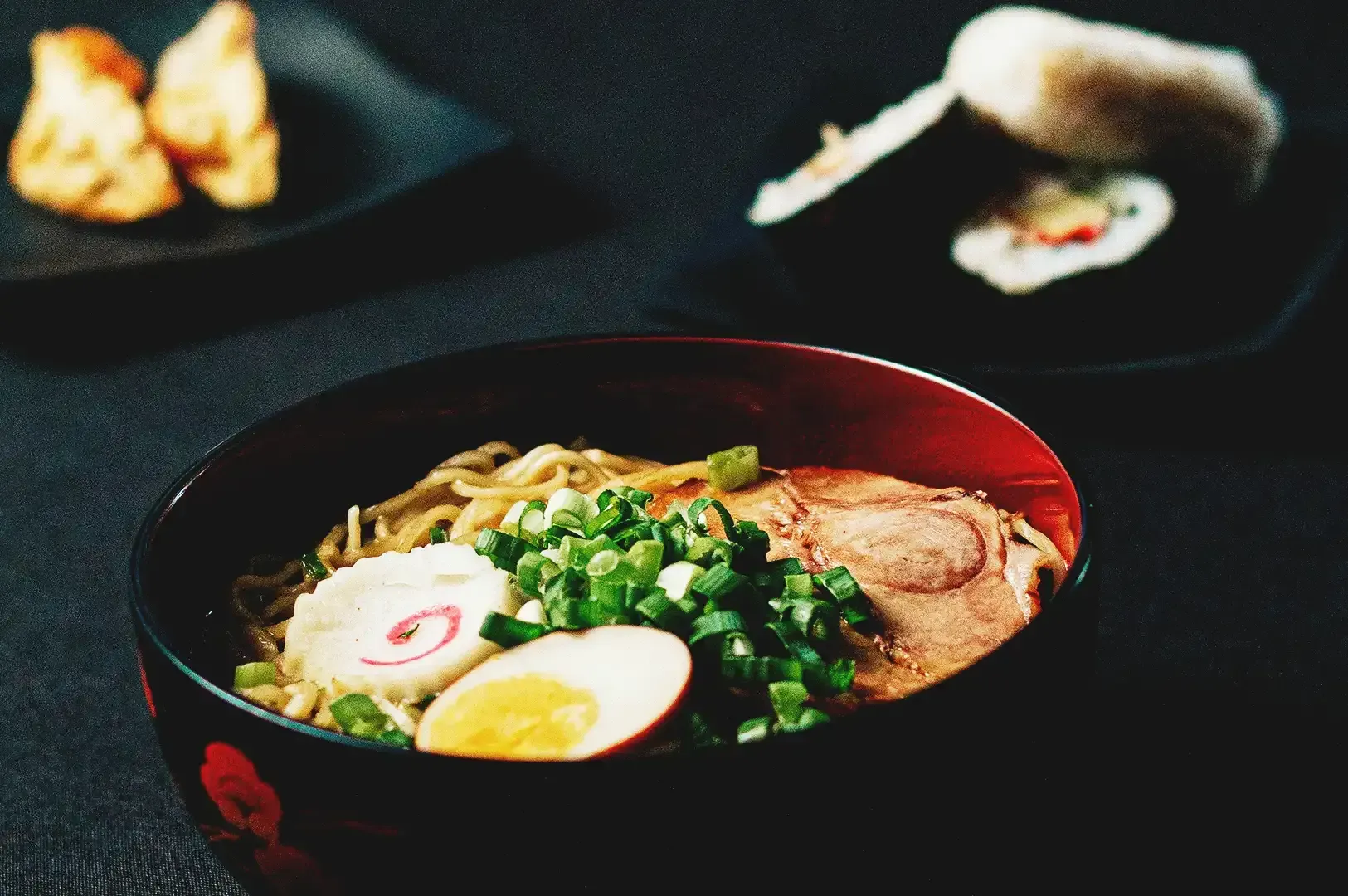
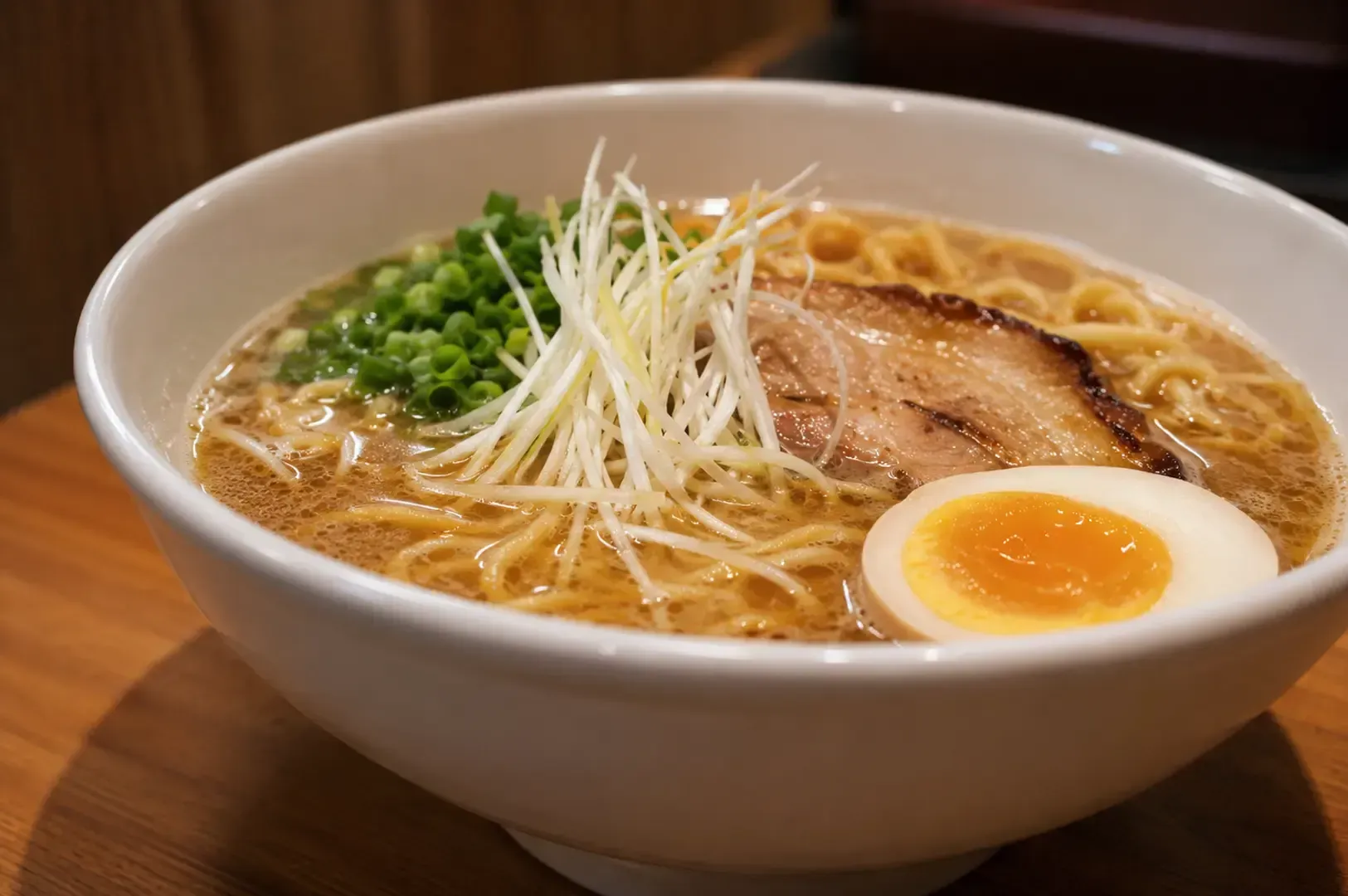
The Signature Toripaitan (around S$28++, about S$33 after GST) is the menu anchor. Toppings include marbled A5 wagyu, smoked pork chashu, tender duck, chicken chashu, fried burdock, and truffle sauce on the side. A seasoned egg can be added.
The broth is ultra creamy yet never chalky, with layered chicken flavor, balanced salinity, and golden oil pools adding richness without greasiness. The noodles are medium-thick, wavy, and chewy, holding texture well.
| Topping | Notes |
|---|---|
| A5 Wagyu | Marbled, lightly seared, melts in broth |
| Smoked Pork | Smoky, fatty, adds unctuousness |
| Duck | Tender, subtle gaminess, complements |
| Chicken Chashu | Clean flavor, slightly overshadowed by others |
| Fried Burdock | Crunchy, earthy |
At S$33, this bowl is a serious investment, nearly double basic tori paitan elsewhere in Singapore. The premium reflects broth complexity, quality proteins, and house-milled noodles.
Other Broths and Inventive Flavours
The Yuzu Shio offers a lighter, citrusy alternative with clear broth and thinner noodles—refreshing on humid days.
The Chilli Crab Ramen caught my attention with its fusion of local flavors, blending sweetness and spice. While it was interesting to try, I felt the concept was more borrowed than original, so it’s not a dish I’d rush back for.
The Wagyu Shoyu Aburasoba, a dry noodle dish featuring thick wheat noodles, shoyu tare, rendered fat, and two types of A5 Miyazaki wagyu, was rich and decadent. Initially priced around S$41++, it feels more approachable after the price adjustment.
I also noticed that the seasoning seemed to vary slightly between my visits, perhaps tailored to different times of day, but this didn’t detract from my overall experience.
Side Dishes, Drinks, and Complements
Sides lean luxurious. The A5 Miyazaki Wagyu Caviar Sushi combines wagyu and roe for a rich bite. The Aji Fry, crispy horse mackerel, offers excellent value and texture.
The 4 Kinds of Chashu plate showcases wagyu, smoked pork, duck, and chicken for tasting variety.
| Side Dish | Price | Recommendation |
|---|---|---|
| A5 Wagyu Caviar Sushi | S$18 | Special occasions |
| Aji Fry | S$8 | Highly recommended |
| 4 Kinds of Chashu | S$15 | Good for first-timers |
| Rice Dishes | S$5-8 | Only if still hungry |
For most, the ramen bowls suffice without sides. A shared Aji Fry adds crunch without overwhelming.
Service, Wait Times, and Crowd Patterns
You can make reservations through the mall concierge or online. On weekend evenings, expect a wait of about 15 to 25 minutes, but if you come for lunch on a weekday, you’ll likely get seated right away.
Your ramen usually arrives within 10 to 12 minutes, piping hot and ready to enjoy. The staff are friendly and greet you warmly. If you have questions, they’re happy to explain the dishes, though you might need to remind them for water refills now and then.
If you’re dining solo, the counter seating is super welcoming, and you’ll get the same attentive service as larger groups. The vibe strikes a nice balance between the attentiveness of fine dining and the laid-back efficiency of a ramen shop, no rush, no fuss.
Price, Value, and Comparison in Singapore’s Ramen Scene
Mensho Tokyo Singapore’s pricing is premium:
| Category | Price Range |
|---|---|
| Basic tori paitan bowls | S$19++ |
| Signature bowls | S$24–28++ |
| Premium creations (A5 wagyu aburasoba) | S$32–38++ |
| Most Singapore ramen elsewhere | S$14–20 |
Premium pricing covers ingredients like A5 wagyu and house-milled noodles, broth craftsmanship, and high-rent, high-investment space.
The Signature Toripaitan justifies its price with complex broth, satisfying noodles, and quality proteins. For budget-conscious diners, the basic Toripaitan at S$19++ offers the same broth and noodles sans luxury toppings—ideal for first visits.
Weekday lunch offers better value with quieter ambiance for focused enjoyment.
Does Mensho Tokyo Singapore Live Up To The Hype?
Yes, with some caveats. The broth boasts genuine depth—a creamy chicken soup base revealing layers upon tasting. The noodles are chewy and wheaten, gripping the soup with purpose. This is serious ramen crafted with precision justifying its reputation as a renowned ramen brand.
The San Francisco branch is Michelin Guide-recognized, which certainly set high expectations for me. Mensho Tokyo is also a Michelin-approved ramen eatery at Raffles City, and I found that this restaurant suits those who truly value broth craft and noodle texture and are willing to pay for a rewarding bowl.
A bowl of ramen is always paired with combos to maintain its hype and umami flavor of the dish, at
Bestramen.com we make sure to keep you updated with the right combo for your next meal. Be sure to check in our site and happy eating!
Recent Posts