Plant-Based Bowls, Real Ramen Soul: How Vegan Ramen Is Redefining Singapore’s Noodle Culture
Vegan Ramen With Real Ramen Soul
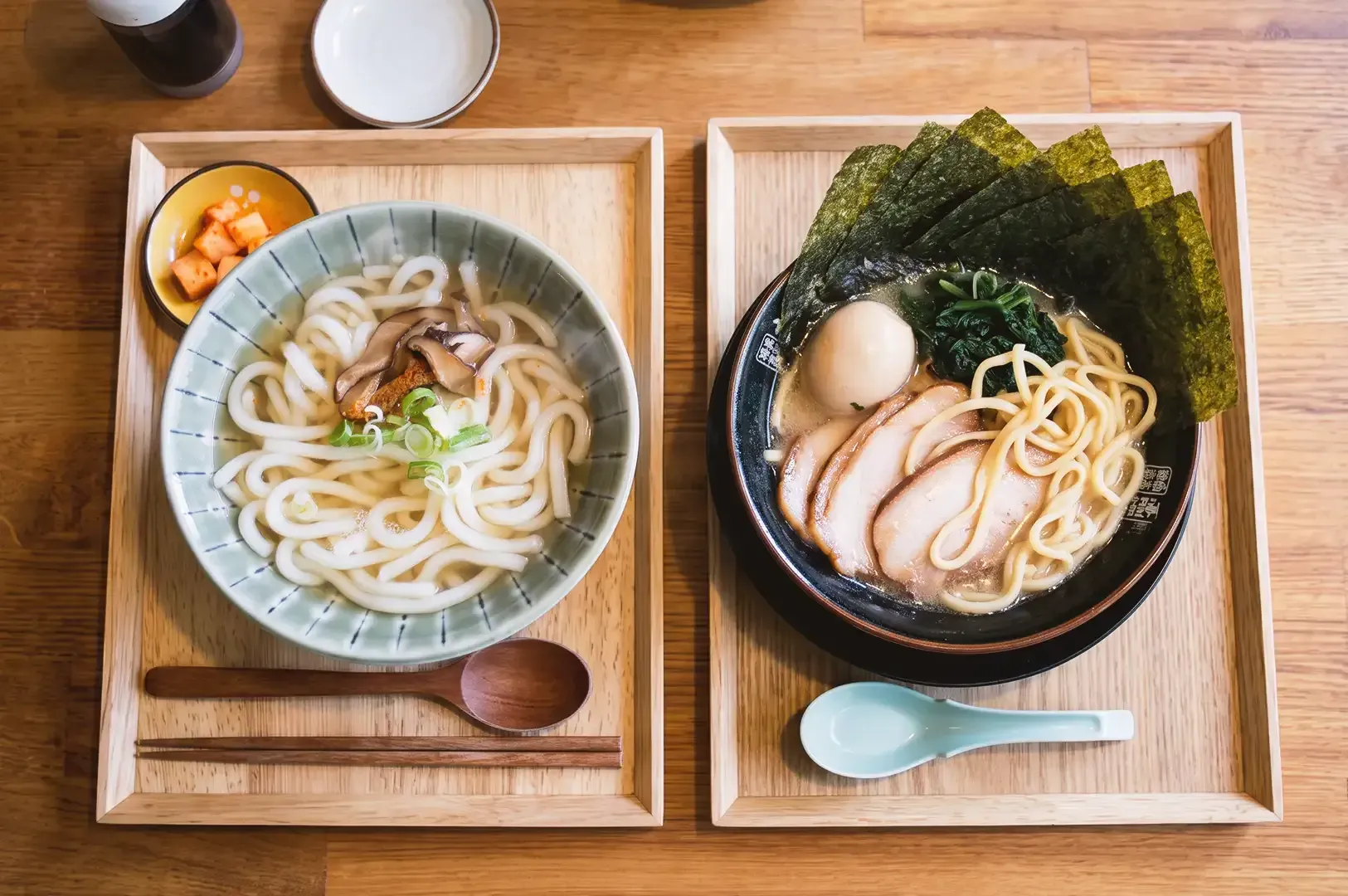
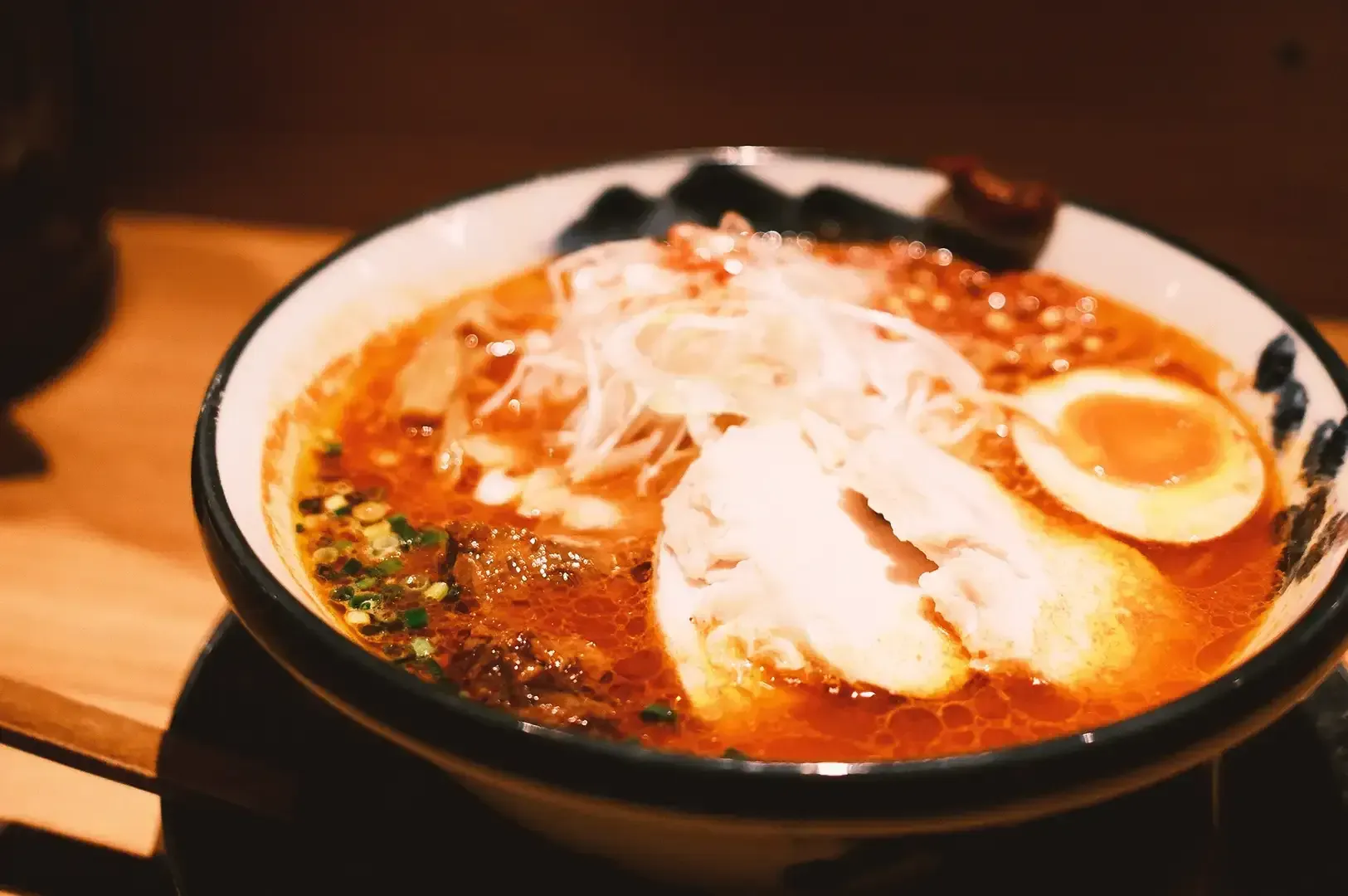
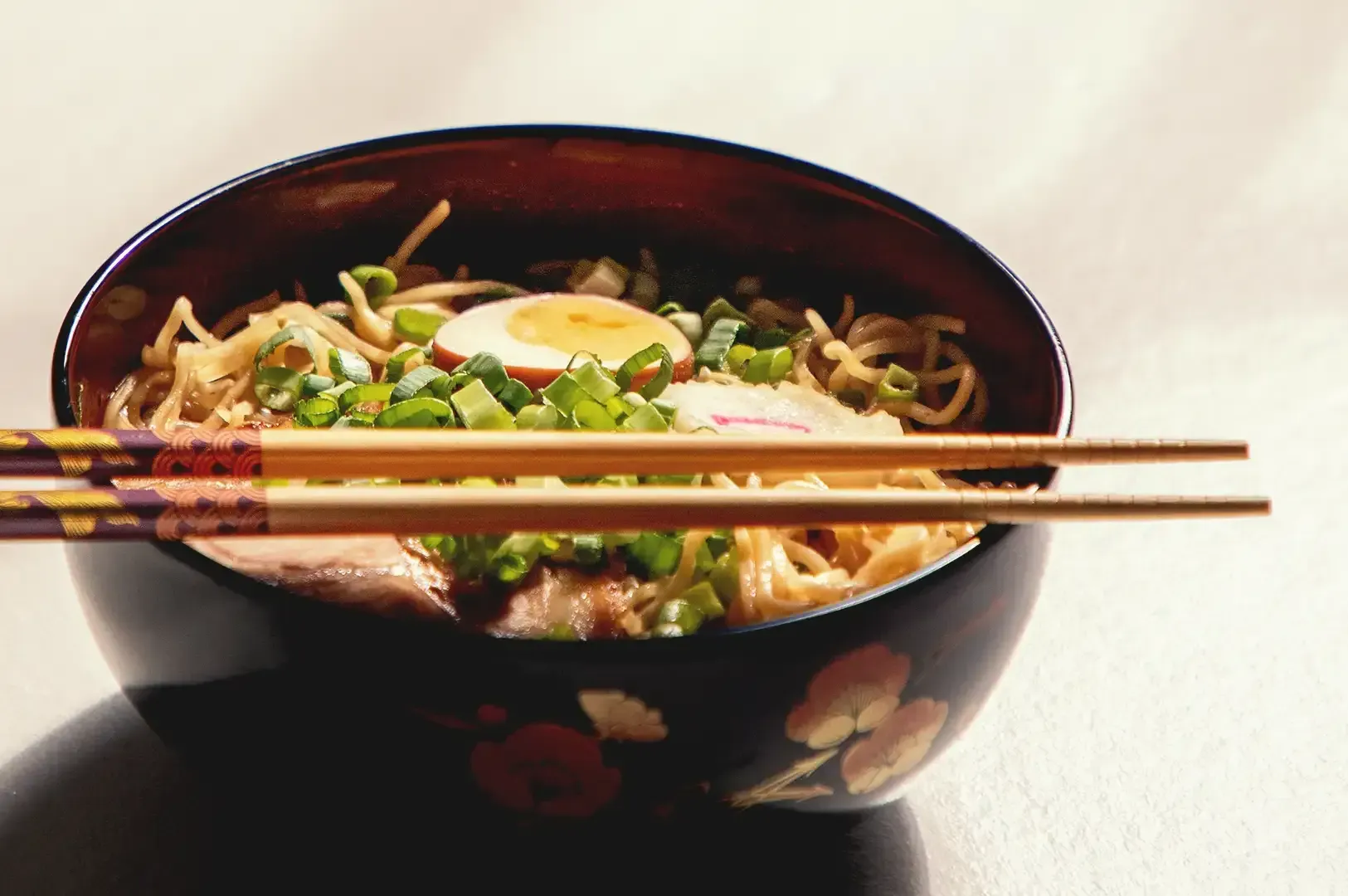
I love the moment when steam rises from the ramen bowl in front of me, carrying hints of roasted sesame, miso paste, and that deep, savory undertone you expect from a rich ramen broth that's been simmered with care. I lean in, grab a tangle of chewy ramen noodles, and slurp it all up. It’s layered. It’s undeniably ramen. And the best part? Not a single bone in the pot.
Vegan ramen in Singapore
has quietly crossed a threshold. What used to mean a simple vegetable broth with some greens floating around now stands proudly alongside pork-forward tonkotsu and chicken stock at serious ramen spots across the city. Chefs here treat kombu, dried
shiitake mushrooms, white
miso paste,
soy milk, and aromatics not as mere substitutes but as a unique flavor language. They build umami depth that rivals any classic bowl.
What Makes Ramen “Ramen” Even Without Meat: Ramen Noodles and Broth
Before we get into the plant-based stuff, I want to talk about the basics. Ramen isn’t just about pork bones or chicken stock. It’s about a solid framework.
Here are the five pillars of any ramen bowl, as I see them:
| Element | Role | Vegan Adaptation |
|---|---|---|
| Broth | Brings body, warmth, and the main flavor | Kombu, mushroom broth, soy milk, roasted vegetables |
| Tare | Concentrated seasoning base (soy sauce, miso, shio) | Soy sauce reductions, fermented pastes, aromatics |
| Aromatic fat | Adds richness and fragrance on the surface | Sesame oil, scallion oil, chili oil, mushroom-infused oils |
| Noodles | Texture, substance, the slurp itself | Many fresh ramen noodles are naturally egg-free; not all ramen noodles contain egg |
| Toppings | Contrast, color, and texture | Crispy tofu, seared shiitake mushroom caps, baby bok choy, corn kernels |
Traditional ramen leans on bones and collagen for body, but to me, the soul of ramen lives in layered umami, balanced salt, aromatics, and texture. Shoyu ramen gets its character from soy sauce-based tare. Miso ramen leans on fermented depth with miso paste. These foundations translate perfectly to plant-based broths when you handle them with care.
The Art Of Vegan Ramen Broth: Building Umami Without Bones
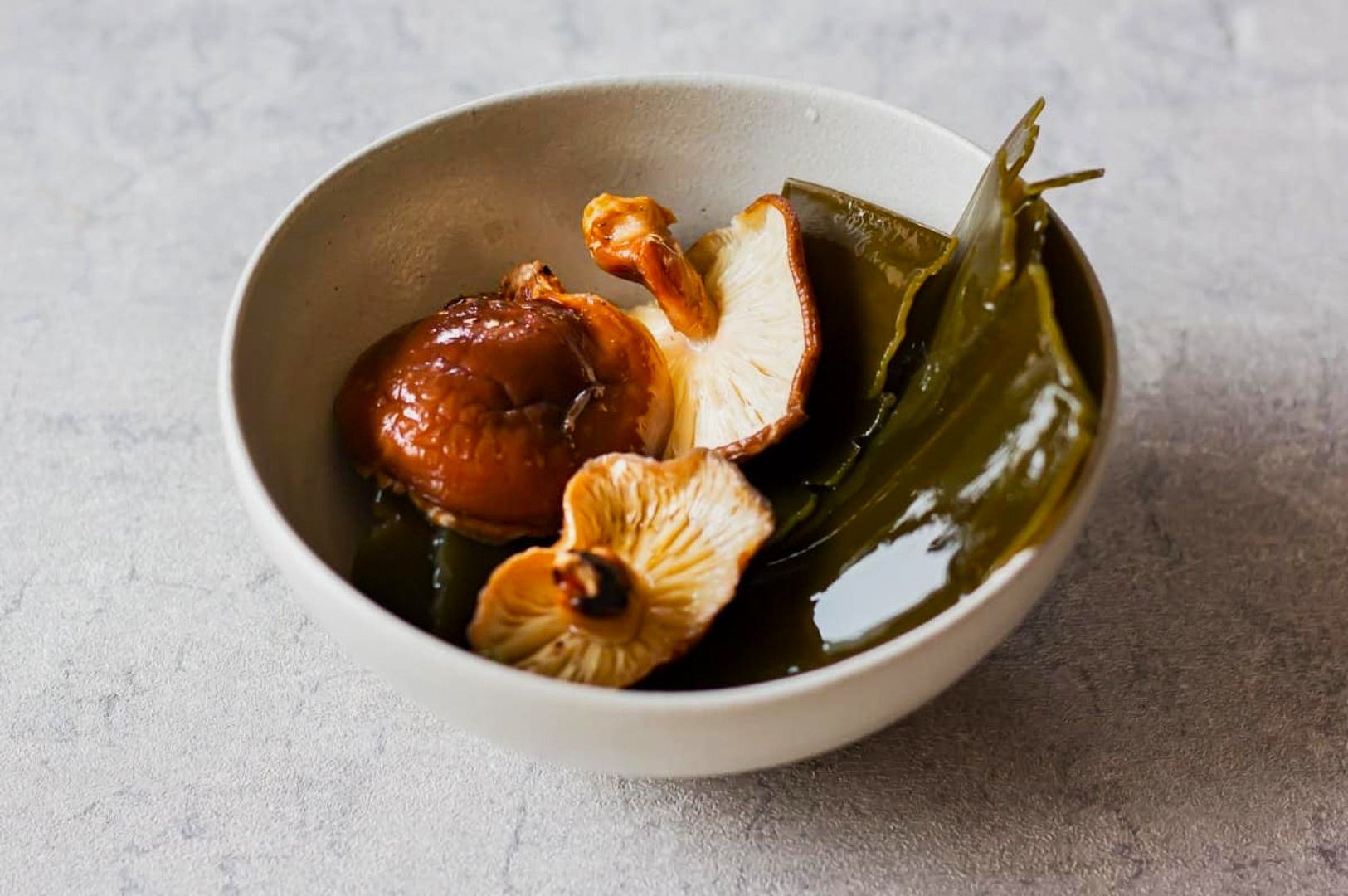
Here’s the secret I’ve discovered: kombu and dried shiitake mushrooms.
Kombu, the dried kelp that forms the backbone of Japanese dashi, is packed with free glutamate, one of the highest natural sources of umami. Shiitake mushrooms bring guanylate, which amplifies that umami when paired with glutamate-rich ingredients. Together, they create a savory foundation that can hold its own in serious ramen.
Here are the three vegan broth styles I’ve come across in Singapore:
1. Clear Shoyu Style – This approach simmers dried and fresh mushrooms like shiitake and cremini, onion, minced garlic, ginger, leeks, and a splash of soy sauce for about an hour. The result is a broth that’s clean but packed with flavor. Some cooks add fresh shiitake mushrooms or shiitake mushroom caps near the end to keep their texture and save some for topping.
2. Creamy Paitan Style – For that milky, rich tonkotsu vibe, chefs roast onions, cabbage, carrots, and charred garlic at medium high heat until caramelized, then simmer and blend them. Roasted sweet potatoes, pumpkin, or cashews can be added for natural creaminess. Stir in coconut milk or soy milk for extra richness.
3. Silky Miso and Sesame Style – Inspired by tantanmen, this broth starts with unsweetened soy milk or almond milk, then layers in white miso paste, Japanese sesame paste or tahini, and a touch of korean chili paste or doubanjiang for some heat. The miso mixture creates a silky miso broth that’s warming and satisfying. A splash of rice vinegar or mirin can brighten or sweeten it up.
Vegan Ramen Toppings That Carry Texture, Aroma, And Color
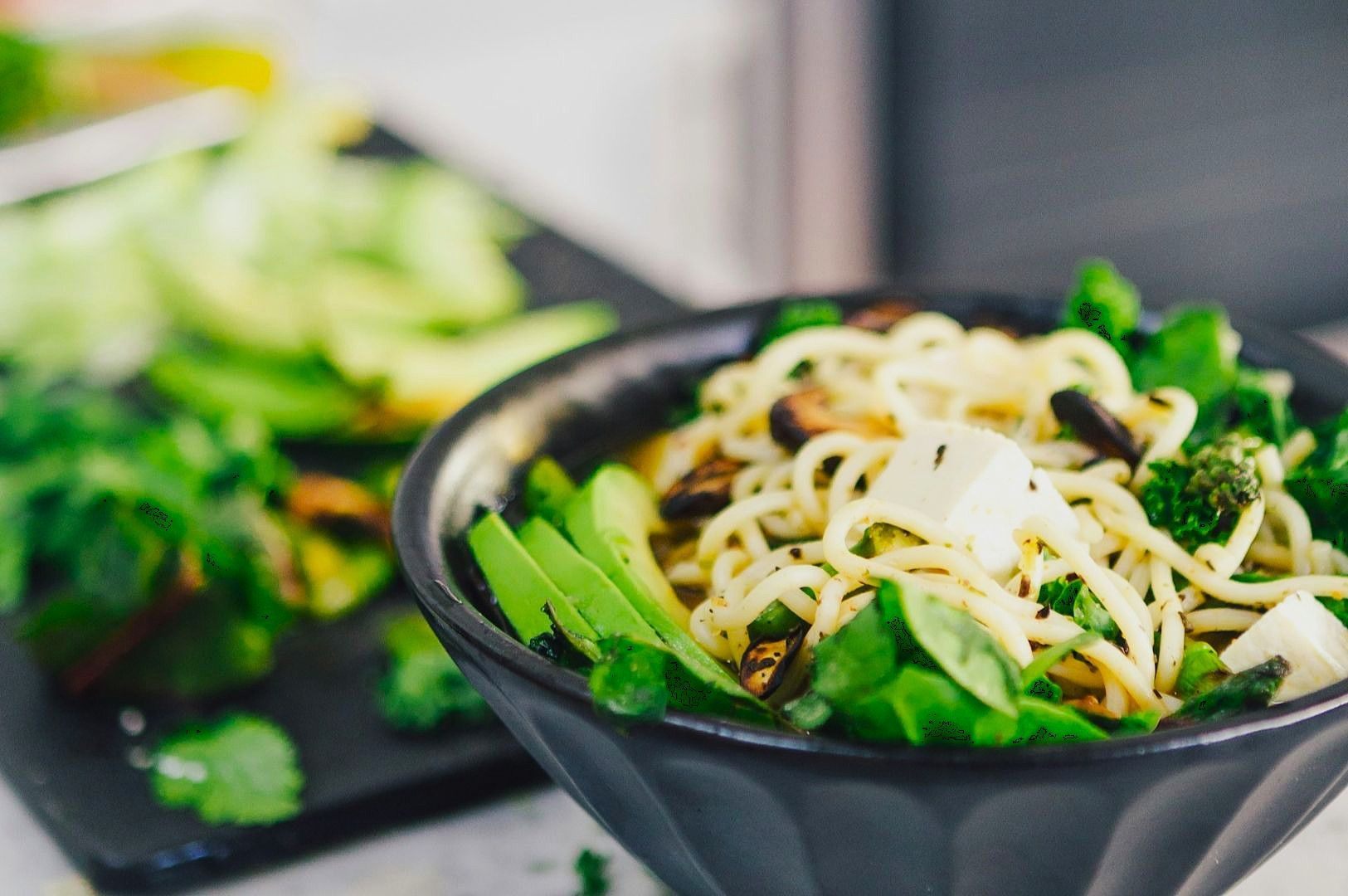
A ramen bowl is only as good as its toppings. The ramen toppings bring contrast, texture, and visual appeal. And in vegan ramen, they carry much of the protein punch.
Tofu treatments I love:
Baked tofu marinated in soy sauce, ginger, mirin, and a bit of sesame oil, then roasted until golden and chewy at the edges. Or pan-fried tofu, cooked in a hot pan with vegetable oil until crispy outside and silky inside. Both stand up to rich broth and chewy noodles without falling apart.
Mushrooms as a second broth:
Fried mushrooms, seared shiitake mushroom caps, or roasted maitake clusters add umami and texture. Cook them over medium heat, stirring occasionally, until deeply browned. That Maillard reaction adds complexity like braised pork would.
Veggies for freshness and crunch:
Baby bok choy, blanched bright green and still crunchy, adds contrast to creamy broth. Sweet corn kernels pop with sweetness. Bean sprouts bring crunch. Roasted sweet potatoes add a gentle sweetness that pairs beautifully with miso. Bok choy is a favorite because it holds its shape and adds color.
Aroma and finishing touches:
Sliced green onions scattered on top release fragrance with every slurp. Toasted sesame seeds and roasted sesame seeds add nutty depth. A good drizzle of chili oil or chili crisp brings heat and a slick of color across the broth. Shredded nori delivers oceanic notes. And if you can find black garlic oil, it adds a sweet, fermented edge.
Noodles And Technique: Getting The Slurp Right With Fresh Ramen Noodles
Not all ramen noodles contain egg. Many dried and fresh noodles are just wheat flour, water, salt, and kansui—the alkaline water that gives ramen noodles their bounce and yellow tint. I always check labels or ask, because some brands still add egg.
Noodle shape matters:
Thin, straight Hakata-style noodles work well with lighter shoyu broths. Thicker, curly noodles popular in Singapore hold up better against creamy or spicy sesame broths. The broth should guide your noodle choice, not the other way around.
Good ramen shops cook noodles separately in unsalted water, timing them precisely, and drain well. This keeps the strained broth from getting starchy or diluted. It’s a small detail, but it makes a big difference between a great bowl and just an okay one.
Vegan Ramen Recipe Inspiration: From Casual Bowls To Chef-Driven Concepts
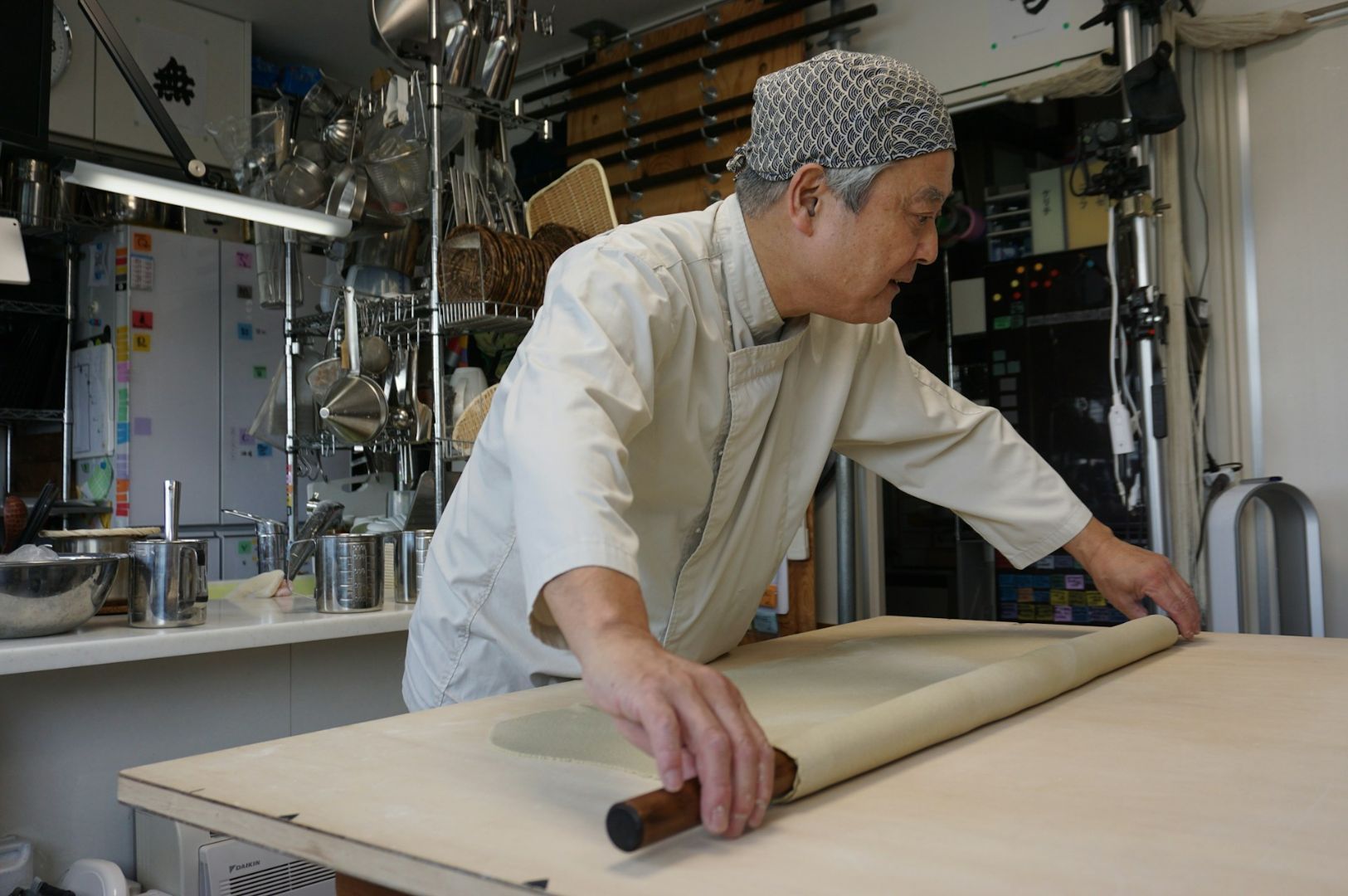
Singapore’s ramen craze really took off around 2010 with Japanese chains and local spots battling for noodle lovers’ attention. But early vegan ramen? It was often an afterthought, a simple miso mixture with some veggies. It lacked the depth of signature pork-based bowls.
Singapore’s multicultural vibe shines here. Japanese broths mix with Korean kimchi, Thai peanut, and local herbs, leading to kimchi, Thai peanut
coconut milk ramen, and pumpkin miso bowls you won’t find in Tokyo. It’s not fusion for the sake of fusion—it’s Singapore making it its own.
Inside The Kitchen: How Recipe Developers Engineer Vegan Umami
Here’s the big challenge: vegetables don’t have bones. They lack gelatin, collagen, and animal fats that give traditional ramen its body. So recipe developers have to build richness in other ways.
Here’s how they do it:
| Technique | How It Works | Example Ingredients |
|---|---|---|
| Starch integration | Blending roasted starchy veggies into broth | Sweet potatoes, pumpkin, potato |
| Nut and seed cream | Emulsifying nuts or seeds for richness | Cashews, tahini, sesame paste |
| Controlled emulsification | Blending aromatics into hot liquid | Roasted onions, garlic, leeks |
| Soy milk base | Using plant milk for natural creaminess | Soy milk, oat milk, almond milk |
Some chefs roast onions, leeks, and cabbage until caramelized, then simmer and partially blend them into broth. This creates a cloudy, velvety texture like kotteri-style ramen but all plant-based.
The kombu steeping discipline:
Kombu needs gentle care. I drop it into cold water and heat slowly, removing it before the water boils (around 60-70°C). Overheating makes the broth bitter. This careful extraction gives a clean, oceanic base that supports rather than overwhelms.
Tare as flavor control:
Many serious vegan ramen kitchens make tare separately, a concentrated soy-mirin reduction steeped with aromatics and mushrooms. This lets chefs adjust saltiness bowl by bowl. The broth stays complex but lightly seasoned, with the tare bringing everything into focus just before serving.
Crispy Tofu and Other Ramen Toppings: Elevating the Vegan Ramen Bowl
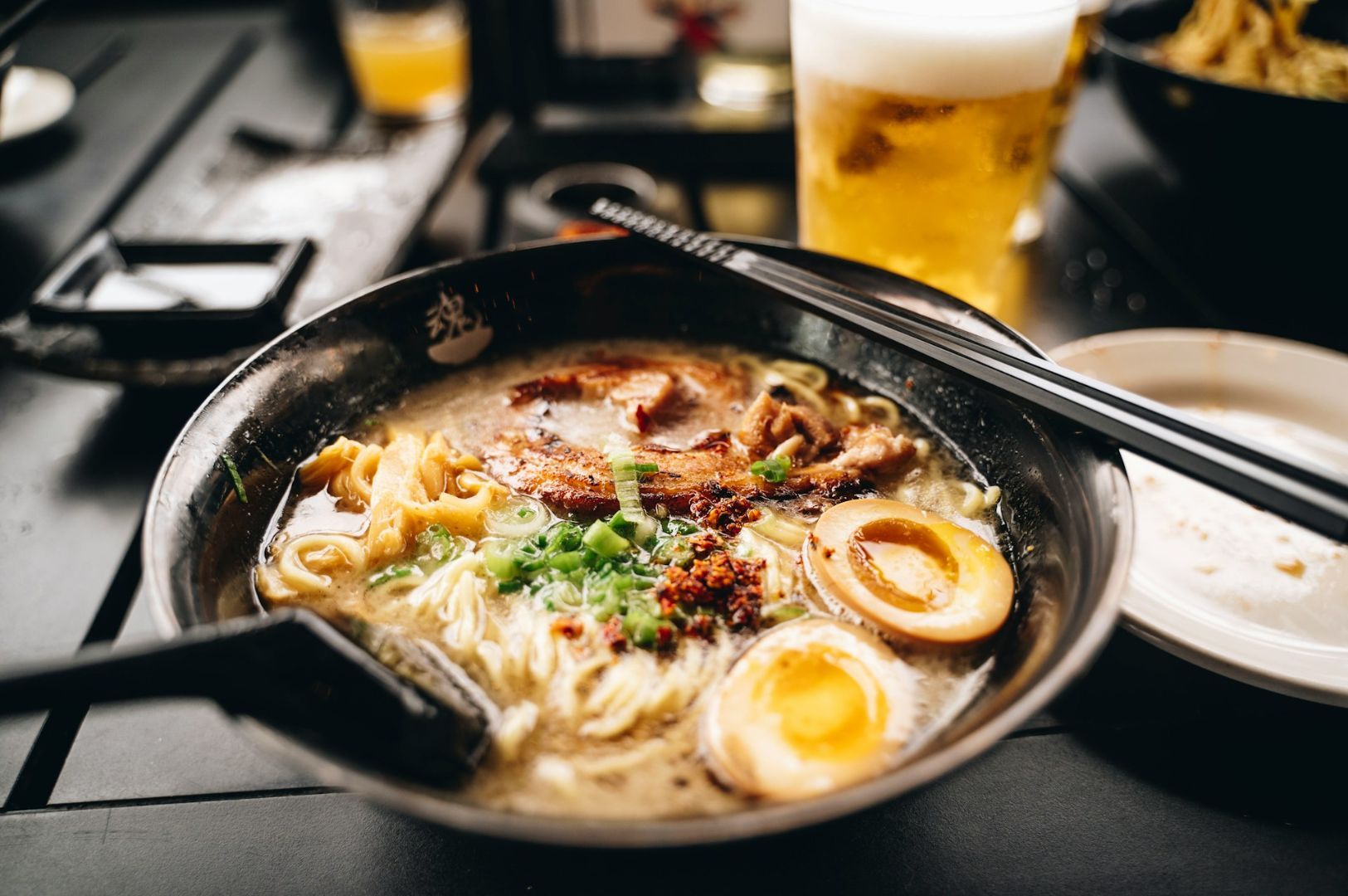
Crispy tofu is a must-have topping for me. Pan fried tofu or baked tofu, seasoned and crisped to perfection, stands up beautifully to rich broth and chewy noodles. Paired with fried mushrooms or shiitake mushroom caps, the bowl gains layers of umami and crunch.
Other favorites include baby bok choy, sweet corn, bean sprouts, green onions, and toasted sesame seeds or roasted sesame seeds. They bring freshness, sweetness, and nutty aroma to the bowl.
Finishing touches like
chili oil or chili crisp add heat and complexity, while nori sheets bring oceanic notes. Together, these toppings turn a simple noodle soup into an incredibly delicious and satisfying meal.
How To Taste Vegan Ramen Like A Ramen Enthusiast
When the bowl arrives, here’s how I approach it:
- Look first. Check the broth’s color and clarity. See the sheen of aromatic oil on top. Notice how the toppings are arranged. Don’t stir yet.
- Sip the broth alone. Use a spoon or tip the bowl. Notice saltiness, umami depth from kombu and mushrooms, sweetness from roasted veggies, and any smokiness.
- Taste the noodles. Lift a small tangle and check the bite and springiness. See how the chewy noodles carry the broth. Then combine noodles, broth, and a topping. Notice how flavors mingle.
Vegan Ramen, Japanese Tradition, And The Future Of Singapore Dining
Just like seafood-only omakase demands a different skill set than meat-centric kaiseki, vegan ramen demands mastery of plant-based umami, texture engineering, and broth architecture.
Next time you crave noodles, try a vegan bowl made with the same care and intention as any serious kitchen. Approach it with curiosity. Slurp without hesitation. Discover what happens when craft meets compassion in a steaming bowl of ramen.
If you want to keep track of this evolution across shops,
BestRamen.com.sg is a great local spot to explore the scene and find new bowls worth chasing.
Recent Posts