Kansui and Ramen Noodles: The Chemistry Behind the Perfect Alkaline Noodles
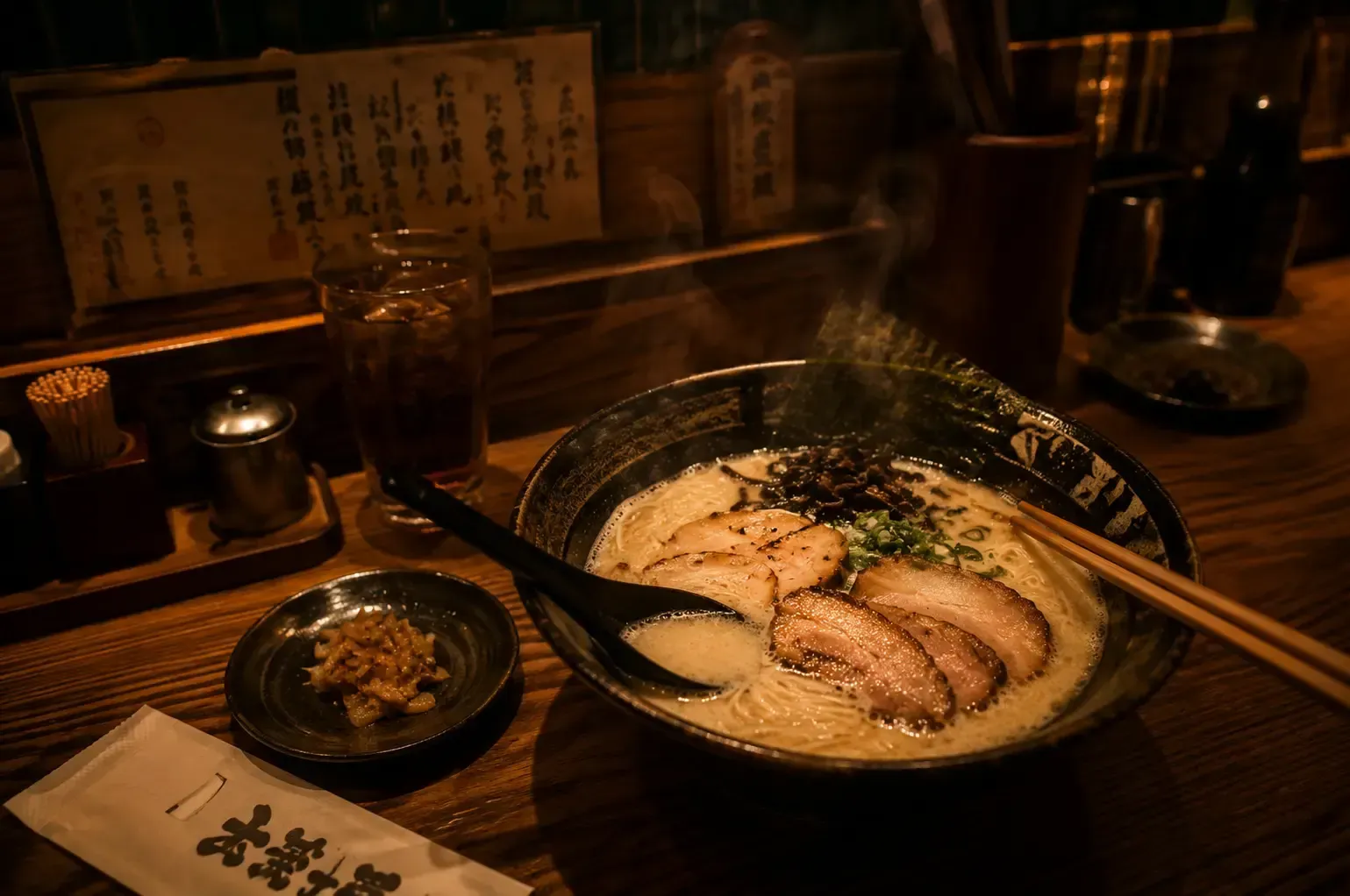
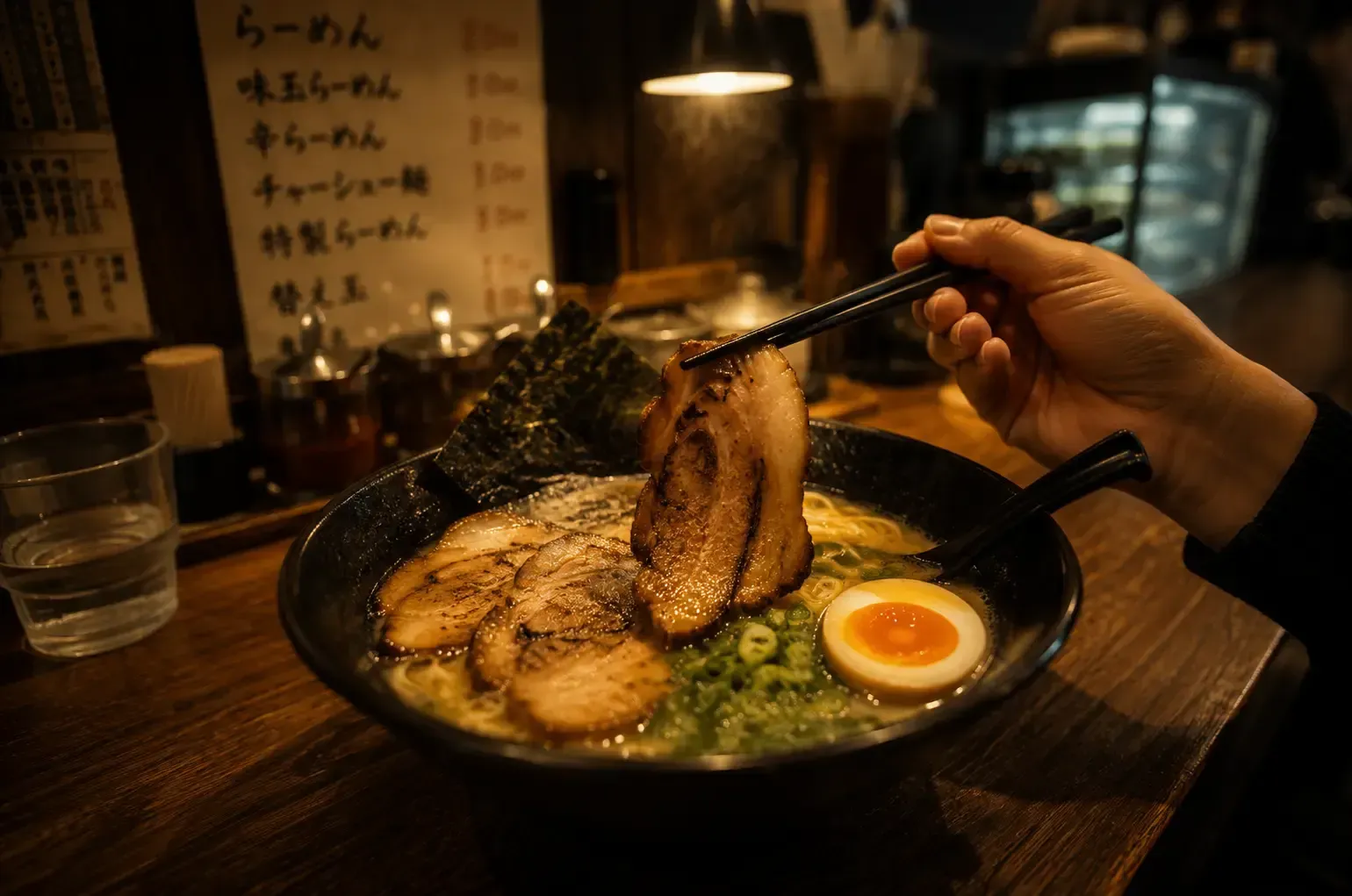
There is a moment right before you take that first bite of ramen noodles where anticipation peaks. The steam rises from the broth, carrying the scent of rich pork or soy, and your chopsticks lift a tangle of thin, chewy noodles from the bowl. That distinctive springy resistance—the perfect bite—is the result of a special alkaline solution called kansui.
Kansui not only creates the signature chewy texture but also imparts a unique, slightly earthy or 'alkaline' taste to ramen noodles, enhancing the purity and overall eating experience.
What Is Kansui? The Alkaline Solution Behind Ramen Noodles and Sodium Carbonate
To truly understand ramen dishes, we must look beyond the usual mixture of wheat flour, water, and salt. The defining ingredient in ramen noodles is kansui, an alkaline solution primarily composed of sodium carbonate and potassium carbonate. This unique combination transforms simple wheat noodles into the elastic, chewy alkaline noodles that hold up beautifully in hot broth, making ramen a beloved food in Japan.
Historically, kansui’s origins trace back to natural alkaline lakes in Inner Mongolia, China, where noodle makers noticed that water rich in these minerals produced noodles with a vibrant yellow color and firmer texture. Kansui is now typically produced as a modern industrial blend. Ramen noodles in Japan were influenced by Chinese noodles, which were introduced by Chinese immigrants; these Chinese-style wheat noodles, often called 'Chinese noodles,' are the foundation of many regional ramen variations in Japan. Compounds like flavones and trans-ferulic acid in wheat flour are naturally colorless, but their appearance changes with the addition of kansui, resulting in the characteristic yellow hue. Kansui is also used in other foods, such as traditional Cantonese mooncakes (to give a dark golden-brown color and soft texture), Alkaline Zongzi (for yellow color, chewy texture, and unique aroma), and is essential in the making of century eggs, transforming them into a gelatin-like texture. Kansui should be used in moderation, as excessive amounts can make food bitter.
Baking Soda and Sodium Bicarbonate: Kansui’s Chemical Cousins in Making Noodles
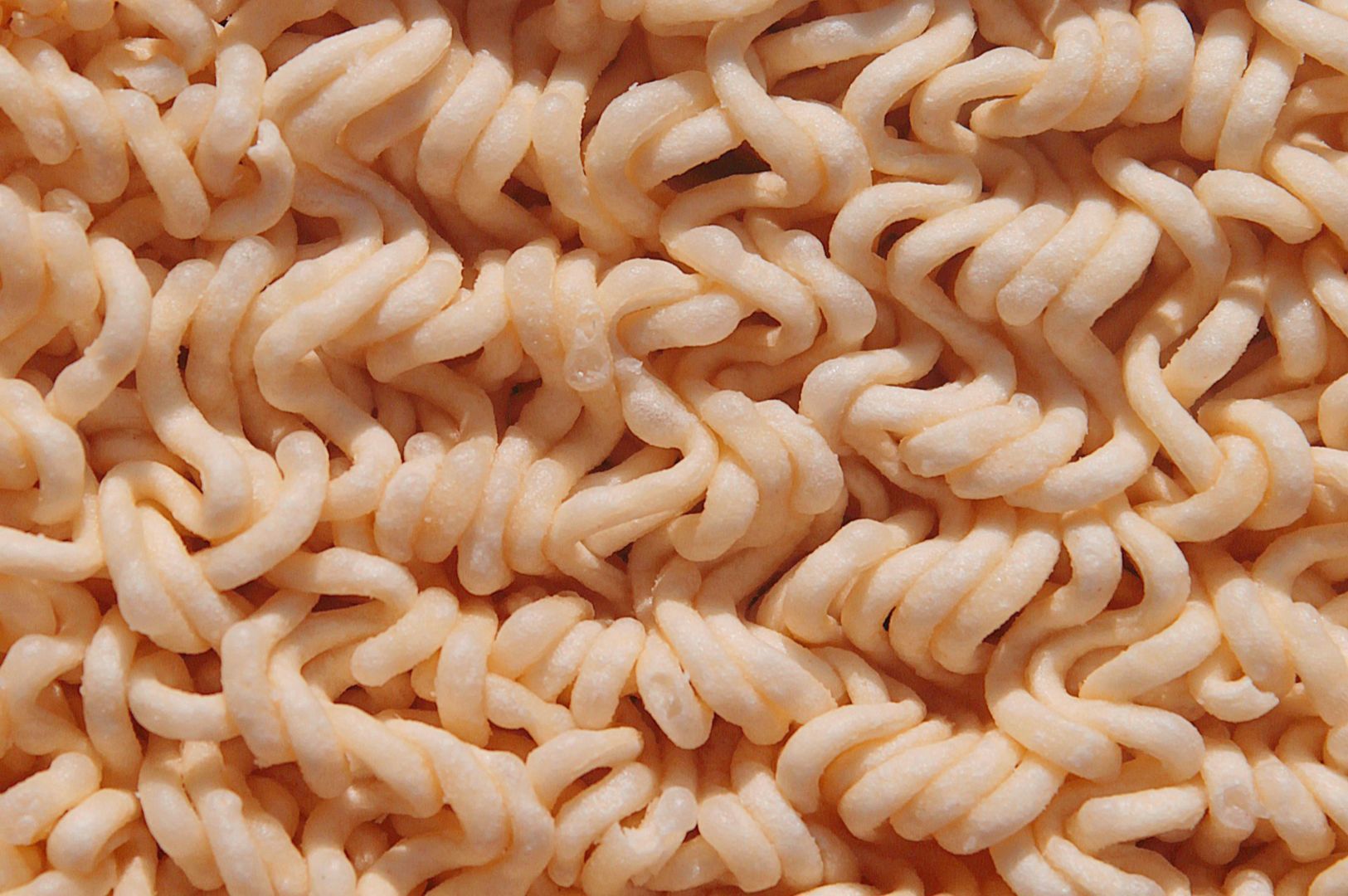
While kansui is the preferred alkaline solution for ramen, other alkaline agents like
baking soda (sodium bicarbonate) are sometimes used as substitutes. Baking soda can be baked to convert it into sodium carbonate, mimicking kansui’s effects. However, the precise balance of sodium carbonate and potassium carbonate in kansui is what gives ramen noodles their characteristic texture and flavor.
Instant Noodles and Instant Ramen: How Kansui Revolutionized the Market
The invention of instant noodles by Momofuku Ando, founder of Nissin, in 1958 brought ramen dishes to the global market. Ando invented instant noodles to make ramen accessible and convenient for everyone. These instant ramen products use alkaline noodles made with kansui or its substitutes, allowing consumers worldwide to enjoy the chewy texture and rich flavor of ramen in minutes.
Fresh frozen ramen noodles are flash frozen once freshly made to preserve their taste and texture.
The Science of Alkaline Noodles: How Kansui Affects Texture and Flavor
When kansui is added as a liquid to wheat flour and water, it alters the protein structure, particularly gluten, in the dough. The ingredients are thoroughly mixed to ensure even distribution of the alkaline solution. This process toughens the protein in wheat flour, resulting in firmer and less sticky noodles when cooked. The tighter gluten network gives the noodles their signature elasticity and chewiness. Kansui also imparts a unique, slightly earthy or 'eggy' flavor to the noodles, known as the 'alkaline taste'. The alkalinity interacts with natural flavonoid pigments in the flour, turning the noodles a fine golden yellow even without adding raw egg.
This chemical reaction slows starch absorption during
boiling, preventing noodles from becoming sticky or mushy in hot broth. Unlike other types of noodles, such as hand pulled noodles or udon, alkaline noodles maintain their texture throughout the meal, whether served in soup or stir fried.
Making Ramen Noodles: The Chef’s Art and Science
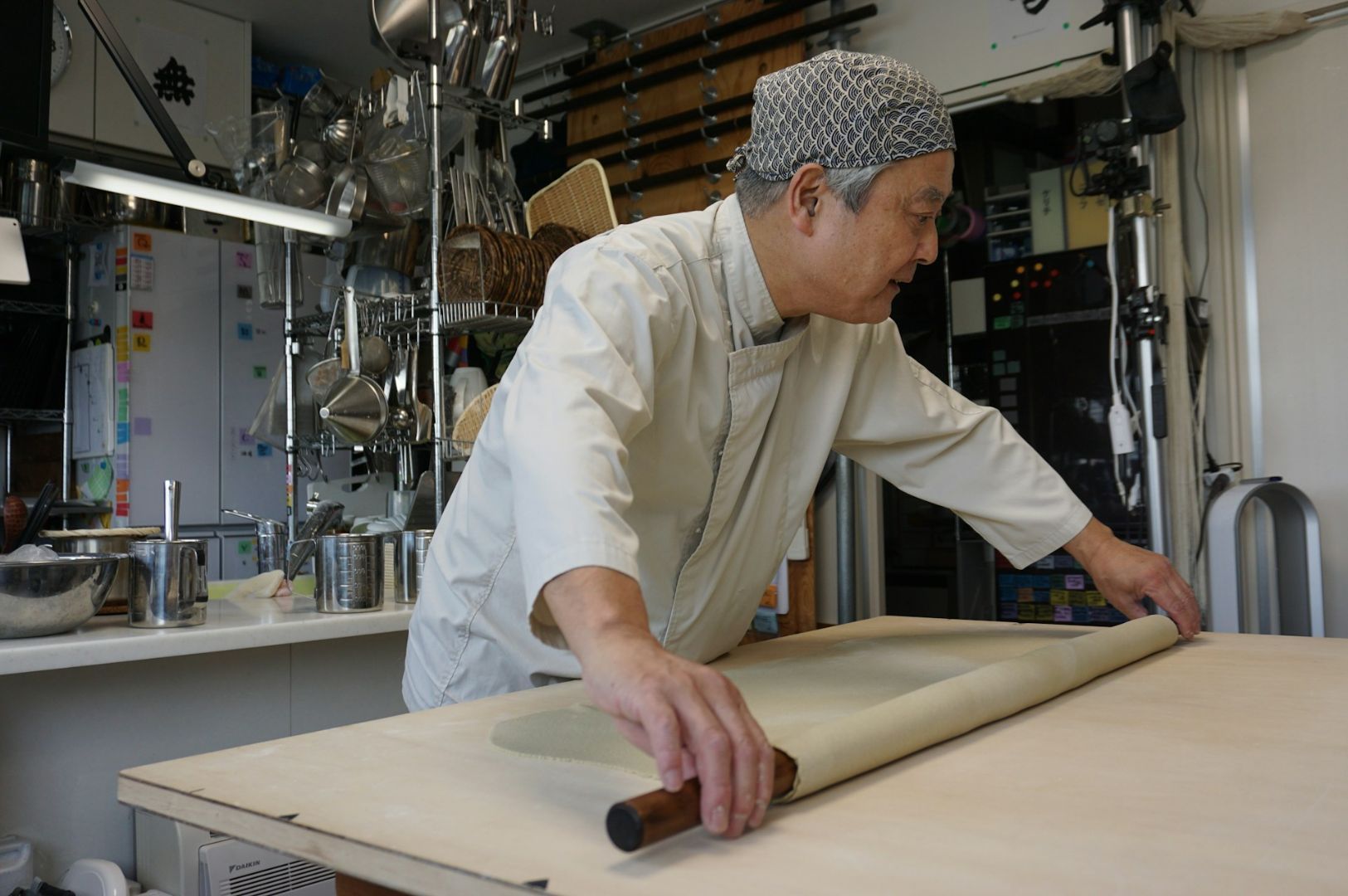
Whether using bread flour or wheat flour, chefs carefully balance the ratio of kansui, water, and salt to create noodles suited for various ramen dishes. For example, a Hakata-style tonkotsu ramen requires thin, firm noodles with a strong bite, while Tokyo-style shoyu ramen calls for slightly thicker, more elastic noodles.
The process of making noodles involves mixing the flour with kansui and salt, kneading the dough, and then letting it rest—this rest period is crucial for proper hydration and gluten development, which improves workability and texture before rolling or shaping. Following a detailed recipe helps ensure authentic results when making ramen noodles at home. Homemade alkaline noodles can be made using a pasta maker to achieve the desired thickness and texture. Some chefs use pasta machines, while others prefer traditional methods. The dough’s hydration level and the exact composition of the
alkaline solution influence the final texture and flavor.
Rolling and Cutting the Noodles: Crafting the Perfect Ramen Strands
Once the dough has settled into itself, finding its quiet strength, there comes a moment of gentle transformation—rolling and cutting, where wheat flour, kansui, and water become something deeper. It's here, in the steady rhythm of this work, that simple ingredients reveal their true nature as the fine, yielding strands that will cradle warmth in a bowl.
There's something profoundly satisfying about choosing flour with intention. Bread flour, with its generous protein, offers a kind of resilience that mirrors the comfort we seek in a late-night bowl. The alkaline solution—whether sodium carbonate, potassium carbonate, or the humble sodium bicarbonate—works quietly alongside the flour, creating dough that responds to your touch with both strength and tenderness, as if it understands the care you're bringing to this moment.
Rolling the dough feels like meditation. Whether you work with a pasta maker or let your hands guide a rolling pin, there's a peacefulness in coaxing the dough to that sweet spot between one and two millimeters. This is the thickness that knows how to hold broth without surrendering its gentle bite, thin enough to welcome flavor yet sturdy enough to maintain its quiet dignity in the heat. Some traditions call for even finer threads, while others embrace a heartier presence—each choice carrying the weight of place and memory.
The cutting asks for a different kind of attention, the sort that comes from slowing down completely. Each stroke of a sharp blade creates uniformity not just in size, but in the promise that every strand will cook with the same gentle patience. Whether you're drawn to the familiar curl of classic ramen noodles or the honest straightness of hand-pulled varieties, this consistency becomes a small act of care for whoever will eventually lift these noodles with chopsticks.
After cutting, there's a brief tenderness as you dust each strand lightly with flour, preventing them from clinging to one another—a small kindness that speaks to understanding. When they meet the rapidly boiling water, time becomes everything. A minute too long can dissolve all that careful work into softness without purpose. But in those precious moments of cooking, you can almost feel the noodles finding their perfect texture, that satisfying chew that promises comfort.
The beauty in making noodles from scratch lives in the space it creates for discovery. Perhaps today calls for the richness of an egg folded into the dough, or maybe this batch wants to be rolled just a touch thicker. You might find yourself exploring the robust traditions of hand-pulled Chinese noodles or embracing the honest simplicity of what started as instant convenience. Each path offers its own quiet revelations.
Whether this work finds you as an experienced cook or someone curious about the ritual of it all, rolling and cutting noodles becomes a bridge to something larger—a connection that reaches back through generations of hands that understood this same patient process. With practice, you begin to recognize the subtle beauty in each strand, the way it will eventually curl around chopsticks and settle into a bowl of steaming broth that knows how to welcome you home.
So gather your flour and alkaline solution, and let yourself sink into this gentle rhythm—the world of ramen noodles unfolds not in rushing, but in the steady attention you bring to each perfect strand.
Serving Ramen: From Broth to Toppings
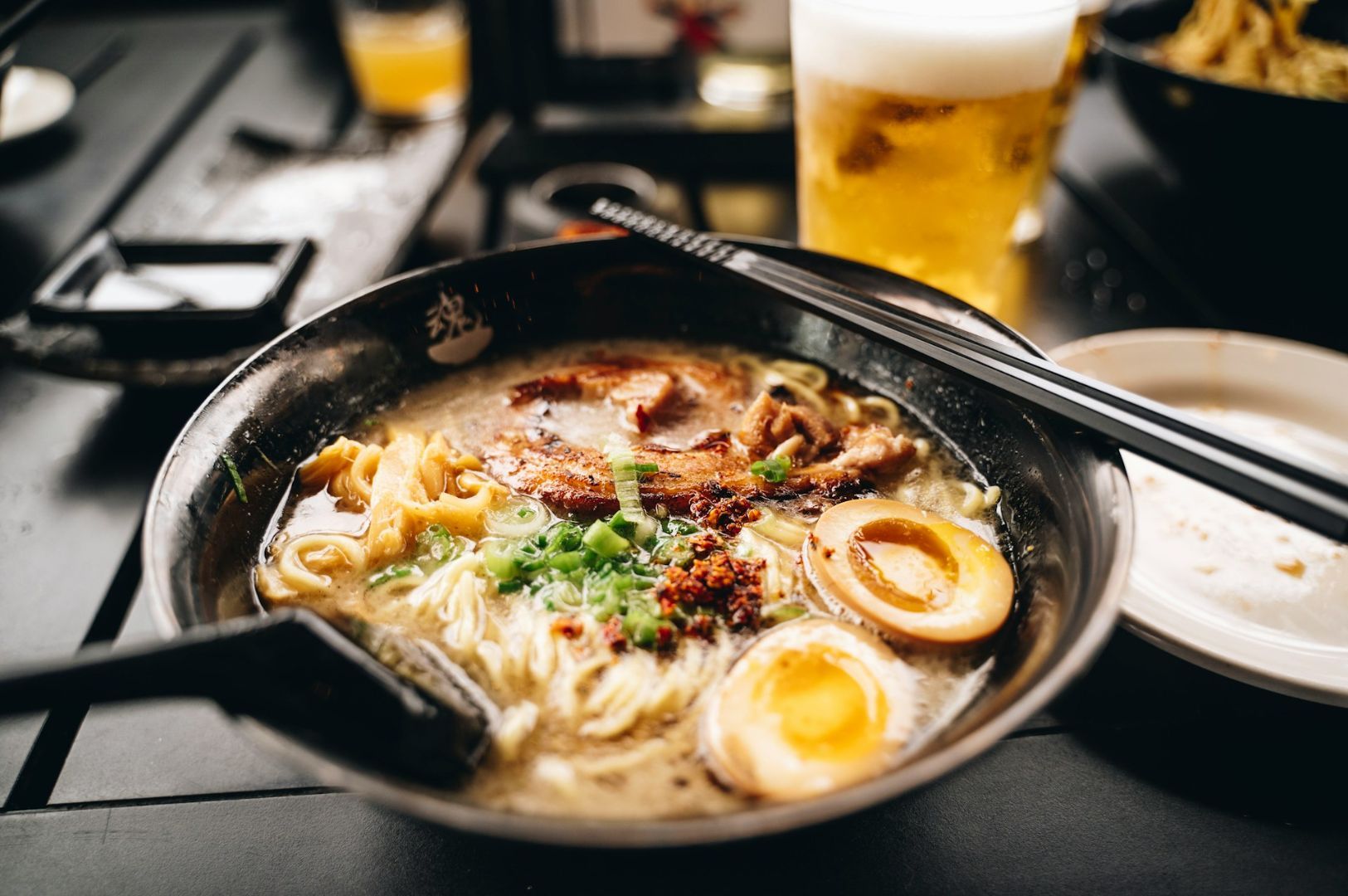
Ramen dishes are incomplete without the perfect broth, which can be pork, chicken, seafood, or vegetable-based, often enriched with soy sauce, miso, or curry flavors. The alkaline noodles serve as the perfect vessel, absorbing the rich broth without losing their chewy texture.
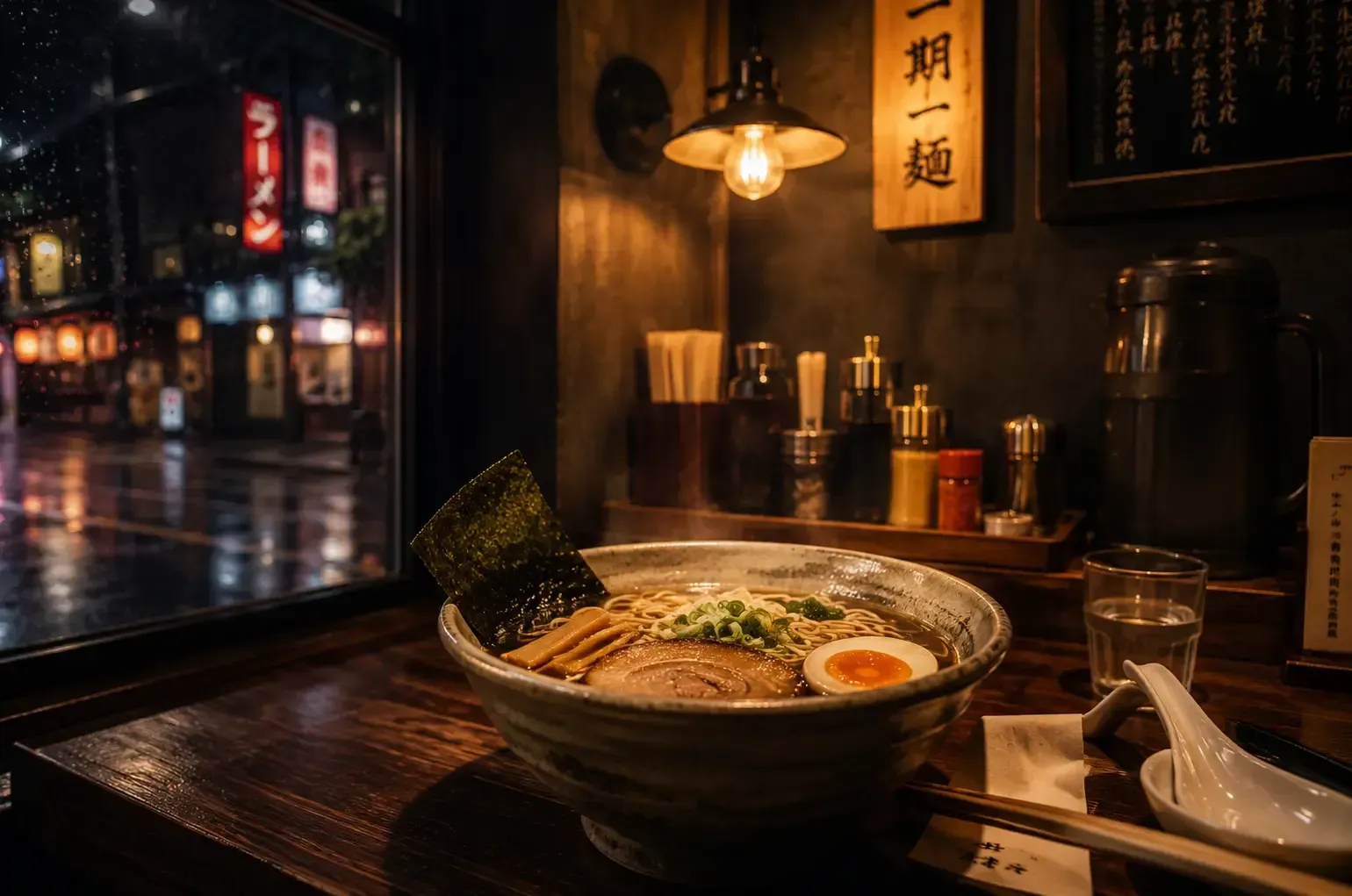
In Japan, ramen is offered in various establishments, but the best quality is usually found in specialist ramen shops called rāmen'ya, which are central to Japan's ramen culture.
Common toppings include sliced pork (chashu), boiled eggs, nori, bamboo shoots, seafood, and vegetables. The combination of broth, toppings, and the unique alkaline noodles creates a harmonious dish that is beloved worldwide.
Frozen and Fresh: The Modern Market for Ramen Noodles
In addition to fresh noodles,
frozen ramen noodles are widely available in stores, preserving the texture and flavor without the use of oil or artificial additives. These frozen noodles, often made with kansui, offer convenience without sacrificing quality.
Conclusion: Kansui’s Role in the World of Ramen and Beyond
From southern Chinese noodle dishes to Japanese ramen, kansui is the key alkaline solution that transforms simple wheat noodles into a culinary delight. Its combination of sodium carbonate and potassium carbonate not only affects texture and color but also enhances the overall flavor profile, balancing rich broths and bold toppings.
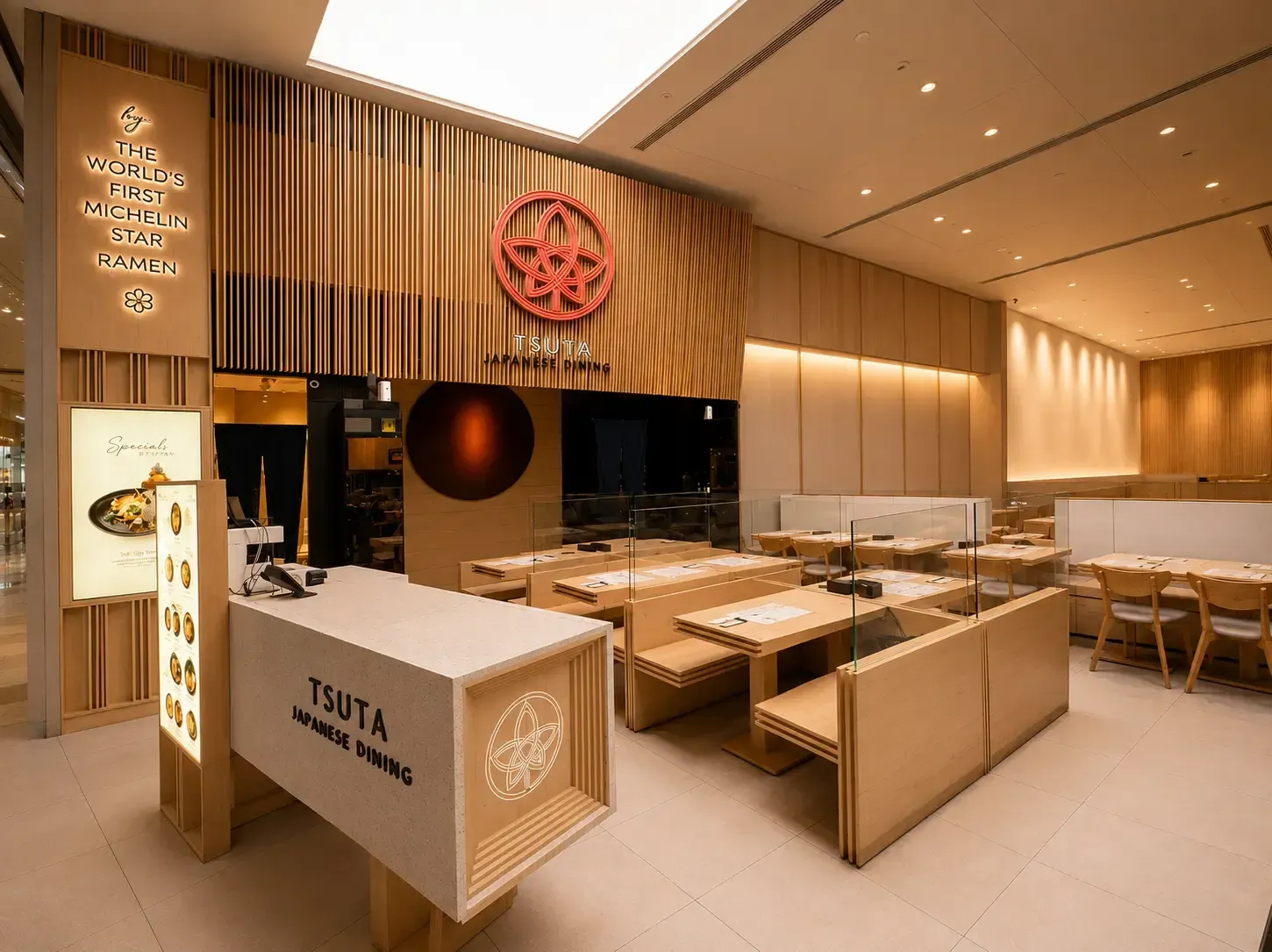
Whether enjoyed in a fine dining restaurant in Singapore or as instant ramen from a store shelf, the magic of kansui continues to define the ramen experience. Understanding this ingredient deepens our appreciation for the skill of chefs and the science behind one of the world’s favorite noodle dishes.
For more recipes, insights, and the best ramen recommendations and essentials, visit
BestRamen.com.sg.
Recent Posts