Paitan Ramen: The Creamy Craft Changing Singapore’s Ramen Scene

February 23, 2026
Dot Icon

For as long as I can remember, the story of ramen in Singapore has been written in pork bone ink. I've stood in long queues under the sweltering tropical sun, eagerly waiting for that rich, collagen-heavy tonkotsu ramen broth that coats your tongue and leaves you feeling full and satisfied. It was the gold standard, the benchmark by which all noodle soups were judged.


But lately, I've noticed a quieter revolution simmering in kitchens across the island. People, including myself, are turning away from the heavy punch of pork belly toward something more nuanced, more delicate, yet just as satisfying. It’s the rise of chicken ramen, and specifically, the creamy, comforting embrace of paitan ramen.


This shift isn’t just about health or dietary choices—though those matter too. It feels like our local palate is growing more sophisticated. We’re realizing that power doesn’t always mean heaviness.

Paitan Ramen Broth: The White Hot Truth

To really get why this movement is happening, I had to get familiar with the term "paitan ramen." The word paitan (白湯) literally means "white hot water," which is such a poetic way to describe a broth made with brute culinary force. It’s not about a specific flavor, but the texture and appearance of the broth.


Making that signature milky-white broth takes patience and a lot of love. Unlike clear broths that are gently simmered to stay transparent, tori paitan broth is made by boiling chicken bones, carcasses, feet, and skin at high heat for hours. This vigorous boiling breaks down collagen, fat, and marrow, emulsifying them into the water—kind of like shaking up a salad dressing, but with chicken fat suspended in water.


The result is a velvety mouthfeel that coats your tongue and makes every other flavor in the bowl pop. Since the base is more neutral than pork, the tare (seasoning sauce) and aromatic oils like sesame oil and oyster sauce really shine. A splash of dark soy sauce, a hint of rice vinegar, or a sprinkle of chili flakes doesn’t get lost—it dances on top of that creamy chicken foundation.

The Origins of Paitan Ramen: A Brief History

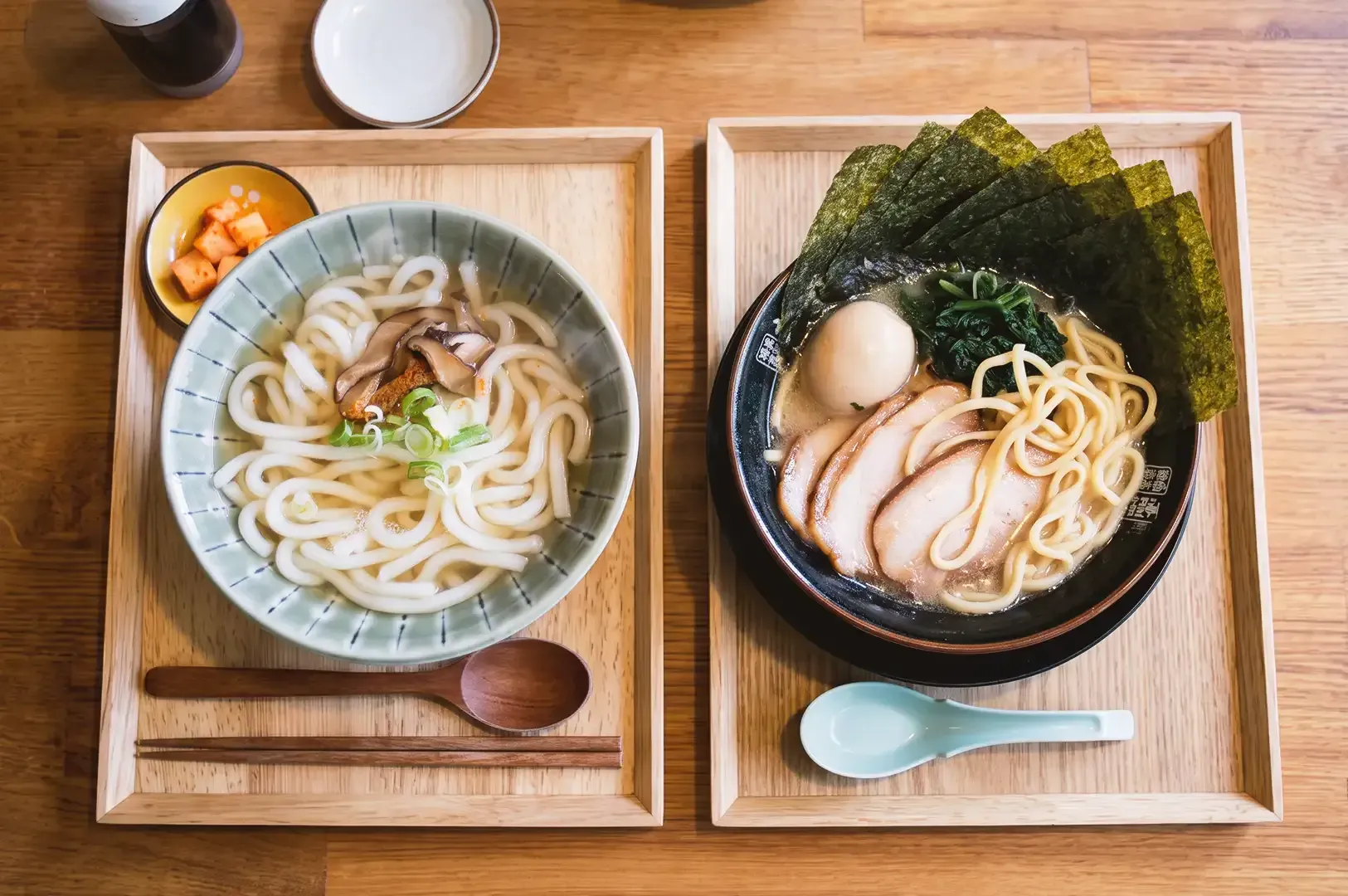
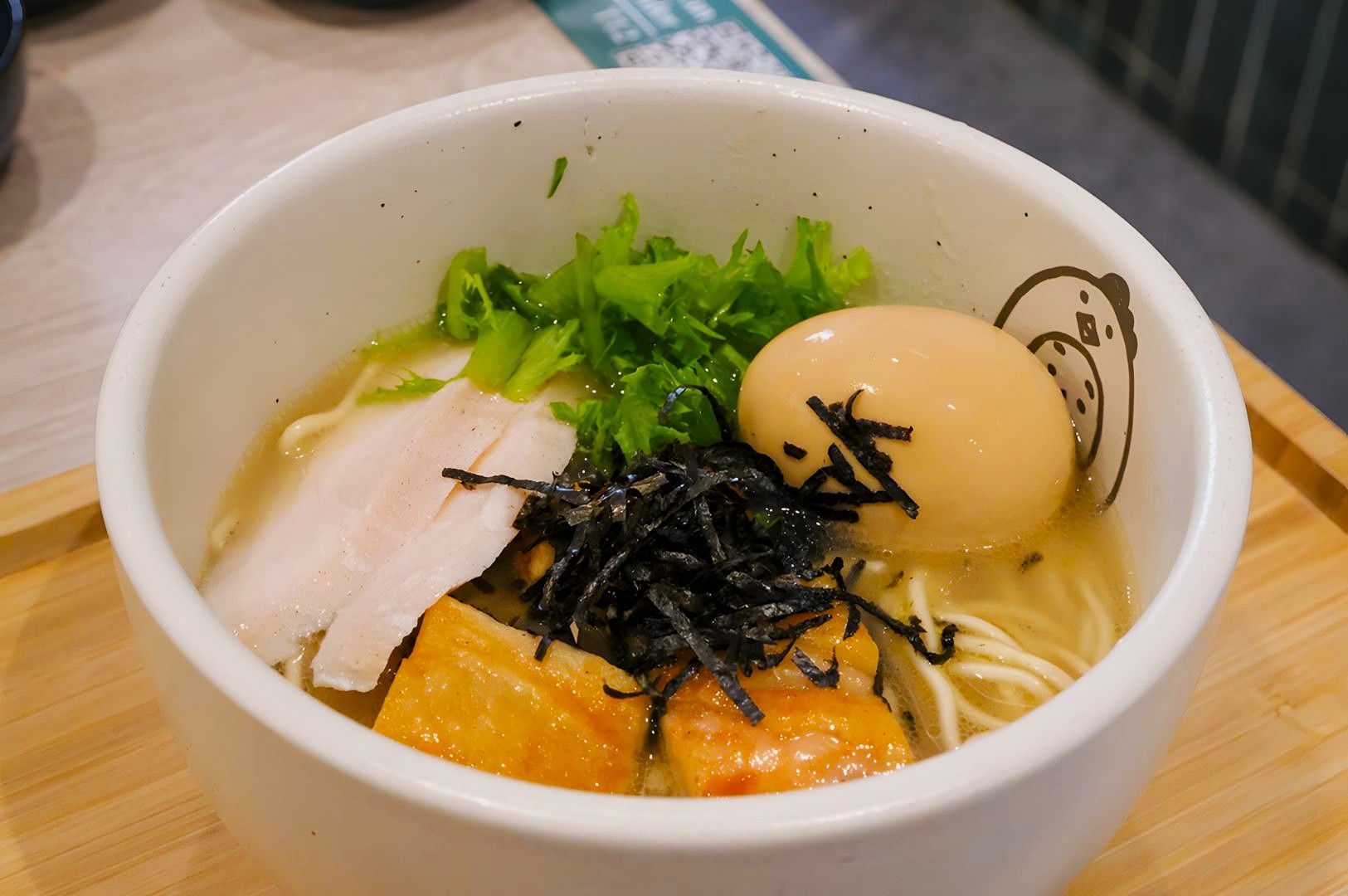
A bowl of ramen with noodles, slices of meat, green lettuce, a soft-boiled egg, black seaweed, and salmon cubes. The dish looks fresh and appetizing.

Paitan ramen came out of Kyushu like the scrappy younger sibling of tonkotsu, and honestly, I think it might just steal the spotlight. Tonkotsu flexes with its pork bone intensity, but tori paitan ramen takes the chicken route and nails it. It’s not a pale imitation; it’s a completely different beast with the same creamy, cloudy look. Tonkotsu hits hard with rich, aggressive flavor, but paitan dances—lighter on its feet yet still packing a serious punch.


The best part about paitan ramen? It invites you to experiment. Whether you’re sticking to traditional methods or whipping up quick and easy homemade chicken ramen on a weeknight, this broth adapts beautifully. Layer in umami with light and dark soy sauce, oyster sauce for depth, dried shiitake mushrooms ground in a spice grinder for earthiness.


Now, let’s talk toppings, that’s where your creativity can really run wild. Tender slices of chicken breasts, thighs, or even precooked chicken, soak up that hot broth like little flavor sponges. Fresh green onions and spring onions add a sharp bite that cuts through the richness, and crunchy bean sprouts keep every spoonful interesting.


Whether you’re chasing a food photographer-worthy shot or just want a 5-star recipe to warm you from the inside out, paitan ramen proves ramen’s greatest strength: endless adaptability.

Easy Homemade Chicken Ramen: A Flavorful Broth for Every Home Cook

While paitan is the creamy star, the broader world of easy homemade chicken ramen offers a spectrum of flavors that’s captivating ramen lovers everywhere. We’re moving away from the idea that ramen has to be heavy to be good. Chicken ramen proves that depth and lightness can live happily together.


If you’re like me and want an easy ramen recipe, starting with rich chicken stock or even store-bought broth is a great shortcut. Adding fresh aromatics like garlic, ginger, and dried shiitake mushrooms ground in a spice grinder takes your ramen broth to the next level. Simmer these over medium heat in a large pot, and you’ve got a flavorful broth ready for your noodles.


I still remember the first time I made chicken ramen at home. It was a chilly evening, and I craved something comforting but didn’t have hours to spend in the kitchen. I grabbed a carton of good-quality chicken stock, tossed in some garlic, ginger, and dried shiitake mushrooms, and let it simmer gently.


That first spoonful was a revelation, the broth was rich yet light, the noodles perfectly chewy, and the toppings fresh and satisfying. Since then, easy homemade chicken ramen has become my go-to recipe for busy nights, a delicious way to unwind and nourish myself without the fuss. If you haven’t tried making it yet, I encourage you to give it a shot, you might just discover your new favorite bowl.

Instant Noodles and Ramen Noodles: Quick Options for Easy Chicken Ramen

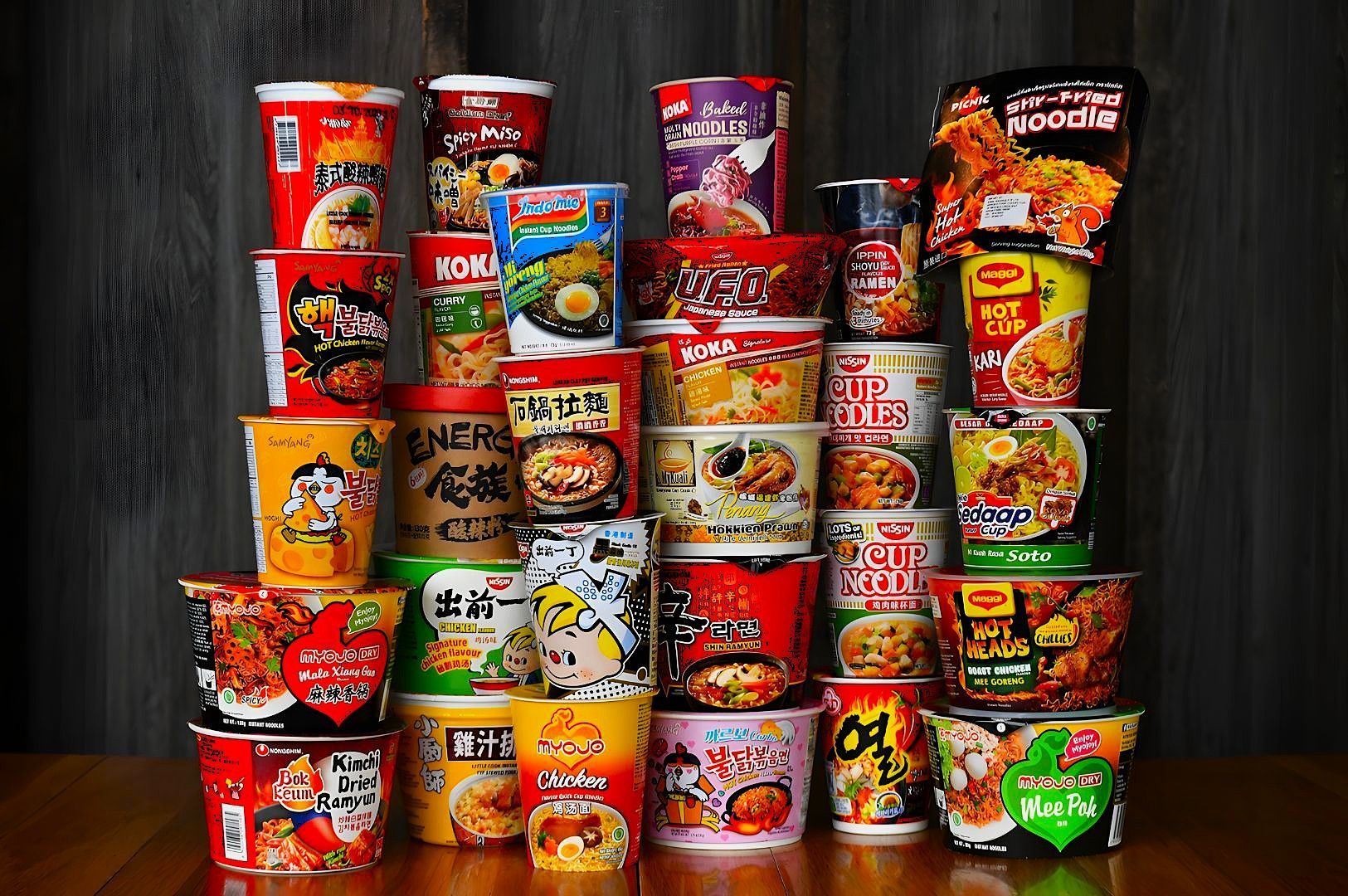
A colorful assortment of instant noodle cups and bowls stacked in a pyramid shape against a dark background. The display features various brands and flavors, exuding a vibrant and diverse culinary selection.

Not everyone has hours to make paitan ramen broth the traditional way, which involves simmering chicken bones and feet for many hours to extract collagen and achieve that signature creamy texture. For those times, instant noodles or dried ramen noodles are fantastic options that allow you to enjoy a comforting bowl of ramen much faster. These noodles cook quickly in boiling water and pair perfectly with hot broth, whether it’s a rich homemade chicken broth or a store-bought stock enhanced with aromatics.


Ramen noodles, traditionally made from wheat flour, water, salt, and kansui (an alkaline mineral water), offer a chewy texture and slightly yellow color that are characteristic of authentic ramen. If you prefer gluten-free options, rice noodles can also be used, providing a lighter texture and different mouthfeel while still absorbing the flavorful broth beautifully.


Using precooked chicken, whether it’s tender chicken thighs, lean chicken breasts, or even leftover rotisserie chicken—can significantly cut down your prep time without sacrificing flavor or protein content. Thinly slicing or shredding the cooked chicken allows it to soak up the hot broth, making each bite juicy and satisfying.

To add freshness, texture, and nutrition, toss in vibrant vegetables such as baby bok choy, other Asian greens like yu choy or spinach, and crunchy bean sprouts. These not only complement the creamy broth but also contribute valuable vitamins like vitamin C, fiber, and antioxidants. Including these greens also balances the richness of the broth, making the dish lighter and more nutritious.


For an even quicker cooking process, you can prepare the broth base in advance using your own methods, such as simmering chicken stock with garlic, ginger, dried shiitake mushrooms (which add a deep umami flavor when ground in a spice grinder), and a splash of soy sauce or oyster sauce. This approach allows you to have a flavorful broth ready to heat and serve with your choice of noodles and toppings, making it perfect for busy weeknights.

Boiled Eggs and Ramen Eggs: The Perfect Toppings for Ramen Bowls

No bowl of paitan ramen feels complete without the iconic soft boiled egg or ramen eggs. I like to boil eggs for about 6 to 6.5 minutes, then plunge them into an ice bath to stop the cooking. This gives a luscious soft boiled center that pairs perfectly with the creamy broth.


For a special touch, carefully peel the eggs and marinate them in soy sauce, mirin, and brown sugar for several hours or overnight. These eggs add richness and umami to your ramen bowls and often steal the show.

Absolutely Delicious Ramen Bowls: Crafting the Ultimate Experience

Mensho Tokyo Singapore’s pricing is premium:

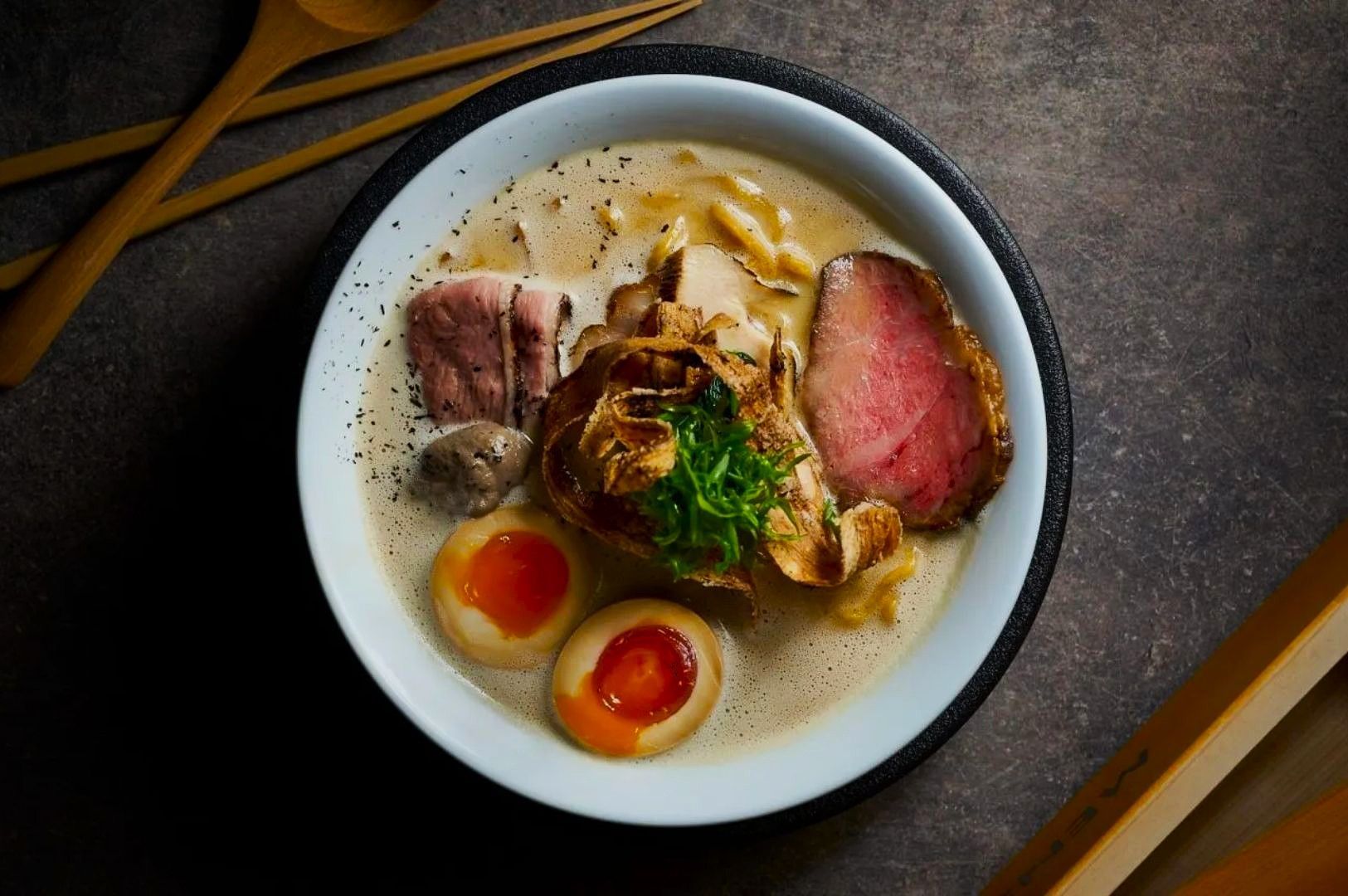
A bowl of creamy ramen with slices of rare beef, soft-boiled eggs, and scallions on a textured surface. Wooden utensils lie nearby, creating a cozy, gourmet vibe.

Building a delicious bowl of ramen is all about balancing flavors and textures. Along with the ramen broth and noodles, toppings like spring onions or green onions, sesame seeds, and a drizzle of sesame oil elevate the experience.


If you want to take it up a notch, adding pork belly or chicken chashu provides a melt-in-your-mouth contrast to the creamy broth. The interplay of fatty meat, tender noodles, and hot broth is what makes ramen absolutely irresistible.

Recipe Notes and Review Recipe Tips for Success

  • Use whole chicken or a mix of chicken bones and meat for the richest chicken broth.
  • Start simmering the broth at high heat, then reduce to medium to keep a gentle boil.
  • Add dried mushrooms like shiitake for extra umami.
  • Adjust seasoning with light soy sauce, dark soy sauce, and rice wine or dry sherry.
  • Be careful not to overcook noodles to avoid sogginess.
  • Always serve immediately for the best texture and flavor.
  • Garnish with fresh spring onions, bean sprouts, and a sprinkle of chili flakes for heat.
  • For an authentic twist, try adding rice vinegar or a dash of brown sugar to balance flavors.
  • Keep an eye on saturated fat if you’re watching your intake.
  • Don’t forget to snap a photo like a pro food photographer to share your creation!

Conclusion: Embrace the Easy Recipe for Your Next Ramen Adventure

Whether you’re making traditional tori paitan ramen or a quick easy chicken ramen with instant noodles, the secret is a flavorful broth and fresh ingredients. With dried shiitake mushrooms, soft boiled eggs, and chicken stock, you can create an absolutely delicious bowl that rivals any restaurant.


Check the recipe card for prep time, cook time, and required recipe ratings to guide your journey. Your next bowl of paitan ramen awaits—rich, creamy, and packed with umami, ready to be savored.


For more ramen broth reviews and recommendations, be sure to check out Mensho Tokyo Singapore Review: Hype, Precision, and Next-Level Broth.

Recent Posts

Clear yuzu shio ramen bowl with noodles, soft-boiled egg, microgreens, and pork slice.
By Chloe C.L May 19, 2026
Discover what happens when you step out of your tonkotsu comfort zone and try a completely new style of ramen. A personal story of culinary surprise.
Street view of Torasho Ramen & Charcoal Bar with blue awnings and green shutters on a rainy day
By Chloe C.L May 18, 2026
Discover the bold flavors of Torasho Ramen & Charcoal Bar in Singapore. From signature tonkotsu pork ramen to smoky charcoal-grilled chashu, explore a unique blend of traditional broth and modern grilling techniques for an unforgettable ramen experience.
Back view of a ramen chef in a red shirt working in a kitchen with a prepared bowl ready for service
By Best Ramen Team May 15, 2026
Think ramen is just quick fast food? Discover the hours of dedication, simmering broths, and true craftsmanship behind every fast bowl of ramen.
Black bowl of ramen with pork, bok choy, and shredded scallions on a wooden table.
By Jillian Garzia May 14, 2026
Explore the ultimate guide to the best ramen bowls in town, featuring top spots, must-try flavors, and tips for a satisfying dining experience. Read more!
Bowl of Tonkotsu ramen featuring chashu pork, soft-boiled egg, nori, and creamy broth
By Chloe C.L May 12, 2026
Is tonkotsu ramen truly the best? Discover why lighter broths might deserve more attention and room on your table.
Illuminated sign for A Noodle Story stall 01-39 displaying Michelin awards and ramen imagery.
By Chloe C.L May 11, 2026
Discover A Noodle Story, a Michelin Bib Gourmand hawker stall at Amoy Street Food Centre serving innovative Singapore style ramen. Experience tender sous-vide pork belly, crispy prawn, and a unique fusion of local and Japanese flavors in a bustling hawker setting. Perfect for adventurous foodies!