From Fermented Soybeans to Ramen Bowls: The Making of Miso Ramen Noodles

August 24, 2026
Dot Icon

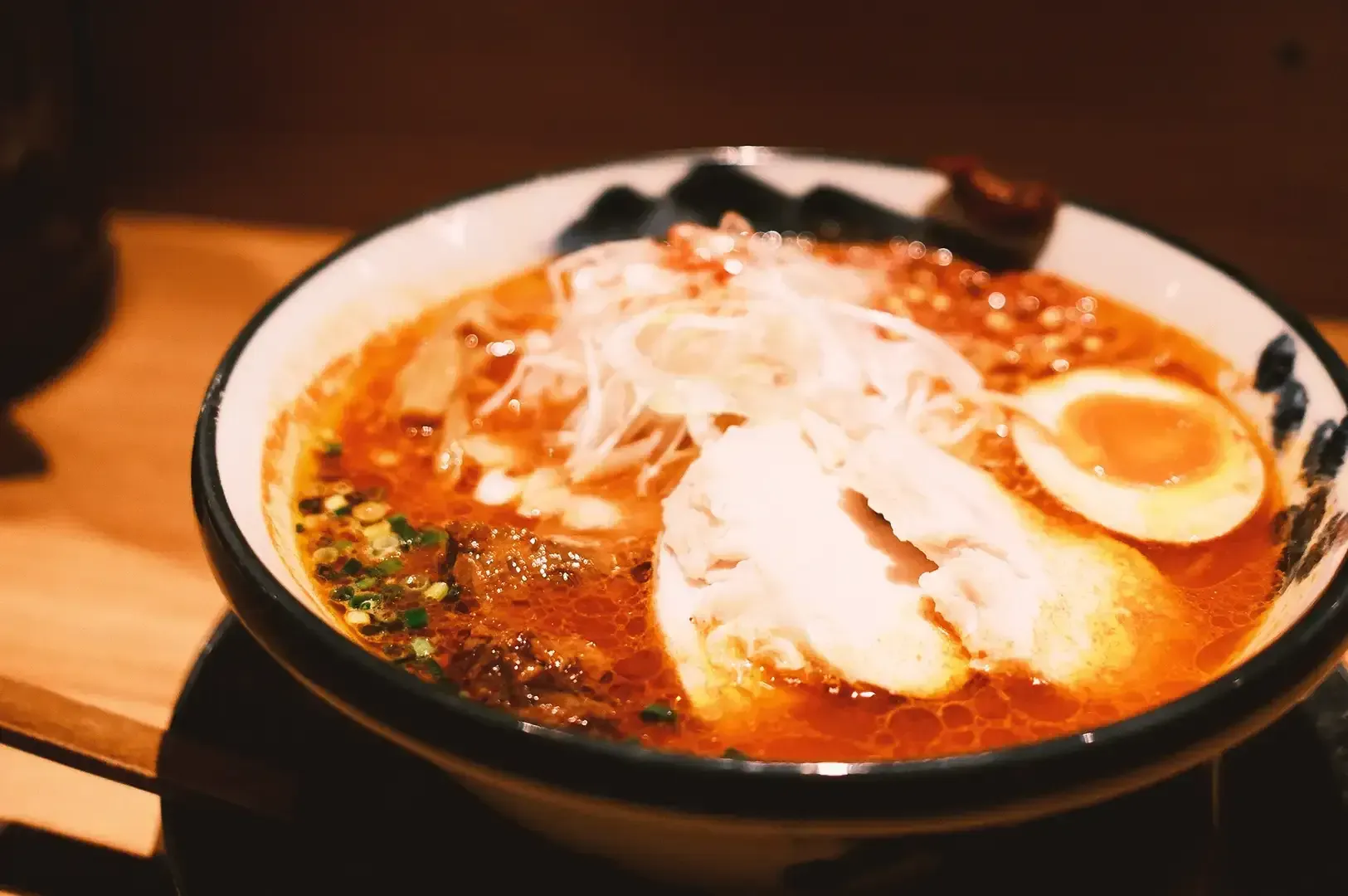
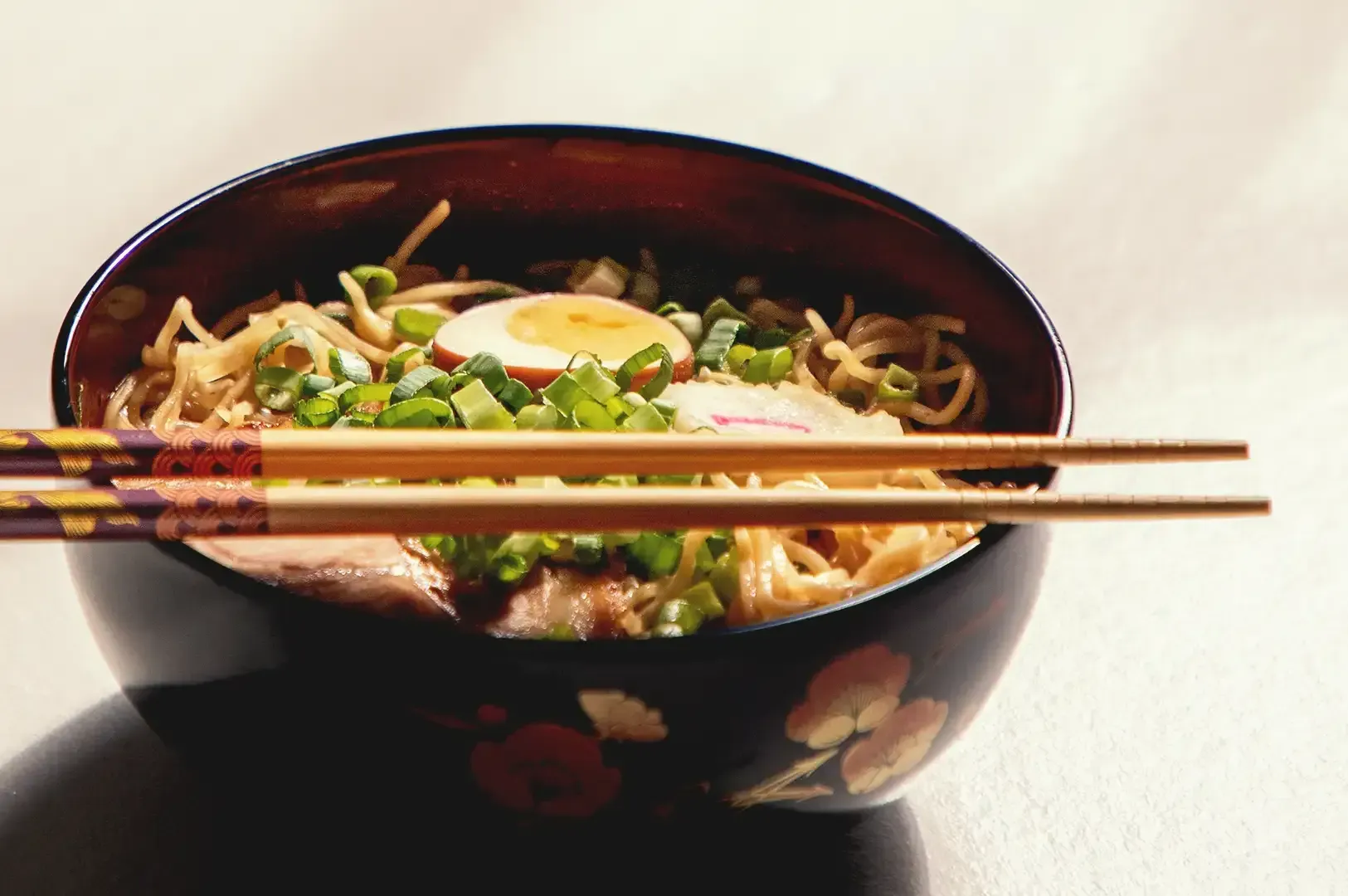
There's a moment right before you take your first sip of miso ramen. The steaming bowl of ramen lands in front of you, steam curling upward, and something warm and savory hits your nose before the spoon even moves. It smells a little sweet, a little toasty, deeply grounded. That aroma didn't happen by accident. It started months earlier, in a quiet tank of fermenting soybean paste.


I find that idea genuinely thrilling. The bowl in front of you carries time inside it. So let's follow the trail, from humble soybeans all the way to the miso ramen noodles you're about to slurp.

What Miso Actually Is: The Heart of Miso Ramen Broth

Top view of miso paste

Let's start simple. Miso is a fermented soybean paste made from soybeans, salt, and koji. This fermented bean paste is a cornerstone of Japanese cooking and gives miso ramen broth its rich, savory, and umami-packed flavor.


The magic word here is fermentation. Japanese fermentation isn't a shortcut. It's a slow, patient process that transforms plain soybeans into something rich, complex, and full of umami, essential for crafting a flavorful miso ramen recipe.


The Quiet Power of Koji in Miso Ramen Broth Ingredients

You can't talk about miso without talking about koji. Koji is steamed rice (or sometimes barley or soybeans) grown with a friendly mold called Aspergillus oryzae. This mold releases enzymes that break down proteins into amino acids like glutamic acid, the building block of umami, and starches into sugars, adding a gentle sweetness to the broth.

How Soybeans Become Miso for Your Bowl of Ramen

The process is beautifully unhurried:

  • Soybeans are washed, soaked, then steamed or boiled until soft.
  • The cooked soybeans get mashed and mixed with koji and salt.
  • Everything is packed into a tank and left to ferment and mature.

This slow maturation, which can last from a month to several years, develops the deep meaty flavor and aroma that define miso ramen broth.

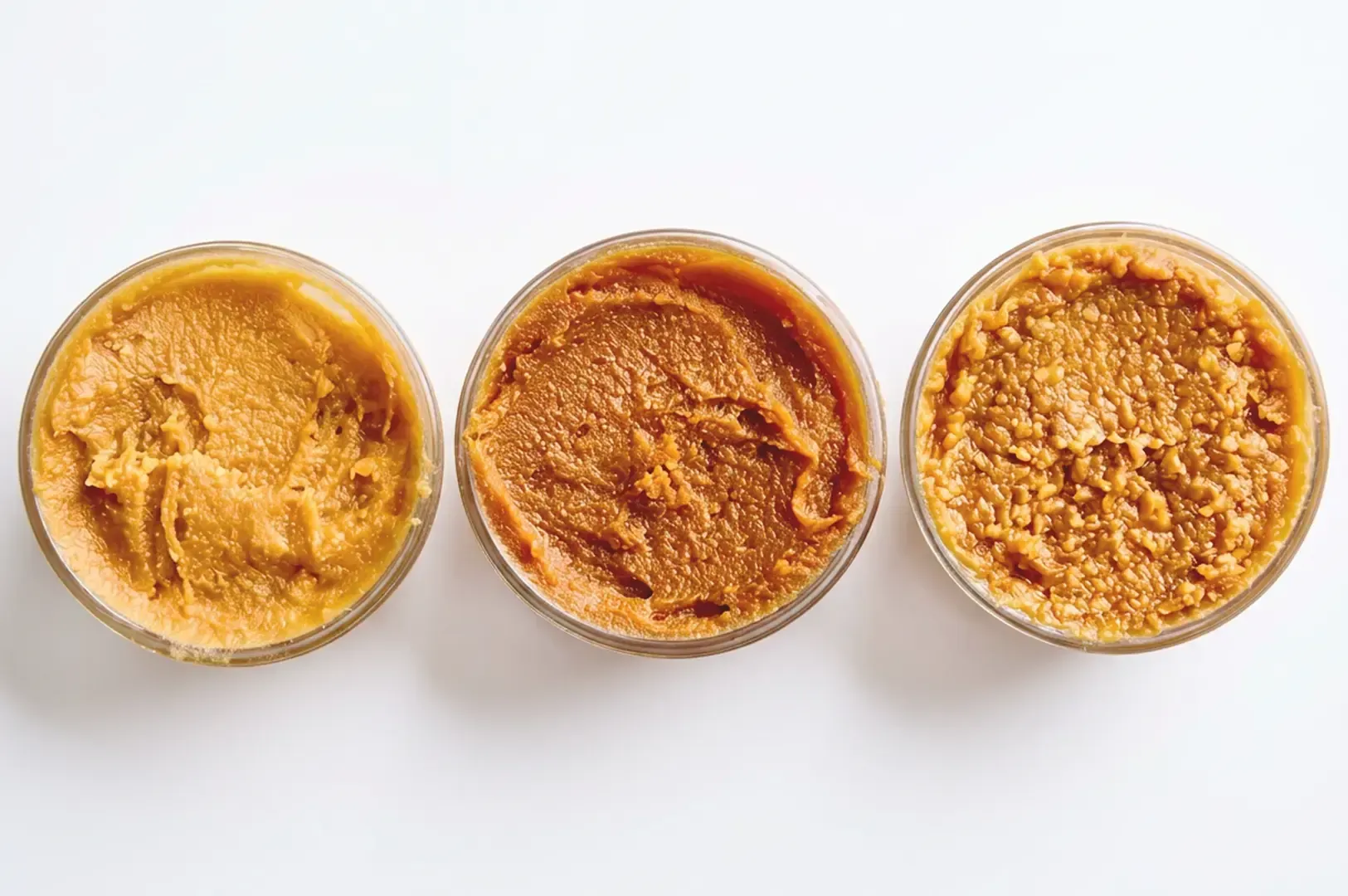
Why One Miso Tastes Nothing Like Another: White Miso, Hatcho Miso, and More

Different miso paste lined up

Not all miso is the same. The ratio of koji to soybeans, the type of grain used, salt level, and fermentation time shape the final taste.


White Miso (Shiro) for a Mild, Creamy Broth

White miso uses a higher proportion of rice koji and ferments for a shorter time, resulting in a pale, mild, slightly sweet miso ramen broth often used in ramen recipe variations featuring a creamy broth. This delicate miso imparts a subtle umami depth and a gentle sweetness that balances perfectly with the savory soy sauce notes commonly added to the soup cuisine.


The light golden hue of white miso broth invites the senses with its warm, comforting aroma and silky texture, making it ideal for those seeking a smooth, mellow flavor profile in their miso ramen noodles. When preparing this broth, chefs often gently simmer the mixture to preserve the nuanced flavors, ensuring each spoonful delivers a harmonious blend of savory and sweet.


White miso’s versatility also allows it to pair beautifully with toppings like jammy egg halves, tender bok choy, and a drizzle of toasted sesame paste, enhancing the overall sensory experience of the dish.


Hatcho Miso and Red Miso for Bold Miso Ramen Broth

Hatcho miso and red miso ferment longer, giving them a darker, bolder, and saltier flavor packed with intense umami, perfect if you’re craving a spicy miso ramen or something hearty with rich toppings. These miso types bring a robust depth that really stands up to richer broths and stronger flavors, making them a great choice for those who love a pronounced miso punch.


Hatcho miso, especially, is made from black soybeans and ages for a long time, giving it a thick, dense paste with a complex aroma and just a touch of sweetness at the end.


Red miso, meanwhile, usually has more soybeans and less rice, which gives it a sharp, savory kick that really boosts the hearty flavor of your ramen. Both of these misos are essential to those rich, comforting bowls of traditional miso ramen you find in places like Sapporo, Hokkaido, where miso ramen was born back in 1953. It’s pretty cool to think about how these miso types have shaped the hearty, soul-warming bowls we all love today.


Adding hatcho or red miso to your broth doesn’t just amp up the flavor, it also pairs perfectly with classic toppings like chashu pork, sweet corn, and soft-boiled eggs, making your ramen bowl balanced and seriously satisfying.


Miso Ramen Noodles: The Perfect Partner in Your Bowl of Ramen

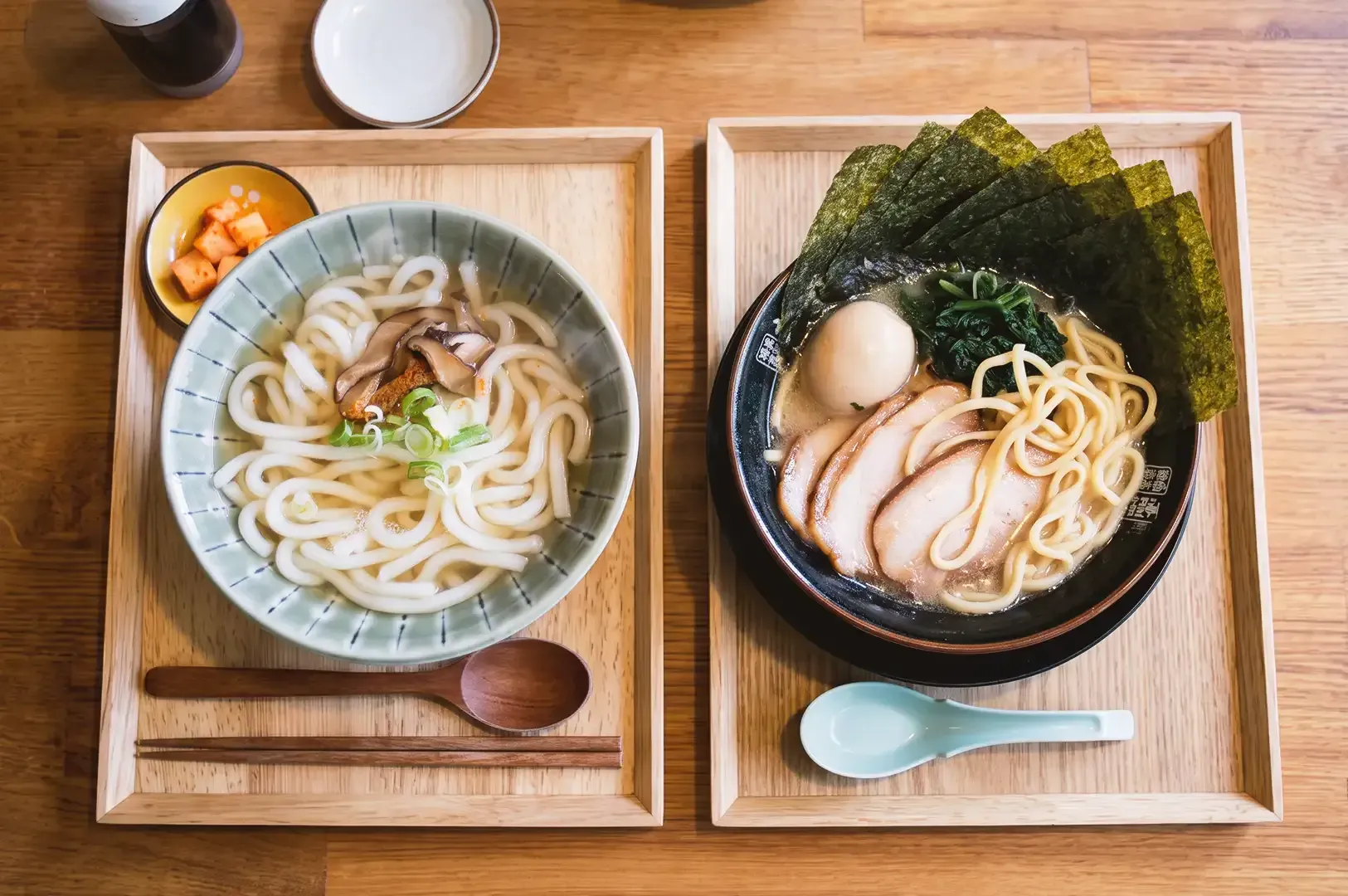
Miso ramen noodles are typically thick, wavy, and slightly yellow due to their higher alkaline composition. These ramen noodles are designed to cling to the rich miso ramen broth, capturing the hot broth's flavor with their microscopic ridges.


Unlike the broth, miso ramen noodles do not contain miso paste. They are made from wheat flour, water, salt, and kansui (alkaline mineral water), giving them their characteristic chew and color.

Crafting the Ramen Broth: Combining Miso Paste with Chicken Stock or Vegetable Stock

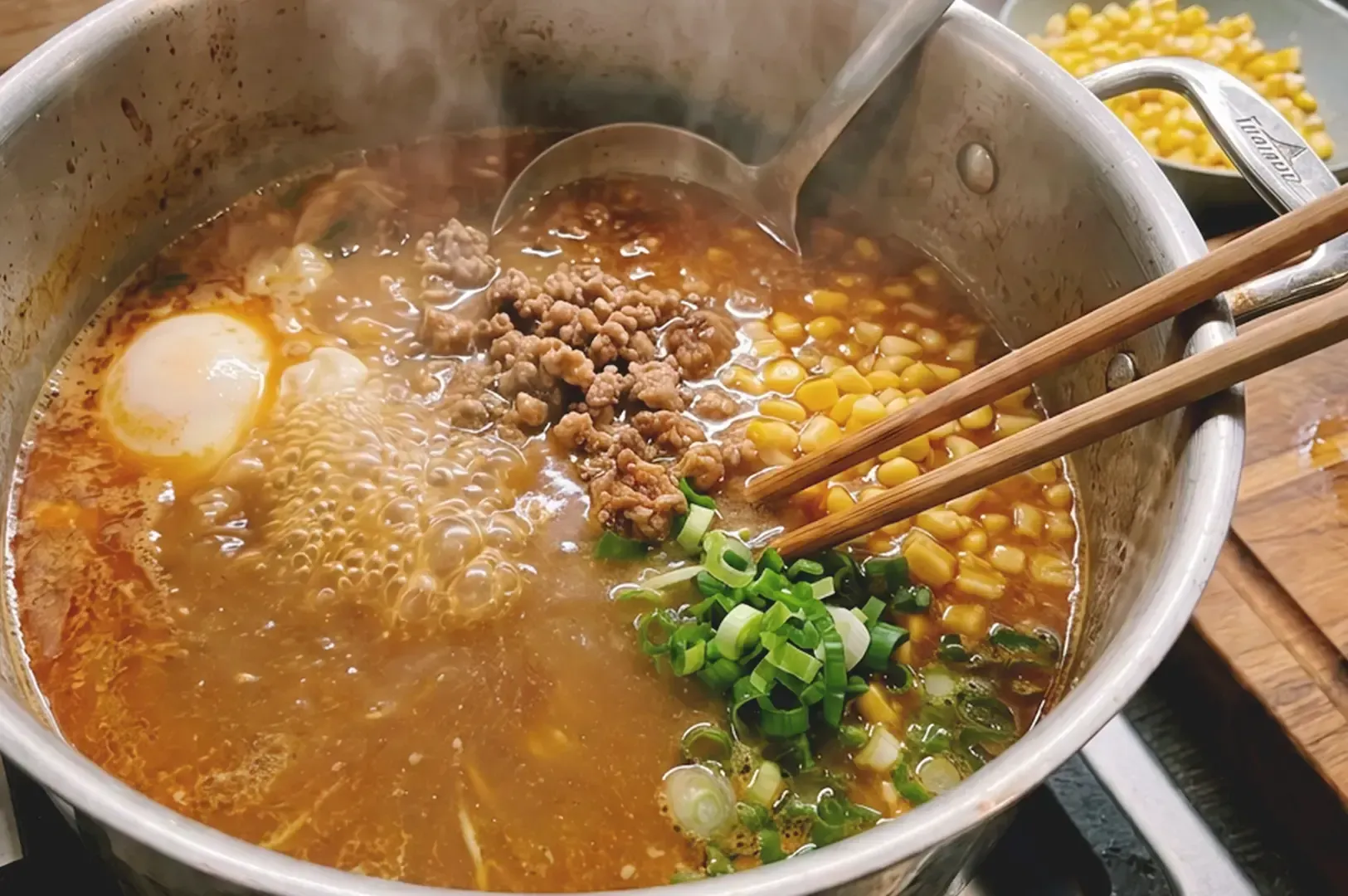
Boiling miso ramen in a pot

Miso ramen broth is a marriage of miso tare (seasoned miso paste) and a flavorful stock, often chicken broth or vegetable stock. The broth ingredients typically include minced garlic, fresh ginger, ground pork or chicken stock, and sometimes coconut milk for a creamy broth twist.


To make spicy miso ramen, chili oil, chili paste, or chili crisp is added to the broth, bringing medium heat and a spicy kick that complements the savory miso flavor.

How to Cook Noodles and Assemble Your Bowl of Ramen

Bring a medium pot of boiling water to a gentle simmer. Cook noodles according to package instructions, usually about 3 minutes for dried ramen noodles or instant ramen noodles, but often slightly less to keep them firm. Drain well to prevent diluting the broth.


Add noodles to the steaming bowl, ladle the hot miso ramen broth over them, and top with popular miso ramen toppings like soft boiled eggs (or ramen eggs), thinly sliced green onions, toasted sesame seeds, bean sprouts, bok choy, shiitake mushrooms, garlic chives, snow peas, ground sesame seeds, and ground pork.

Instant Ramen Upgrades: Elevating Your Noodle Soup Experience

For a quick ramen recipe, instant ramen or dried ramen noodles can be upgraded by adding miso paste to the seasoning packets, stirring in toasted sesame oil, and topping with fresh ramen toppings such as soft boiled eggs, chili oil, and toasted sesame seeds.

Gluten Free and Alternative Noodles: Rice Noodles and More

For gluten free options, rice noodles or soba noodles can be used instead of traditional ramen noodles, though they change the texture and mouthfeel of the noodle soup.

The Art of Ramen Toppings: From Traditional to Creative

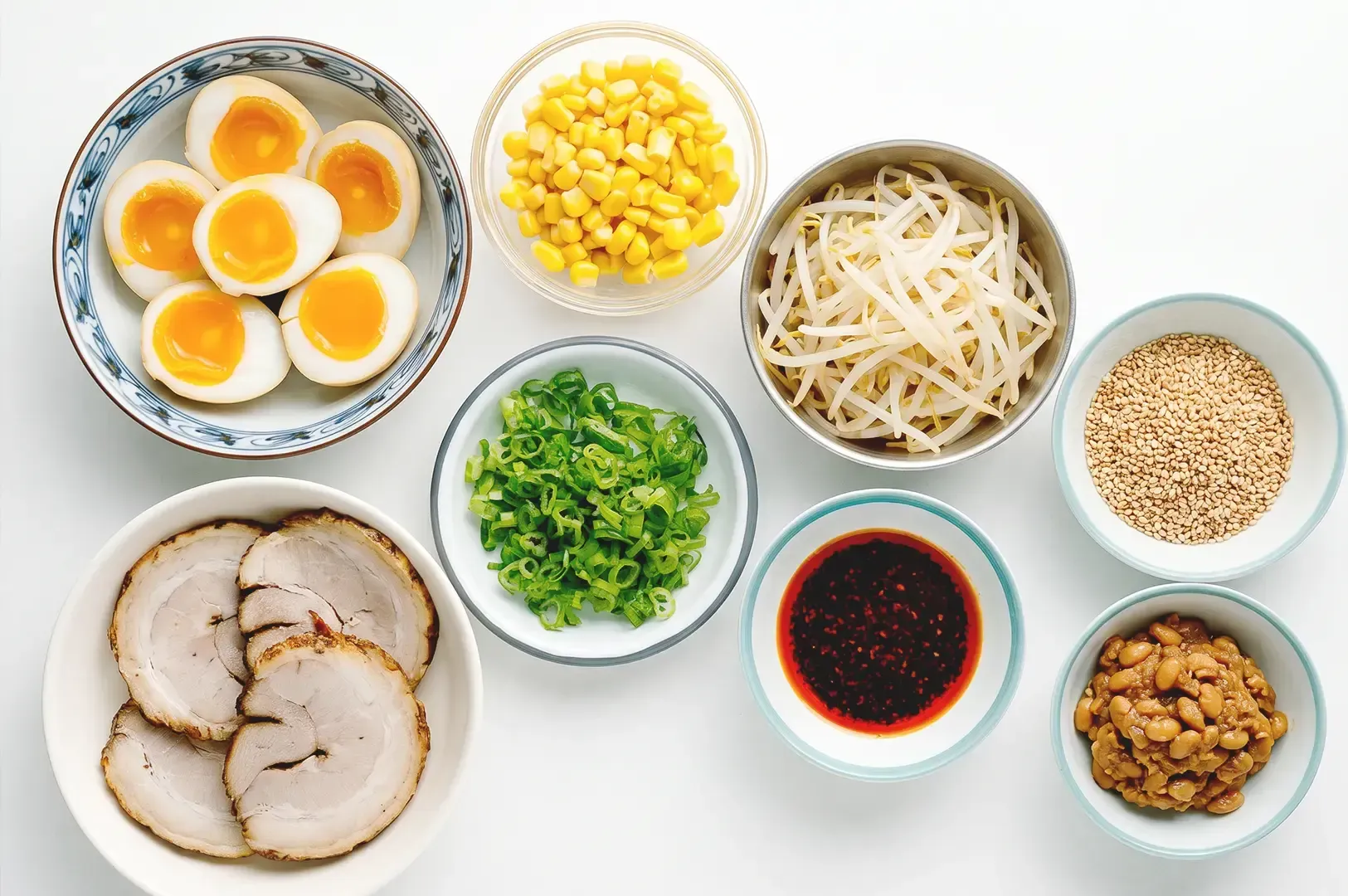
Top view of yolks, sweet corn, bean sprouts, thinly sliced pork (chashu), green onions, toasted sesame seeds, chili oil, and fermented bean paste

Miso ramen toppings are essential to complete the bowl of ramen. Popular toppings include ramen eggs with jammy yolks, sweet corn, bean sprouts, thinly sliced pork (chashu), green onions, toasted sesame seeds, chili oil, and fermented bean paste.


Some variations also feature shiitake mushrooms for added texture and umami, while spicy miso ramen often incorporates hot chili oil or paste to enhance the heat.


These toppings not only add flavor but also provide contrasting textures that complement the thick, wavy miso ramen noodles and rich broth, creating a satisfying and balanced meal.

Top view of yolks, sweet corn, bean sprouts, thinly sliced pork (chashu), green onions, toasted sesame seeds, chili oil, and fermented bean paste

Nutrition Calories and Saturated Fat: What to Know About Your Bowl

A steaming bowl of miso ramen is not just delicious—it’s a comforting blend of nutrition too. The broth’s saturated fat can vary depending on what you add, like ground pork, sesame oil, or even coconut milk. If you want to keep things lighter, using chicken or vegetable stock is a great way to do that, while creamy broth additions give you that rich, indulgent feel.


The miso ramen noodles themselves bring in carbs and protein, giving you the energy and sustenance you need. And when you toss in toppings like soft-boiled eggs, sweet corn, or chashu pork, you’re adding vitamins, minerals, and some healthy fats to the mix.


If you’re watching your diet, choosing lean proteins and veggie-based broths can help cut down on saturated fat and calories without skimping on flavor. All in all, miso ramen is a satisfying meal that hits the spot, rich in flavor and packed with a variety of nutrients to keep you feeling good.

Top view of yolks, sweet corn, bean sprouts, thinly sliced pork (chashu), green onions, toasted sesame seeds, chili oil, and fermented bean paste

Review Recipe and Experiment: Finding Your Favorite Ramen Restaurant Style at Home

As a recipe developer or recipe creator, experimenting with miso ramen recipes allows you to tailor the broth, noodles, and toppings to your taste. Whether you prefer a spicy miso ramen with chili paste and chili oil or a milder bowl with white miso and toasted sesame oil, the possibilities are endless.


Enjoy the journey from fermented soybean paste to your own homemade ramen, savoring the layers of flavor in each bowl of ramen you create.


While slurping you miso ramen noodles, it is always best to pair it up to enjoy more your ramen journey. Click this article to find out more of what are the Best Japanese Curry Ramen Combos 

Recent Posts

People taking photos in line outside a glowing ramen shop, with a hot bowl of ramen.
By Jillian Garzia August 21, 2026
A reflective look at what fades when ramen turns trendy: patience, craft, individuality, and the people behind every bowl.
Chopsticks lifting ramen noodles from a steaming white bowl on a light wood table.
By Jillian Garzia August 20, 2026
An honest Hototogisu Ramen review in Singapore. Oyster paitan and shio broth, tasted slowly. Does this seafood ramen earn its Michelin name?
A customer taking a smartphone photo of a steaming bowl of ramen at a cozy.
By Best Ramen Team August 19, 2026
An honest editorial on how Instagram made ramen more performative, yet helped small shops and new styles reach a much wider audience.
Exterior of Fire Ramen restaurant with wooden signage, a red noren banner, and a wall of pink cherry
By Chloe C.L August 17, 2026
Honest Fire Ramen by Menbaka review at The Centrepoint. Is the flaming ramen Singapore hype real, or does the bowl fall flat once the fire fades?
A person holding a bowl of hot noodle soup at an outdoor night market counter.
By Chloe C.L August 14, 2026
A quiet reflection on why the first sip of warm ramen broth after a long, tiring day feels grounding, comforting, and just enough.
Wide view of the entrance to Kanshoku Ramen Bar featuring a bright blue glowing sign.
By Jillian Garzia August 13, 2026
A flavorful Kanshoku ramen experience with rich tonkotsu broth, truffle accents, and savory black garlic ramen at Ion Orchard, Singapore.