Affordable Ramen Worth the Trip to Yishun: A Suparakki Ramen Review

October 1, 2026
Dot Icon

I live for the moment a bowl of ramen lands in front of me, steam curling up, broth glinting under the lights. So when I heard about Suparakki Ramen tucked away in Yishun, I dropped everything and made my way north. A proper bowl of ramen for under $10? I had to see if it held up.


Spoiler: it mostly did, and I left with a lot to say..

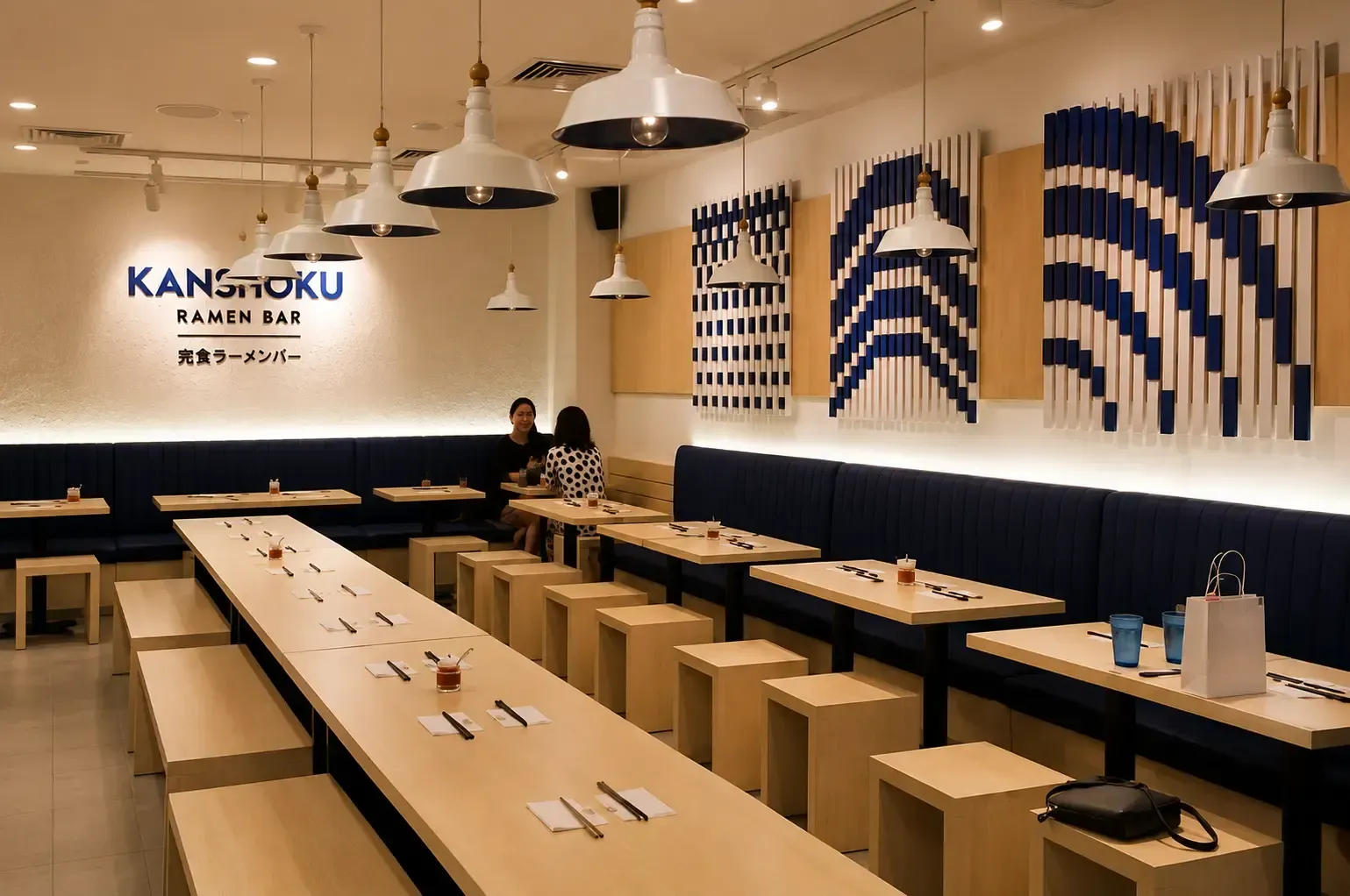
Clean interior view of Kanshoku Ramen Bar showing long light-wood communal tables, stool benches, and blue booth seating.

First Impressions of Suparakki Ramen

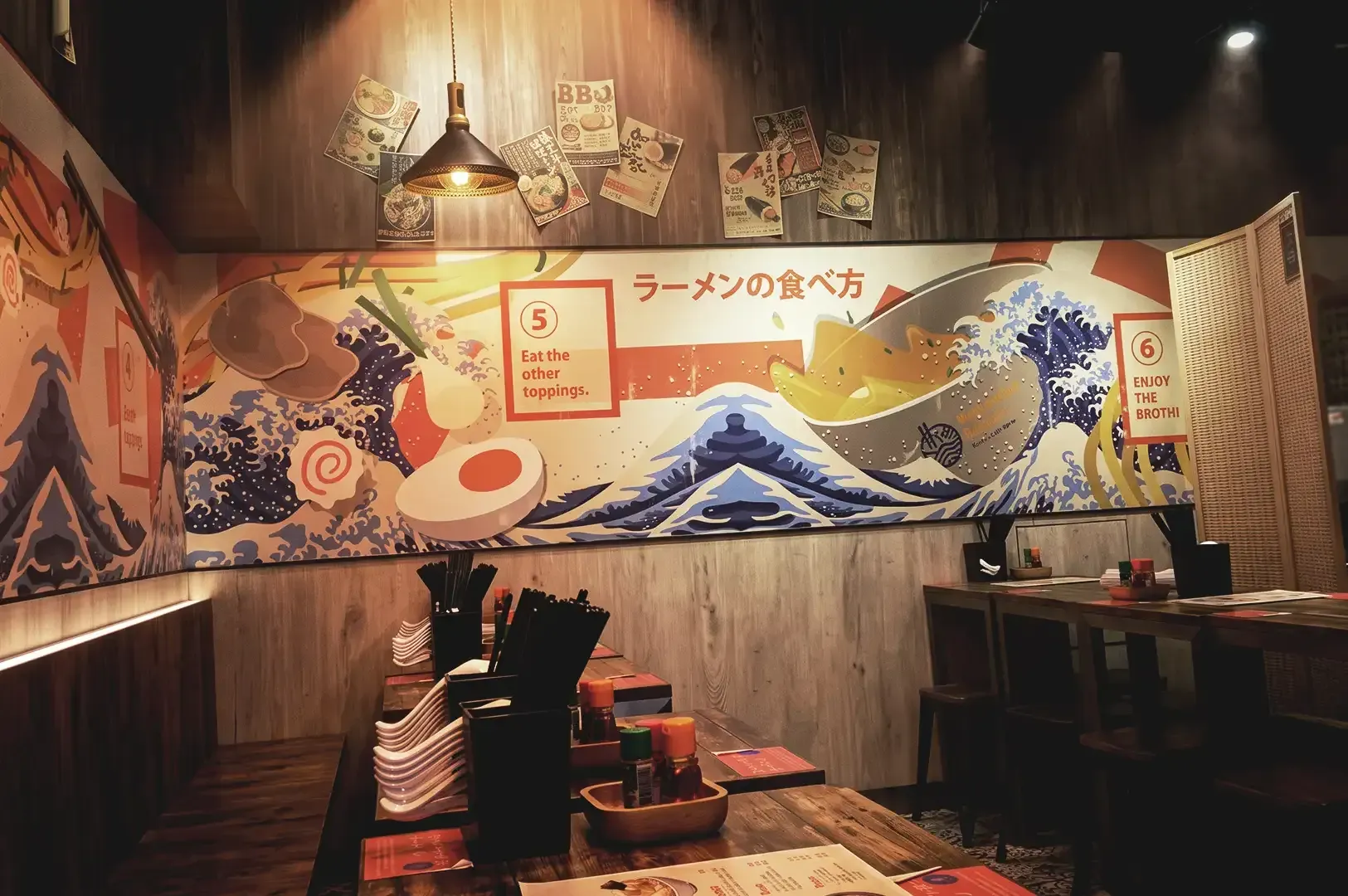
Huge vector stule Japanese wall art inside Suparakki Ramen in warm ambient lighting

The name Suparakki means "super lucky" in Japanese, and honestly, that feels like a cheeky promise. The idea is simple: make every diner feel a little lucky with each bowl, served with warmth and honesty. It is a lovely sentiment, and one I kept in mind as I wandered down into the basement to find it.


You will spot the Suparakki Ramen Yishun outlet in North Point City, South Wing, on the basement level. It is a hole-in-the-wall kind of spot, easy to reach straight from Yishun MRT. Just ride the escalator down and follow your nose.


The Atmosphere in the North Point City Basement

Let me be upfront. This is not a place you visit for ambience. The space is small and a touch cramped, with tables packed close together. It has that no-frills, functional feel of a busy basement eatery, which suits the affordable ramen concept but will not win any design awards.


My one genuine gripe was the tables. Some had sticky patches where old stickers had been peeled off, and my forearm found one of them. It is a small thing, but it is the kind of detail that pulls you out of the moment when you are trying to enjoy your food.


Still, I reminded myself why I came. I was here for the ramen, not the decor.

Clean interior view of Kanshoku Ramen Bar showing long light-wood communal tables, stool benches, and blue booth seating.

The Menu: Traditional Yet Affordable Ramen

What drew me in was the promise of traditional ramen that Suparakki offers, yet affordable enough for regular cravings. Suparakki uses freshly made Hakata style ramen noodles, and the broth is hard boiled for six hours to coax out a full collagen rich broth without adding MSG. That is a serious commitment for a bowl this cheap.


The menu keeps things focused. Most options revolve around the broth, so your choice really comes down to which soup speaks to you. I decided to go big and order three: the bestselling Original Tonkotsu Ramen, the surprising Dry Truffle Ramen, and the punchier Tonkotsu Gyokai Ramen.

The noodles had a firm, springy bite, thin and straight, the kind that push back before giving way. These noodles are produced in house daily to ensure freshness and perfect texture. They held their texture even as I slowed down, which matters more than people give it credit for.


The torched charshu slices were tender, with a soft band of fat that loosened in the heat. It didn't try to be the star. It let the broth stay the centre of things.


The truffle onsen egg was close to perfection. The yolk sat just shy of jammy, stained amber from the marinade, and it spilled slowly into the soup when I cut it. A small, satisfying thing. The kind that tells you a kitchen pays attention when nobody's watching.

The Ramen Dishes I Tried

Here is where things got interesting. Each bowl told a slightly different story, and my opinions swung more than I expected.


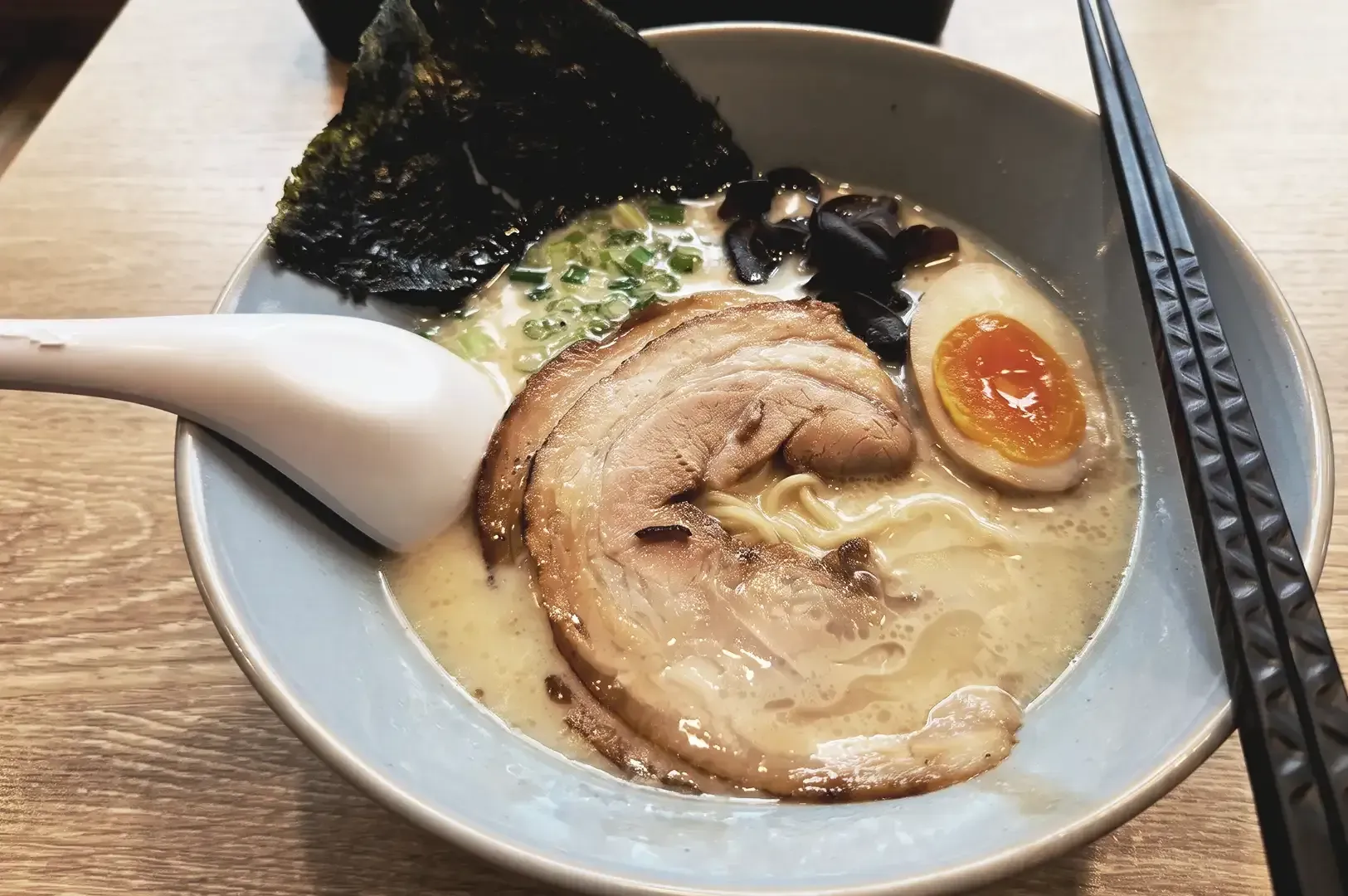
Original Tonkotsu Ramen ($7.90++)

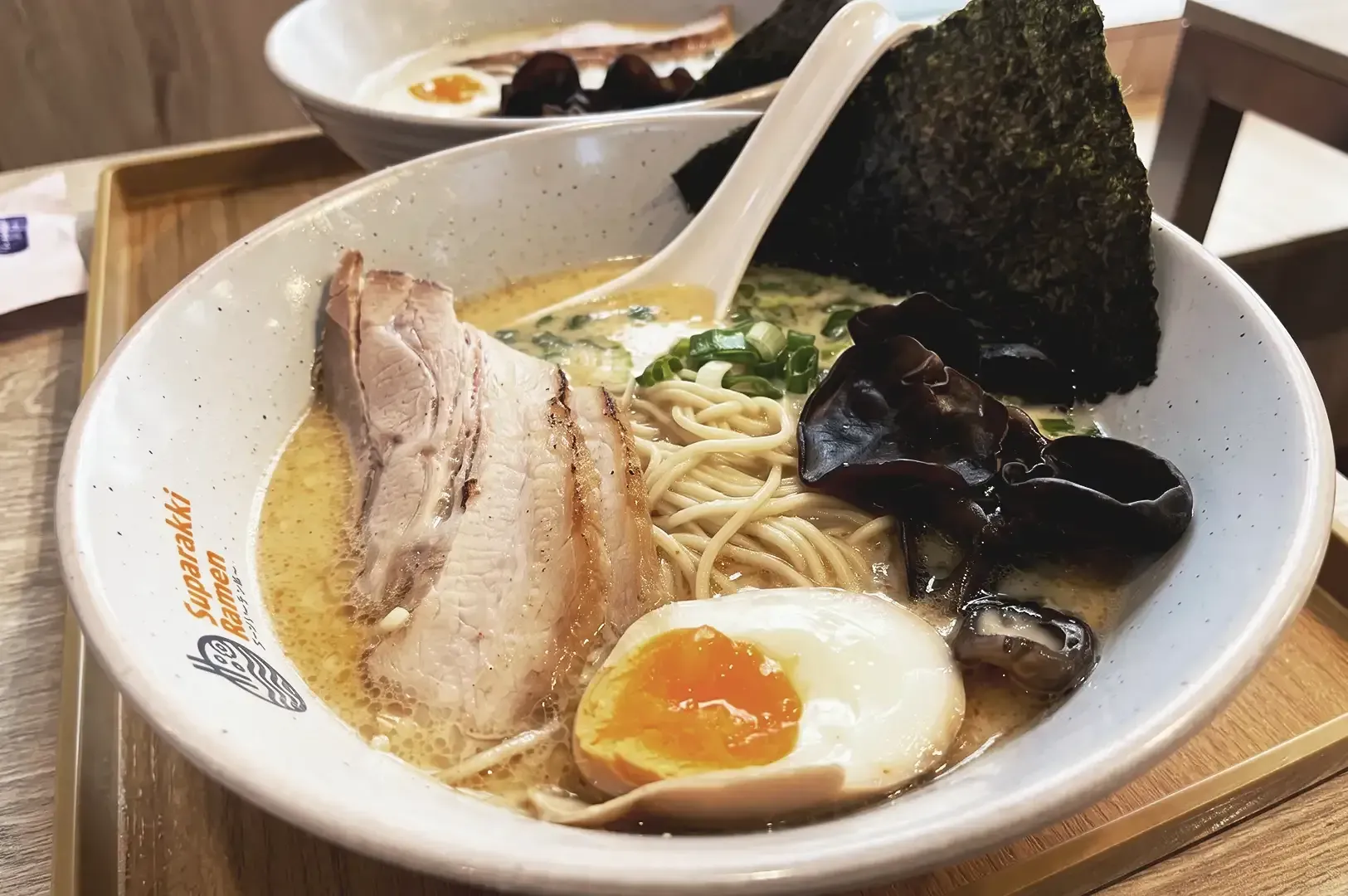
Bowl of Tonkotsu ramen with pork meat, egg, seaweed and black fungus garnished with spring onions

This is the signature, and a restaurant's tonkotsu ramen usually tells you everything about its standard. The first thing I noticed was the generosity. Half a marinated ajitama egg, a respectable amount of chashu, and a few pieces of black fungus. For under $8, that is a full bowl and nothing skimped.


The pork broth was thick and creamy, clinging to my lips thanks to a glossy layer of oil. It was savoury without shouting, comforting in that collagen rich, soul-warming way. Was it the best tonkotsu ramen I have ever had? No. But at this price, it more than earns its keep.


The ajitama egg, though, was flawless. The marination had soaked right through, the yolk sat in that dreamy space between gooey and set, and the white stayed impossibly soft. I could have slurped it whole.


My honest niggle was the soup portion. There was less broth than I wanted, so my mountain of noodles poked out above the surface. The exposed strands dried out and firmed up fast, and since there are no soup refills, I had to eat briskly to keep everything submerged.


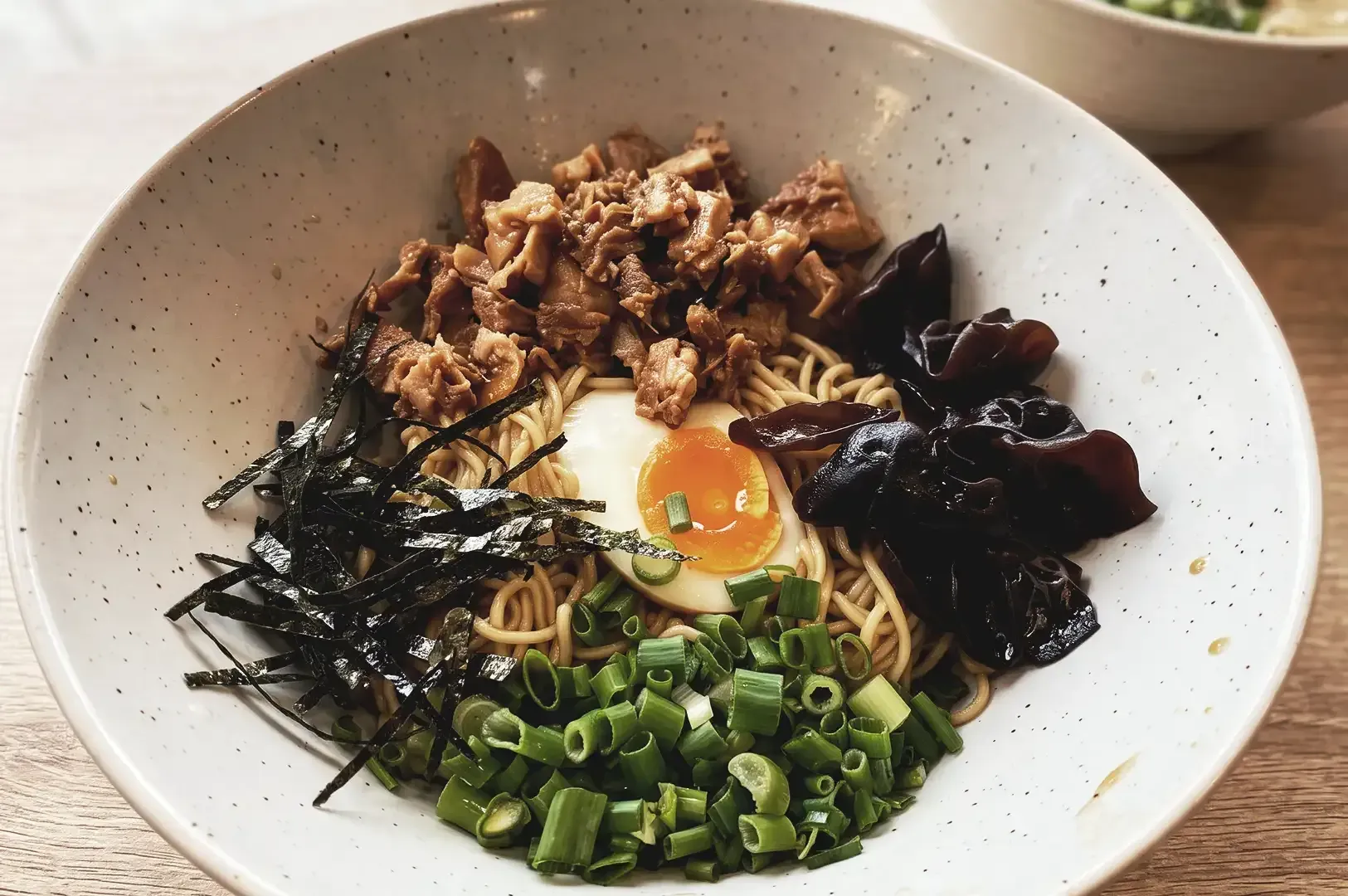
Dry Truffle Ramen ($6.90++)

Bowl of ramen with dry truffles, black fungus, egg and shredded seaweeds garnished with spring onions

I approached this one with low expectations, and it completely won me over. The Dry Truffle Ramen swaps the usual sliced chashu for scoops of stir-fried shredded pork tossed in a sweet marinade. That meat is the star.


Each spoonful was tender, sweet, and juicy, a mix of soft lean pork and unctuous little pockets of fat, all carrying a gentle truffle fragrance from the oil. My whole table kept diving in for more. Because the pork comes in loose chunks, it folds beautifully through the noodles, dropping bombs of flavour into every bite.


The noodles held an al dente chew here, firmer than the ones in soup but not unpleasantly so. The earthy truffle aroma lingered right to the last mouthful. At $6.90, this is the underrated gem of the menu, and the dish I would send friends to try first.


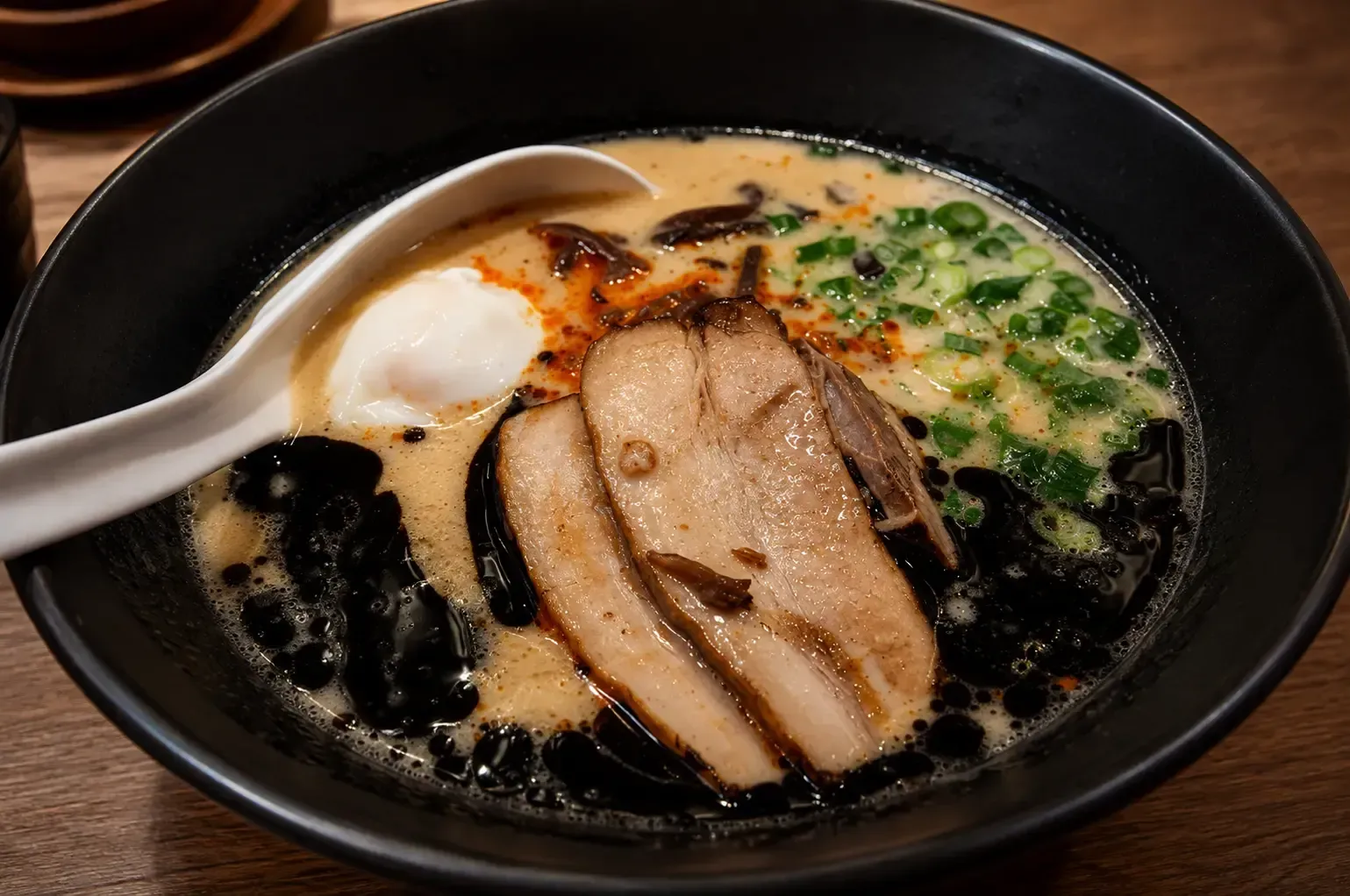
Tonkotsu Gyokai Ramen ($8.90++)

Bowl of creamy ramen with pork meat, seaweed, egg and black fungus garnishes with spring onions

Last up was the Tonkotsu Gyokai Ramen, another recommended bowl. I went for the spicy version to shake things up. The main difference from the original is the soup, which blends the tonkotsu pork bone broth with a seafood stock.


The result had a deeper, more layered flavour. The seafood lent a subtle sweetness, while the spicy kick stayed mild rather than fiery. It was tasty and a little sharper on the palate. That said, I am not sure it was worth the extra dollar over the plain tonkotsu. The richness was nice, but the humble pork broth already did so much right that this felt like a small variation rather than a leap.

The noodles had a firm, springy bite, thin and straight, the kind that push back before giving way. These noodles are produced in house daily to ensure freshness and perfect texture. They held their texture even as I slowed down, which matters more than people give it credit for.


The torched charshu slices were tender, with a soft band of fat that loosened in the heat. It didn't try to be the star. It let the broth stay the centre of things.


The truffle onsen egg was close to perfection. The yolk sat just shy of jammy, stained amber from the marinade, and it spilled slowly into the soup when I cut it. A small, satisfying thing. The kind that tells you a kitchen pays attention when nobody's watching.

Service and Value for Money

The service was efficient and no-nonsense, Suparakki is a self-service concept and does not typically levy a service charge, which fits the quick-turnover vibe of the place. It is not the spot for lingering or lengthy chats with staff, so set your expectations for speed over polish.


On value, though, Suparakki genuinely shines. A bowl here costs roughly half what you would pay at many Singapore ramen shops, and the portions are hearty. For anyone who lives in the North and dreads trekking across the island for good food, having this close to home is a small blessing..

A bowl of ramen served in rich broth laced with black garlic oil, topped with chashu pork slices, scallions, and a soft egg.

Brothers Ramen: The Signature Bowl
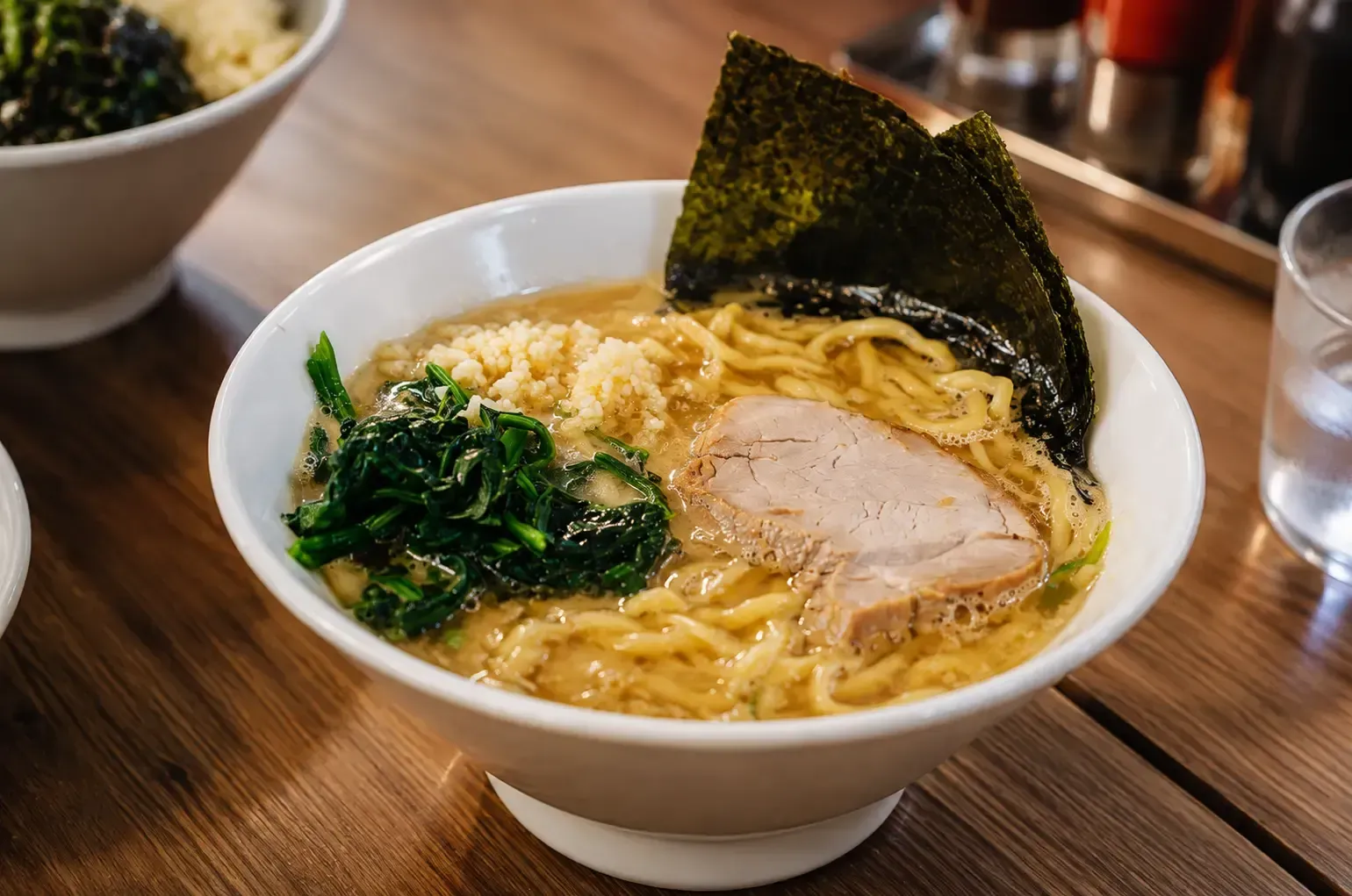
Bowl of ramen topped with a slice of chicken chashu, spinach, garlic, and nori seaweed.

Additional Thoughts and Tips

A fact worth noting is that Suparakki uses mineral water in its broth preparation, which some say helps create a cleaner taste and better texture. In addition, while gyoza is not a main feature on the menu, it is available and worth trying if you want a little extra to drink or nibble on.


The seaweed garnish adds a subtle hint of ocean freshness that complements the rich broth well. If you love traditional Japanese ramen, this spot offers a genuine taste of Japan at a fraction of the price.


One comment I often read in reviews is about the texture of the noodles, they can be a bit firm, which some might find off-putting, but I thought it added a nice bite that contrasted with the silky broth..

The Verdict: Is Suparakki Ramen Worth It?

So, is it worth the trip? If you want a refined, atmospheric ramen experience, this is not that. But if you crave a comforting, affordable ramen fix without burning a hole in your pocket, Suparakki delivers.


The Original Tonkotsu Ramen is the safe, satisfying choice, the ajitama egg is a quiet triumph, and the Dry Truffle Ramen is the one that surprised me most. I would happily come back, if only to raid another bowl of that sweet, truffled pork. I just hope they sort out those sticky tables before I do.


You're Ramen is always better to be paired with the best side dishes or even an actual dish, if you want to learn and discover your perfect pair, be sure to check out this article we made, Best Japanese Curry and Ramen Combos in Singapore.

Frequently Asked Questions

Where is Suparakki Ramen in Yishun? Suparakki Ramen is at North Point City, South Wing, on the basement level (#B2-154), in Yishun. You can walk there directly from Yishun MRT by heading down into the mall.


What are the opening hours? The Suparakki Ramen Northpoint outlet is open daily from 10.30am to 9.30pm.


What should I order at Suparakki Ramen? The bestselling Original Tonkotsu Ramen ($7.90++) is the obvious starting point. My personal favourite was the Dry Truffle Ramen ($6.90++) for its sweet, tender shredded pork. The Tonkotsu Gyokai Ramen ($8.90++) is worth a try if you enjoy a seafood-tinged broth.


Is Suparakki Ramen actually affordable? Yes. Bowls here sit under $10, which is roughly half the price of many ramen shops in Singapore, and the portions are generous for the price.


Does the broth contain MSG? No. Suparakki states its Hakata style broth is hard boiled for six hours to build a collagen rich flavour without adding MSG.


Is Suparakki Ramen halal? No, Suparakki is not a halal-certified eatery..

Recent Posts

A male chef facing backwards in kitchen area with visible smoke from cooking pan
By Jillian Garzia • October 2, 2026
An honest look at why "Chef's Special" ramen may be a margin strategy, and why you should judge the bowl, not the label.
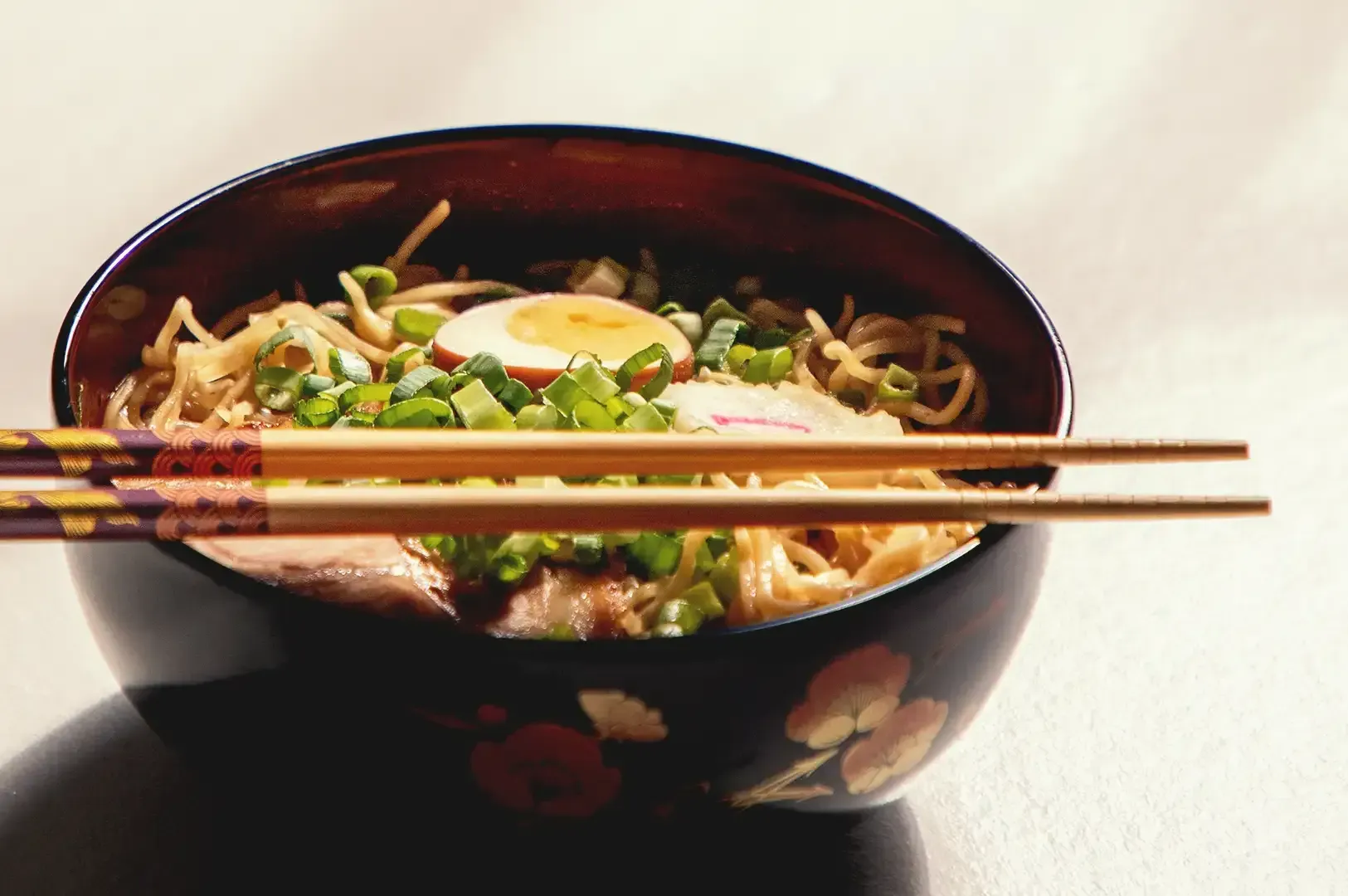
Ramen noodles with egg and pork meat garnished with spring onions in a black bowl with chopsticks
By Best Ramen Team • September 30, 2026
A first-person reflection on how ramen evolved beyond Japan, embracing new cultures and flavors as a gift of exchange, not a loss.
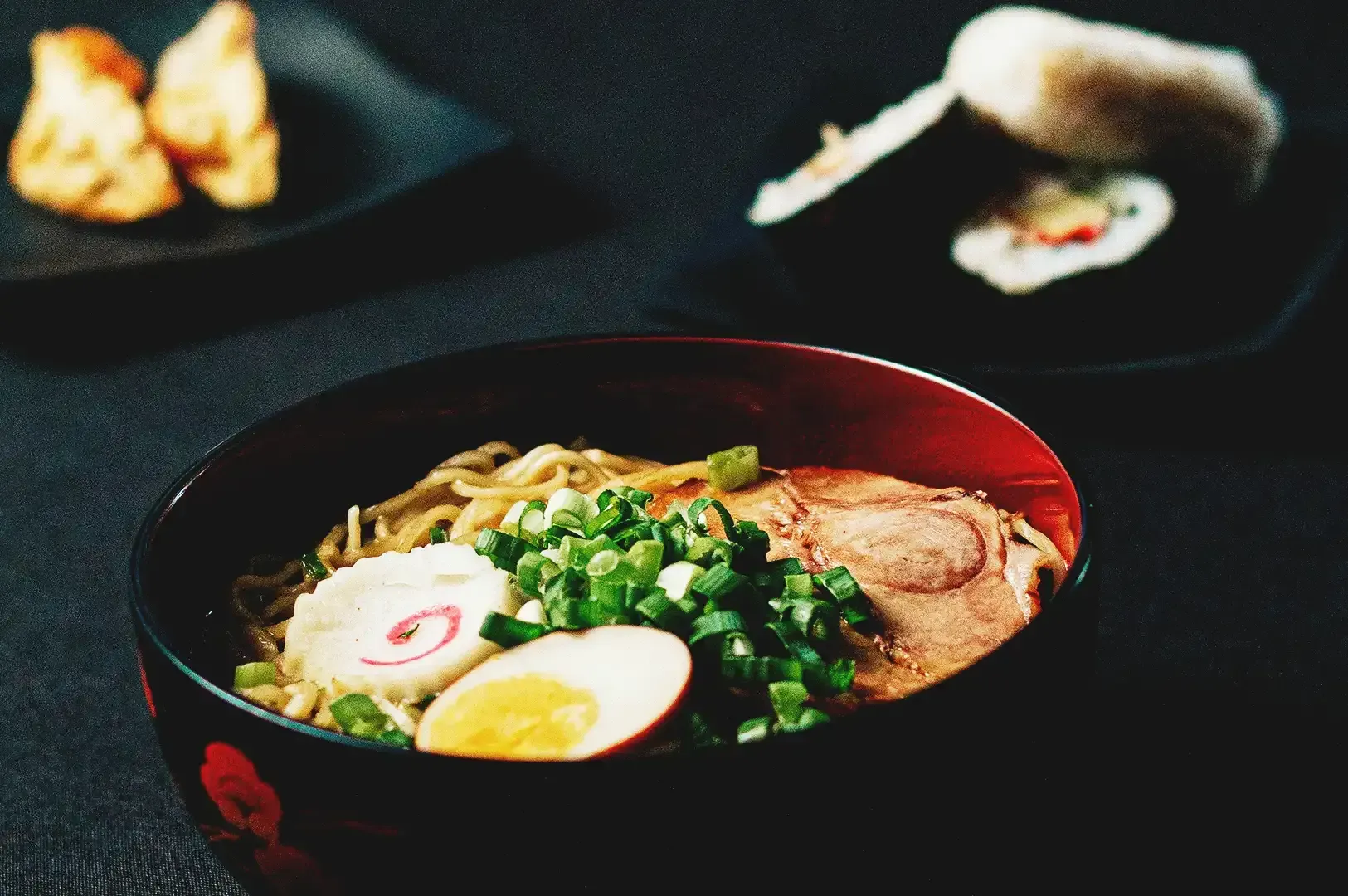
Ramen bowl filled with green onions, noodles, egg and pork meat with blurred sushi and dumpling
By Chloe C.L • September 29, 2026
Discover why ramen and sushi belong together — exploring Japanese food philosophy, flavour balance, and the craft behind the perfect pairing.
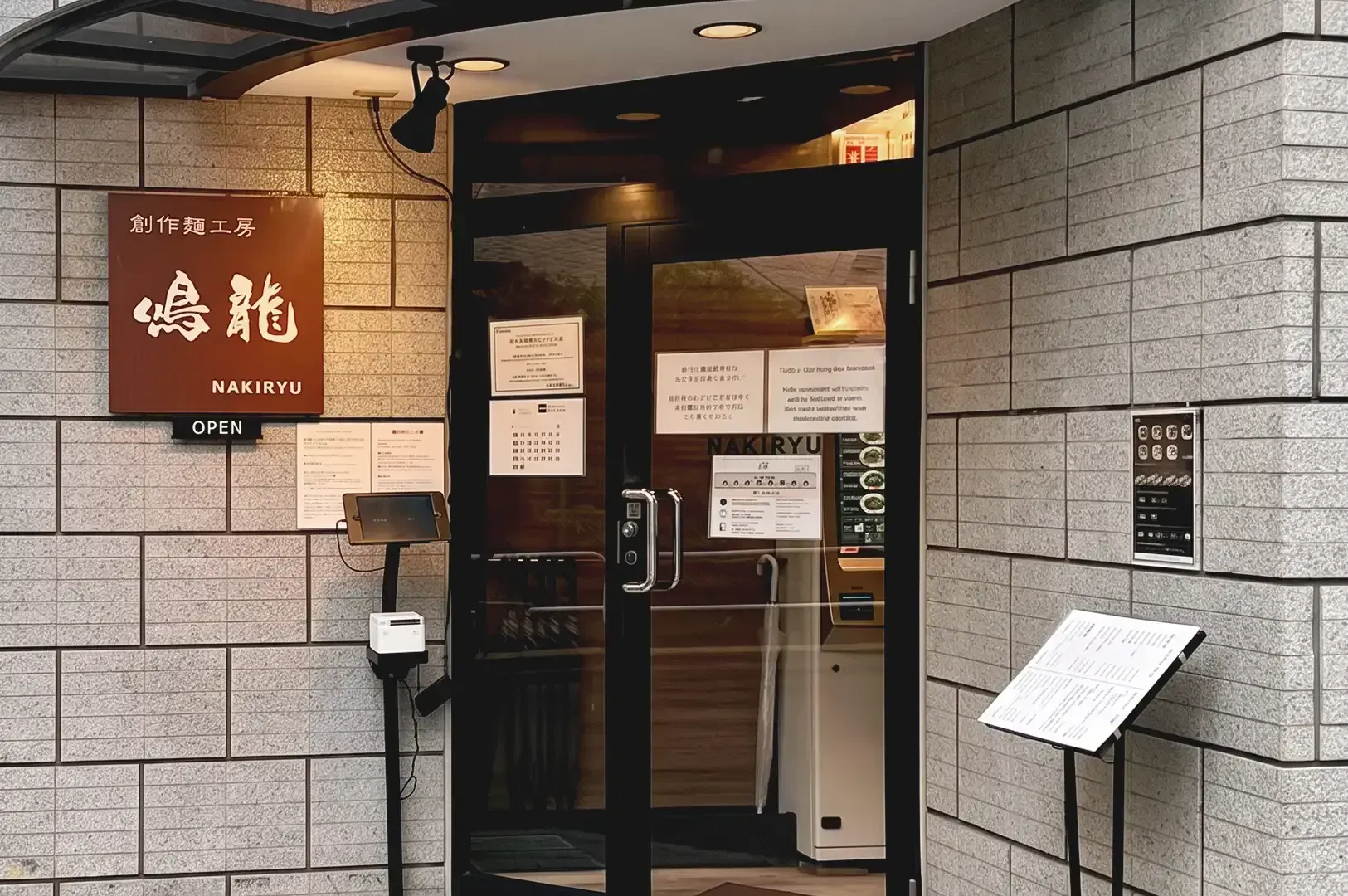
Modern storefront of Nakiryu Ramen with brown wooden signage written with Japanese letters and paper
By Jillian Garzia • September 28, 2026
Discover the best ramen and Dan Dan noodles at Nakiryu. Dive into flavors, tips, and must-try dishes. Read the article for your culinary adventure!
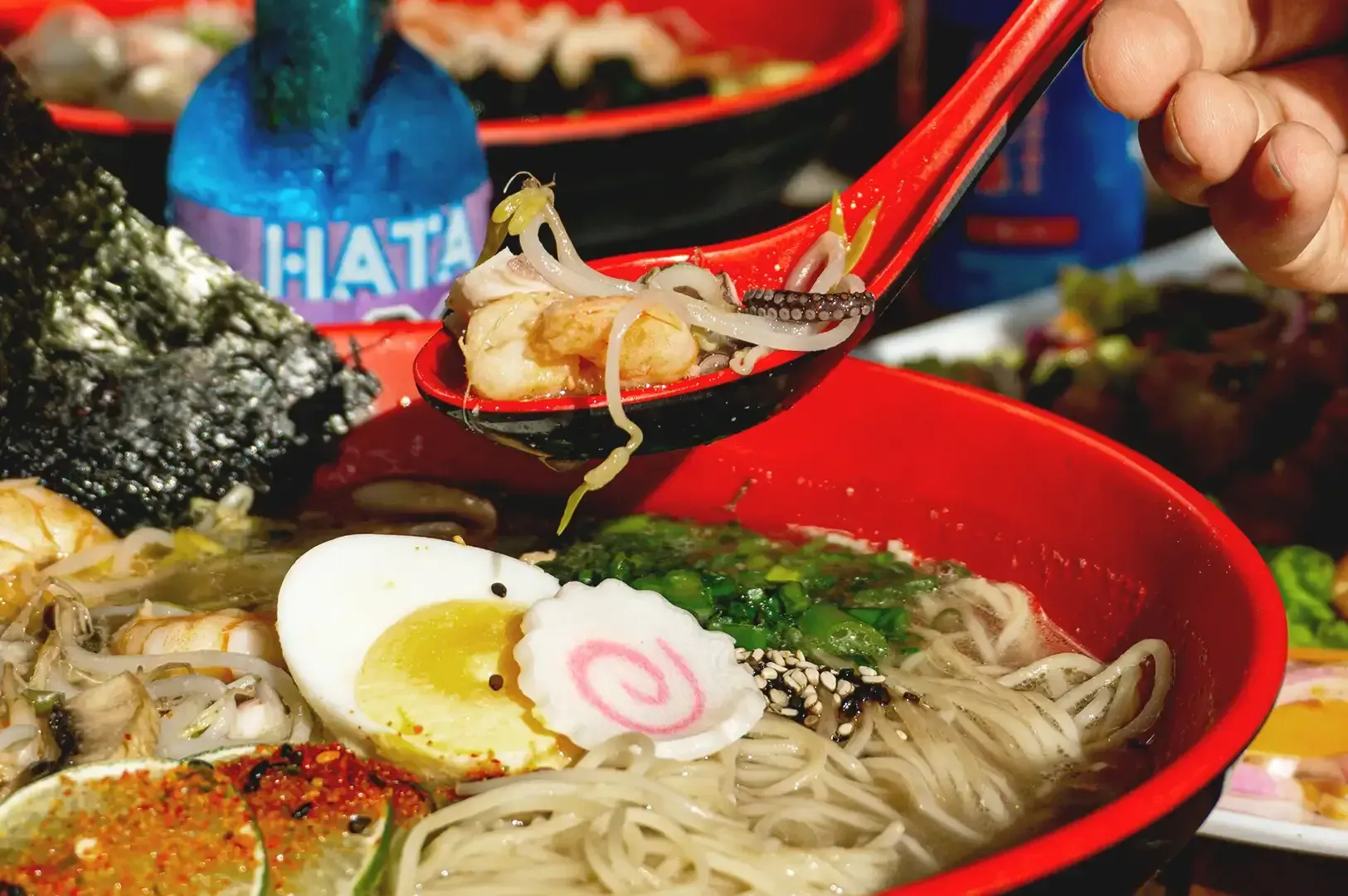
Spoon scooping a portion from the ramen bowl topped with egg, lime, mushroom, and seaweed
By Chloe C.L • September 25, 2026
A first-person ramen essay on why “premium” toppings don’t guarantee greatness, balance, technique, and harmony make a bowl truly great.
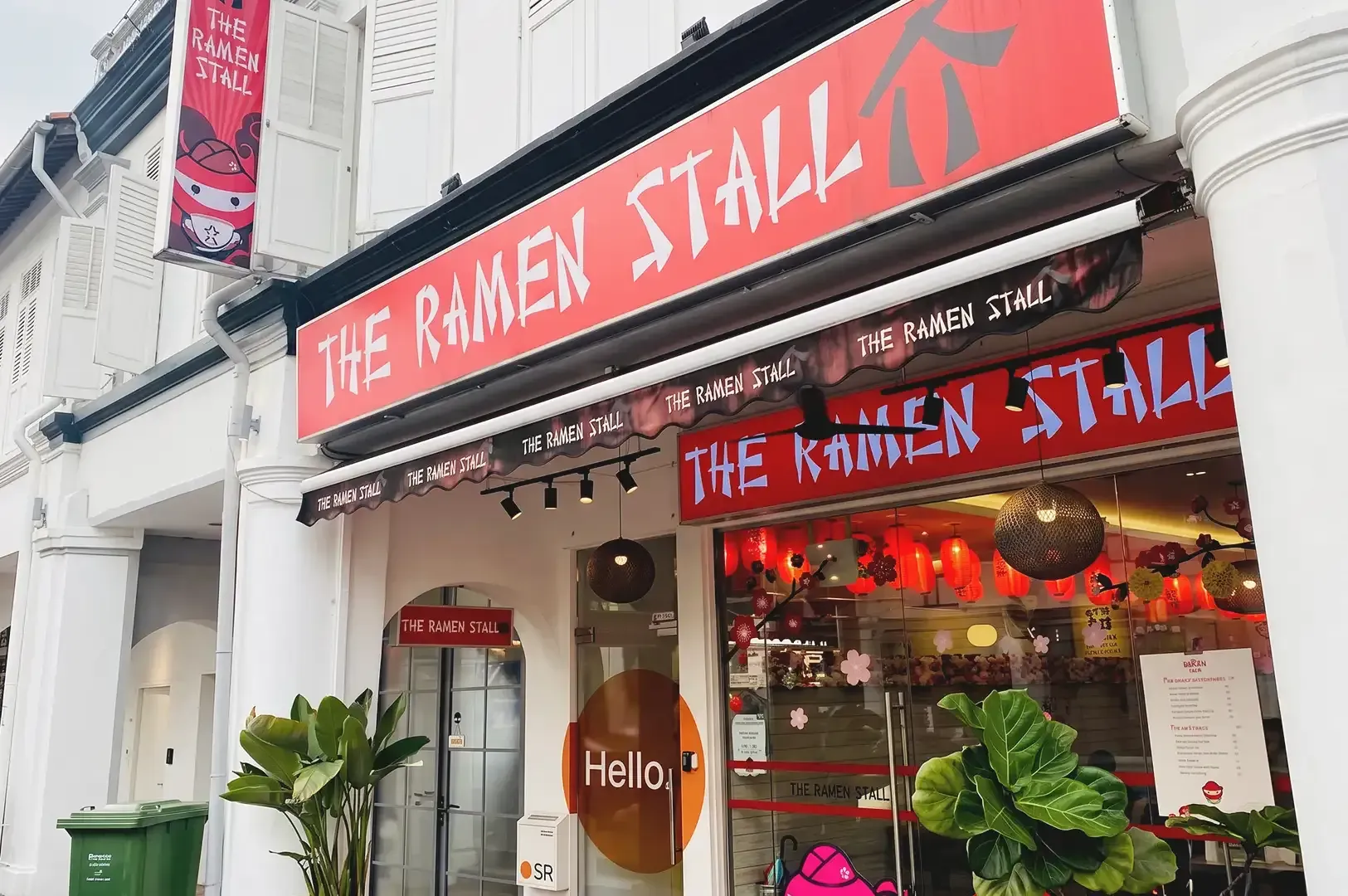
Ramen Stall storefront with red signages and peek of interior decorated with japanese red lanterns
By Chloe C.L • September 24, 2026
Explore the top dishes at the Ramen Stall on North Bridge Road, from rich broths to unique toppings. Dive into the flavors and find your favorite!