Nakiryu Ramen: Is This Former Michelin-Starred Ramen Worth the Tokyo Pilgrimage
I've queued for concert tickets, gallery openings, and the occasional pastry drop, but I never expected to plan an entire morning around a bowl of noodles. Then again, Nakiryu ramen restaurant isn't just any ramen shop. This tiny spot in Tokyo, Japan, earned a Michelin star back in 2017, and Nakiryu earned a Michelin star in 2017 and retained Michelin recognition for years. It no longer holds a star, and is currently listed as a Bib Gourmand in the Michelin Guide.
I arrived curious, a little skeptical, and honestly starving. What follows is my honest take.

Finding Nakiryu Near Shin Otsuka
Nakiryu sits at 2-34-4 Minamiotsuka in Toshima City, tucked into the ground floor of the SKY Minamiotsuka building. It's an easy walk from Shin-Otsuka station on the Marunouchi Line, and Otsuka station on the JR Yamanote Line is close enough too. Neither neighborhood screams tourist destination, which is part of the charm. You're wandering a quiet pocket of Tokyo, and then suddenly there's the line.
And there is always a line. Nakiryu now runs a ticketed return-time system. Starting at 8am on business days, staff assign you a designated time to come back and eat. This is a gift compared to the old days of standing for a couple of hours, so I'd suggest arriving early to grab your slot, then filling the gap with coffee somewhere nearby.
The shop keeps limited hours, Current listings show Nakiryu open Monday through Saturday from 11am to 3:30pm. It is closed Sundays and public holidays. Same-day numbered-ticket registration begins at 8am..

First Impressions of a 12-Seat Shop

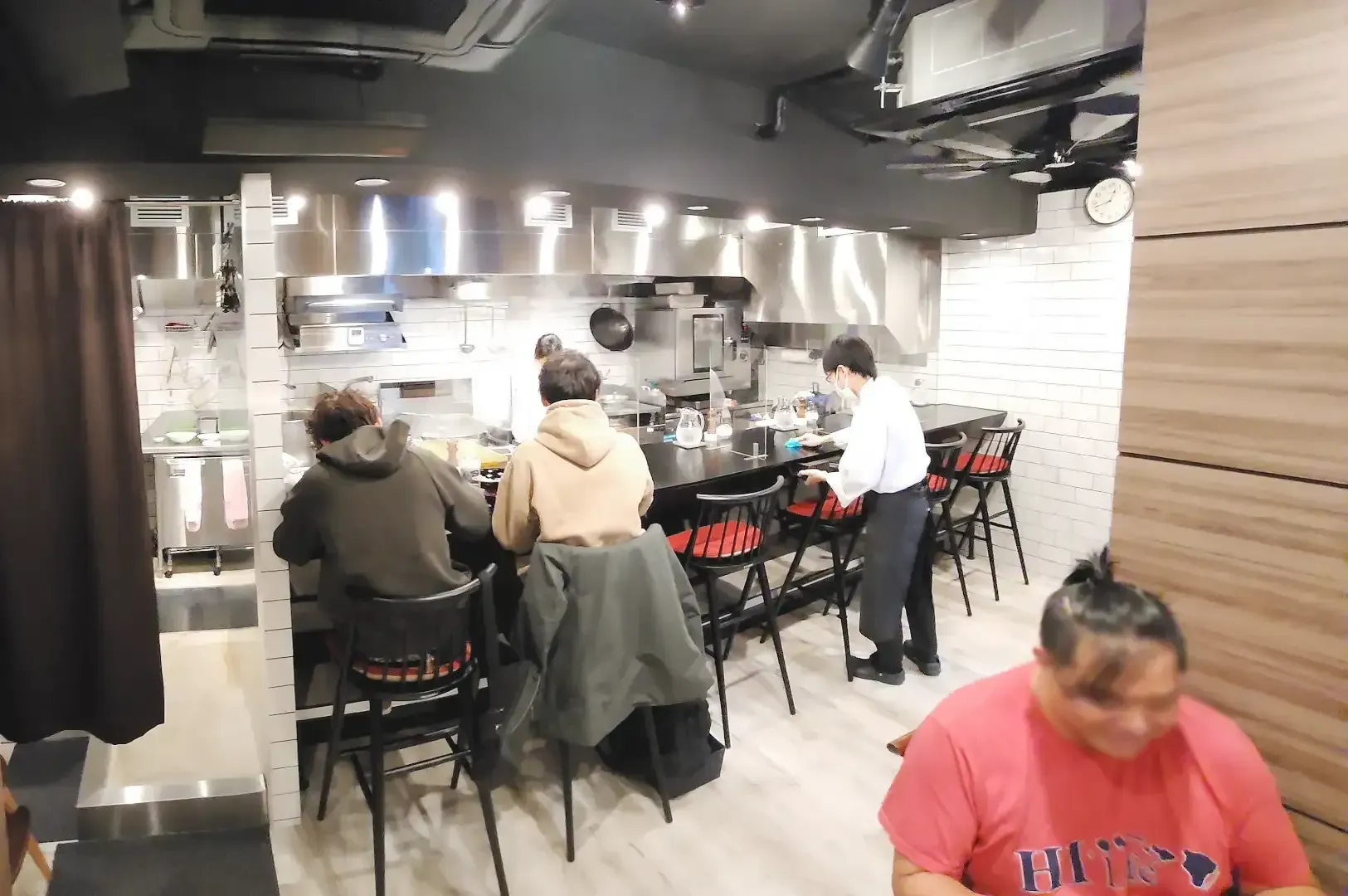
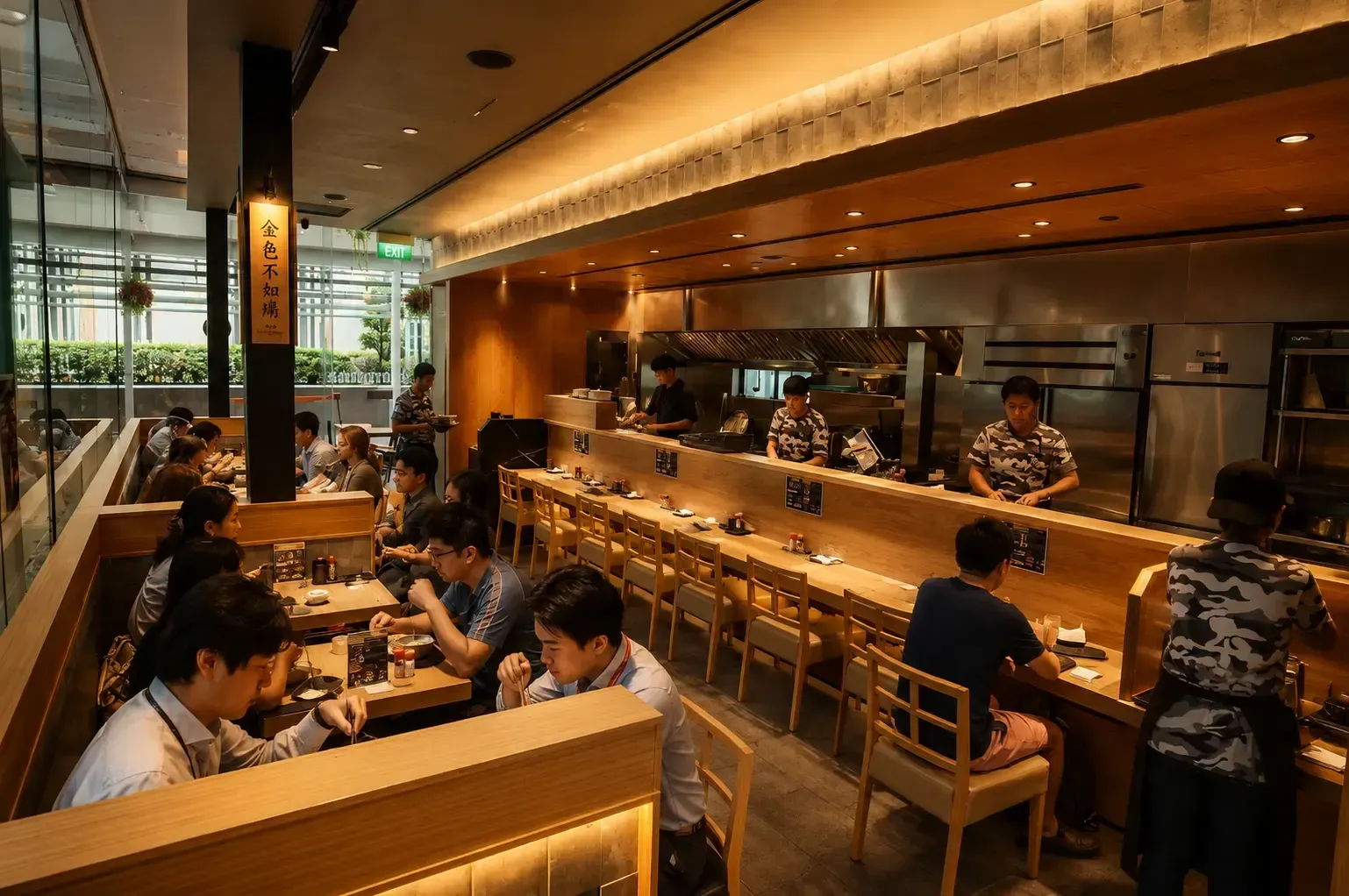
Nakiryu ramen is small. Really small. Nakiryu remains a very small shop, with current listings showing 12 seats. When I finally stepped inside, I felt like I'd been let into someone's kitchen rather than a famous restaurant.
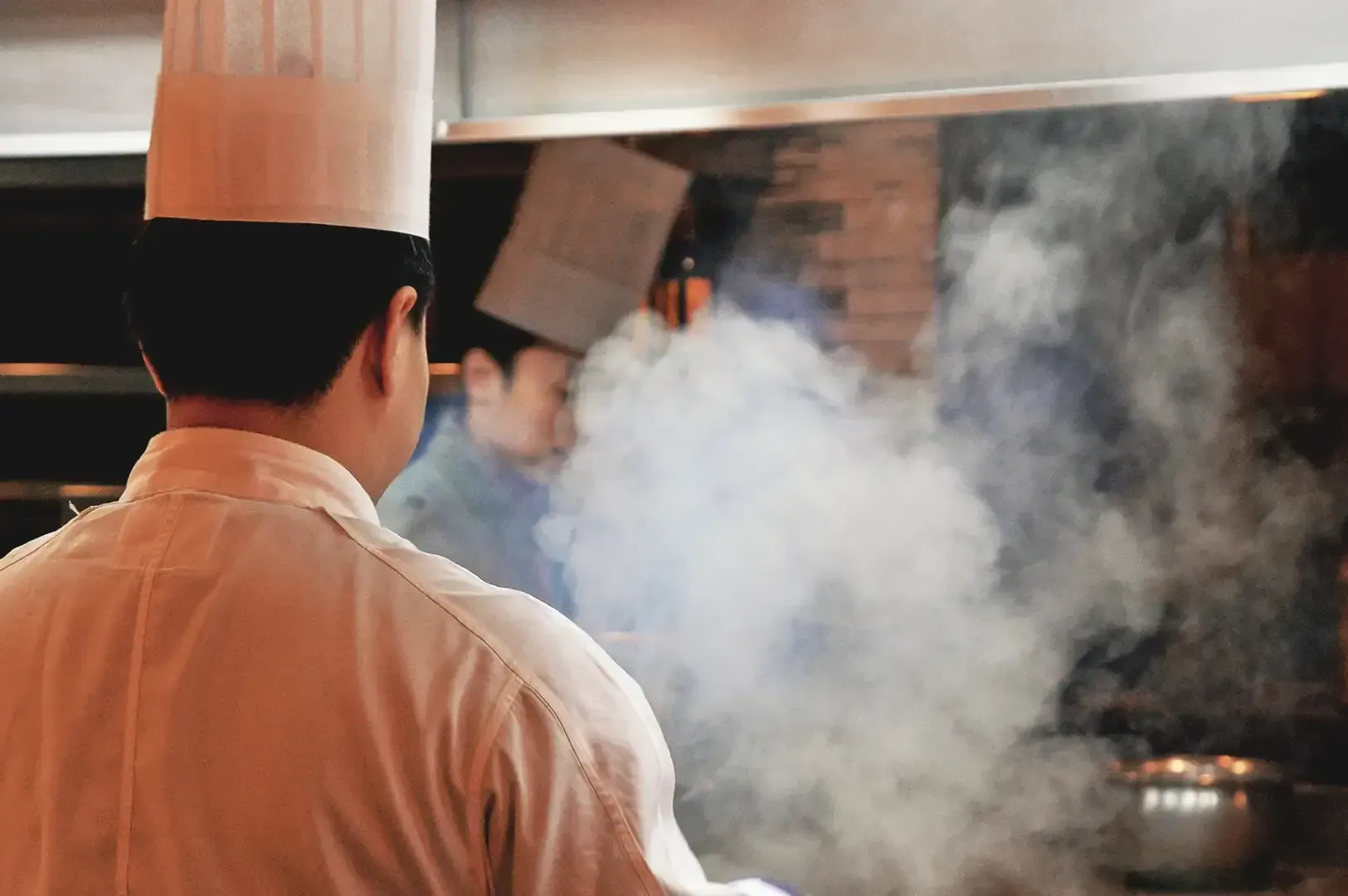
That closeness is the appeal. You watch the chefs work with quiet precision, ladling soup and arranging toppings with the kind of focus that made me want to sit up straighter. There's no music competing for attention, no theatrics. Just the clink of bowls and the soft hum of concentration.
Ordering happens at a cash-only vending machine, and here's my one non-negotiable tip: bring cash. English guidance is available, which makes ordering easier for international visitors. You press your choices, collect your tickets, and hand them to the chef once you're seated at your table. Each person orders one bowl, though most menu items let you add an extra serving of noodles if you're truly hungry.
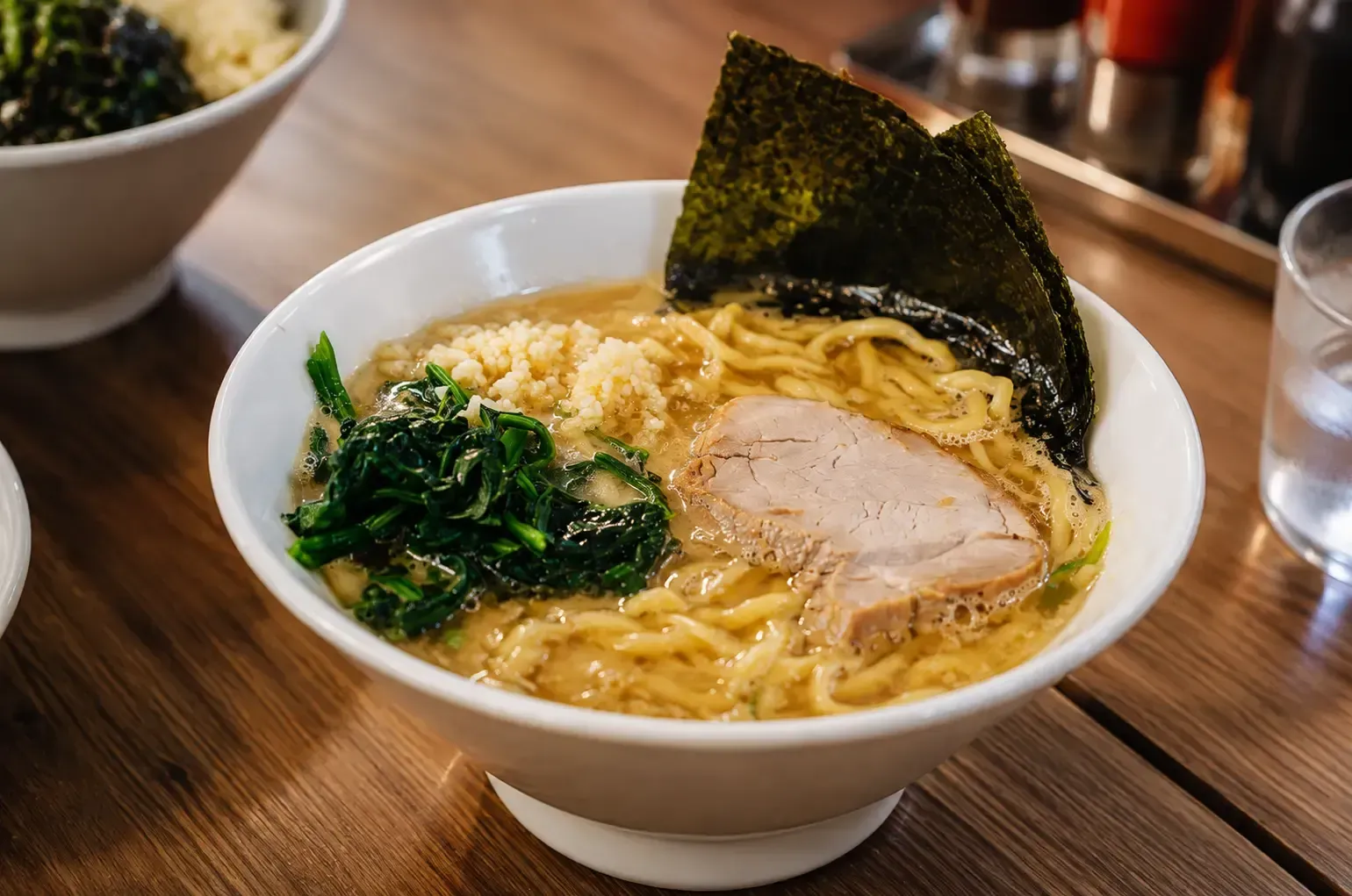
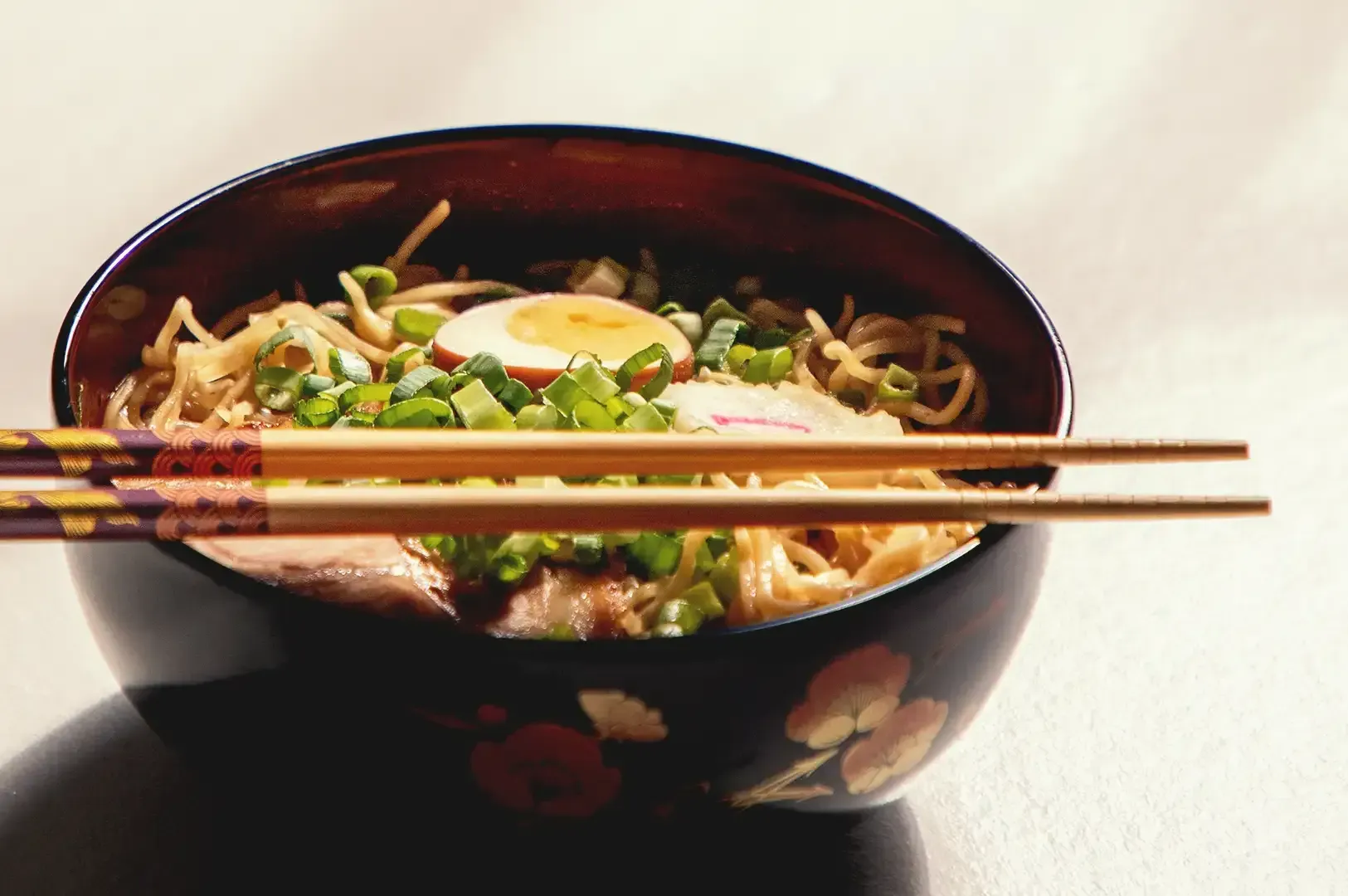
The noodles had a firm, springy bite, thin and straight, the kind that push back before giving way. These noodles are produced in house daily to ensure freshness and perfect texture. They held their texture even as I slowed down, which matters more than people give it credit for.
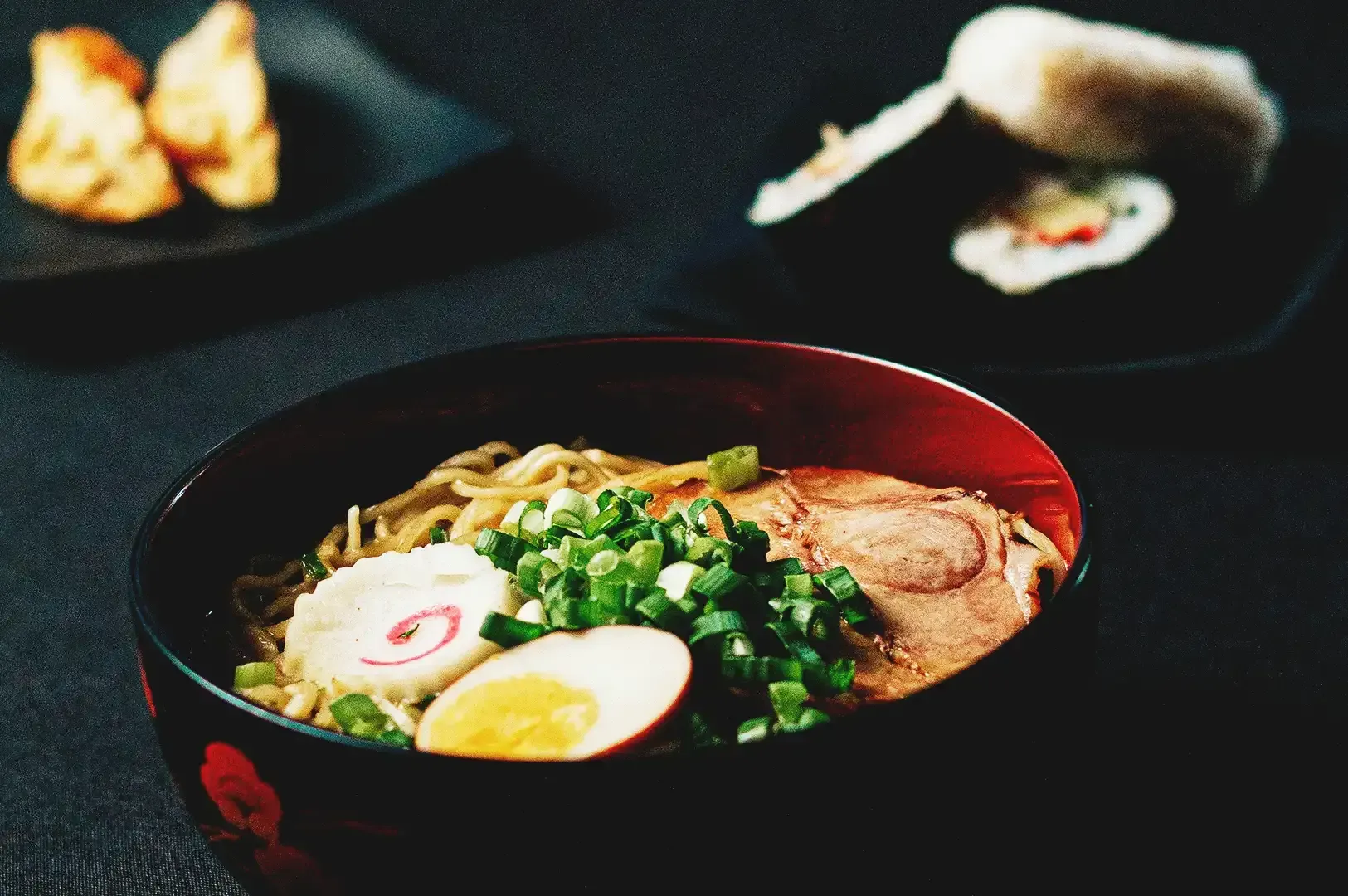
The torched charshu slices were tender, with a soft band of fat that loosened in the heat. It didn't try to be the star. It let the broth stay the centre of things.
The truffle onsen egg was close to perfection. The yolk sat just shy of jammy, stained amber from the marinade, and it spilled slowly into the soup when I cut it. A small, satisfying thing. The kind that tells you a kitchen pays attention when nobody's watching.
The Ramen at Nakiryu
Now for the reason anyone endures the queue. Nakiryu's menu items revolve around a handful of ramen, and each one tells a slightly different story. I came determined to taste the famous ones, so I focused on the signature tantanmen, the surprising sanramen, and the tantanmen tsukemen that keeps getting whispered about.
What ties them together is the broth. Michelin has described Nakiryu’s soups as built primarily around whole chicken, with ingredients including beef bones, vegetables, dried fish and raw oysters. It's a rich broth without being heavy, and the seafood element gives it a rounded savoriness you rarely find in soy sauce ramen. The thin noodles are the perfect vehicle, delicate enough to carry the soup into every bite.
The Signature Tantanmen (¥1,300)

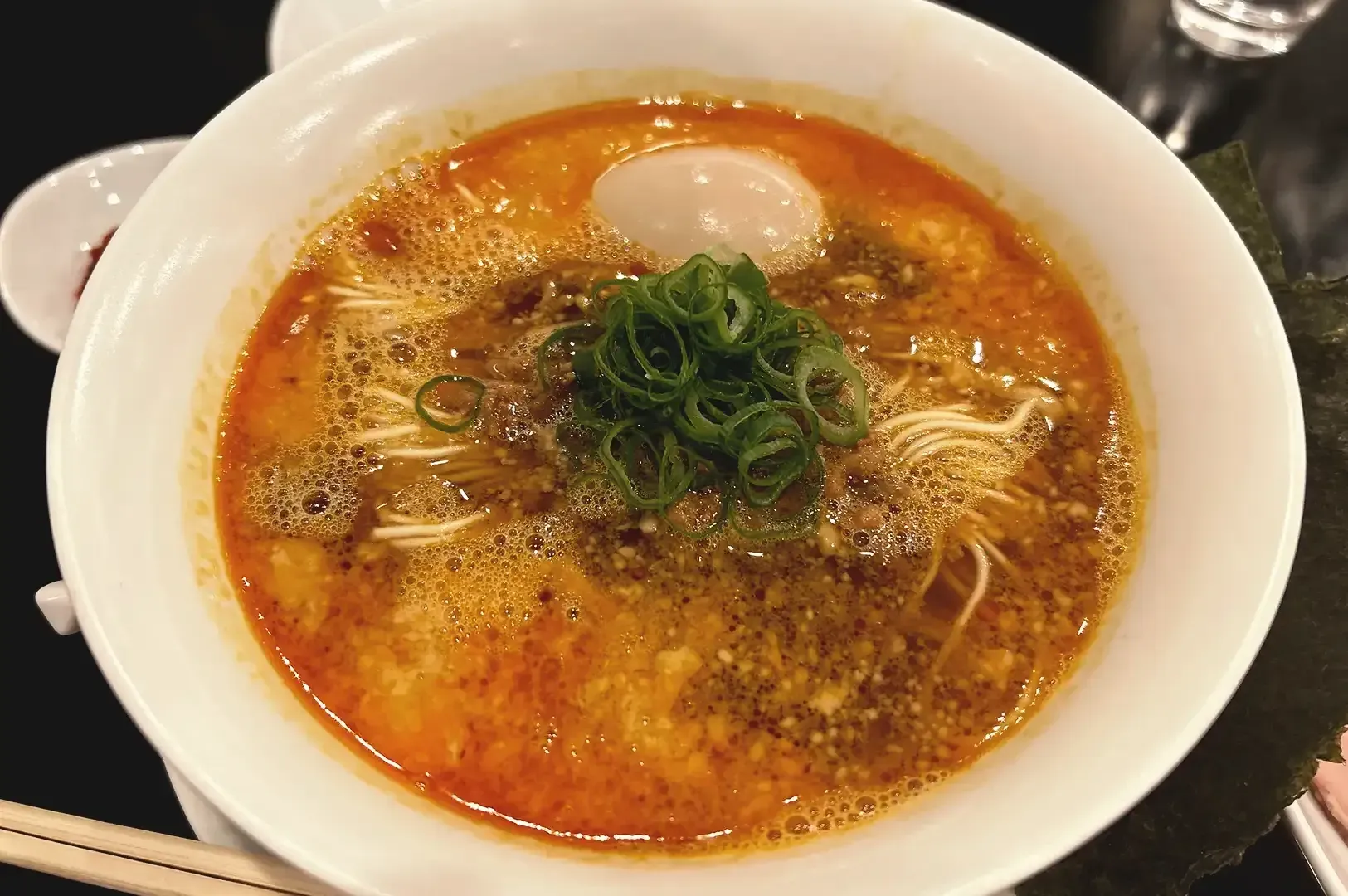
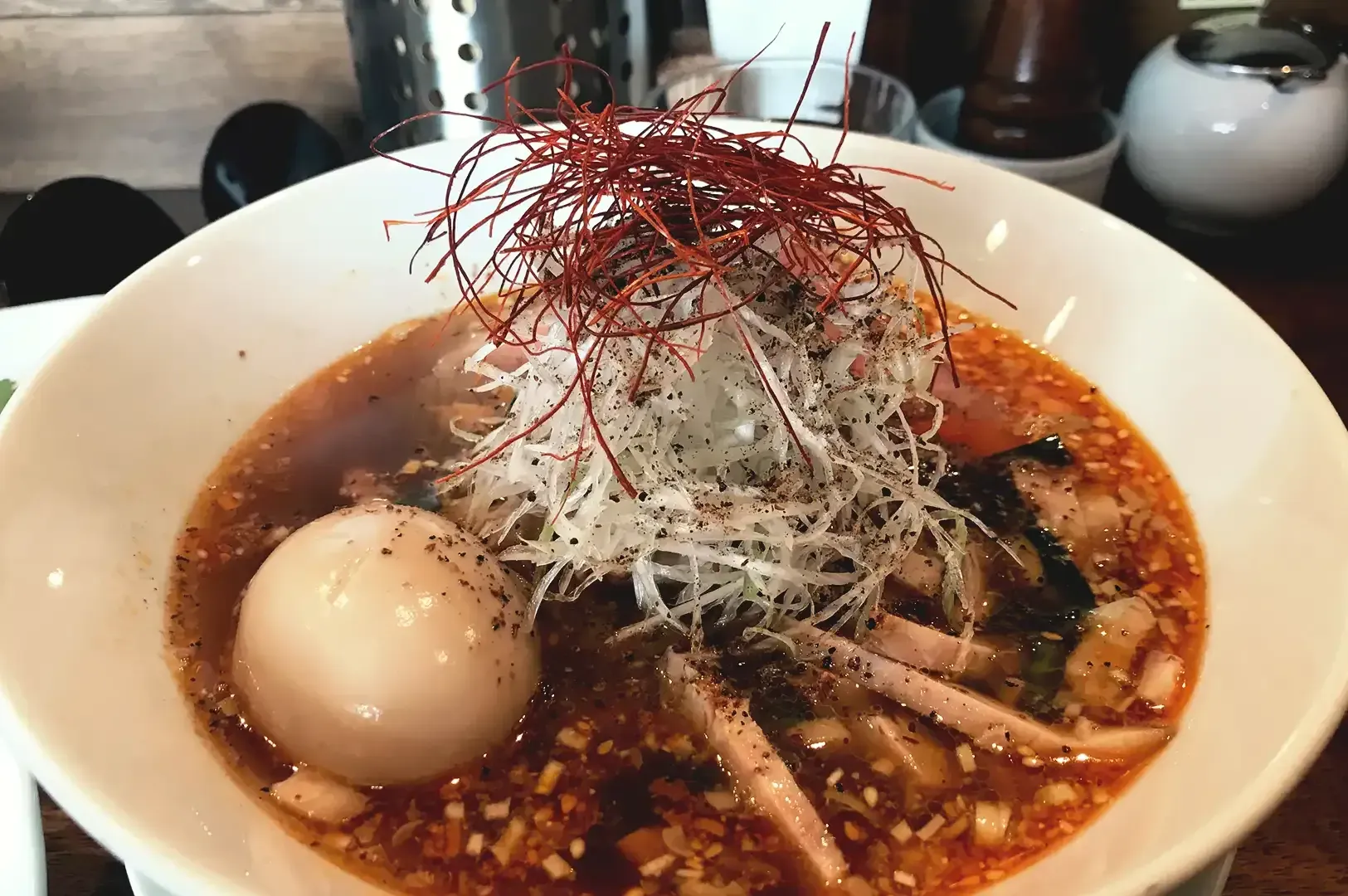
The tantanmen is Nakiryu's best seller, and I understand the devotion. At ¥1,300, it's almost absurd value for a bowl this refined. Raiyu chili oil and sesame paste float across the top, sitting over a lighter chintan broth beneath. A touch of black vinegar gives it a whisper of sourness, while minced pork lends real meatiness.
I'd been braced for aggressive heat, but the spiciness was gentler than expected, more warmth than fire. Bits of chopped green and white negi (spring onions) add freshness, and the thin noodles pick up that nutty, sesame-laced soup beautifully. If you crave more punch, there's a spicier version for a small upcharge.
I added a soy-marinated egg, thin-sliced chashu and coriander. The egg's yolk stayed slightly runny, folding extra richness into the soup, and the pork was so thin and buttery it practically dissolved. With coriander (¥150) on the side.on the side.
The Sanramen (¥1,300)

The sanramen was my unexpected favorite. At ¥1,300, it's a sour and hot ramen, and it arrived looking genuinely gorgeous, the kind of bowl you photograph before you dare disturb it. The flavor is an explosive mix of tart and spicy, bright in a way that woke up my whole palate.
One thing to note: I added the braised pork slices here as well, and the fatty, savory meat balanced the sharp, tangy soup nicely. If you tend toward one bowl and want maximum drama, this is the one I'd steer you toward.
The Tantanmen Tsukemen (¥1,500)

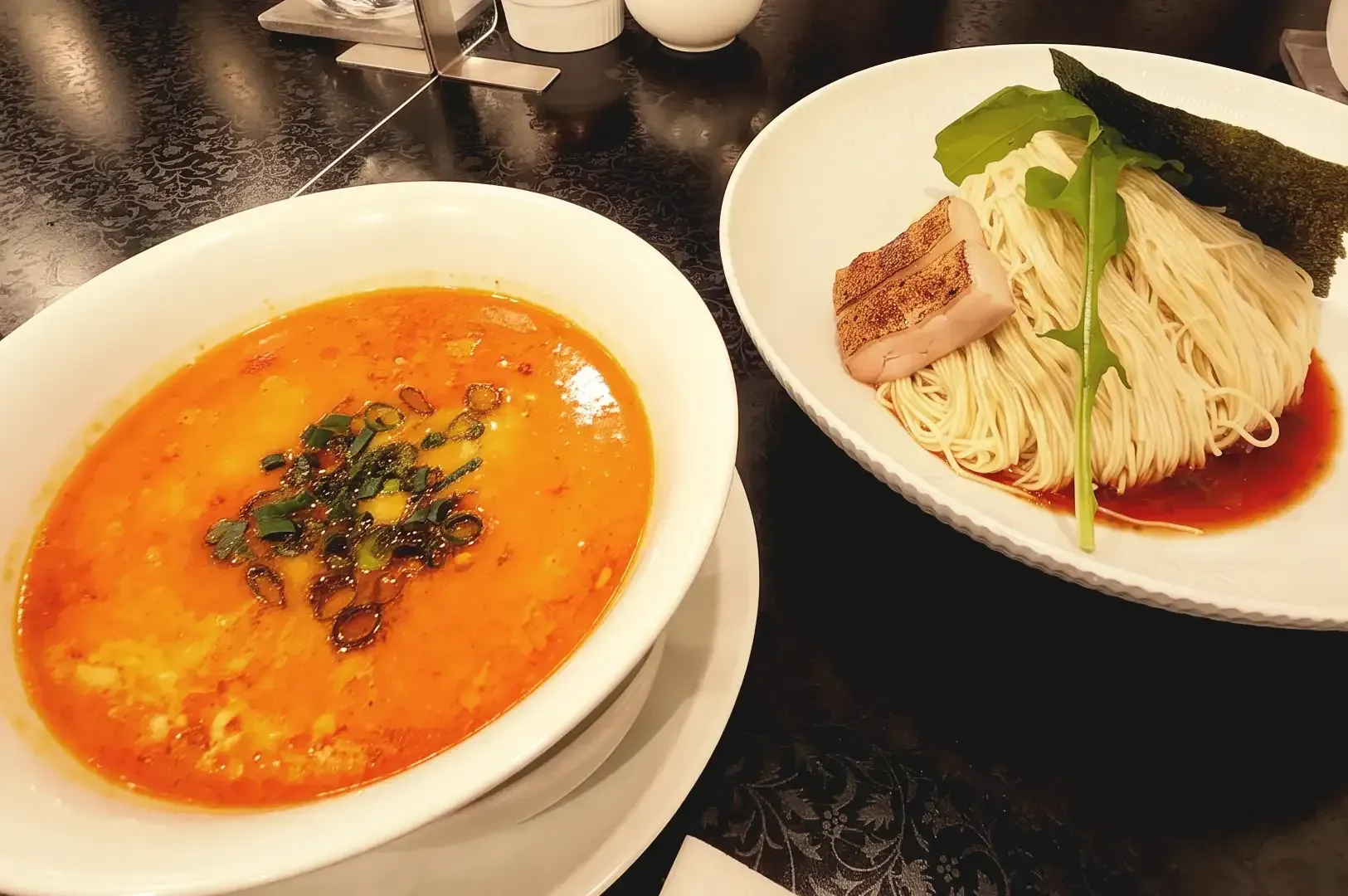
The tantanmen tsukemen takes that beloved signature soup and reworks it into dipping form. The noodles arrive separately, resting over a subtle base of tomato that adds a refreshing acidity against the rich broth. Instead of minced pork, you get fatty pieces of broiled pork, plus a sheet of seaweed and a stalk of green that feel unique to this dish.
The noodles hold even more of their firmness here, since they aren't sitting in hot soup. Dipping each bite lets you control the intensity, and that tomato brightness kept the whole thing from feeling too heavy. It's a clever, satisfying variation.

The noodles had a firm, springy bite, thin and straight, the kind that push back before giving way. These noodles are produced in house daily to ensure freshness and perfect texture. They held their texture even as I slowed down, which matters more than people give it credit for.
The torched charshu slices were tender, with a soft band of fat that loosened in the heat. It didn't try to be the star. It let the broth stay the centre of things.
The truffle onsen egg was close to perfection. The yolk sat just shy of jammy, stained amber from the marinade, and it spilled slowly into the soup when I cut it. A small, satisfying thing. The kind that tells you a kitchen pays attention when nobody's watching.
A Word on the Shio Ramen and Other Options
If you have the appetite for a return trip, Nakiryu's other bowls deserve attention too. The shoyu ramen leans on a beautiful whole-chicken flavor deepened by rich pork fat, with green negi (spring onions) and hidden menma (bamboo shoots) below. The shio ramen is softer and lighter, blending more fish into a soup said to hold over 20 ingredients, including salt and dried garlic, with little bits of dried garlic giving it a quiet punch. Both share those same lovely thin noodles..

Brothers Ramen: The Signature Bowl
Side Dishes, Rice, and Drinks

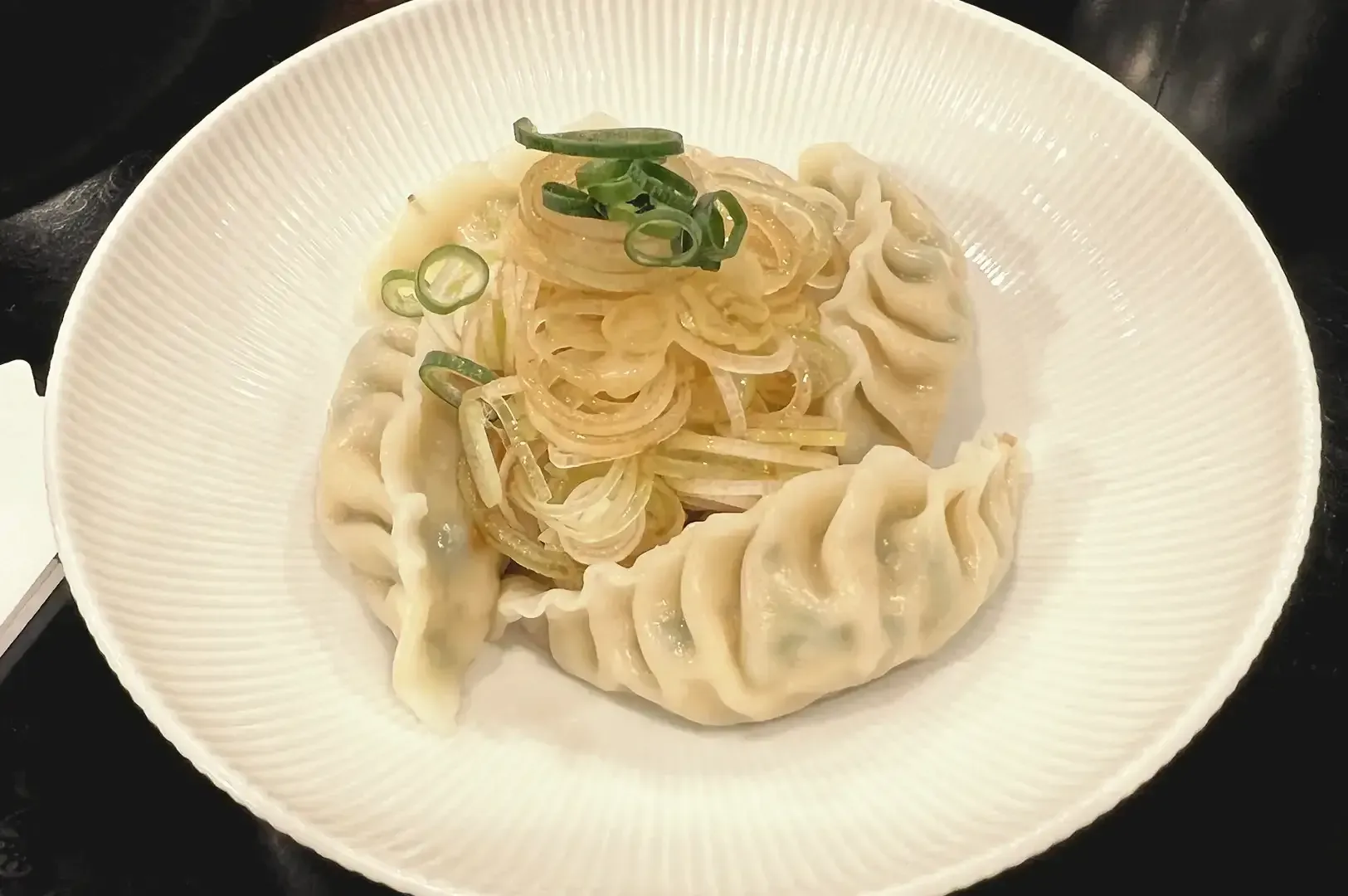
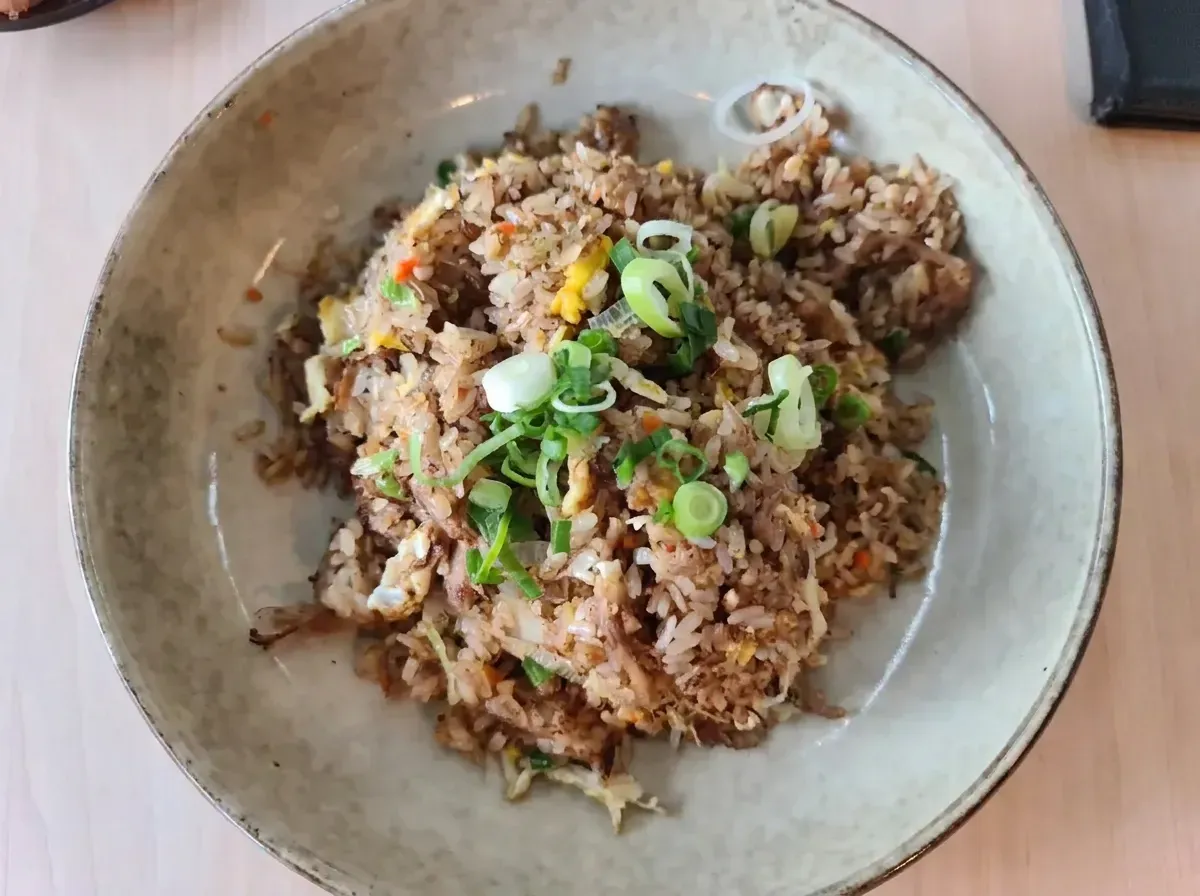
To complement the ramen, Nakiryu offers side dishes like char siu rice bowls and shrimp wontons. The rice is served in small portions, perfect for pairing with your ramen without overwhelming. Drinks include shochu in various styles, including oolong and green tea mixes, adding a refined touch to the meal course..
Service, Value, and Practical Tips
Service here is efficient rather than chatty, and that suits the setting. The chefs are clearly craftspeople, and watching them assemble each bowl is part of the meal. Pacing is brisk once you're seated at your table, which makes sense in such a small 12-seat room.
A few practical notes worth remembering:
- Bring cash. The vending machine won't take cards.
- Arrive early to claim a return-time ticket, ideally around when they start at 8am.
- Check the day. It's closed Sunday and public holidays, with limited lunch hours on Wednesday.
For value, a ¥1,300 bowl from a restaurant with Nakiryu’s Michelin pedigree remains remarkably accessible by Tokyo fine-dining standards.
The Verdict: Worth the Pilgrimage?
So, is Nakiryu worth it? If your Tokyo time is tight and you only want a quick, delicious bowl, there are excellent tantanmen spots with no wait at all. But if you want the full experience, the queue, the tiny room, the quiet mastery, then yes. This is a proper tantanmen pilgrimage, and the food more than earns its reputation.
I walked out satisfied in that rare, complete way. The signature bowl to order is the tantanmen, but the sanramen stole a little piece of my heart. Go curious, go hungry, and let the broth make its case..


Frequently Asked Questions
Where is Nakiryu located?
Nakiryu is at 2-34-4 Minamiotsuka, Toshima City, Tokyo, on the first floor of the SKY Minamiotsuka building. It's near Shin-Otsuka station on the Marunouchi Line and Otsuka on the JR Yamanote Line.
What should I order at Nakiryu?
The signature tantanmen is currently around
¥1,300 is the best seller and the obvious first choice. The sanramen is currently around
¥1,300 is a gorgeous sour-and-hot option, and the tantanmen tsukemen is a standout dipping variation.
How does ordering work?
You buy tickets from a cash-only vending machine, so bring cash. The machine offers English translations, Japanese, and Chinese. Nakiryu also uses a ticketed return-time system that starts at 8am on business days.
Is Nakiryu still a Michelin star restaurant?
Nakiryu earned a Michelin star in 2017 and held starred status for several years. It no longer has a Michelin star and is currently listed by Michelin as a Bib Gourmand ramen restaurant
When is Nakiryu open?
Current service starts at
11:00am, not 11:30am. The numbered ticket slots begin at 11:00 and continue every 30 minutes through 3:30pm. Registration still begins at
8:00am.
Have you made the trek to Nakiryu, or is it still on your Tokyo list? Tell me which bowl you'd order first. Also, check out their Facebook page and official site for photos and updates drawn from the world of ramen enthusiasts.
Final Thoughts
The Ramen Stall is more than just a place to eat; it's a community spot where people come together to share good food and good company. Whether you ate alone or with friends, the experience is designed to be satisfying and memorable. From the rich, slow-simmered broth to the diverse menu featuring seafood and fresh ingredients, every detail is crafted to delight.
So next time you think about ramen in Singapore, remember The Ramen Stall, a place where tradition meets innovation and where every bowl tells a story of care, patience, and flavour..