The first bowl of
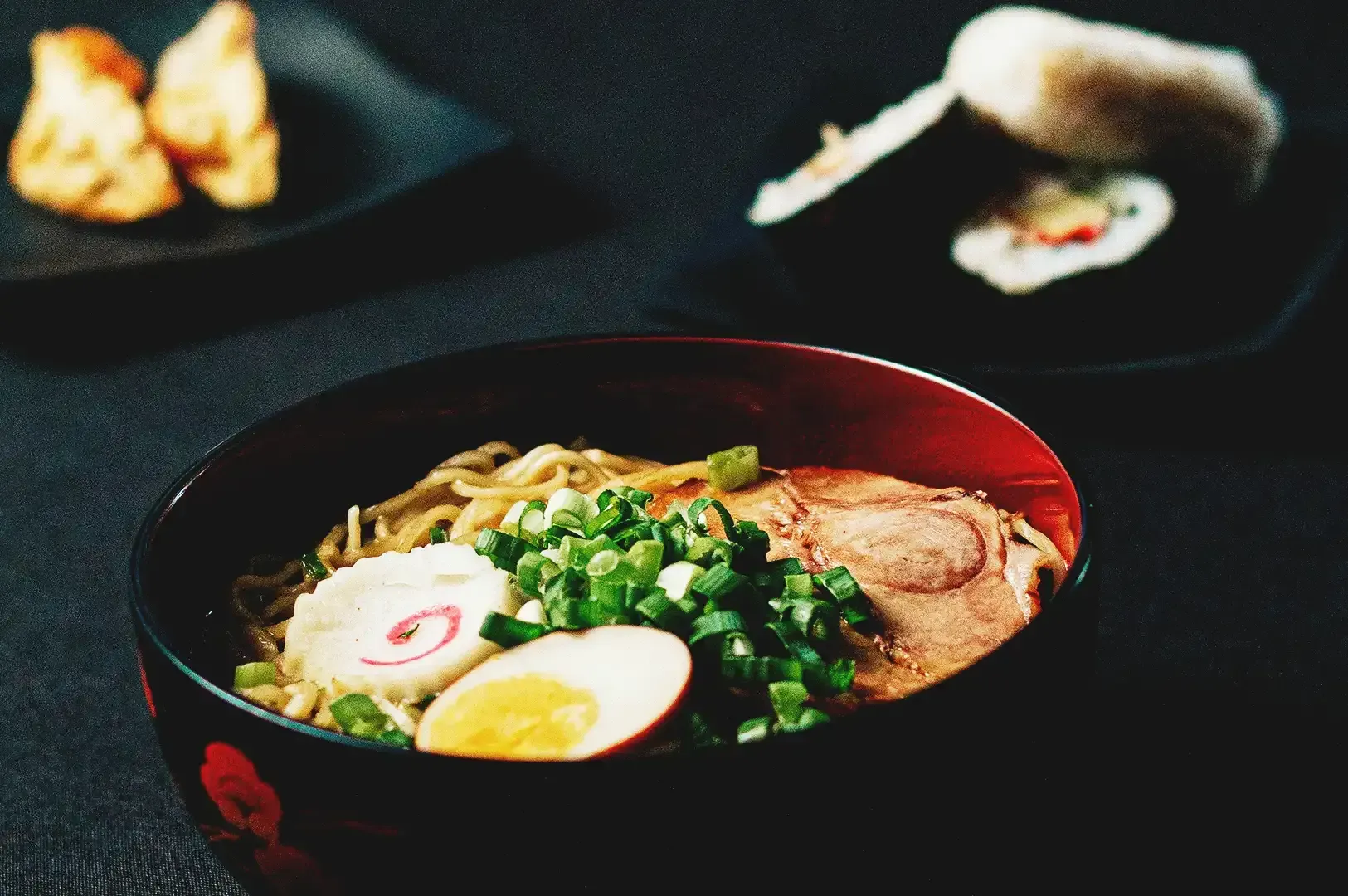
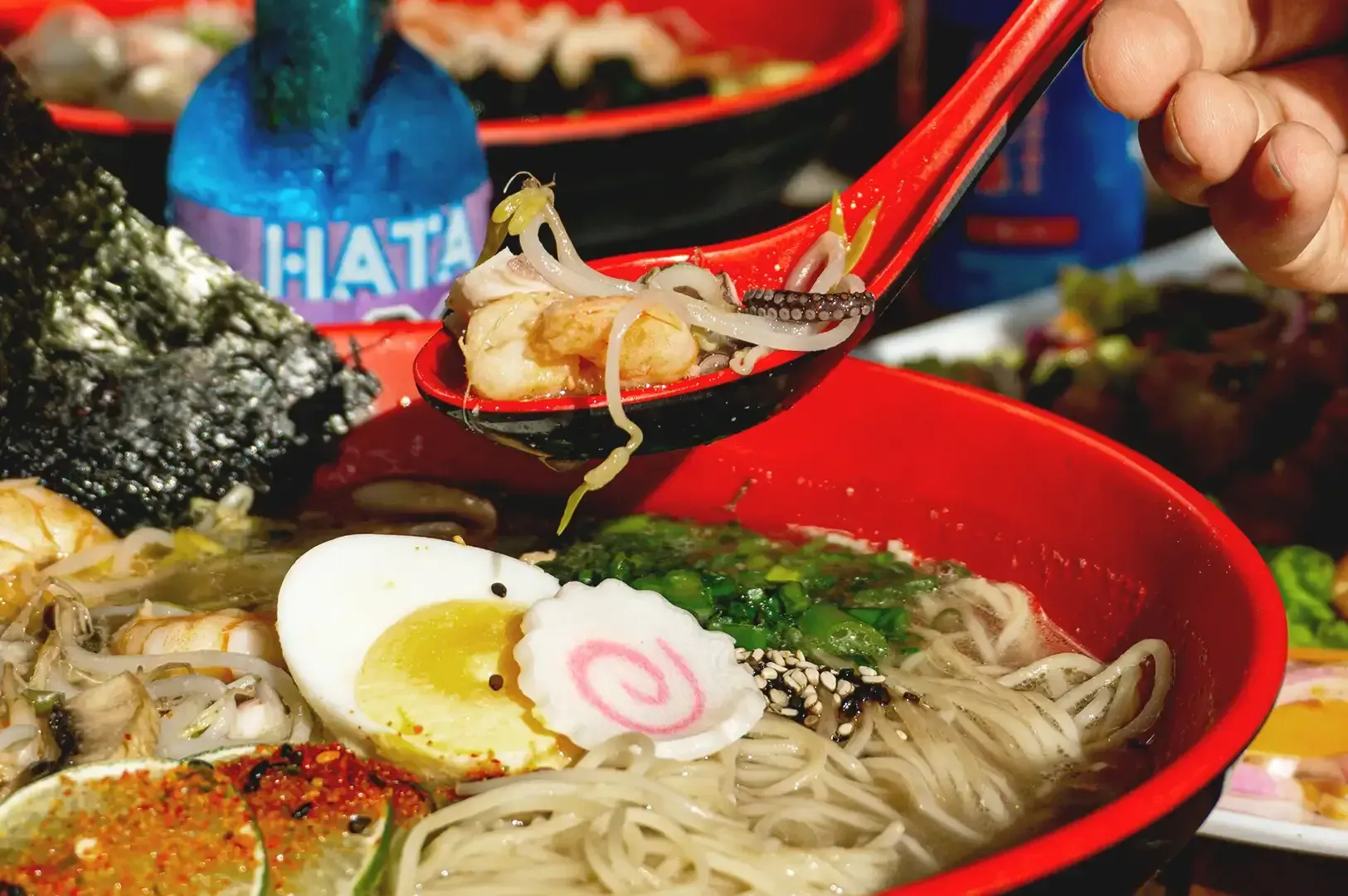
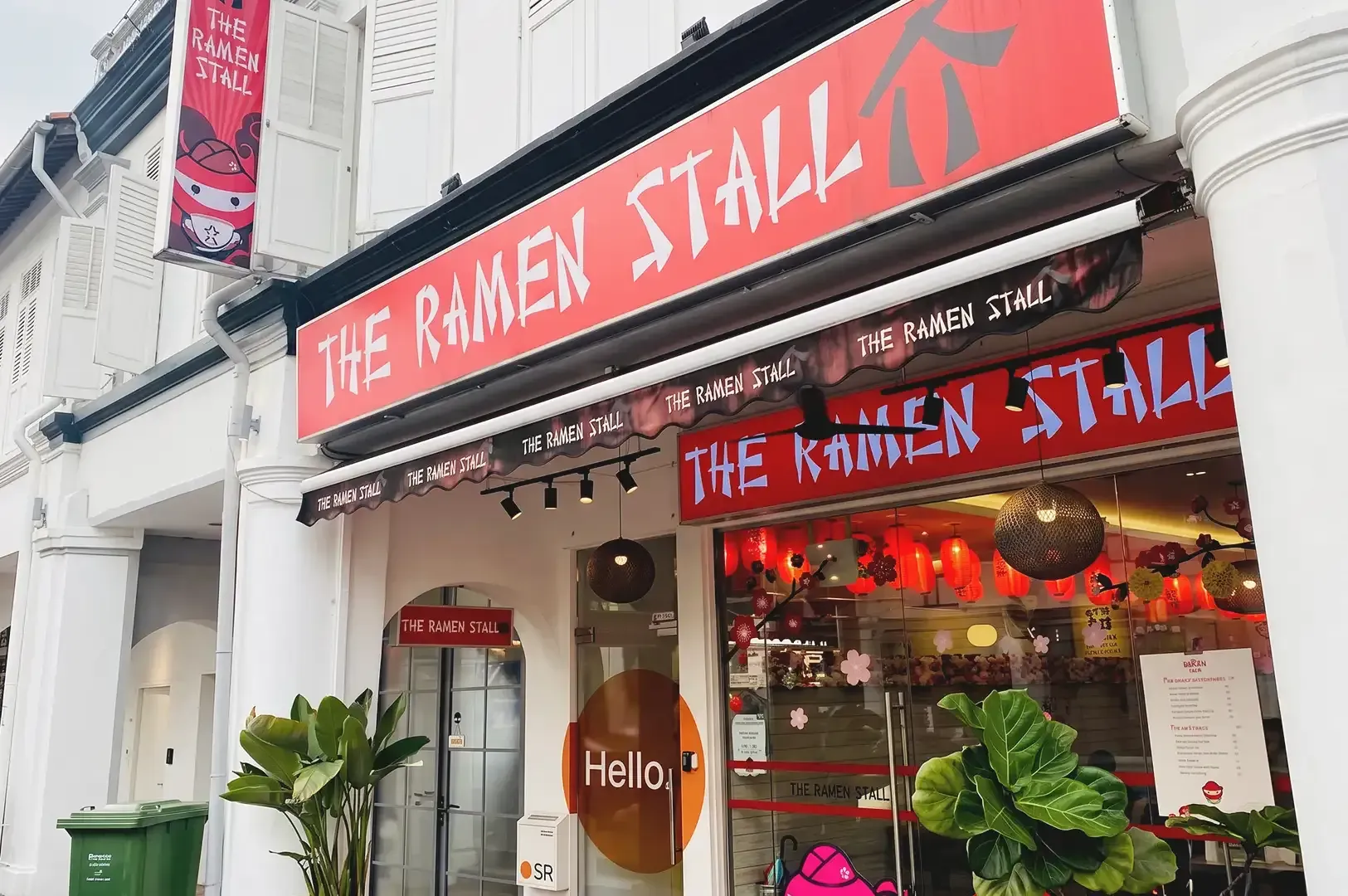
ramen that truly stopped me in my tracks wasn't in Tokyo. It was in a tiny shop far from Japan, where the cook had folded in a local chili paste that made the whole thing hum with heat. I remember thinking: this isn't wrong, this is alive.
What fascinates me about ramen is how willingly it travels. It has never been a museum piece. Ramen itself grew from Chinese wheat noodles reworked on Japanese soil, so adaptation is baked into its very DNA. When it crossed more borders, it kept doing what it has always done: listening to the place it landed in.
I've noticed that every region seems to leave a fingerprint. Somewhere along the way, coconut broth softened the richness of
tonkotsu. Elsewhere, cooks swapped pork for chicken, mushrooms, or beef to honor local diets and beliefs. Vegan bowls opened the door for people who once had to sit out entirely.
Here is where I'll plant my flag. I believe these changes gave us more than they took.
When a bowl bends to welcome someone new, that is not dilution. That is hospitality. A halal ramen or a gluten-free version means another person gets to pull up a stool and share in something wonderful. I find that genuinely moving.
We also gained new flavors that simply didn't exist before. Local herbs, regional spices, and homegrown vegetables have all found their way into the bowl, and many of them are delicious. Creativity tends to bloom when traditions meet, not when they stay locked away.
I want to be honest, though. Something can shift when a dish moves. A broth simmered for a certain style carries generations of care, and I'd never wave that away. Purists have a point worth respecting.
But authenticity, to me, isn't a single frozen recipe. It's a living conversation. The ramen master in Japan and the cook improvising thousands of miles away are both part of the same ongoing story, each adding a sentence.
So the next time you slurp a bowl that tastes a little unfamiliar, I'd invite you to lean in rather than judge. Ask what it's telling you about the hands that made it and the place it now calls home.
What did the ramen in your neighborhood teach you, and whose story were you tasting?