The Bowl And The Roll: Why Sushi And Ramen Belong Together
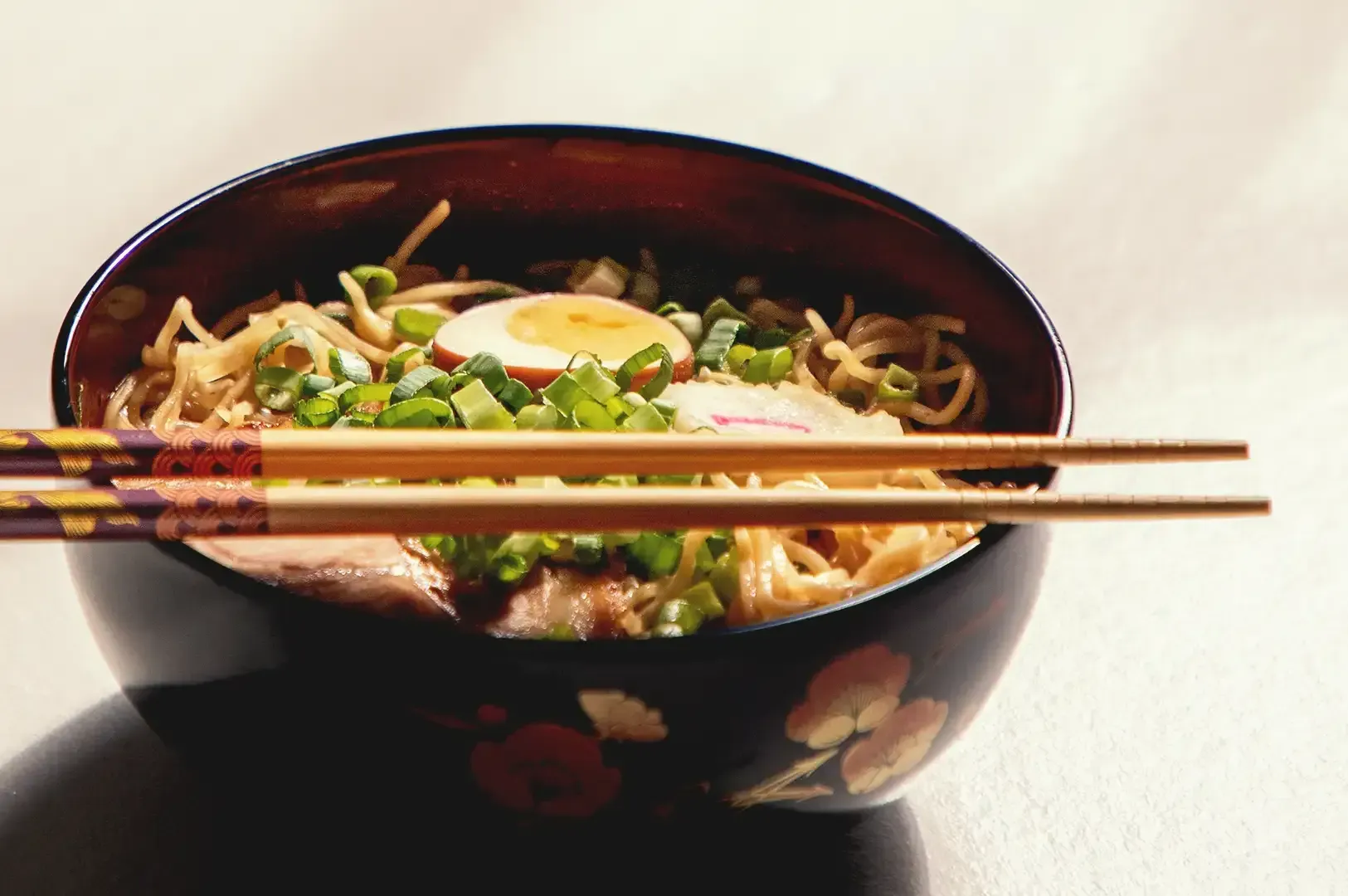
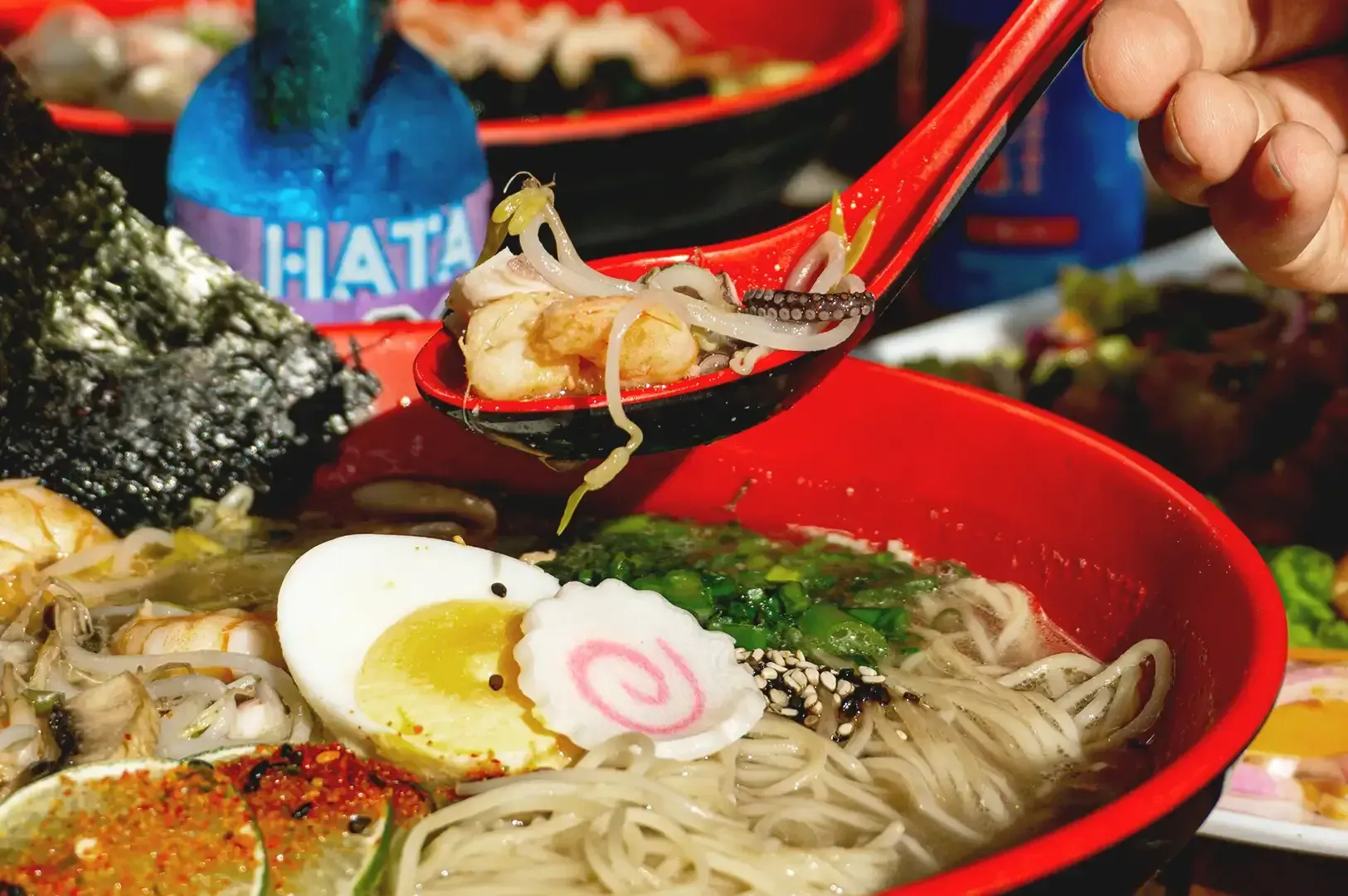
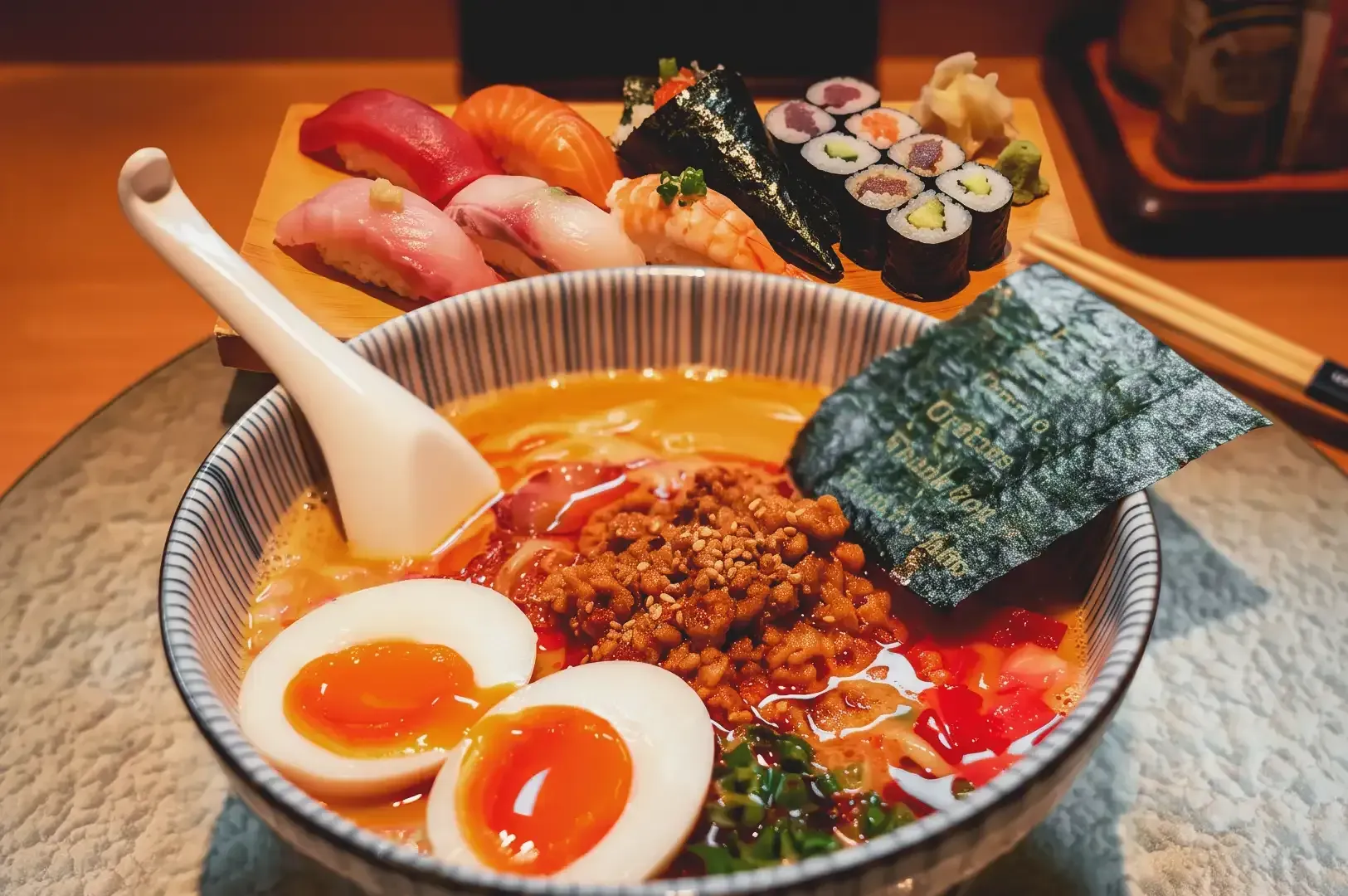
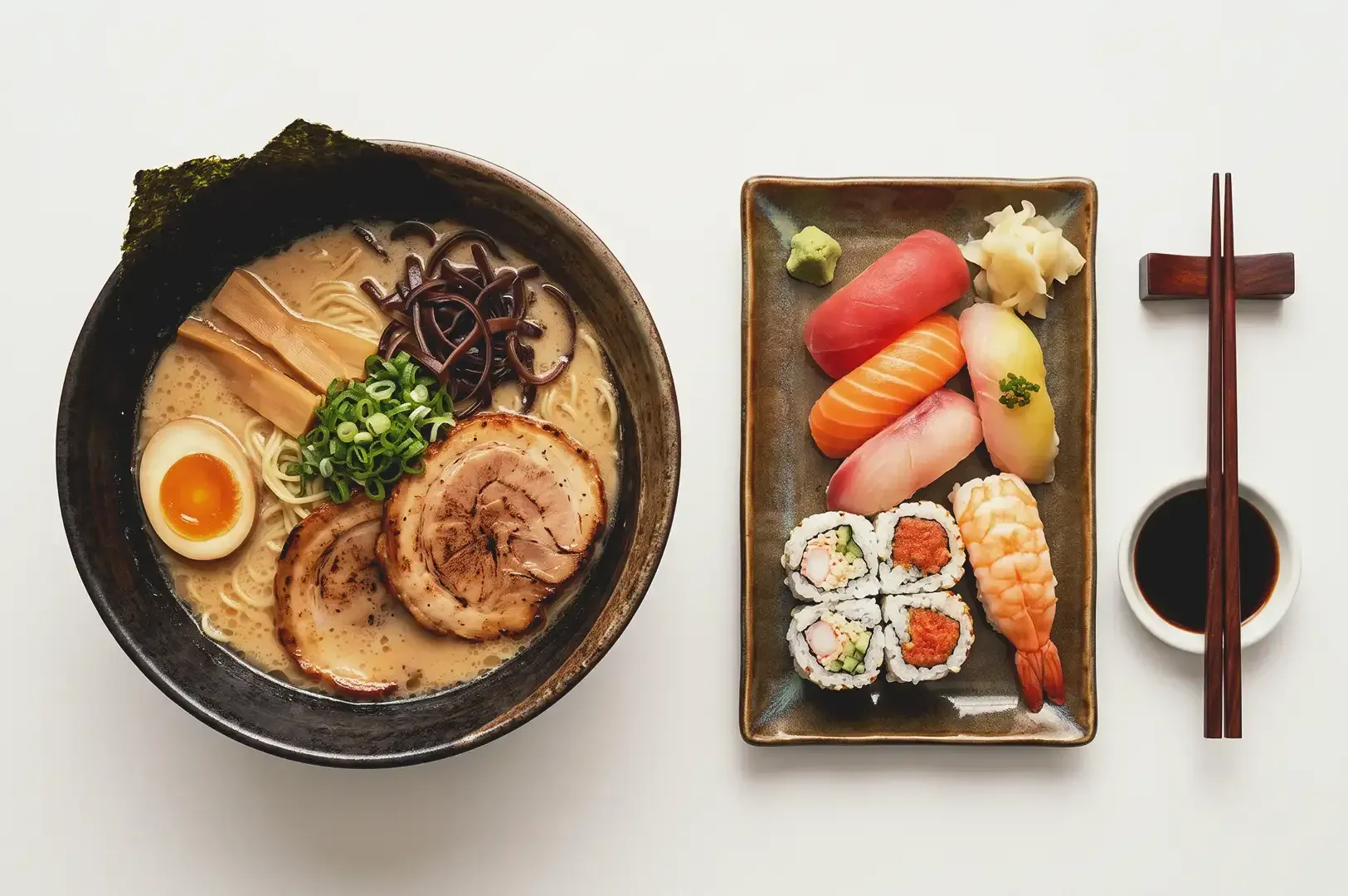
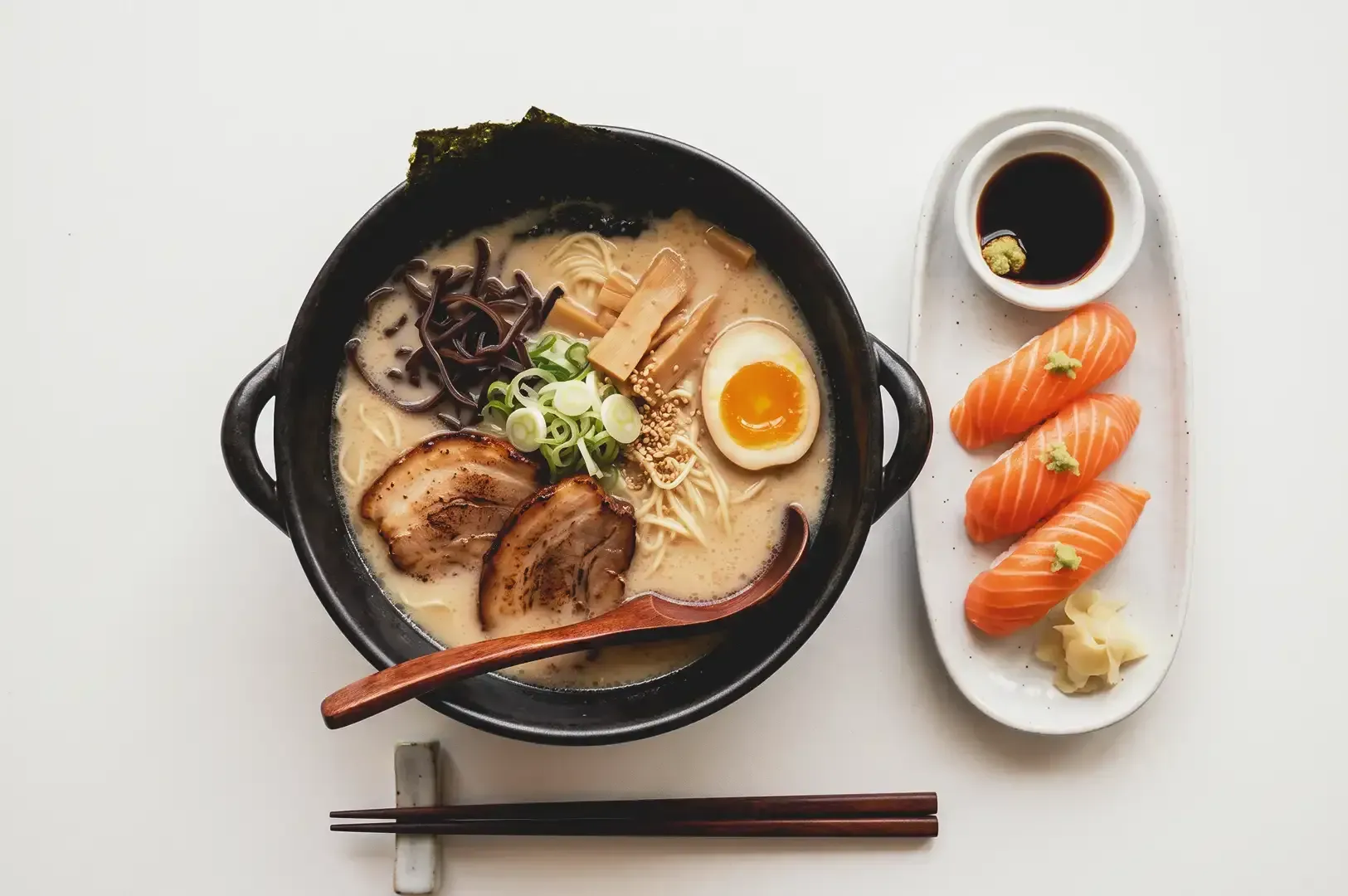
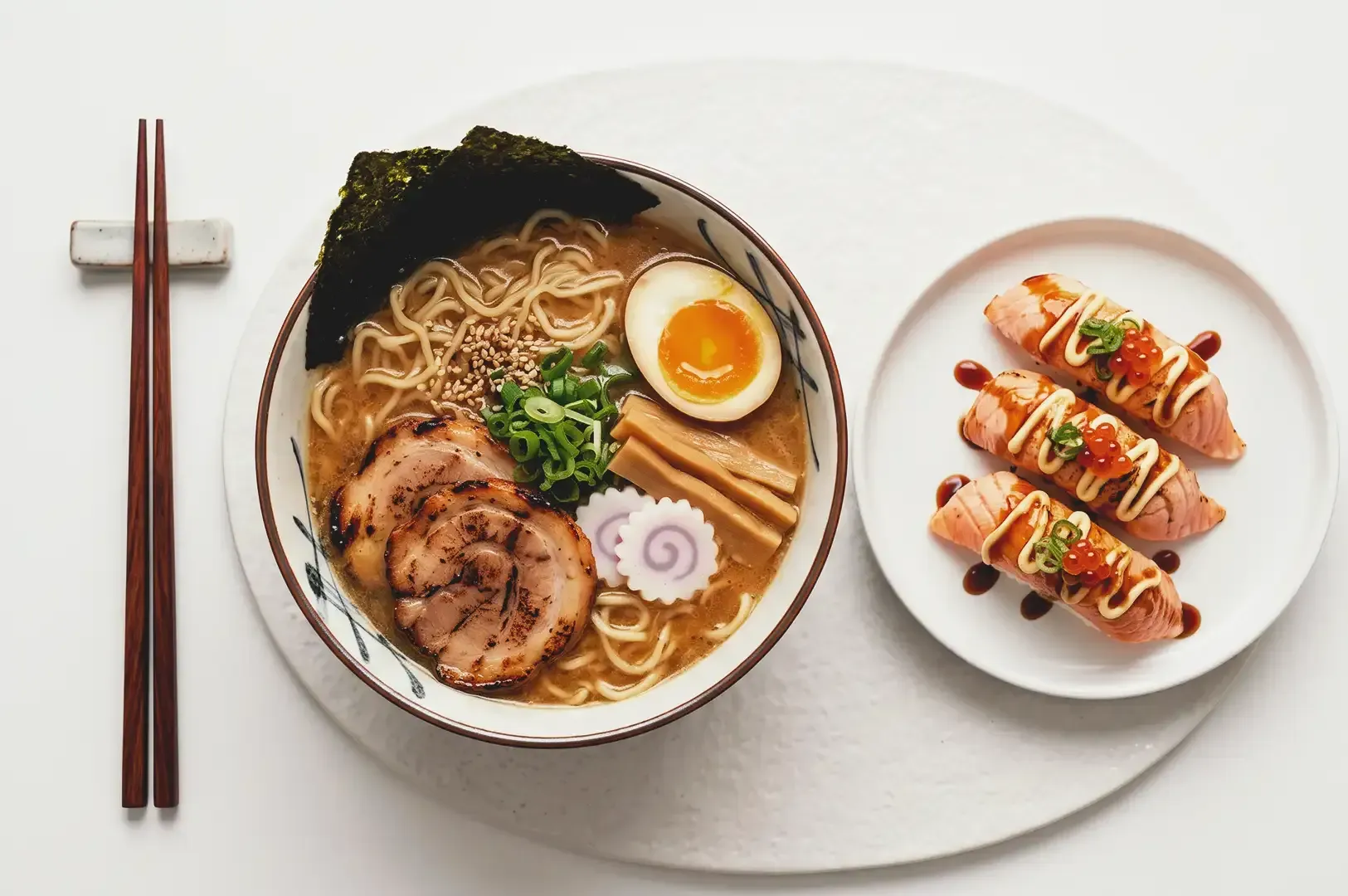
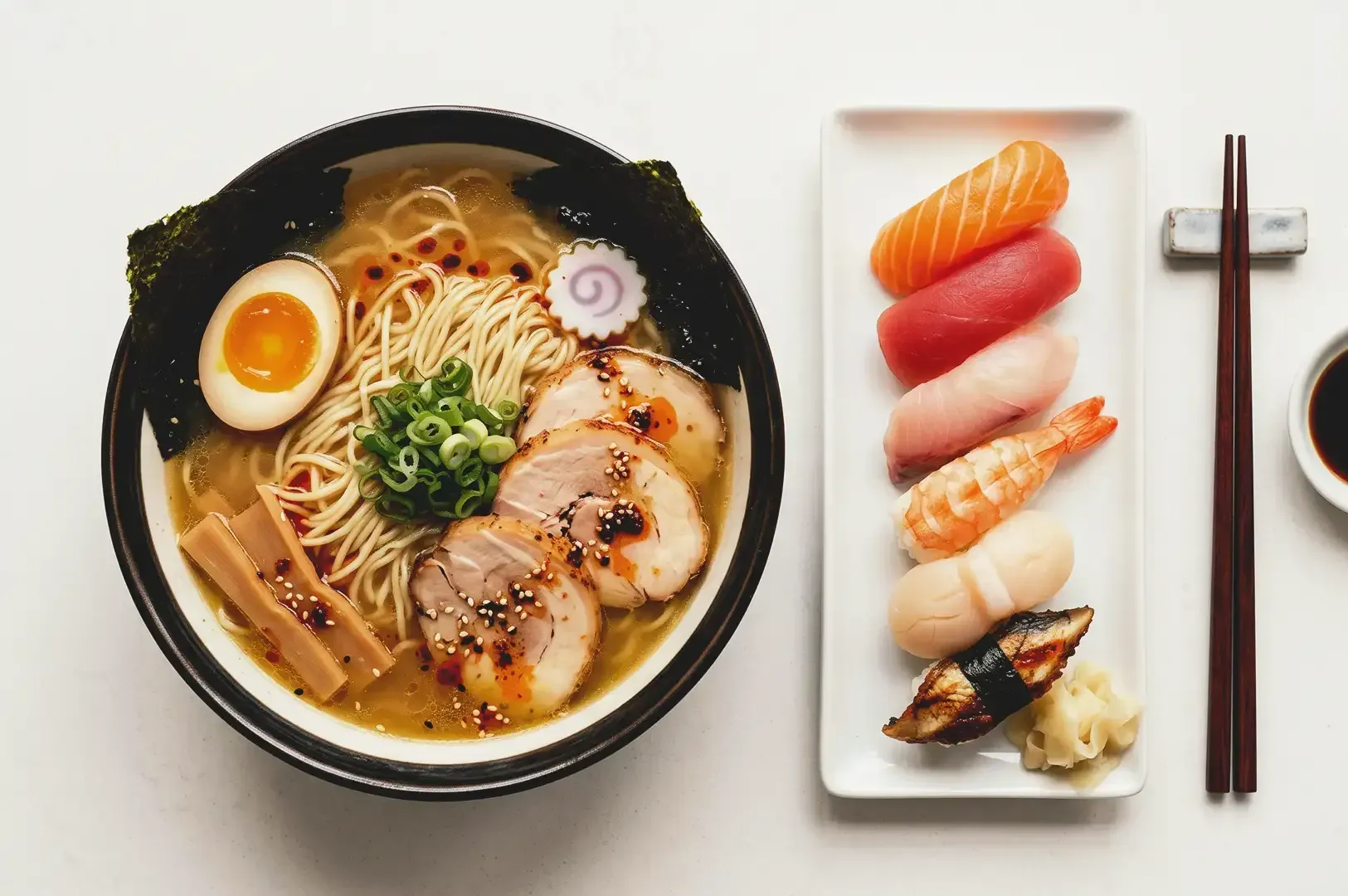
Picture this. A steaming bowl of ramen lands in front of you, its broth glossy and aromatic, curls of chashu resting over chewy noodles. Beside it sits a plate of the one of the greatest sushi Singapore can offer, quiet and precise, each piece of salmon nigiri glistening on gently seasoned rice. One radiates warmth, depth, and comfort. The other whispers freshness, simplicity, and restraint.
They look like opposites, yet they belong to the same story. Ramen and sushi are two different expressions of Japanese cuisine, the best food traditions from the land of the rising sun, but they share one guiding idea: balance.
Japanese food rarely asks you to choose one dish over another. Instead, it invites you to understand how flavours, textures, and ingredients work together on the table. Once you see that, the bowl and the roll stop competing and start completing each other.
More Than A Meal: How Japanese Food Brings Ramen And Sushi Together

To appreciate why these two dishes fit so well, it helps to understand how Japanese cuisine thinks about eating. At its heart, Japanese food is built on balance, seasonality, contrast, and harmony. A meal is not one loud voice; it is a conversation between several dishes, each playing a different role.
Ramen is warm, comforting, and broth-driven, deeply rich in umami.
Sushi is fresh, precise, and ingredient-focused, built around vinegared rice and pristine seafood.
On their own, each is complete. Placed side by side, they create contrast that keeps your palate curious. The richness of one makes the cleanness of the other shine, and back again.
The Heart Of The Bowl: Why Ramen Creates The Foundation For Pairing
In any pairing of ramen and sushi, ramen usually plays the bolder, more intense role. It anchors the meal. And what defines a bowl of ramen more than anything else is its broth. The soup carries the personality of the dish, setting the tone that everything else responds to.
A. Tonkotsu Ramen: Pairing Rich Broths With Fresh Sushi

Tonkotsu ramen is the indulgent one. Made from pork bones simmered for hours, its broth turns creamy, thick, and almost gravy-like, coating each strand of noodle with a deep, satisfying flavour. Add slices of tender pork belly or melting chashu, and you have a bowl that is unapologetically rich.
B. Miso Ramen: Matching Bold Flavours With Smoky Seafood

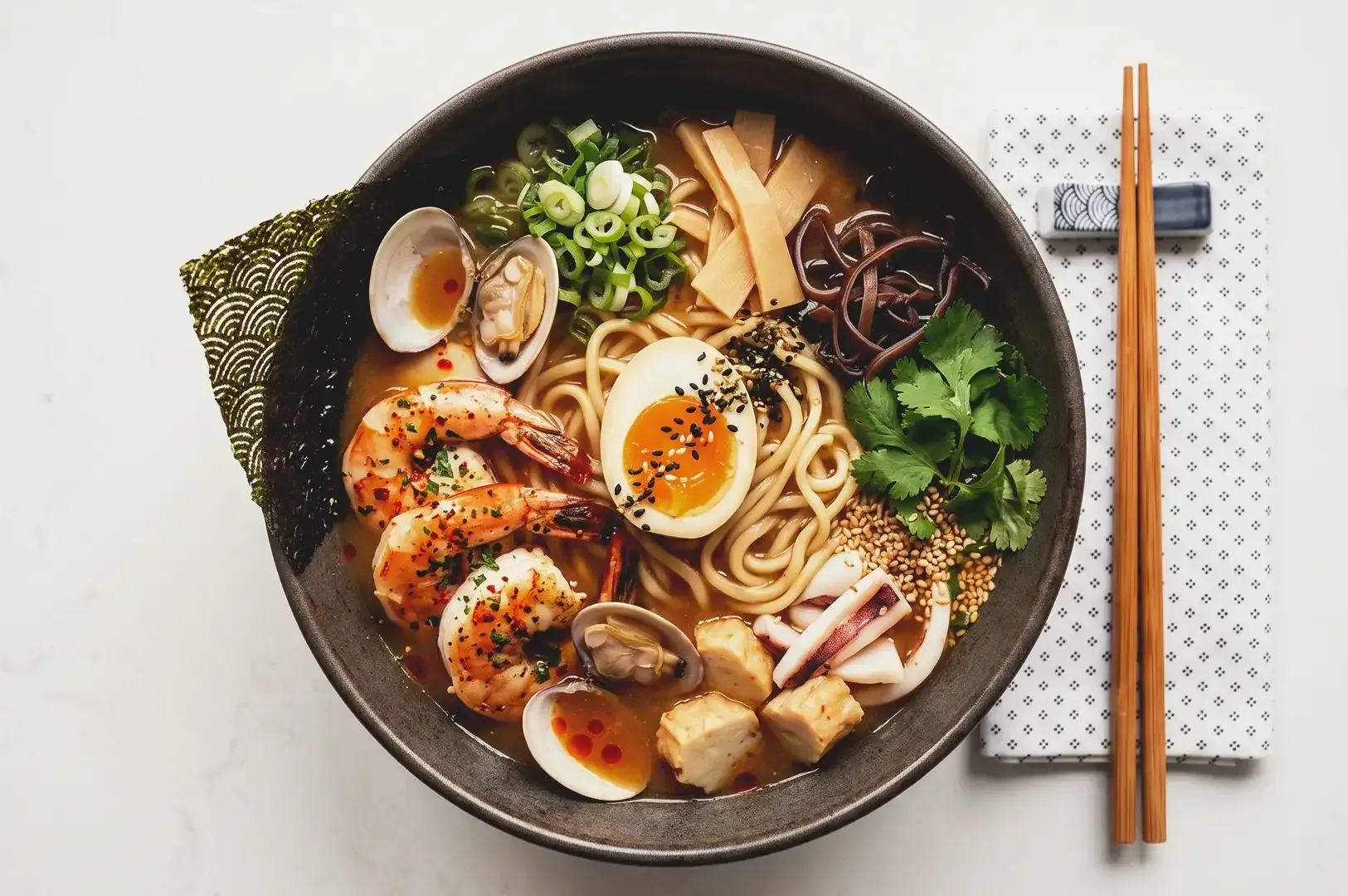
Miso ramen brings a different kind of depth. Fermented soybean paste gives the broth a savoury, slightly salty complexity, layered with stronger umami notes and often a swirl of chili oil or a base of soy sauce. It is hearty and full-bodied, the sort of bowl that lingers.
Finding Harmony: The Best Ramen And Sushi Pairings To Try
Pairing ramen and sushi is less about ranking and more about understanding why certain combinations feel right. A few principles make the logic clear.
1. Tonkotsu Ramen And Salmon Sushi: Richness Meets Freshness

When creamy pork broth and tender chashu are paired with cool salmon sushi, the contrast does the work. The freshness of the fish balances the richness of the soup, keeping your palate lively rather than fatigued. Each bite of sushi is a small pause, making the whole meal feel more satisfying and less heavy.
2. Miso Ramen And Flame-Seared Sushi: Matching Bold Flavours

Here, richness meets richness, and it works because of heat. The deep flavour of miso and the smoky char of seared seafood share a similar intensity. The seared texture and the savoury sauce of the broth build on each other, layering umami on umami. Rather than one flattening the other, both rise together.
3. Light Ramen And Traditional Sushi: Keeping Flavours Delicate

Not every bowl is heavy. Chicken ramen and dashi-based soups are gentler, cleaner, and more delicate. These lighter broths pair naturally with fresh sashimi and subtle nigiri, because nothing on the table shouts over anything else. When flavours stay soft, premium ingredients like seasonal spinach and negi get room to stand out, and you notice the finer details you might otherwise miss.
The Cheat Code to The Best Sushi to Pair By Broth
Here's an easy and simplified guide for what rolls or slices to get when you want a quick answer for what to order after you've already decided on your bowl:
| Ramen Style | Recommended Sushi Pairing | Why It Works |
|---|---|---|
| Tonkotsu Ramen | Salmon nigiri, salmon sashimi, white fish sushi | The rich, creamy pork broth is balanced by fresh seafood flavours that refresh the palate between bites. |
| Miso Ramen | Flame-seared salmon sushi, aburi nigiri, richer seafood sushi | Miso’s deep umami and fermented notes complement smoky, slightly charred seafood flavours. |
| Shoyu Ramen | Classic nigiri, tuna sushi, ebi sushi | The lighter soy-based broth pairs well with traditional sushi flavours without overpowering delicate ingredients. |
| Shio Ramen | Sashimi, white fish nigiri, seasonal sushi | The clean, delicate broth allows the freshness and natural sweetness of seafood to stand out. |
| Chicken Ramen | Salmon sashimi, scallop nigiri, lighter sushi rolls | The gentle flavour of chicken broth creates space for fresh seafood and subtle textures. |
| Spicy Ramen | Simple nigiri, cucumber rolls, refreshing sushi options | Lighter sushi choices help balance the heat while adding contrast to the meal. |
| Rich Ramen With Chashu Or Pork Belly | Sashimi or lean fish nigiri | Fresh seafood provides a cleaner finish against heavier toppings and savoury broth. |
| Seafood-Based Ramen | Premium sashimi, salmon nigiri, ikura sushi | Matching seafood elements creates a harmonious Japanese dining experience built around freshness. |
Beyond Nigiri: How Sushi Rolls Add Another Layer To Japanese Dining
Sushi rolls open up a different experience from traditional sushi. A tempura roll brings crunch, warm vegetables add earthiness, egg lends softness, and drizzled sauces introduce sweetness or tang. The result is a playful mix of textures in one mouthful.
That variety is a gift, but it comes with a gentle caution. Ramen already delivers broth, toppings, and sauce in abundance. If you add heavily sauced sushi rolls on top, the meal can tip toward too much. The trick is balance: let a lighter roll add interest without doubling up on richness the bowl already provides. Thoughtful contrast, not competition, is always the goal.
From Tokyo To Singapore: Why Japanese Restaurants Are Expanding The Dining Experience
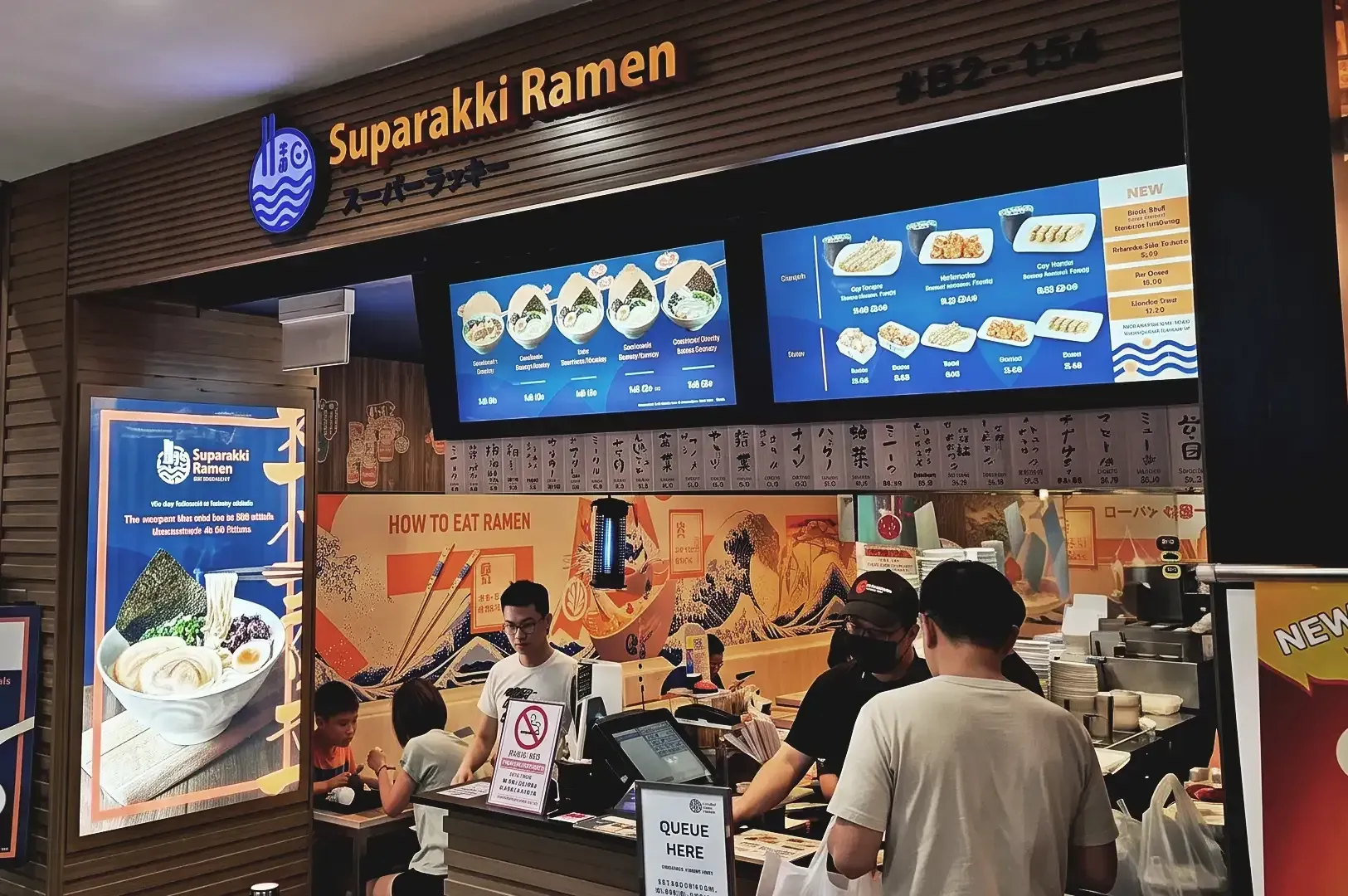
This philosophy travels well. In Singapore, locals are exploring Japanese cuisine far beyond single dishes, and the dining scene has grown to match that curiosity. Where a Japanese restaurant once specialised in only ramen or only sushi, many now offer both under one roof, alongside sashimi, grilled dishes, and small plates.
You can see this in the Japanese restaurants around Tanjong Pagar, where ramen and sushi combinations invite diners to build a fuller meal from the same menu. Dining concepts near Raffles City Shopping Centre reflect the same trend, giving guests the freedom to taste warmth and freshness in one sitting. It mirrors how a chef in Japan might think about the table, and it shows how far this appreciation for balance has spread across the world..
Creating Your Own Bowl And Roll Combination
There is no single perfect pairing, and that is exactly the point. Japanese cuisine encourages discovery, so the best combo is the one that suits your appetite and mood.
For something comforting, try tonkotsu ramen with salmon nigiri, letting creamy and fresh play off each other.
For a balanced, lighter meal, chicken ramen with a plate of sashimi keeps everything delicate. And when you want to indulge, a piece of signature wagyu sushi or duck nigiri beside a richer bowl brings buttery meat and deep broth into a luxurious harmony.
Trust your palate, stay curious, and you will discover authentic combinations that feel entirely your own.
A Combination That's True to Japanese Cuisine's Perfect Balance
Ramen and sushi may sit on different sides of Japanese cuisine, one built on warmth and the other on freshness, yet both grow from the same roots: respect for ingredients, a devotion to balance, and quiet craftsmanship. When you enjoy them together, you taste that shared philosophy in every layer of flavour. The bowl and the roll were never rivals.
They are two halves of one thoughtful meal, and the more you savour them side by side, the more clearly you can expect why they belong together.