I once ordered a bowl labeled "premium," and I sat there expecting fireworks. What arrived looked stunning: shavings piled high, a glossy slick of something expensive floating on top, toppings that clearly cost more than the noodles beneath them. I took my first sip and waited to be dazzled. It never came.
I used to assume that pricier meant better. If a bowl carried truffle or wagyu, surely it had to outshine a humble shoyu
ramen from a tiny counter shop. But over the years, I've noticed something that keeps proving me wrong. The most memorable bowls I've tasted rarely relied on luxury at all.
Here's what I find so easy to forget. A great ramen is a conversation between parts. The
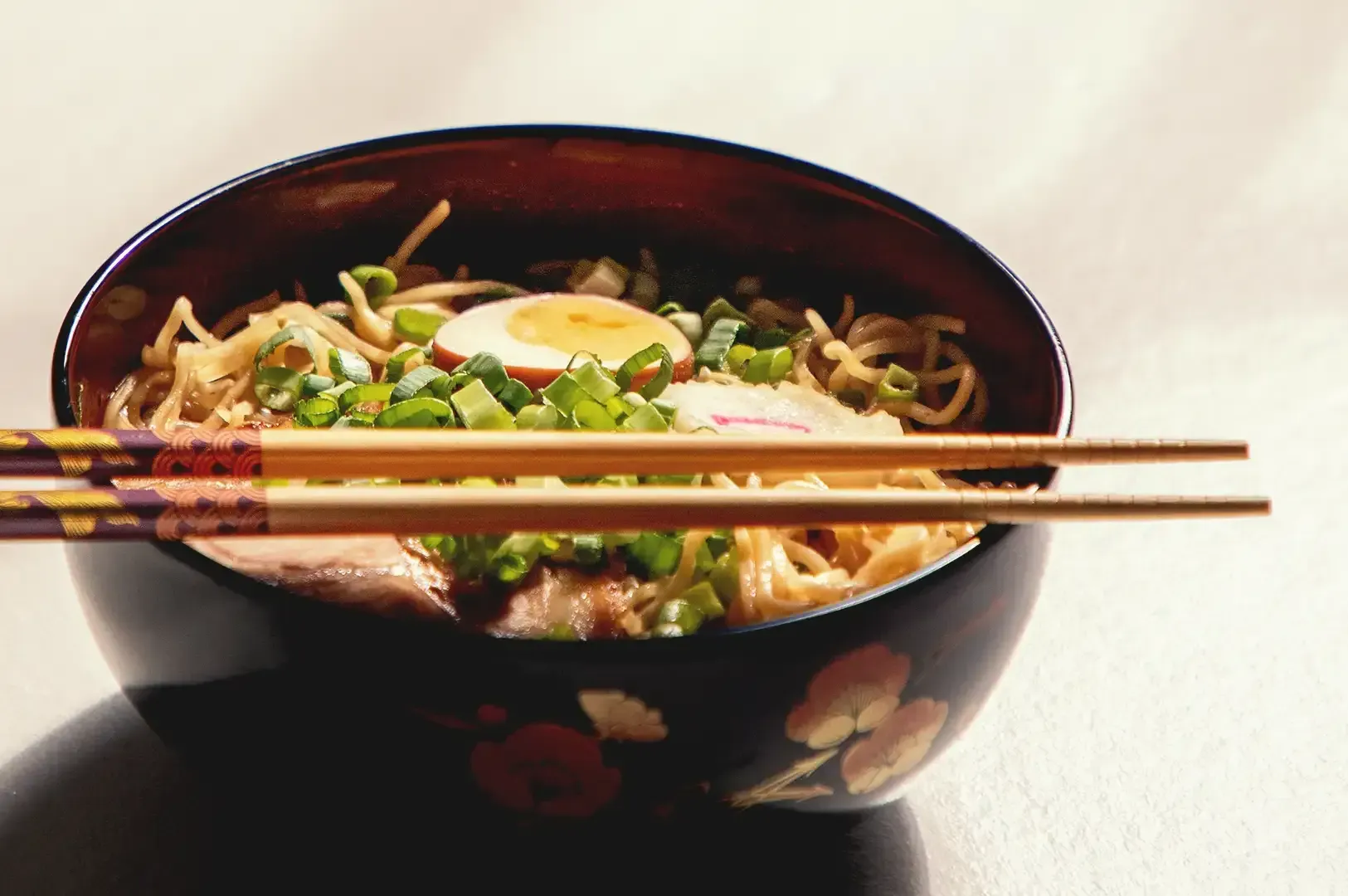
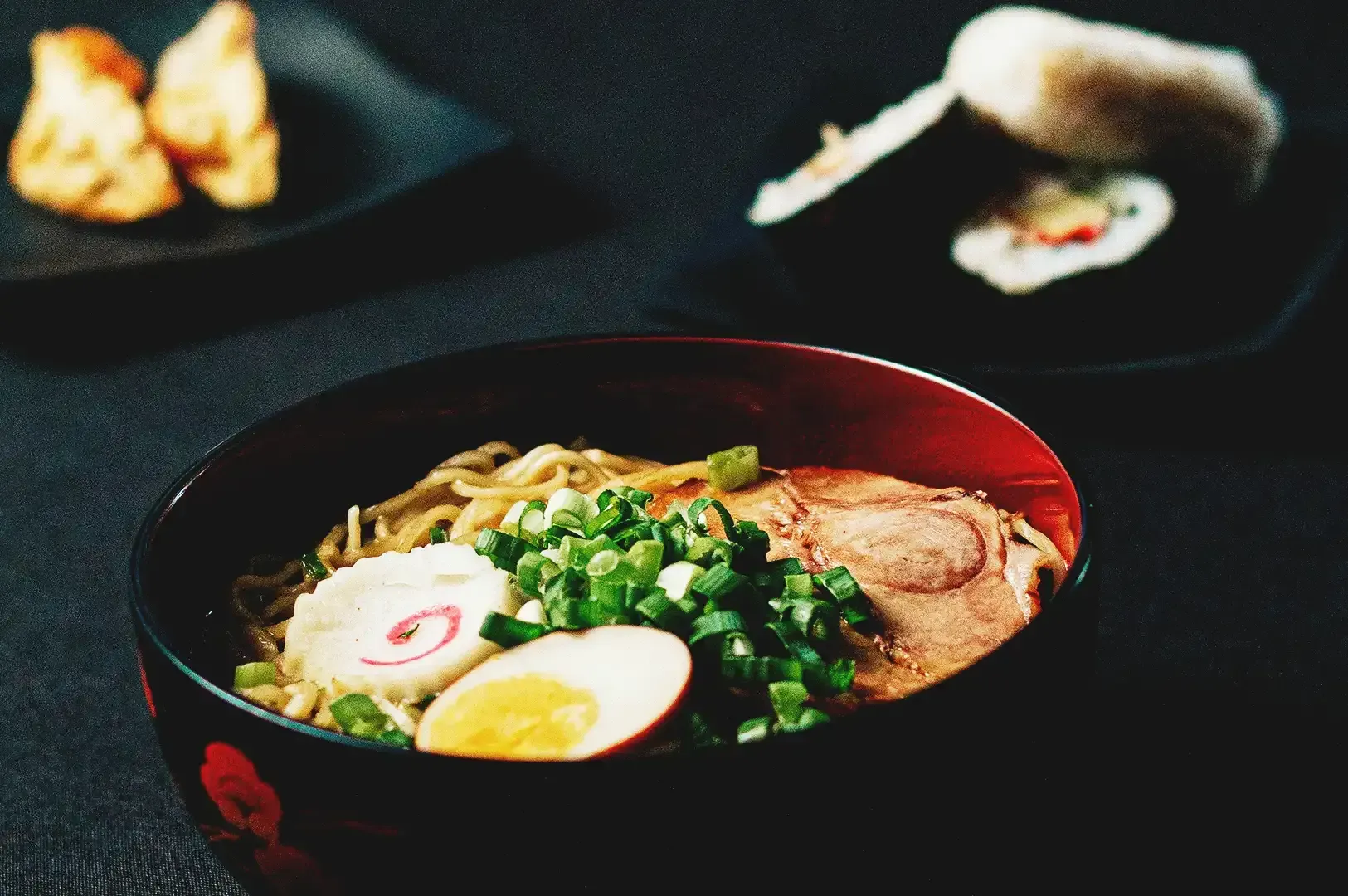
broth sets the mood. The tare gives it backbone. A whisper of aroma oil lifts the whole thing to your nose before the spoon reaches your lips. The noodles have to carry that broth without going soft, and the toppings should support the story, not shout over it.
When one element hogs the spotlight, the balance breaks. That expensive bowl I mentioned was a good example. The rich topping smothered a broth that turned out to be thin and underseasoned. All that money went to decoration, and the foundation buckled beneath it.
I want to be fair here. Truffle, wagyu, lobster, and generous toppings are not the enemy. I've tasted bowls where a careful touch of truffle oil deepened a mushroom shoyu beautifully, and where tender wagyu melted into the broth as if it belonged there. Used with restraint, premium ingredients can absolutely elevate a bowl. The key word is restraint.
What they cannot do is rescue weak cooking. No gold leaf will fix a flat broth. No mountain of chashu will disguise noodles boiled a minute too long. Technique comes first, always. Luxury is a finishing note, never the melody.
So I've stopped letting the word "premium" set my expectations. To me, a truly premium bowl is one where every element knows its place and works in harmony, whether it costs a fortune or a few dollars. Price tells you what a kitchen spent. Only the taste tells you what a kitchen understands.
Next time a menu waves a fancy label at you, I'd gently suggest looking past it. Order with curiosity, taste with attention, and let the bowl earn your praise on its own terms.