Ramen Broths: Exploring the Heart of Japanese Noodle Soup
Ramen broths are the soul of every bowl of ramen, defining the dish’s character and flavor. Ramen was originally brought to Japan from China in the late 19th century as shina soba. From the rich and creamy tonkotsu broth to the light and delicate shio ramen, the variety of ramen broth types reflects the diversity and depth of ramen culture. Ramen has evolved into a culinary icon, with various modern twists and fusion styles emerging globally. While instant ramen has made ramen accessible worldwide due to its convenience, authentic ramen involves varied regional broths and showcases true culinary artistry and complexity.
Each broth is crafted through hours of simmering pork and chicken bones, chicken carcasses (especially important in making tonkotsu ramen, where they contribute to the richness, gelatin content, and overall flavor profile), or seafood. Chicken carcasses are often cooked in a pressure cooker to achieve a traditional, hearty ramen base. This process builds a flavorful broth that serves as the foundation for this beloved Japanese noodle soup.
The perfect bowl of ramen is a harmony of five key elements: the broth, the noodles, the tare, the toppings, and an aromatic oil.
Introduction to Ramen
Ramen is a Japanese noodle soup that has gained recognition among food enthusiasts for its variety of broths and topping combinations. The broth typically serves as the foundation of each bowl, often crafted from pork bones, chicken bones, or seafood to develop a flavorful base. Tonkotsu ramen, which features a creamy broth made by simmering pork bones for extended periods, represents one of the more popular styles among ramen varieties. Whether dining at an established Tokyo ramen shop or preparing different ramen types at home, familiarity with the characteristics of each broth—from lighter, clearer versions to richer, more substantial options—may enhance one's understanding of this Japanese noodle soup.
Miso Ramen: The Hearty Fermented Soybean Paste Broth
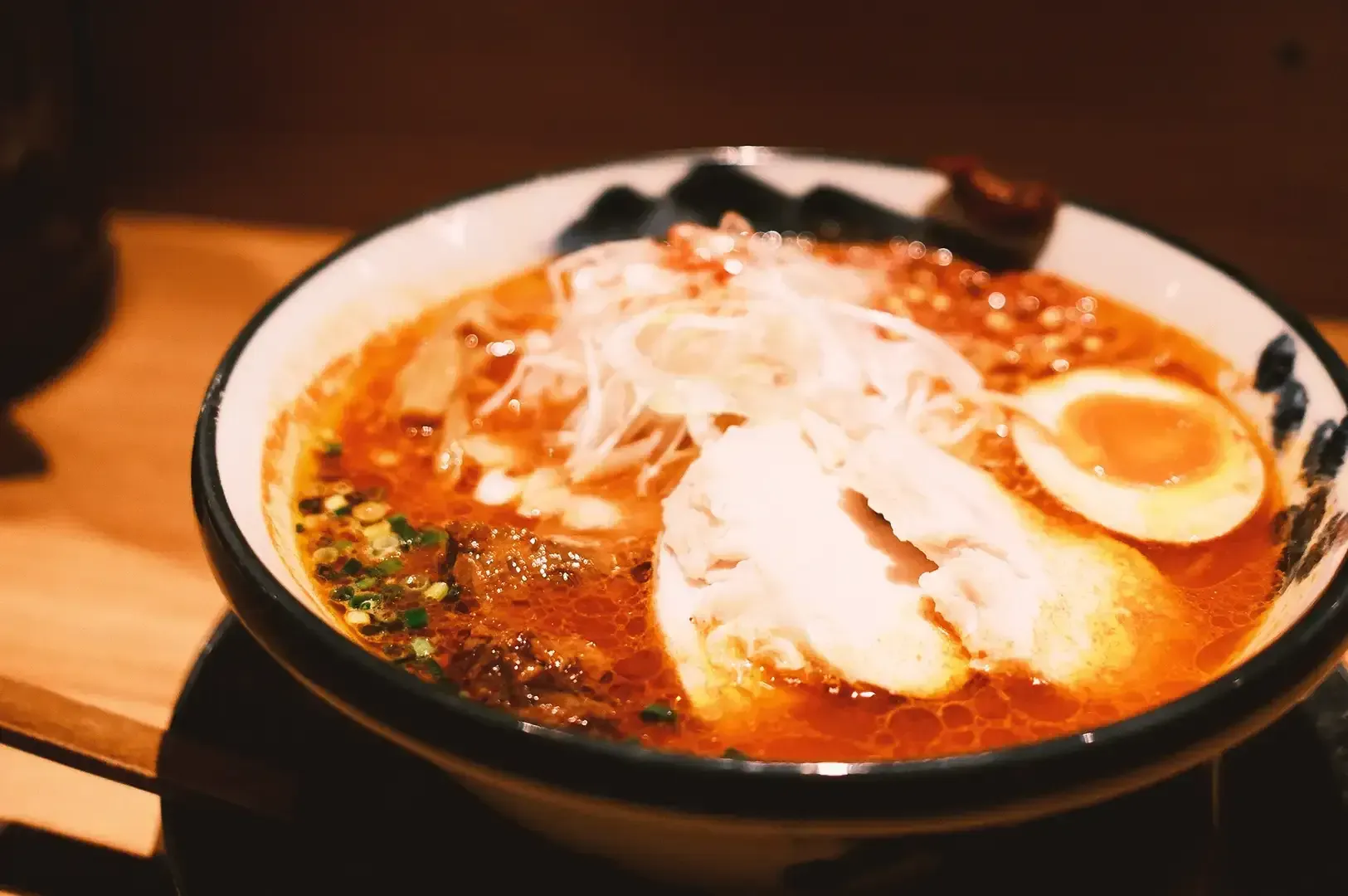
Miso ramen is a classic ramen broth type known for its robust, savory flavor derived from miso paste, a fermented soybean paste that adds a rich umami flavor. This miso broth often combines chicken broth or pork soup bones as its base, enriched with
miso tare seasoning sauce to create a thick, hearty broth. Typically served with thicker noodles and topped with sweet corn, bean sprouts, bamboo shoots, and braised pork belly, miso ramen offers a satisfying and warming ramen bowl perfect for colder days.
The Perfect Bowl of Ramen: Noodles, Broth, and Toppings
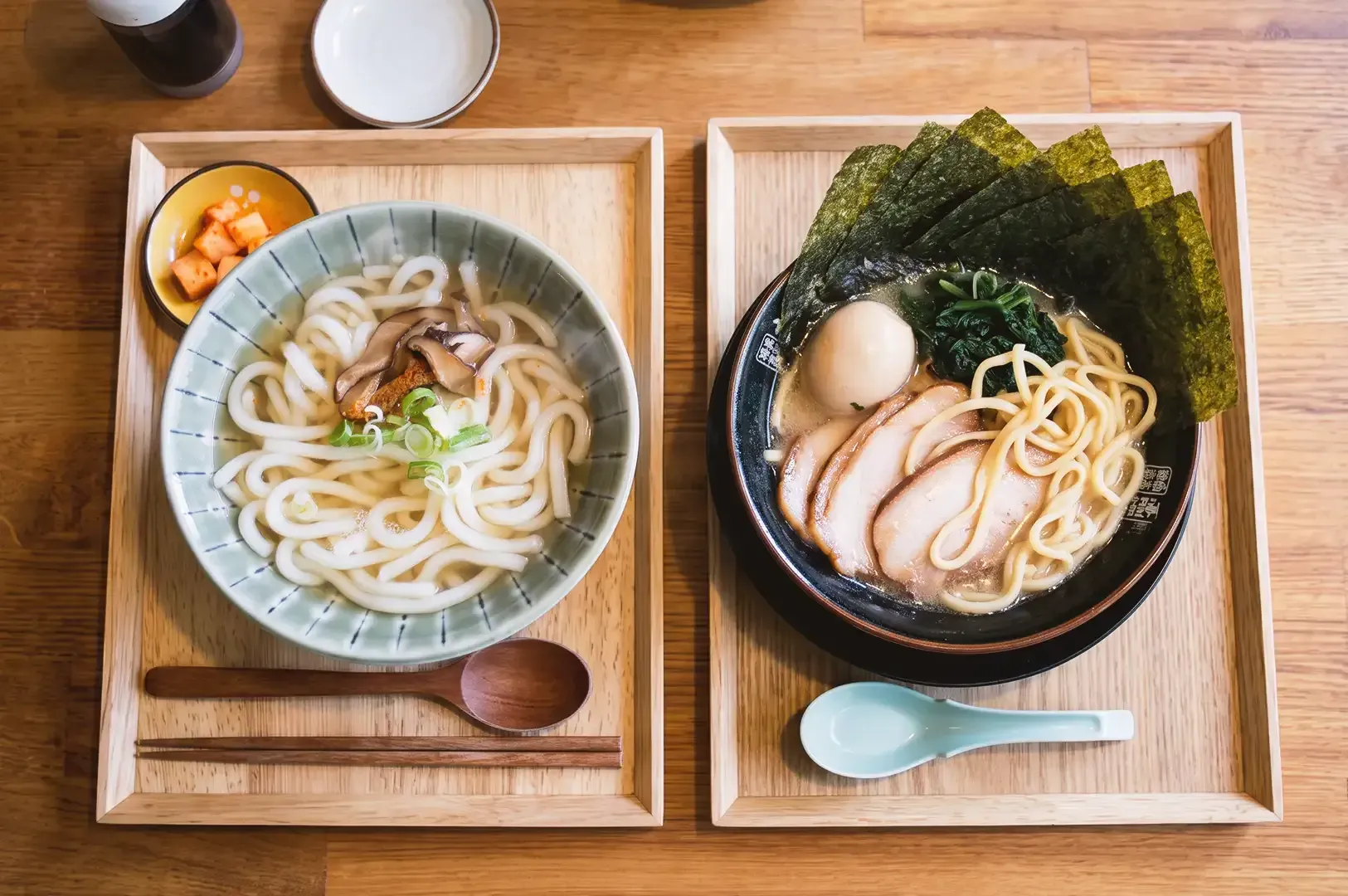
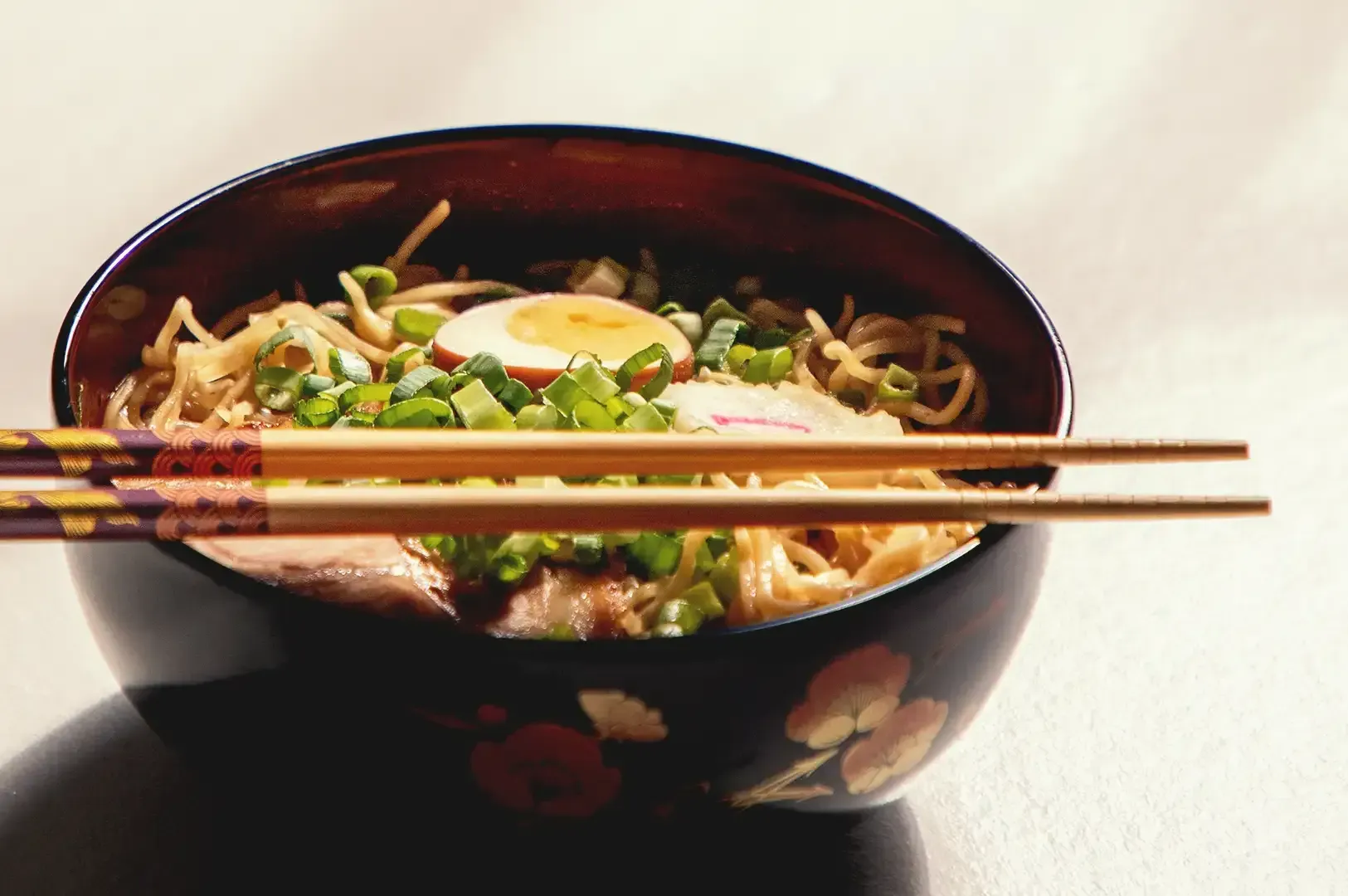
A perfect bowl of ramen balances the rich broth’s flavor profile with the texture of ramen noodles and complementary toppings. Ramen noodles, made from wheat flour, vary in thickness and shape—from straight noodles to wavy noodles—and are cooked ramen noodles that ideally have a chewy texture to hold up against the hot broth. Popular toppings include ramen eggs (soft boiled egg marinated in soy sauce), crisp green onions that provide a refreshing, crunchy element and enhance the visual appeal of the ramen, crisp bean sprouts, bamboo shoots, and braised pork belly. Vegetarian ramen options often feature fresh greens like bok choy and crispy tofu, paired with a lighter broth or soy milk-based broth to maintain richness without meat.
Ramen Noodles: The Backbone of the Noodle Soup
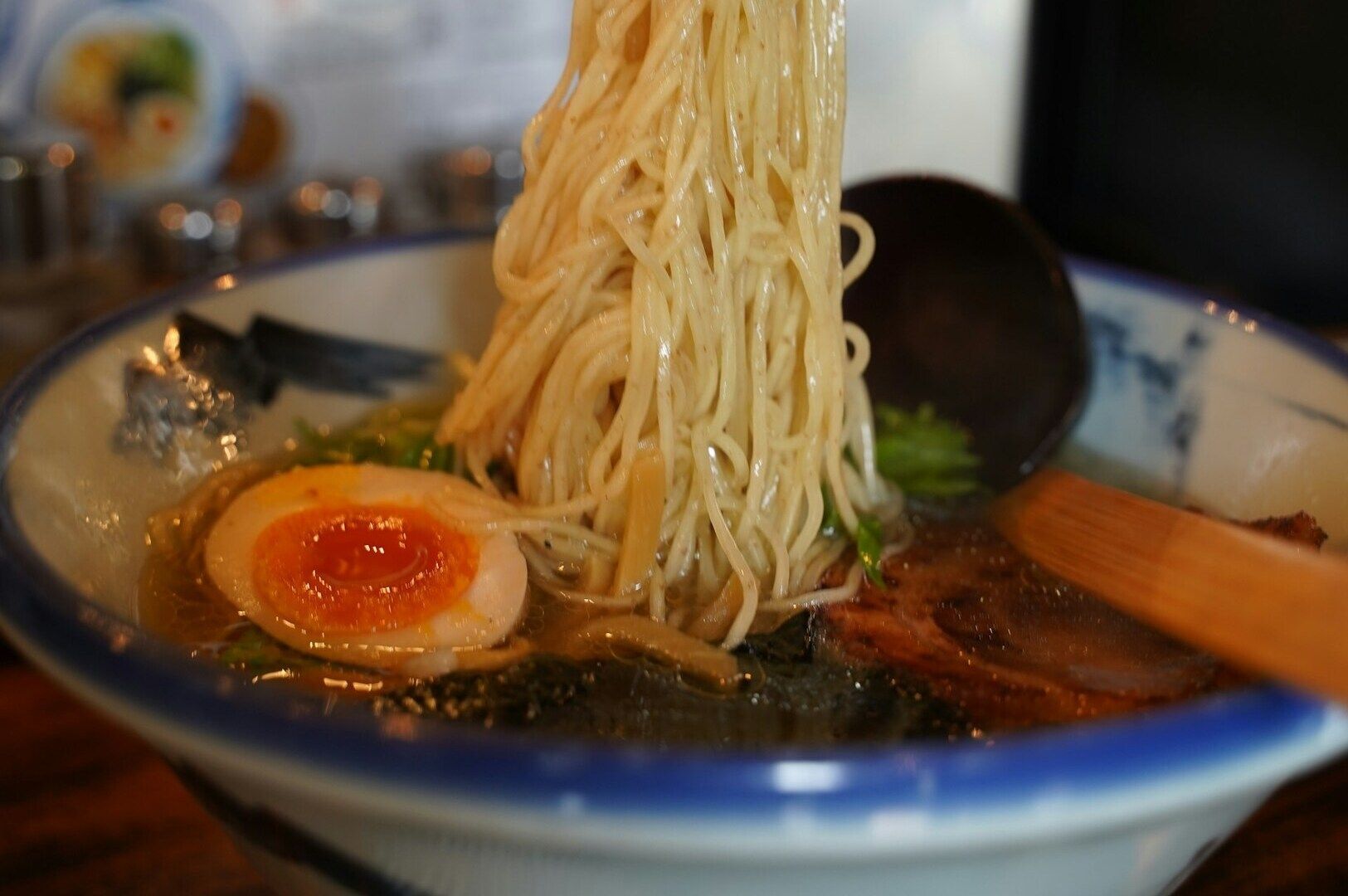
Ramen noodles are crafted from wheat flour and kansui, giving them their distinctive firm and chewy texture. Different ramen broth types call for specific noodle styles; for instance, firm noodles complement the rich and creamy tonkotsu
ramen broth, while thinner, straight noodles are ideal for lighter broths such as shio ramen or shoyu broth. The interplay between noodles and broth is crucial in ramen culture, ensuring each slurp delivers a harmonious blend of texture and flavor.
Flavorful Broth: The Essence of Ramen Restaurants
A rich broth is the hallmark of traditional ramen, providing depth and umami that defines the dish. Cleaning the bones before simmering is crucial for achieving a clear and refined broth. A gentle simmer is essential for coaxing flavors from the ingredients without making the broth cloudy.
The flavorful broth is what sets ramen restaurants apart. Traditional ramen broth is created by simmering all the bones—pork bones, chicken bones, and chicken carcasses—for hours to extract rich flavor and collagen, resulting in broths like the creamy tonkotsu broth famous in Hakata ramen. Common aromatics in traditional ramen broths include ginger, garlic, scallions, and umami boosters like kombu and bonito flakes. Dashi, a foundational broth, is made from kombu (kelp) and katsuobushi (bonito flakes).
Shoyu ramen features a soy sauce-based broth with savory flavor, often enhanced by bonito flakes and a seasoning sauce called tare. Shoyu ramen has a clear brown broth made with soy sauce, typically using a base of chicken broth. Shio ramen offers a lighter broth seasoned primarily with salt, highlighting the subtle umami flavors of chicken stock or seafood. Shio broth is made with chicken or fish bones, vegetables, and salt, resulting in a pale to golden yellow color.
Seafood-based broths are popular in coastal regions of Japan and are made with ingredients like dried fish,
bonito flakes, or clams, adding umami richness. Vegetarian and vegan ramen broths can be made using ingredients like mushrooms, miso, and kombu to create complex, hearty flavors without meat.
Braised Pork Belly: A Signature Ramen Bowl Topping
No ramen bowl is complete without tender braised pork belly, a topping synonymous with rich tonkotsu and shoyu ramen. This melt-in-your-mouth addition complements the creamy broth and chewy noodles, enhancing the broth's rich flavor and adding texture contrast. Other toppings like fresh green onions, sesame seeds, sesame oil, and chili oil contribute layers of savory flavor, while soft boiled eggs and ramen eggs add richness and visual appeal.
Ramen Broth Types: From Rich and Creamy to Light and Savory
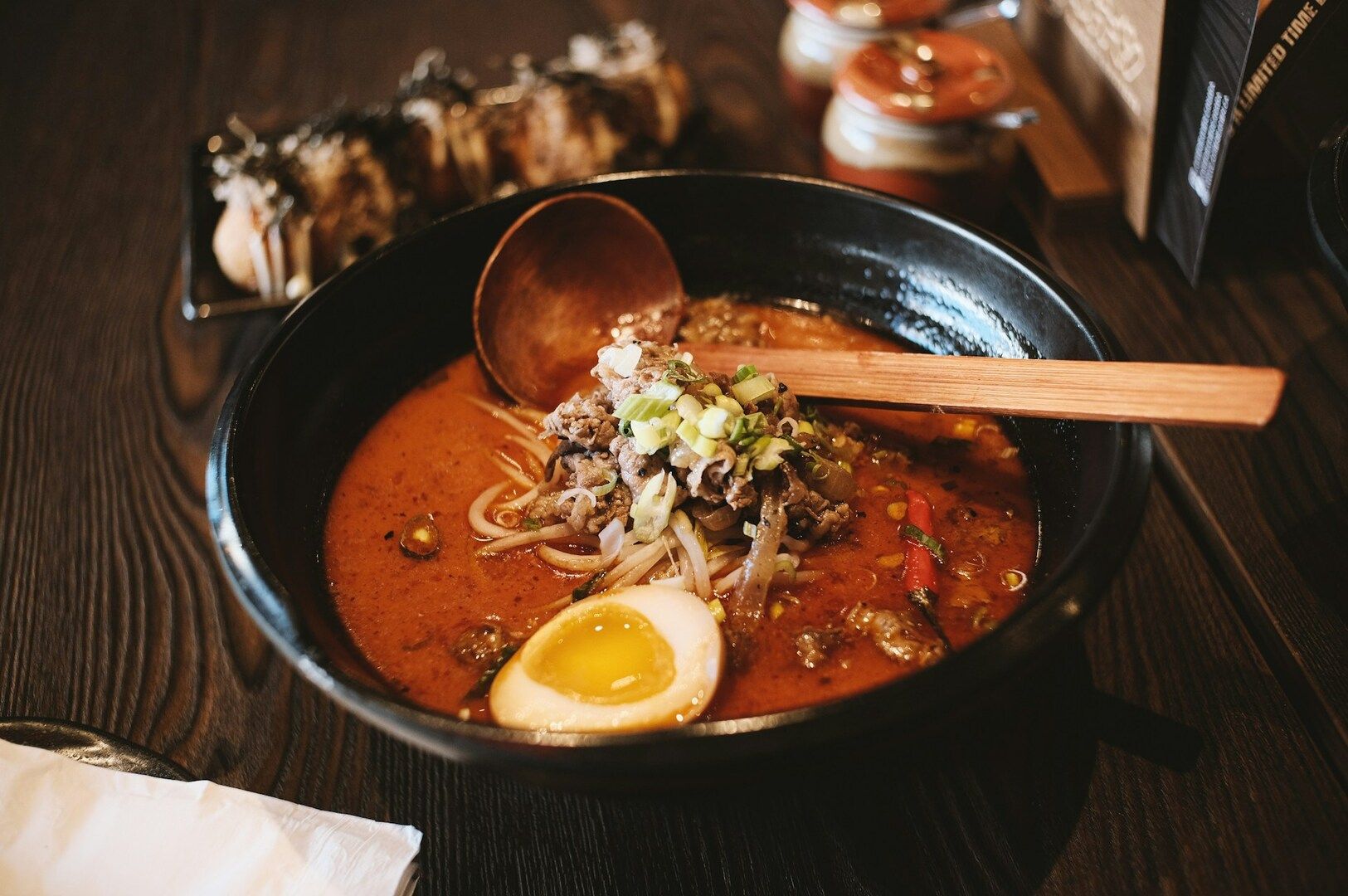
Understanding ramen broth types is essential to appreciating the diversity of ramen culture. Tonkotsu ramen broth is renowned for its rich and creamy texture, achieved by simmering pork bones and trotters for hours until the broth turns milky white and full-bodied. Shoyu ramen offers a soy sauce-based broth with a clear, savory flavor, while miso ramen provides a thick, hearty miso broth. Shio ramen, the lightest of the broths, highlights a delicate balance of salt and umami flavors. Each broth type pairs with specific noodles and toppings to create a unique steaming bowl experience.
Regional Variations: Exploring Japan’s Ramen Map
Japan's ramen culture
typically features distinct regional variations, with each area offering specific approaches to this noodle soup. In Kyushu, tonkotsu ramen often centers on a pork bone broth that is usually rich and creamy, paired with thin, straight noodles designed to complement the soup base. In Hokkaido, Sapporo-style ramen generally features a miso-based broth with thicker noodles, a combination that may appeal to those seeking heartier options during colder months. Tokyo-style ramen is commonly characterized by a clear, soy sauce-based broth served with straight noodles, delivering a balanced flavor profile that has become widely available in urban ramen establishments. Hokkaido also offers shio ramen, which typically uses a lighter, salt-seasoned broth that tends to highlight the natural flavors of its ingredients. These regional differences often reflect local ingredient availability and culinary traditions, providing a reliable framework for understanding the breadth of Japanese ramen preparations.
Vegetarian and Vegan Options: Plant-Based Ramen Innovations
As ramen culture develops, vegetarian and vegan options are becoming increasingly available at establishments worldwide. Restaurants often create plant-based broths that may provide depth and complexity comparable to traditional preparations. Miso paste, derived from fermented soybeans, typically serves as a foundation for many vegetarian ramen preparations, offering a substantial and umami-rich base. Soy milk and mushroom broths are also commonly used, creating textures that may appeal to diners seeking alternatives to animal-based ingredients. Toppings such as prepared tofu, bok choy, and pickled ginger often contribute varied flavors and textures, making vegetarian ramen both substantial and appealing to different preferences. With specialized vegetarian ramen establishments becoming more common, plant-based diners can now access ramen options that incorporate the traditional elements and techniques of Japanese noodle soup.
Ramen Broth and Noodle Pairings: Crafting the Ideal Match
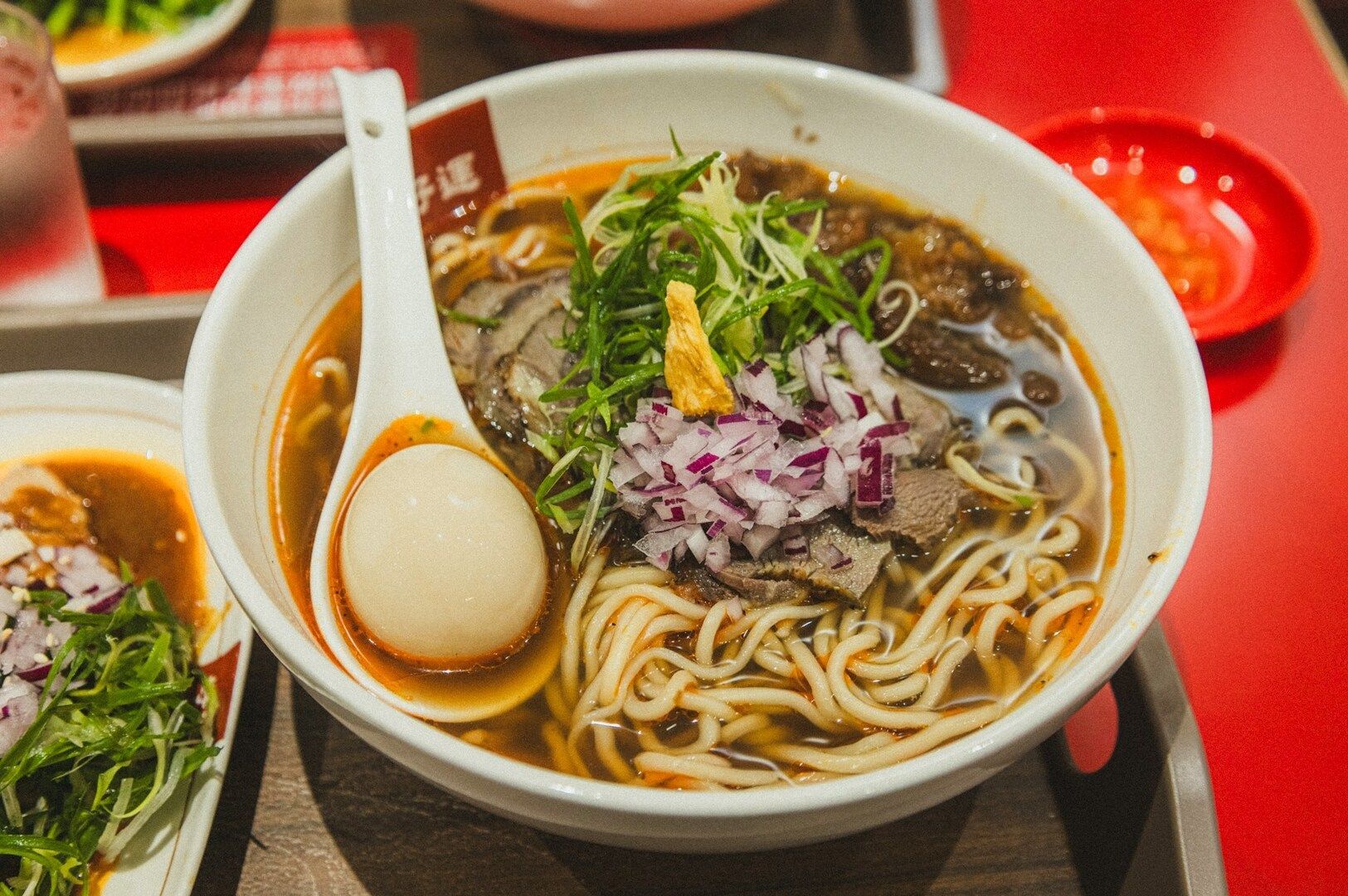
Successful ramen preparation typically involves the appropriate pairing of broth and noodles. Different ramen broths often work well with specific noodle styles to achieve a suitable balance of texture and flavor.
Tonkotsu ramen, for example, is generally served with thin, straight noodles that absorb the rich broth effectively, allowing each bite to deliver consistent savory flavor. Miso ramen, by contrast, often pairs well with thicker, chewier noodles that can hold up to the hearty miso broth and its robust umami characteristics. Understanding these established pairings may help you create a bowl where the broth and noodles complement each other, resulting in a well-balanced noodle soup experience.
The Importance of Quality Ingredients in Ramen
A quality bowl of ramen typically depends on careful ingredient selection and preparation methods. Tonkotsu broth often requires specific pork bones that are simmered for extended periods to develop the characteristic rich flavor and creamy consistency that many diners expect. Chicken bones may add additional depth, while soy sauce and miso paste provide the umami elements that often define different broth styles. Fresh green onions and bean sprouts, along with other common toppings, generally enhance both the visual presentation and flavor balance of the finished bowl. The wheat flour used for ramen noodles plays a practical role in achieving the firm texture that typically holds up well in hot broth. When restaurants prioritize fresh, quality ingredients, the resulting ramen often meets the standards that regular customers have come to expect from this style of Japanese noodle soup.
Ramen Culture: A Journey Through Japan's Culinary Tradition
Ramen culture is a vibrant tapestry woven from regional variations, traditional techniques, and modern innovations. From the bustling ramen shops of Tokyo serving classic
Tokyo style ramen with straight noodles and soy sauce broth to Hakata ramen's rich tonkotsu with firm noodles, ramen culture celebrates both heritage and creativity. The ramen bowl is not just food but an experience—a steaming bowl of savory broth, chewy noodles, and carefully curated toppings that tell a story of Japanese culinary artistry and community.
Rich and Creamy: The Allure of Creamy Tonkotsu Ramen
The rich and creamy tonkotsu ramen is the epitome of indulgence in the world of ramen broths. This creamy tonkotsu broth is made by simmering pork bones for over 12 hours, releasing collagen and fat that emulsify into a silky, milky soup. Served with firm noodles, braised pork belly, fresh greens, and a drizzle of sesame oil or chili oil,
this ramen bowl offers a deeply satisfying, flavorful broth that coats every strand of ramen noodles. Whether enjoyed in a traditional ramen restaurant or crafted at home, creamy tonkotsu ramen remains a beloved classic ramen that embodies the heart of ramen culture.
Recent Posts