The Authenticity Question Nobody Likes: Does Ramen Need to Taste Like Japan?

August 26, 2026
Dot Icon

I've watched people argue about this over a bowl of noodles, and it always turns tense. Someone says a shop isn't "real" ramen. Someone else defends it. The soup goes cold while everyone tries to decide who owns the truth.


I understand why the question matters to people. Ramen carries a place with it. When you eat a bowl in Japan, you taste more than broth and noodles. You taste a culture that spent decades refining what a good bowl should be. So it feels natural to ask whether a bowl made elsewhere honors that or misses the point.

But I've come to think the question is framed a little too narrowly.


Food changes when it travels. It always has. Ingredients differ from one country to the next. Water is different. The pork is different. The palate of the people eating it is different too. A shop in another city can follow every step and still land somewhere new, simply because the raw materials aren't identical. That isn't failure. That is what happens when a dish takes root in fresh soil.


I also notice that we tend to treat authenticity as a matter of copying. If it doesn't taste exactly like a bowl in Tokyo, we call it lesser. I don't think that holds up. Authenticity, to me, has more to do with respect, technique, and intention than with perfect replication.

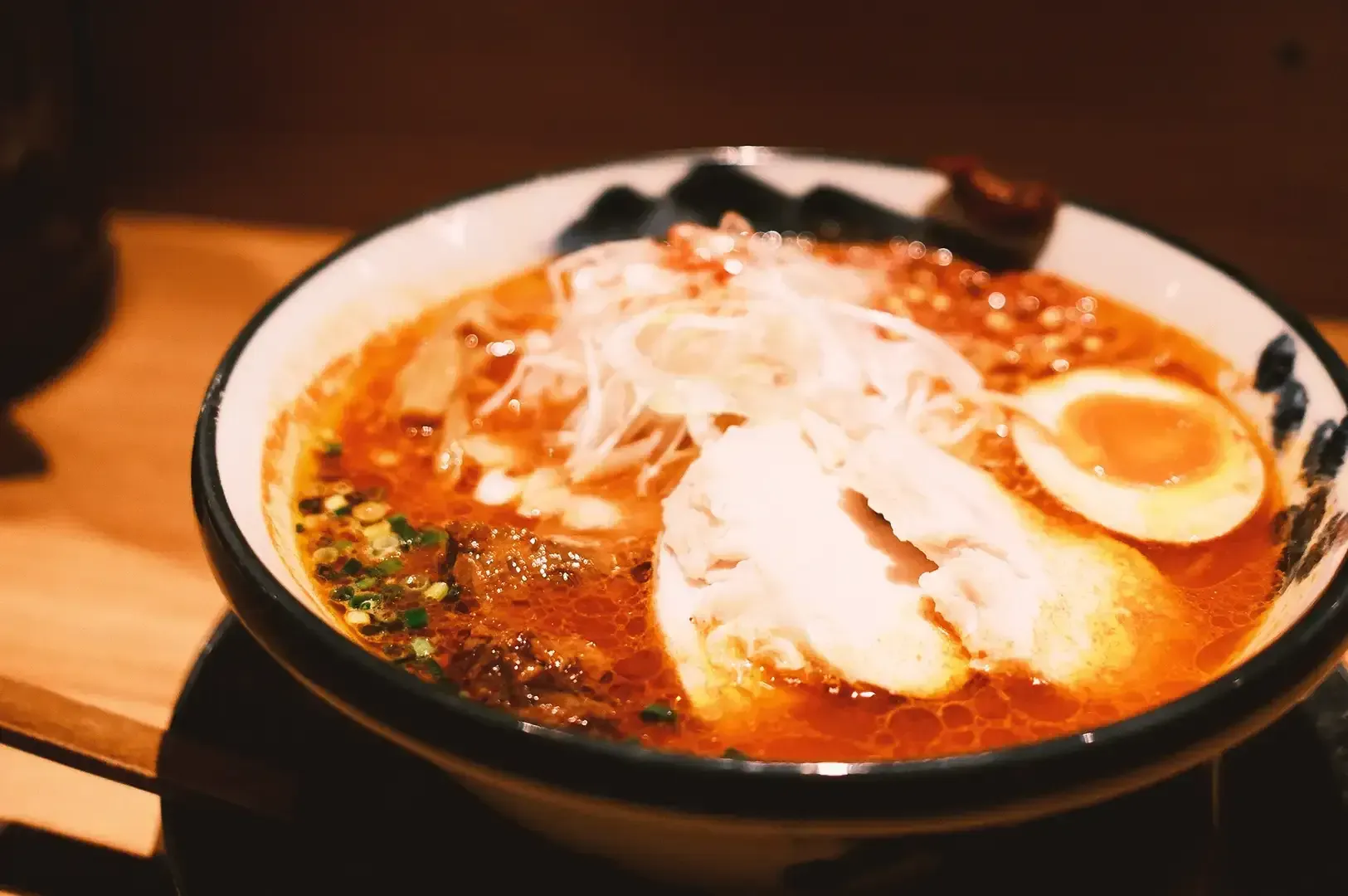
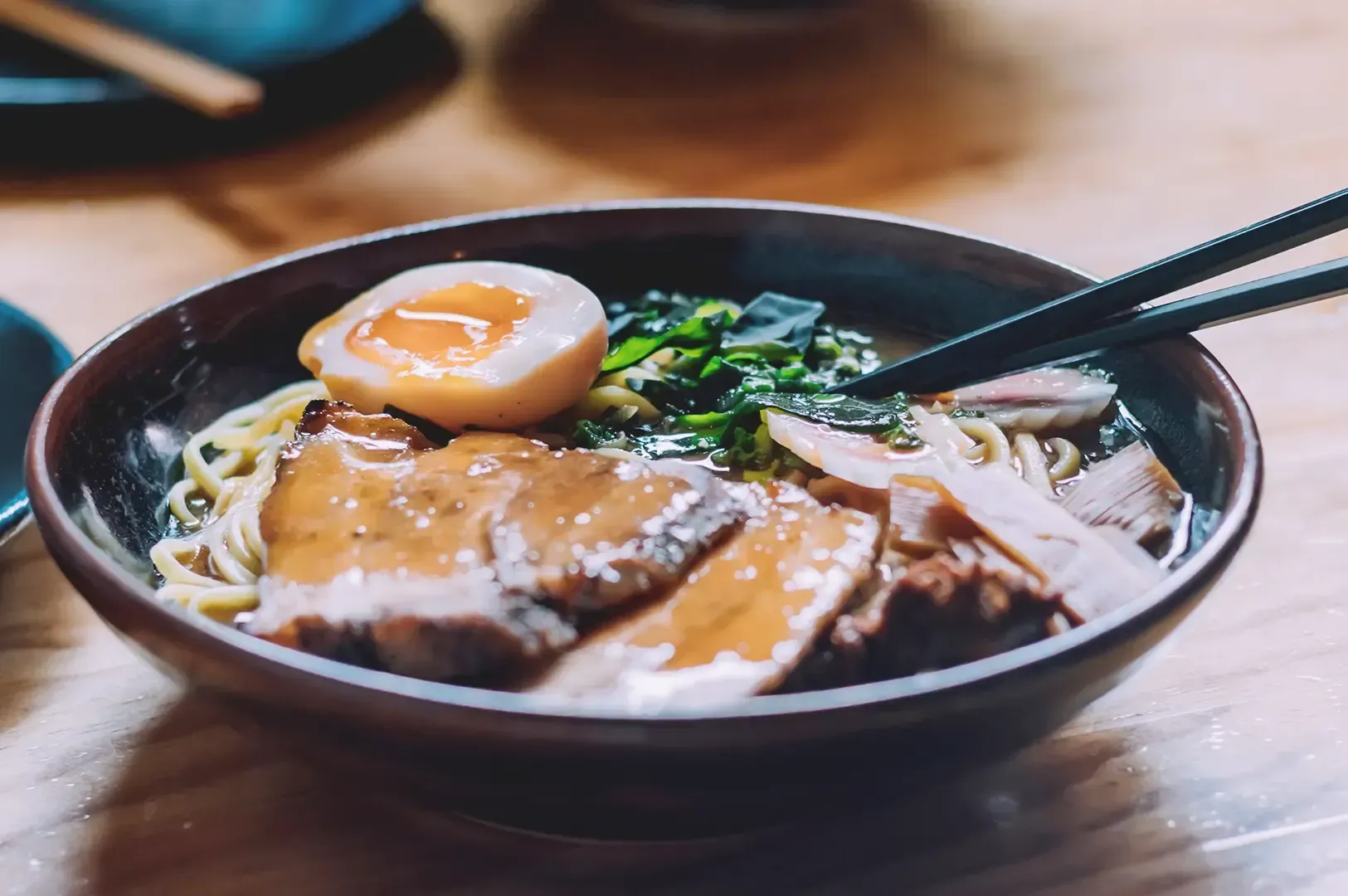
Ramen served in brown bowl

A cook who understands why the broth simmers for hours, who learns the craft honestly, and who builds a bowl with genuine care is doing something real. The result might taste local. It might use an ingredient you'd never find in Japan. Yet the seriousness behind it is authentic in a way that matters.


That doesn't mean anything goes. There's a difference between a thoughtful local interpretation and a careless shortcut. Craft still counts. But craft can grow in more than one place.


So I've stopped asking whether a bowl tastes exactly Japanese. I ask a quieter question instead. Was it made with knowledge and respect? Does it hold together on its own terms? If the answer is yes, I'm satisfied, whether I'm eating in Sapporo or somewhere far from it.


Maybe that's the honest resolution. Ramen doesn't need to taste like Japan to be worth eating. It needs to be made by someone who cares. That, more than geography, is where the truth of a bowl lives.

Recent Posts

A bowl of Japanese ramen topped with spring onions, meat and egg
By Chloe C.L August 28, 2026
A first-person ramen taste test proving rich, heavy ramen can still feel clean when built on balance, not grease.
Ajisen Ramen store in Singapore
By Jillian Garzia August 27, 2026
An honest Ajisen Ramen review in Singapore. Classic, Volcano, and Nankotsu bowls tasted. Does this affordable old favourite still deliver today?
Top view of miso ramen
By Chloe C.L August 24, 2026
Discover how fermented soybeans, koji, and miso broth come together in miso ramen, plus why the noodles usually contain no miso at all.
People taking photos in line outside a glowing ramen shop, with a hot bowl of ramen.
By Jillian Garzia August 21, 2026
A reflective look at what fades when ramen turns trendy: patience, craft, individuality, and the people behind every bowl.
Chopsticks lifting ramen noodles from a steaming white bowl on a light wood table.
By Jillian Garzia August 20, 2026
An honest Hototogisu Ramen review in Singapore. Oyster paitan and shio broth, tasted slowly. Does this seafood ramen earn its Michelin name?
A customer taking a smartphone photo of a steaming bowl of ramen at a cozy.
By Best Ramen Team August 19, 2026
An honest editorial on how Instagram made ramen more performative, yet helped small shops and new styles reach a much wider audience.