Does This Old Favourite Still Deliver? Ajisen Ramen Review
Some restaurants live in your memory more than your present. Ajisen Ramen is one of those for me. I grew up passing its red signboards in the mall, watching bowls of milky broth slide across counters, and I always felt like it was the safe, familiar choice. But familiar doesn't always mean good anymore. So I went back with one honest question: does this old favourite still deliver?
You know how sometimes you crave that one dish from your childhood, the one that feels like a
warm hug on a cold day? That’s exactly what
Ajisen Ramen
has always been for me. It’s not about the flashiest ingredients or the trendiest flavors; it’s about
comfort, consistency, and a little bit of
nostalgia. But after all these years, I wondered if it still hits the spot or if it’s just a memory wearing thin.
Why I Went Back to Ajisen Ramen, Founded Namely Japan’s Kumamoto
I hadn't eaten at Ajisen in years. Somewhere along the way, my ramen loyalty drifted toward newer, trendier shops with hours-long broths and queues out the door.
Still, Ajisen Ramen Singapore holds a strange kind of nostalgia. Founded in 1968 in Kumamoto, Japan, this ramen restaurant has grown into a global chain with wide selections of dishes enjoyed in countries like Taiwan, Thailand, China, the Philippines, Indonesia, Australia, Korea, Guam, Malaysia, Cambodia, Canada, Mongolia, New Zealand, and Panama.
It's been led by notable figures such as Mr Takaharu Shigemitsu, the president who shaped its international presence before he passed. It's the place families go without fuss, the spot you pick when you want something warm, delicious, and reliable rather than a food adventure.
I wanted to know if the memory held up, or if I'd simply grown out of it. So I visited on [insert day, e.g. a Tuesday around 7pm] to find out.
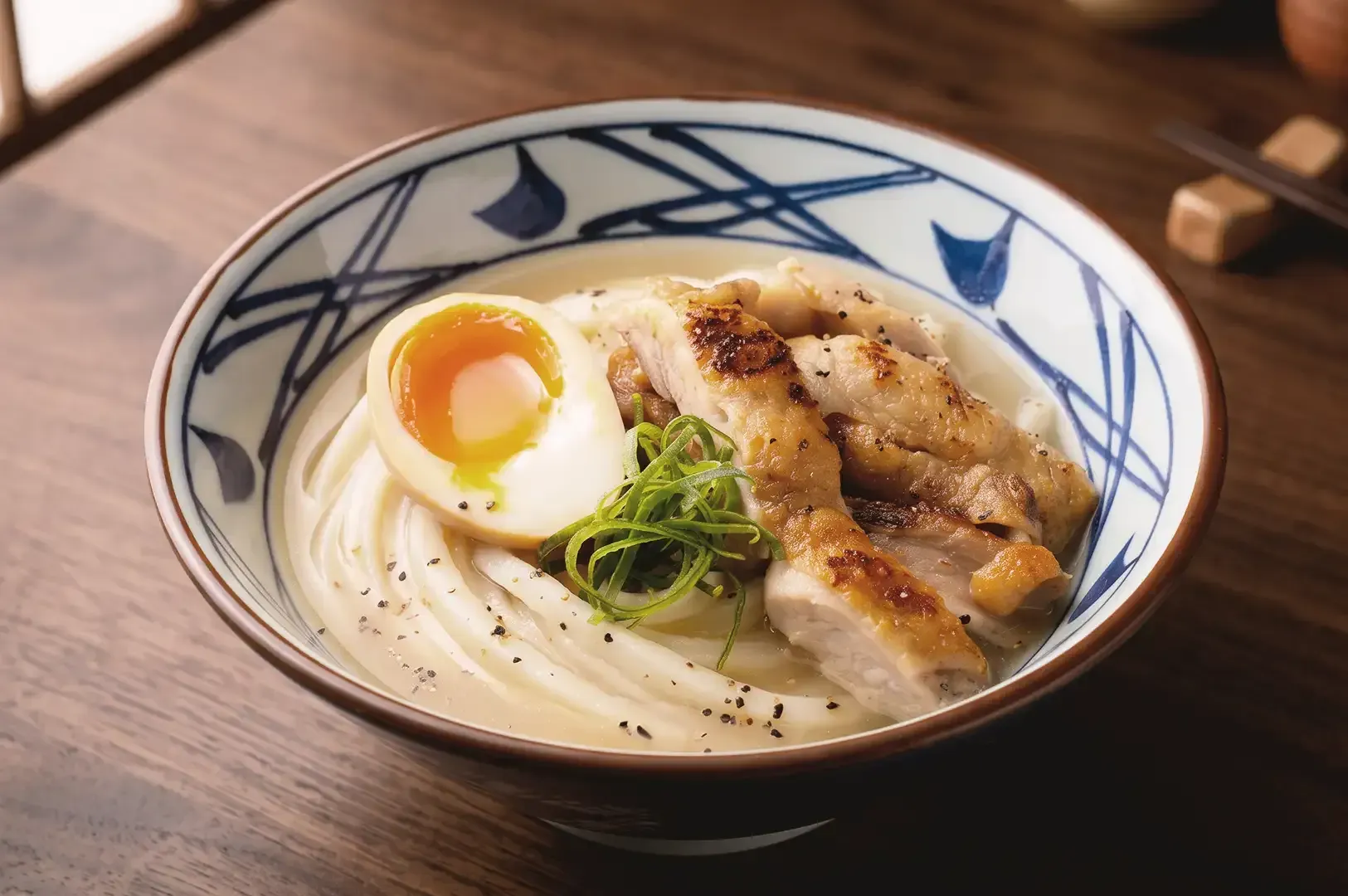
The noodles had a firm, springy bite, thin and straight, the kind that push back before giving way. These noodles are produced in house daily to ensure freshness and perfect texture. They held their texture even as I slowed down, which matters more than people give it credit for.
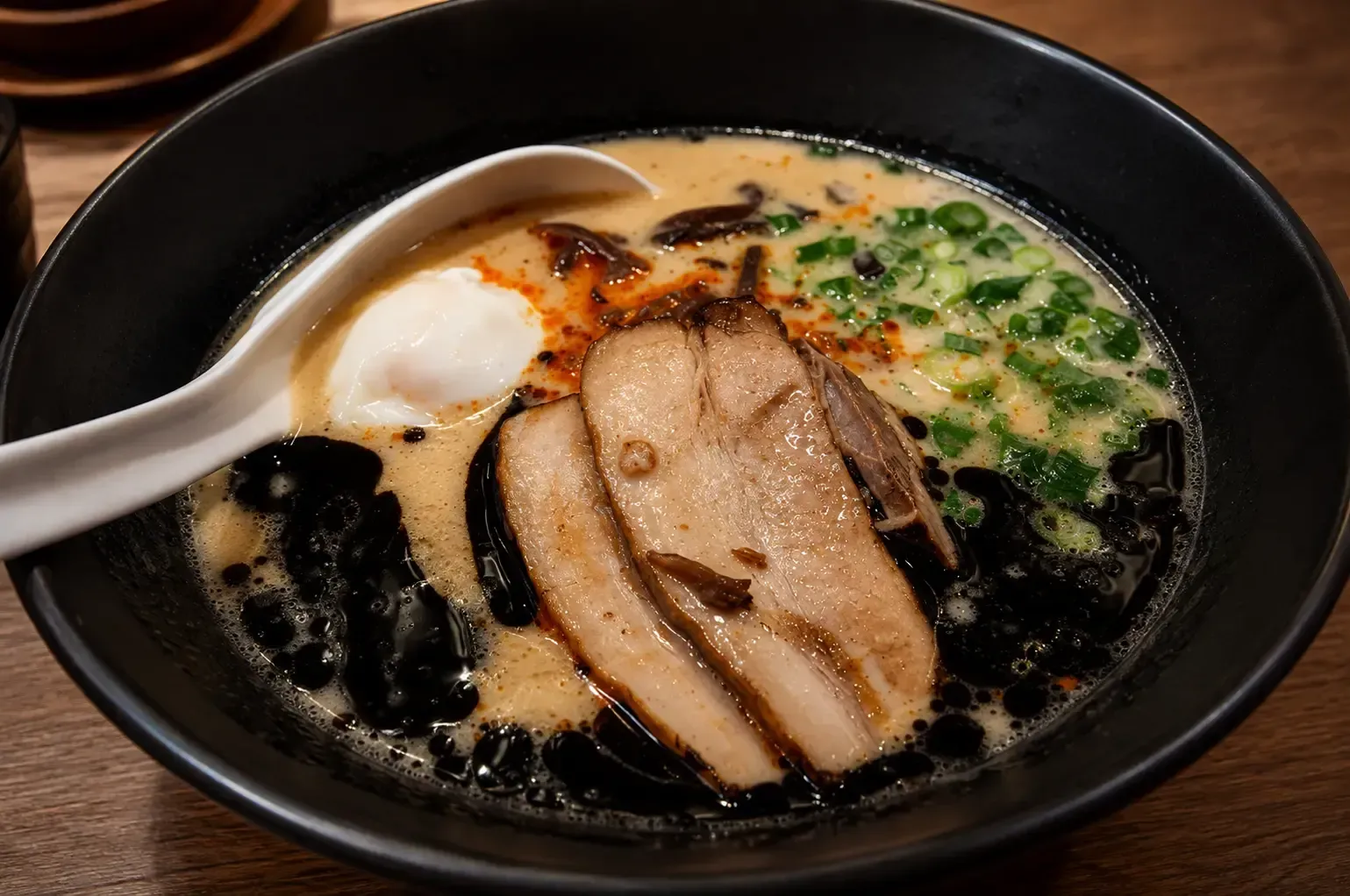
The torched charshu slices were tender, with a soft band of fat that loosened in the heat. It didn't try to be the star. It let the broth stay the centre of things.
The truffle onsen egg was close to perfection. The yolk sat just shy of jammy, stained amber from the marinade, and it spilled slowly into the soup when I cut it. A small, satisfying thing. The kind that tells you a kitchen pays attention when nobody's watching.
First Impressions and Ambience at This Ramen Restaurant in Singapore
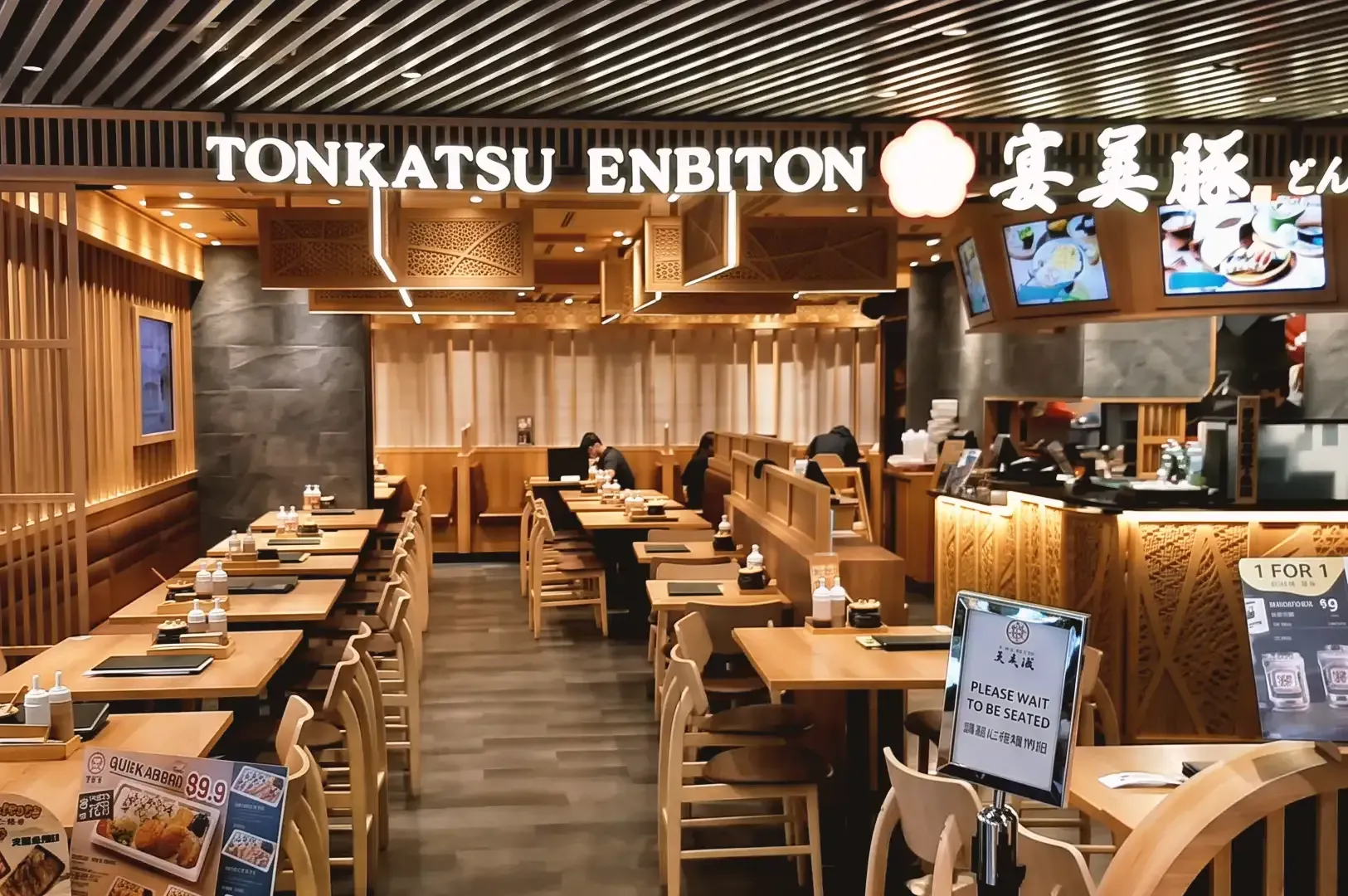
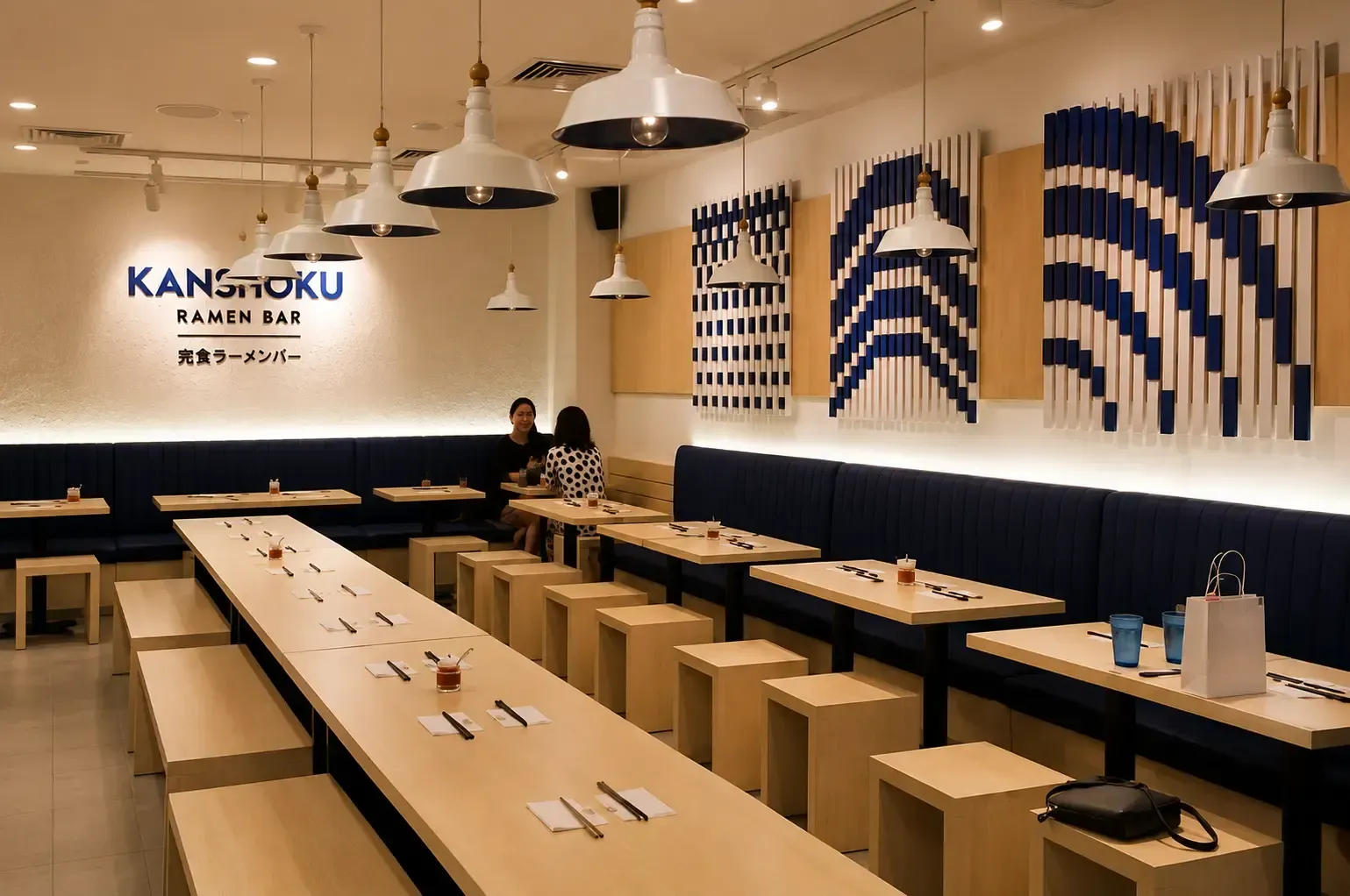
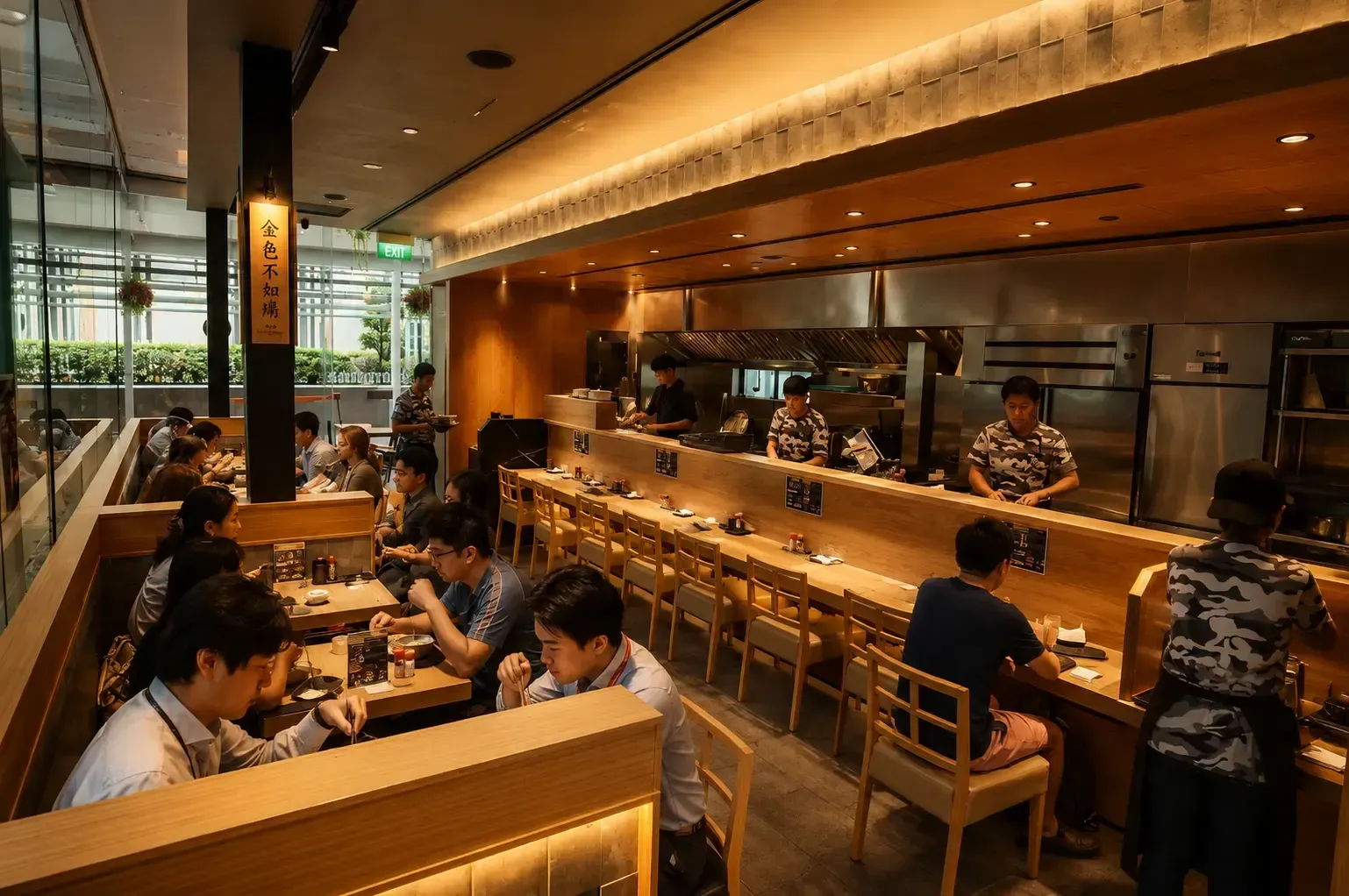
Walking in felt oddly comforting. The layout hasn't changed much, and honestly, that's part of the charm. Bright lighting, clean tables, and that instantly recognisable branding that says you know exactly what you're getting.
The place was about half full when I arrived. when I arrived. Not buzzing, not empty, just a steady hum of everyday diners. I noticed a mix of families, a couple of solo eaters scrolling their phones, and a pair of students sharing a set meal.
The air-conditioning was on the cool side, which felt lovely against a hot bowl of soup. Seating was practical rather than cosy. The tables sit close together, so it's not the spot for a quiet, lingering meal, but it works for a quick, satisfying dinner.
Service was efficient in that no-frills way. I ordered through the tablet at my table, which felt convenient, though a little impersonal. My food arrived quickly, within about ten minutes, which is one thing Ajisen has always done well. Refills of tea took a bit of flagging down, but the staff were polite enough when I caught their attention.
Brothers Ramen: The Signature Bowl
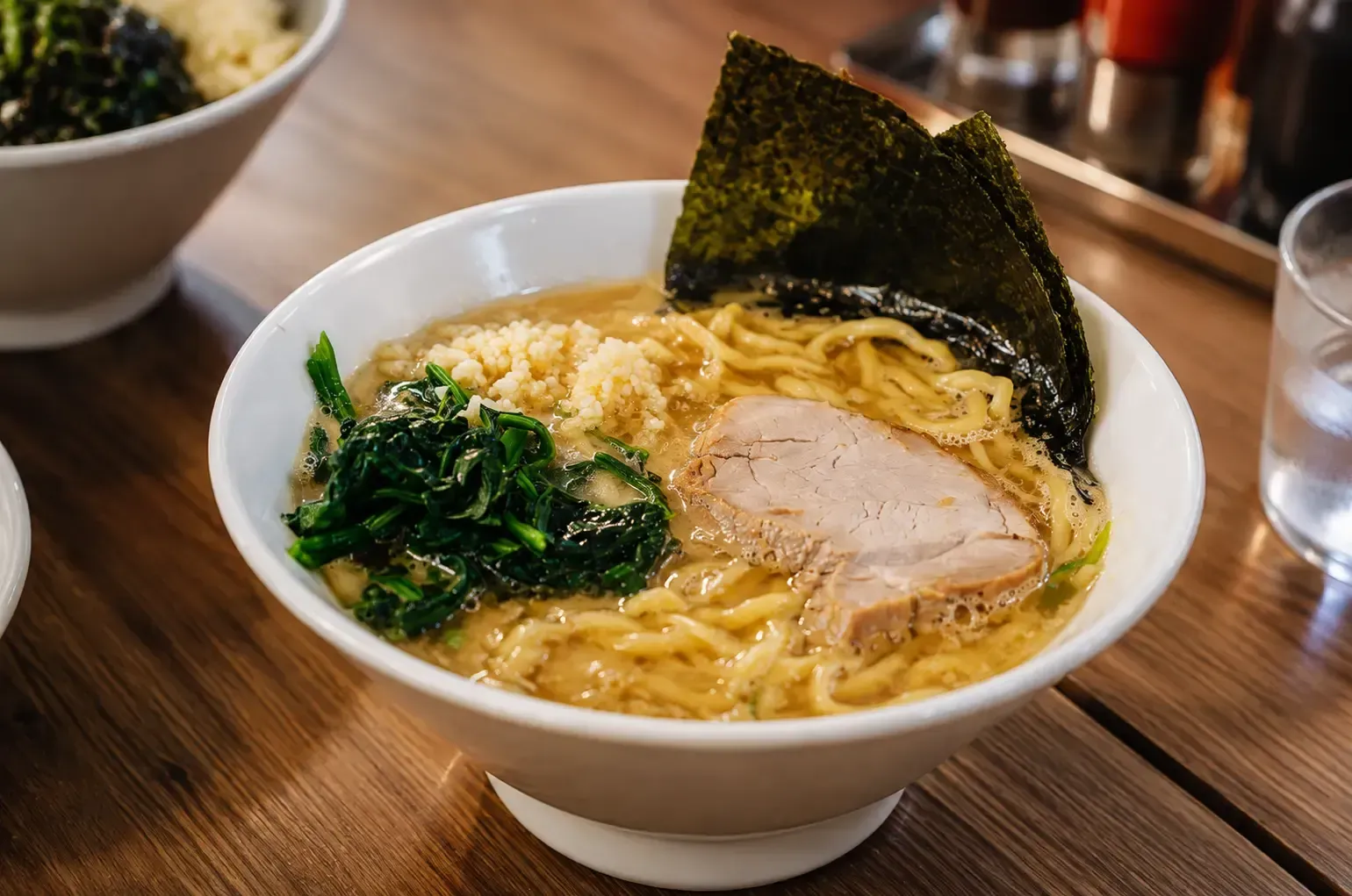
The Food: Ajisen Ramen, Rice Sets, and More Delicious Dishes
Here's where the real answer lives. I decided to order a spread, partly for nostalgia and partly for a fair test.
I ordered the Ajisen Ramen ($12.00), the Volcano Ramen ($16.00), the Nankotsu Ramen ($16.00), and a side of Gyoza (5 pcs, $6.00). That's a proper table for one hungry, curious eater.
Ajisen Ramen: Classic Tonkotsu from Kumamoto, Namely Japan
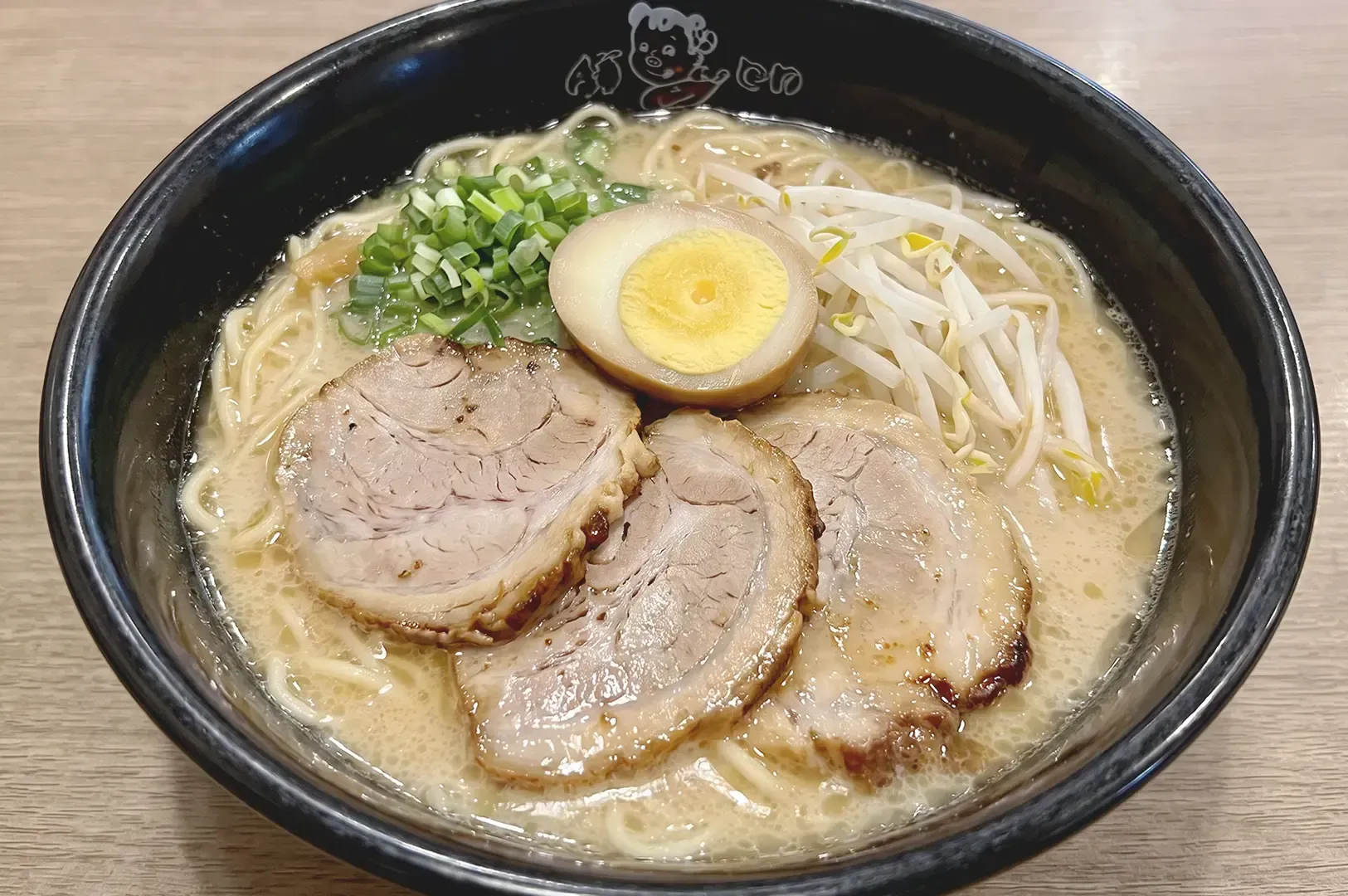
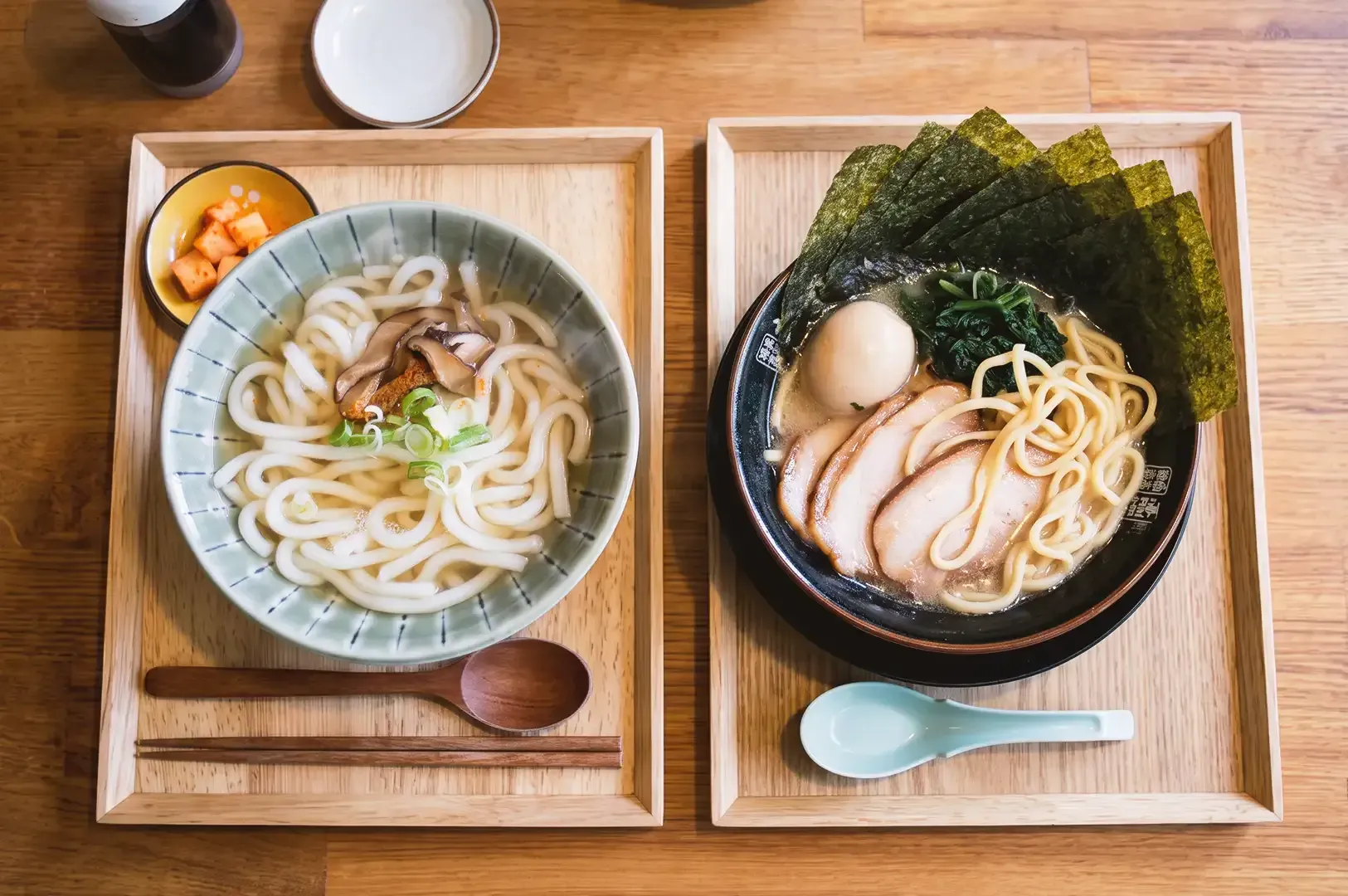
This is the classic, the bowl the whole chain is built around. The broth is tonkotsu-style, cloudy and pale, with that gentle porky aroma rising off the surface. Ajisen ramen totals hundreds of locations worldwide today, all serving this signature rich, milky-white pork bone soup enhanced with proprietary Ajisen oil and powder for consistent flavor.
I'll be honest with you. It's comforting, but it isn't complex. The broth is creamy and mild, easy to drink, though it leans a touch salty toward the bottom of the bowl. It doesn't have the deep, slow-simmered richness you'd find at pricier ramen specialists, and it never really tries to.
The noodles were the standout for me. They came out with a proper springy bite, holding their texture well right to the last strand. The three slices of cha shu were thin and tender enough, if a little modest in size. Presentation was tidy but plain, nothing you'd rush to photograph.
Volcano Ramen and Other Wide Selections
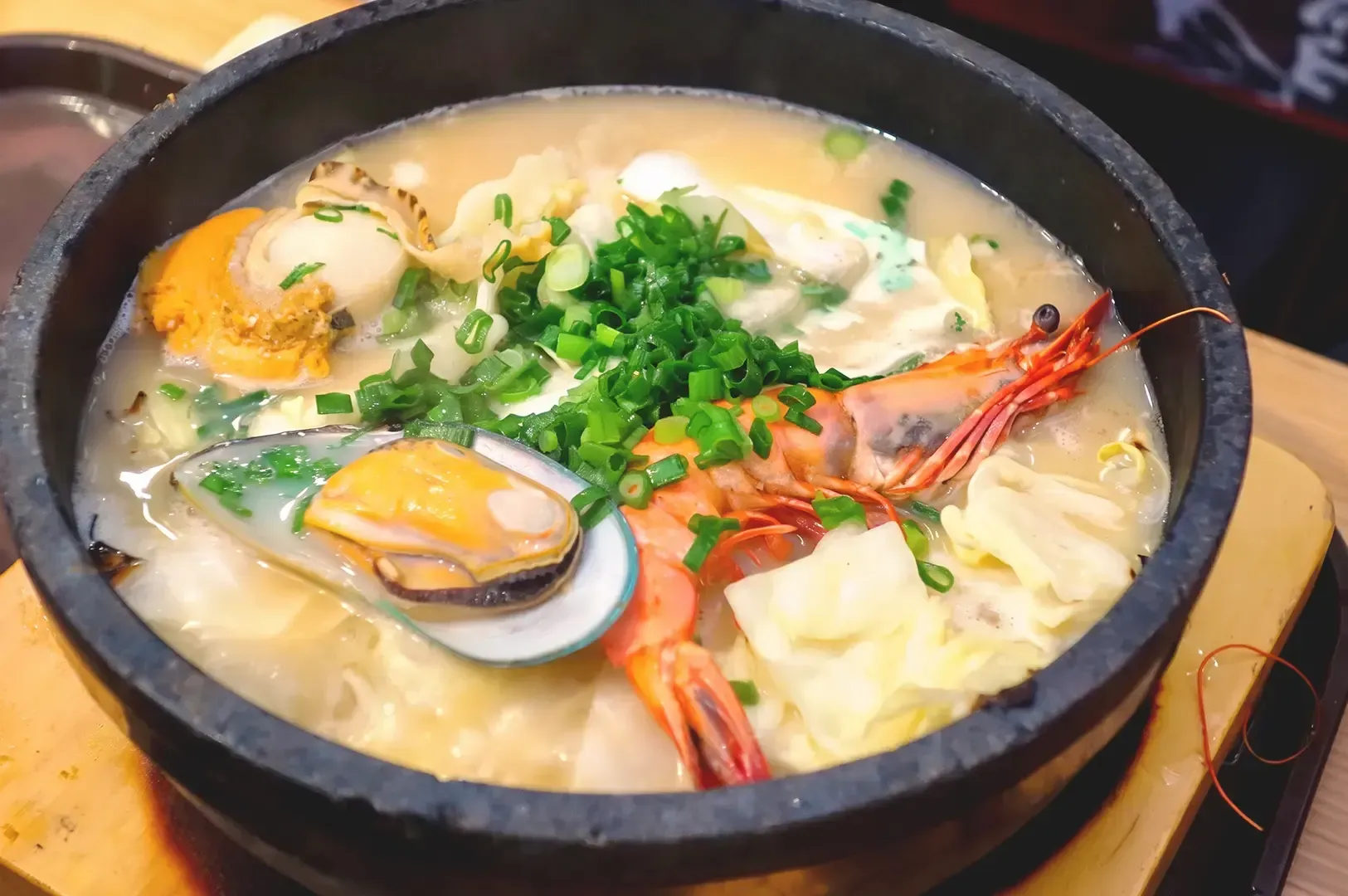
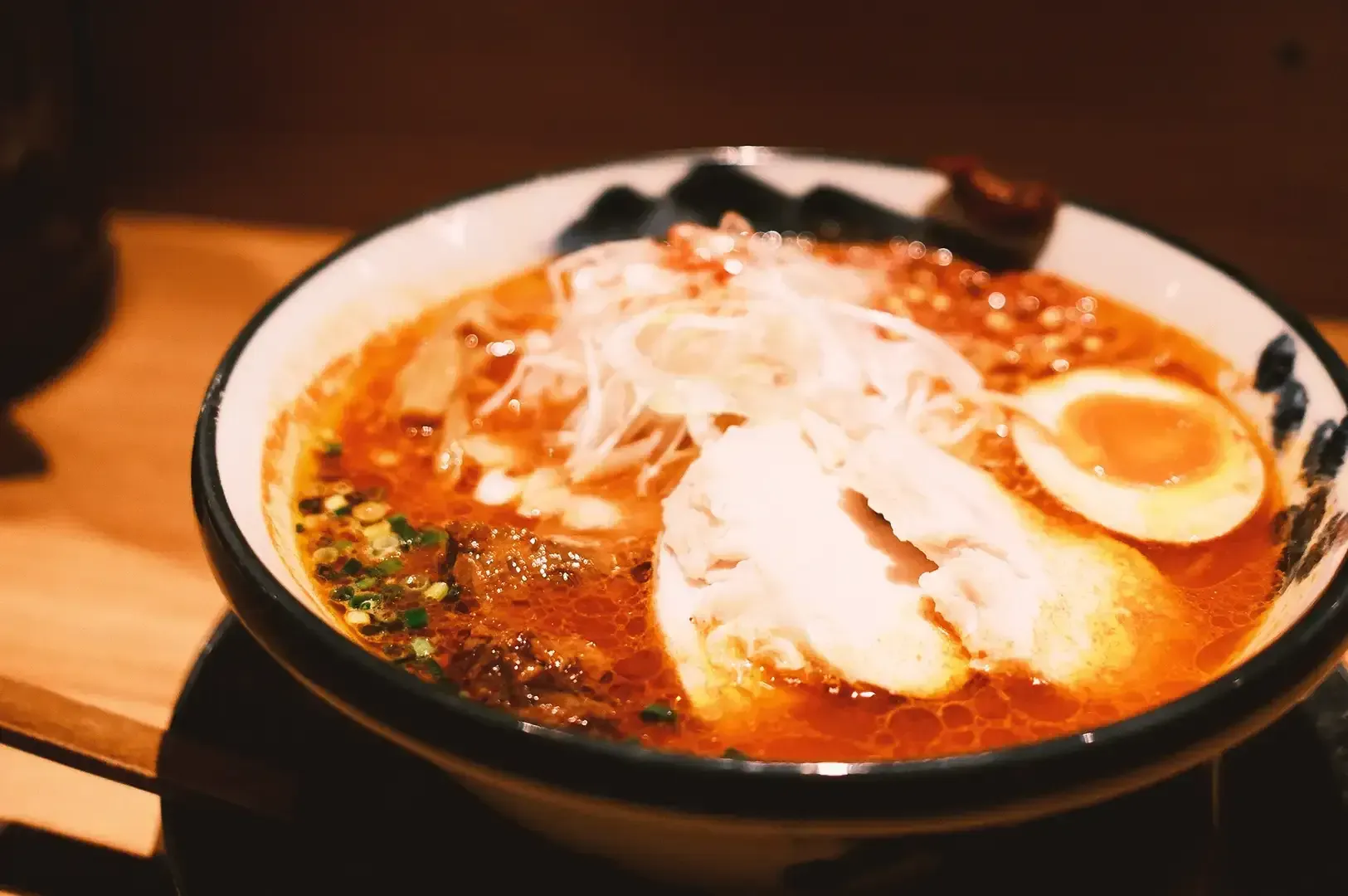
The Volcano Ramen is the one with a bit of drama, and I was curious whether it lived up to the name. It arrived looking the part, a reddish, spicy broth with a fiery hue.
The heat was pleasant rather than punishing. It built slowly, warming the back of my throat without overwhelming the pork base underneath. I felt this one had more personality than the classic, and the spice masked some of the saltiness I noticed elsewhere.
That said, at $16.00, I expected a little more depth. It's tasty and fun, but not the kind of bowl that lingers in your memory once you've left.
Nankotsu Ramen: A Richer Experience Honoring Mr Takaharu Shigemitsu’s Vision Before He Passed
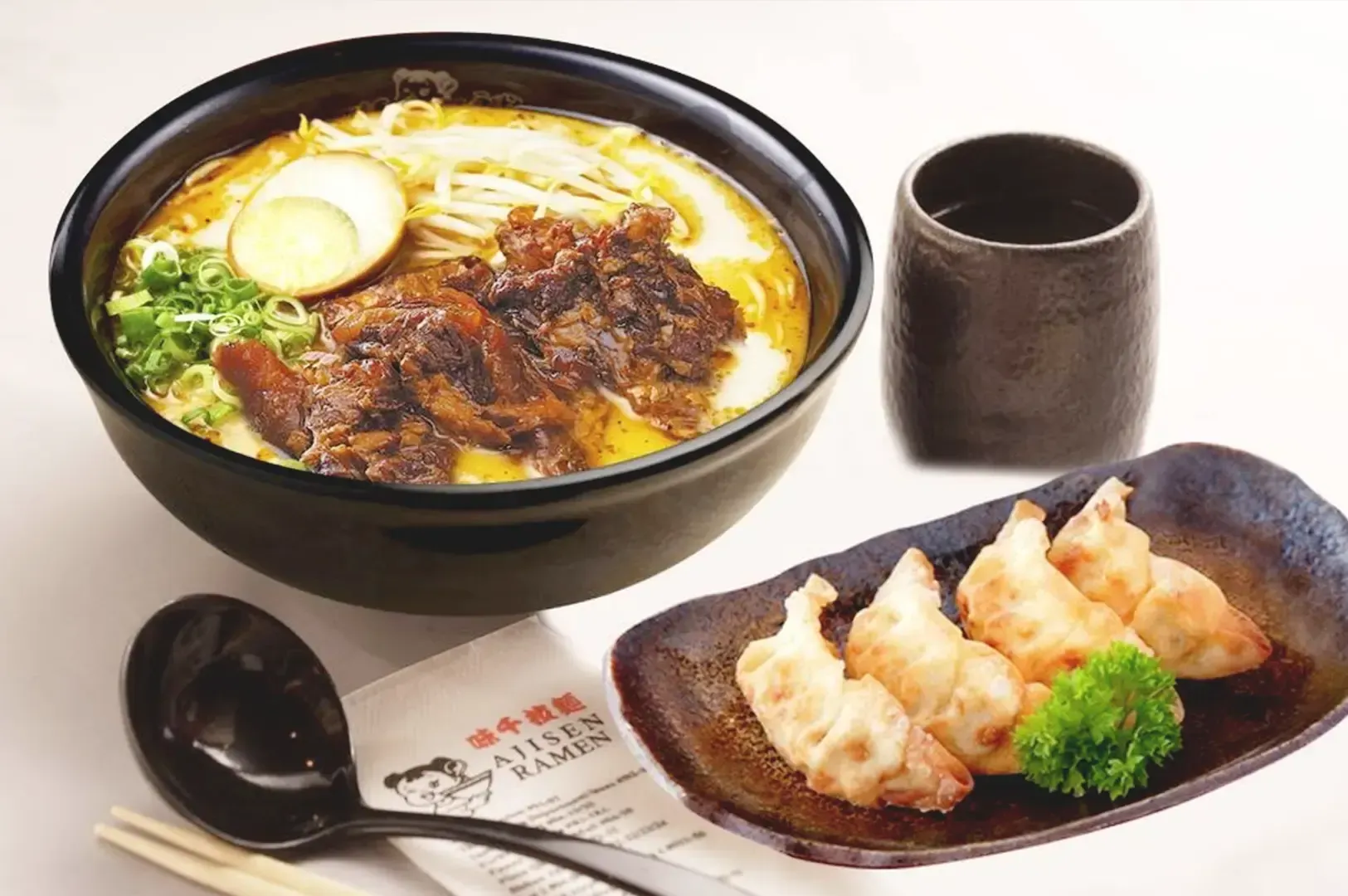
This was my favourite of the three. The nankotsu (soft pork cartilage) adds a richer, more textured character that the other bowls lacked.
The little pieces were tender and gelatinous, giving the broth a fuller body. I noticed the soup felt slightly more layered here, a bit more savoury, a bit more satisfying. If you're deciding what to order, I'd point you toward this one.
Again, portion size was fair rather than generous. It filled me up, but I've seen more abundant bowls elsewhere for a similar price.
Gyoza and Rice Sets: Complementing the Ajisen Experience
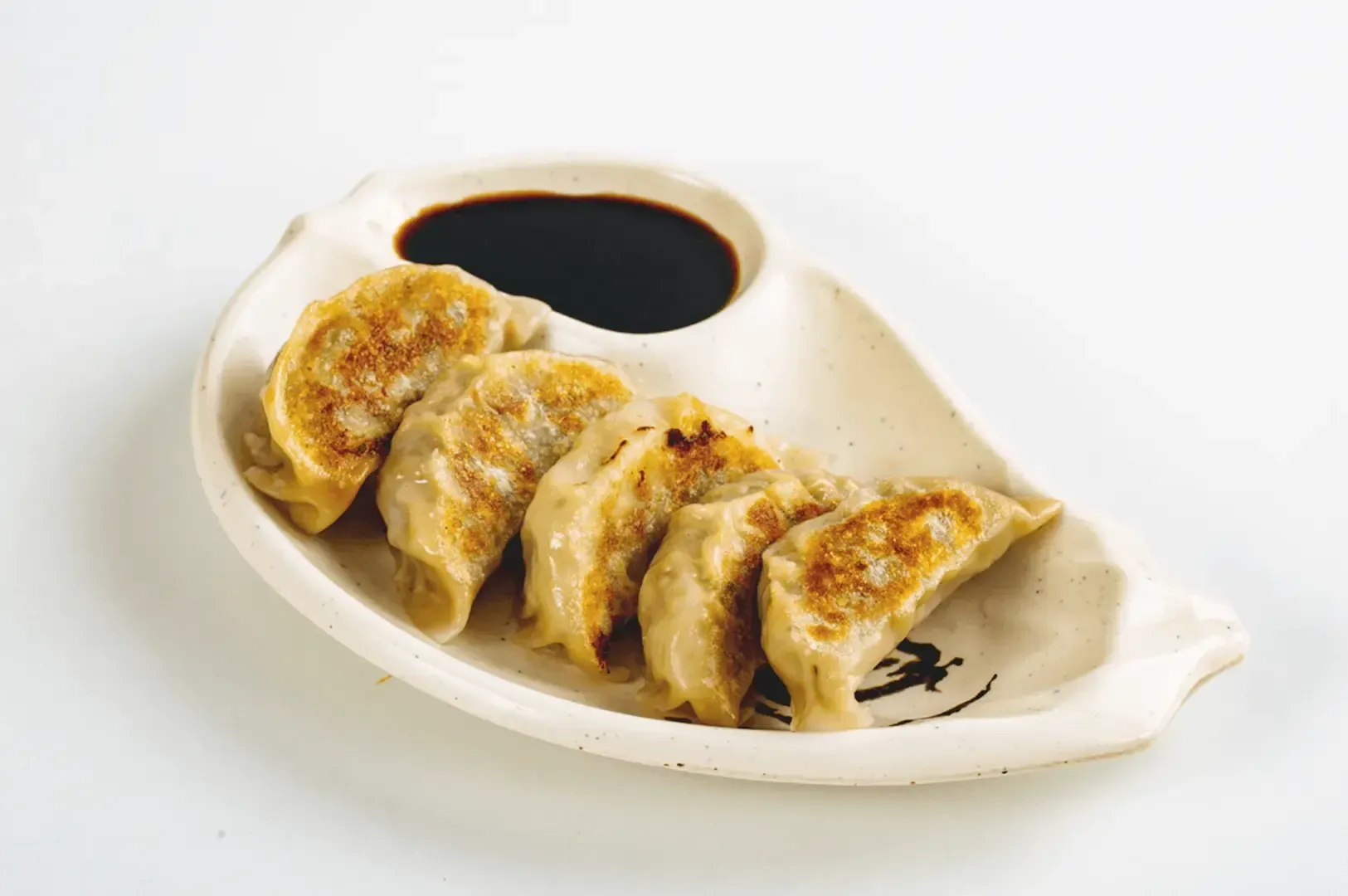
The gyoza were solid. Crisp on the bottom, soft on top, with a warm, well-seasoned filling. Five pieces for $6.00 is reasonable, and they made a good companion to the ramen. Not remarkable, but genuinely enjoyable, and exactly what you'd hope for from a side dish.
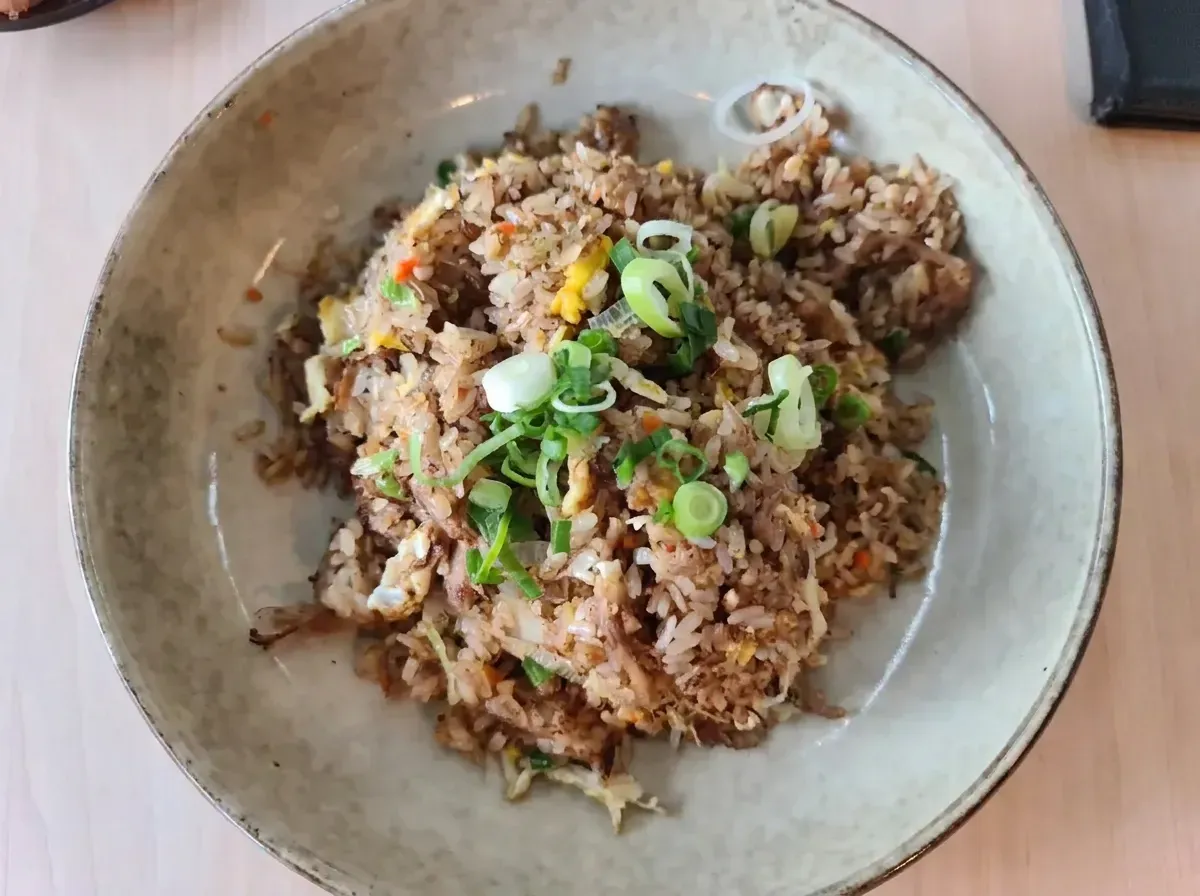
Ajisen also offers rice sets that combine main dishes with sides like gyoza and soup, providing a complete and filling meal option popular among diners in Singapore and beyond.
Value, Consistency, and Ajisen Ramen Totals Worldwide
Let's talk money, because this is where Ajisen makes its case. As affordable ramen Singapore options go, it sits in a comfortable middle ground. The value sets, which pair a ramen with a side and a drink, are where the real savings live.
Consistency has always been Ajisen's quiet strength. You know roughly what a bowl will taste like before it arrives, and there's something reassuring about that predictability. It's not going to shock you with brilliance, but it's also unlikely to disappoint you badly.
Ajisen ramen totals hundreds of outlets spanning the world, from Japan and Taiwan to Thailand, China, the Philippines, Indonesia, Australia, Korea, Guam, Malaysia, Cambodia, Canada, Mongolia, New Zealand, and Panama. This international presence reflects the brand's commitment to delivering a delicious, consistent ramen experience globally.
I'll be fair about the downsides, though, because I noticed a few. The portions felt a touch smaller than I remembered, a common note in reviews over the years. The broth, while comforting, doesn't compete with dedicated ramen specialists on complexity. And the salt level crept up as I ate, which had me reaching for my tea more than once.
So is it still relevant? In a city crowded with ambitious ramen shops, Ajisen isn't chasing the spotlight. It's leaning into what it's always been: convenient, familiar, and easy on the wallet. For a casual weeknight meal or a quick family dinner, that still counts for a lot.
Remembering Mr Takaharu Shigemitsu: The President Who Shaped Ajisen Ramen’s Global Journey Before He Passed
Ajisen’s story is also one of leadership and legacy. Mr Takaharu Shigemitsu, the president who passed not long ago, was instrumental in expanding the ramen restaurant beyond Japan, namely Japan’s Kumamoto origins, to become a beloved brand worldwide. His vision ensured that Ajisen ramen maintained its delicious, rich flavor across diverse markets, adapting to local tastes while preserving its core identity.
So, Does Ajisen Ramen Still Deliver Today?
Here's my honest verdict, friend to friend.
Ajisen Ramen delivers on exactly what it promises, no more and no less. If you walk in expecting a life-changing, artisanal bowl, you'll leave a little underwhelmed. If you walk in wanting a warm, reliable, affordable meal that tastes like a memory, you'll leave content.
For me, the nostalgia held up better than I expected. The Nankotsu Ramen genuinely satisfied me, the gyoza hit the spot, and the whole meal felt like slipping back into a comfortable old routine. It's not the best ramen in Singapore, and it doesn't pretend to be. What it offers instead is dependability, and there's real value in that.
I'd recommend it for casual diners, families, and anyone craving a fuss-free bowl without the queue or the splurge. Just go in with the right expectations, and order the Nankotsu.
Come Decide For Yourself
Nostalgia is personal, so I'd love for you to test yours. Head to your nearest Ajisen Ramen Singapore outlet, order a bowl or two, and see whether this old favourite still delivers for you the way it does for so many everyday diners.
When you do, come tell me what you thought. Did the classic bowl still comfort you, or has your ramen heart moved on? Share your own Ajisen Ramen review with me, because honestly, the best food conversations happen over a shared, steaming bowl.
Ajisen Ramen has numerous of outlets across Singapore, just like every ramen stalls and restaurants. If you want to explore more places to visit for a slurp-worthy bowl, be sure to visit, Ramen Gems at Fortune Centre
Recent Posts