Every time
creamy ramen comes up, everyone rushes to tonkotsu. And I get it. But I keep quietly rooting for the underdog in the room: chicken paitan. It rarely gets a mention, and honestly, I think that's a shame.
Tonkotsu earned its fame the hard way. Pork bones simmer for hours, sometimes a full day, until the collagen and fat break down into that thick, milky soup we all know. The aroma is deep and porky, almost primal. The mouthfeel is heavy and coating, and the richness lingers on your lips long after the bowl is empty.
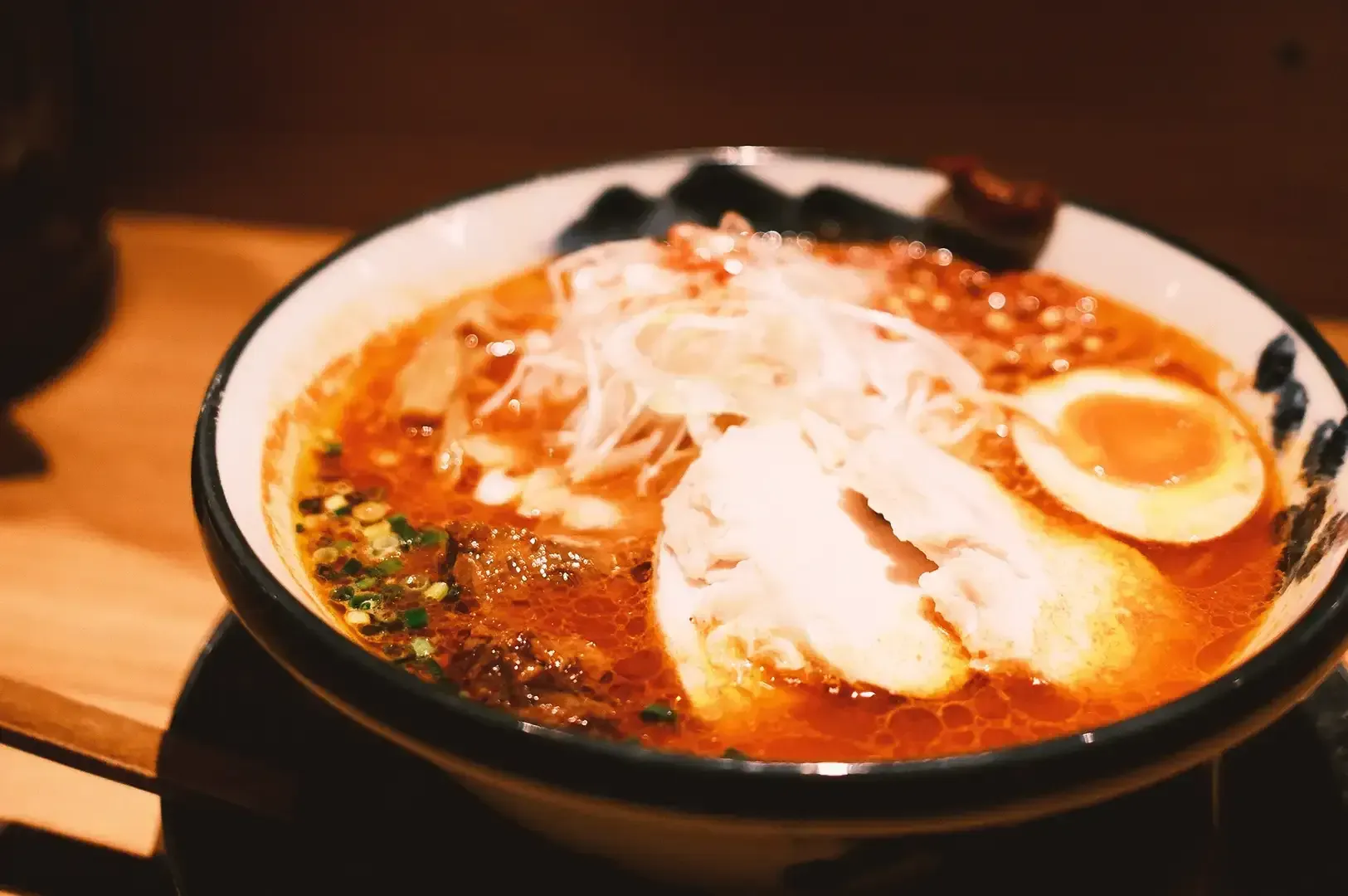
Chicken paitan (torigara paitan) works on the same principle, just with chicken bones. You boil them hard until the broth turns cloudy, creamy, and pale gold. What I've noticed is that it delivers that same luxurious creaminess without the weight sitting on your chest afterward.
Here's where it gets interesting for me.
Tonkotsu is bold and unapologetic. It fills your whole mouth and stakes its claim. Sometimes that's exactly what I want, a bowl that hugs you a little too tightly.
Paitan feels lighter on its feet. The aroma is gentler, cleaner, a little sweet. The savouriness is rounded rather than aggressive, and the finish is smoother. There's real richness there, but it doesn't overstay its welcome. You can slurp the whole bowl and still feel like eating tomorrow.
For me, the magic of chicken paitan is balance. It gives you comfort and body, yet leaves room to actually taste the toppings, the noodles, the little aromatic touches. Tonkotsu can sometimes flatten everything under its intensity. Paitan lets the other players speak.
I'm not here to crown a winner. Tonkotsu is a masterpiece, and on a cold, tired night, that creamy pork broth is pure joy. Both styles reward the hours poured into them.
But I do think paitan deserves a seat at the same table, not a footnote at the bottom of the menu.
So the next time you're craving something creamy, pause before you default to tonkotsu. Ask for chicken paitan instead. Notice the softer aroma, the silky mouthfeel, the clean finish.
You might find, like I did, that the broth nobody talks about becomes the one you can't stop thinking about. Which side are you on?.