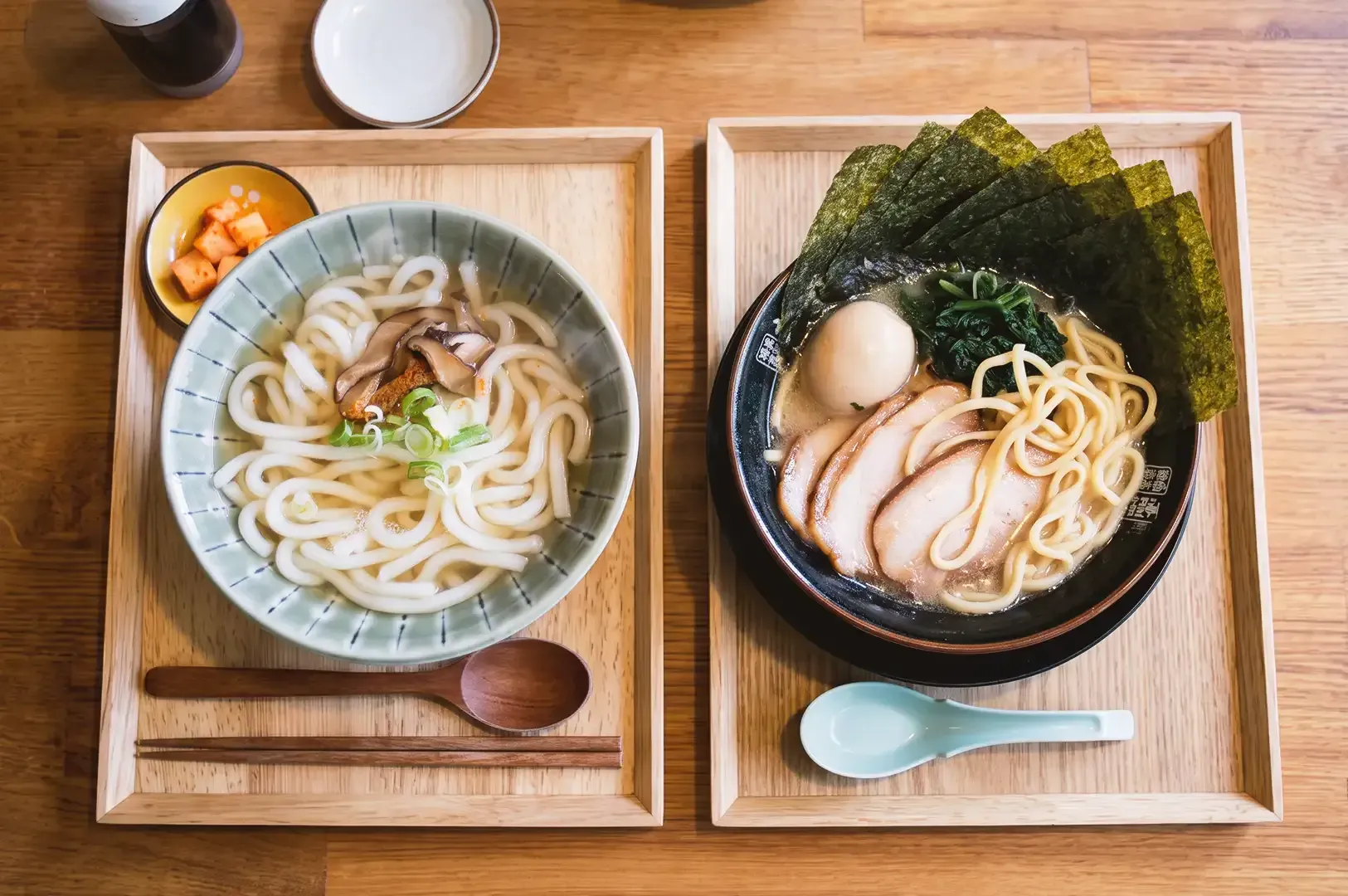
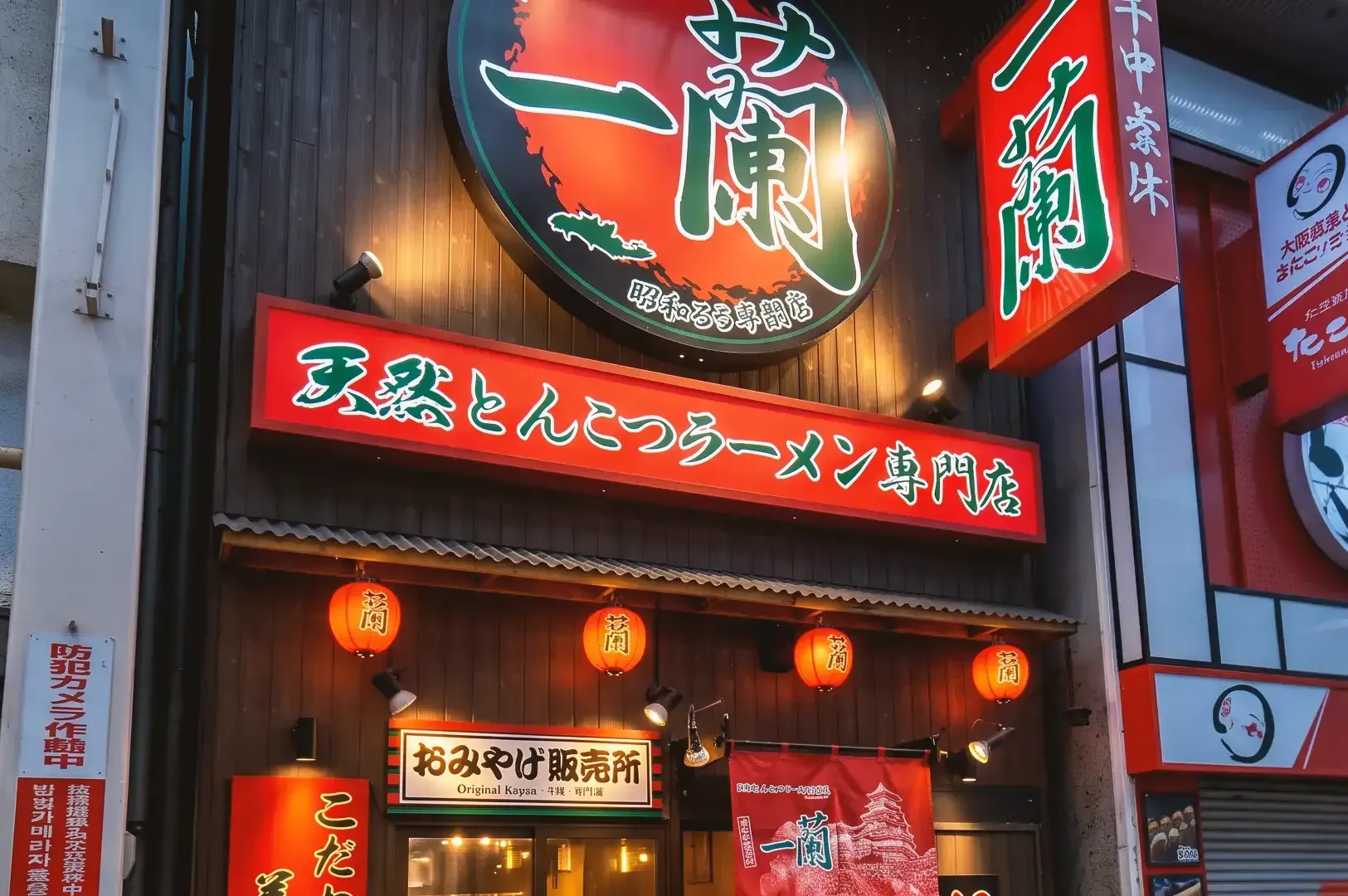
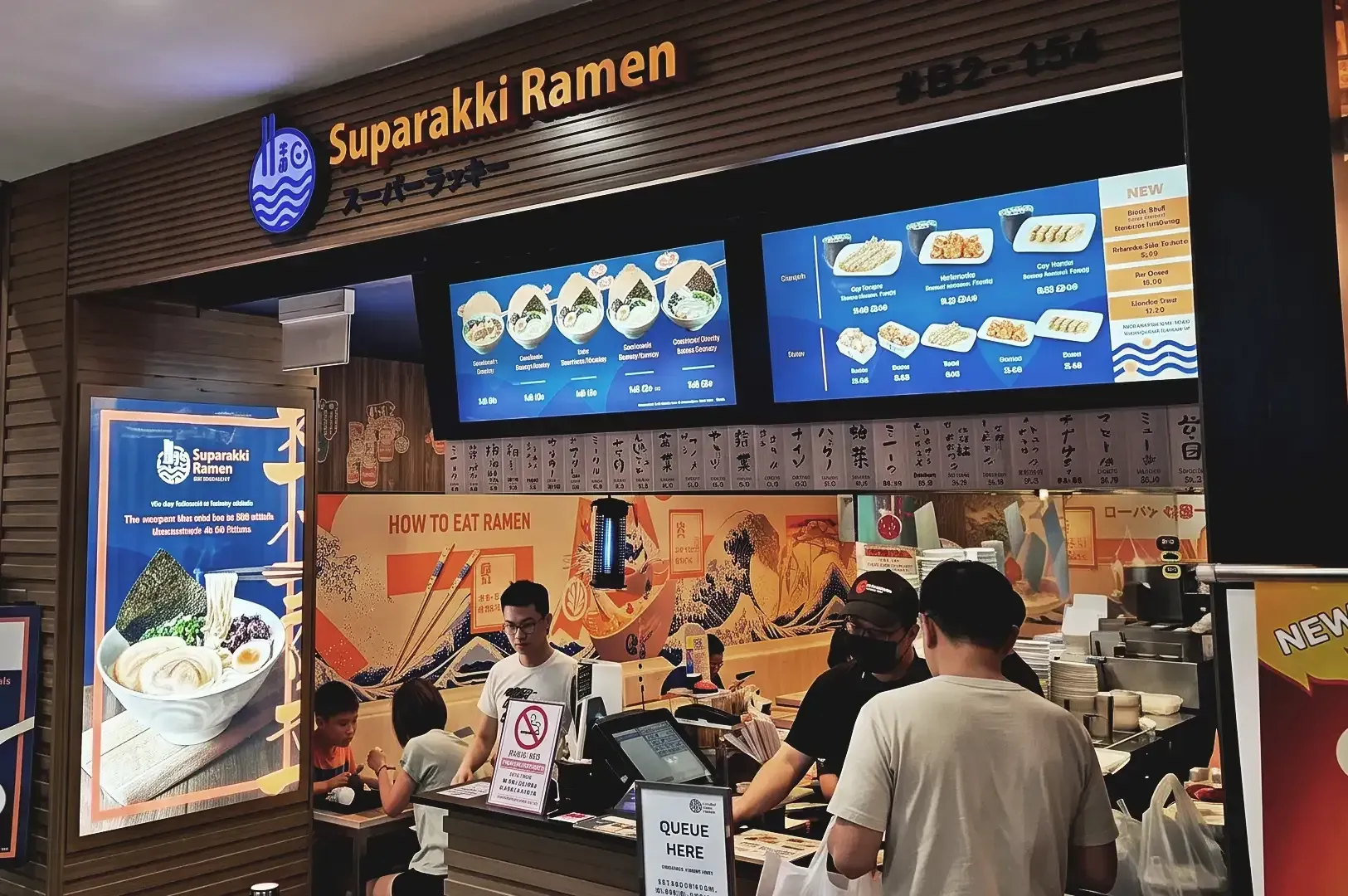
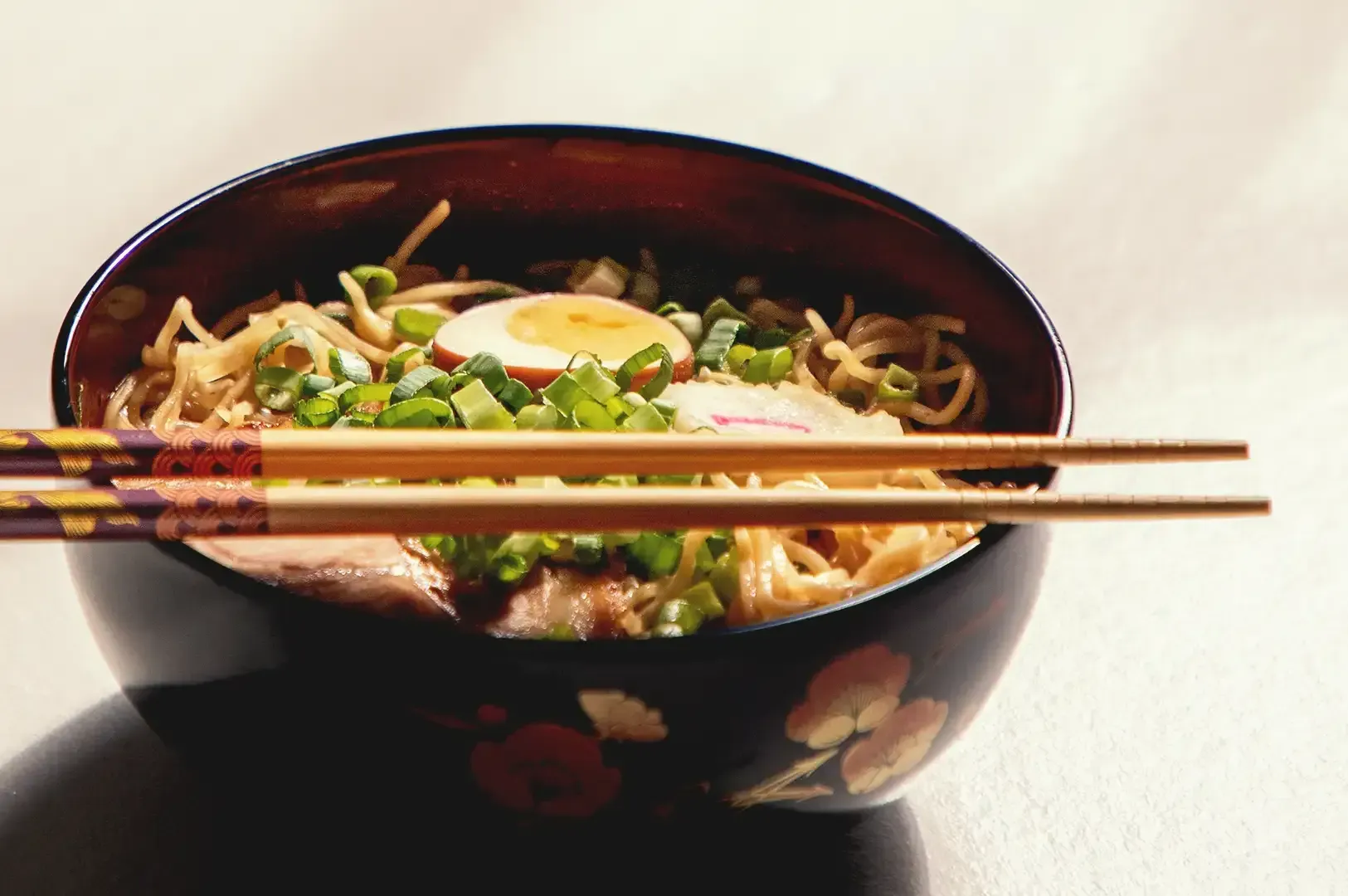
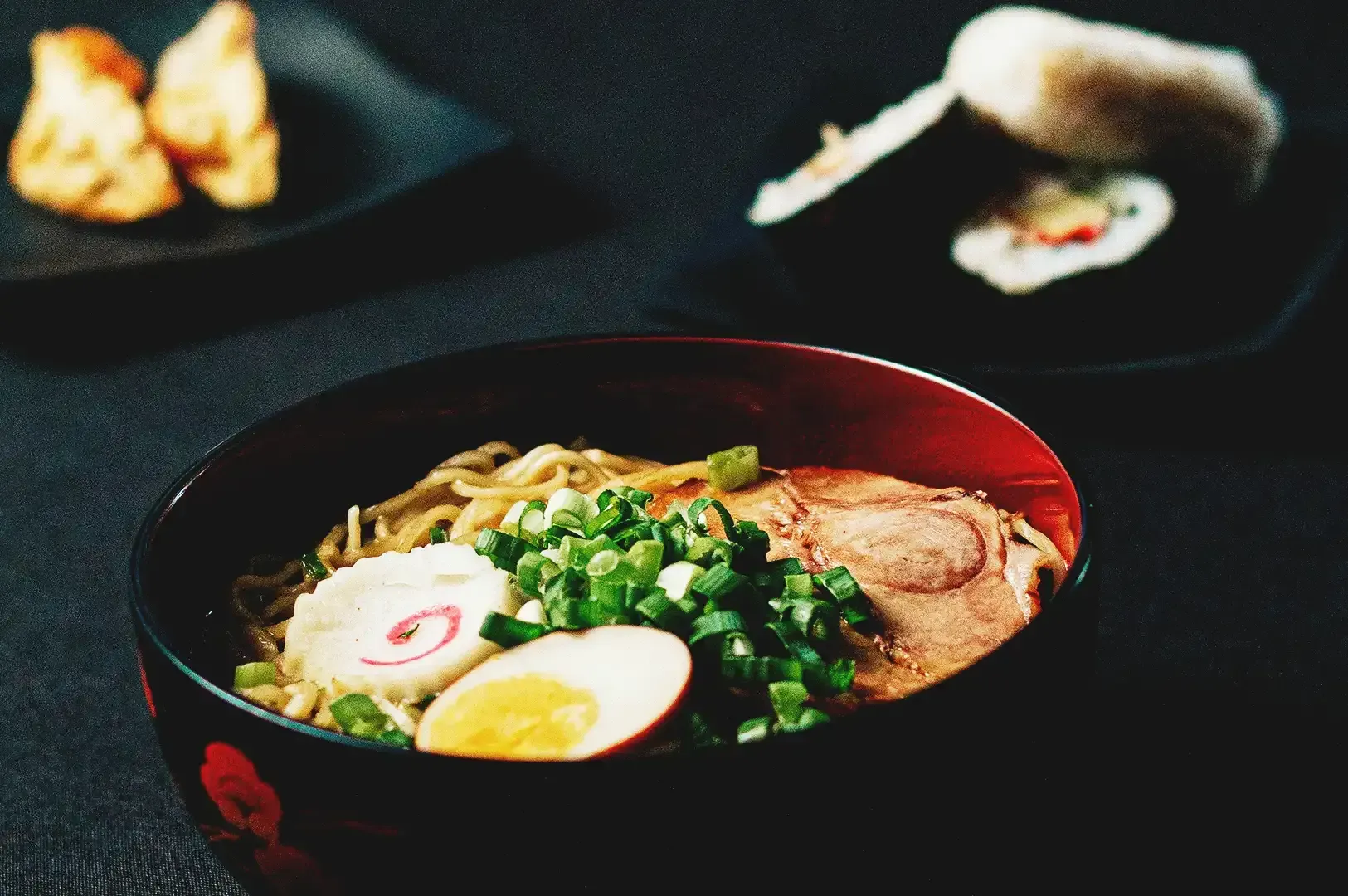
I still remember the first time a chain bowl genuinely floored me. I walked in half-expecting something forgettable, something safe, and instead I got a broth so balanced and clean that I sat there rethinking every assumption I'd carried about ramen. It wasn't the underdog story I'd been told to root for. It was just really, really good.
I've noticed we tend to romanticise the indie ramen shop. The lone chef, the secret recipe, the tiny counter with a queue snaking out the door. And honestly, I love that energy. Independent shops can be wildly creative, personal, and full of character you simply cannot manufacture. When an indie bowl is great, it feels like a gift.
But here is the thing I keep returning to: independent does not automatically mean better.
Chains earn a kind of reputation I've grown to respect. Consistency, for one. When a recipe has been refined across hundreds of bowls, the kitchen learns exactly
how long to simmer the broth, how firm to keep the noodles, how much fat gives richness without tipping into heaviness. That refinement is not lazy. It is a craft of its own, tested and retested until the bowl lands right every single time.
I think about ingredient sourcing too. A larger operation can secure quality pork, better
noodles, and reliable produce at a scale a small shop sometimes struggles to match. Add operational expertise, trained staff, smooth service, sensible pricing, and locations you can actually reach, and suddenly the chain bowl starts making a compelling case.
There is comfort in that reliability. When I'm tired and hungry and just want a bowl that will not disappoint, I know the chain will deliver. An indie shop might dazzle me, or it might have an off night, and both are part of the adventure. But adventure is not always what I'm craving.
None of this makes indie shops lesser. It just means the story we tell about authenticity deserves a second look. Sometimes the most authentic thing is a bowl made with precision, care, and years of quiet, unglamorous refinement.
So the next time you're deciding where to eat, I'd gently ask: are you choosing the better bowl, or the better narrative? Try judging it by what lands in front of you. Then tell me, honestly, which one won you over.