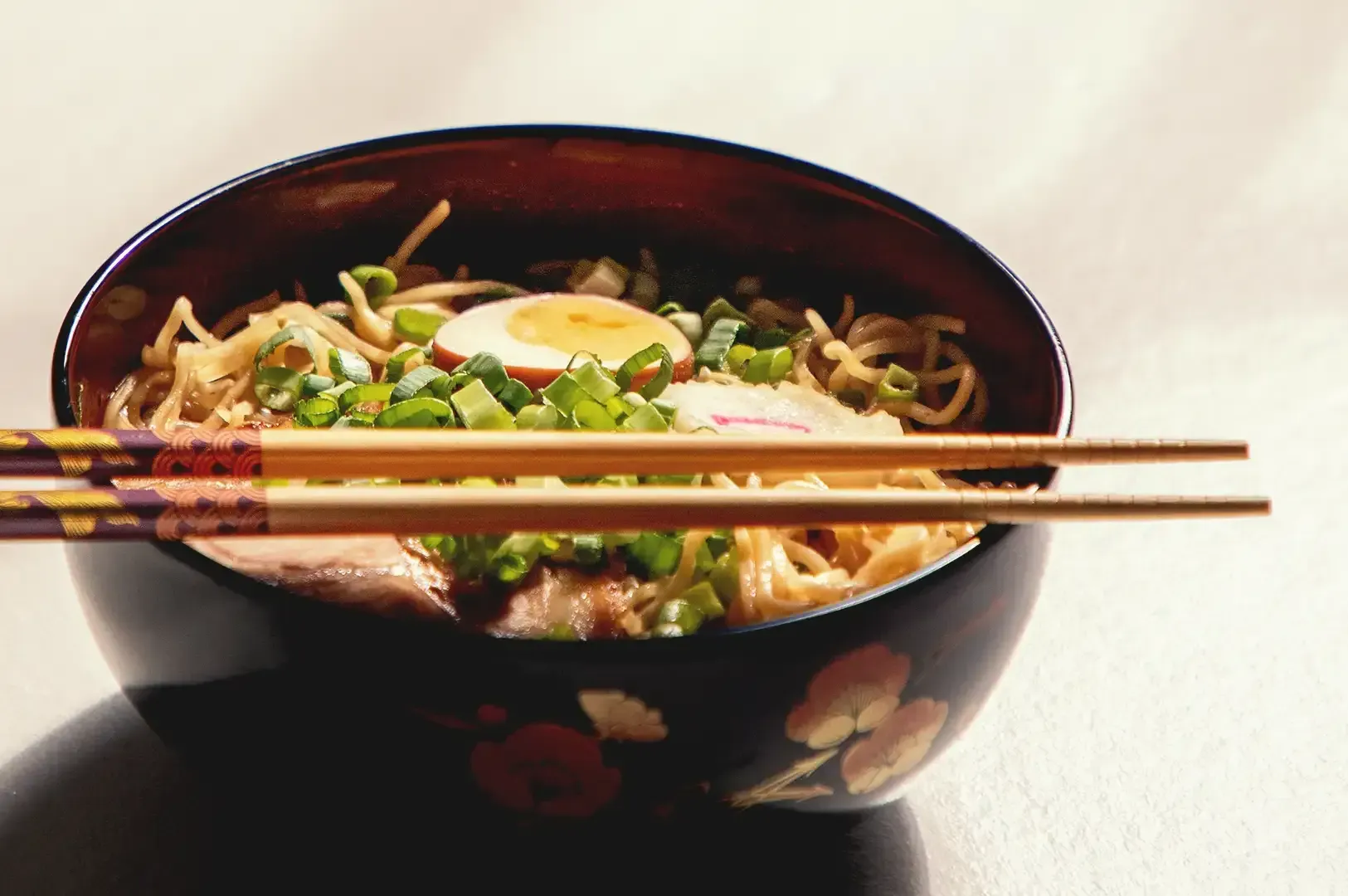
Ramen vs Udon: Two Japanese Noodles, Two Very Different Bowls
When I first started eating my way through Singapore's Japanese food scene, I lumped ramen and udon together in my head. Noodles in broth, right? How different could they really be? Then one week I had a bowl of rich tonkotsu ramen followed a few days later by a gentle bowl of udon, and it clicked. These two Japanese noodles aren't cousins so much as characters with completely different personalities.
If you've ever stood in front of a menu wondering which one to order, this guide is for you. I'll walk you through what actually sets
ramen and
udon apart, from the noodles themselves to the broth, the toppings, and the ways you can cook them at home. My goal is simple: by the end, you'll know exactly what you're getting into with each bowl.
Ramen Noodles vs Japanese Udon Noodles: Where These Japanese Noodles Come From
Let's start with a little history, because it explains a lot about how these two bowls taste today.
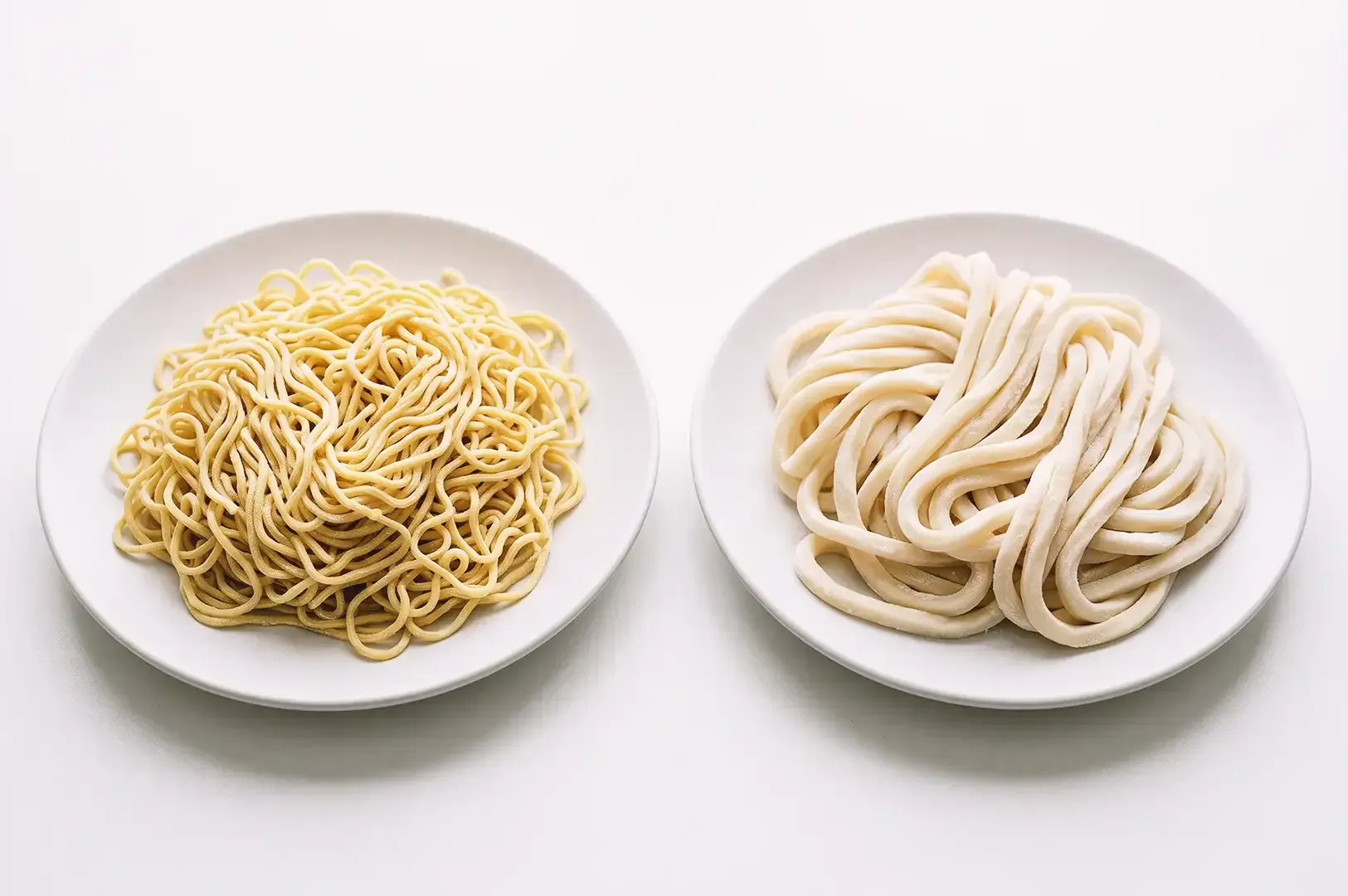
Japanese udon noodles have deep roots in Japan, and there are plenty of stories about how they came to be. What everyone agrees on is their signature: thick, chewy noodles made primarily from wheat flour with a satisfying bite. Ramen has Chinese roots and became established in Japan around the turn of the 20th century, before expanding dramatically in the post-war period.
Ramen really took off after World War II as an affordable, filling meal, and today it's a global phenomenon with endless regional styles.
I've found that knowing this backstory helps me appreciate each dish more. Udon feels like quiet, homegrown comfort food. Ramen carries that spirit of adaptation and reinvention, which is why you'll see so many bold versions of it.
B. Miso Ramen: Matching Bold Flavours With Smoky Seafood
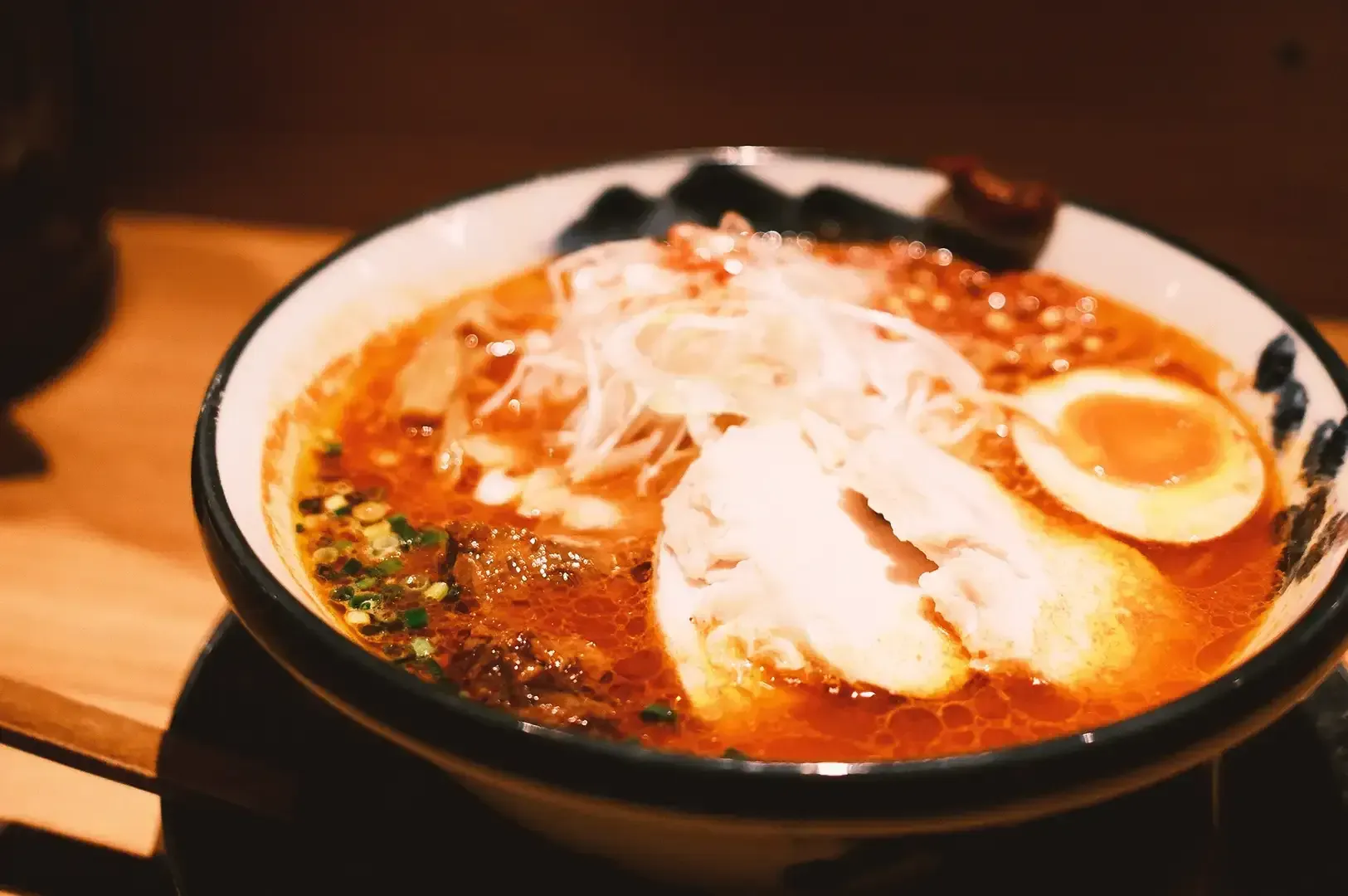
Miso ramen brings a different kind of depth. Fermented soybean paste gives the broth a savoury, slightly salty complexity, layered with stronger umami notes and often a swirl of chili oil or a base of soy sauce. It is hearty and full-bodied, the sort of bowl that lingers.
Noodle Soup Bases: Chicken Stock, Flavorful Broth, Homemade Broth, and More
If the noodles are the body, the soup broth is the soul, and this is where ramen and udon head in totally opposite directions.
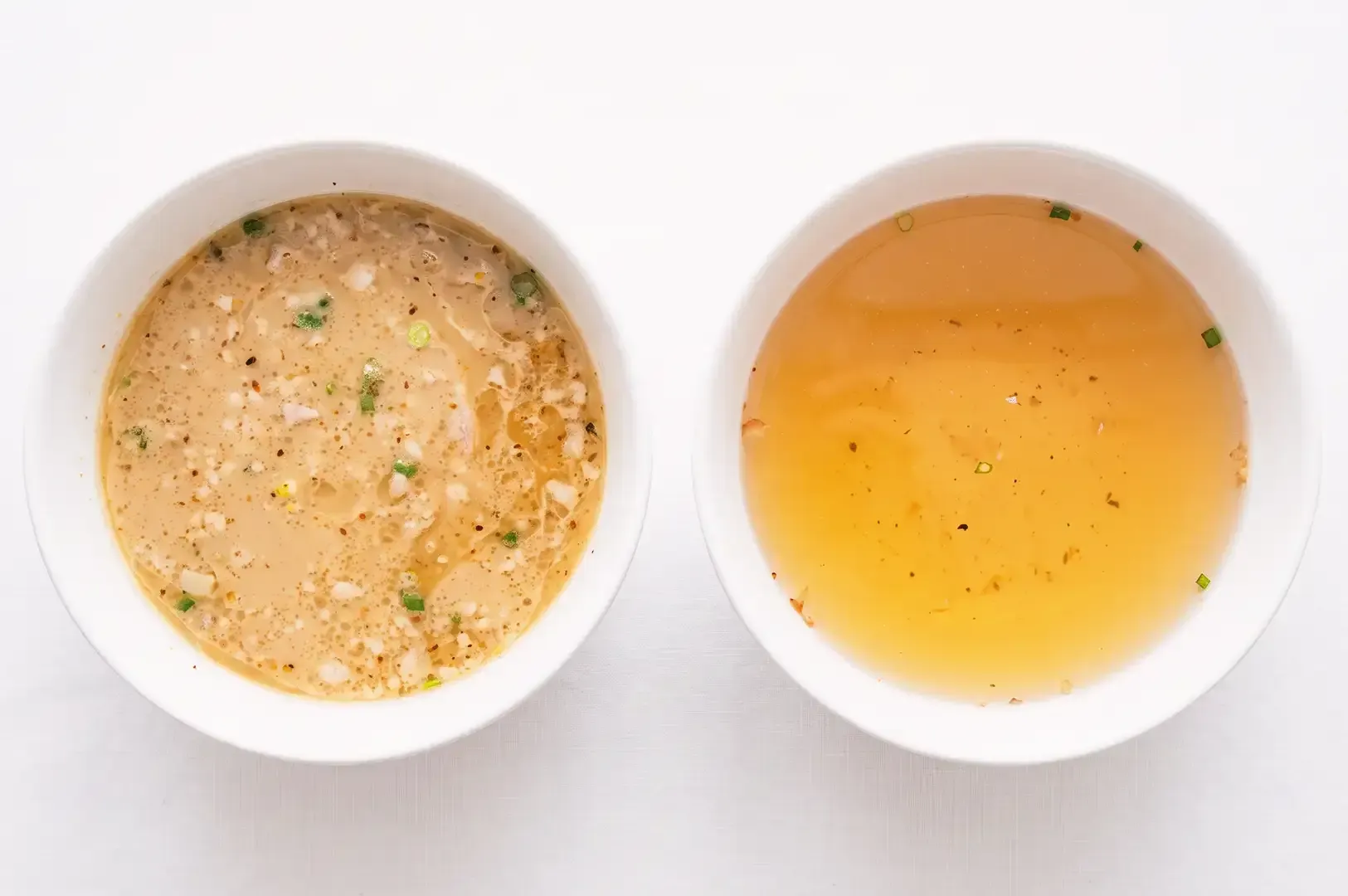
Udon is traditionally served in a mild, savory broth made from dashi, soy sauce, and mirin. Dashi is a Japanese stock built from ingredients like dried fish, kelp, and bonito flakes. The whole point of this broth is restraint. It's light and gentle, designed to enhance the noodles and toppings without ever shouting over them. When I want something soothing and clean, udon's the bowl I reach for.
Ramen soup goes big. There are four common ramen styles you’ll run into again and again. Shoyu, shio and miso refer mainly to the seasoning used in the soup, while tonkotsu refers to a pork-bone stock.
- Tonkotsu ramen, made from pork bones simmered for hours into a rich, creamy soup broth
- Shoyu ramen, built on a soy sauce base with a savory, well-rounded taste
- Shio ramen, a lighter, salt-based broth that feels more refreshing
- Miso ramen, which uses fermented soybean paste for deep, hearty umami flavor
Each one changes the personality of the entire bowl. That deep umami flavor is really the heart of what makes ramen so crave-worthy. If udon whispers, ramen speaks up.
Pro tip: If you're new to ramen and not sure where to start, try shio or shoyu before jumping to tonkotsu or miso ramen. The lighter broths let you taste the noodles and toppings clearly, so you can figure out what you actually enjoy before committing to the richer, heavier bowls.
3. Light Ramen And Traditional Sushi: Keeping Flavours Delicate
Ramen Recipe and Japanese Recipes: Toppings and Ingredients
The toppings tell you a lot about each dish's intentions.
Udon tends to stay understated. You'll commonly see green onions, kamaboko (fish cake), aburaage, tempura, wakame, beef, egg or grated daikon, and grated nori. These add texture and little pops of flavor while keeping that gentle balance intact. Because the broth is so mild, the toppings get room to shine without competing.
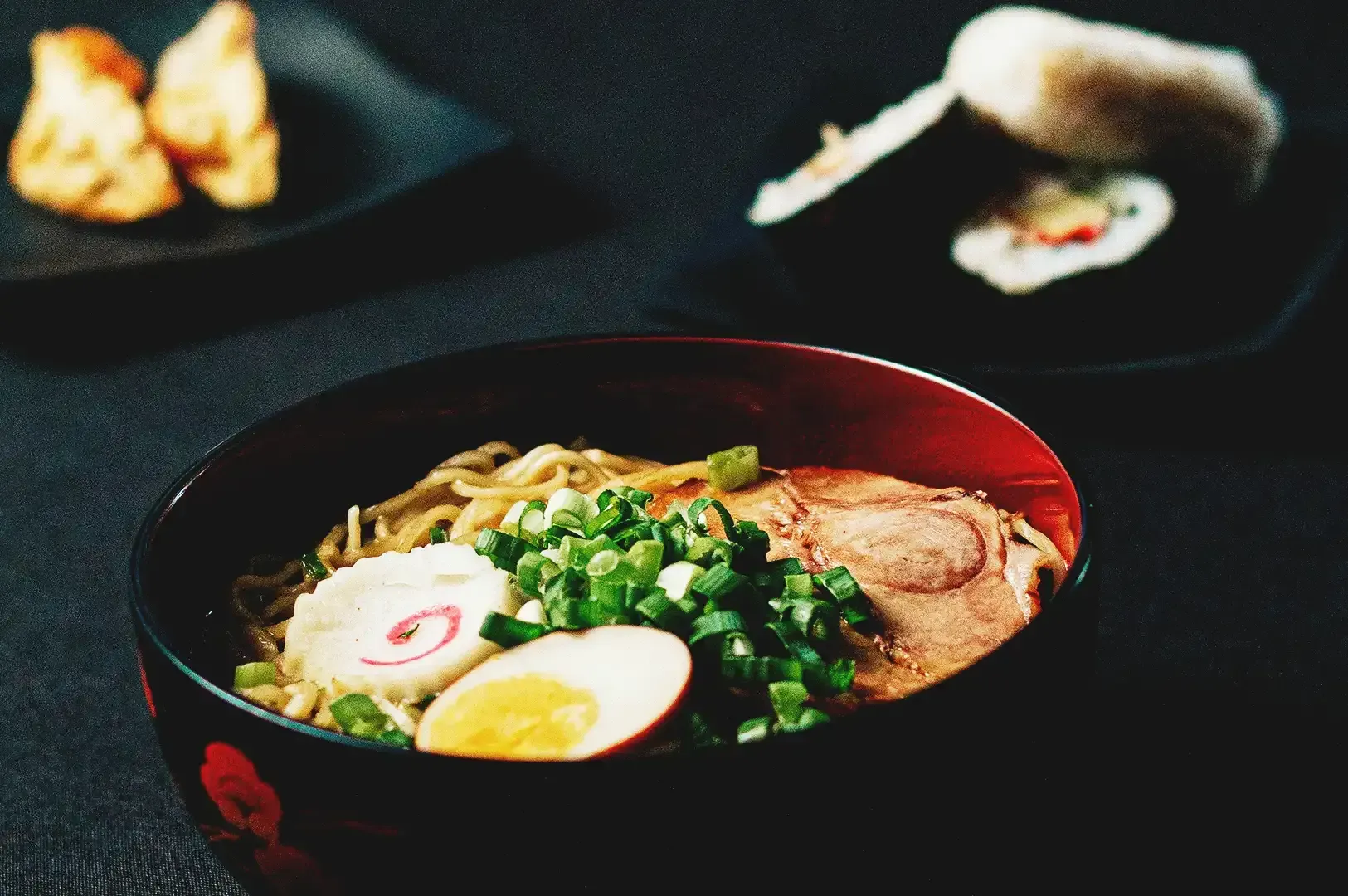
Ramen loads up. Depending on the style, you might find chashu (braised pork), thinly sliced beef, a marinated soft boiled egg or the famous ramen egg, bean sprouts, bamboo shoots, corn, and more. The famous marinated soft boiled egg, that jammy egg with a gooey center, is a thing of beauty. I could honestly write a love letter to it. Dried shiitake mushrooms are another topping I adore, since they bring an earthy, savory depth that plays perfectly with a rich broth.
The pattern I've noticed is this: udon toppings support the bowl, while ramen toppings build a whole layered experience. Both work. They just want different things.
Fried Udon Noodles and Chicken Yaki Udon: Cooking Them at
Here's the good news for anyone in Singapore who wants to cook these Japanese noodles themselves. You've got plenty of options, and they range from wildly easy to a proper weekend project.
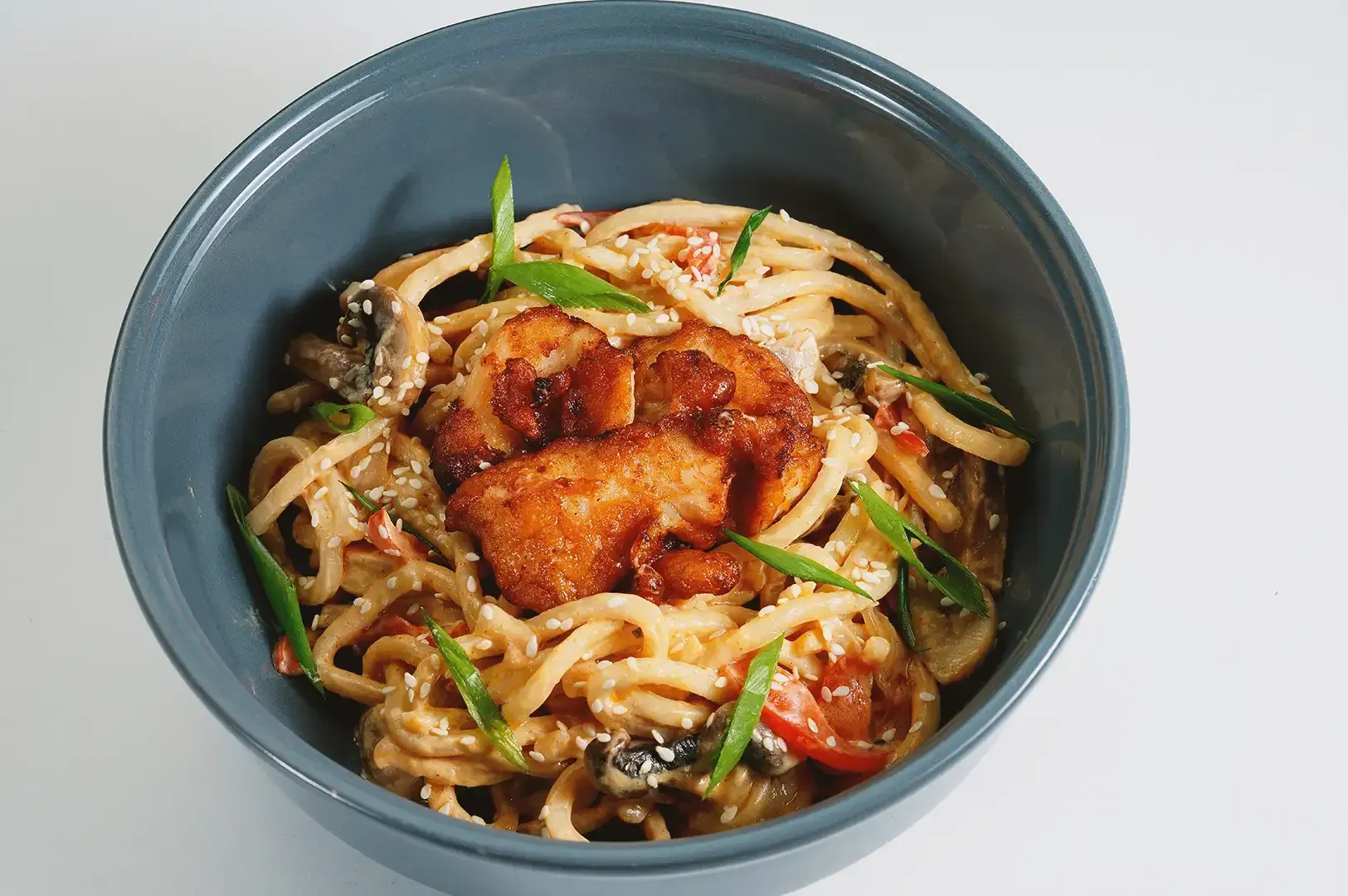
For udon, frozen Japanese udon noodles or yaki udon noodles are my honest recommendation for beginners. They cook in a flash, usually needing just a quick dip in hot water or a pot of boiling water, and the texture stays impressively chewy. Fresh noodles are lovely too, but frozen udon noodles are convenient and forgiving.
One of my favorite ways to use them is chicken yaki udon, which is a stir-fried dish rather than a noodle soup. To make fried udon noodles, you toss cooked udon in a hot pan with vegetables like baby bok choy or bok choy and a protein such as chicken thighs or chicken breast, then coat everything in a savory sauce, seasoned with a savoury sauce that may include soy sauce, mirin, Worcestershire-style sauce or oyster sauce depending on the recipe.
A splash of toasted sesame seeds and a sprinkle of crushed red pepper or red pepper flakes at the end adds a lovely kick. Stir-fried udon noodles are a staple I turn to on busy nights because they come together so quickly.
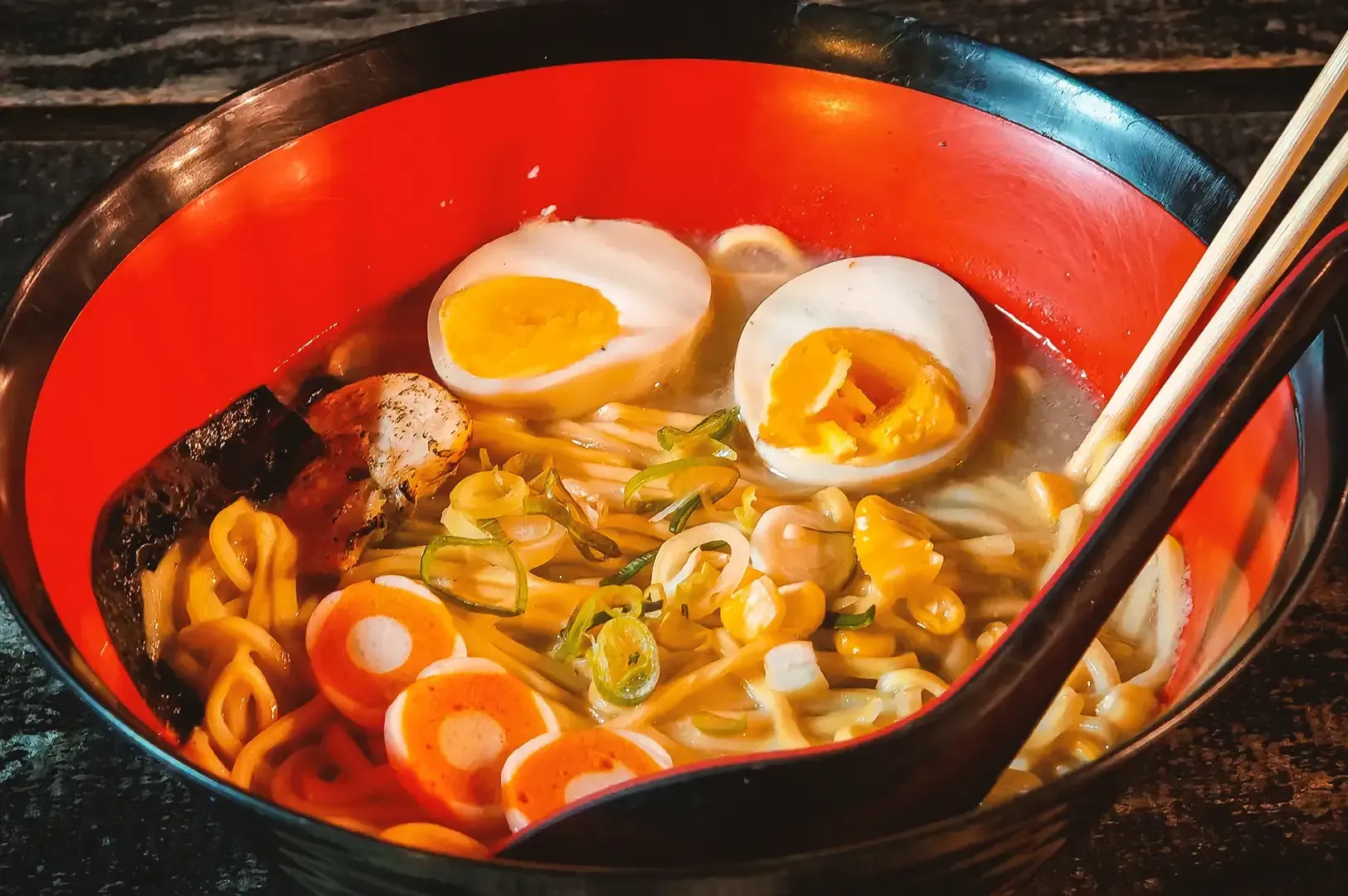
For ramen, you've got a spectrum. At the easy end sit instant ramen noodles, which just need hot water and a few minutes. They're a genuine comfort, and there's no shame in loving them. Fresh ramen noodles and dried ramen noodles give you a step up in quality if you want to build a proper bowl.
At the ambitious end is homemade broth and homemade ramen, and I'll be honest with you: it's a labor of love. A great tonkotsu takes hours, though you can shortcut with a good chicken stock base for a lighter soup. If you're building your own bowl, a marinated ramen egg and some rehydrated dried shiitake mushrooms will make it feel restaurant-worthy without much extra effort.
Insider knowledge: When you make instant ramen noodles at home, don't rely only on the seasoning packet. Stir in a little miso paste, a dash of soy sauce, a few drops of sesame oil, and top it with a soft boiled egg and green onions. That five-minute upgrade turns a basic packet into something you'll actually be proud of.
Common Mistakes to Avoid When Making Noodle Soup
I've made most of these myself, so learn from my stumbles.
Overcooking udon. Because udon is thick, it's tempting to leave it in the water longer. Resist. Overcooked udon turns mushy and loses that prized chewy texture. Boil it just until tender, Follow the package instructions. For cold udon, rinsing helps remove surface starch and firm the noodles; for hot soup udon, draining may be enough
Cooking ramen noodles too far ahead. Many ramen noodles cook quickly, especially thin Hakata-style noodles, so it’s best not to leave them sitting in hot broth for too long. If you let them sit in hot broth too long, they go soft and sad. In my experience, it's best to cook them separately and add them right before serving.
Expecting udon to taste like ramen. This one is more of a mindset mistake. If you order udon craving a bold, punchy bowl, you'll feel let down by its gentle broth. Go in wanting comfort and subtlety, and you'll fall in love with it on its own terms.
Ignoring the vegan-friendly angle. Traditional plain udon is typically made from wheat flour, water and salt, so the noodles themselves are often vegan, they're a great pick if you or a friend eats plant-based. Just double-check the broth, because dashi is often made with fish. Also, for those looking for gluten free options, soba noodles made from buckwheat flour can be a great alternative.
Nutrition Calories, Saturated Fat, and Vitamin C: Health Considerations
Is ramen or udon healthier? It depends on the bowl. Udon's lighter dashi-based broth tends to be gentler, while rich styles like tonkotsu ramen carry more saturated fat and trans fat. Toppings and portion sizes matter too, so neither is automatically the "healthy" choice..
Two Bowls Worth Loving: Ramen Soup and Noodle Soup
Here's where I've landed after plenty of happy eating: ramen and udon aren't rivals, and you don't have to pick a side. Udon is the bowl I want when I need something calm, chewy, and comforting. Ramen is what I crave when I want bold, layered, umami-packed flavor that wakes up my whole palate.
The best thing you can do is try both, and really pay attention to what each one offers. Order a gentle udon one week and a punchy miso ramen the next. Cook some quick fried udon noodles or even fried rice at home, then attempt a simple homemade ramen recipe when you've got a free afternoon. Once you understand what makes each bowl special, you'll never look at a noodle menu the same way again.
So go on, slurp with curiosity. Both bowls are waiting for you.
Want to know more where to find the best Tonkotsu in Singapore? check this article link for a more detailed guide: From Classic Tonkotsu to Modern Creations: Ramen Gems at Fortune Centre
Recent Posts