

Rich vs Clean: A Taste Test of "Heavy" Ramen That Doesn't Feel Greasy

August 28, 2026
Dot Icon

I used to flinch at the word "heavy." When a menu described a bowl as thick, creamy, or full-bodied, part of me braced for that oily film that coats your mouth and leaves you sluggish by the end. Too many bowls had taught me to fear richness. So I decided to test whether rich ramen and greasy ramen are really the same thing.


I sat down with one goal: eat a genuinely heavy ramen and pay close attention to how my body felt, spoon by spoon. I expected to enjoy the first few sips and regret the rest. That's usually how it goes.


Then the bowl arrived, and the first smell surprised me. It wasn't a wall of fat. It was warm and deep, with a gentle nuttiness and a whisper of garlic and something toasty underneath. My shoulders dropped a little. This didn't smell like a bowl that would defeat me.


Here's what I've come to believe. True richness in a ramen broth doesn't come from oil sitting on top. It comes from collagen, from bones simmered slowly until the soup turns silky and clings to your spoon with a natural body.


I noticed it right away. The broth had weight, but it moved cleanly. It coated the noodles in a soft, even layer instead of drowning them in slick. That's the difference. Greasy ramen feels flat and one-note. This felt layered, savory folding into sweetness, seasoning holding everything in place.

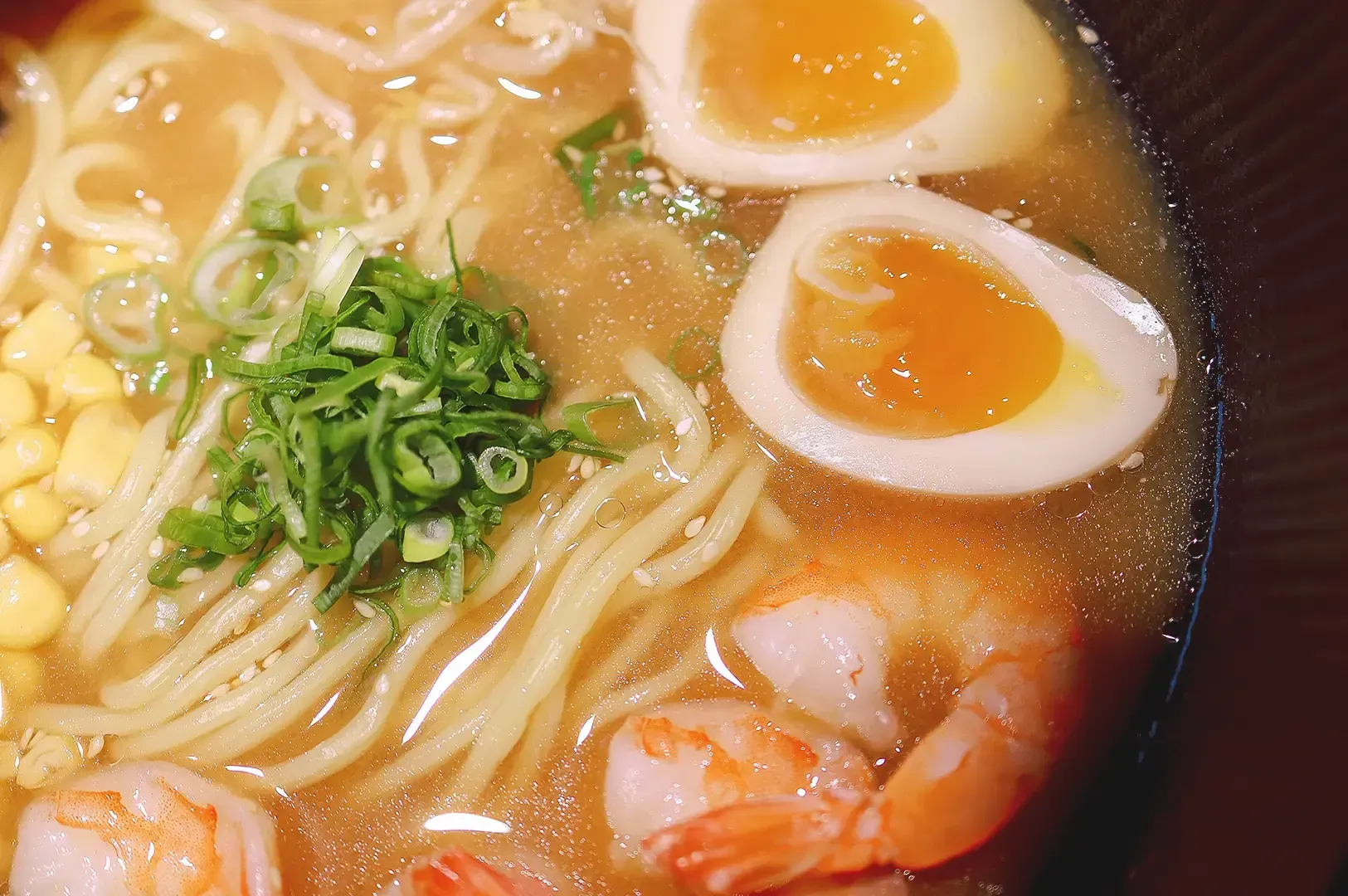
Freshly cooked ramen broth with spring onions, corn, egg and shrimp

Restraint matters too. A cook who understands balance knows when to stop. The fat was there for roundness, not to overwhelm, and the seasoning kept the whole thing anchored rather than salty or dull.


The noodles had a firm, springy bite that cut through the creaminess and kept each mouthful lively. The toppings pulled their weight, a bit of green onion for brightness, tender pork that melted rather than clung.


Halfway through, I paused and checked in with myself. Normally this is where heavy ramen starts to tire me out. Instead, I felt satisfied but still curious, still wanting more. That's the mark of a clean ramen, even a rich one.


The final sip told the truth. I tipped the bowl back and finished it, and I didn't feel weighed down. I felt full in the good way, warm and content.


So here's my honest takeaway from this little ramen taste test. Heavy ramen doesn't have to feel greasy. When richness is built on patience, aromatics, and balance instead of pure fat, a deep, creamy bowl can still feel clean right down to the last drop.

Recent Posts

Peek of Tonkatsu ENbition branch in Causeway Point following a traditional Japanese wooden
By Chloe C.L • October 12, 2026
Explore the world of Tonkatsu Enbiton, where flavor meets tradition. Discover tips, recipes, and the best spots to savor this culinary delight.
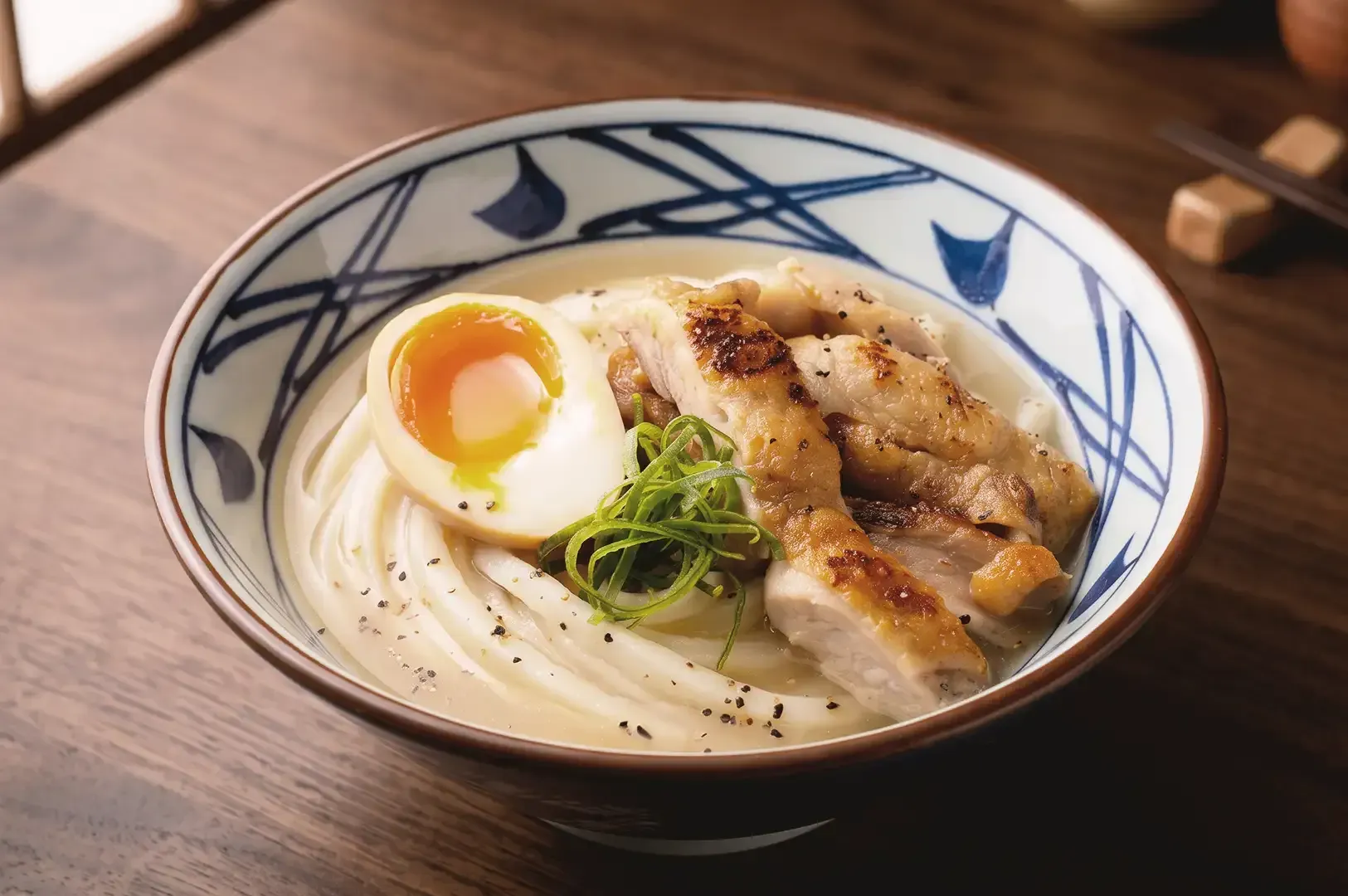
Bowl of ramen in creamy broth combined with sliced chicken strips and boiled egg garnished
By Best Ramen Team • October 9, 2026
Why chicken paitan deserves a spot beside tonkotsu in the creamy ramen conversation, from aroma to mouthfeel to that clean, silky finish.
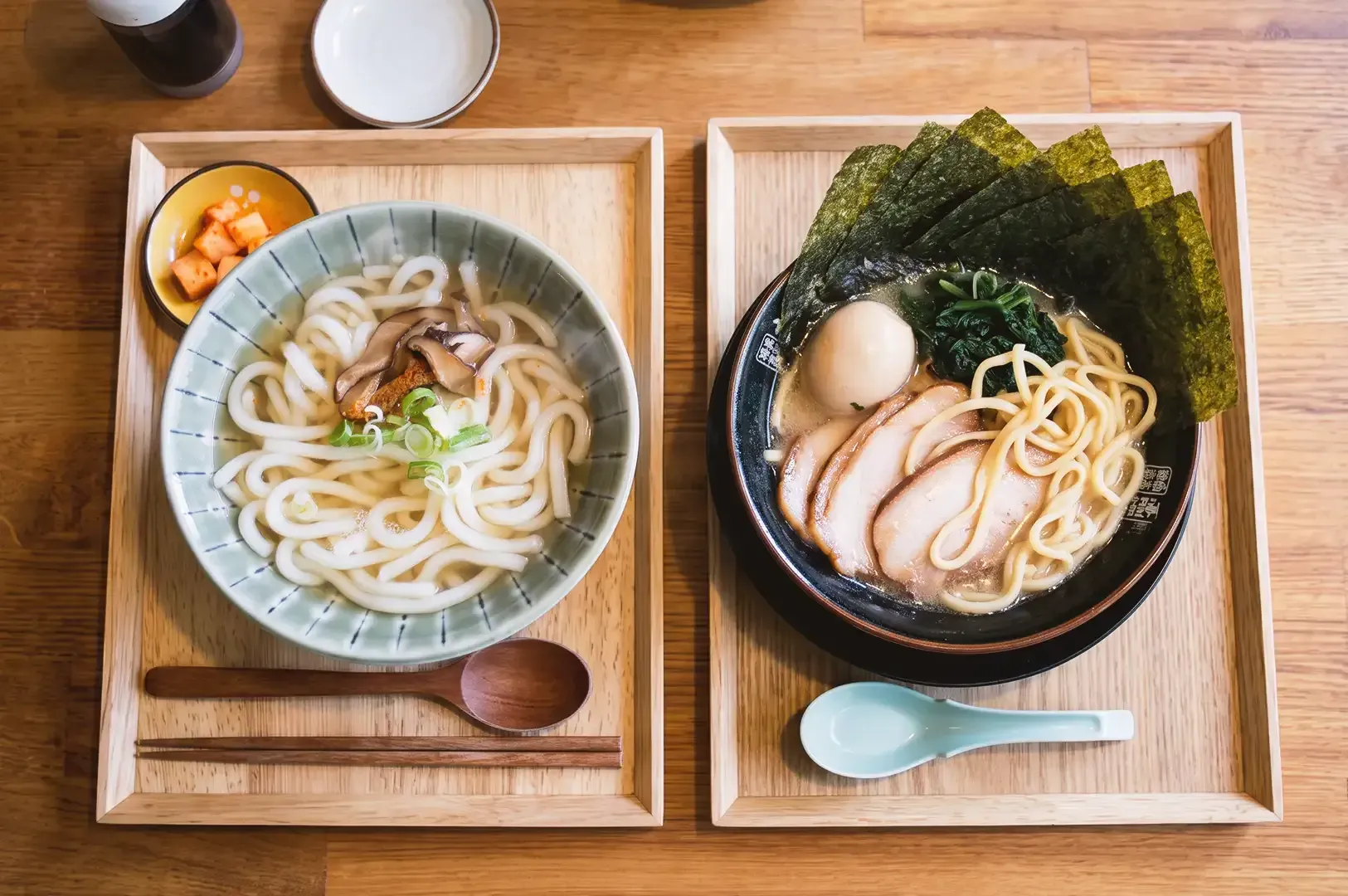
Side by side serving of udon noodles on the left and ramen noodles on the right
By Jillian Garzia • October 8, 2026
Discover the distinct flavors and textures of ramen and udon. Learn how to choose the perfect noodle for your next dish. Read the article now!
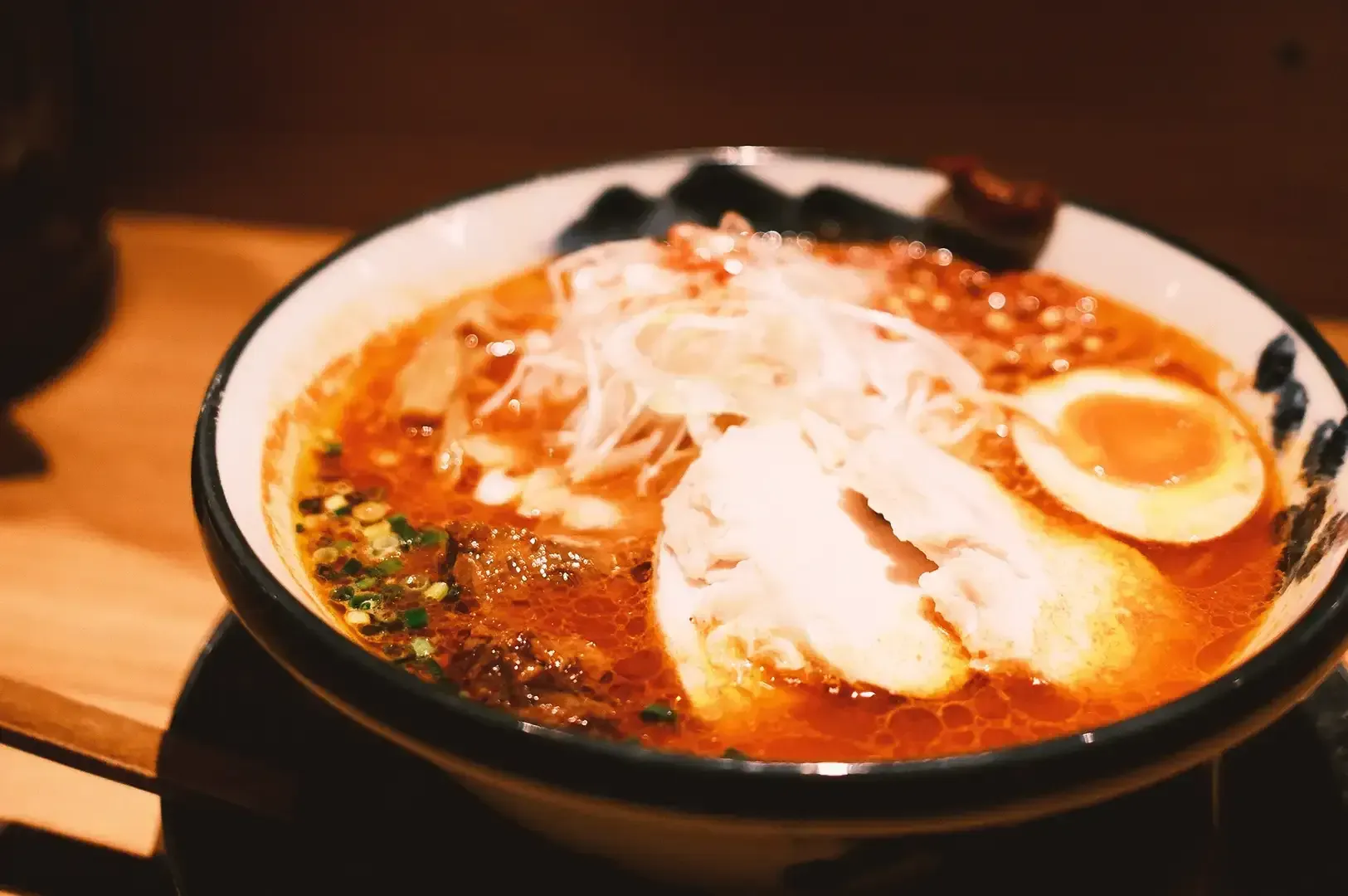
Bowl of ramen with egg, pork meat, shredded vegetable and bits of spring onions on a rich broth
By Chloe C.L • October 7, 2026
A first-person take on why chain ramen can beat indie ramen on consistency, sourcing, and value, and why "independent" doesn't always mean better.
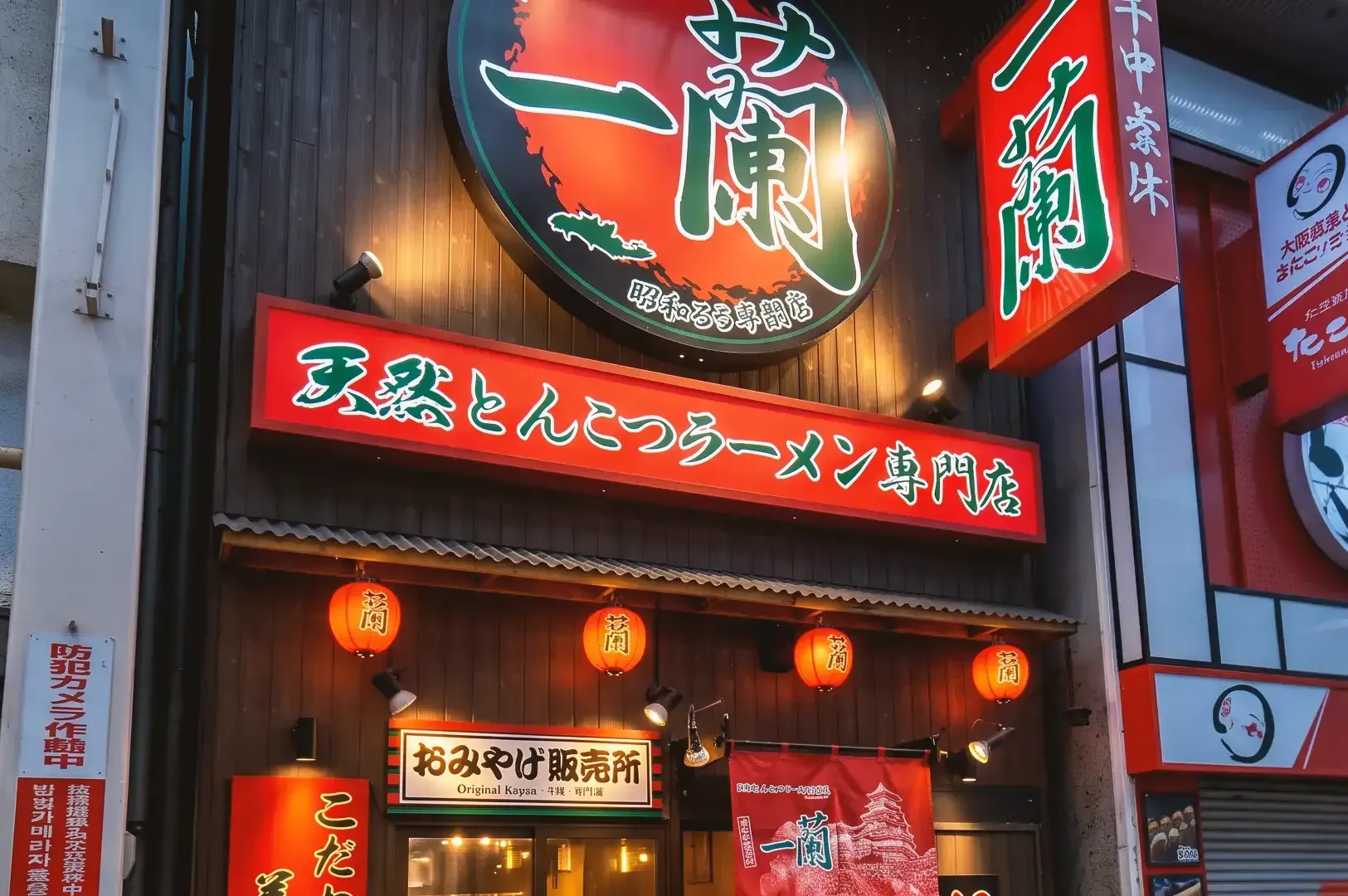
Storefront of Ichiran Ramen Dotonbori with displayed red signages with green japanese writings
By Chloe C.L • October 5, 2026
My honest Ichiran ramen Dotonbori review: rich tonkotsu broth, private booths, customizable bowls, and tips for visiting this Osaka icon.
A male chef facing backwards in kitchen area with visible smoke from cooking pan
By Jillian Garzia • October 2, 2026
An honest look at why "Chef's Special" ramen may be a margin strategy, and why you should judge the bowl, not the label.