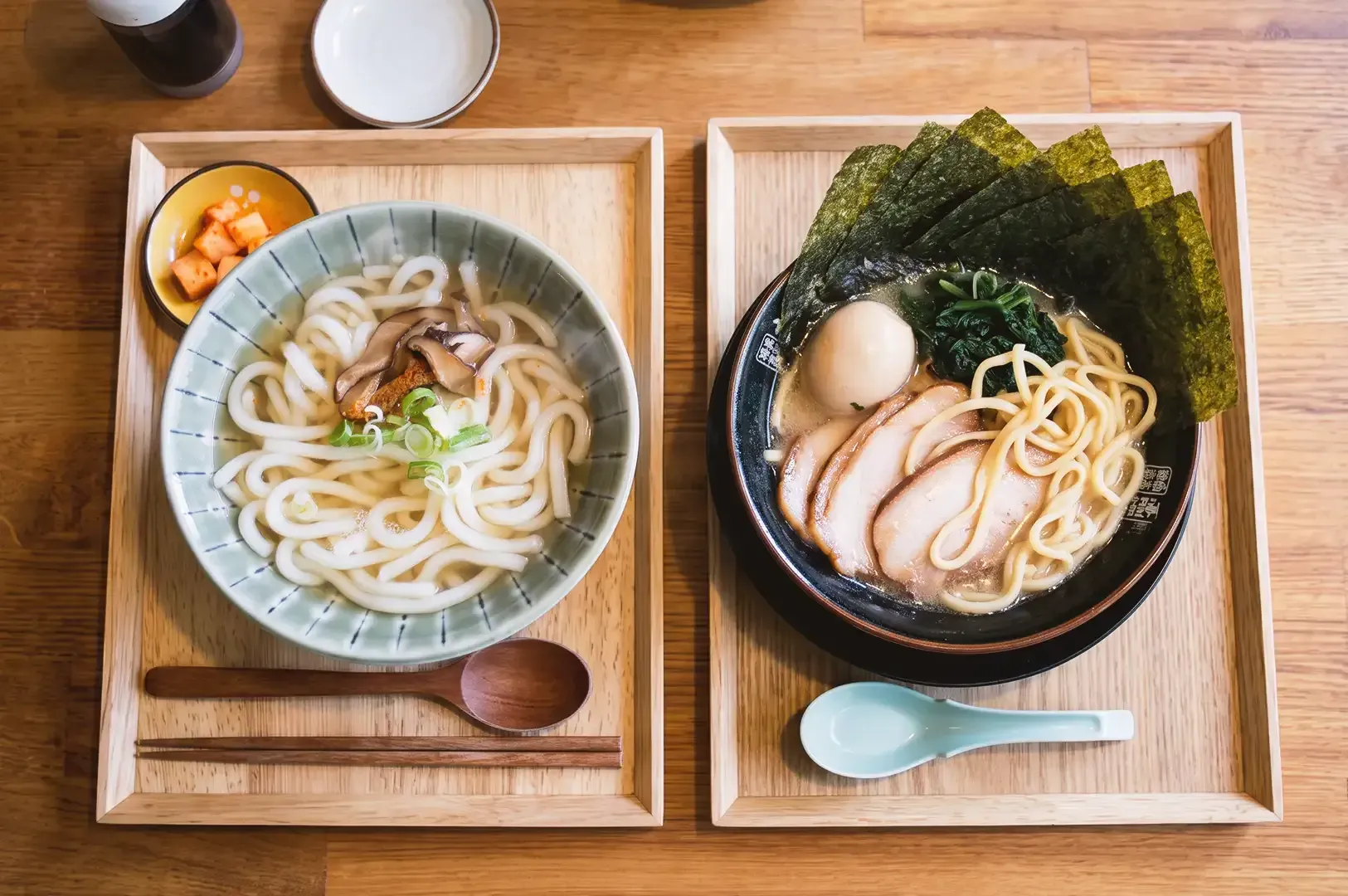
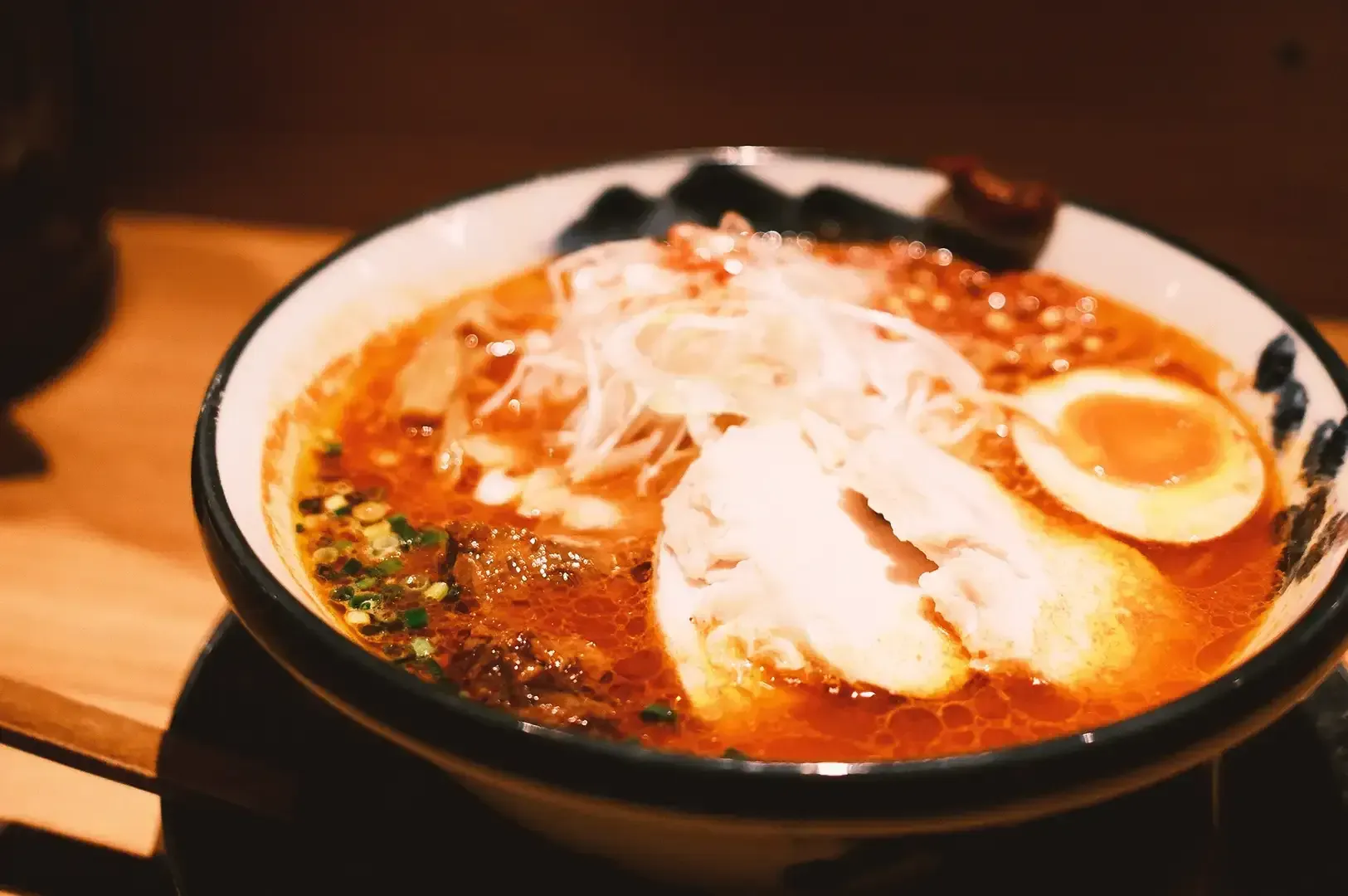
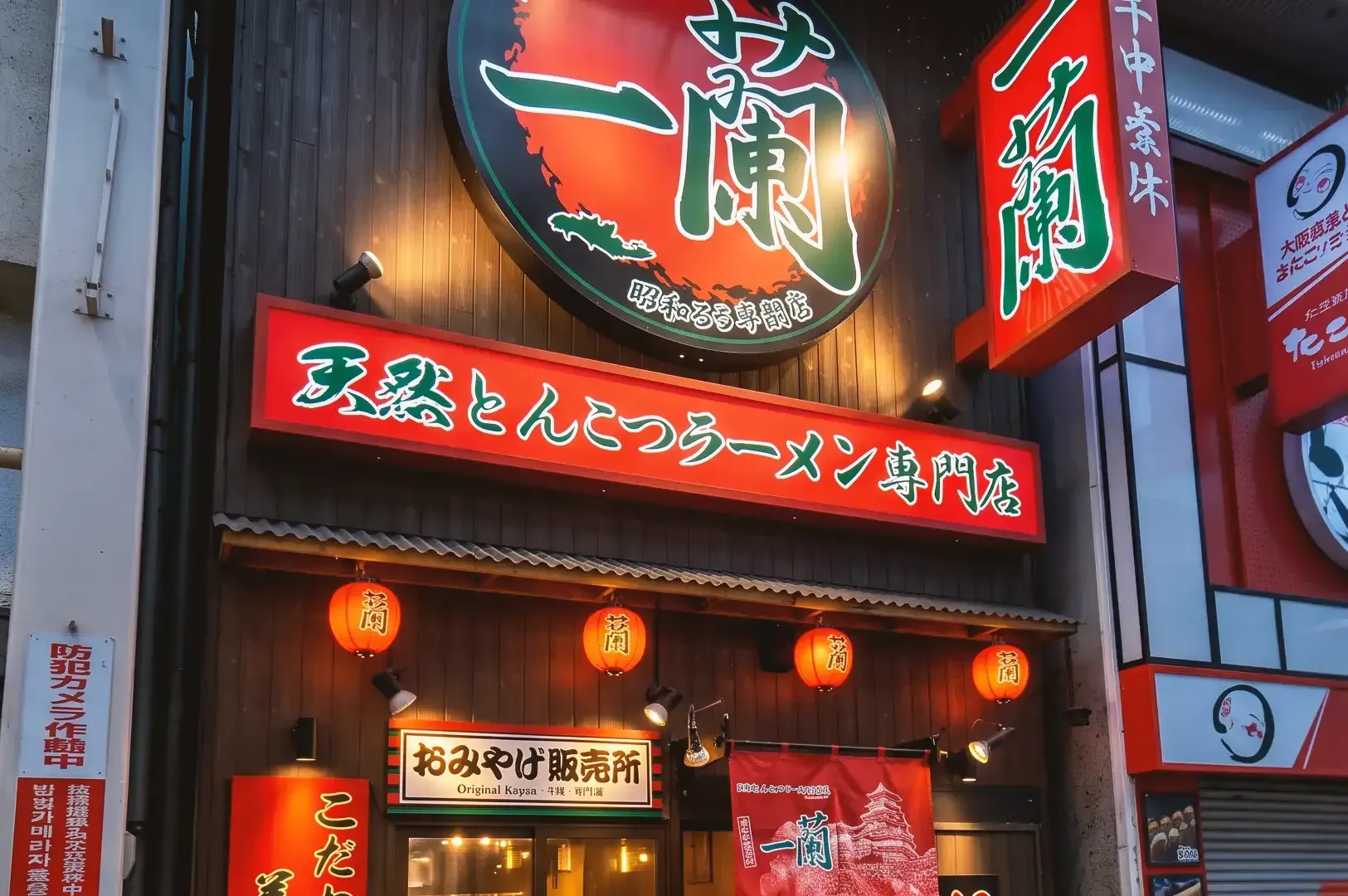
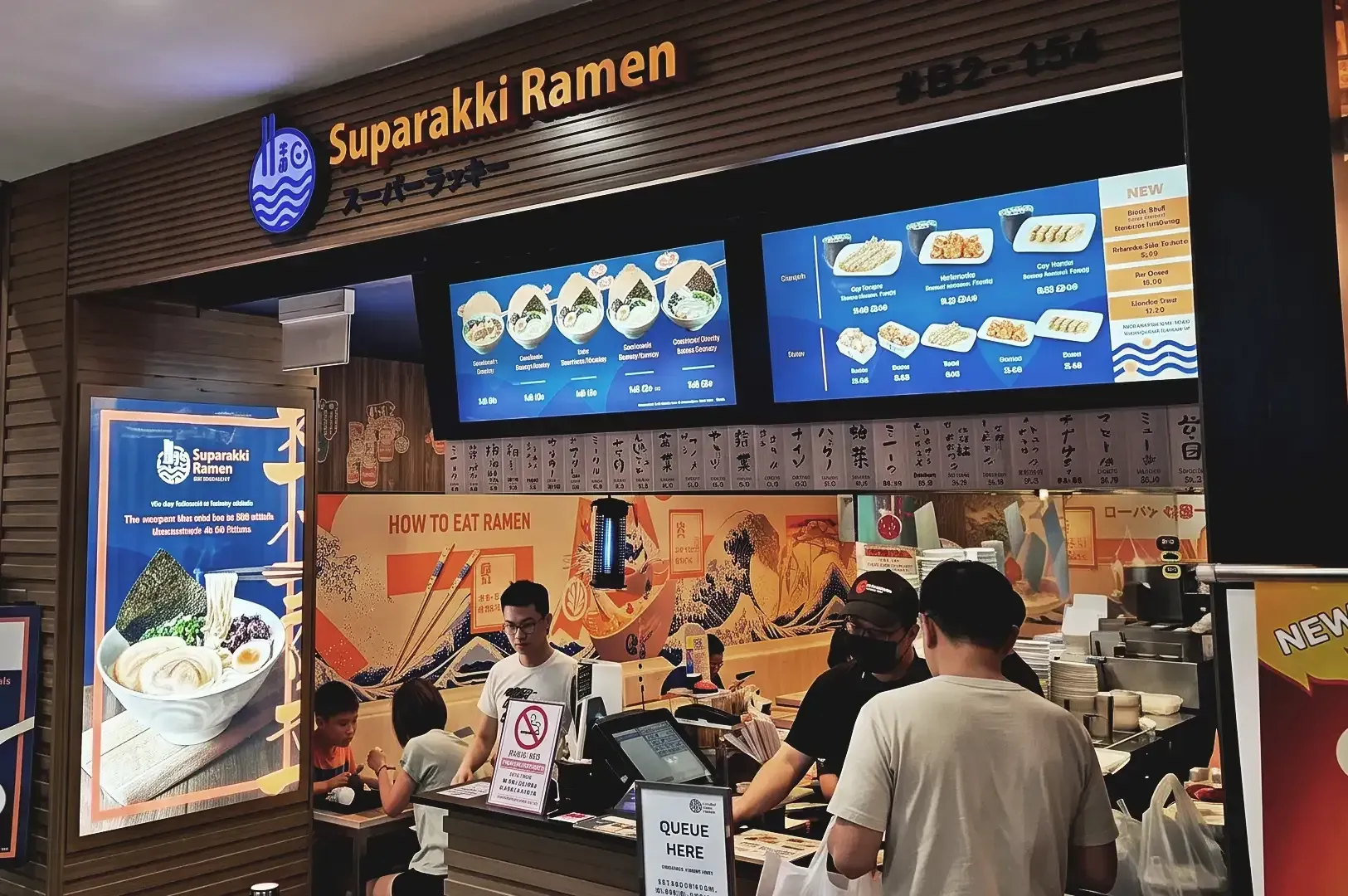
The queue outside the shop stretched past three storefronts. Most people held up their phones, framing the sign before they'd even tasted the food. I stood among them, and I couldn't decide how I felt.
Part of me was glad. More people care about ramen now than ever before. Shops that once struggled to fill seats are booked out for weeks. That's a good thing, and I won't pretend otherwise.
But I keep noticing what slips away when a bowl becomes a trend.
Ramen was never meant to be fast. A good
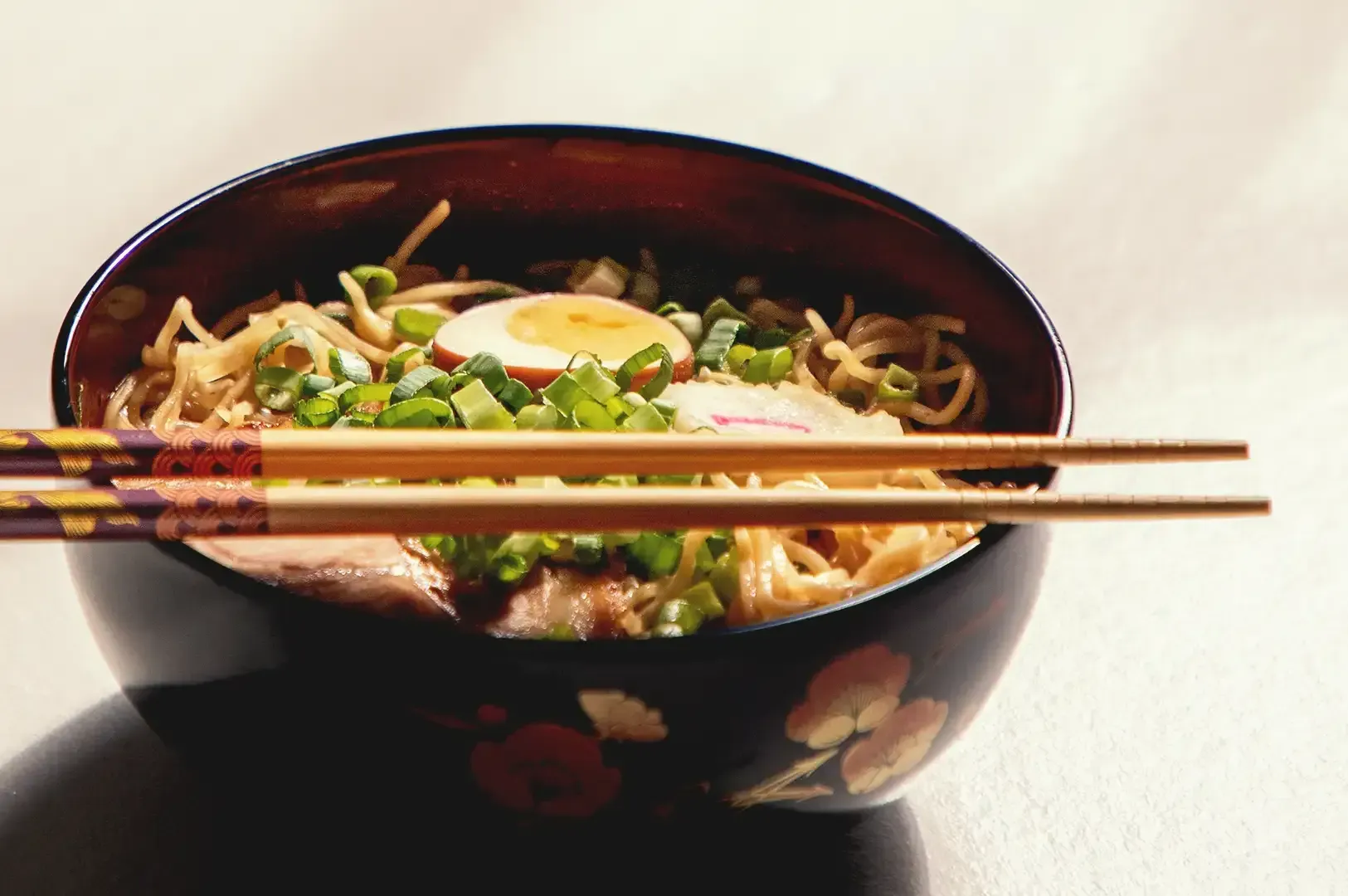
broth takes hours, sometimes a full day. The cook stands over the pot long before anyone arrives, adjusting, tasting, waiting. That patience is the point. When we treat ramen as content, we tend to skip past the slow part and reach straight for the moment worth posting.
I also think about individuality. Each shop used to carry the personality of the person behind the counter. One broth leaned salty. Another kept things light. Those quirks told you something about the cook. Trends push toward sameness, because the market rewards what already works. We risk trading a hundred honest bowls for one popular formula.
Then there's cost. Attention drives prices up. A dish that once fed workers on a modest budget can drift out of reach for the very people it was made for. That shift is quiet, but it matters.
I don't want to sound like I'm mourning something that isn't gone.
Ramen is alive and healthy, and new fans keep it that way. The interest is real, and it supports real cooks.
Still, I think we owe the bowl a little more than a photo.
The next time you sit down, try slowing down instead. Notice the broth. Think about the hours behind it. Ask where the recipe came from and who kept it going. That kind of attention costs nothing, and it returns the food to what it always was: a craft shaped by people, not a moment shaped by a feed.
A trend fades. A tradition, if we let it, stays.