
The Sea Is Hiding in This Bowl: Hototogisu Ramen Review
I didn't go looking for the sea that evening. I went looking for shelter.
It had been one of those days that empties you out slowly, and I wanted a warm bowl and a quiet corner. So I ducked into Konjiki Hototogisu, a renowned ramen shop with roots in Tokyo and a proud recipient of the Tokyo Michelin Bib Gourmand award. Half out of hunger, half out of habit.
I'd heard the name for years, a
Michelin star carried over from Tokyo,
oyster broth, a following. I came in curious, a little tired, and not quite sure the reputation would mean anything to me by the time I sat down.

Finding a Seat in the Noise at the Waterway Point Outlet

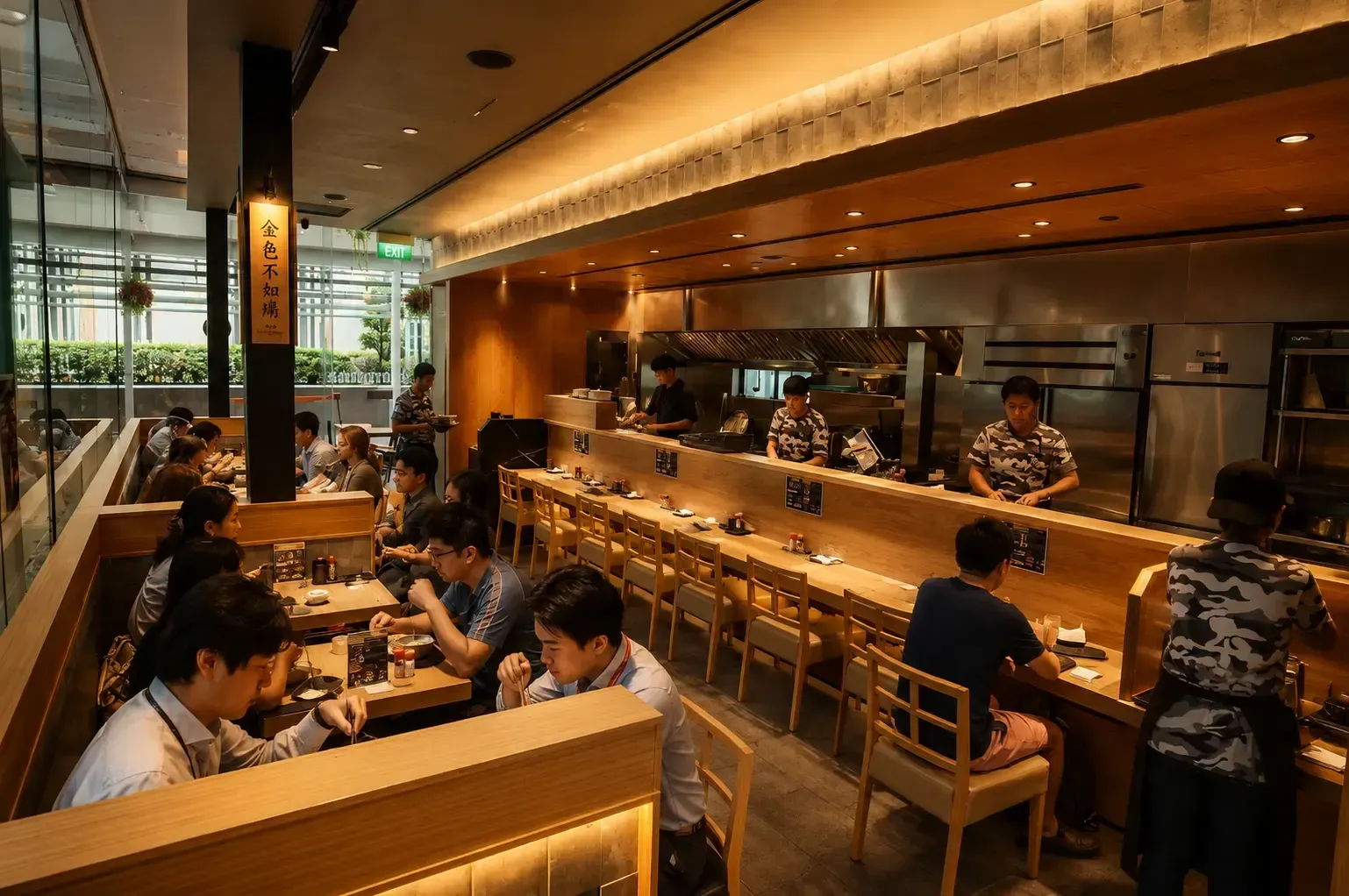
There are a few outlets across Singapore now, including one at Waterway Point. I visited on I visited on a cool weekday evening, just as the dinner crowd was beginning to gather, slipping into the Great World City branch as the buzz started to build, slipping into the Great World City branch as the dinner crowd thickened.
It isn't a place built for lingering. The space is bright, functional, a little tight around the edges. Tables sit close, and when it fills, the noise rises with it: cutlery, chatter, the low mechanical hum of a busy kitchen.
I noticed the pace right away. This is a room that moves. Chairs scrape, bowls land, someone waves for the bill. If you're after stillness, this isn't quite it. I found myself softening into the buzz instead, the way you do when a place is honest about what it is.
The Ordering, Quick and Unfussy from the Menu
Service was brisk. Not unkind, just efficient in that way busy ramen shops often are. The faint clatter of bowls and the murmur of conversations filled the air as staff moved with practiced speed. I've read that at peak hours it can tip into brusque, and I believe it. The staff have bowls to move and tables to turn.
I felt a little rushed choosing from the menu, so I did what I usually do when I'm unsure. I went for the signatures.
The noodles had a firm, springy bite, thin and straight, the kind that push back before giving way. These noodles are produced in house daily to ensure freshness and perfect texture. They held their texture even as I slowed down, which matters more than people give it credit for.
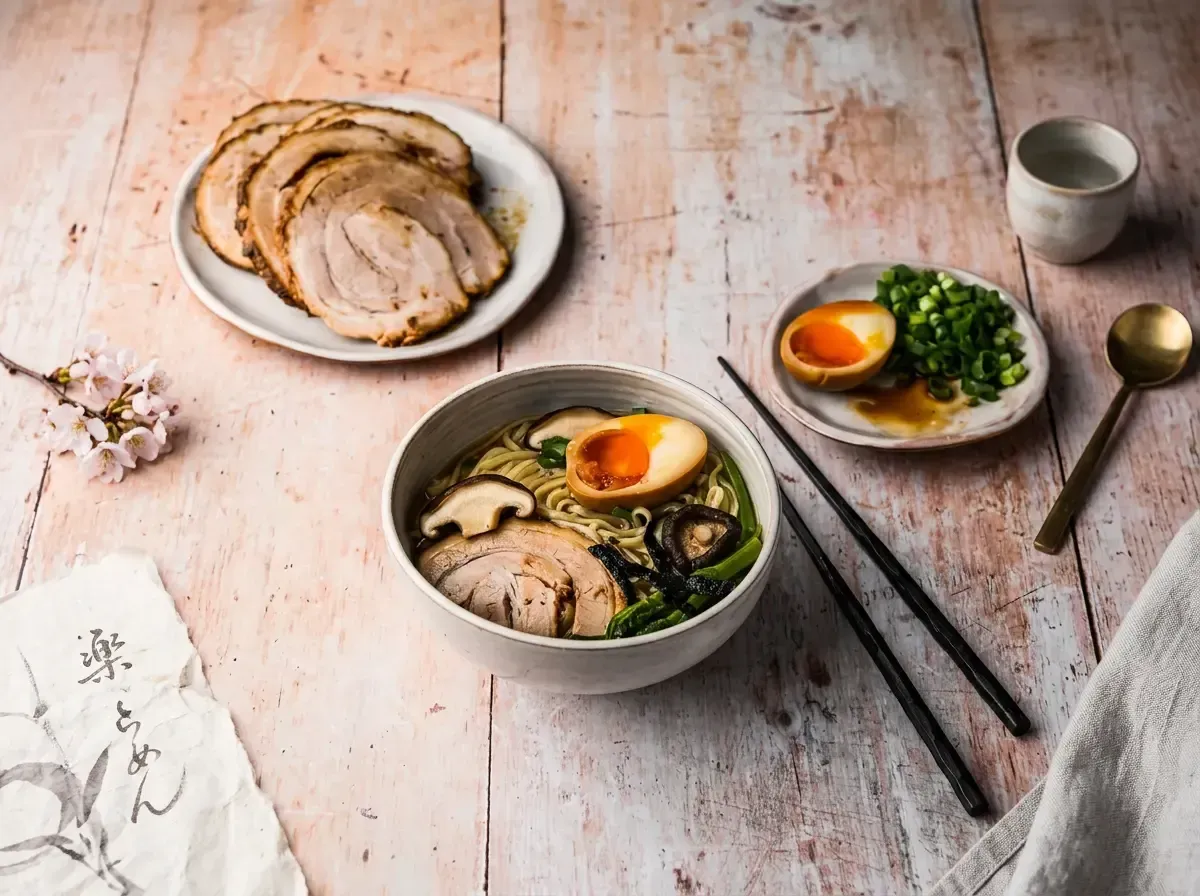
The torched charshu slices were tender, with a soft band of fat that loosened in the heat. It didn't try to be the star. It let the broth stay the centre of things.
The truffle onsen egg was close to perfection. The yolk sat just shy of jammy, stained amber from the marinade, and it spilled slowly into the soup when I cut it. A small, satisfying thing. The kind that tells you a kitchen pays attention when nobody's watching.
Two Bowls, One Question: Hototogisu Ramen and Yuzu Cappuccino Ramen

The question I carried to the table was simple. Does the sea actually live in this bowl, or is it just a story people repeat?
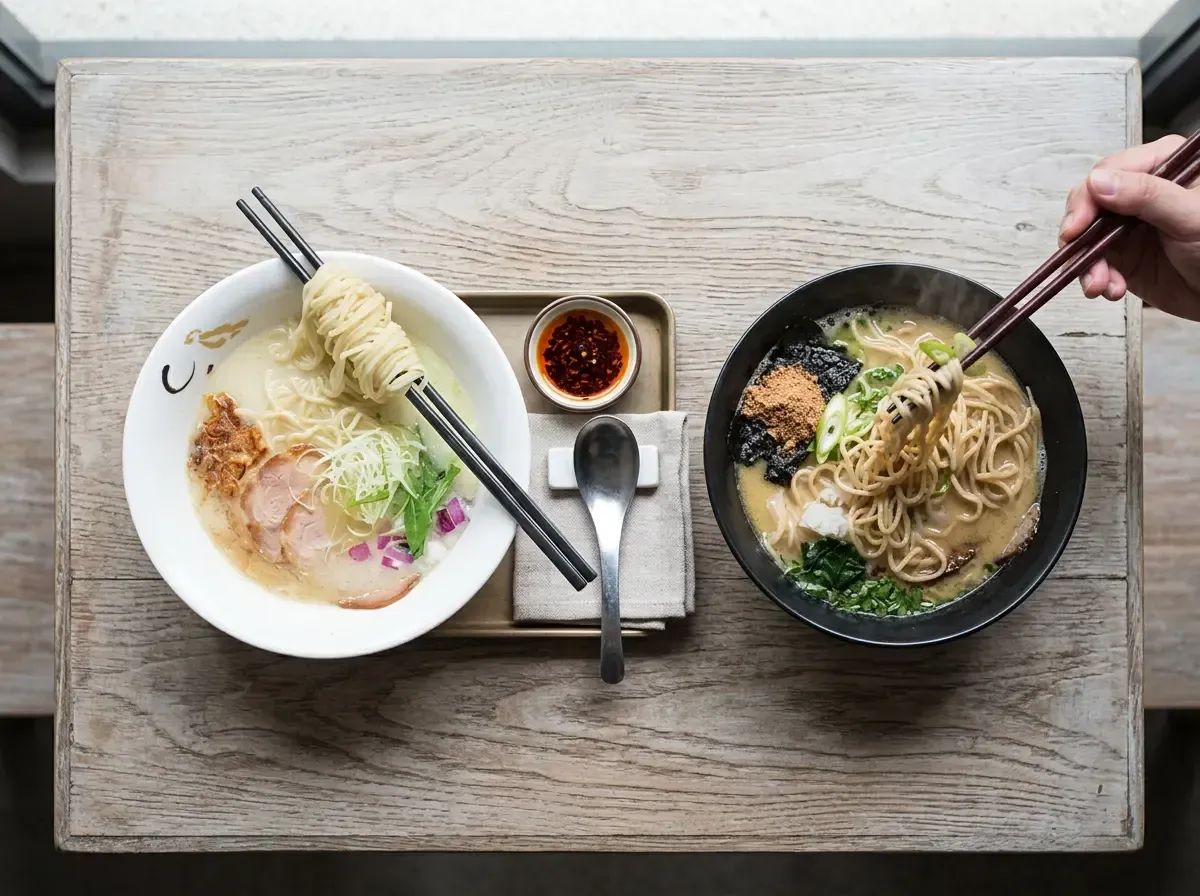
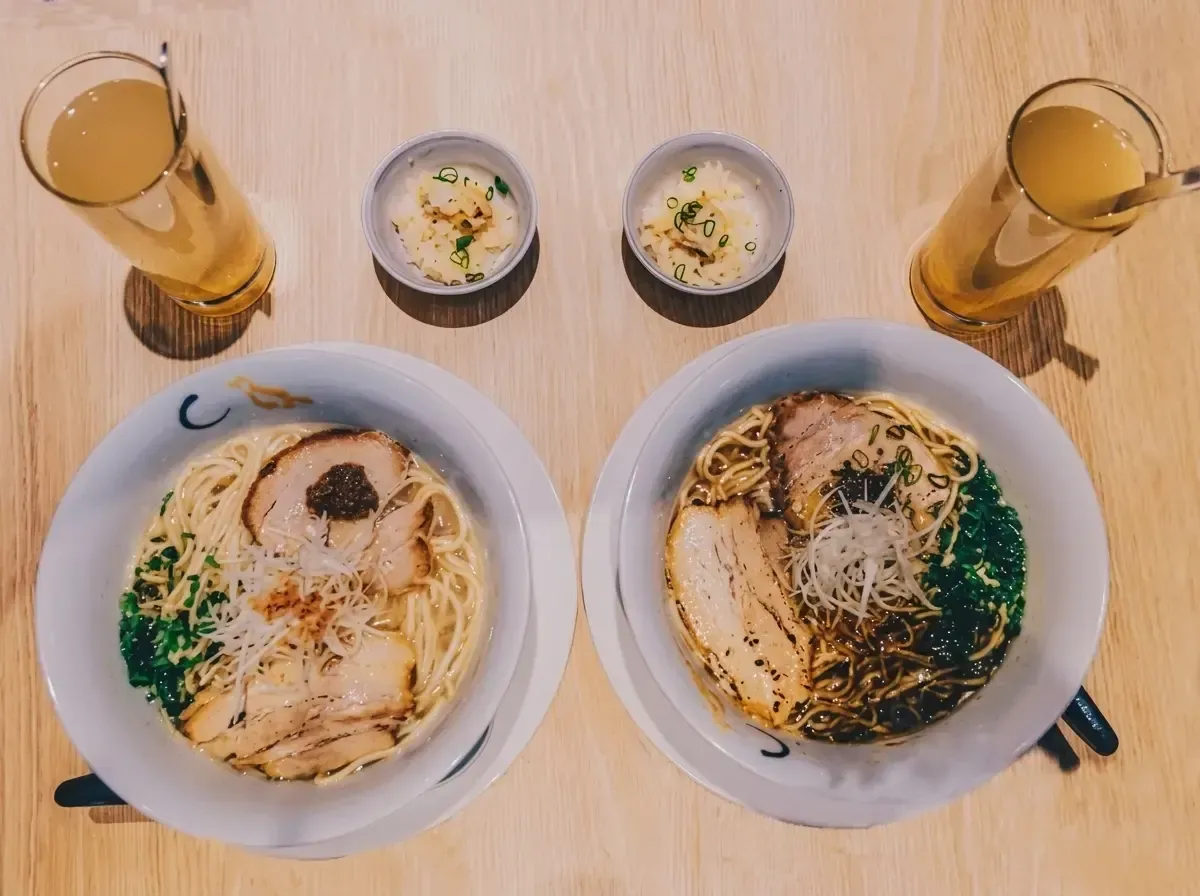
I ordered the Oyster Paitan Ramen and, because I couldn't decide, the Yuzu Cappuccino Ramen to compare. One creamy and full. One clear and light. I wanted to know which one told the truth.
When the Bowls Arrived: A Thought on Toppings and Garnishes
They came out fast, both steaming, both larger in the bowl than in the portion. That's a fair thing to say up front. The vessel is generous. What sits inside feels measured, almost restrained. If you arrive very hungry, you may finish still wanting a little more.
But then the aroma reached me, and I stopped counting.
The oyster paitan carried a scent I wasn't expecting. Not fishy, not sharp. Something rounder and deeper, like standing near the water at low tide, that mineral, briny air that gets into your chest. I leaned over it before I lifted a spoon. That first breath told me the sea was, in fact, hiding in there.

Brothers Ramen: The Signature Bowl
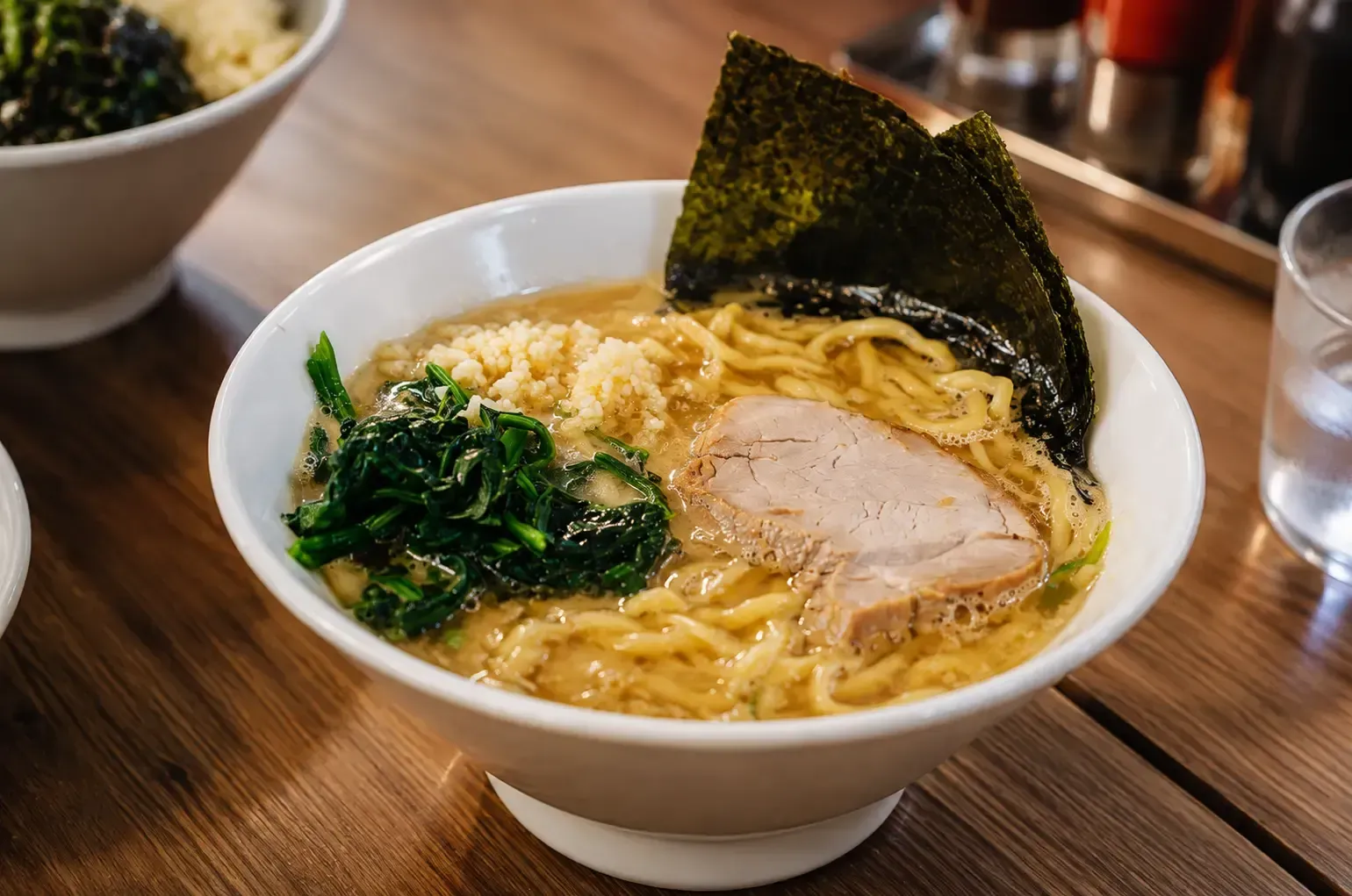
The Broth, and What It Remembers in This Signature Dish

Oyster Paitan: Creamy and Full
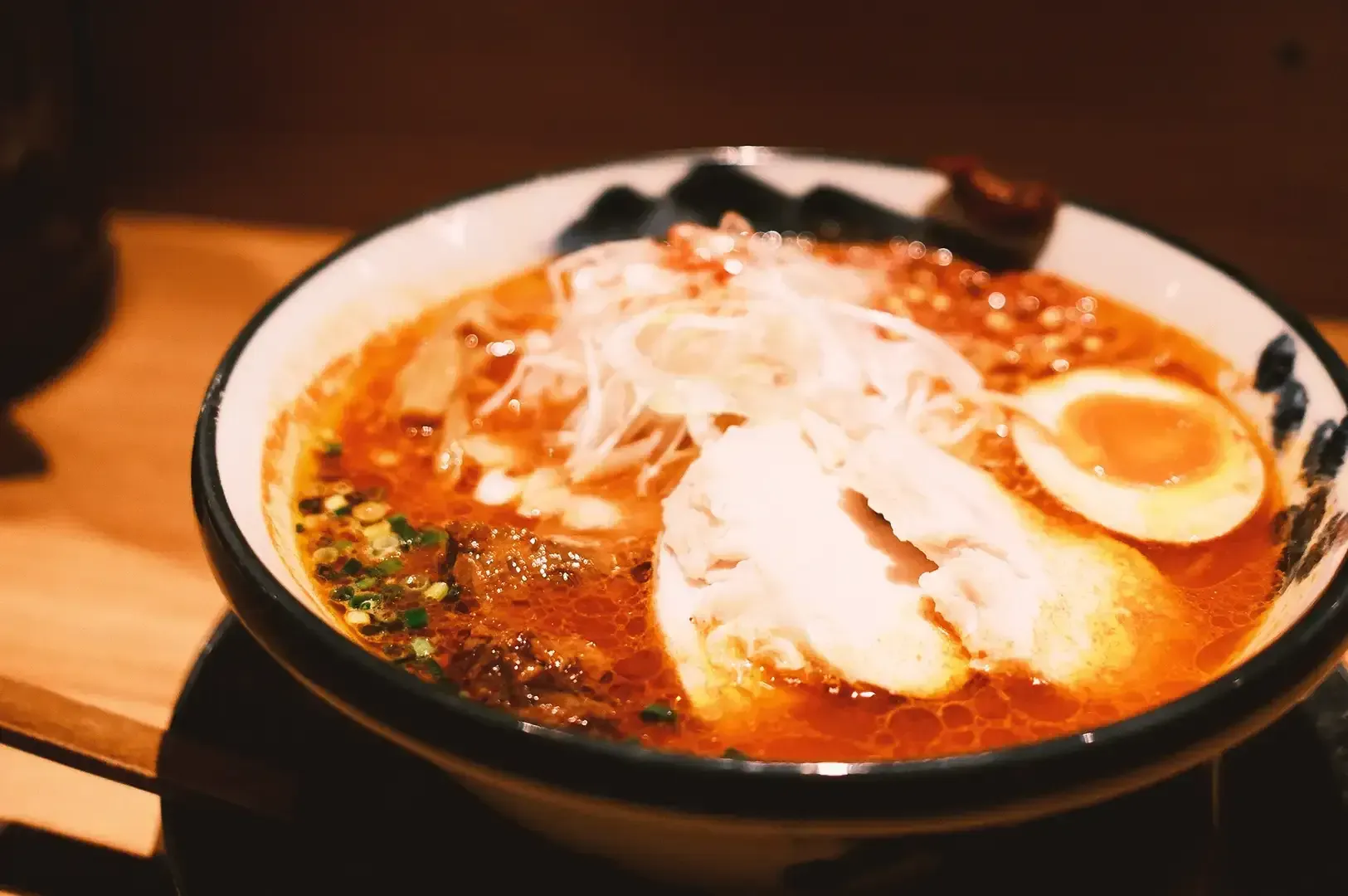
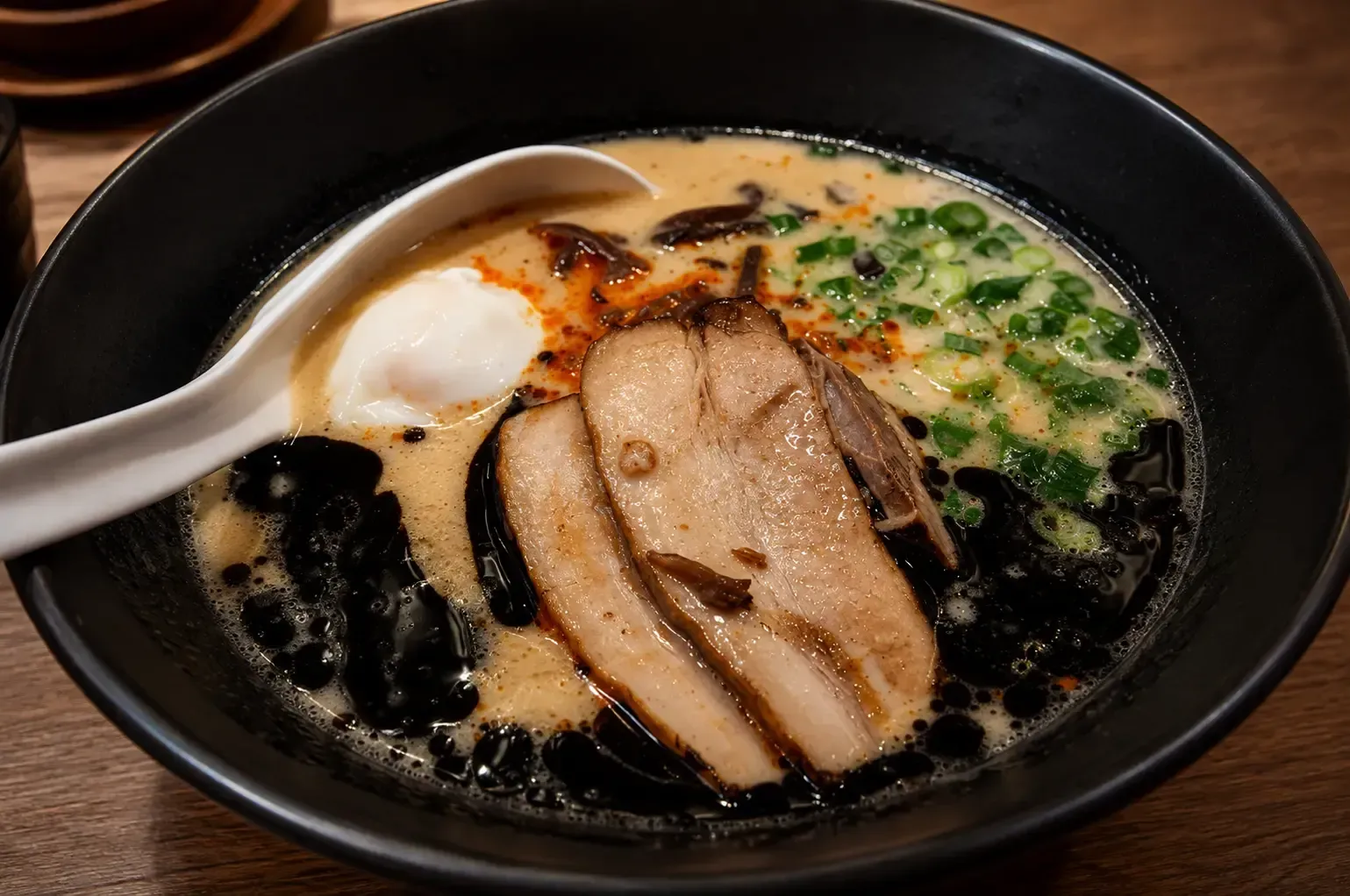
The paitan broth is the one people talk about, and now I understand why. It's cloudy, almost milky, thick enough to coat the back of the spoon. The oyster runs through it quietly at first, then settles in as a slow, savory depth that lingers after you swallow.
I liked it more than I thought I would. It felt less like a performance and more like a memory of the coast. There's a gentleness to it that I didn't associate with anything Michelin-starred.
Here's my honest comment though. It leans salty. On my first few sips it was warming and rich. By the middle of the bowl, the salt began to press a little harder than I wanted. I've seen this in reviews too, and I'd trust it. The lemon slice they tuck in helps, so use it. A squeeze cuts through the richness and pulls the whole thing back into balance.
Yuzu Cappuccino Ramen: Light and Aromatic
The yuzu cappuccino ramen offers a bright contrast. The broth is delicate, with the citrusy yuzu cutting through the creamy foam like a fresh breeze. The cappuccino-style froth on top adds a unique texture and aroma, making each sip a playful experience.
While some might find the yuzu's sharpness overpowering, I felt it brought a lively balance to the dish. The toppings here are carefully chosen to complement the citrus notes, creating a harmony of flavors that feels both innovative and respectful of ramen tradition.
The Small Things in the Bowl: Noodles, Chashu, and More

The details are where a bowl either earns its keep or falls quietly short. Here's what I noticed.
- The noodles. Thin and straight, made in-house with whole grain flour and grain flour sourced from Hokkaido. They had a proper bite and held their texture well through the broth, which matters when the soup is this warm and you're eating slowly. The use of whole grain flour adds a subtle nuttiness and complexity to the noodles that enhances the meal.
- The chashu. Tender and clean-tasting, sliced thin. It didn't carry the deep, fatty richness you'd get in a pork-forward bowl, but it wasn't trying to. Here it plays a supporting role, and it knows it.
- The soft-boiled egg. Worth adding. The yolk was warm and just-set, spilling gently into the broth. A small, quiet comfort.
- The wild rocket. An unusual touch, peppery and fresh, cutting across the salt. I liked what it did. It kept the bowl from feeling heavy.
- The lemon. Not decoration. A tool. Squeeze it.


Did Konjiki Hototogisu Live Up to the Tokyo Michelin Bib Gourmand Reputation?
This is the part I sat with for a while, spoon resting against the bowl.
A Michelin star or a Tokyo Michelin Bib Gourmand award travels with expectations, and expectations can quietly ruin a meal before you've tasted it. I've read the harsher reviews, the ones that say the star stayed in Tokyo. I understand where they come from. If you walk in expecting a thick, collagen-heavy tonkotsu that clings to your lips, you'll leave puzzled. This is not that kind of ramen at all.
What Konjiki Hototogisu does is different. It builds a broth around seafood rather than pork, and that choice changes everything. It's cleaner, more restrained, more about aroma and depth than sheer heaviness.
So does it capture the sea? Yes. Genuinely. The oyster isn't a gimmick or a garnish. It's the whole reason the bowl exists, and you taste it in every sip. Where it stumbles is the salt, and sometimes the value, given the modest portion for the price.
Who I'd Send Here for Ramen Enjoyment in Singapore
I keep coming back to the idea that not every bowl is for everyone, and that's fine.
If you love seafood, if the smell of the coast makes something in you settle, you'll find a lot to sit with here. This is quietly one of the more distinctive expressions of Japanese ramen Singapore has, precisely because it refuses to chase the usual richness.
If you only feel satisfied by a heavy, porky tonkotsu, this may leave you a little cold. That's not a flaw in the bowl. It's just a different conversation than the one you came for.
The Last Sip at This Ramen Shop

I finished the shio first, then the paitan, slower than I meant to.
The room was still loud around me, still moving. But somewhere between the aroma and that final salty, briny warmth, I'd stopped noticing. I came in tired and skeptical about the reputation. I left thinking less about the star and more about the sea it managed to hold.
That, to me, is the honest measure of this Hototogisu ramen review. Not whether it's the best ramen in the city, but whether it made me pause. It did.
If you're the kind of person who reads a bowl slowly, who cares more about what a broth remembers than how it photographs, go find a seat. Order the paitan. Add the egg. Keep the lemon close. Then tell me whether you heard the sea in it too, because I'd genuinely like to know.
To discover more Japanese related ramen cuisine across Singapore, be sure to check and visit: Japanese Izakaya Singapore article